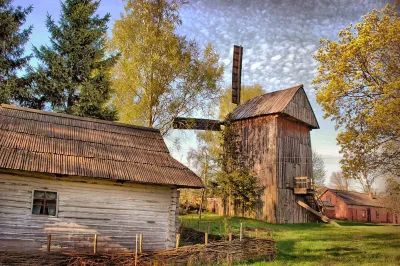
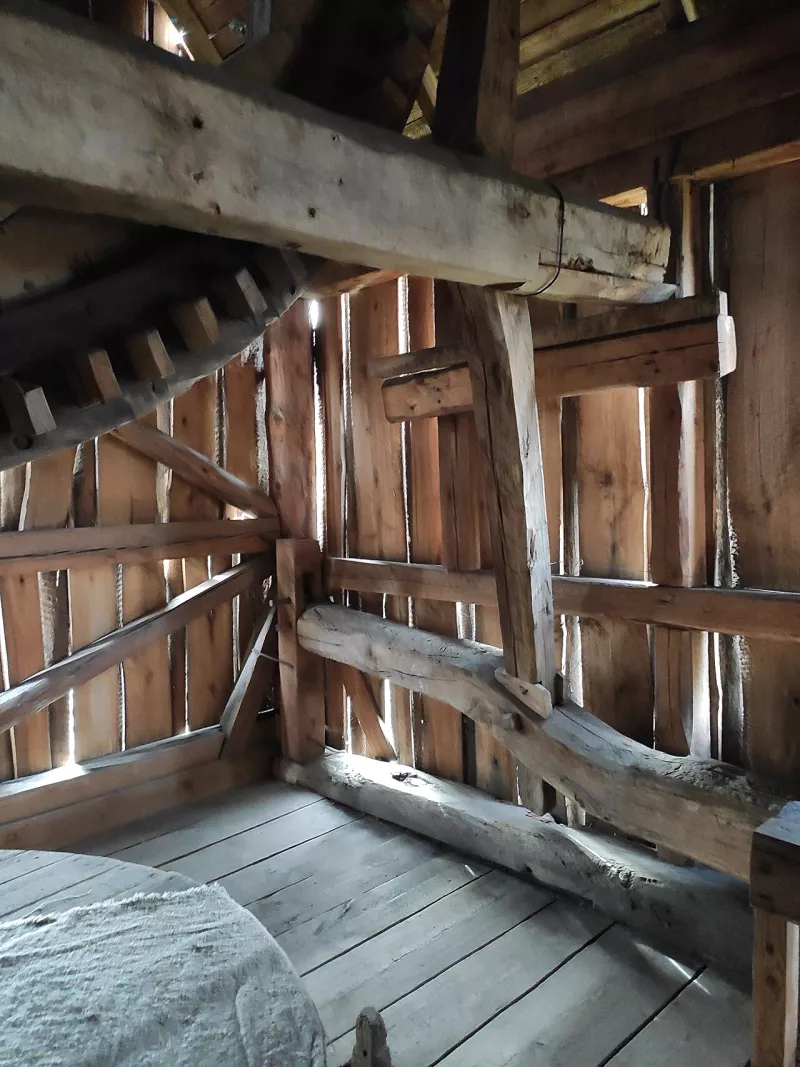

The open-air museum in Sarny recreates a Polissia village from the late 19th to early 20th century. The territory of the Sarny Historical and Ethnographic Museum hosts ten authentic homesteads with houses, barns, a smithy, a windmill, and a wooden chapel.
The museum itself was opened on November 6, 1974, as a local history museum, and in 1989 it became a historical and ethnographic museum. The first open-air exhibits were installed here in 1978: a middle-class peasant’s homestead, a poor man’s house, a smithy, an 18th-century chapel, and a late 19th-century windmill. Now the museum is a branch of the Rivne Regional Museum of Local Lore, and its collections include over eight thousand main exhibits.
Homesteads, Tavern, and Hideout
The middle-class peasant’s homestead was transported from Kalynivka. There is also a smokehouse, which was heated without a chimney, and a tavern where the tavern keeper’s living quarters were under the same roof. It was brought from the former Zarichne district.
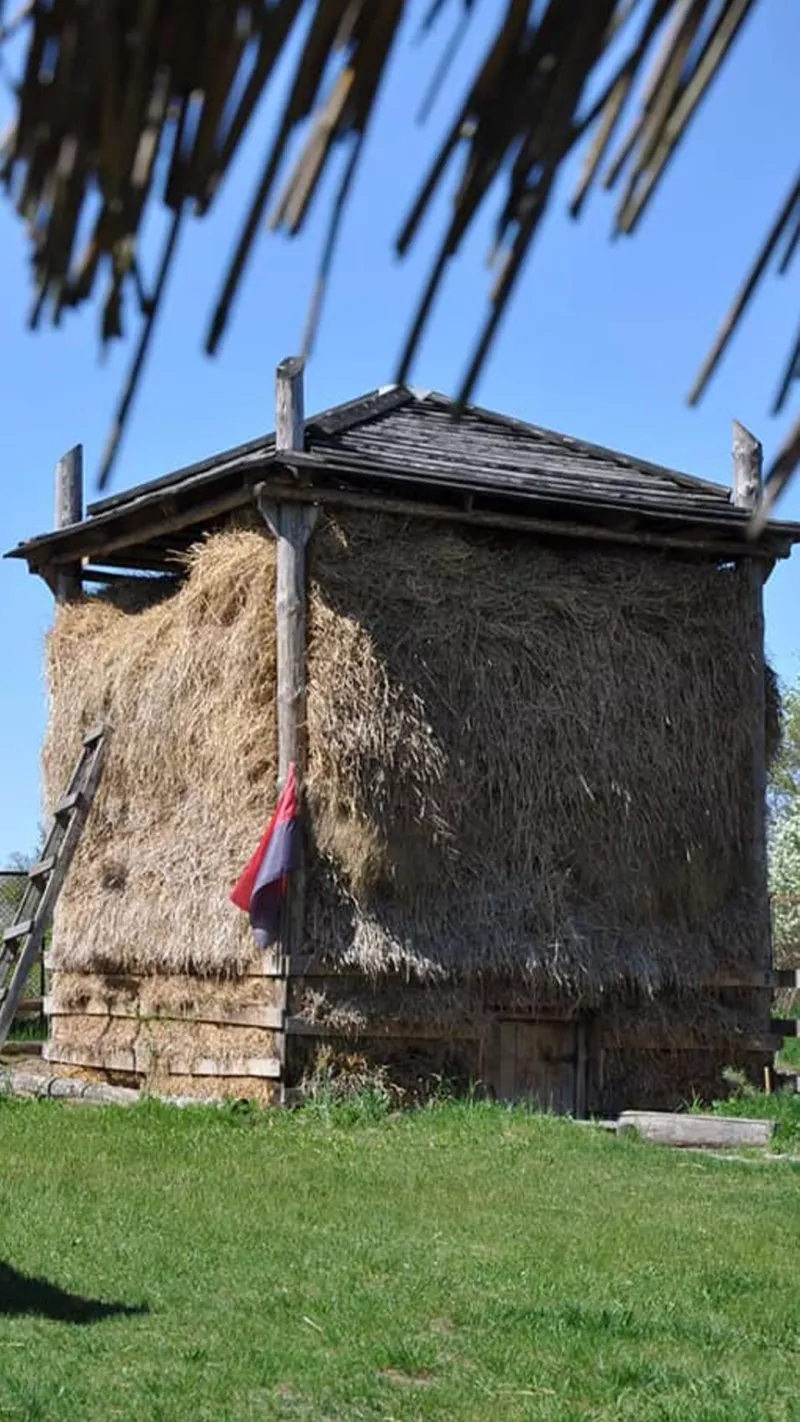
Near one of the homesteads stands a brek — this is what Polissia called a storage structure with four poles under a roof, where hay and straw were kept. Under it, a reconstruction of a UPA hideout was arranged.
In June 2022, sheep were settled in the Zarichne yard of the open-air museum: sheep breeding has long been a craft in northern Rivne region, where wool was spun and bedcovers sewn. The ram was brought from Kamiane-Sluchanske, and in January 2023, lambs were born in the museum for the first time.
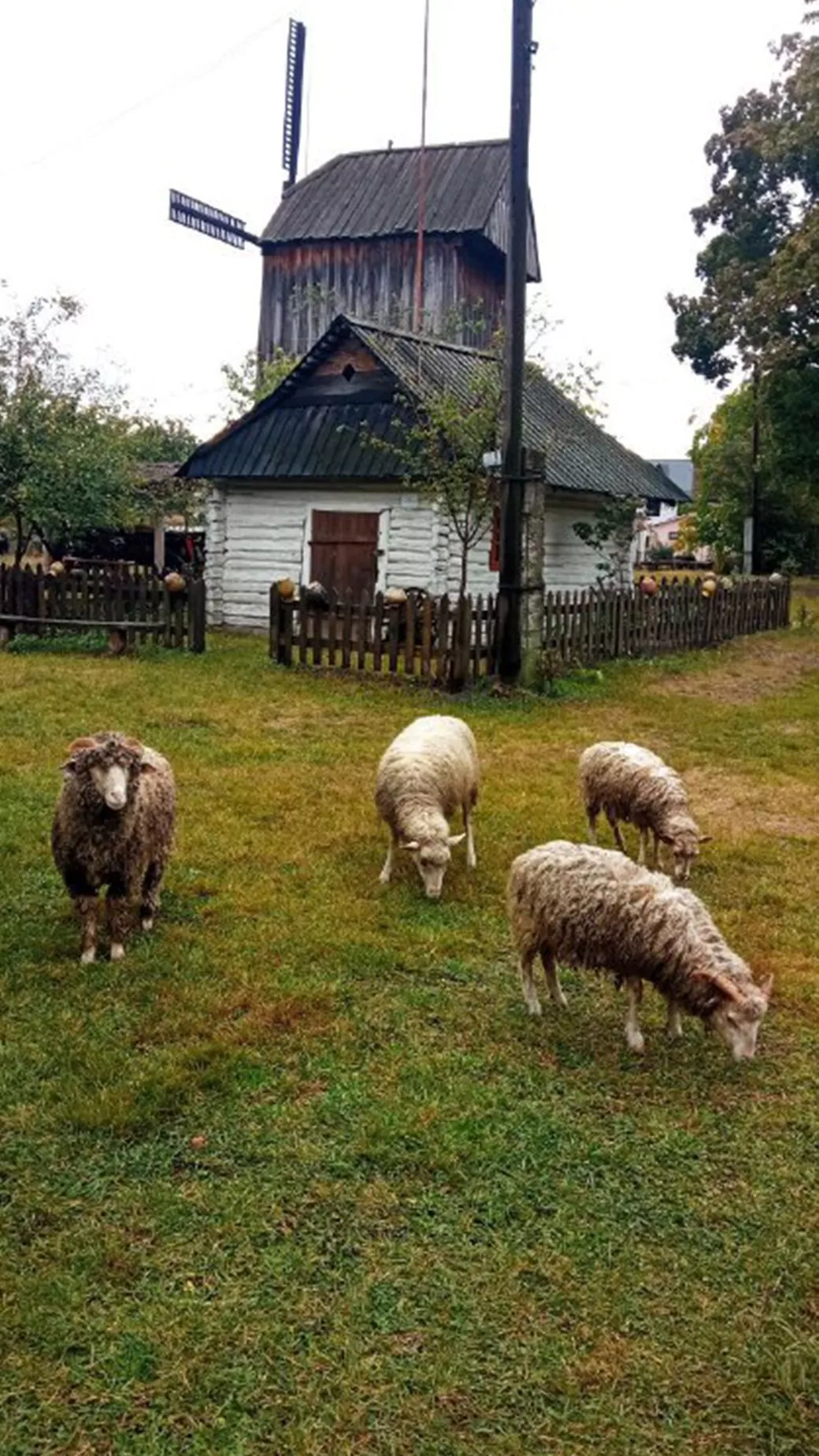
Photo: Suspilne Rivne
Chapel and Finials
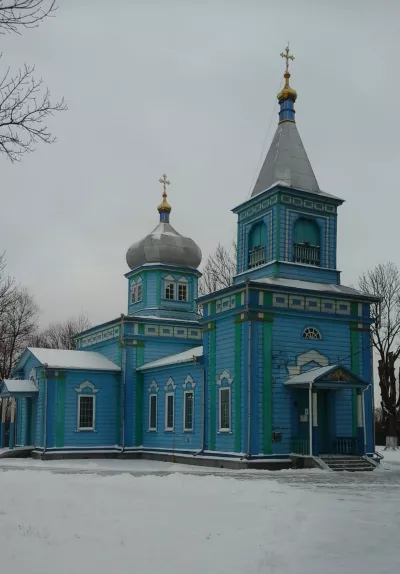
The oldest building of the open-air museum is a wooden chapel from the mid-18th century, transported from Stepani. In 1983, a symbolic cemetery with 17th-century stone tombstones was arranged nearby.
Near the chapel, the museum collects finials — those that topped Polissia churches. The first comes from the Holy Trinity Church of 1725 in Dorotychi. The second was donated in 2025 by the rector of the church in Liukhcha: the old 19th-century St. Michael’s Church there was dismantled in 1963, and a school was built from its boards. The finial was forged by a local craftsman.
Household Windmill from Velyki Tseptsevychi
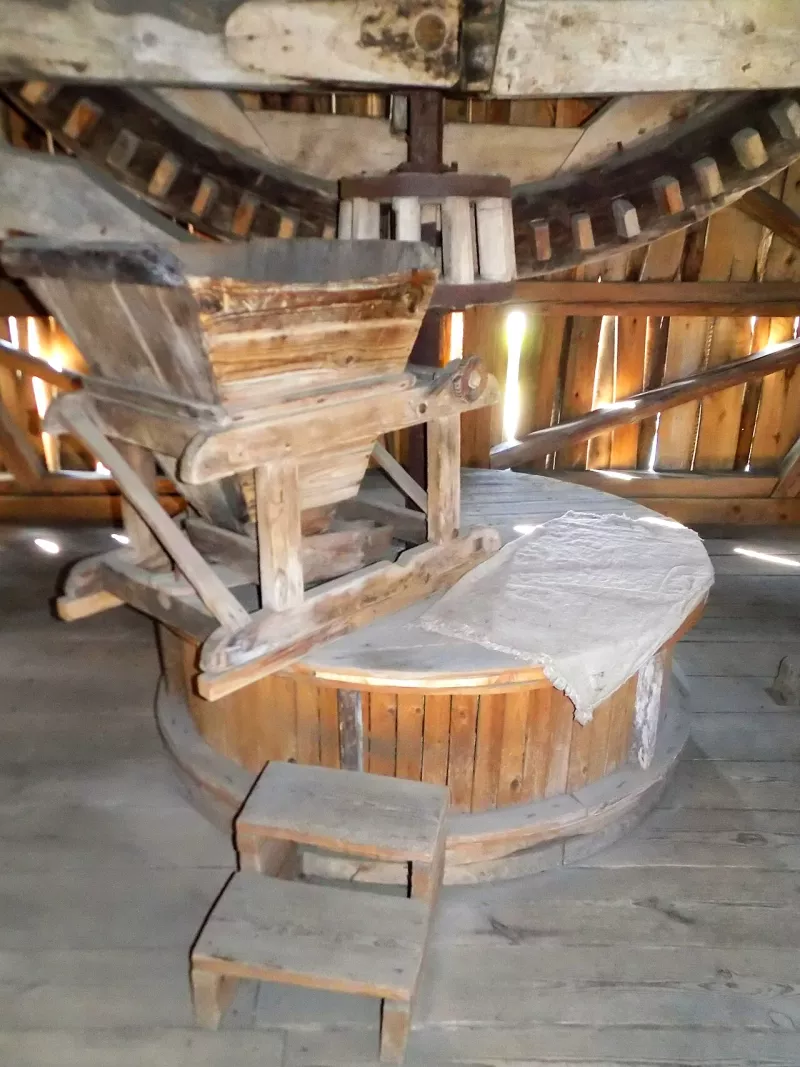
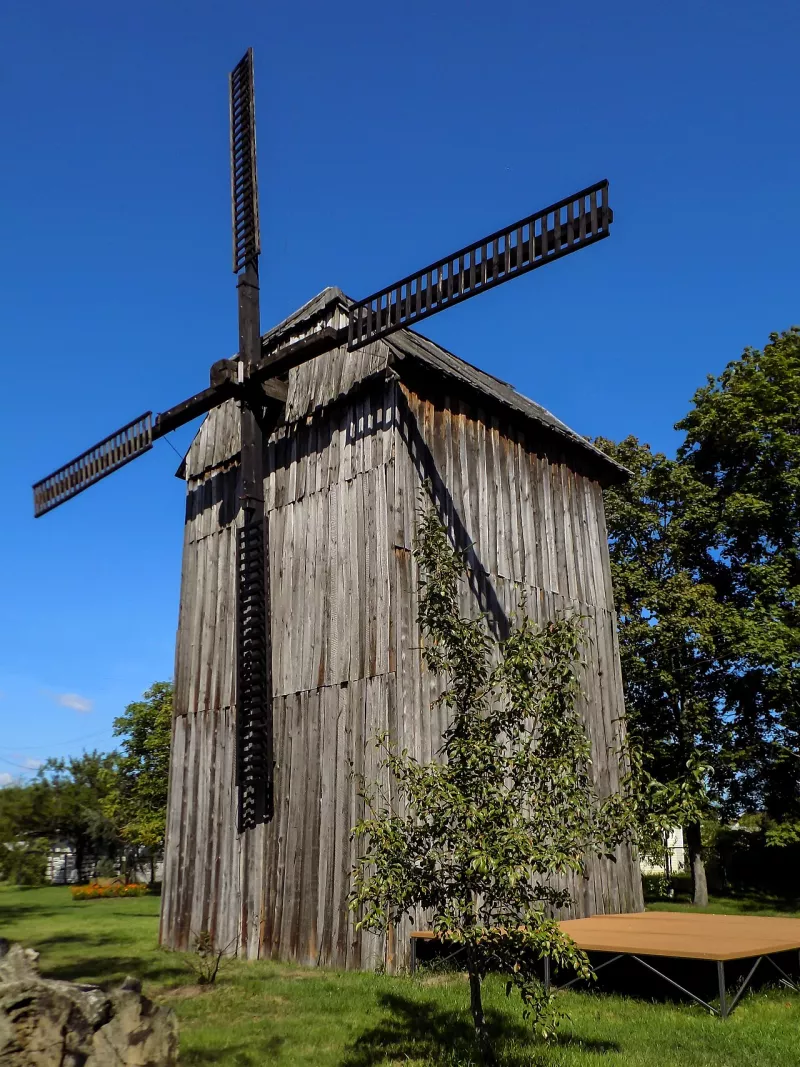
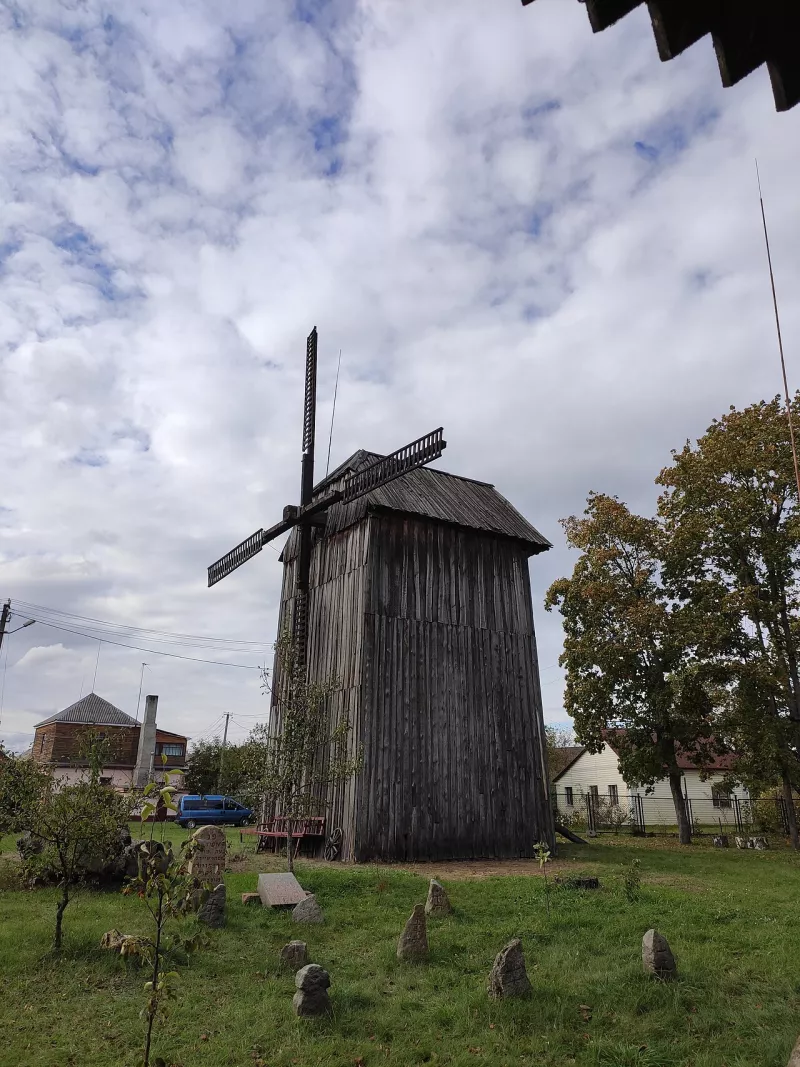
At the end of 2025, a household mill from the late 19th century was transported to the open-air museum from Velyki Tseptsevychi, Varash district, and in spring 2026 it was restored. Unlike large mills that ground grain for profit, these windmills were installed by owners for their own families.
The household mill occupied from two to nine square meters and contained only a bucket, millstones, and a flour chest, so the miller did not even enter inside. The most expensive parts were the millstones: in the interwar years they cost 30 zlotys, and a finished windmill — 150, like a milking cow. The oldest such mills had four wings; later ones had from six to twelve. They disappeared with electrification in the mid-20th century.
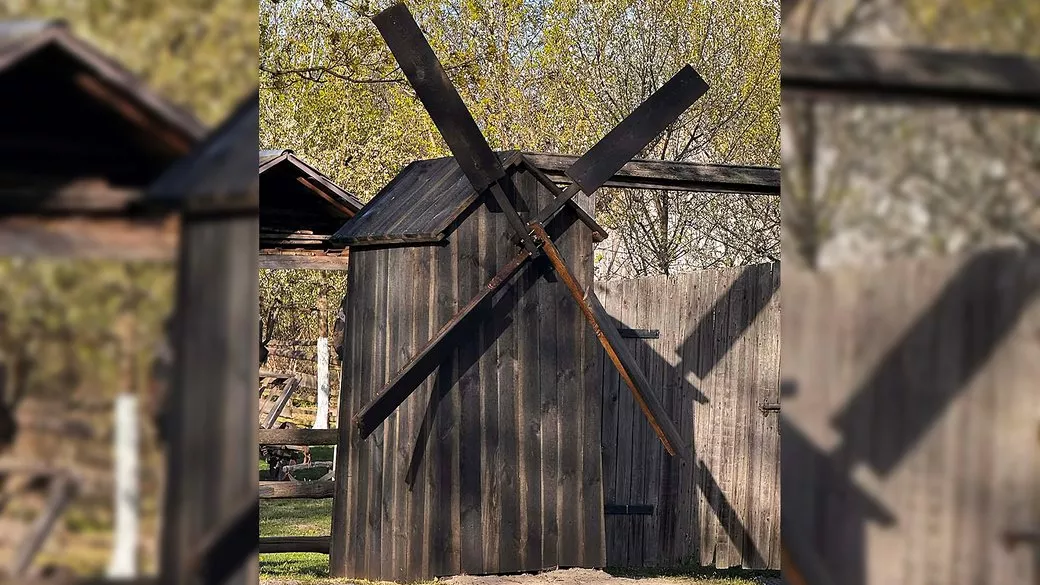
Photo: Suspilne Rivne
Where the Museum is Located
The open-air museum is located on the territory of the Sarny Historical and Ethnographic Museum: 20 Prosvity Street, Sarny, Rivne Oblast. The ethnocenter “Polissia” also operates here, opened in 2024, featuring Polissia clothing and weaving looms.
The museum is open Tuesday to Friday from 09:00 to 18:00, Saturday from 09:00 to 17:00, closed on Sunday and Monday. Museum phone: 03655 35 397.