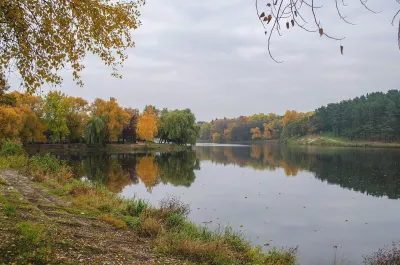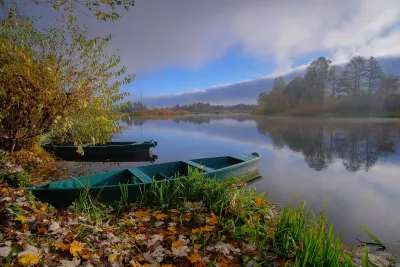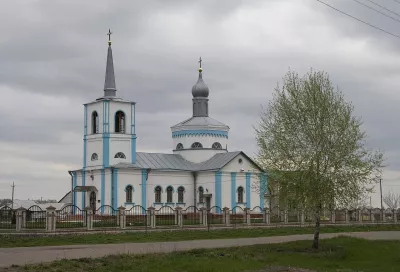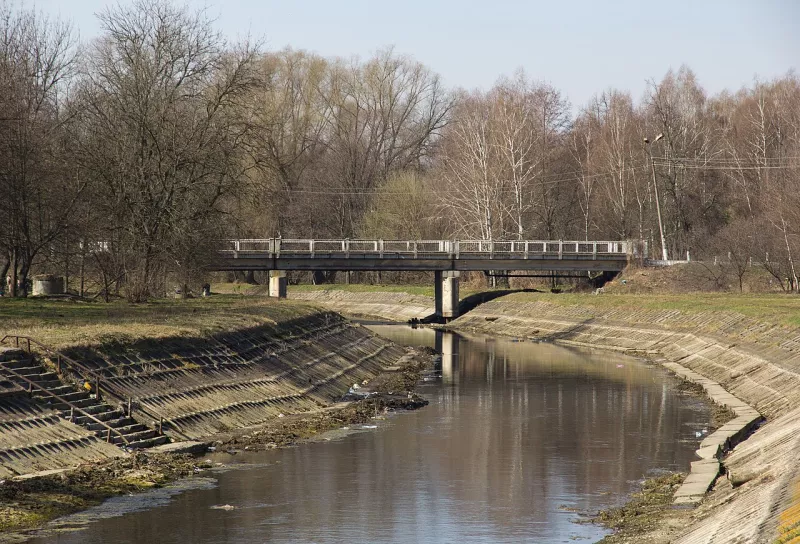
Oster is a left tributary of the Desna, a river on which Nizhyn stands. It flows for 199 km across the Prydniprovska Lowland through Pryluky, Nizhyn and Chernihiv districts, past Kozelets, and empties into the Desna near the town of Oster, which was named after it. The basin area is 2,950 km².
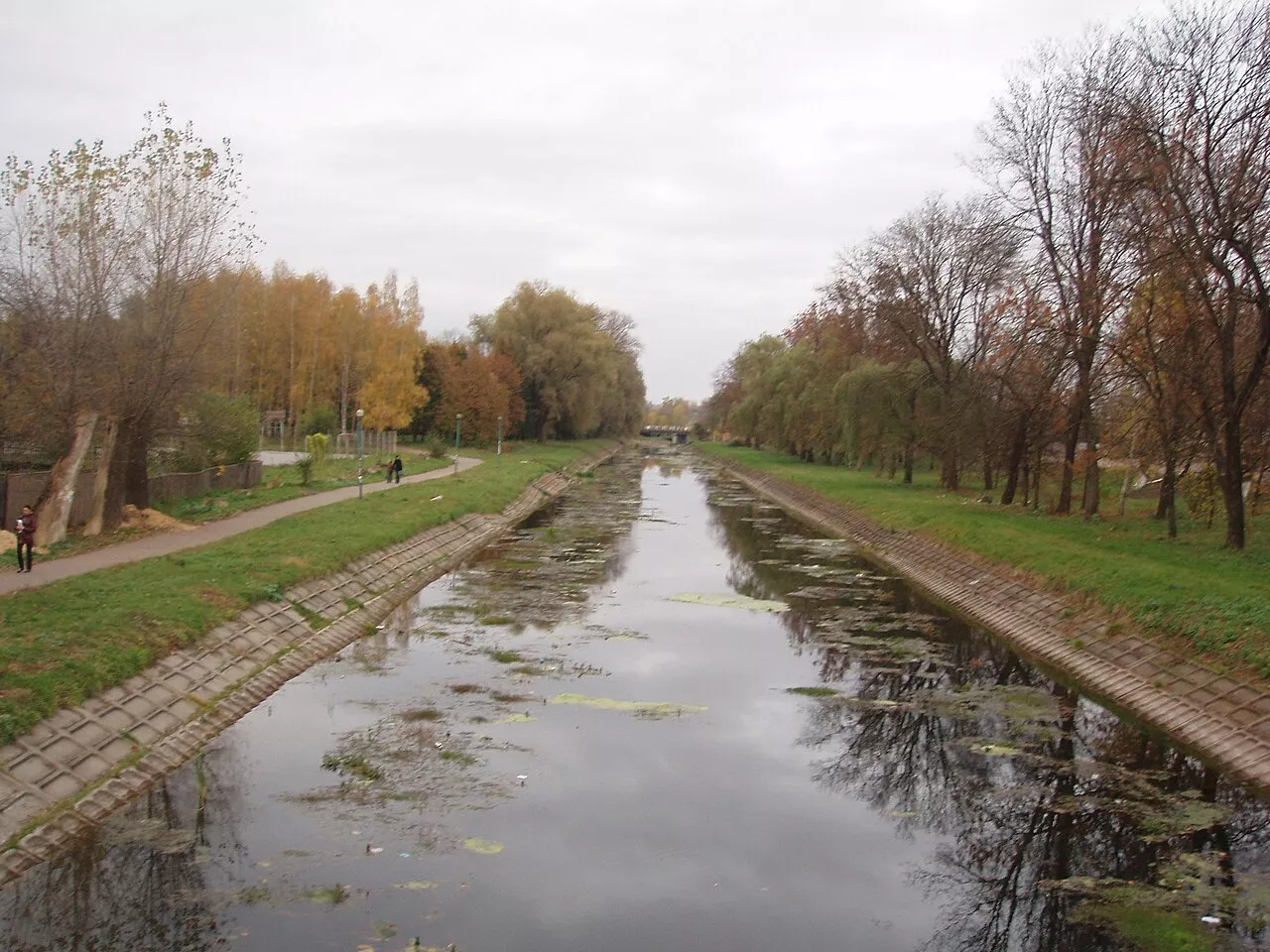
River and Its Tributaries
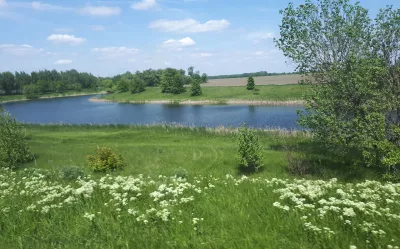
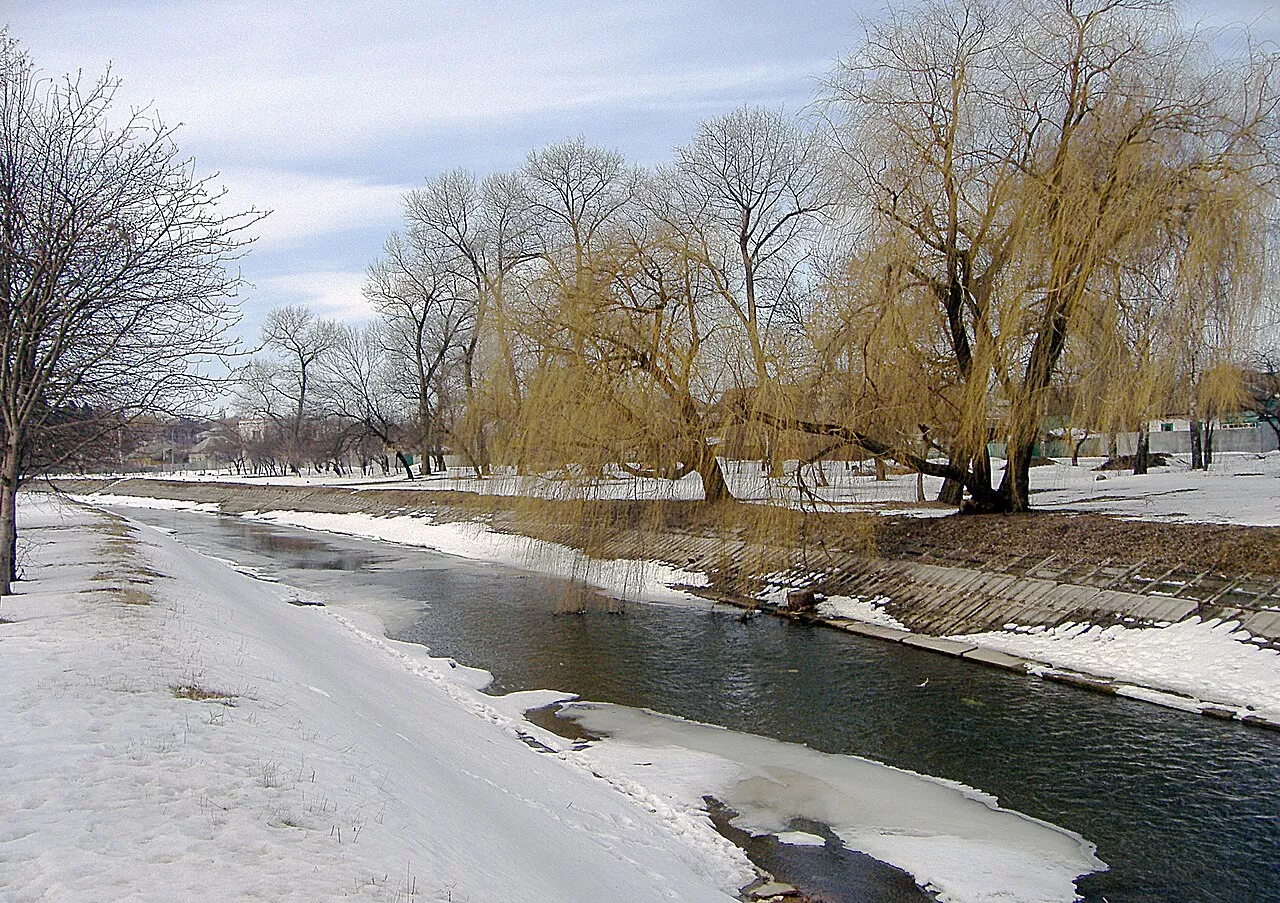
Oster originates near the village of Kalchynivka in the Nizhyn region. Its feeding is mostly snowmelt. Sixty-five small rivers and streams flow into the river, of which only eight are longer than 10 km: on the left are Viunnytsia, Divytsia, Nosivochka and Rudka, on the right are Brak, Smolianka and Rala. The banks are mostly low, and the floodplain is marshy, with meadows and alder groves.
Ustry, Vstry, Ostred
The name of the river has changed over the centuries. In the Tale of Bygone Years under the year 988, it is called Ustry, in the chronicle of 1098 — Vstry, at the end of the 16th century — Ostry, in a document of 1659 — Ostred. It was on the Ustry that Prince Volodymyr Sviatoslavych began building the first border fortified settlements. There are several versions of the origin of the name: from sturgeons that allegedly lived here, from the German "Ost" meaning "east" during the time of the Goths, or from the sharp, arrow-like shape of the mouth. Most historians believe that the root "str" in river names is an echo of an ancient Indo-European language.
Was Oster Navigable
Today it is hard to imagine, but once the Oster was much more water-abundant. Researcher Opanas Shafonsky in the late 1780s wrote that the river was as deep as the Desna, and large vessels sailed on it. According to the chronicle, in 1078 the body of Kievan Prince Iziaslav, who died in the battle on Nizhatyna Nyva, was transported "in a boat". Some researchers believe that the forests on the banks of the Oster provided timber for large boats that were floated down to the Desna and Dnipro in the spring.
The river began to shallow and silt up from the 17th century when forests were cut down and swamps were drained. Numerous dams, mills, stamp mills, and fulling mills that blocked the flow caused even more damage. The earliest mention of mills on the Oster is in a charter of King Sigismund III, which granted Nizhyn Magdeburg rights. Nowadays, a sluice operates in Nizhyn, and further down, near Kozelets, the river becomes very shallow in dry years.
Fishing
Oster is a slow lowland river with low marshy banks, so the fish here are mostly quiet-water species. Nizhyn fishermen catch pike, perch, roach, bleak, and crucian carp in the city: perch is caught near bridges in winter and early spring, pike along the reeds, and crucian carp in bays and floodplain ponds. According to them, chub, ide, gudgeon, and loach, which once lived in the Oster, have almost disappeared in recent decades: the river is shallowing, and roach is caught with poacher nets. In the summer of 2016, there was already a mass fish kill on the Oster.
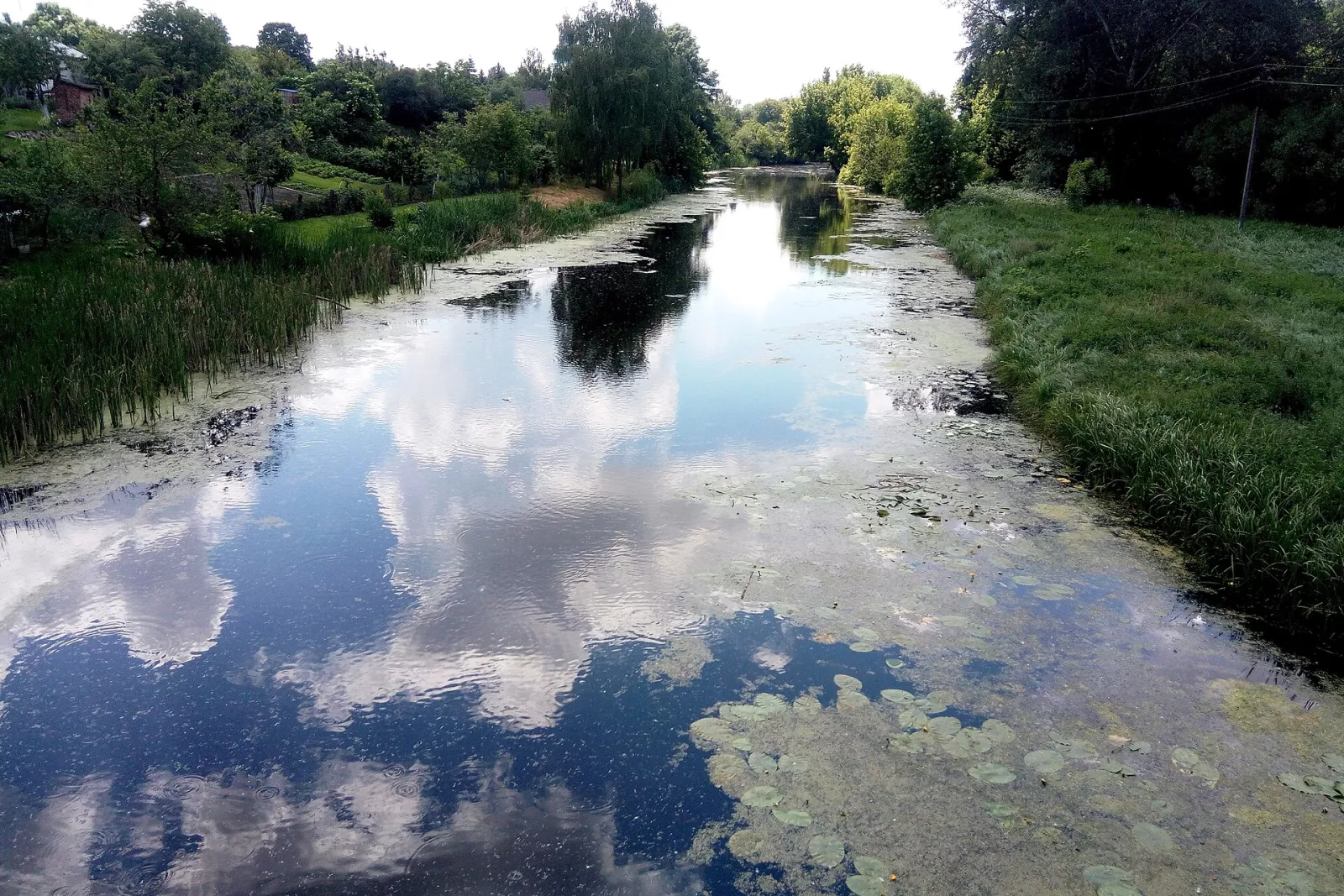
The most popular spots are the reaches in Nizhyn above the sluice and near the bridges, the sections near dams, and the lower course near Kozelets and Oster, where the river is wider. Fishing is mostly done from the bank with a float rod, and for pike and perch with a light spinning rod. In dry years near Kozelets, the Oster becomes very shallow, so it is worth checking the water level there before a trip. And in the town of Oster, near the mouth, you can move on to the Desna, where the choice of fish is much wider. General fishing regulations apply.
How to get there
The most convenient way to get acquainted with the Oster is in Nizhyn: the river flows through the town, and you can take a walk along it to the sluice. Further downstream are Kozelets and the town of Oster, where the river flows into the Desna.