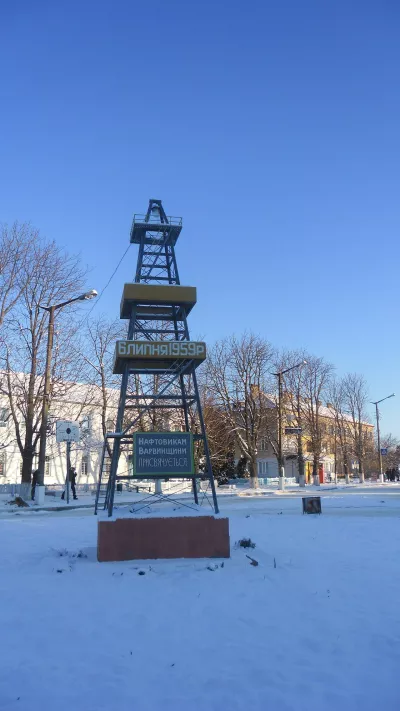

Bobrovytsia is a town on the Bystrytsia River in Nizhyn Raion, with a population of about 10,500 people. It lies south of Nosivka, on an ancient route between Chernihiv and Pereiaslav. This quiet town has a long history: from a Rus' settlement to a Cossack sotnia and the Kochubei sugar factory.
Origin of the name
There is no reliable data on the origin of the name. The most common version links it to beaver hunting on the Bystrytsia, Trubezh, and Ostra rivers. The Trubezh itself was also called Bobrovytsia until the mid-19th century.
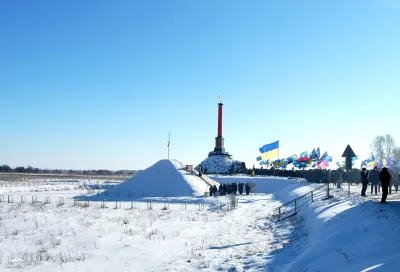
In the town center, remains of a settlement from the 11th–13th centuries have been preserved. Historians suggest that this is the same “Horod Obrov” where, according to Volodymyr Monomakh’s “Instructions,” the prince stopped in 1078 on his way from Chernihiv to Pereiaslav: the Bobrovytsia settlement lies exactly halfway along this route, and the names Obrov and Bobrovytsia share a common root.
The town of Mykhailiv that became Bobrovytsia
At the end of the 16th century, the osadchy Ivan Kolovytsky founded the town of Mykhailiv here, on the settlement in the Oster starostwo. A 1597 privilege allowed a weekly Monday market. After the osadchy’s death in 1602, the town was “resettled” as Bobrovytsia, and the lifetime right to it was granted to the Oster starosta Mykhailo Ratomskyi. In 1627, Bobrovytsia received a privilege for a weekly market and two fairs — on Prokop and on Mykhailo.
From 1654, Bobrovytsia was a sotnia town of the Kyiv regiment. That same year, the general scribe Ivan Vyhovskyi received a charter for this town as well. In 1664, crown troops together with Crimean Tatars burned Bobrovytsia, but it quickly revived. In the 18th century, a Cossack school operated here, and every year on July 8 a fair was held.
Sugar, railway, and Shevchenko
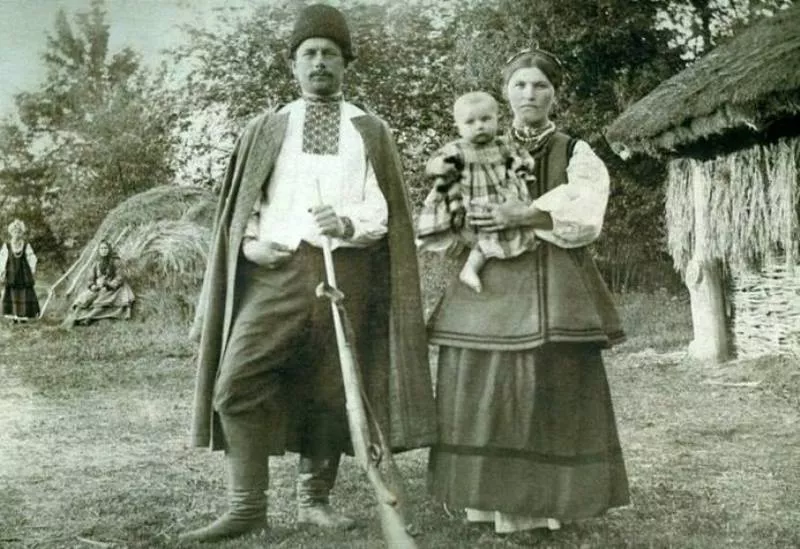
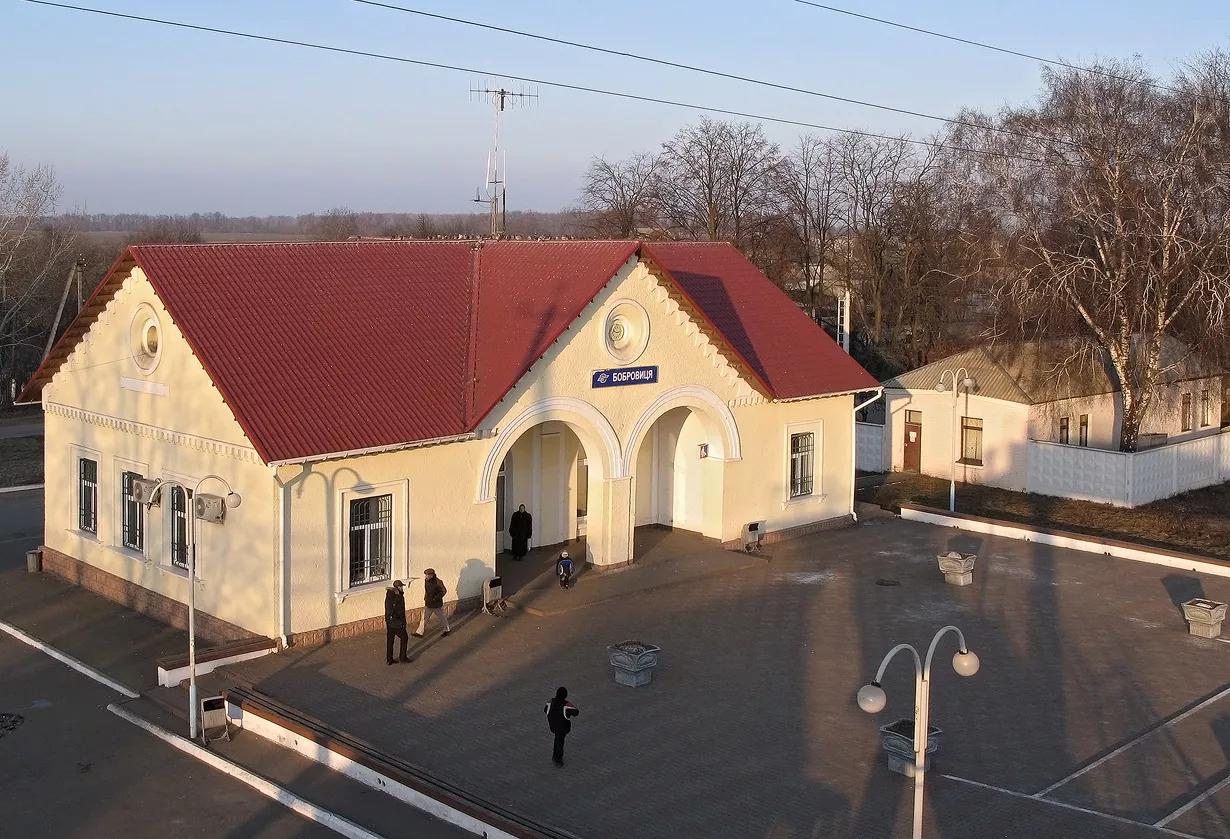
In 1807, Viktor Kochubei built a sugar factory in Bobrovytsia. In 1854, workers rebelled against harsh working conditions and burned it down. Later, in 1900, a new beet sugar factory of Petro Katerynych began operating. The development was boosted by the railway station opened near the town in 1868 — the only freight station in Kozelets County.
In 1846, Taras Shevchenko visited Bobrovytsia. At the end of the 19th and beginning of the 20th centuries, a zemstvo hospital, several schools, an agricultural college, and a free public library were opened here. Bobrovytsia became a city in 1958.
What to see
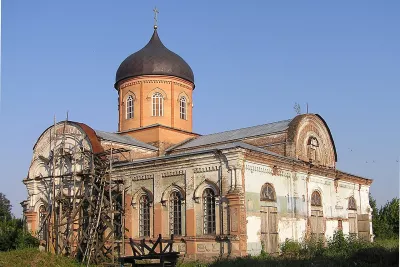
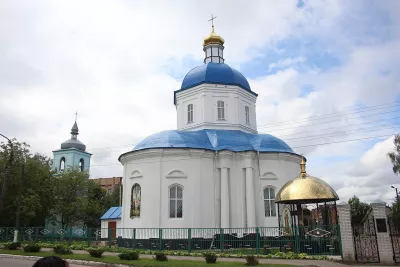
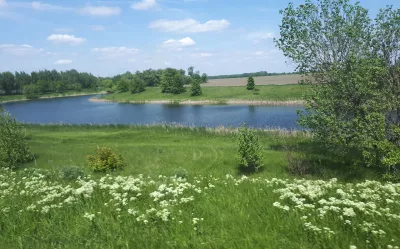
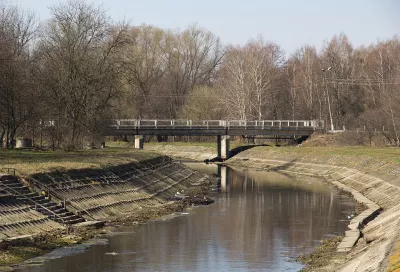
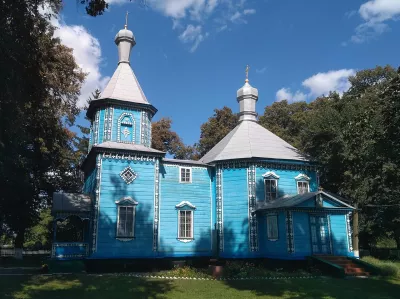
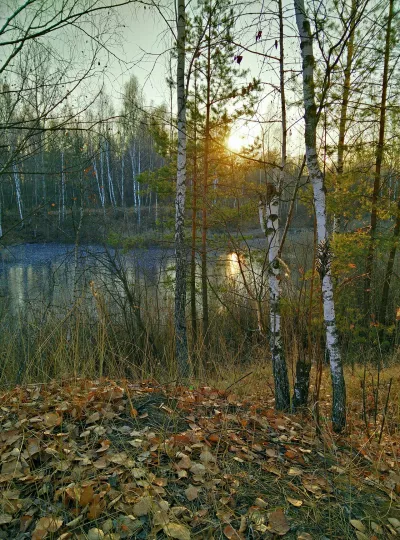
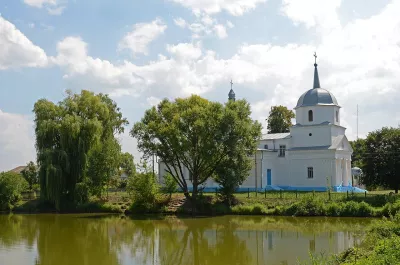
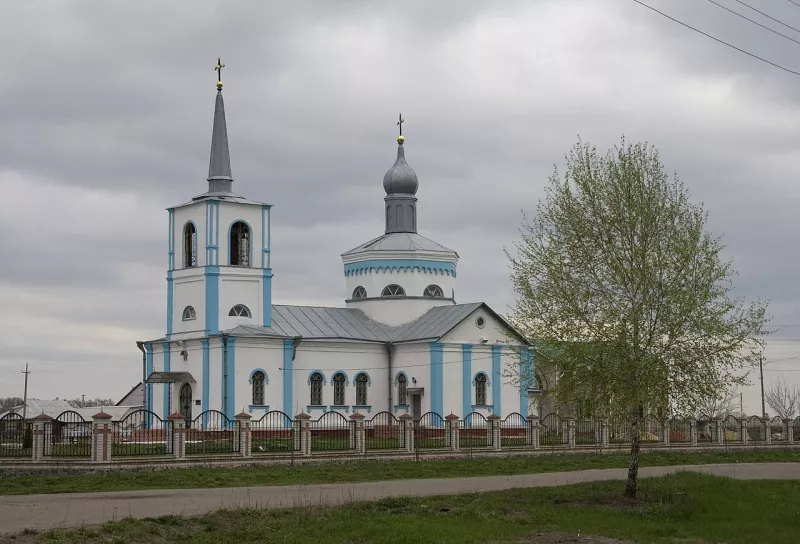
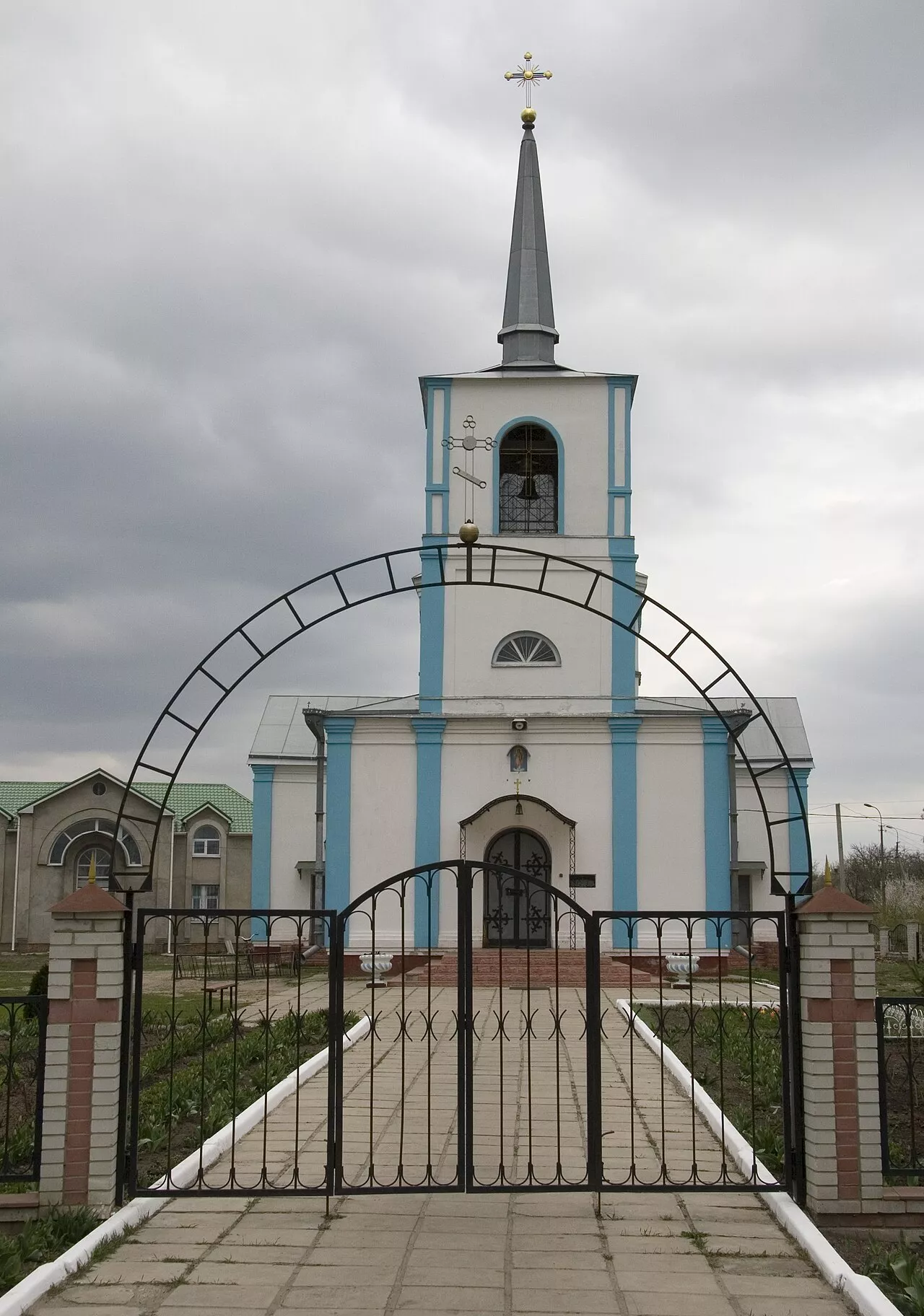
The main attraction is St. Michael’s Church. The first wooden church on this site was built in 1799 and rebuilt in 1831. Nearby, there are burial mounds from the 2nd–1st millennium BC and a settlement from the Rus’ period. The history of the region is shown in the Bobrovytsia Historical and Local Lore Museum, and you can relax in the city park. The Bystrytsia and Trubezh rivers flow nearby — quiet rivers with meadows and ponds.
How to get there
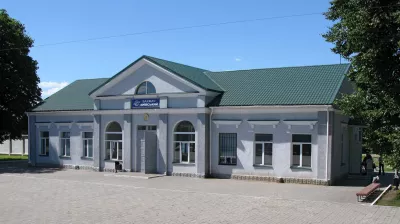
Bobrovytsia is located on the Kyiv — Nizhyn railway, with suburban trains running here from Kyiv and Nizhyn. Buses operate from Chernihiv, Nizhyn, and Kozelets. The trip can conveniently be combined with Nosivka, Kozelets, and Nizhyn.