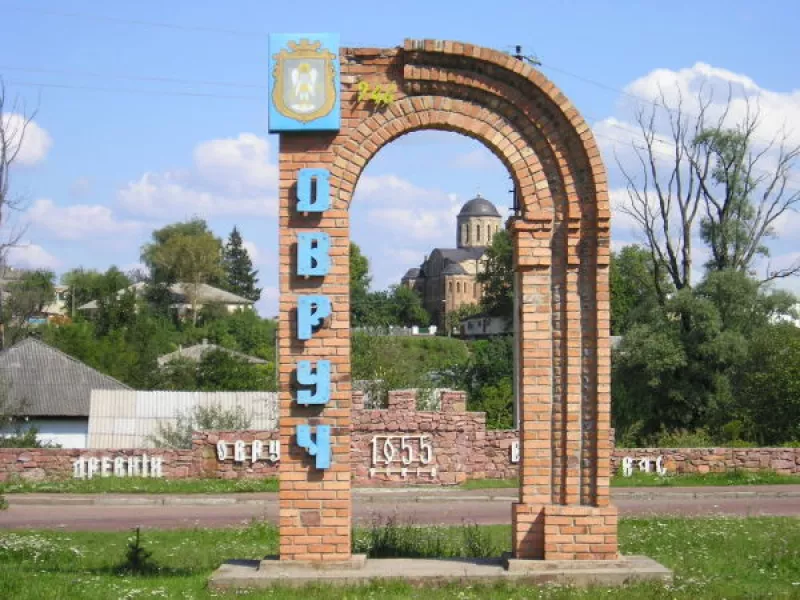

Ovruch – one of the oldest cities in Ukraine, first mentioned in the chronicles in 977 as Vruchiy. Located in the north of Zhytomyr Oblast, this ancient city preserves unique monuments of Kievan Rus, picturesque Polissia nature, and millennial traditions. Discover the city where time has stopped among pine forests and historical shrines.
Historical Overview of Ovruch
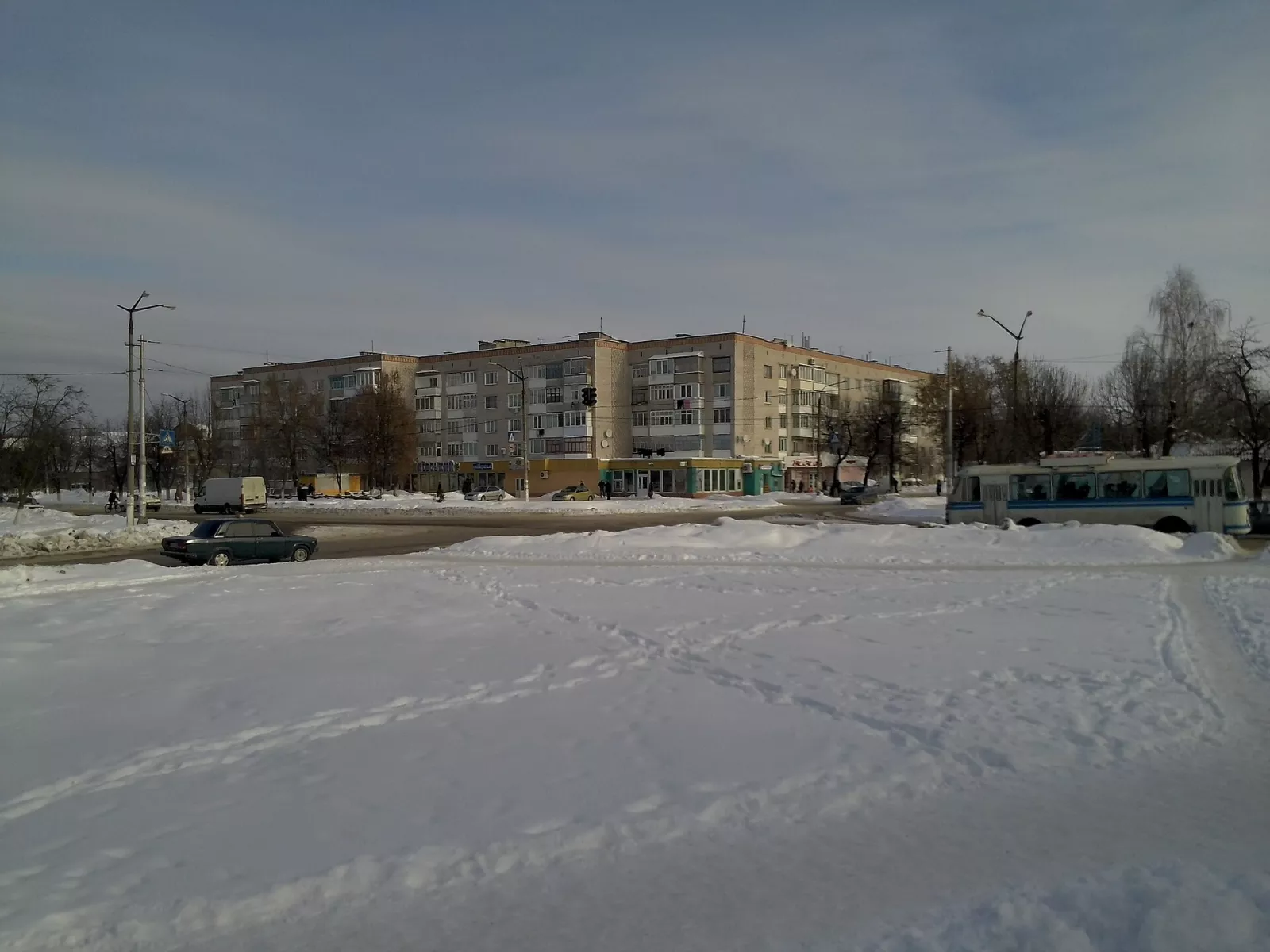
Ovruch (ancient names: Vruchay, Vruchiy, Zbruchiy, Beruchiy, Ovruchev) is a city of regional significance in Zhytomyr Oblast, the center of the Ovruch urban community in Korosten Raion. The population is about 16,000 people (2024). The city is located on the left bank of the Noryn River, a tributary of the Uzh, 127 kilometers north of Zhytomyr.
Until 2020, Ovruch was the center of Ovruch Raion. The historic city center stands on a hill above the Noryn, where once there was a princely citadel.
Ovruch – the Cradle of the Drevlians’ Land
The city was first mentioned in the "Primary Chronicle" in 977 as Vruchiy: here the Drevlians’ prince Oleg Sviatoslavych retreated with his army. Vruchiy was one of the main towns of the Derevsk land – the land of the Drevlians, one of the most powerful Slavic tribal unions.
According to the chronicle, in 945 the Drevlians killed the Kyiv prince Ihor, who came for tribute a second time. Princess Olga’s revenge for her husband led to the subjugation of the Drevlians’ lands and the destruction of their capital Iskorosten (now Korosten), and Vruchiy later became the seat of Prince Oleg.
The Era of Kievan Rus
In 977, a tragic event took place in Ovruch – during a civil war between the sons of Prince Sviatoslav, Prince Oleg Sviatoslavych, who ruled the Derevsk land, died here. According to the chronicle, while retreating to the city, Prince Oleg fell from a bridge over a moat and drowned. His brother Yaropolk ordered the prince to be buried near the place of death and a large mound to be raised.
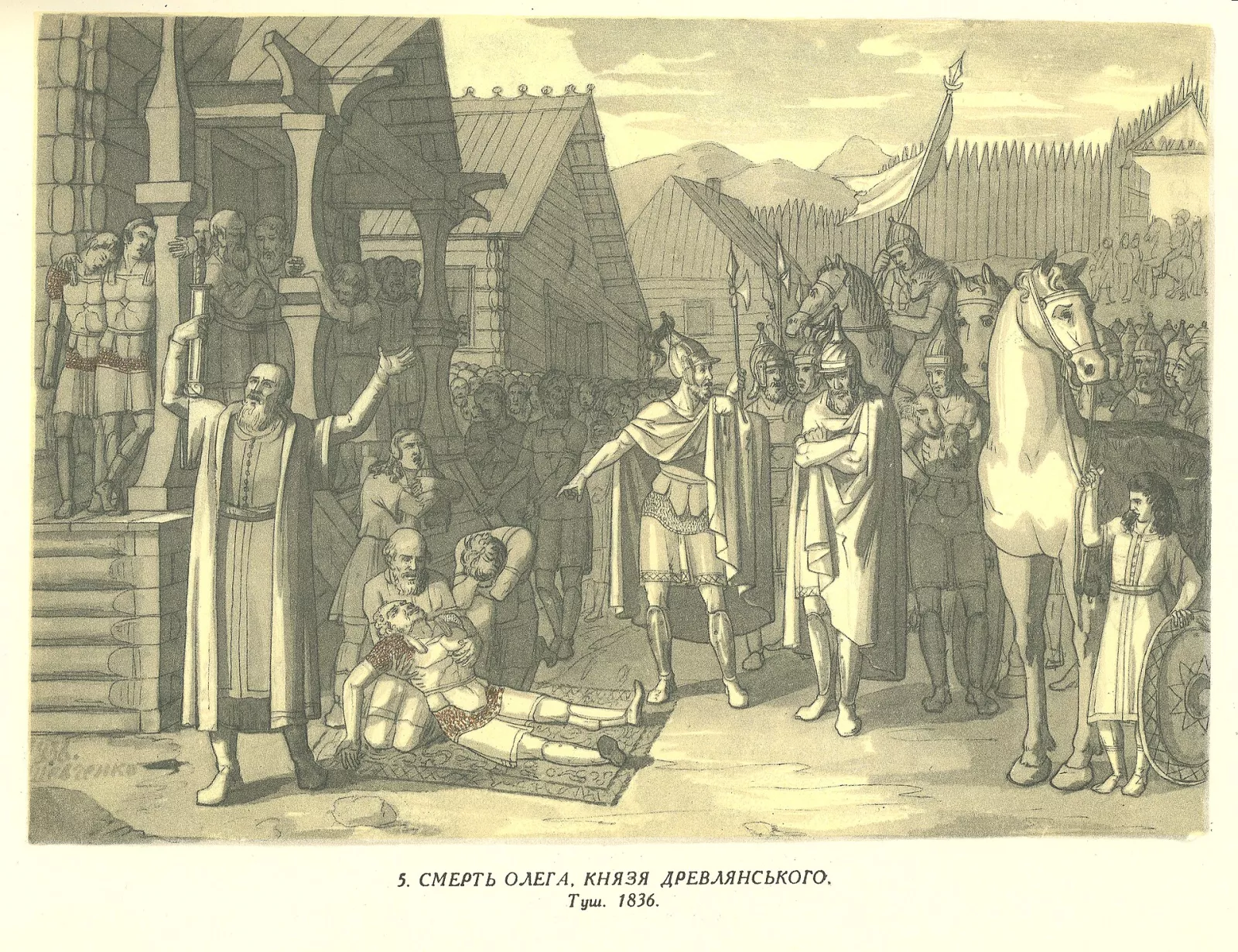
Author: Taras Hryhorovych Shevchenko - Taras Shevchenko. Complete Works in Ten Volumes. — Kyiv, 1961. — Vol. 7: Painting, Graphics 1830-1847. — Books 1-2., Public Domain
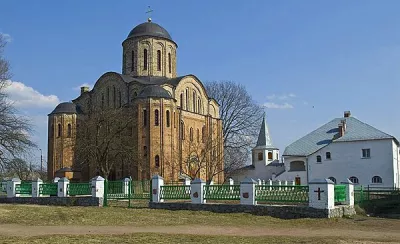
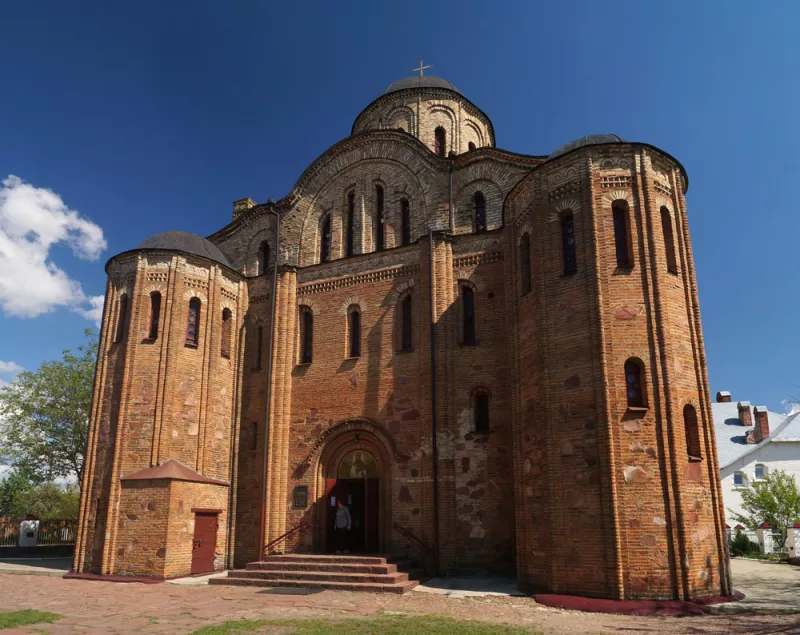
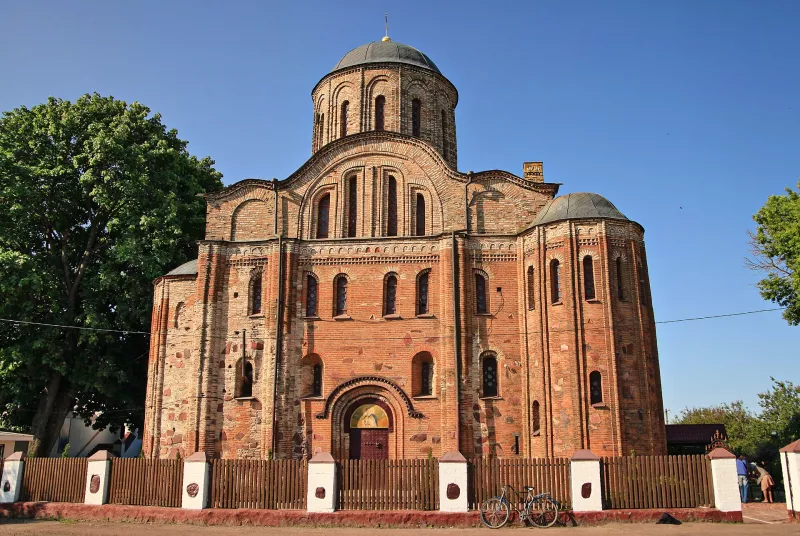
In 997 (in honor of the city’s baptism), Kyiv prince Volodymyr the Great founded the first wooden church in Ovruch. At the beginning of the 13th century, under Prince Ryurik Rostyslavych, the city experienced a flourishing period. In 1190, the court architect Petro Miloneg built the magnificent stone St. Basil’s Cathedral – a unique monument of Byzantine architecture that has survived to this day.
Hard Times and Revival
In 1240, Ovruch, like most cities of Kievan Rus, was destroyed during the Mongol invasion led by Khan Batu. The city was revived only at the beginning of the 14th century as part of the Galicia-Volhynia Principality. A powerful fortress with a wooden castle was built for defense against nomads.
From 1356, Ovruch became part of the Grand Duchy of Lithuania. In 1399, the Tatar Khan Edigey, after defeating the Lithuanian prince Vytautas in the Battle of the Vorskla, destroyed Ovruch. The city’s restoration took many decades.
Starting in 1470, Ovruch became the center of a starostwo. To protect against Crimean Tatar raids, a new wooden castle was built in 1506, but it was soon destroyed again. Sixteen years later (1522), the fortress was rebuilt, surrounded by a stone wall, dug with a moat, and equipped with four defensive gates and six multi-tiered towers.
Polish-Lithuanian Period
Since 1569, after the Union of Lublin, Ovruch became part of the Crown of the Kingdom of Poland in the Polish–Lithuanian Commonwealth as the center of Ovruch County in Kyiv Voivodeship. In 1641, King Władysław IV granted the city Magdeburg rights – a city status that Ovruch retains to this day.
During the national liberation war of 1648-1654, the people of Ovruch actively supported Bohdan Khmelnytsky’s uprising. A Cossack regiment was formed in the city, led by Ivan Holota, numbering over 6,000 people. The insurgents destroyed all official books recording the obligations and debts of local residents and took part in battles near Zahaltsi and Loyew.
In the 18th century, the inhabitants of the Ovruch region actively participated in the Haidamak movement. The village of Vyhiv (now part of Ovruch) was the birthplace of Hetman Ivan Vyhovsky – one of the most controversial figures in Ukrainian history.
Ovruch as part of the Russian Empire
After the second partition of Poland (1793), Ovruch became part of the Russian Empire. From 1796, the city became the county center, first of Iziaslav Viceroyalty, then Volhynian Governorate. In the 19th century, Ovruch was the largest county by territory in the governorate but the most backward in all other respects.
In the second half of the 19th century, a large Jewish community formed in the city. According to the 1897 census, about 45% of Ovruch’s population were Jews. There was a synagogue, Jewish schools, and cultural societies here.
20th century: wars and reconstruction
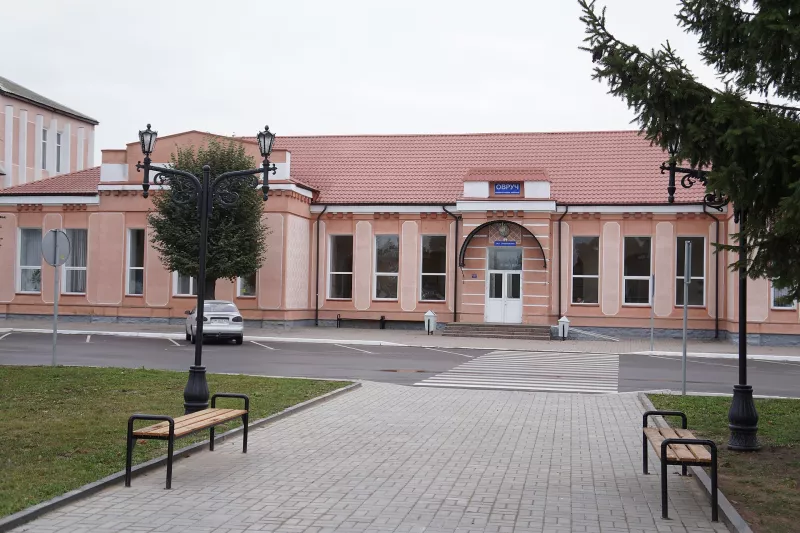
At the beginning of the 20th century, Ovruch gained railway connection – a station appeared on the Saint Petersburg (Leningrad) – Odessa main line, which contributed to the city’s economic development.
During World War I and the revolutionary period of 1917-1920, Ovruch repeatedly changed hands. Troops of the Central Rada, Bolsheviks, Germans, Poles, and Denikin’s forces all passed through here.
World War II brought huge destruction and human losses to the city. The German occupiers destroyed Ovruch’s Jewish community – most were shot in the local forests. During the occupation, an active underground movement operated in the city. Partisans blew up the building of the Gestapo commissariat, conducted propaganda among Slovak troops, and passed intelligence data to the partisans.
On 17 December 1943, Ovruch was liberated from the Nazi invaders by the troops of the 1st Ukrainian Front.
St. Basil’s Cathedral – a gem of Byzantine architecture
The main and oldest monument of Ovruch is St. Basil’s Cathedral, built in 1190 during the reign of Prince Ryurik Rostislavich by the court architect Petro Miloneg. It is one of the few preserved pre-Mongol era churches in Ukraine.
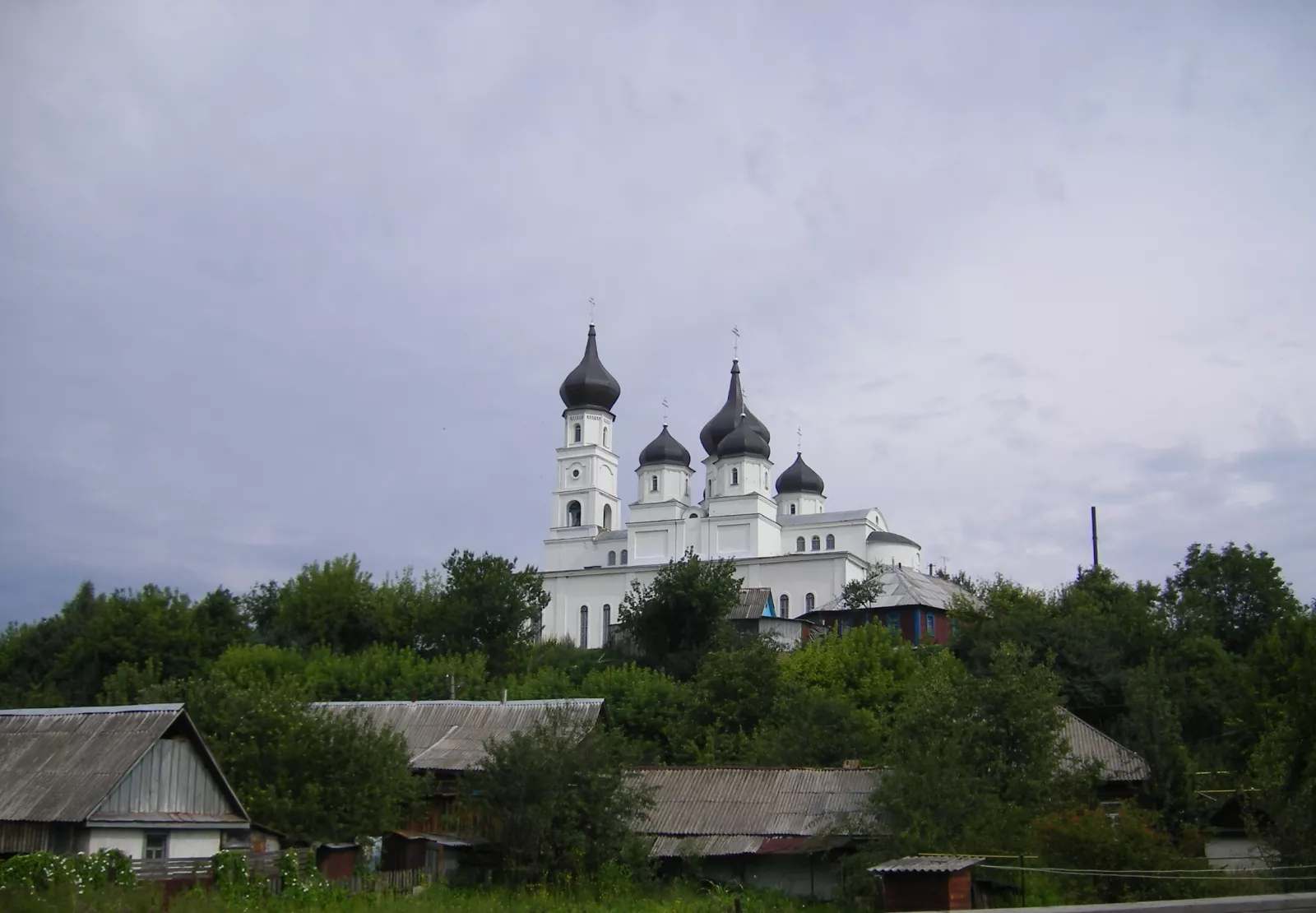
Architectural features
The cathedral was built from a unique local stone – Ovruch pink-mulberry pyrophyllite slate, quarried in the vicinity of the city. This stone possesses exceptional strength and heat resistance. The church is a cross-domed six-column structure with a single dome, characteristic of the Byzantine architectural school.
The original dimensions of the cathedral are approximately 27 meters in length, 18 meters in width, and the dome height over 25 meters. The walls are up to 1.5 meters thick. In plan, the church is an almost perfect cross with small side chambers.
The fate of the church through the centuries
The cathedral was repeatedly destroyed and rebuilt. After the Mongol invasion of 1240, it stood in a semi-ruined state for several centuries. In the 16th century, the Lithuanian prince Gediminas further damaged the building during one of his campaigns.
For a long time, only the walls and damaged vaults remained. In 1842, part of the vaults collapsed. From 1860, fundraising began to preserve the remains of the ancient shrine. Local residents believed the church was built during the time of Saint Prince Volodymyr, which added special value to it.
Restoration of the Early 20th Century
At the end of the 19th century, a major restoration of the cathedral began under the direction of architect Oleksii Shchusev (the author of the Lenin Mausoleum project and numerous churches in the Neo-Russian style). The work lasted from 1907 to 1911.
On September 3, 1911, the solemn consecration of the restored church took place. The last Russian emperor Nicholas II arrived in Ovruch for this event with his family. The newsreel of this event has been preserved and is a unique historical document.
During the restoration, Shchusev somewhat deviated from the original appearance, adding elements of the Neo-Byzantine style. In particular, the shape of the dome was changed and a bell tower was added.
Modern Times
Today, the St. Vasyl Cathedral is an active church of the Ukrainian Orthodox Church. The St. Vasyl Women’s Monastery operates at the church. The cathedral is a national architectural monument and one of the main tourist attractions of Zhytomyr region.
More about the church and the monastery can be found in the articles St. Vasyl Church in Ovruch and St. Vasyl Women’s Monastery in Ovruch: History of the Shrine and Architecture.
Address: 2 Proletarska St., Ovruch, Zhytomyr Oblast
What to See in Ovruch: Top Locations
1. Castle Hill
Castle Hill is the historic core of Ovruch, where defensive fortifications of various eras were located. Archaeological layers have been discovered here from a Neolithic settlement (5th–4th millennium BC) to a medieval fortress.
On the hilltop remain the remnants of ramparts and moats of the Old Rus’ and Lithuanian fortresses. From here, there is a wonderful panoramic view of the city and the valley of the Noryn River. Local historians have done extensive work arranging pedestrian paths and informational stands.
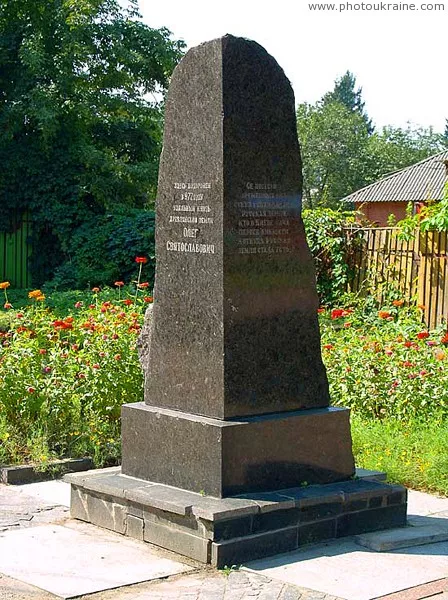
2. Monument to Prince Oleh Sviatoslavovych
At the foot of Castle Hill, on the site of the death of Prince Oleh Sviatoslavovych, a memorial sign has been installed. According to legend, it was here in 977 during a retreat that the young prince of the Derevlians land died.
The modern monument was restored in the 2010s. This place holds special significance for understanding the dramatic events of the princely feuds of Kyivan Rus’.
3. Wooden Synagogue
In the center of Ovruch, a unique wooden synagogue has been preserved — one of the few that survived in Zhytomyr region. The building dates back to the 19th century and is a historical and architectural monument.
After World War II, when the Jewish community of Ovruch was almost completely destroyed, the synagogue was used for various household needs. Today, the building requires restoration but remains an important testimony to the city’s multinational past.
4. Memorial Complex to the Victims of the Holocaust
On the outskirts of Ovruch, in the Zamostia tract, there is a memorial dedicated to the victims of Nazism. Here in 1941–1942, German occupiers shot about 3,000 Jews from Ovruch and surrounding villages. The memorial reminds of the tragic pages in the city’s history.
5. Ovruch Local History Museum
The museum is located in the city center and preserves a unique collection of archaeological finds, ethnographic exhibits, and documents on the history of the Ovruch region. Here you can see artifacts from the Stone Age to the present, including samples of the unique Ovruch pyrophyllite slate.
6. Polissia Nature Reserve
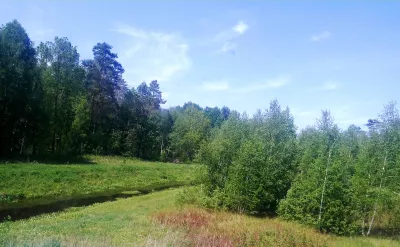
A part of the Polissia Nature Reserve, covering 7,500 hectares, is located in the Ovruch district. Here, the unique Polissia nature is preserved: pine-oak forests, swamps, river valleys with rich flora and fauna.
The reserve is home to rare animal species: black stork, white-tailed eagle, grey crane, beavers, otters. Ecological routes and observation platforms are organized for tourists.
More details — in the article Poliskyi Nature Reserve.
7. Slovechansko-Ovrutskyi Ridge
A unique geological formation – a mountain ridge stretching over 200 kilometers across Zhytomyr and Rivne regions. Unique Ovruch pyrophyllite and quartzite are mined here.
The ridge features picturesque landscapes with hills, rocky outcrops, and dense forests. It is a great place for eco-tourism and hiking.
Pink pyrophyllite shale, the so-called Ovruch slate, has been mined here since the times of Kyivan Rus: it was used to make spindles and carved slabs, which archaeologists find far beyond Polissia. Small rivers originate from the ridge — Slovechna with its meanders and the border Zholon. More details — in the article Slovechansko-Ovrutskyi Ridge.
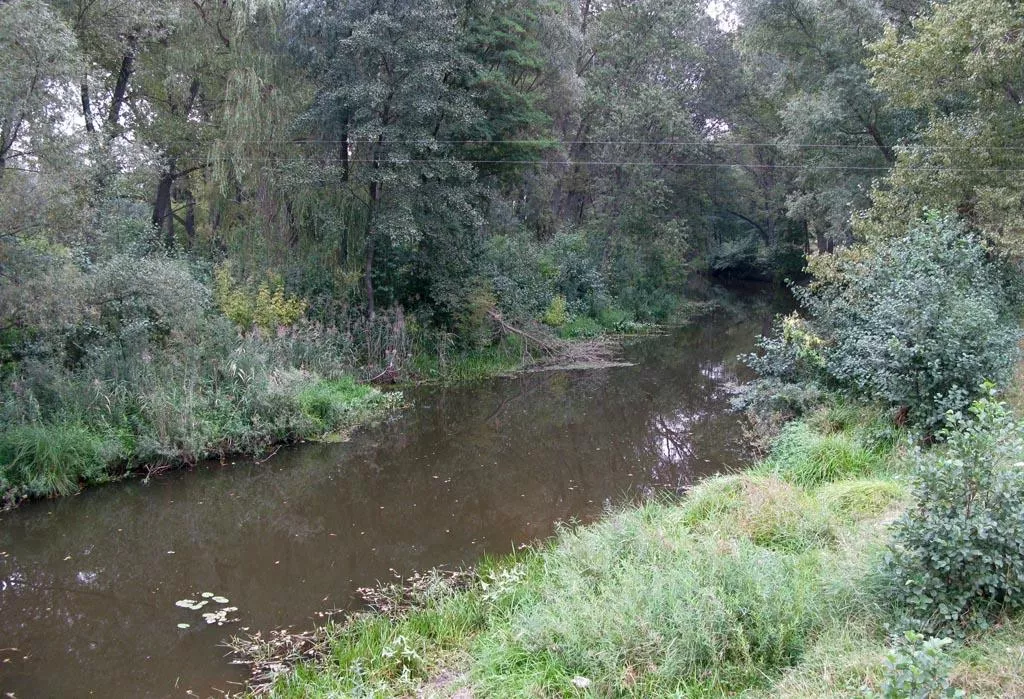
8. Noryn River
The Noryn flows through the city — a tributary of the Uzh, on the banks of which the ancient Drevlyansky Vruchiy grew. The riverbanks in Ovruch are a nice place for a leisurely walk.
9. City Park and War Monuments
In the city park stands a monument to the Slovak partisan Jan Nalepka, who died during the liberation of Ovruch in 1943. Nearby are the monument to the motorized soldiers with a “polutorka” truck and the BS-3 gun.
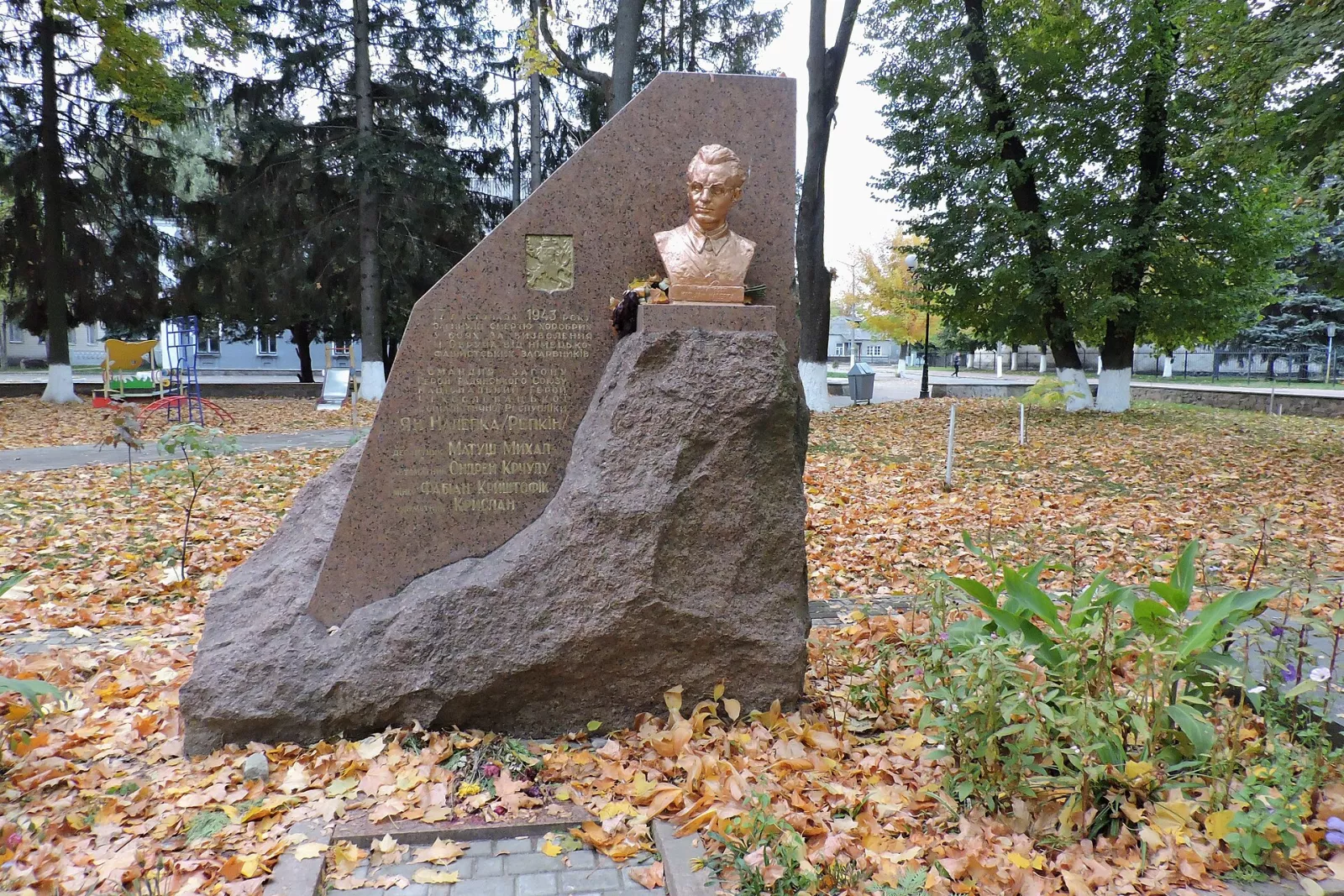
10. “Drevlyanski Dzherela” Museum
The “Drevlyanski Dzherela” Museum tells the history of Ovruch region from the Drevlyans to the present day.
11. Site of the Jesuit Monastery
Next to the Vasylivskyi Cathedral in the 18th century stood a Jesuit monastery with a collegium and a large church. After the Jesuit order was dissolved, the complex passed to the Basilian Greek-Catholic monastery, and in the 1930s the Soviet authorities destroyed the monastery buildings. In 2001, a large Transfiguration Church of the Moscow Patriarchate was built on this site, whose architecture repeats Russian church forms, atypical for Ukrainian sacred architecture.
How to Get to Ovruch
From Kyiv
By car:
- Distance: approximately 160 km
- Travel time: 2.5–3 hours
- Route: Kyiv → Zhytomyr → Korosten → Ovruch (road T-10-02)
By bus:
- From "Polissia" bus station (Kyiv)
- From "Akademmistechko" metro station
- Daily departures, travel time: 3–4 hours
By train: Ovruch is a junction railway station on the Kyiv – Korosten – Sarny line
- Electric trains and suburban trains from Kyiv
- Travel time: 3.5–4.5 hours
From Zhytomyr
By car:
- Distance: 127 km to the north
- Travel time: 2–2.5 hours
- Route: Zhytomyr → Korosten → Ovruch
By bus:
- Daily departures from Zhytomyr bus station
- Travel time: 2.5–3 hours
From other cities
The international highway connecting Minsk and Izmail passes through Ovruch. The city has connections with Rivne and Kyiv regions. To the north lies the border zone with Belarus – check the rules for staying there with the State Border Guard Service.
Train and bus schedule
Ovruch has a railway station: suburban trains run here from Korosten, and from Kyiv and Zhytomyr you often have to travel with a transfer (Kyiv — Ovruch electric train, Zhytomyr — Ovruch, Ovruch — Korosten diesel train). Buses arrive at the Ovruch bus station. Schedules change, so check with the carrier before your trip.
What’s nearby
- Khaychanske Reservoir — fishing and water recreation;
- Museum in Slovechne — the “partisan capital” of Polissia;
- Deleta — a vanished village in the Ovruch area;
- other towns and sights of the district — in the article Korosten District.
Practical information for tourists
Where to stay
Ovruch has several mini-hotels and private homesteads offering overnight stays. Accommodation can also be found in the private sector.
Where to eat
There are several cafes and restaurants in the city center offering Ukrainian cuisine. Be sure to try traditional Polissia dishes: vereshchaka (meat sauce), krupenya (barley porridge with meat), potato pancakes with mushrooms.
When to visit
Summer (June–August) – the best time for tourism. Warm weather allows you to fully explore all the sights and enjoy Polissia’s nature.
Spring (April–May) and autumn (September–October) – comfortable temperatures, fewer tourists, picturesque landscapes.
City Day – traditionally celebrated on the first weekend of September. During this time, fairs, concerts, and exhibitions are organized.
Winter – an opportunity to see snowy Polissia and attend Christmas services at the St. Vasyl Cathedral.
Interesting facts about Ovruch
- Unique stone: The Ovruch pyrophyllite slate is the only deposit of its kind in Ukraine. This stone was used in the construction of churches in Kyiv, including the Church of the Tithes and Saint Sophia Cathedral.
- Historical video: The film chronicle of the consecration of the Saint Basil’s Cathedral in 1911, featuring Nicholas II, is one of the oldest preserved videos from the territory of Ukraine.
- Homeland of the Hetman: Ivan Vyhovskyi, Hetman of the Zaporizhian Host (1657–1659), was born in the village of Vyhiv (now a district of Ovruch).
- Ancient right: Ovruch is one of the few cities in Ukraine that has continuously held city status since 1641 (when it was granted Magdeburg rights).
- The oldest church: Saint Basil’s Cathedral is one of the few pre-Mongol churches on the territory of Ukraine.
Reference information
Geographical coordinates: 51°19'N, 28°48'E
City area: 14.6 km²
Population: ~16,000 people (2024)
Time zone: UTC+2 (UTC+3 in summer)
Telephone code: +380 4148
Postal code: 11100–11105
River: Noryn (tributary of the Uzh, Pripyat basin)
Distance to the Belarus border: 50 km
Climate: temperate continental with mild winters and warm summers
FAQ: common questions about Ovruch
Is it worth visiting Ovruch for one day? Yes, the main sights can be seen in 4–6 hours. But for a full acquaintance with the city and its surroundings, it is better to allow 2 days.
Can I visit Saint Basil’s Cathedral? Yes, the cathedral is active and open to visitors. It is recommended to follow the rules while inside the church.
Are there city tours? Tours can be booked at the local history museum or through the city council. There are also enthusiastic local historians who conduct custom tours.
Is it safe to travel to Ovruch? Ovruch lies near the border with Belarus and since 2022 the city has experienced missile strikes and air raids. Before traveling, check announcements from local authorities, the Border Service, and Ministry of Foreign Affairs advice, and during air raid alerts proceed to shelters.
What to bring from Ovruch? Samples of Ovruch pyrophyllite, souvenirs with images of Saint Basil’s Cathedral, Polissia honey, dried fish from local rivers.
Ovruch is a city where every stone breathes history, and the silence of Polissia forests lets you feel the true Ukraine. Come to this ancient city to touch the roots of our state, see unique landmarks, and escape the city bustle amid the picturesque nature of Zhytomyr Polissia.
Plan your trip to Ovruch today – discover the true gem of Northern Ukraine!