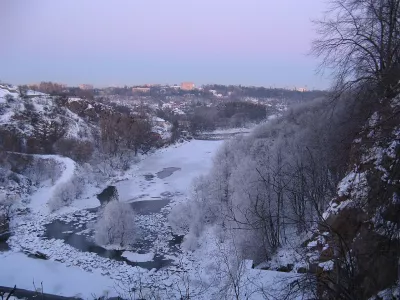

When it’s wet snow or frost outside, but you still want to go somewhere with the children, the best plan is a museum. There are many of them in Polissia: every regional center has a large local history museum, and in small towns you can find quite unexpected ones — about space, ancient potters, or a bunker carved into granite.
We have gathered museums from our guide in Zhytomyr, Rivne, Lutsk, Chernihiv, Sumy, and Kyiv region. For each, we suggest what is interesting for children and what to see nearby.
How to plan a museum day
- Most state museums are closed on Mondays, and in winter some reduce their hours to save energy.
- During air raid alerts, exhibitions are closed and visitors are taken to shelters. Allow extra time.
- Ticket and tour prices change, so check them on the museum’s page. It’s better to book a tour for a group or family in advance.
Zhytomyr and Zhytomyr region
Museum of Cosmonautics
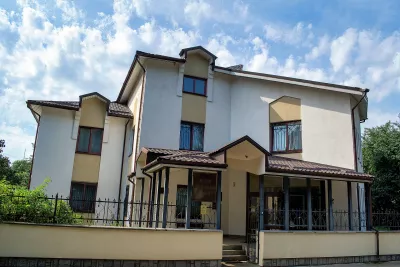
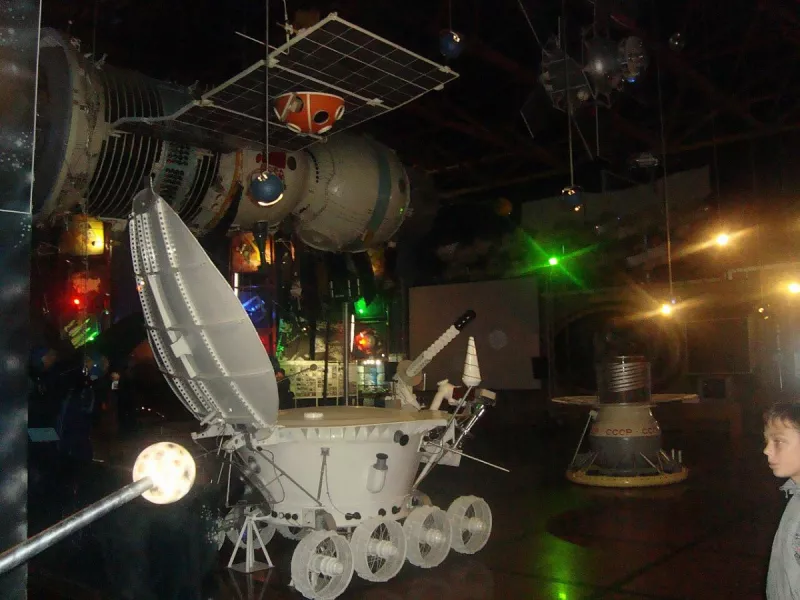
The main museum of the city for children is the Serhii Koroliov Museum of Cosmonautics. It consists of two parts: an exhibition about space with models of satellites, spacesuits, and space technology, and a memorial house where the designer was born in 1907. According to the museum’s website, it is open from Tuesday to Sunday from 10:00 to 17:15, Monday is closed. Take a tour: with a guide, the technology comes alive.
Old Town
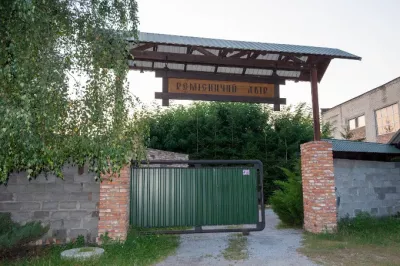
A few minutes’ walk away is Castle Hill. There, in a house from 1909, is the Regional Local History Museum, founded in 1865: more than 160 thousand artifacts, including paintings by Italian, Dutch, and Polish painters. Its branch is the Korolenko Museum in the house where the writer spent his childhood. Children who love technology will enjoy the private “Craftsmen’s Yard”: over 20 thousand items, more than a hundred axes alone, lathes and tools of various professions. Visits are by prior arrangement. More about the city in the article “Zhytomyr — what to see in the city and nearby.”
Korosten
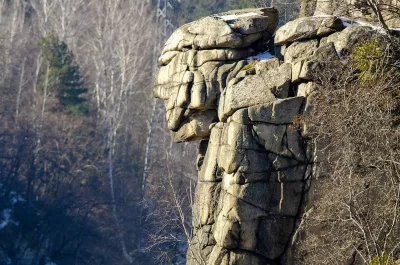
In Korosten there is the “Skelia” Museum, a command post from the 1930s carved into a granite rock. The underground town is about 156 meters long and has about 30 rooms; the second tier is open to visitors. Here are weapons, soldiers’ personal belongings, and materials about the defense of the fortified area in 1941. For teenagers, this is one of the most powerful tours in the region.
Rivne
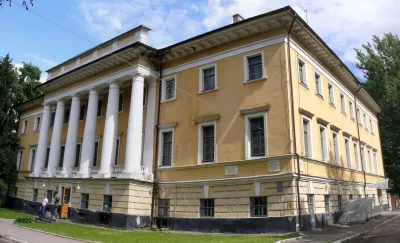
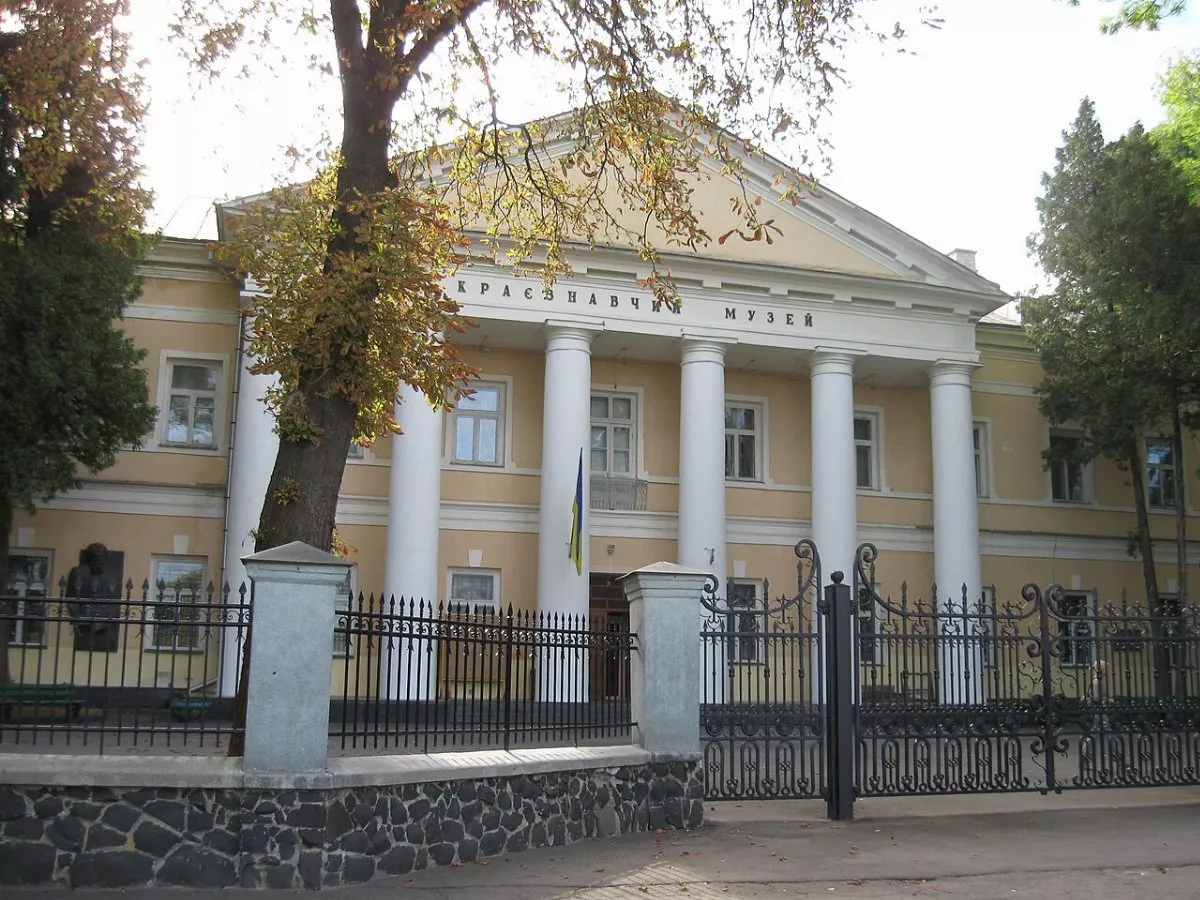
The Rivne Regional Local History Museum operates in the building of a former male gymnasium from 1839, where Korolenko and Kostomarov studied and taught. It is the largest museum collection in the region: more than 140 thousand items — archaeology, Polissia ethnography, old crafts, and the history of the city. What else to see nearby is in the article “Rivne — what to see in the city and nearby.”
Lutsk and surroundings
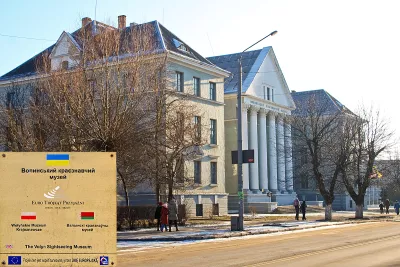
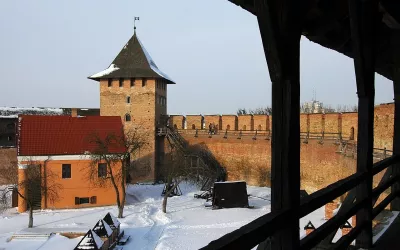
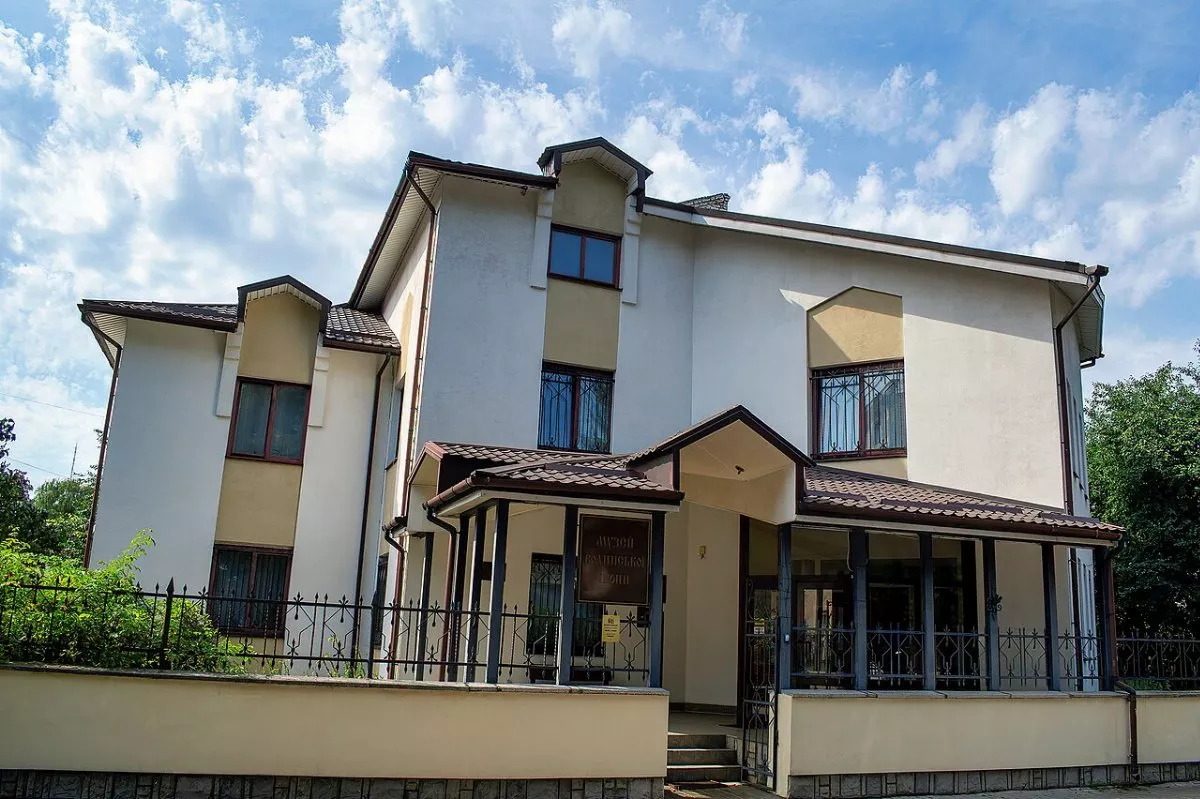
In old Lutsk — the Volyn Icon Museum, the only one in Ukraine representing the Volyn school of icon painting. Its main shrine is the Kholm Icon of the Mother of God, one of the oldest in Rus-Ukraine. On Chopin Street is the Volyn Regional Museum: 32 halls where you can go through the entire history of the region from ancient times in just a few hours. And after the museums — a walk to Liubart’s Castle.
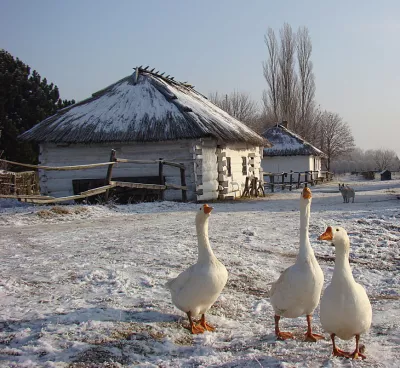
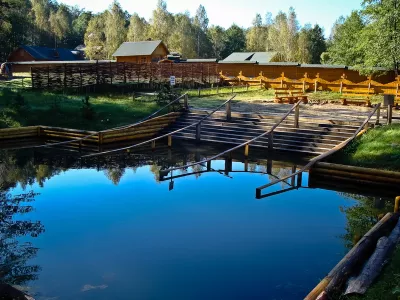
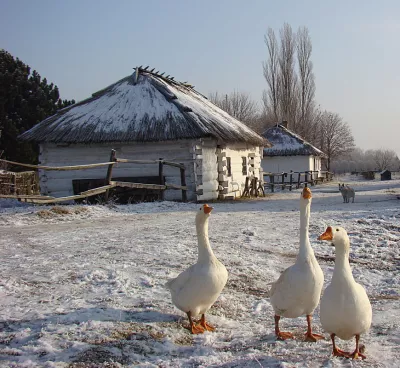
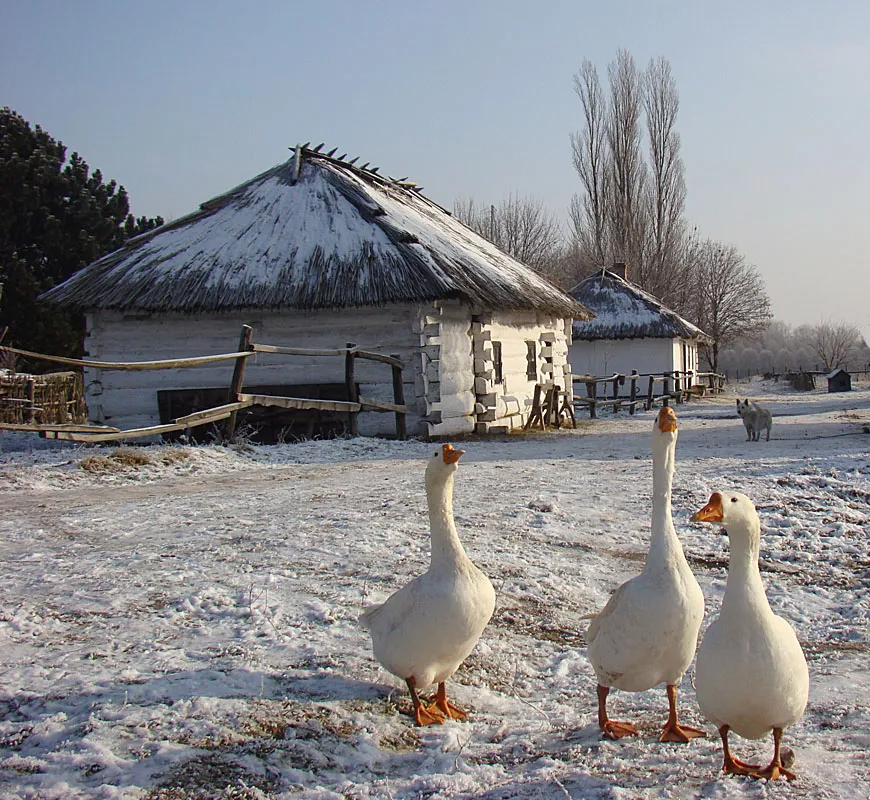
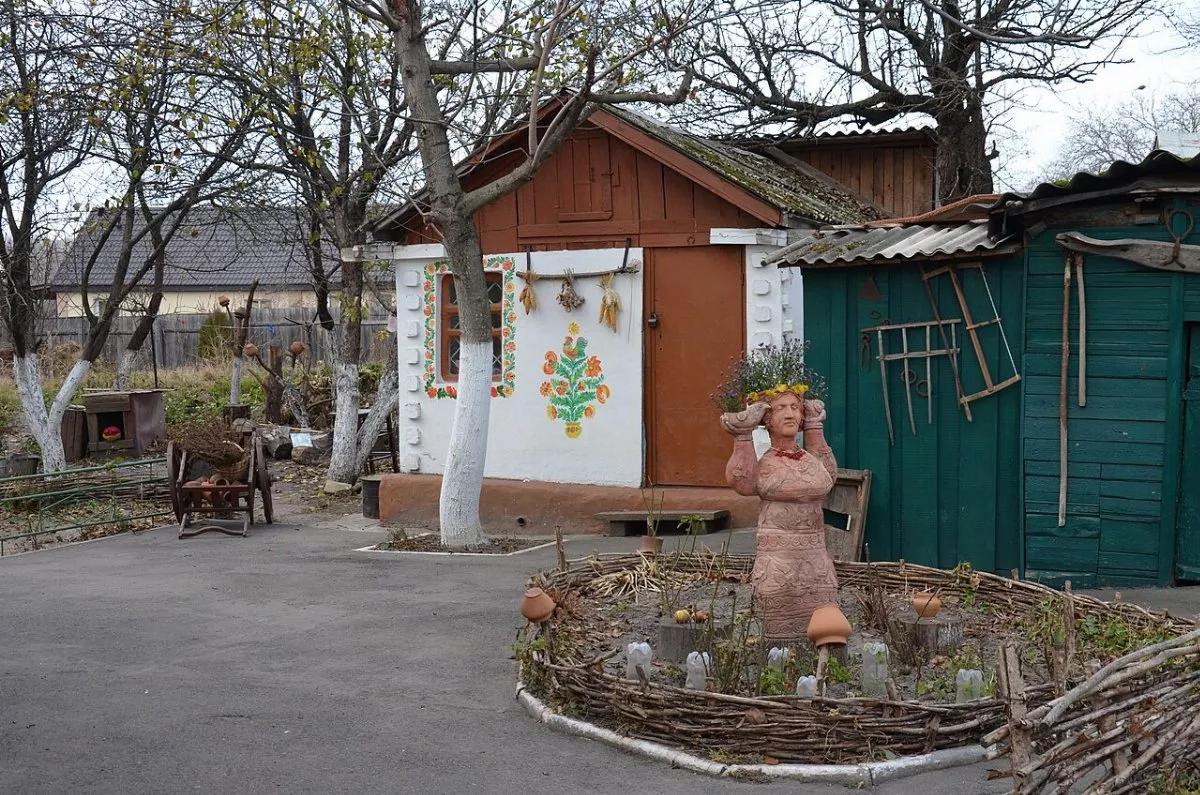
12 km from Lutsk, in Rokyni, is the Museum of the History of Volyn Agriculture with an open-air museum. Houses, barns, and granaries from different parts of Volyn stand in the arboretum, each homestead equipped with items of its time. In the snow, such a village looks especially beautiful, but most of the exhibition is outdoors, so dress warmly.
Chernihiv
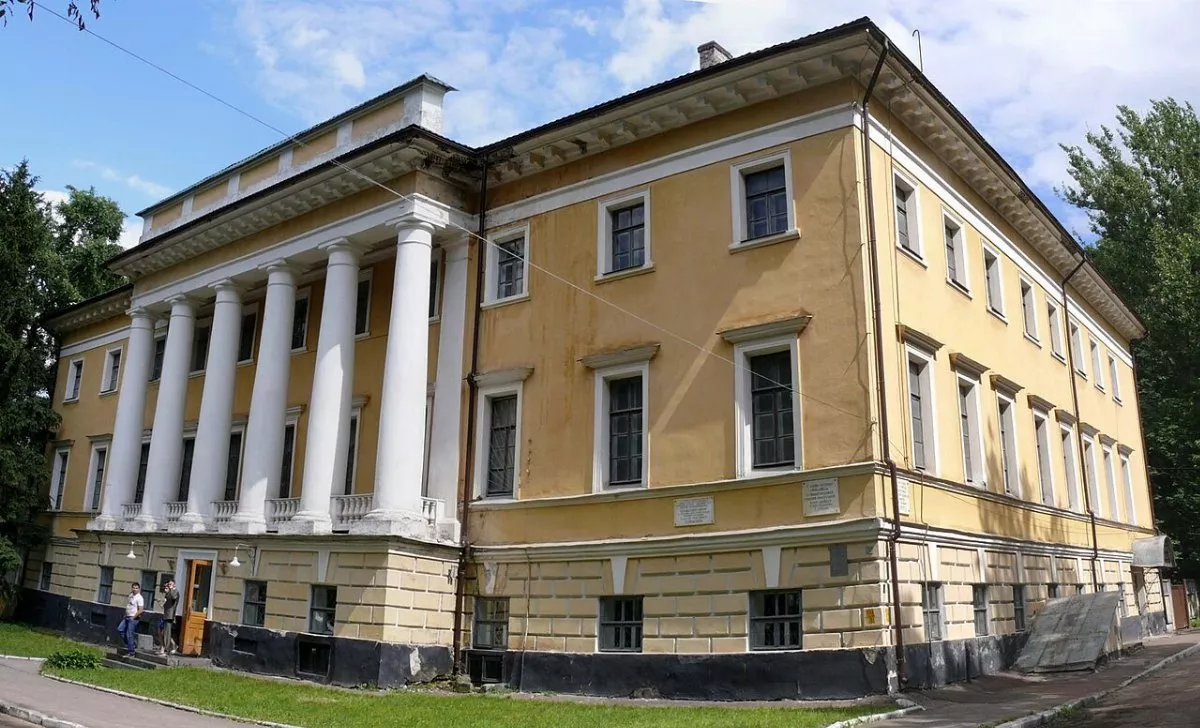
The Tarnovsky Historical Museum is one of the oldest in Ukraine. It stands on the Val, in the building of the former gymnasium, and its collection numbers over 160,000 items — from the Paleolithic to the 20th century. The core was the collection of Vasyl Tarnovsky from Kachanivka. Due to the war, some of the most valuable items are kept in a safe place, and the museum shows temporary exhibitions — check what is open now. Nearby is the Chernihiv Collegium from 1700–1702, where exhibitions also take place, and old cannons stand on the edge of the Val.
Sumy
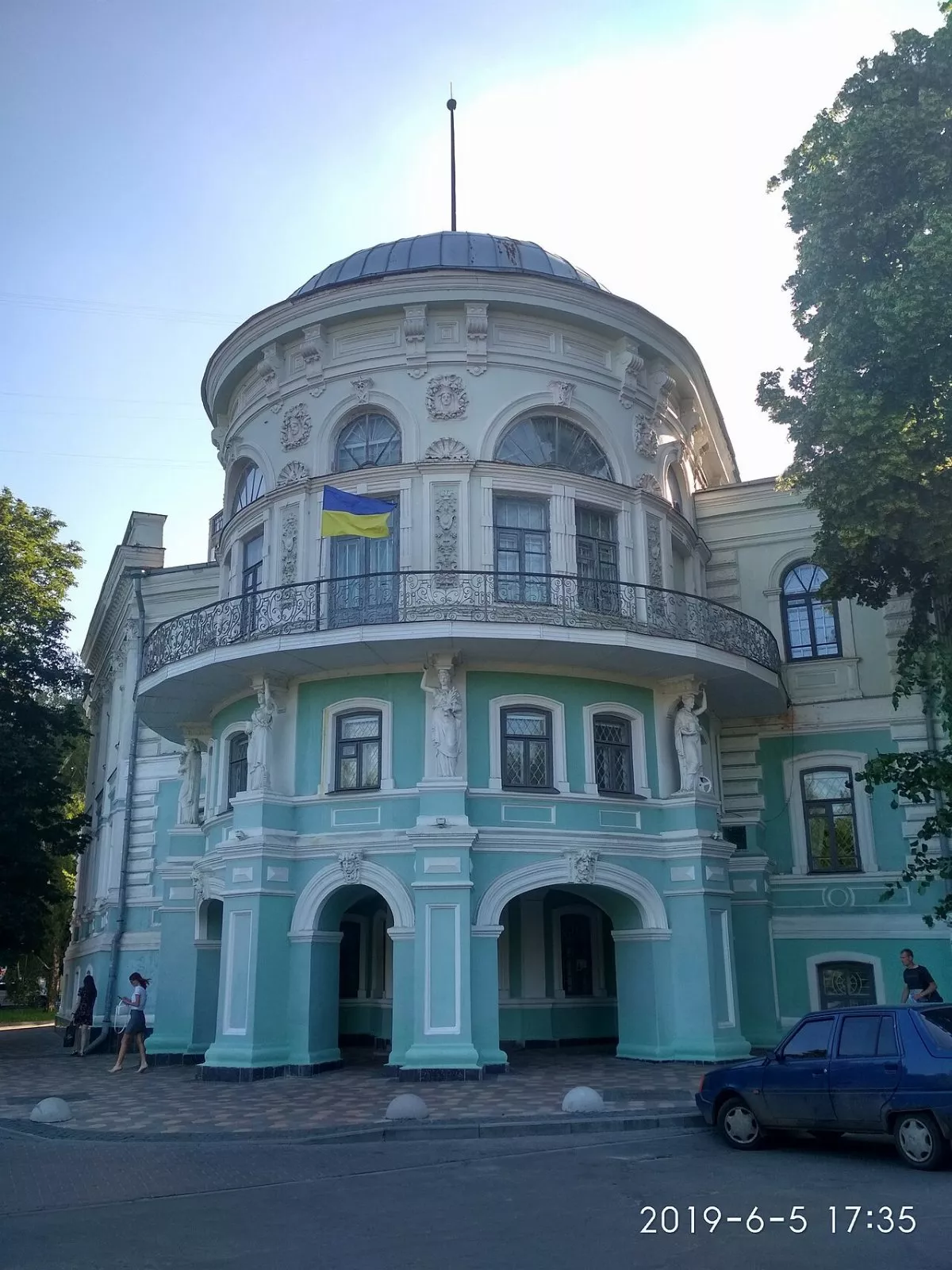
The Sumy Regional Museum is the largest collection of history, nature, and archaeology of the Sumy region, with about 45,000 exhibits. It occupies the building of the zemstvo administration from the late 19th century. Among the most valuable items are a Slavic ard from the 7th–9th centuries and Byzantine vases from the 4th–5th centuries.
Safety: Sumy and the northern part of the region are regularly shelled. Check community news and the alert map before your trip.
Kyiv Region
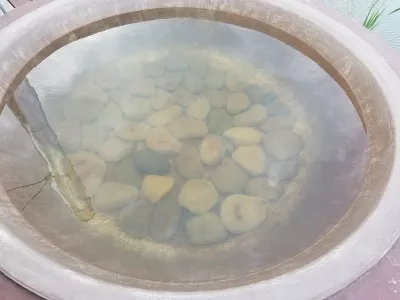
In Kyiv Polissia, in Vyshhorod, is the Pottery Museum. Its main exhibit is a pottery kiln from the second half of the 11th century, left in the place where archaeologists found it. Scholars consider ancient Vyshhorod the largest known medieval pottery center in Eastern Europe.
Nearby, in Novi Petrivtsi, is the Museum of Ukrainian Military Valor. On ten hectares, communication trenches and dugouts from 1943 have been preserved, some of which can be viewed from the inside. Artillery and tanks stand in the open air, and in a separate building there is a 29 by 7 meter diorama. The museum now also tells about the war that Ukraine has been fighting since 2014.
What interests children
- Space and spacesuits — the Serhiy Korolyov Museum of Cosmonautics in Zhytomyr.
- Underground granite corridors — “Skelya” in Korosten.
- A real old village — the open-air museum in Rokyni.
- Dugouts and military equipment — Novi Petrivtsi.
- Old tools and machines — “Remisnychyi Dvir”.
A museum trip can easily be combined with a walk through the old town centres: in Zhytomyr — Castle Hill, in Lutsk — Liubart’s Castle, in Chernihiv — the Val by the Desna River.