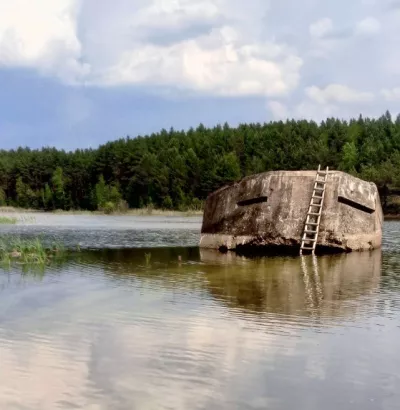
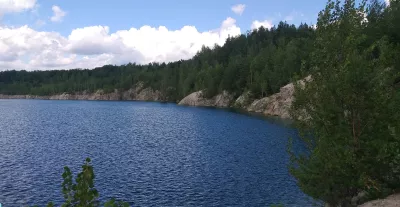
The defensive underground town in Korosten is one of the most powerful and underestimated locations in Zhytomyr region. We are talking about a real military bunker cut into a granite rock, which was created as an autonomous command post. Today, the Skelya military-historical complex operates here, but the site itself still retains the features of a true fortification.
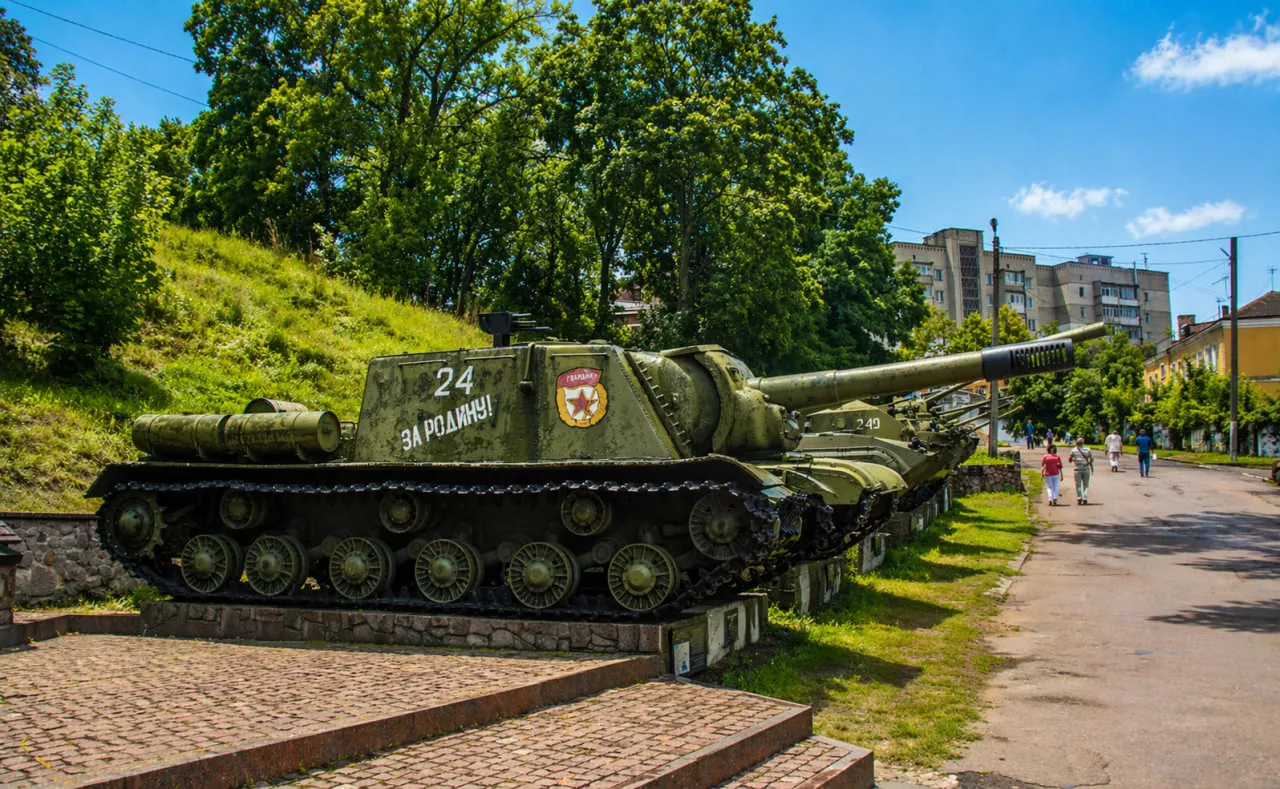
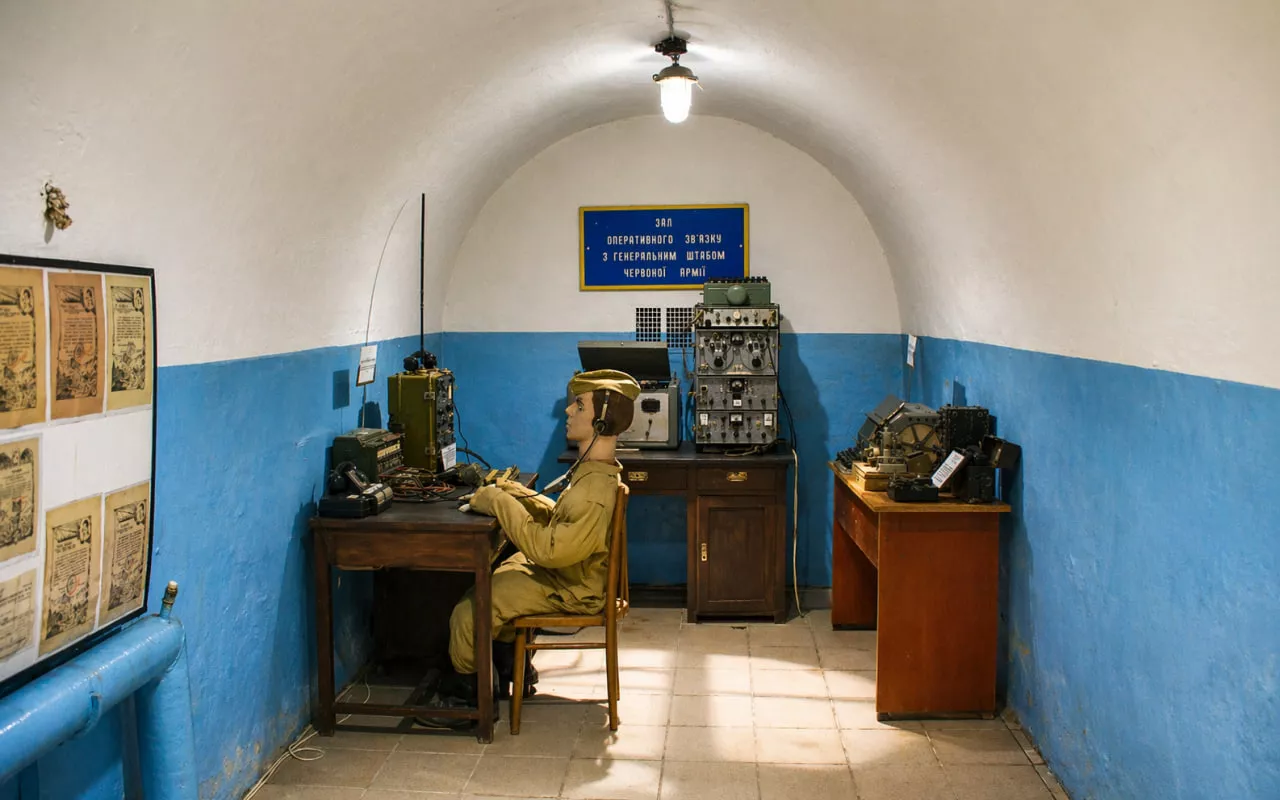
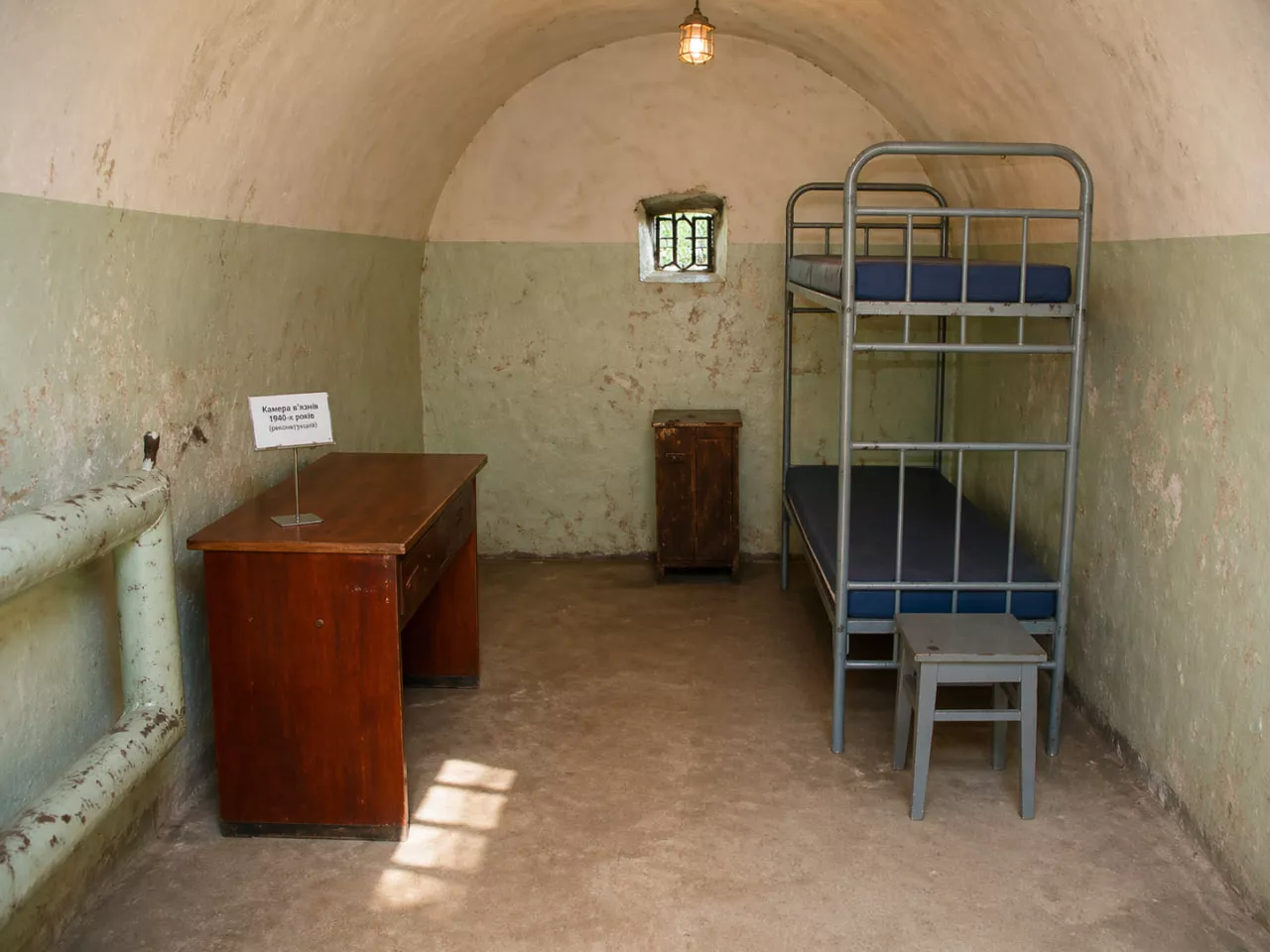
This is not just an "old basement", but a well-thought-out engineering system. The bunker was built as a completely isolated complex with its own ventilation, heating, communication, water and energy supply systems: it had office and residential premises, a telephone exchange and a radio station in separate rooms, a shower room, and its own well. Some of these utilities are still in working order today.
History of the underground town
The command post was part of the Korosten fortified region, which has been constructed since 1931. According to the museum, the bunker itself was built in 1935–1937; it is associated with the name of military engineer Dmytro Karbyshev. The main idea was to create a fortified command post capable of withstanding strikes and ensuring troop command even in critical conditions.
In the summer of 1941, the fortified region became a real defensive line: battles lasted from July to early August, and Korosten was occupied by German troops on August 7. There is a version that the underground facility was captured only after the use of gas.
According to legend, after the breakthrough, only three defenders remained alive — among them a woman and a heavily wounded officer — and the Germans did not execute them.
After the war, the facility remained military and was later transferred to civil defense. Until 2005, it was classified, and only after that it began to be arranged as a museum.
How the bunker is arranged
The underground town is not a single room, but a whole system:
- length — about 156 meters;
- depth — over 40 meters;
- number of premises — about 30 rooms;
- construction — workings in granite rock;
- several exits in different parts of the city.
The facility has three main tiers, but only the second level is open to visitors, featuring long corridors and side rooms carved into the solid rock. Researchers suggest that the overall structure may be significantly larger.
What you can see today
A military-historical exhibition dedicated to the defenders of the fortified region in July–August 1941 operates in the bunker. It gathers:
- standard-issue weapons;
- personal belongings of soldiers;
- ammunition remnants;
- materials about World War II;
- exhibits related to the Chornobyl disaster.
You can feel the atmosphere of real military infrastructure here, rather than a reconstruction.
How to get there
The bunker is located in the Drevliansky Park area, next to the Uzh River. In the city, you can take marshrutka minibuses No. 2, 3, 10, 11 to the "Ostrovsky Park (Drevliansky Park)" stop, and then walk a few minutes to the entrance.
From Kyiv: about 150 km; regular buses run to Korosten, and more than 60 trains pass through the city.
What is nearby
The bunker is located in one of the most interesting areas of the city. Nearby:
- Drevlyansky Park;
- suspension bridge across the Uzh;
- rocks and viewpoints;
- deruny monument.
This is a full-fledged tourist area where you can spend a few hours.
What you need to know
- only part of the underground bunker is open;
- it is cool inside even in summer;
- this is not a "set decoration", but a real military facility;
- the atmosphere is quite heavy — not for everyone.
The underground defensive town in Korosten is a real piece of military history that has been preserved almost unchanged. Here you can feel the scale of engineering thought and the tension of wartime. If you are looking not for trivial locations, but for something truly powerful, this is one of the top sites in the Zhytomyr region.