
The winter holidays in Polissia lasted 13 days, from Christmas Eve to Epiphany. During this time, people managed to pray, remember their ancestors, go carolling, and play pranks that neighbours remembered all year round. Valentyna Neveska, a Polissian ethnographer who has been recording the customs of Zhytomyr region for over 35 years, explains this by the ancient calendar: after the winter solstice, the day began to lengthen, and in 13 days this was already noticeable to the eye. Thus, the holidays were also a meeting with the new sun.
The Orthodox Church of Ukraine and Greek Catholics have been celebrating according to the new calendar since 2023: Christmas Eve is on 24 December, Christmas is on 25 December, Generous Evening and Malanka are on 31 December, Saint Basil's Day is on 1 January, and Epiphany is on 6 January.
Christmas Eve and Kutia
Christmas Eve is also called Rich Kutia. Housewives prepared 12 lean dishes, and the main one among them was kutia made from whole grains. They sat down for supper when the first star appeared in the sky. The head of the household commemorated deceased relatives, and the family prayed for the living.
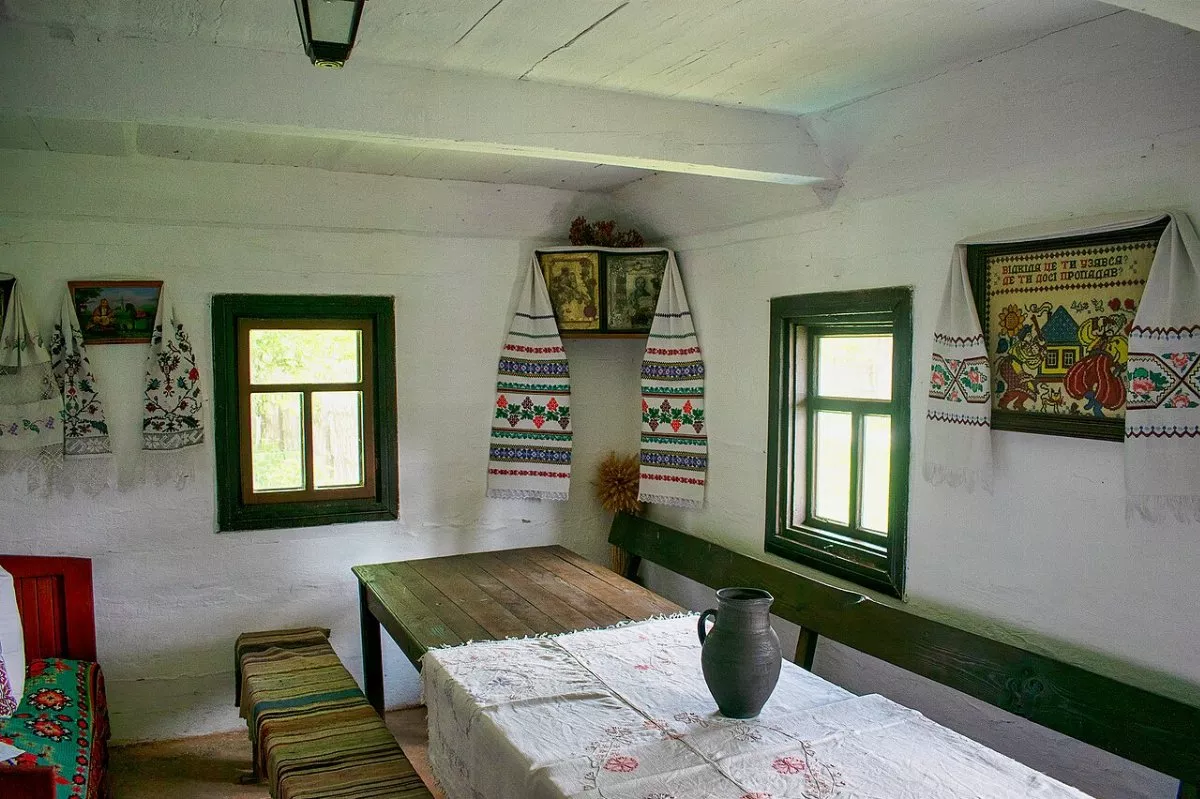
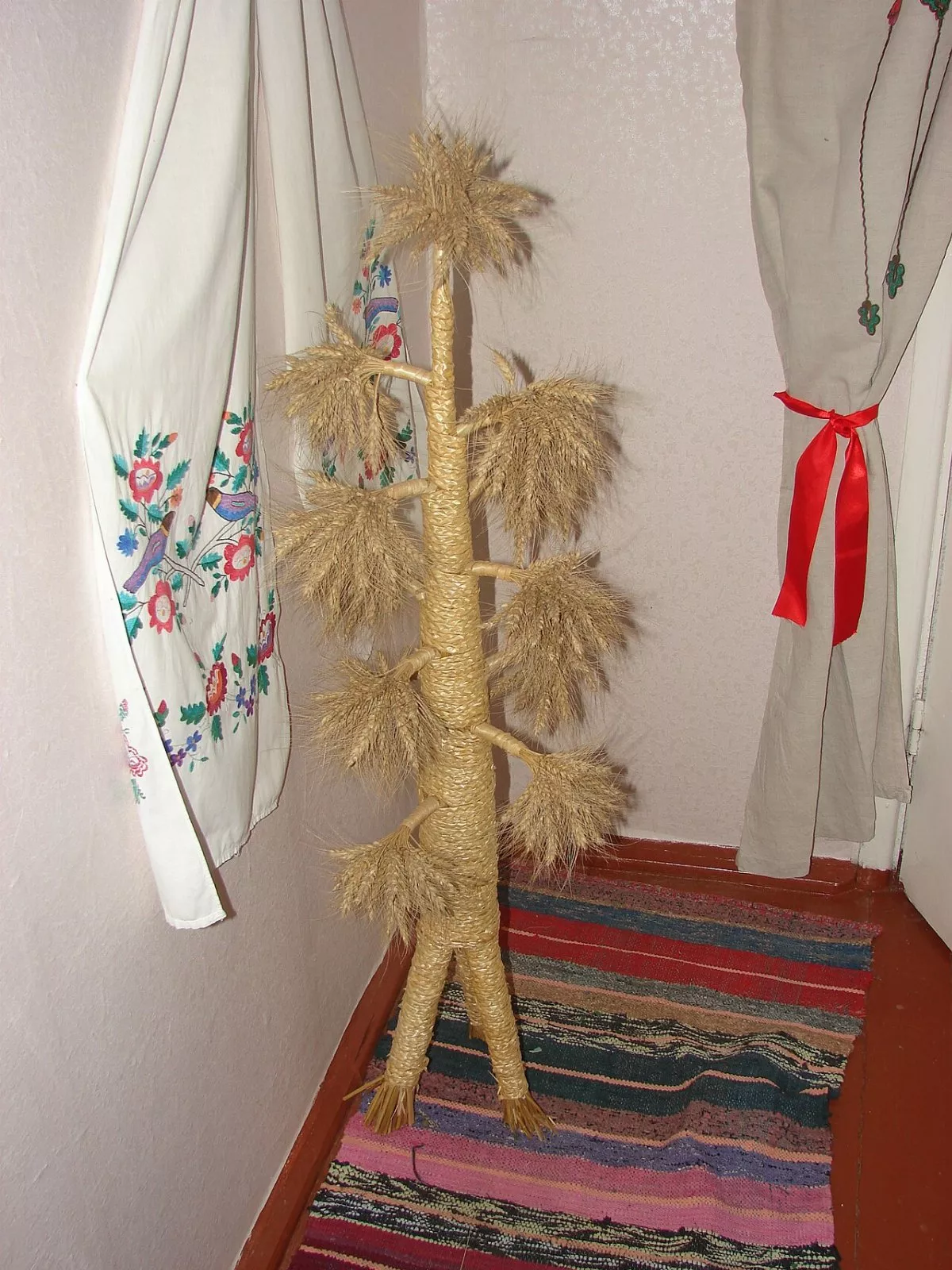
A didukh — a sheaf of grain stalks, which was also called koliada in Polissia — was placed in the pokuttya. It signified the family line and the memory of ancestors. Hay was laid in the house because Christ was born in a manger, and kutia was placed in the pokuttya on a handful of hay. According to ancient custom, the kutia was not cleared away: it stood near the didukh until Epiphany.
Christmas and Polissian Carols
On Christmas, weddings, christenings, and betrothals were not held — the day belonged to prayer. A round bread, which was called knysh in Polissia, was placed on the table; its shape resembled the sun. Carollers went from house to house, wishing the hosts health, a good harvest, and prosperity.
Polissian carols are recognisable by their melody and imagery. They sing about bees and honey, flax and pine, and Christian themes intertwine with very ancient ones. You can listen to what this sounds like in the recording of the carol "Oi poprzez pole, poprzez shyroke" from the village of Sarny in Rivne Polissia.
Read about how folklorists still find ancient carols and shchedrivky in villages in our article about found ancient carols.
Generous Evening and Malanka
31 December is Generous Evening, or Malanka. On this evening, people went shchedrivka-singing until midnight, and it was a time for dressing up and permitted pranks. Young men hid gates, hauled a cart onto a roof, and sprinkled paths with straw. Malanka herself in folk beliefs is a cheerful and clumsy housewife who does everything backwards, and she was usually played by a disguised young man. In Western Polissia, shchedrivka-singing was more prominent than carolling: it was mostly young men who went out.
In December 2023, the Ministry of Culture approved the inclusion of the Generous Evening tradition in the national list of intangible cultural heritage. Read about the ancient origins of the figures of Malanka and Vasyl in our article about the New Year the Ukrainian way.
This is the shchedrivka "Shchedryi vechir, dobryi vechir" ("Generous Evening, Good Evening"), which folklorists recorded in 1979 in the village of Serakhovychi in Volhynian Polissia.
Leading the Goat
The oldest of the Christmas performances is the leading of the Goat. The Goat was played by a lad wearing an inside-out sheepskin coat, with horns and a mask. Nearby walked the Grandfather, the Baba, the Doctor, and other characters. According to the plot, the Goat was "killed," mourned, and then came back to life. Thus the ritual showed the triumph of life over death and the rebirth of nature after the birth of the new sun. The Goat was considered the most resilient animal.
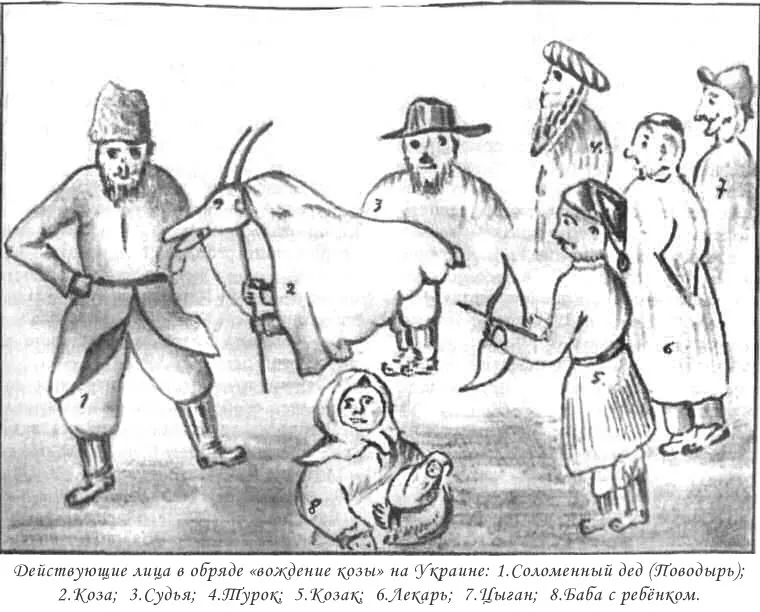
The plot had local variations. In the Chernihiv region, a story was acted out where the Goat is wronged by enemies and rescued by an armed Cossack. In Volhynian and partly Chernihiv Polissia, the wolf was considered a totem animal, so the carolers also dressed in wolf skins. The Goat is still led today: last year in Rivne, the Spivanka collective walked with it from house to house and raised money for a military friend.
Sowing on Saint Basil's Day
On the morning of January 1, people went sifting and sowing: they sowed grain in the house and wished for a rich harvest. The first person to enter the house had to be a man — it was believed that the coming year depended on the first sower. They sowed wheat, rye, and barley, but never peas. Peas were considered a memorial food and were called the tears of the Mother of God.
Epiphany and the End of the Sviatky
On January 6, water was blessed and kept all year round for healing and protecting the home. And after Epiphany in the north of the Zhytomyr region, people threshed the didukh: neighbors gathered in one house with their sheaves and symbolically beat the ears of grain with a wooden pestle or a rolling pin. This was a merry way to close the Sviatky and prepare for spring agricultural work.
Where to See Polissian Antiquity
Announcements of community holiday festivals are published closer to the holidays. In the meantime, it is worth knowing the museums where the traditional way of life in which these customs were born has been preserved.
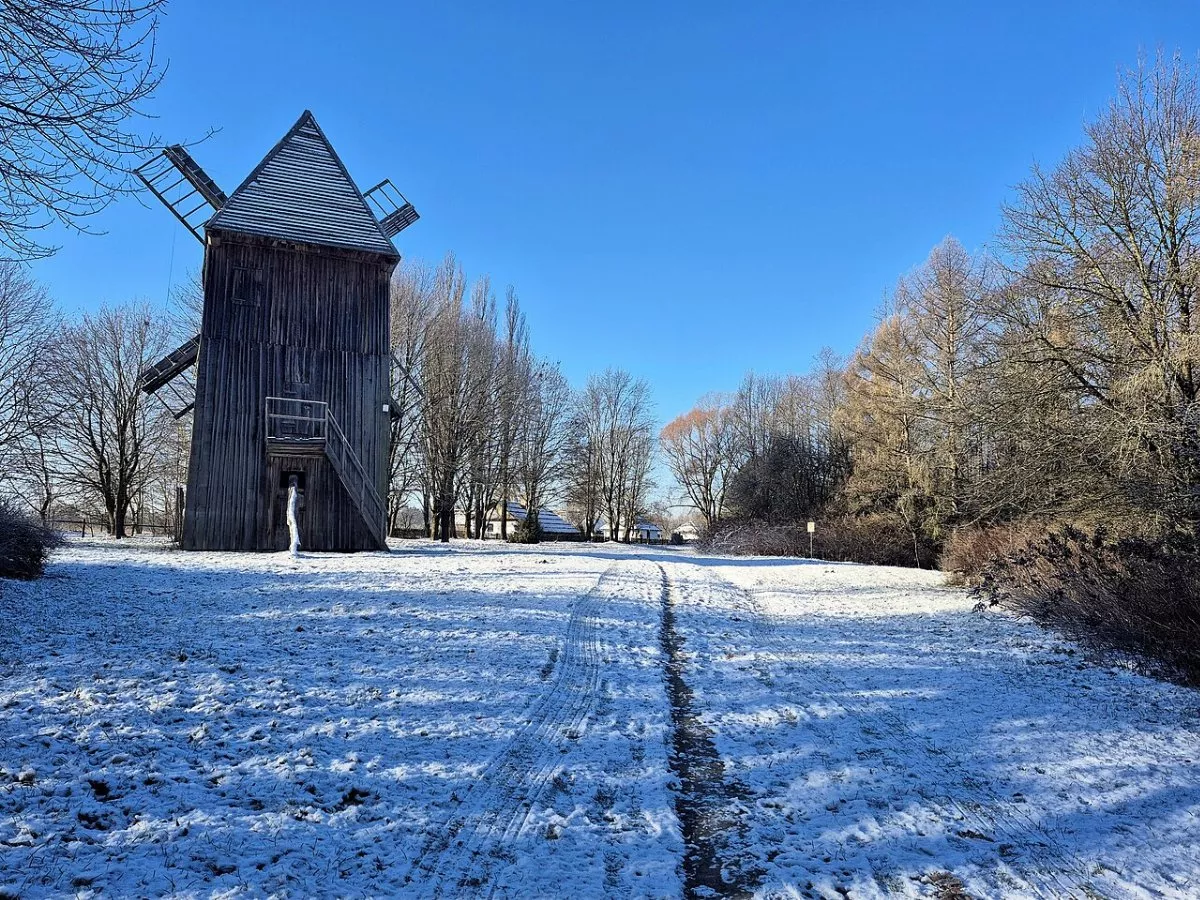
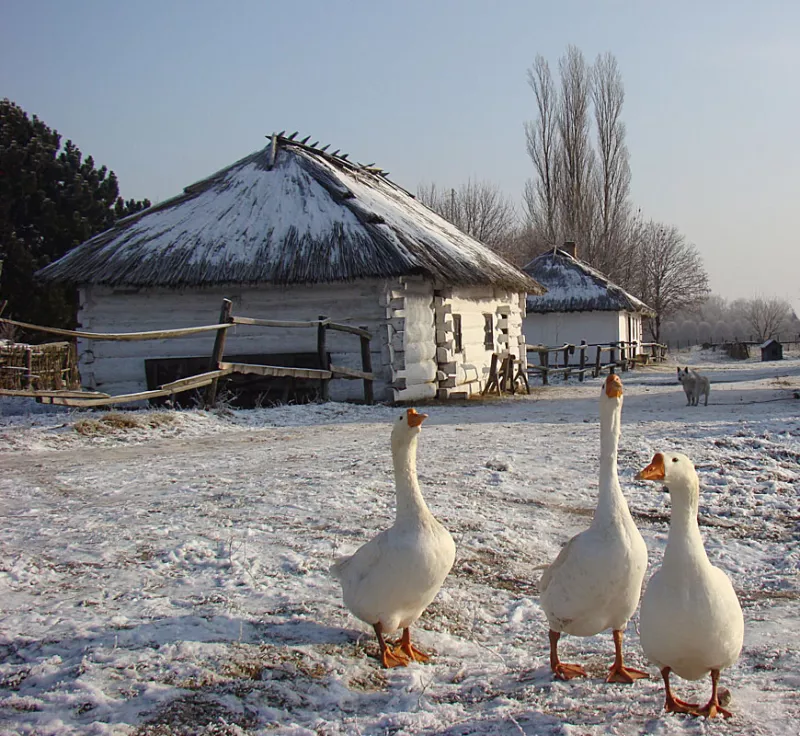
- The Skansen in Rokyny near Lutsk features houses, storehouses, and barns from various corners of Volhynia, furnished with items of their time. You can go inside a house and see the stove, benches, chests, and embroidered towels.
- "Drevlyanian Springs" in Ovruch is a museum of daily life of the Ovruch region showcasing Polissian weaving, beekeeping, clothing, and household items.
- "Drevlyanian Village" in Selezivka on the estate of the Polissia Nature Reserve features a log house with a stone stove and a posvit (a special shelf with a light source) used to illuminate the dwelling.
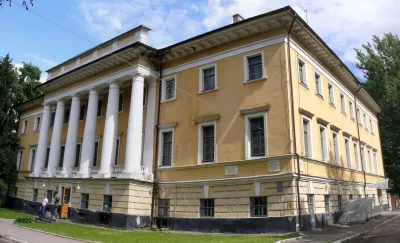
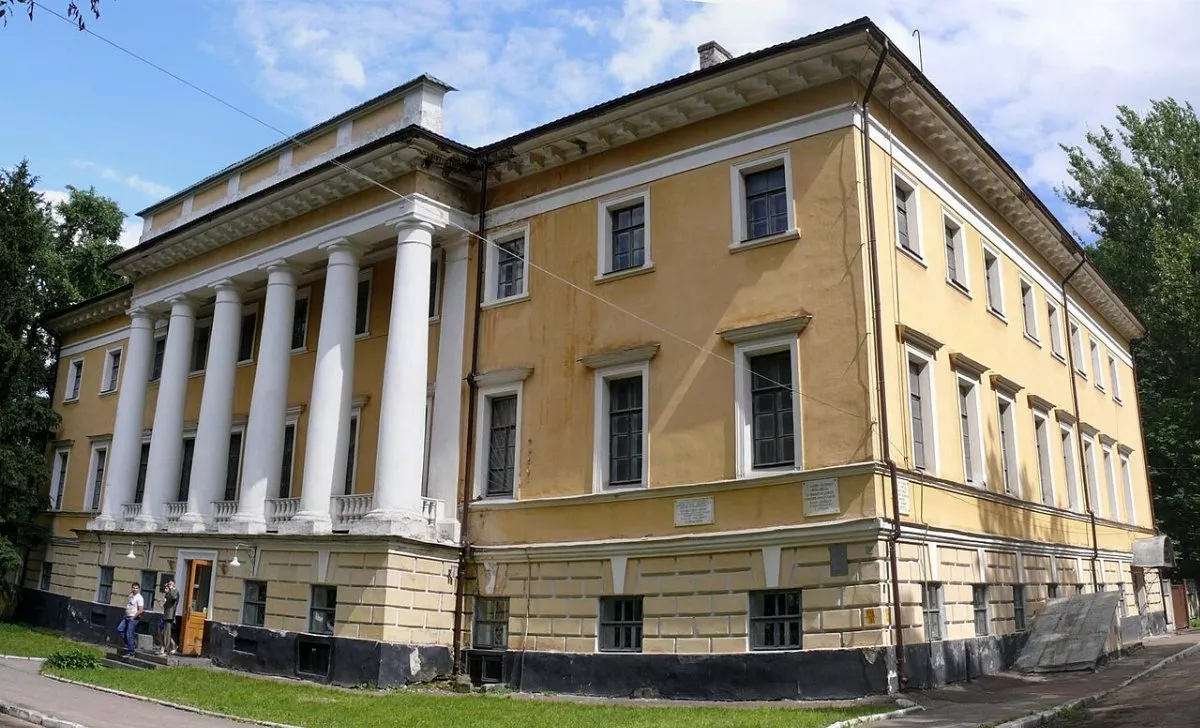
- The Tarnovsky Historical Museum in Chernihiv. Its collections preserve the vertep (puppet show) box of the Galagan family, which is about 250 years old. This is a two-story puppet theater: upstairs is the Nativity and the Magi, and downstairs are comical scenes featuring a devil, Death, and a Cossack.
Museum schedules change in winter due to power outages, so call or check the institution's page before your trip. And if carolers knock on your door, don't turn them down: nowadays they most often collect to help the military.