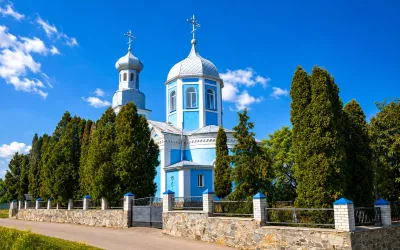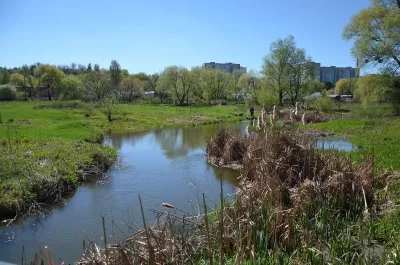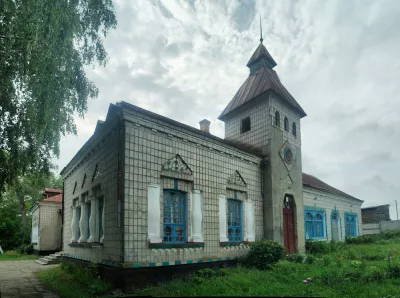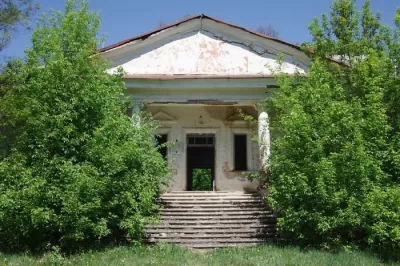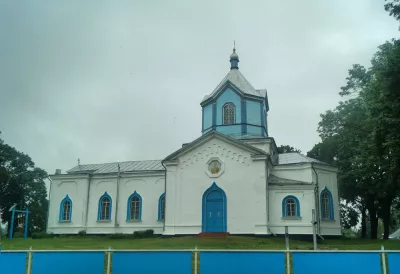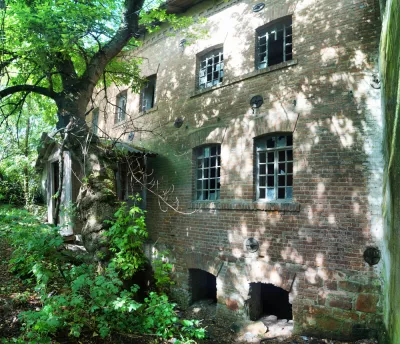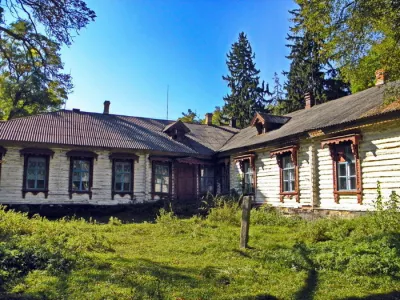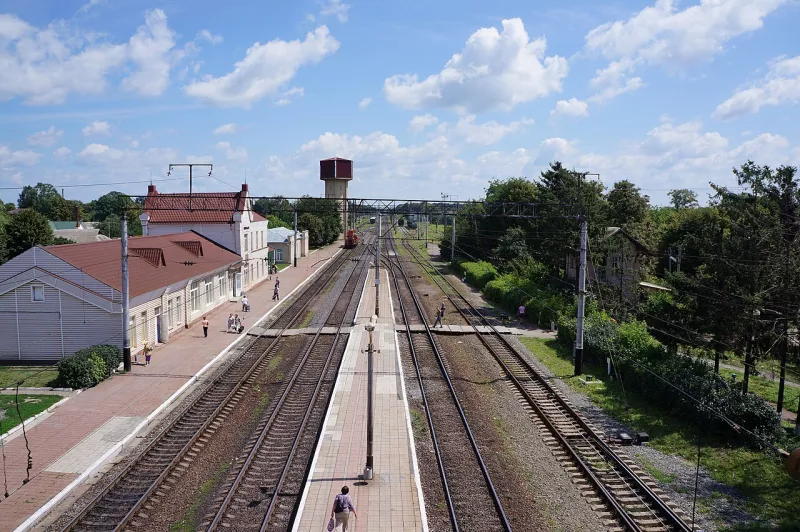

Popilnia is an urban-type settlement in the southeast of Zhytomyr Oblast, the center of the Popilnia community in Zhytomyr Raion. It is divided in half by the Fastiv–Koziatyn railway: to the north is the center with institutions, a market, and a bus station; to the south are private homesteads, locally called “beyond the tracks.” Near the northwest edge of the settlement, the Lozynka River begins, and to the north lies the Popilnia Forest—a nature reserve established in 1967.
Origin of the Name
The most common version links the name to ash. Since the 14th century, potash was produced in Polissia and the Forest-Steppe region—it was obtained from the ash of burned trees. The building where ash was stored and processed was called a popilnia. Another legend says that the Tatars burned the local settlement, which then rose from the ashes. It is also said that the first to clear a patch of forest here was a forester from Pavoloch named Popeliukh.
The Settlement That Grew Near the Station
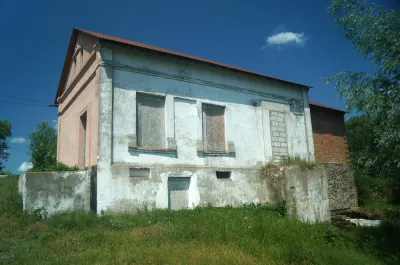
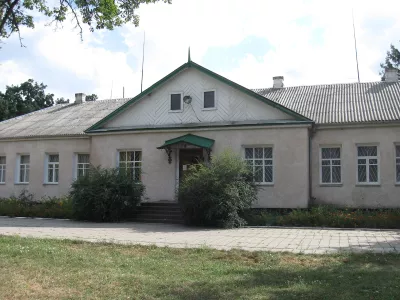
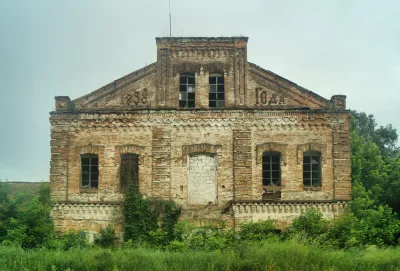
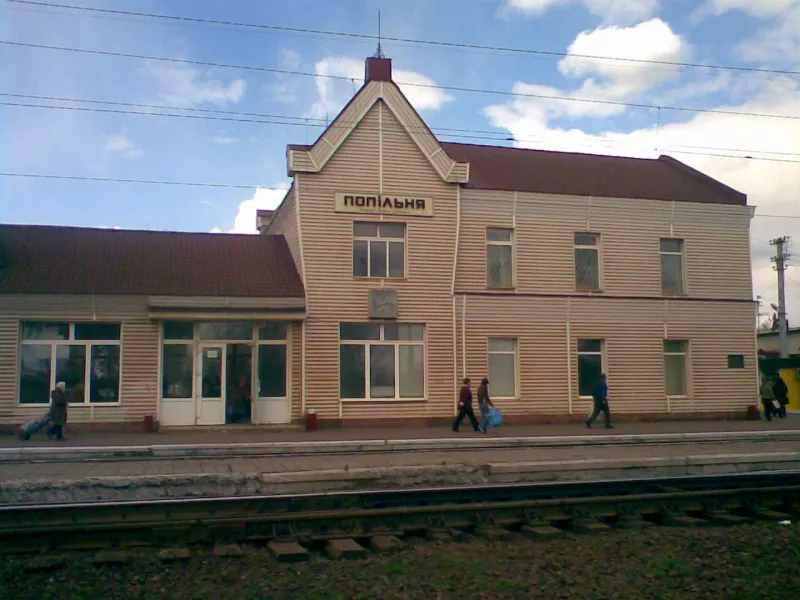
The old village of Popilnia was the center of a volost and had a church, school, and windmills. The present settlement appeared in 1870, when the railway connecting Kyiv with Odesa was opened. The station near the village was named Popilnia, and the first buildings were the stationmaster’s house and the station building. The station building, an adjacent service building, and a warehouse are the only structures remaining in the settlement from the pre-Soviet period.
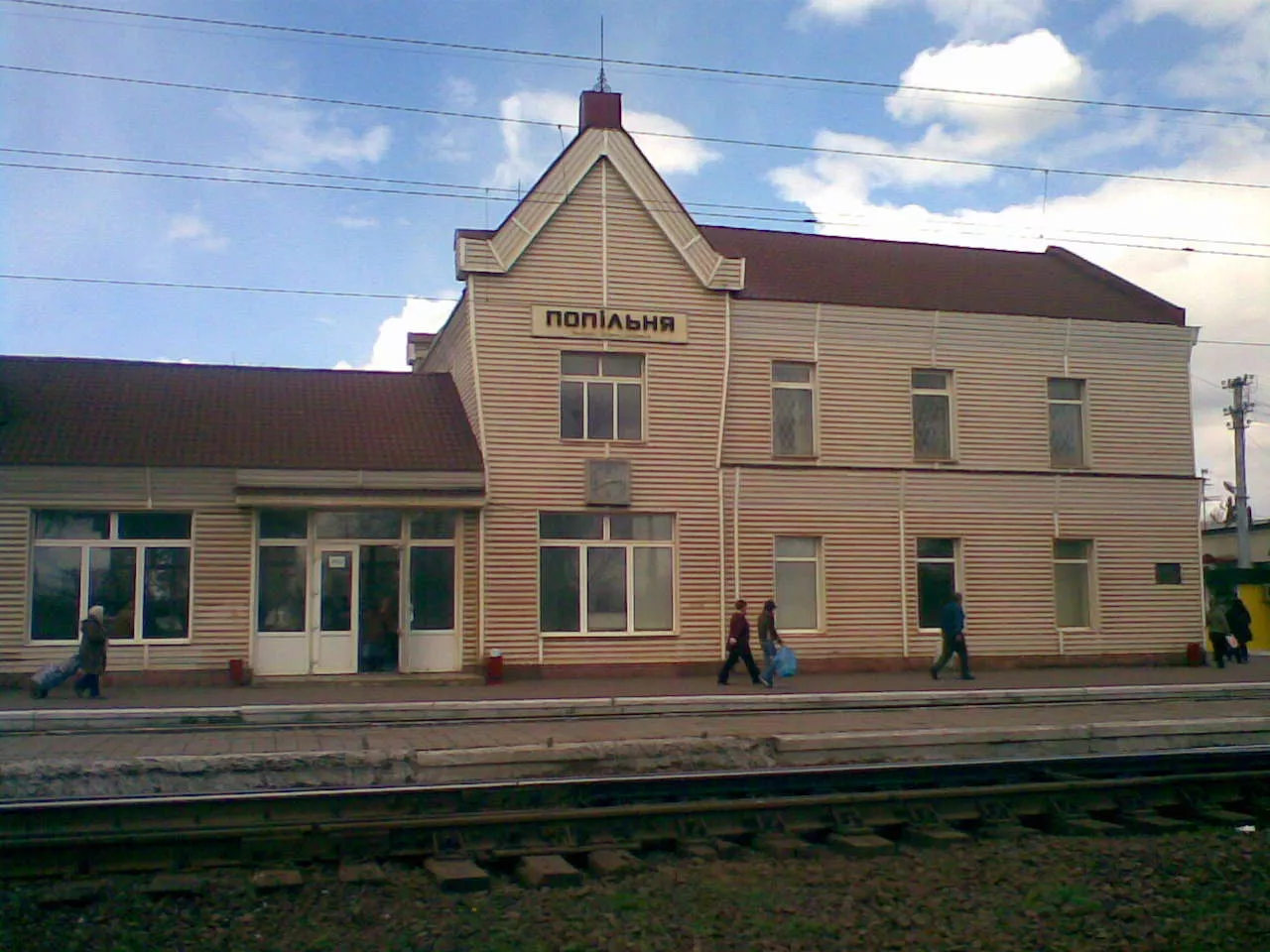
In 1900, there were only 18 houses near the station, with 106 residents; a post office and telegraph operated, as well as a pharmacy, an inn, and a buffet. In 1910, a branch line to Skvyra was laid from here, and a starch factory began operating. In 1923, Popilnia became a district center, and in the 1960s, the railway was electrified.
Fighting in 1941 and 1943
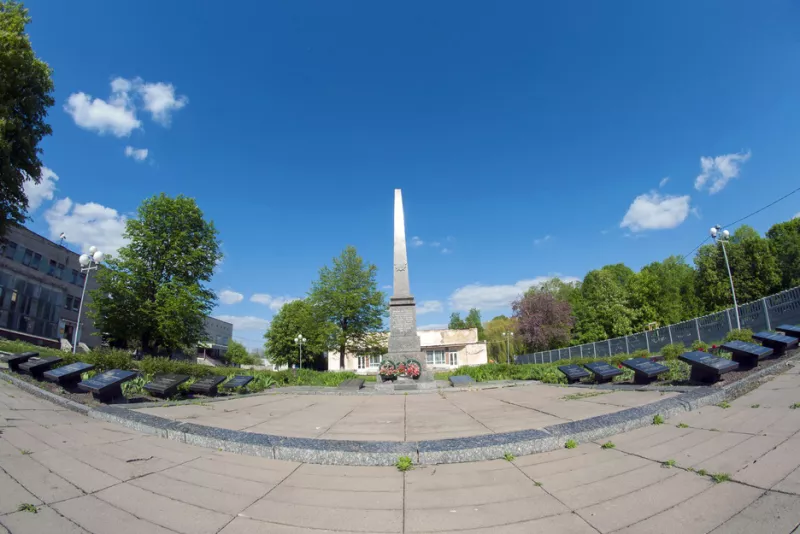
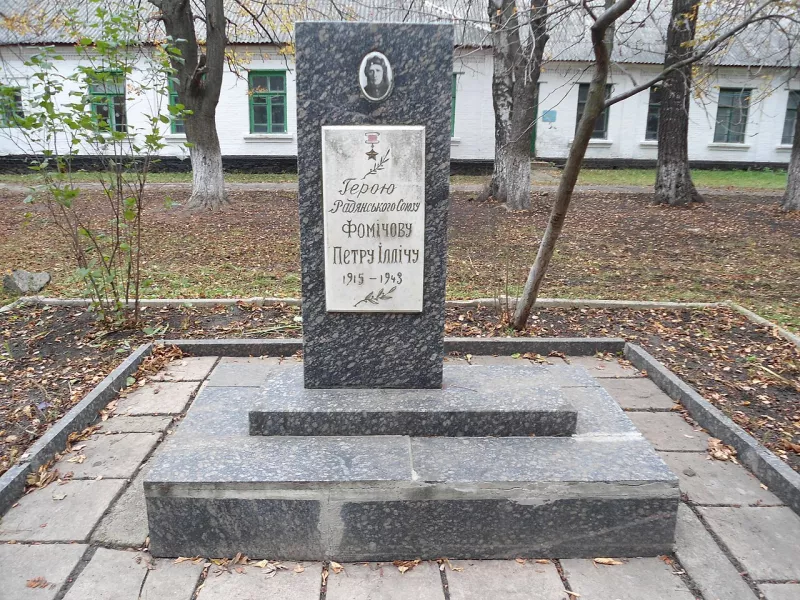
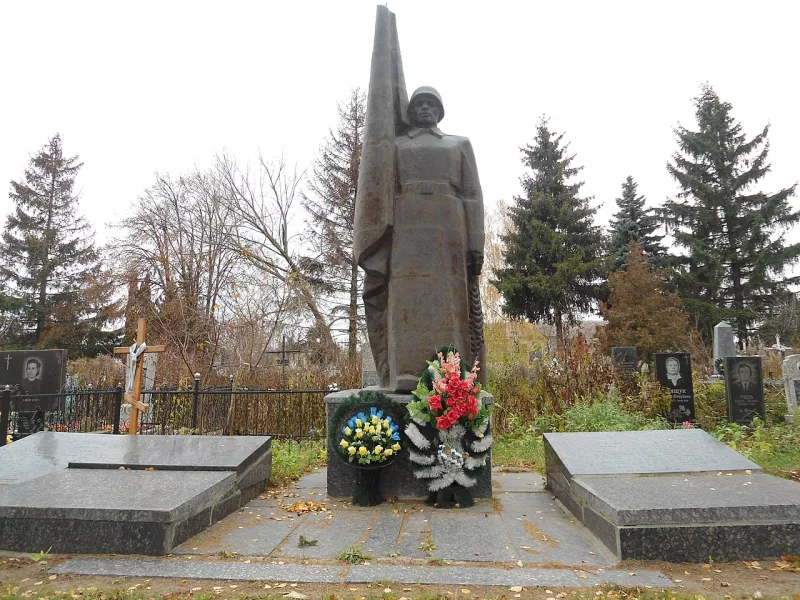
On 12 July 1941, near Popilnia, 73 lieutenants—graduates of the Saratov Military School—fought against German tanks; all of them died. Two days later, a consolidated border detachment under Captain Sereda fought here; it covered the retreat of a train with wounded soldiers, which the driver—one of the fighters—brought safely to Fastiv. In autumn 1943, fierce battles took place for Popilnia—the settlement was liberated twice, in November and again at the end of December. In 2011, a museum of Afghan war veterans was opened in Popilnia.
Zmiivyi Val
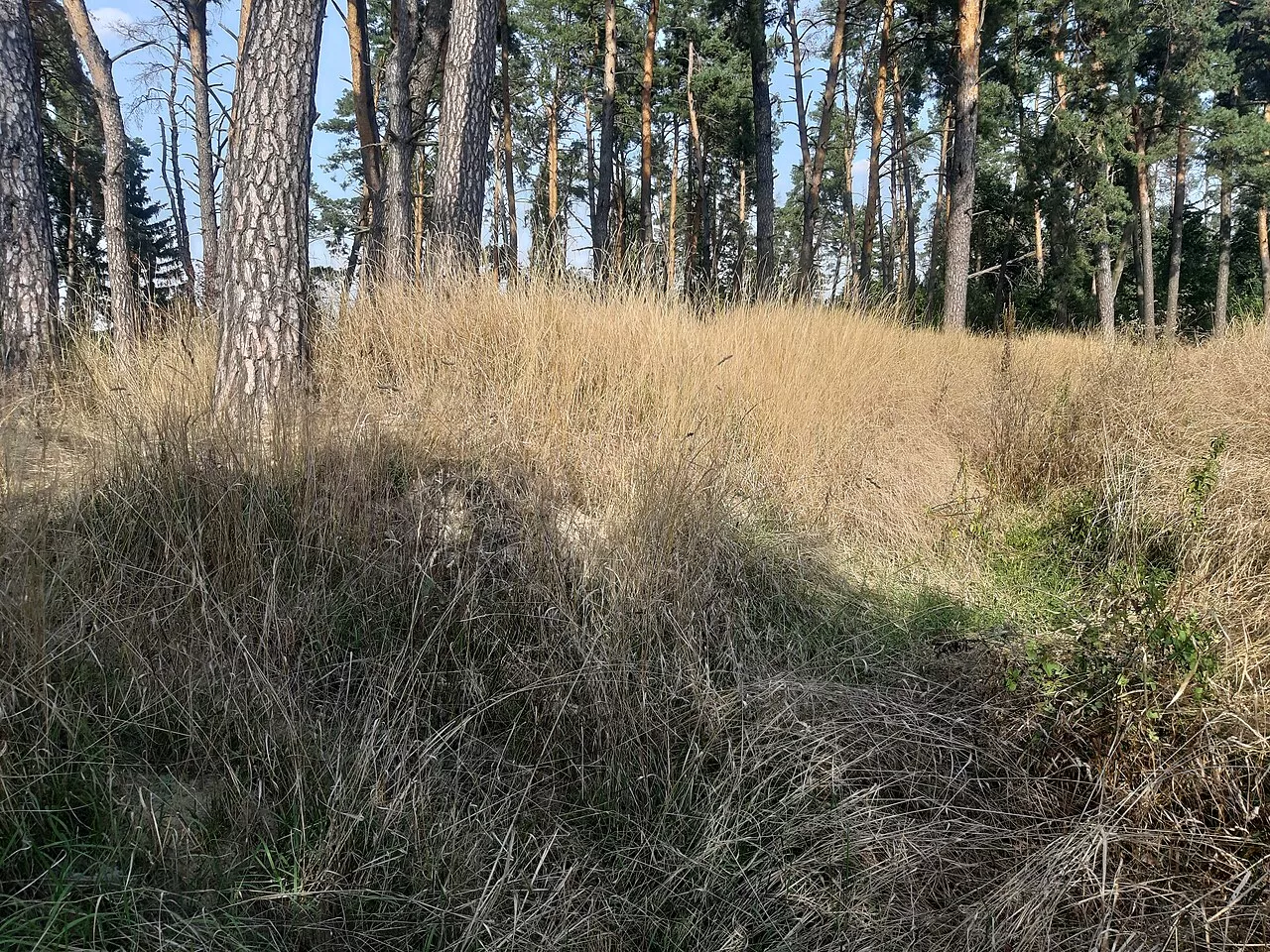
On the northwest outskirts, to the left of the highway to Velyki Lisivtsi, a section of the Zmiivyi Val—a historic defensive earthwork built to protect against steppe nomads—has been preserved in a pine forest. The earthwork is a cultural heritage monument. A walk to it can easily be combined with a visit to the Popilnia Nature Reserve.
Nearby
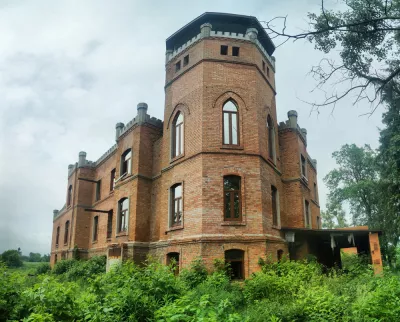
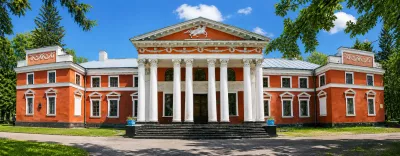
Not far from Popilnia is Romanivka with the Rylsky family museum-estate, where the poet Maksym Rylsky spent his childhood and youth. Also interesting is the village of Kryve with its Art Nouveau-style estate. The trip can be continued to Andrushivka with the Tereshchenko Palace.
How to Get There
Popilnia is served by electric trains on the Fastiv — Koziatyn line, including express trains to Khmelnytskyi, Shepetivka, Rivne, and Zhmerinka. Buses connect the settlement with Zhytomyr, Brusyliv, Ruzhyn, Andrushivka, Skvyra, and Bila Tserkva. The P18 road Zhytomyr — Skvyra passes by the settlement. Other nearby places are covered in the article about the Zhytomyrskyi Raion.