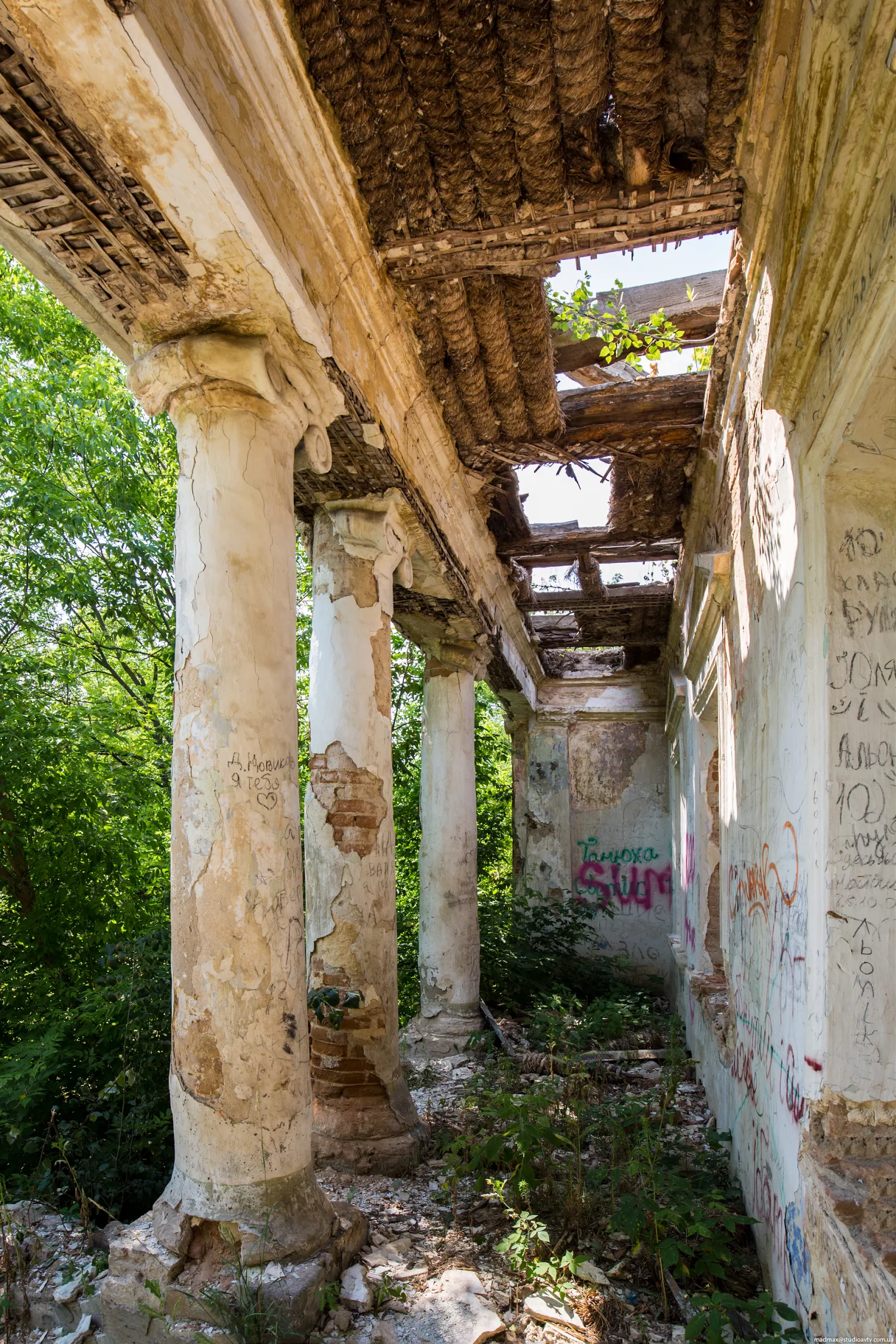
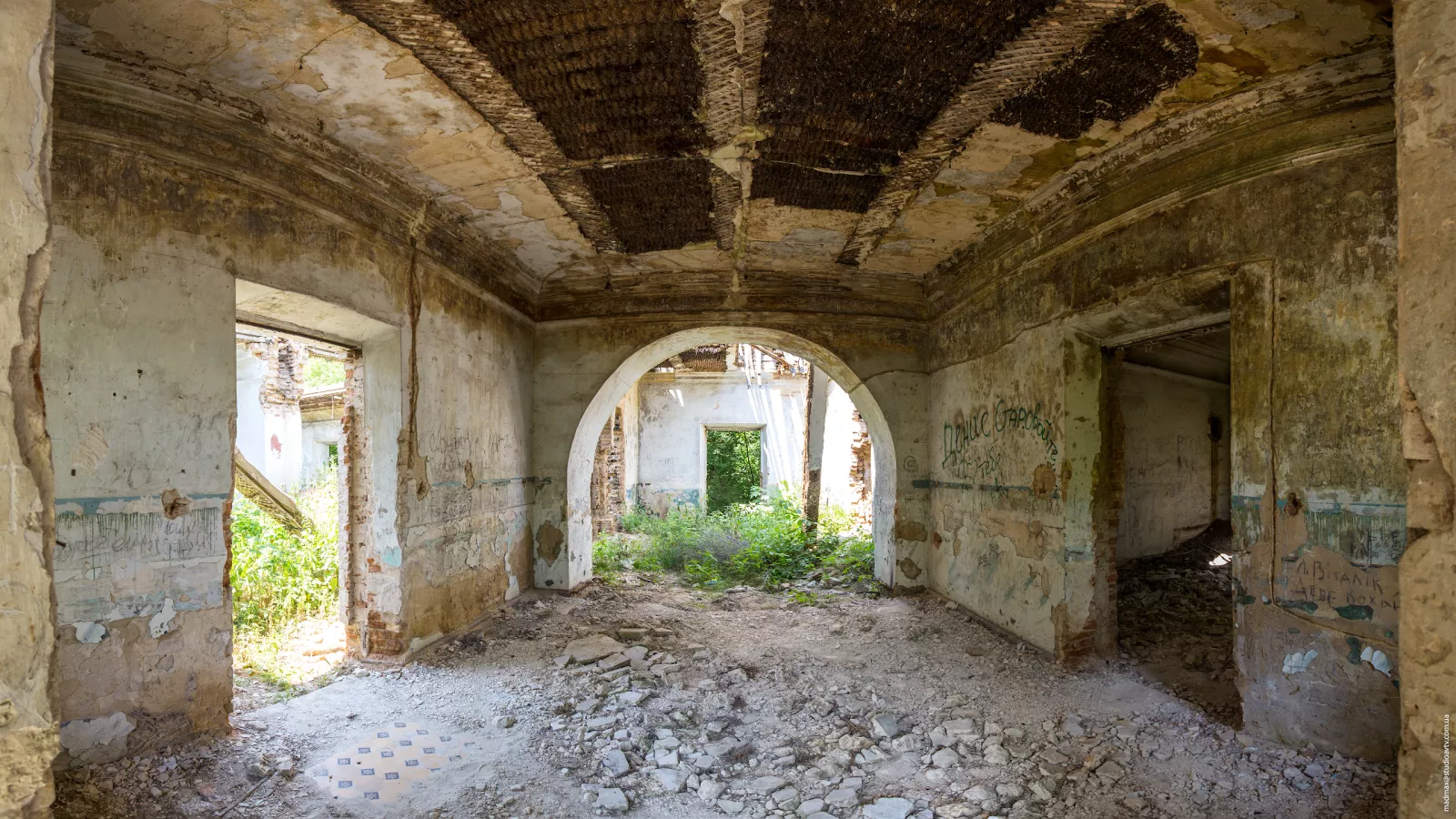
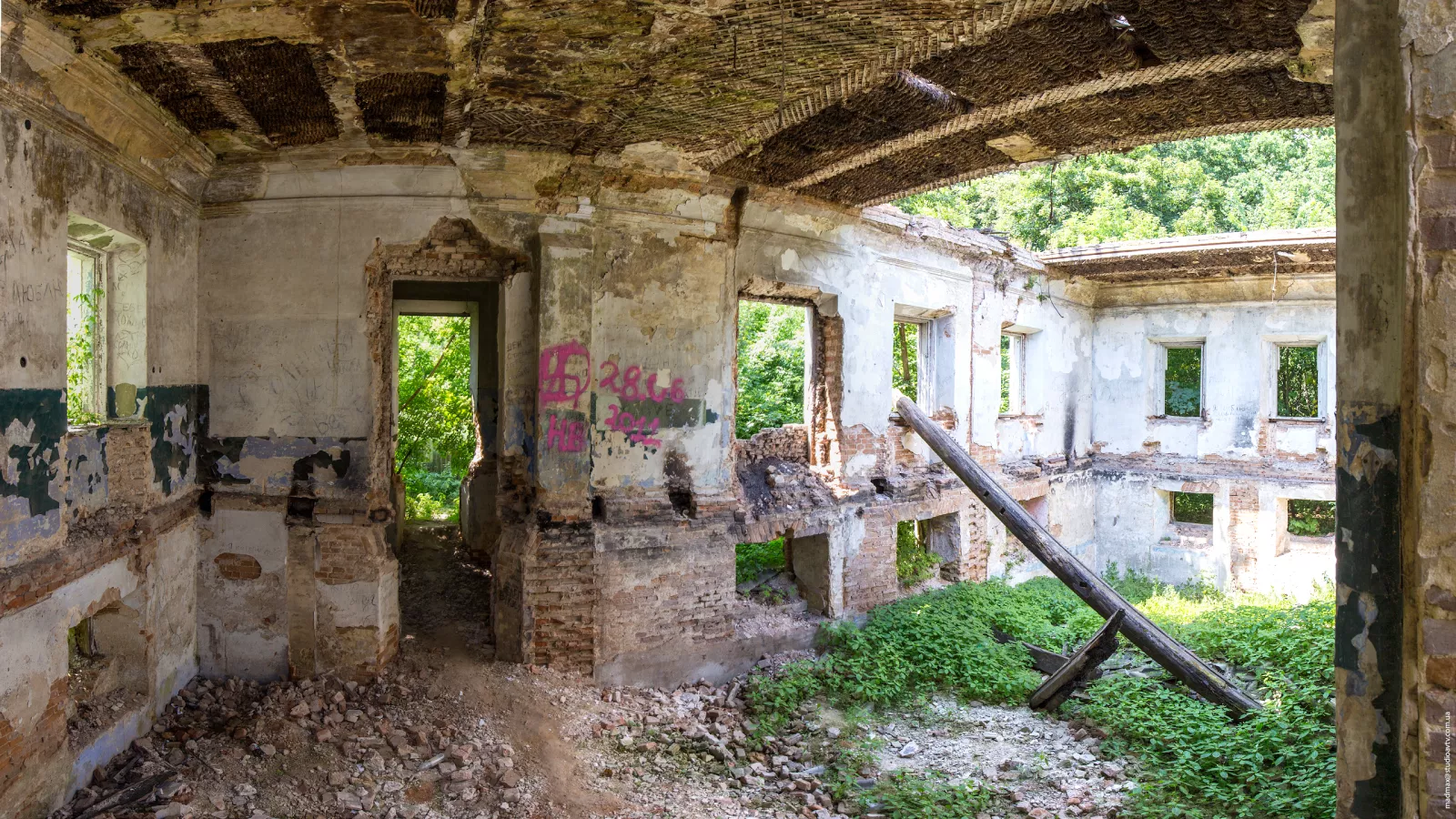
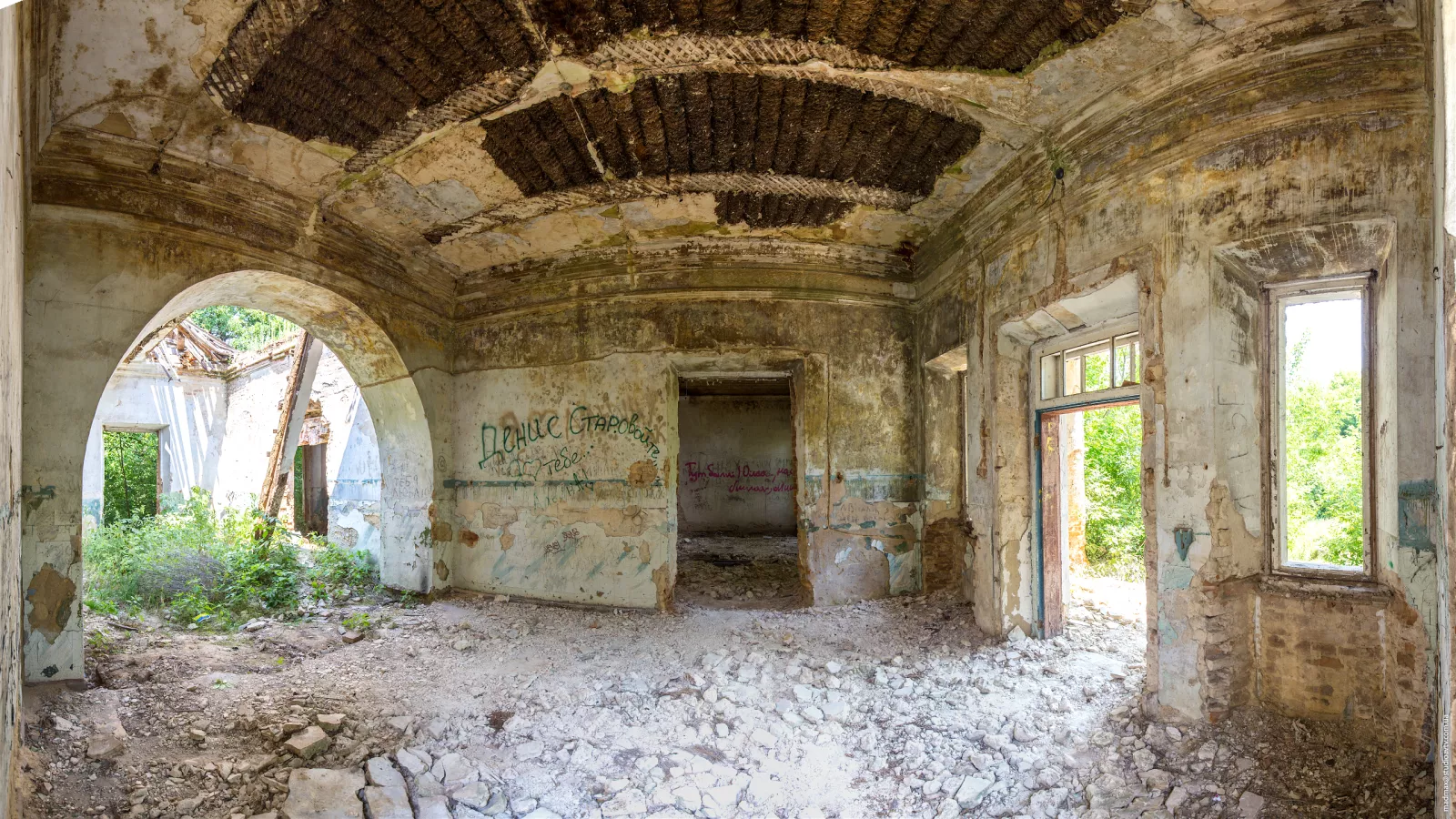
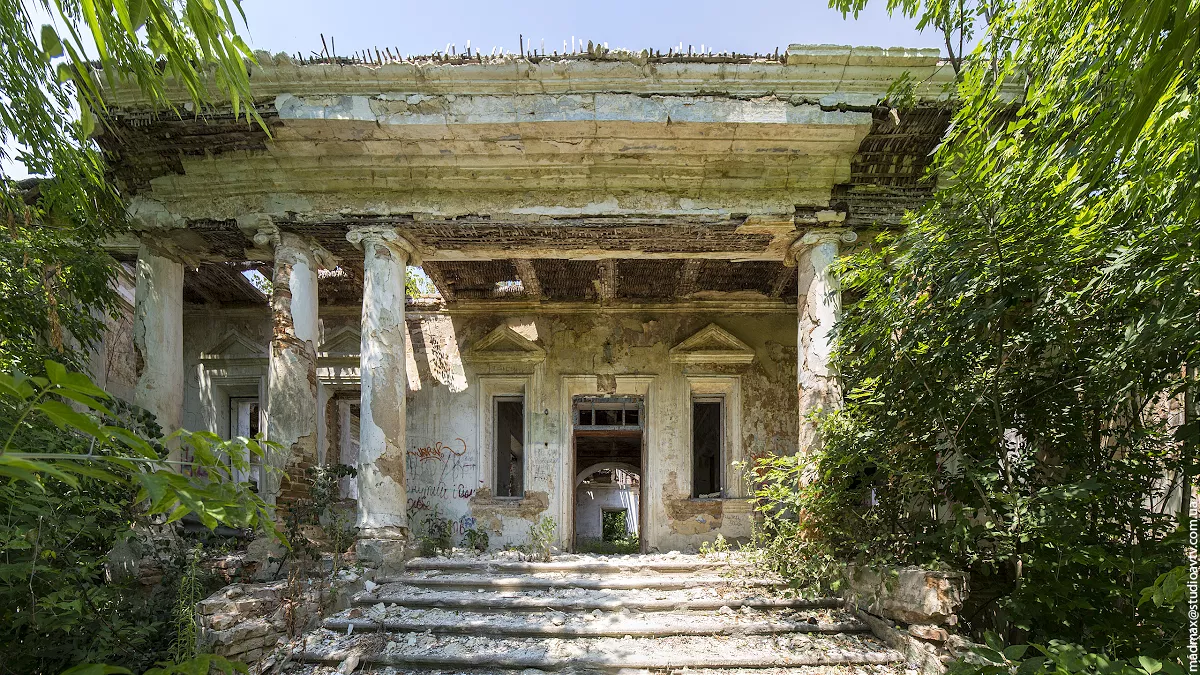
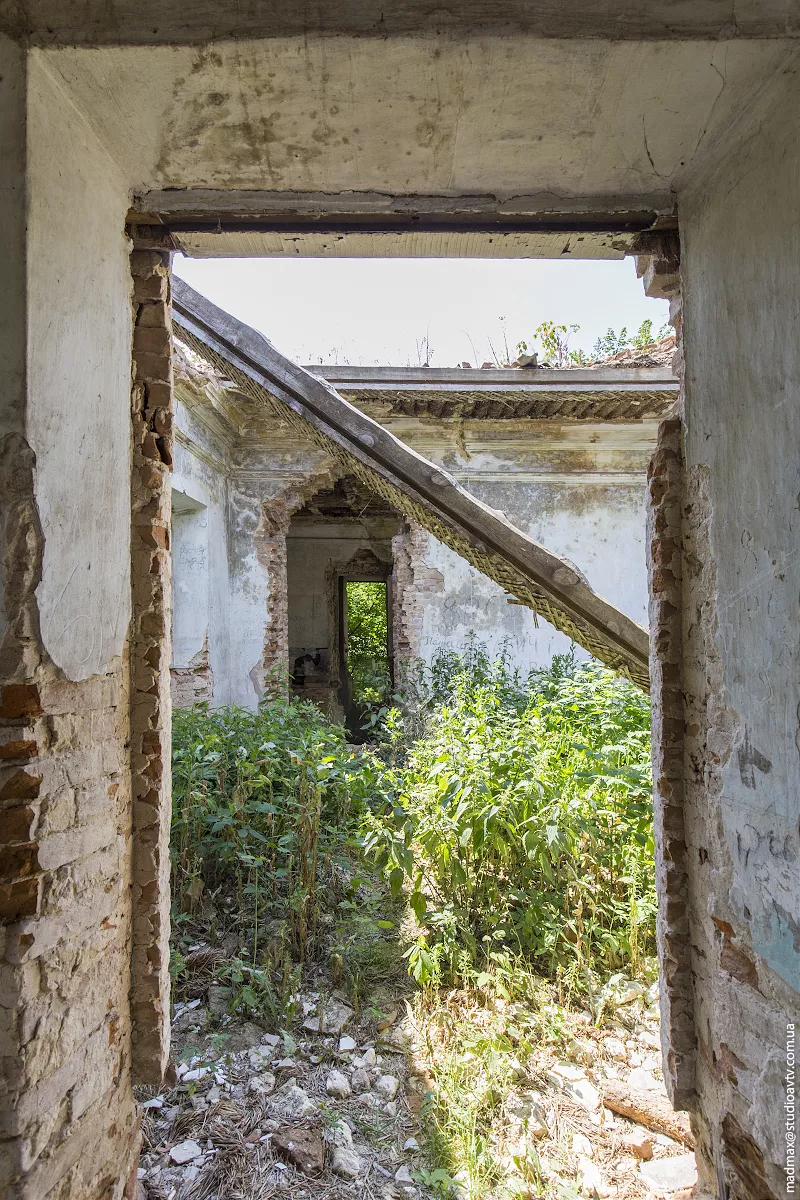
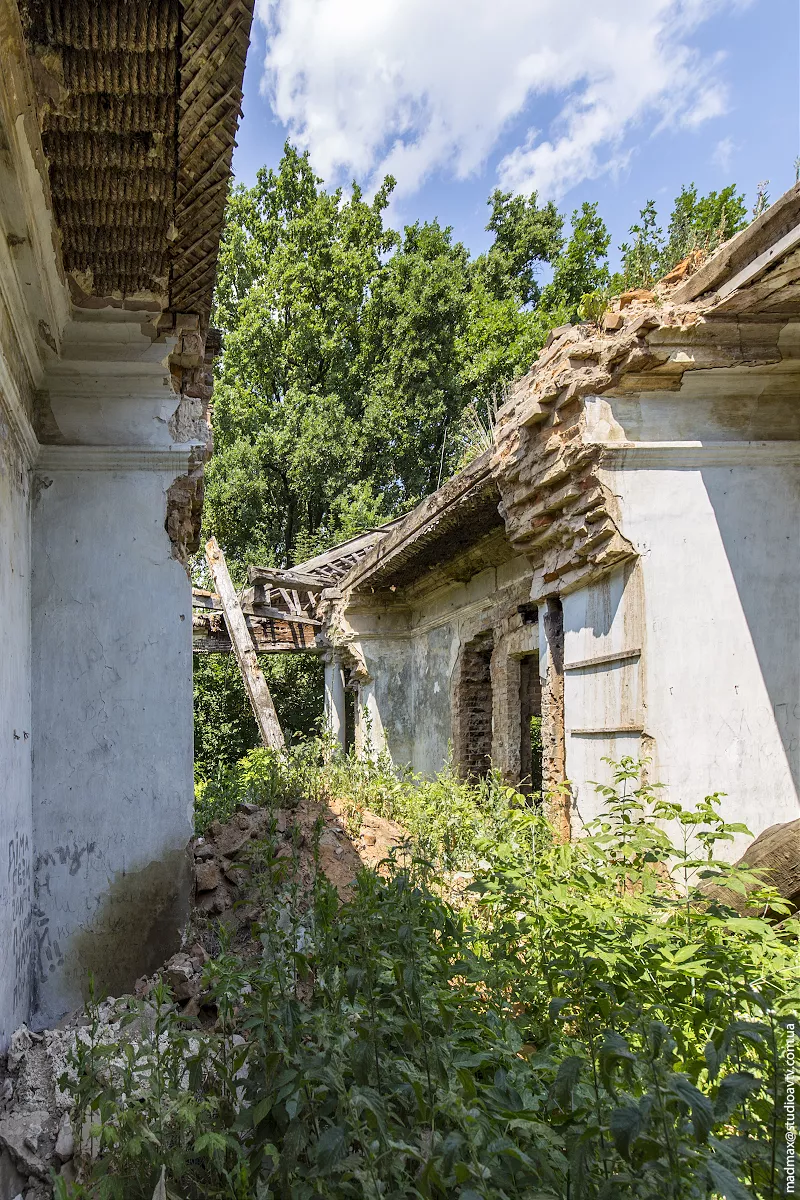
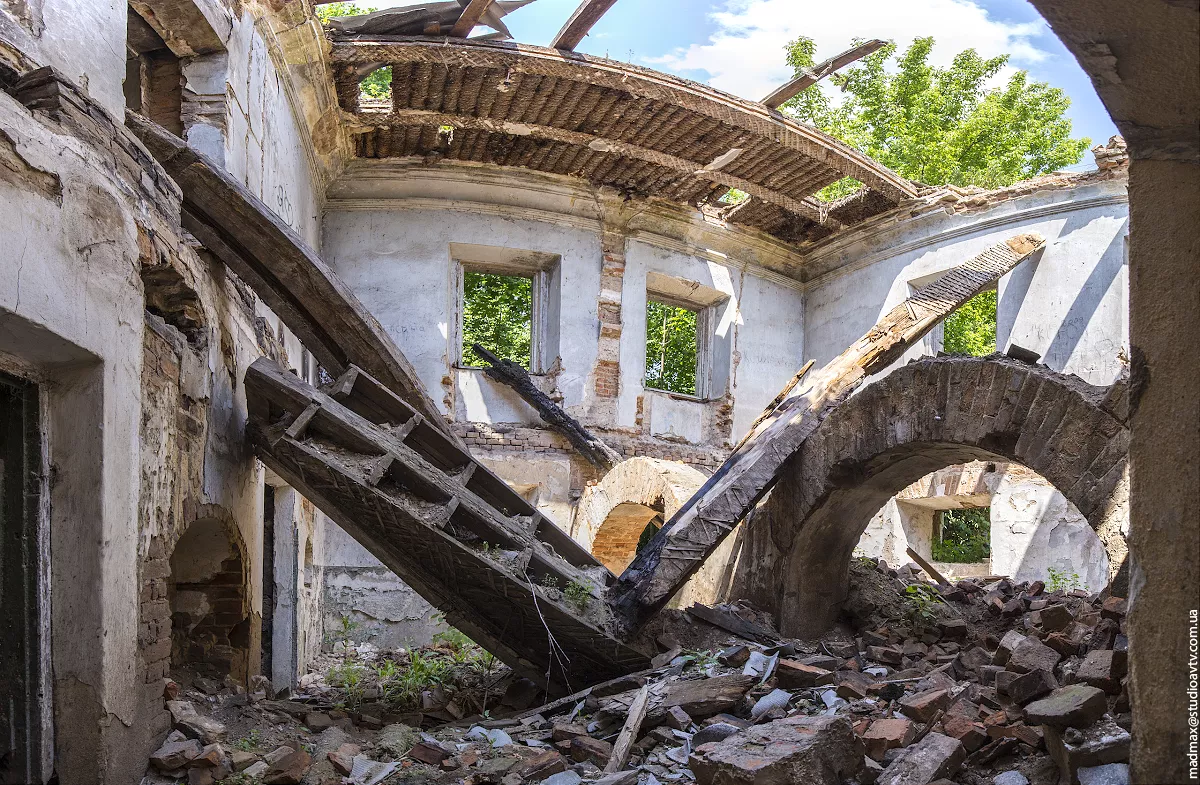
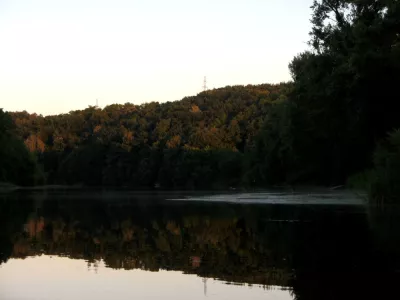
In the village of Brovky Pershi in the Zhytomyr region stand the ruins of a palace that, just two decades ago, had a roof, windows, and entirely recognizable features of a noble estate. Today, only fragments of walls, part of the columns, and pieces of the facade remain of the former Stsybor-Rylsky estate, gradually disappearing under the rain, vegetation, and human indifference.
Once, this was one of the notable gentry estates in the region. The estate belonged to the Stsybor-Rylsky family—distant relatives of the poet Maksym Rylsky. The building survived revolutions, the Soviet period, and even decades of serving as a school. But it did not survive abandonment.
The ruins of the palace are increasingly mentioned when discussing the loss of the historical heritage of the Zhytomyr region. Local local-history enthusiasts and travelers write straightforwardly: the monument is essentially being pulled apart "for bricks," and the destruction has been ongoing for years.
History of the Estate
At the beginning of the 19th century, Brovky was owned by the Rohozynsky family, who sold the estate in 1810 to the father of Dionizii Rylsky. Since then, the village linked its fate with this family for a century. The palace itself was built in the 19th century; the exact construction date varies in sources, but the estate finally took shape in the second half of the century.
After the establishment of Soviet power, the building was nationalized. Like dozens of other gentry estates in Ukraine, the palace was adapted for public needs—a school operated here. It is precisely thanks to this that the building remained in use and in a relatively normal condition for a long time.
The situation changed dramatically when the school moved to a new building. The palace was left empty—without security, without preservation, and without any restoration work.
The Stsybor-Rylsky Family and the Legend of the Owner's Disappearance
The history of Brovky Pershi is closely connected with the Stsybor-Rylsky family—an ancient noble family of the Ostoja coat of arms, which left a noticeable mark not only in the Zhytomyr region but also in the history of Ukrainian culture. From 1834, the village, along with neighboring Yaresky, was owned by Dionizii-Kaeetan Stsybor-Rylsky—a cousin of Teodor Rylsky, the great-grandfather of Maksym Rylsky. Dionizii was the grandson of the famous Szymon Rylsky and belonged to the local Polish gentry, who possessed significant estates on the Right Bank.
In the 19th century, the Stsybor-Rylskys were an influential family: Dionizii owned over 5,800 desiatinas of land in the Skvyra poviat, and for several years he held the position of Skvyra poviat judge, to which he was elected by the local nobility. Brovky Pershi was then a fairly large village: in 1870, more than 700 Orthodox Christians and several dozen Catholics lived here.
The last owner of the estate before the revolutionary events of 1917–1918 was Oskar Stsybor-Rylsky together with his wife Maria Ratsyborovska. It is with this period that one of the most famous local legends is connected.
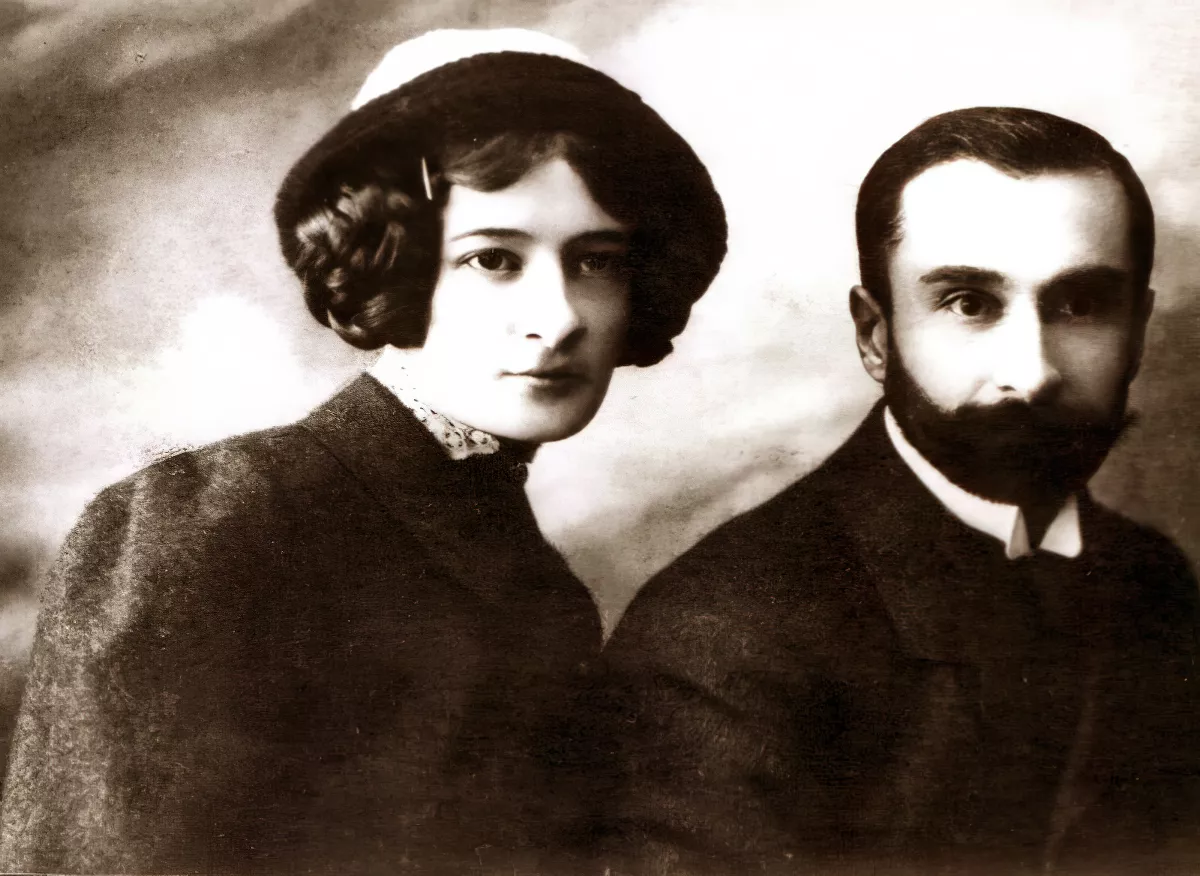
Maria and Oskar Stsybor-Rylsky—the last landowners.
According to legend, when peasants and workers came to the palace after the revolution to demand the transfer of the landowner's property, the master did not offer resistance. He came out to the people on the porch and asked for only one thing—not to destroy the house, but to use it for the community, for example as a school. After that, he returned inside the palace, and no one ever saw him again.
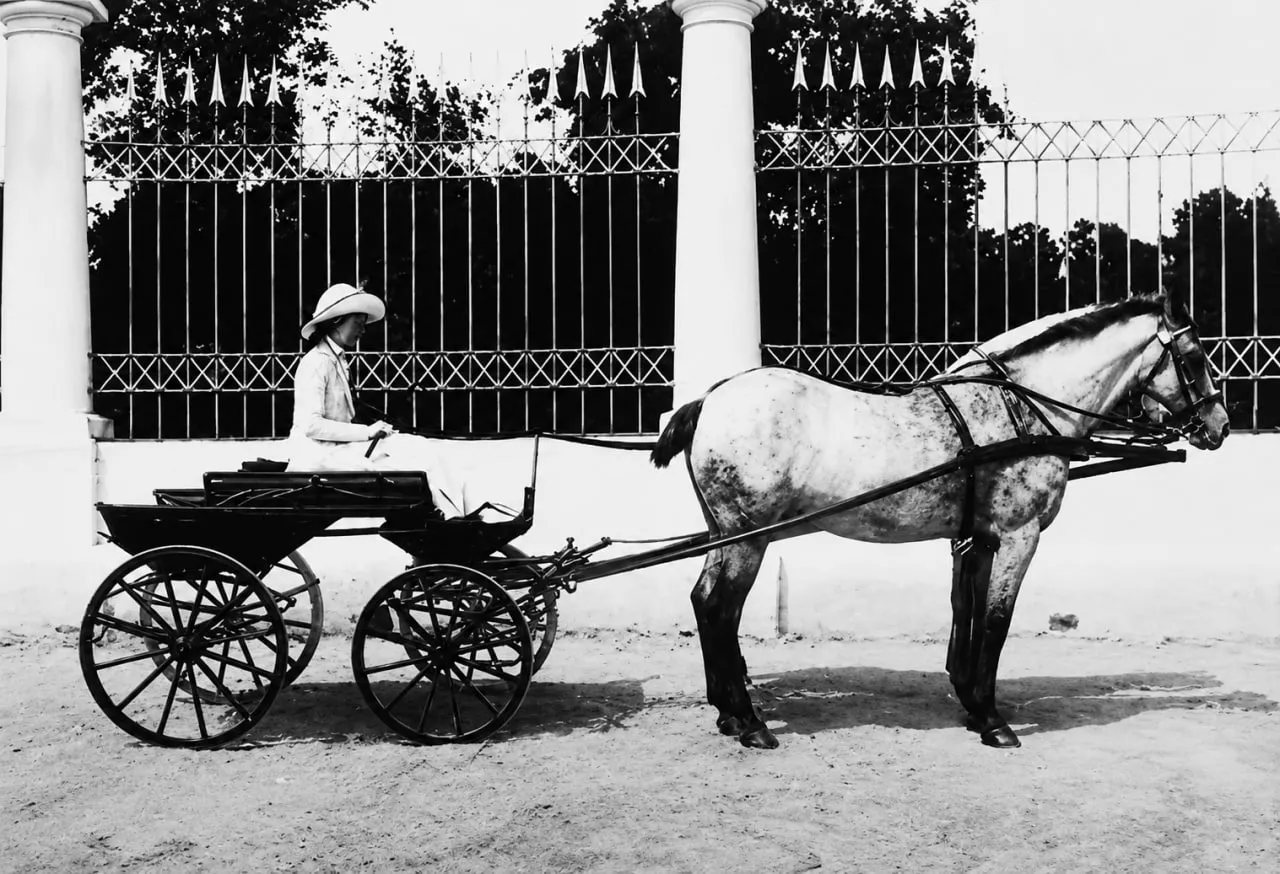
Maria Stsybor-Rylska (Ratsyborovska), wife of Oskar Stsybor-Rylsky, in her estate in the village of Brovky (1913).
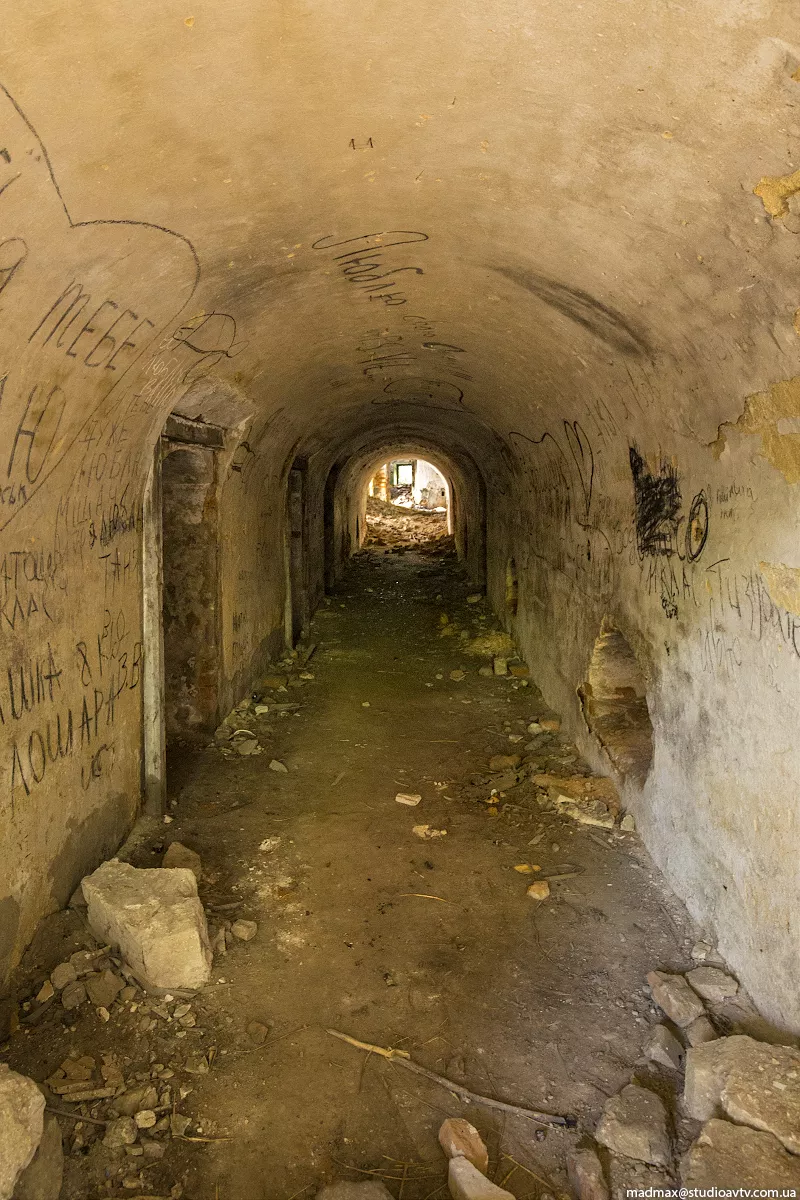
Locals recount that an underground passage led from the estate beyond its grounds. Allegedly, it was through this passage that Oskar Stsybor-Rylsky fled from Brovky, while a harnessed carriage awaited him on the outskirts of the village. The legend has lived here for over a hundred years.
The irony of history is that after the revolution the building was indeed not destroyed: a school operated in the estate, and the palace stood for many more decades. Instead, in the 21st century the manor is collapsing literally before one's eyes. The area has become so overgrown with trees that the facade is difficult to discern even from a few meters away. Local researchers warn: if nothing changes, in a few years only fragments of brick and construction debris will remain of the palace.
Architecture of the Palace
Even in ruins, the palace retains the features of classicist manor architecture. The main facade featured a large portico with six columns, topped by a triangular pediment, which was the main visual dominant of the building.
Old photographs from the early 20th century show a neat noble residence with a symmetrical layout and an open surrounding area. Near the manor was a park that has become overgrown and practically lost its original appearance.
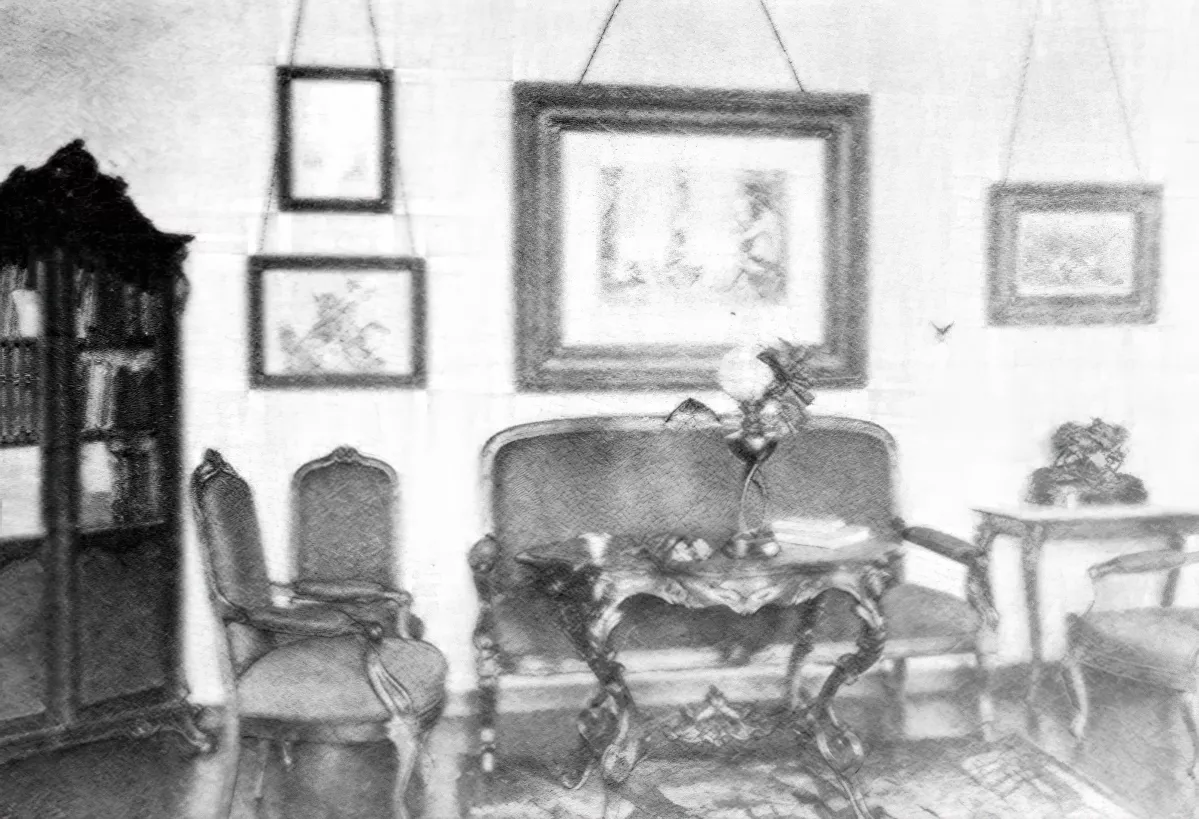
Interior of the Stsibor-Rylsky estate (1913).
Old photographs from 1914 were taken from the Facebook community "Ancient Manors of Zhytomyr Region: History, Architecture, Current State".
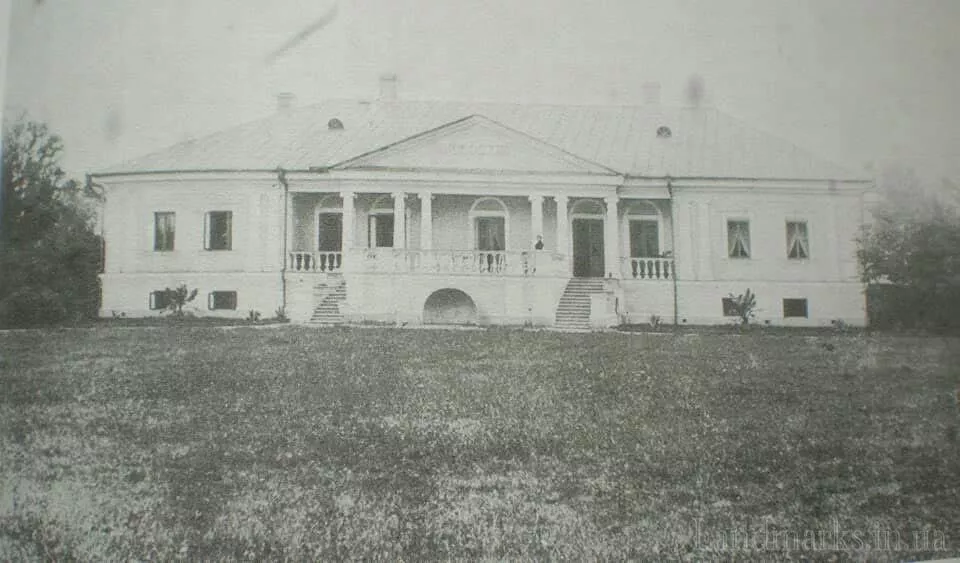
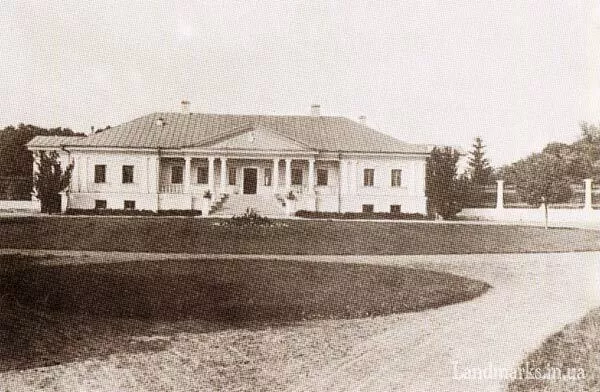
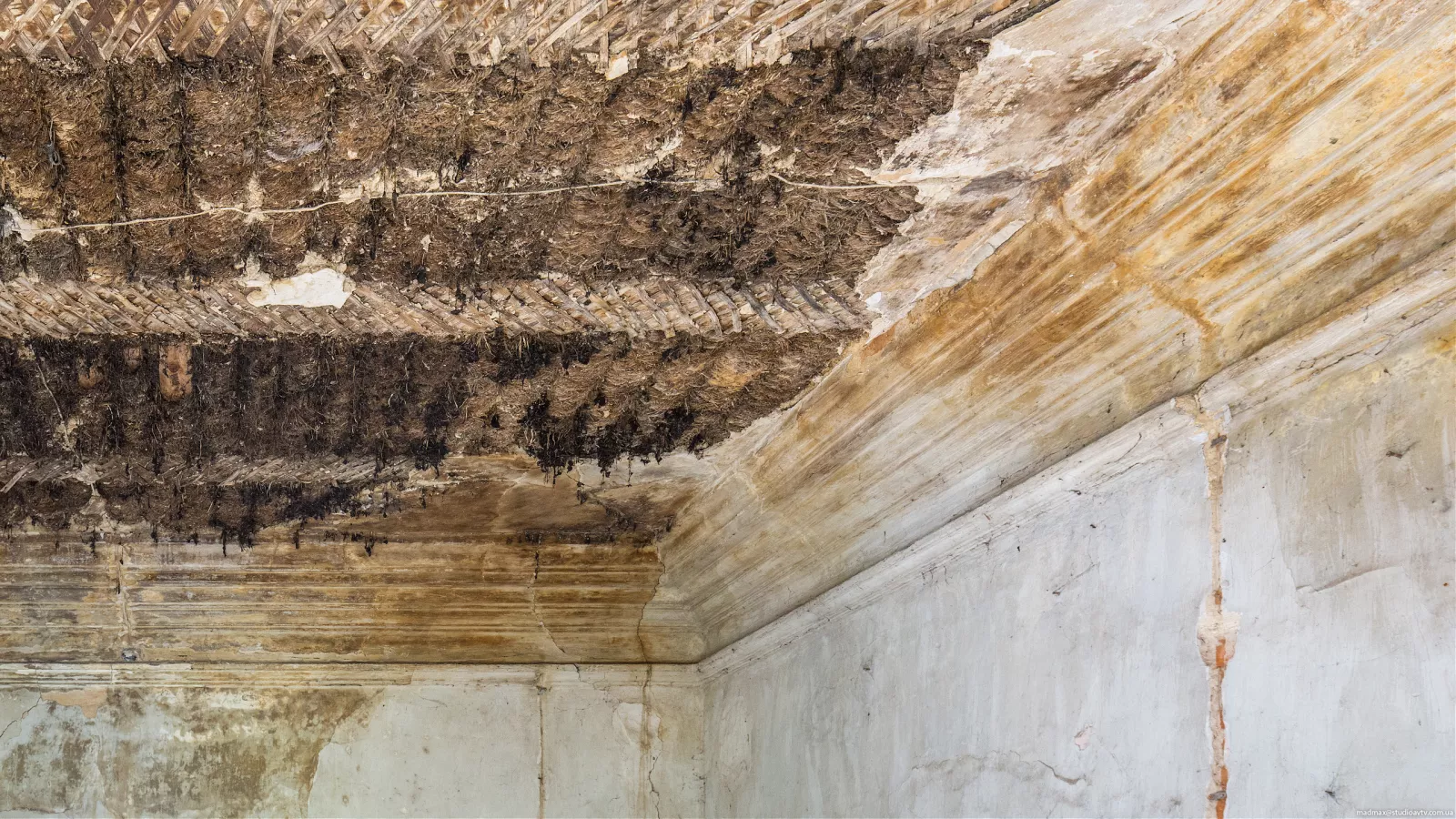
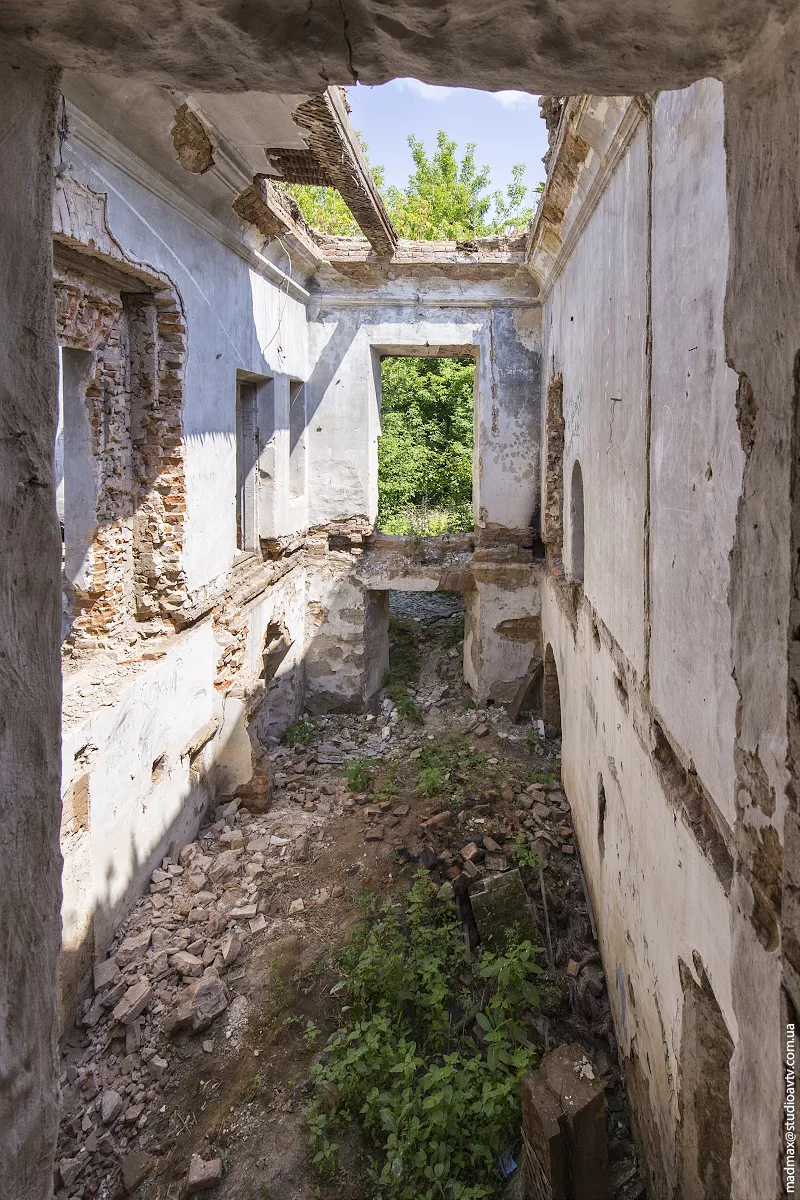
Back in 2007, the building had a roof, windows, and doors. Today, a significant part of the ceilings is lost, the facades are crumbling, and individual decorative elements are practically destroyed.
Current State: Ruins Instead of a Landmark
It is the current state of the palace that causes the greatest outrage among travelers and heritage researchers.
In recent years, the destruction has accelerated so much that the building has become dilapidated. Part of the walls has collapsed, the roof is completely lost, and the surrounding area is overgrown with trees and bushes.
Local history resources write directly about the looting of the landmark for building materials and bricks, and that local authorities have for years failed to react to the gradual destruction of the historical structure.
What to Know
The ruins are open; there is no official visiting schedule. It is best to go in dry weather — after rains, the area near the ruins becomes difficult to pass. You should not go inside: the structures are unstable, and part of the walls may crumble.
For photographers, this is one of the most atmospheric abandoned manors in Zhytomyr region. But at the same time, it is one of the most painful illustrations of how Ukraine is losing its historical architecture right before our eyes.
What's Nearby
Brovky Pershi is part of the Andrushivka hromada and is located not far from Andrushivka and Berdychiv, so a trip to the ruins is easily combined with other historical sites:
- the Berzhynsky-Tereshchenko palace in Andrushivka;
- the historic center of Berdychiv;
- the Monastery of the Discalced Carmelites in Berdychiv.
Photo: "Ukrainian Architectural Monuments. Heritage" project.