
Eurasian beaver in Polissia
Castor fiber
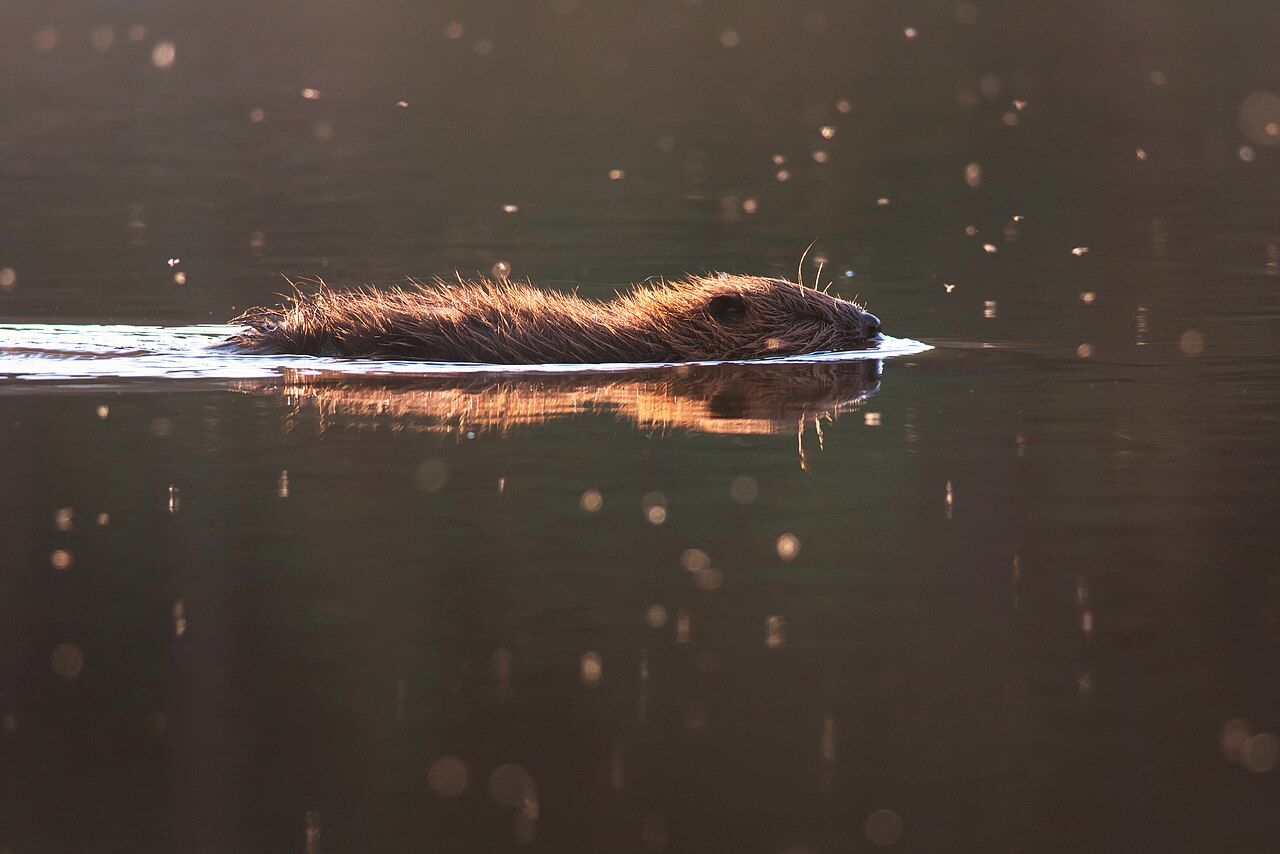
The beaver is Europe's largest rodent. It has dense brown fur, a broad, flat, scaly tail, webbed hind feet and orange incisors. In the water only its head shows above the surface, and when in danger the beaver slaps its tail loudly on the water and dives.
At the start of the 20th century the beaver had almost disappeared from Ukraine, but today it is common again on the rivers, canals and drainage systems of Polissia. It is easy to spot on the Prypiat, Stokhid, Desna and their tributaries, in Shatsk National Park and in the Polissia and Rivne reserves.
Beavers live in families, digging burrows in the bank or building lodges of branches and mud. On small rivers they build dams to raise the water level. They feed on the bark, branches and shoots of willows, aspens and poplars, and in summer on aquatic plants. Stumps gnawed to a “pencil point” on the bank are their work.
The best time to watch them is a quiet evening on the riverbank with binoculars. Do not destroy lodges or dams: they are protected along with the animals, and areas flooded by beavers become home to birds, amphibians and fish.
When to see: all year; the beaver itself at dusk on the river, signs of its activity at any time
Where it was seen in Polissia
Observations from the open scientific database GBIF since 1990.
More in “Mammals”
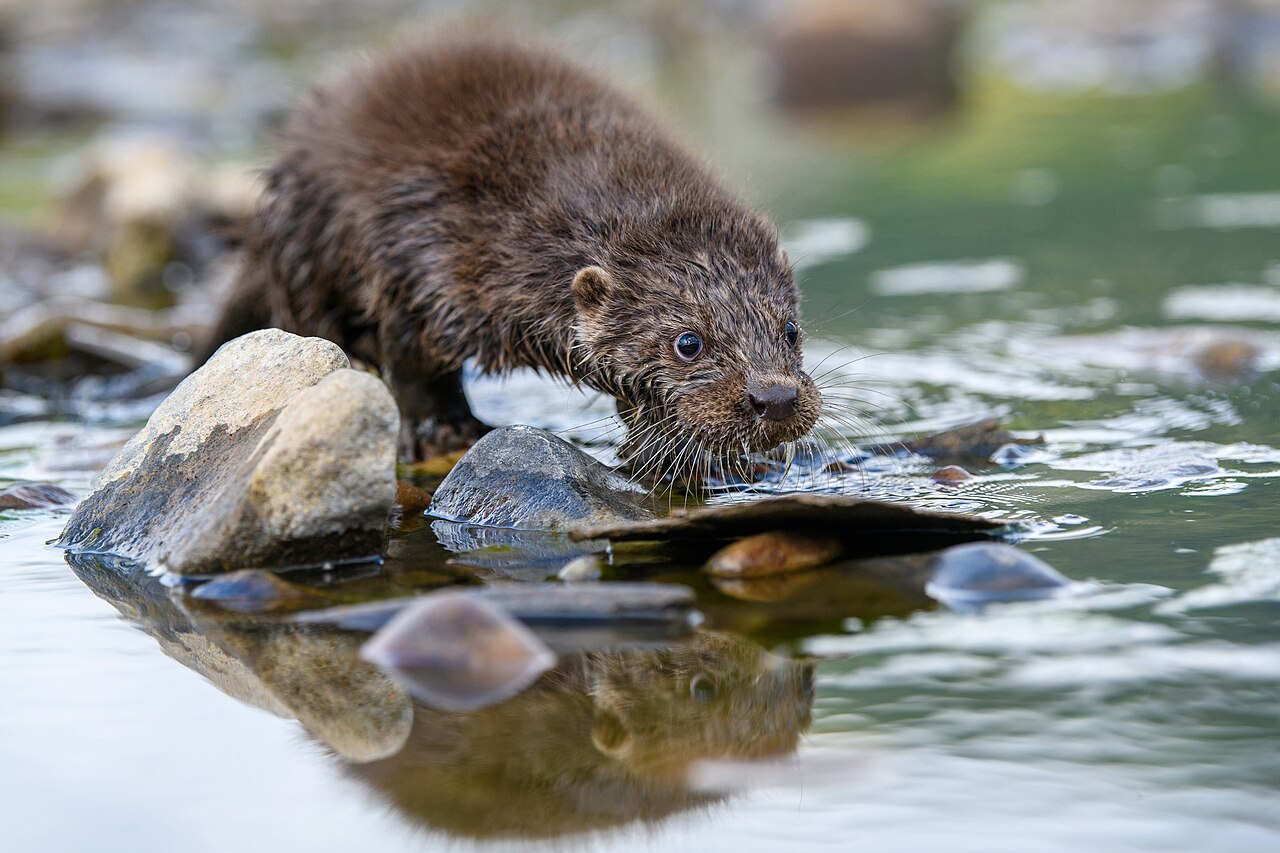 Eurasian otter
An agile semi-aquatic predator of the weasel family that lives on the clean rivers and lakes of Polissia.
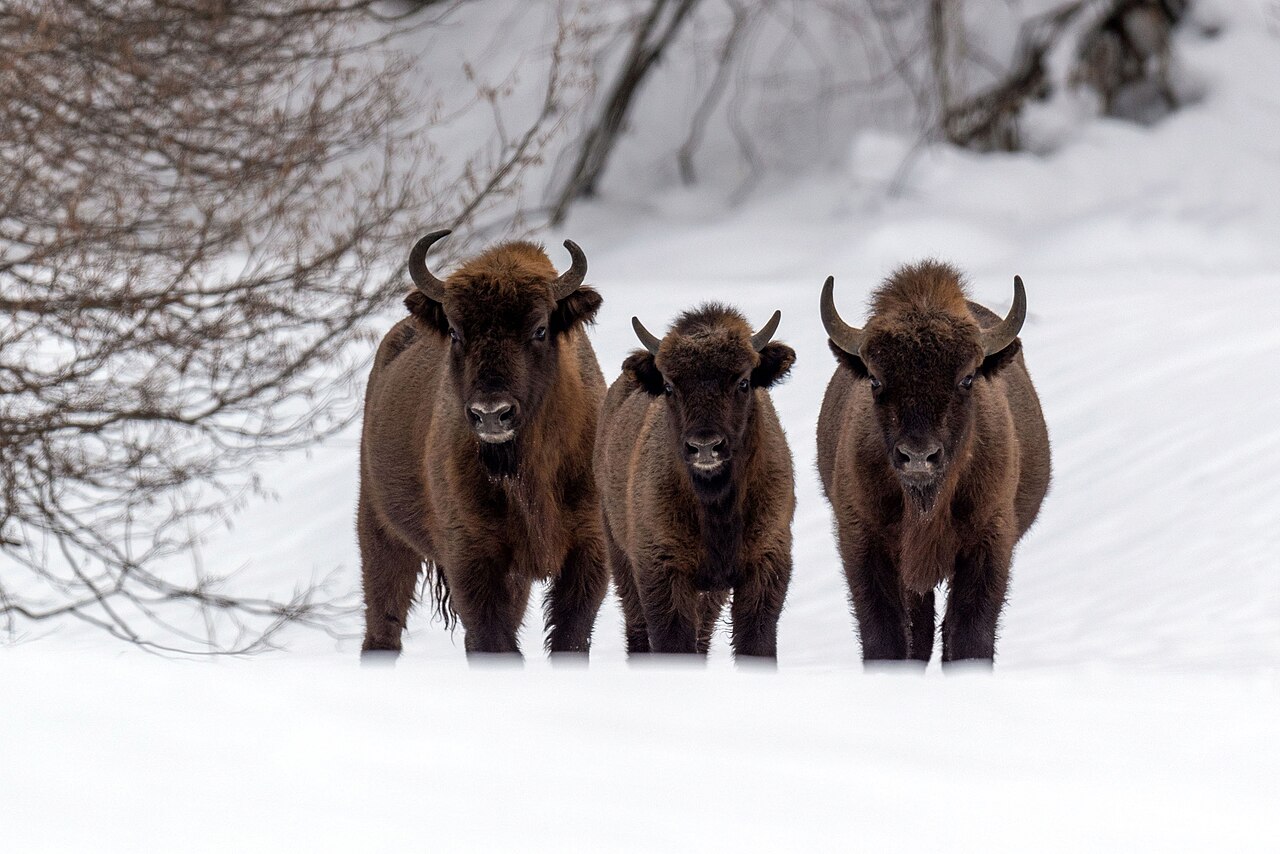 European bison
Europe's largest land mammal. In Polissia it lives in the Tsuman Forest, the Zubr reserve and Zalissia National Park, and enters the Chornobyl zone.
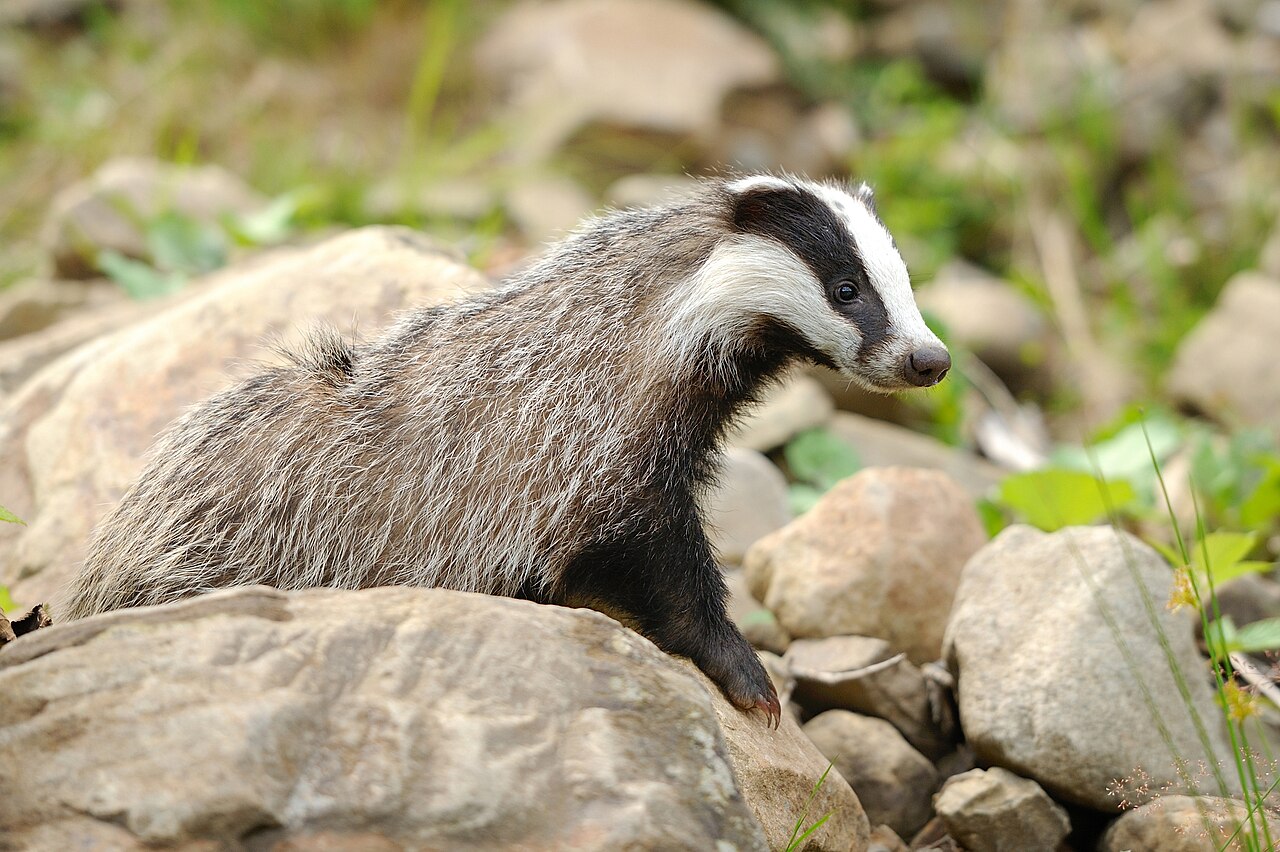 European badger
A nocturnal dweller of Polissia's pine and mixed forests, known for multi-entrance setts that are several decades old.
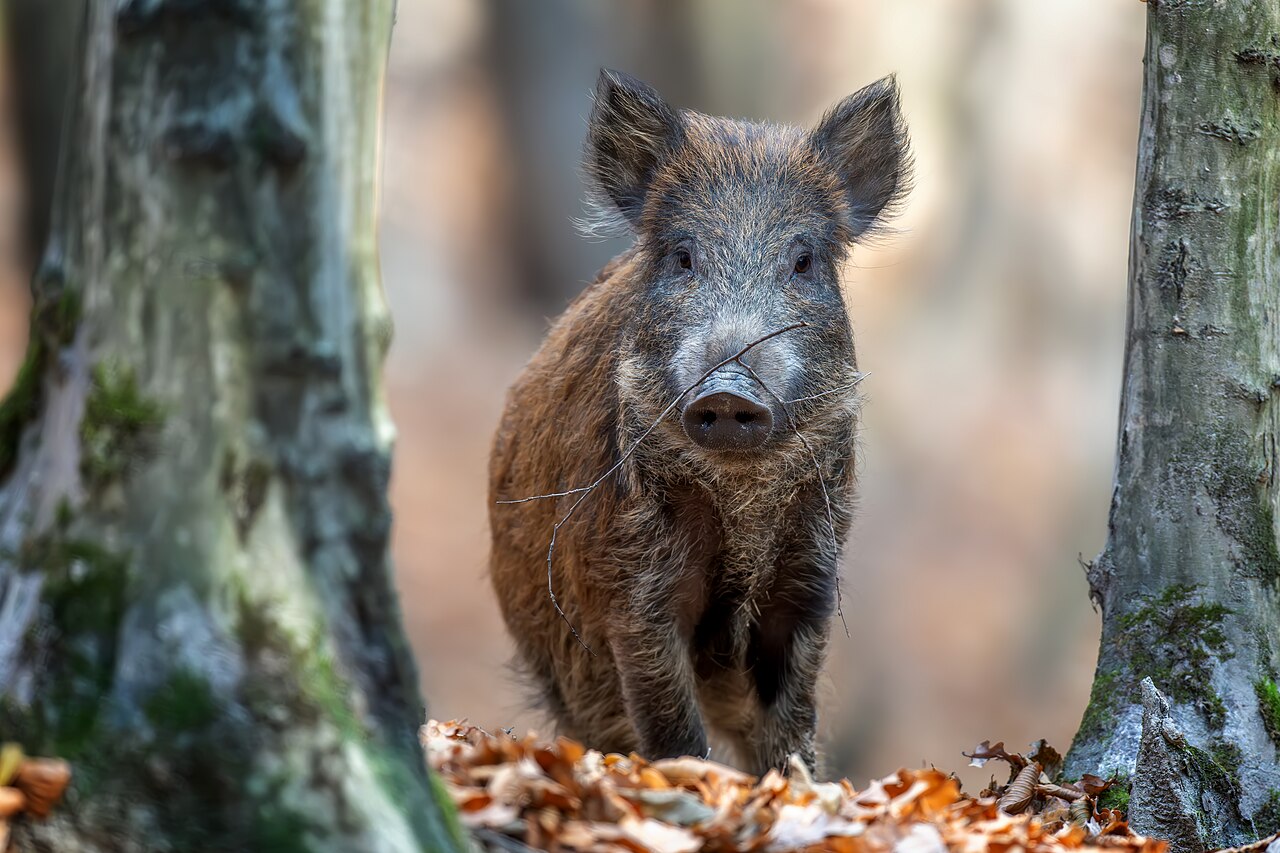 Wild boar
The wild pig of Polissia's forests and floodplains, whose signs – rooted-up earth and mud wallows – are found almost everywhere.