
Grey wolf in Polissia
Canis lupus
Caution: animals may have rabies; do not approach, report strange behaviour
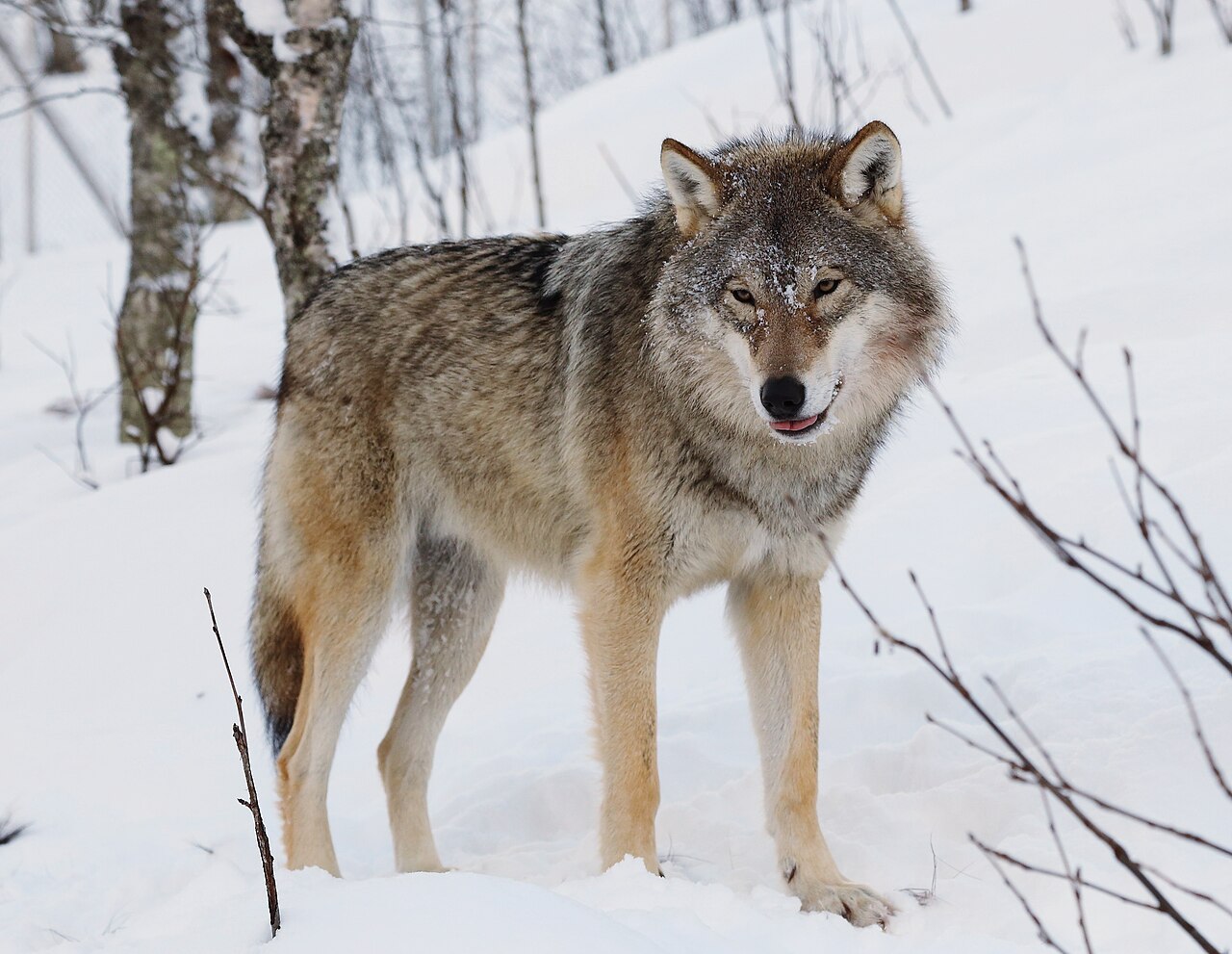
The wolf is the largest wild member of the dog family in our forests. It differs from a big dog by its straight, broad stance, long lowered tail, light “mask” on the muzzle and shoulders, and narrow chest. The coat is grey with a reddish tinge and a darker back.
Polissia is one of the main strongholds of the wolf in Ukraine. It lives in the forest and bog areas of Volyn, Rivne, Zhytomyr, Kyiv and Chernihiv regions and is common in the Polissia and Rivne reserves. The population has become especially noticeable in the Chornobyl zone, where wolves are studied with camera traps and collars.
Wolves live in family packs that hold a large territory and cover tens of kilometres every day. In late summer the litters howl together, and on a quiet night this can be heard from far away. A healthy wolf avoids people and is rarely seen.
If you see a wolf, do not approach it, do not feed it and do not try to photograph it up close. An animal that is not afraid of people, enters a village by day or behaves strangely may have rabies – report such cases to the veterinary service.
When to see: all year, most often tracks in winter; howling can be heard in late summer and autumn
Where it was seen in Polissia
Observations from the open scientific database GBIF since 1990.
More in “Mammals”
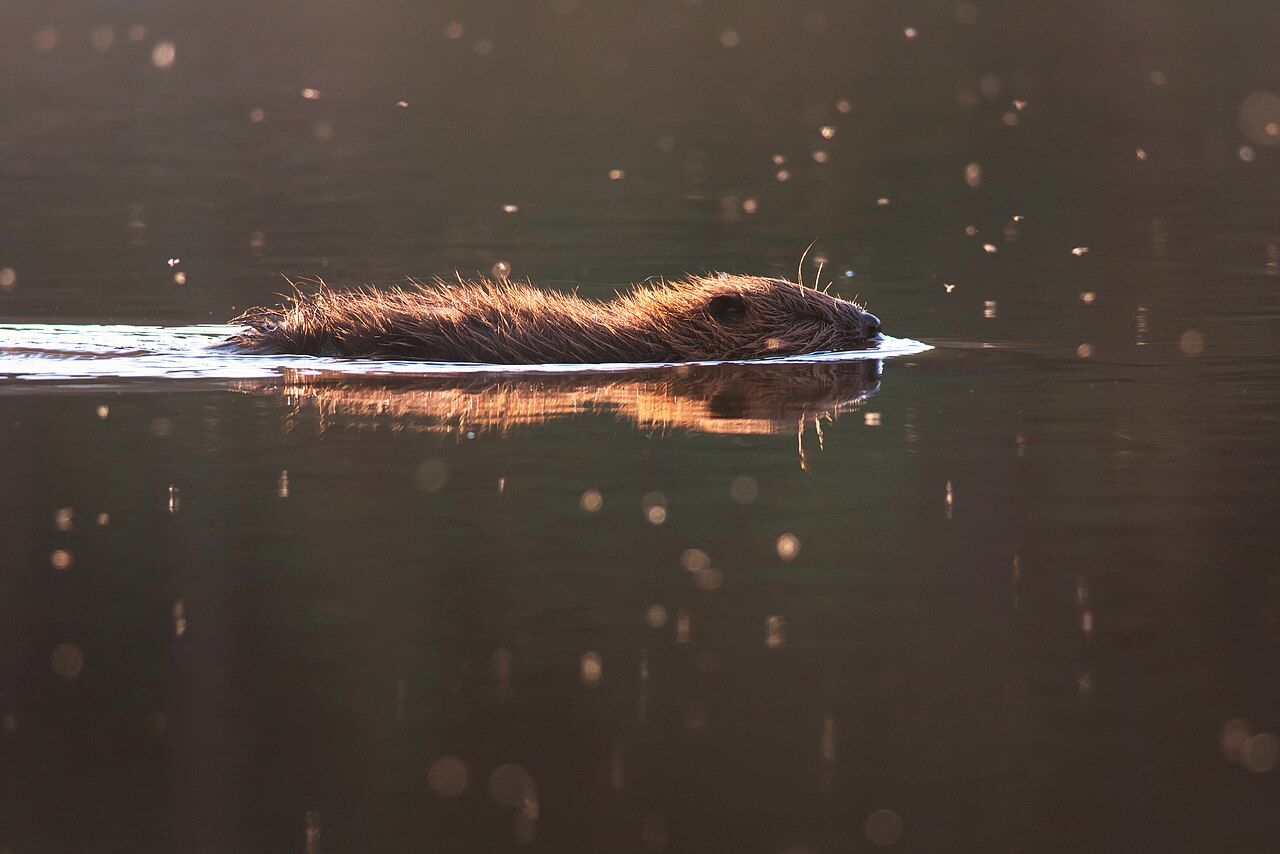 Eurasian beaver
The natural engineer of Polissia's rivers: its dams and lodges reshape floodplains and create new ponds.
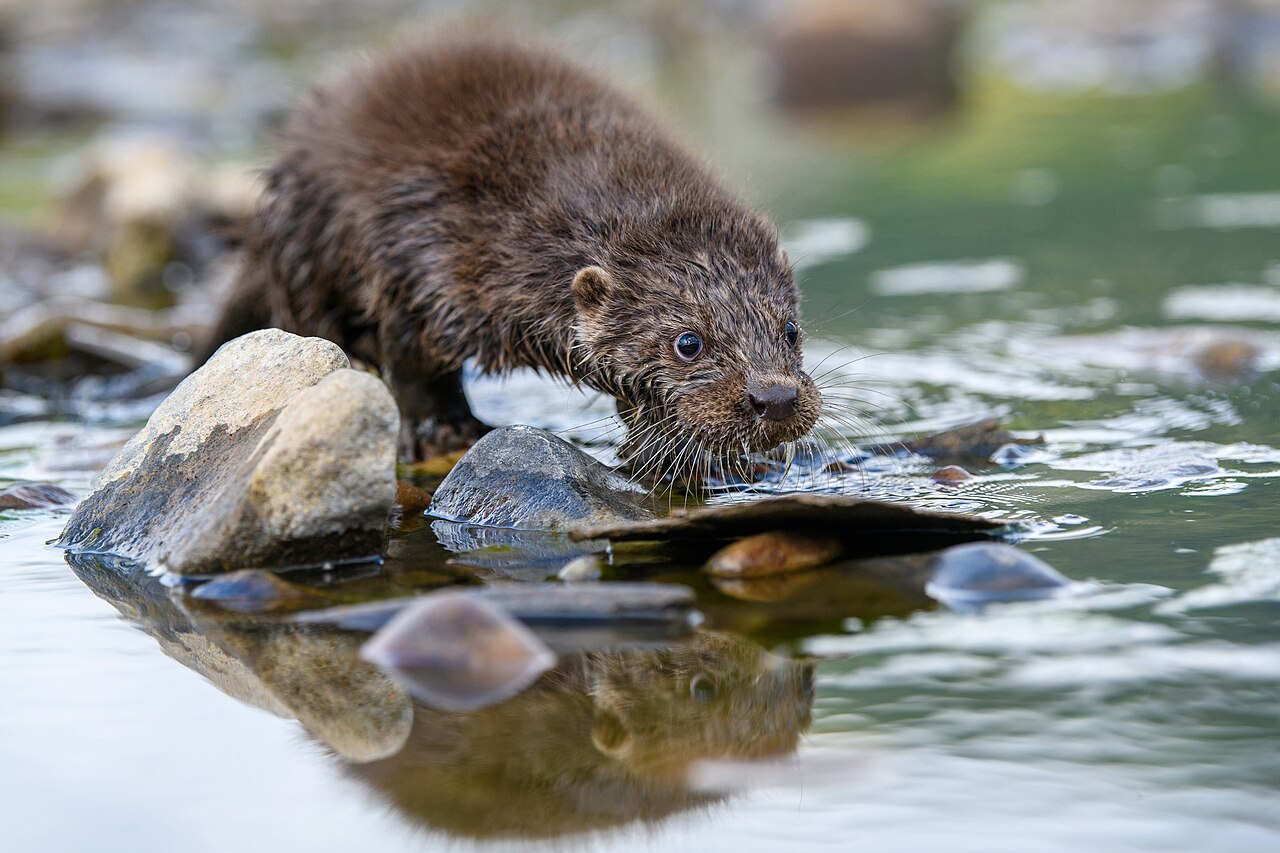 Eurasian otter
An agile semi-aquatic predator of the weasel family that lives on the clean rivers and lakes of Polissia.
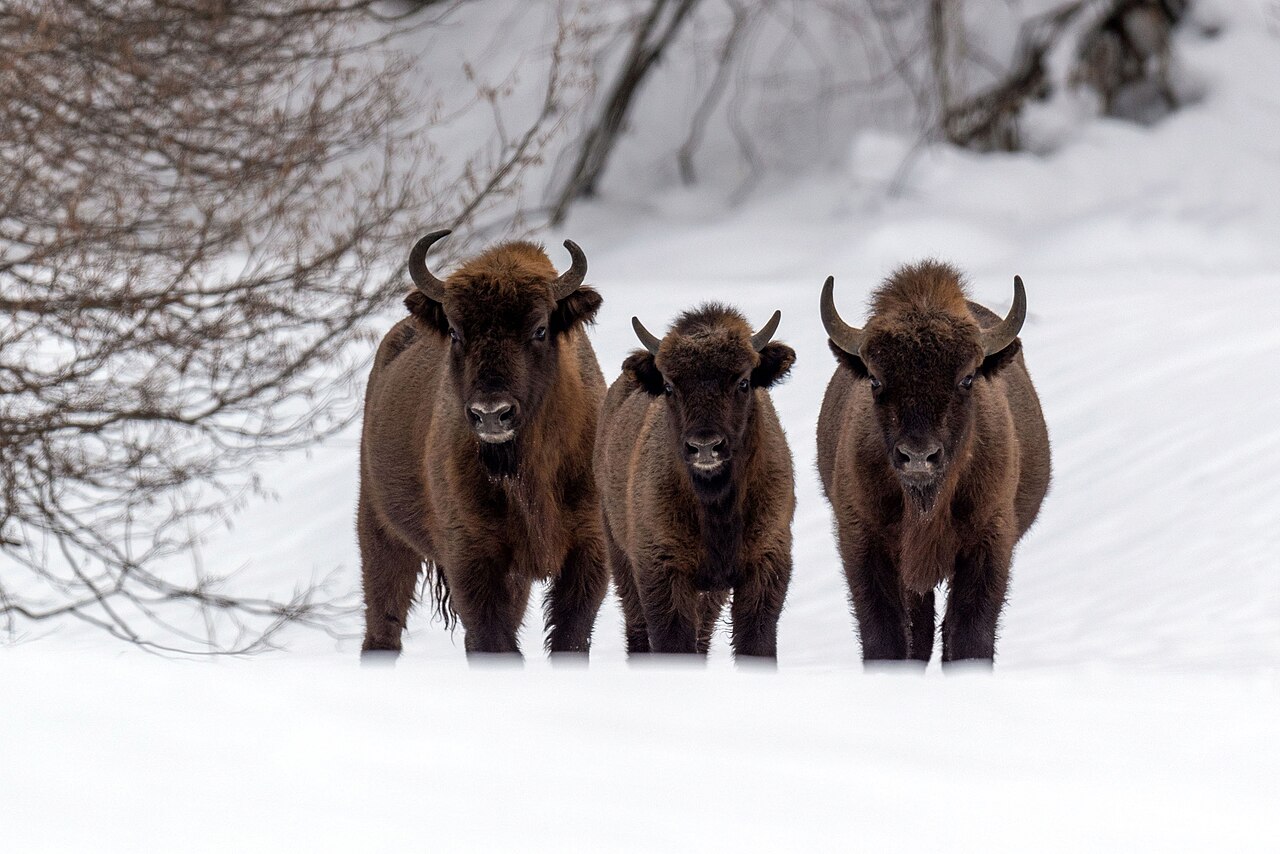 European bison
Europe's largest land mammal. In Polissia it lives in the Tsuman Forest, the Zubr reserve and Zalissia National Park, and enters the Chornobyl zone.
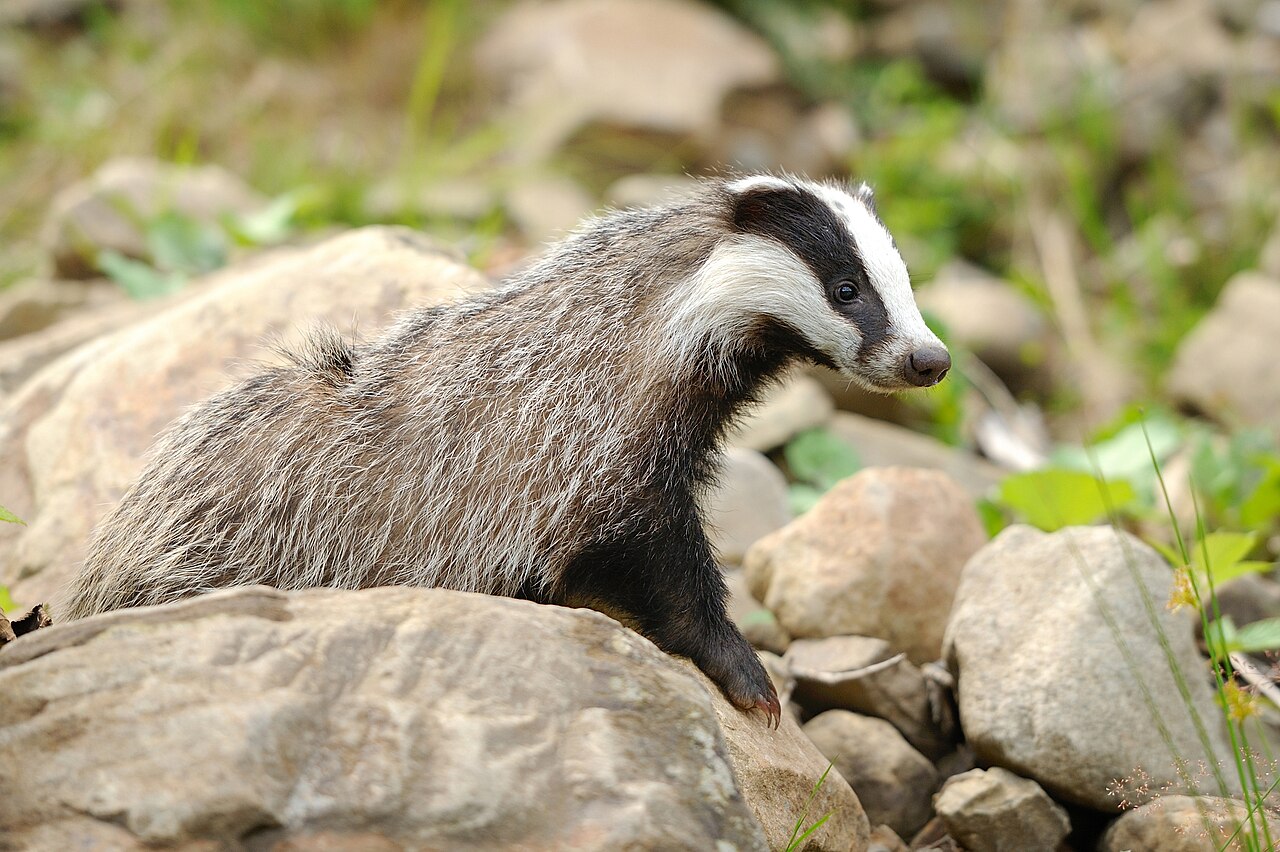 European badger
A nocturnal dweller of Polissia's pine and mixed forests, known for multi-entrance setts that are several decades old.