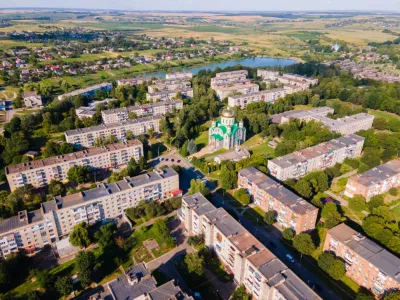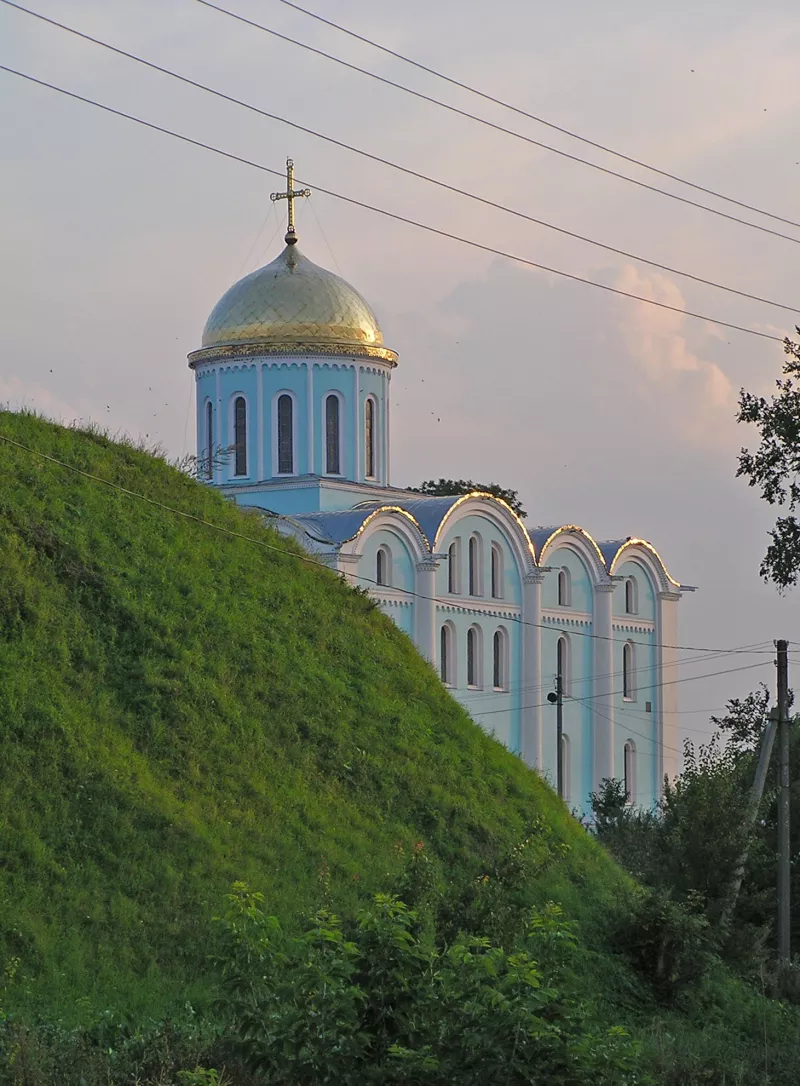
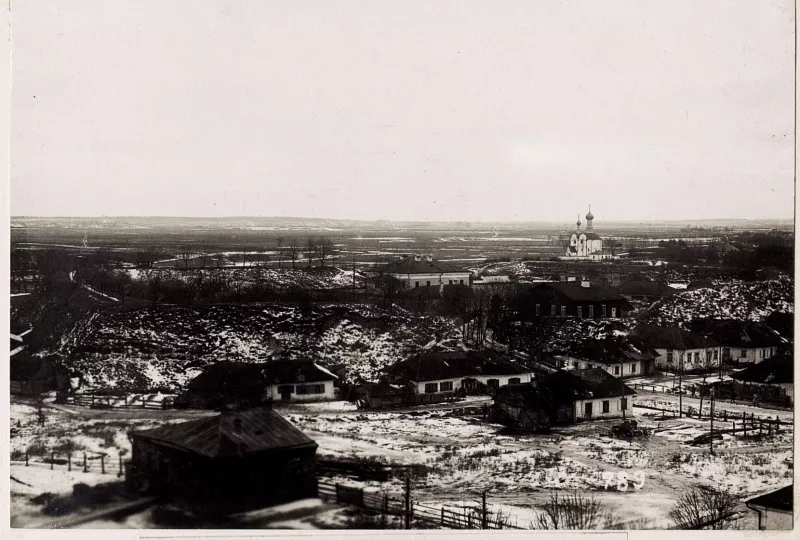
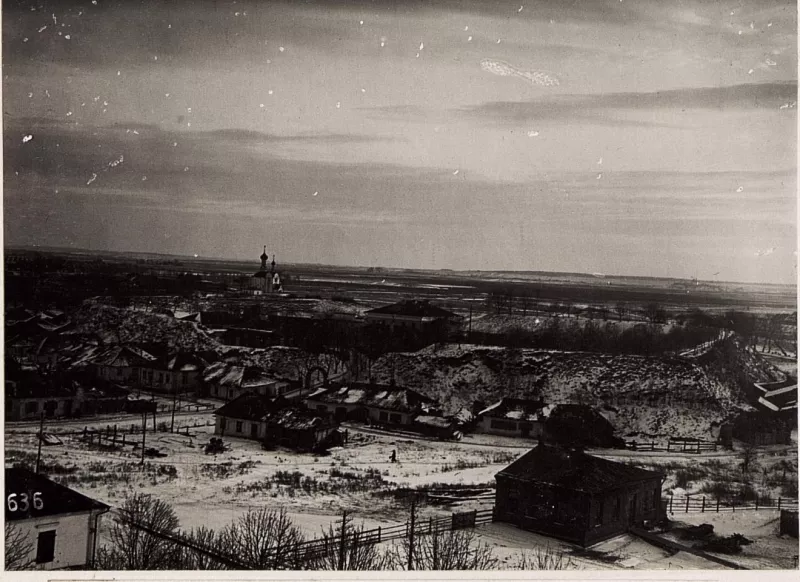
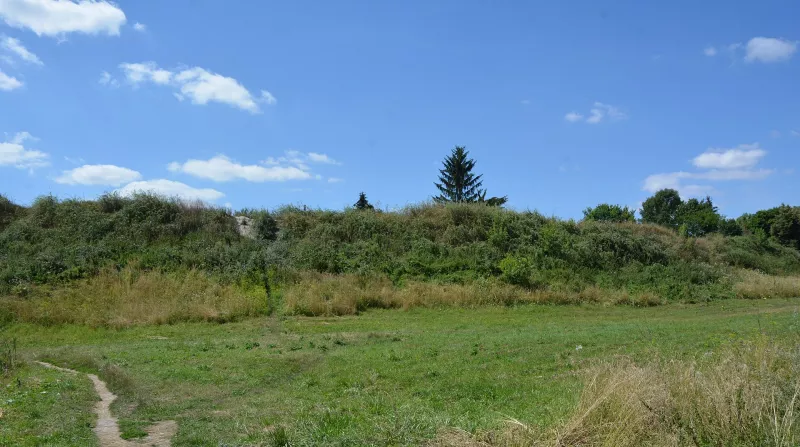
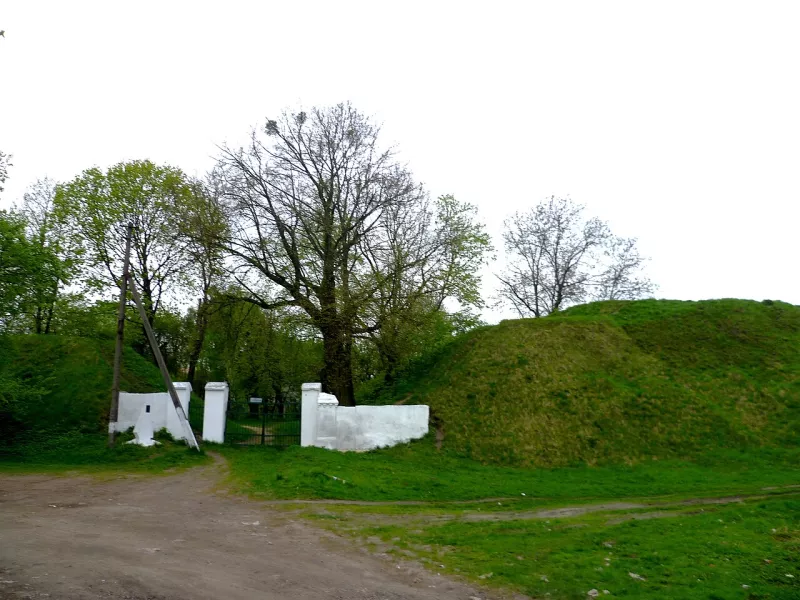
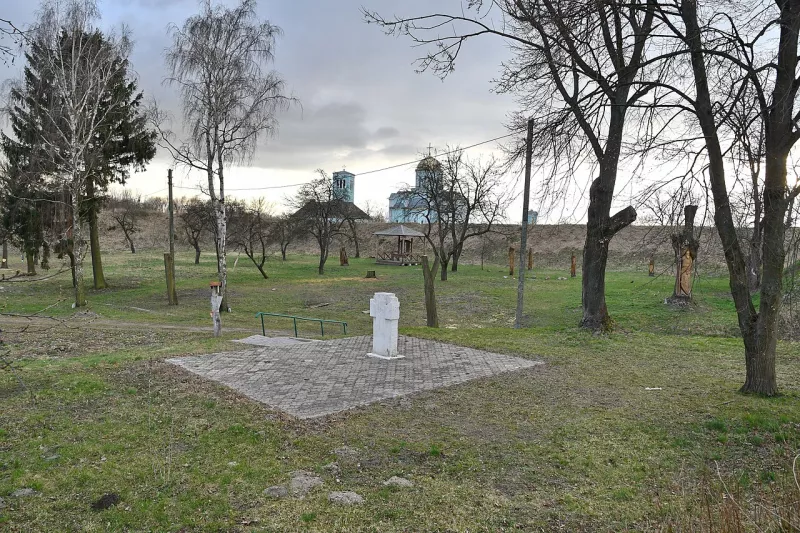
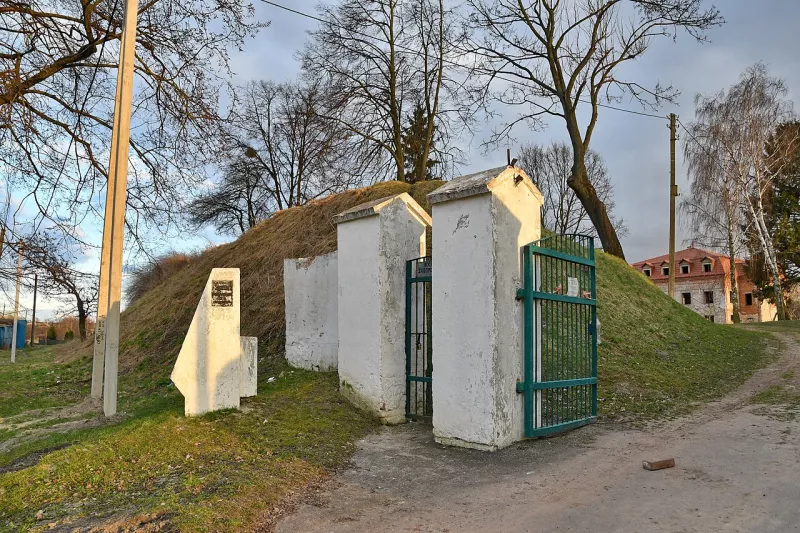
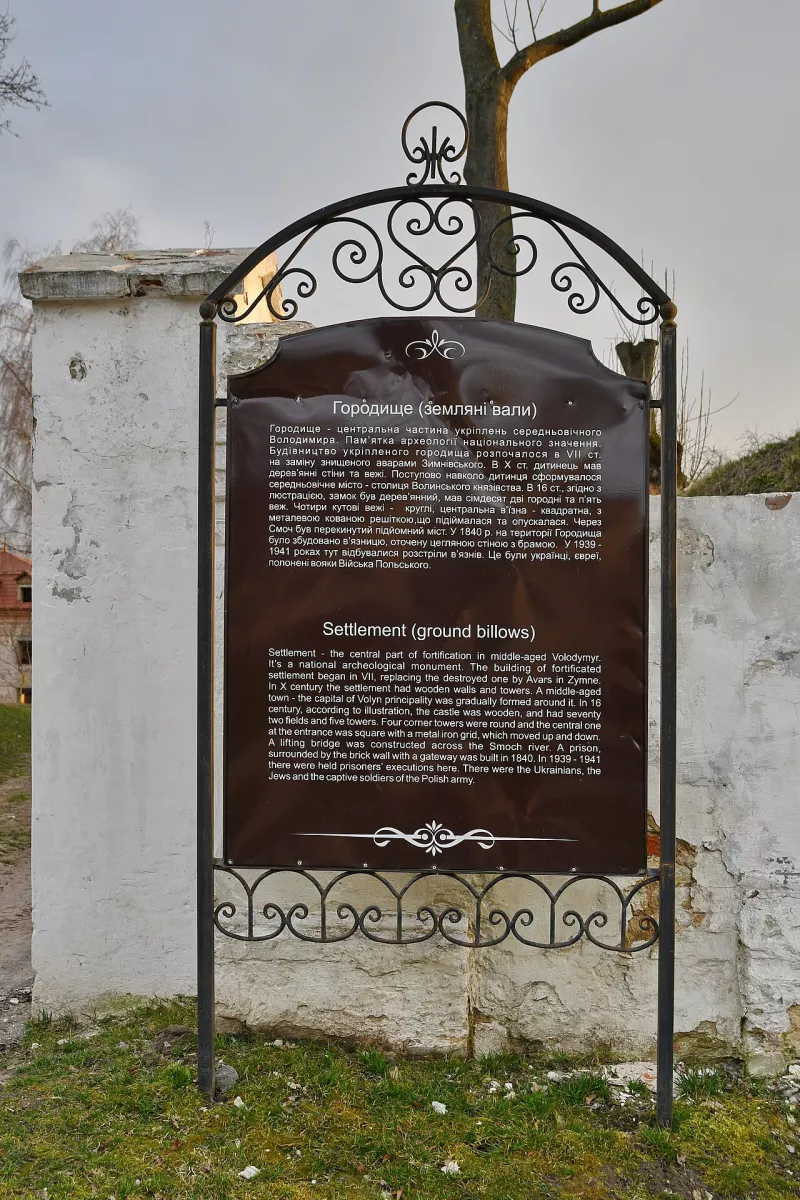
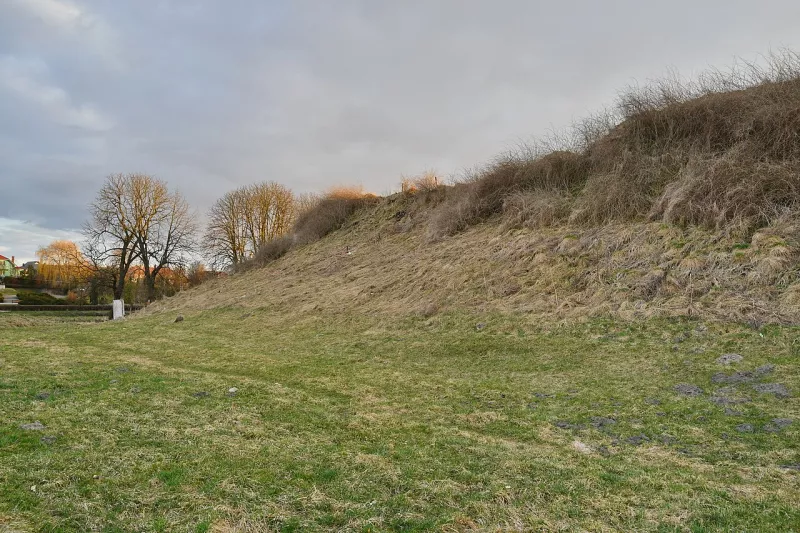
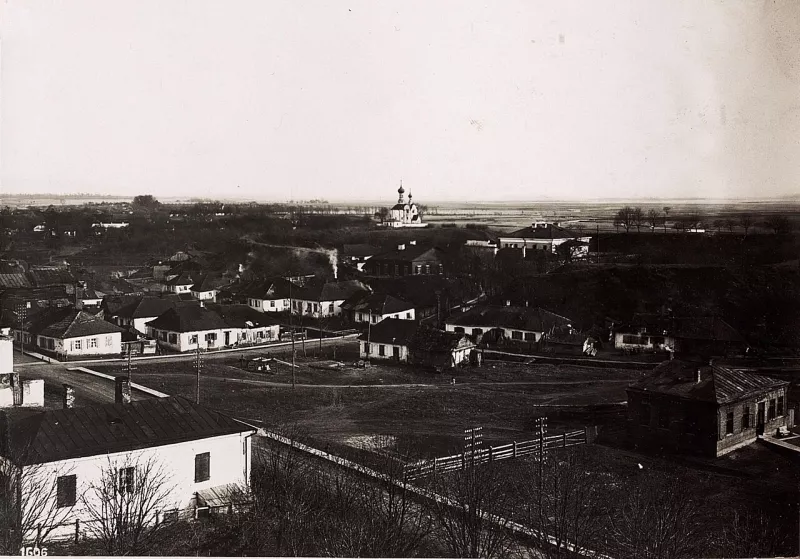
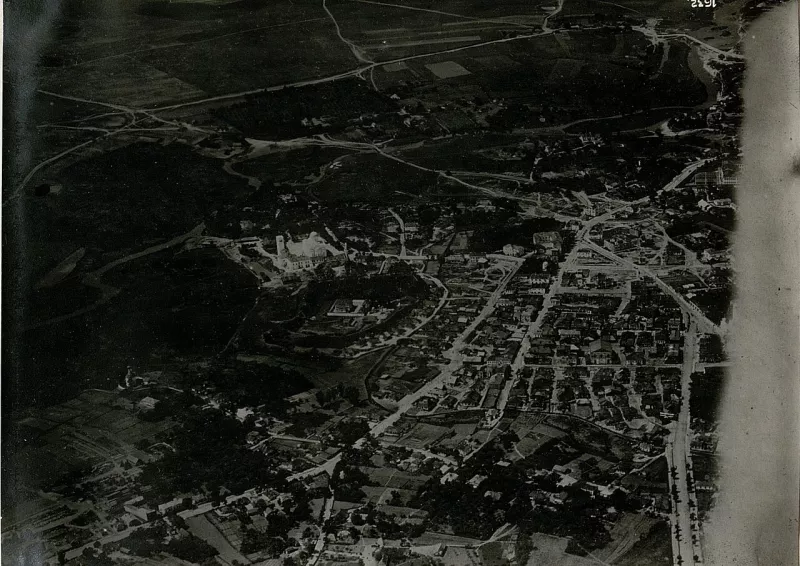
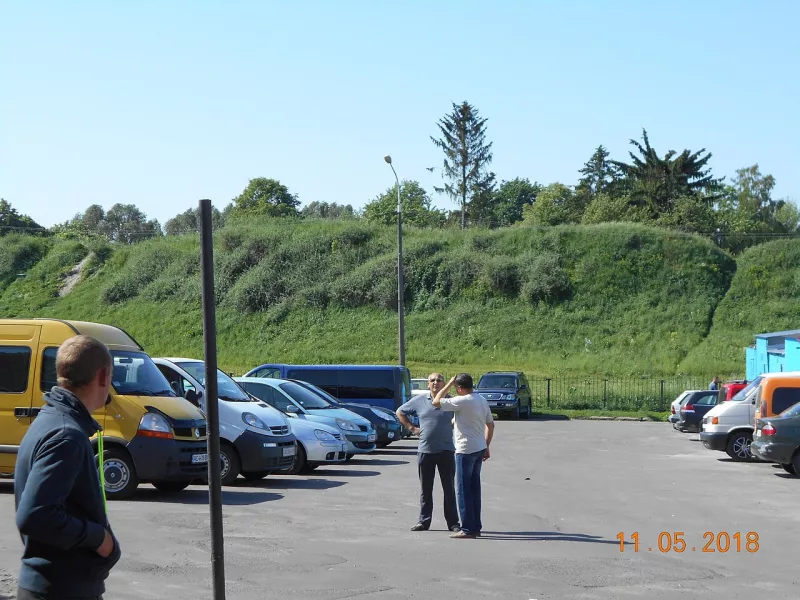

The Volodymyr Detinets is the central fortified part of ancient Volodymyr, the capital of the Principality of Volhynia. Earthen ramparts 6–8 meters high have survived from it, towering over the floodplain of the Luha River in the city to this day. This is one of the few places in Ukraine where the dimensions of the princely fortified town are clearly visible.
Structure of the Detinets
The detinets was rectangular in plan with rounded corners — the so-called "Volhynian type". It stood on a small elevation amidst a boggy lowland on the right bank of the Luha, where the S moch flows into it, and covered 1.5 hectares. Two entrances led here — a larger one from the north and a smaller one from the south. Wooden walls with galleries and towers stood on the ramparts, and a moat, into which one of the branches of the S moch was diverted, surrounded them. Inside stood stone churches and princely palaces.
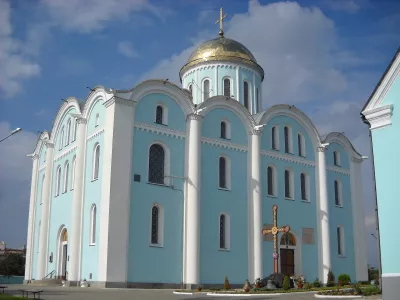
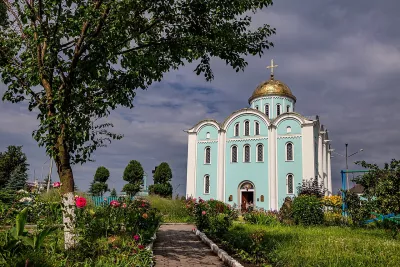
A large outer city lay around the detinets, where the Assumption Cathedral was also built.
Burned Down by Order of Burundai
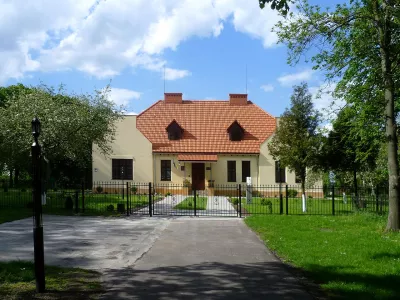
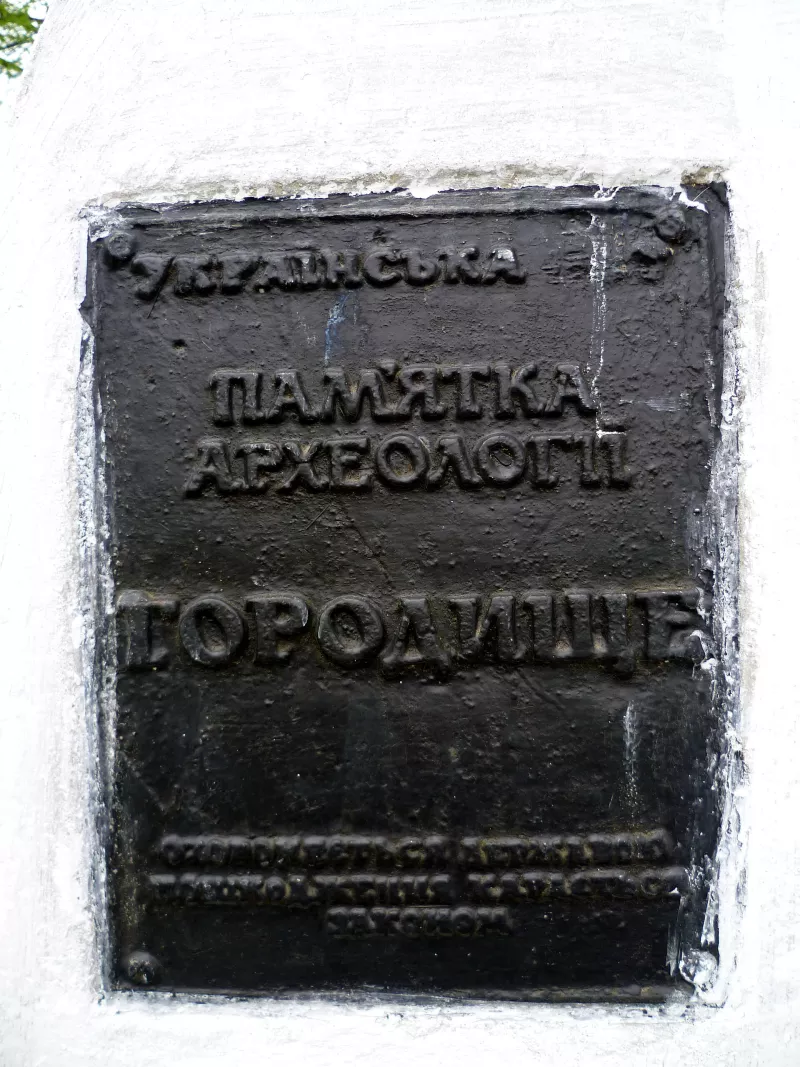
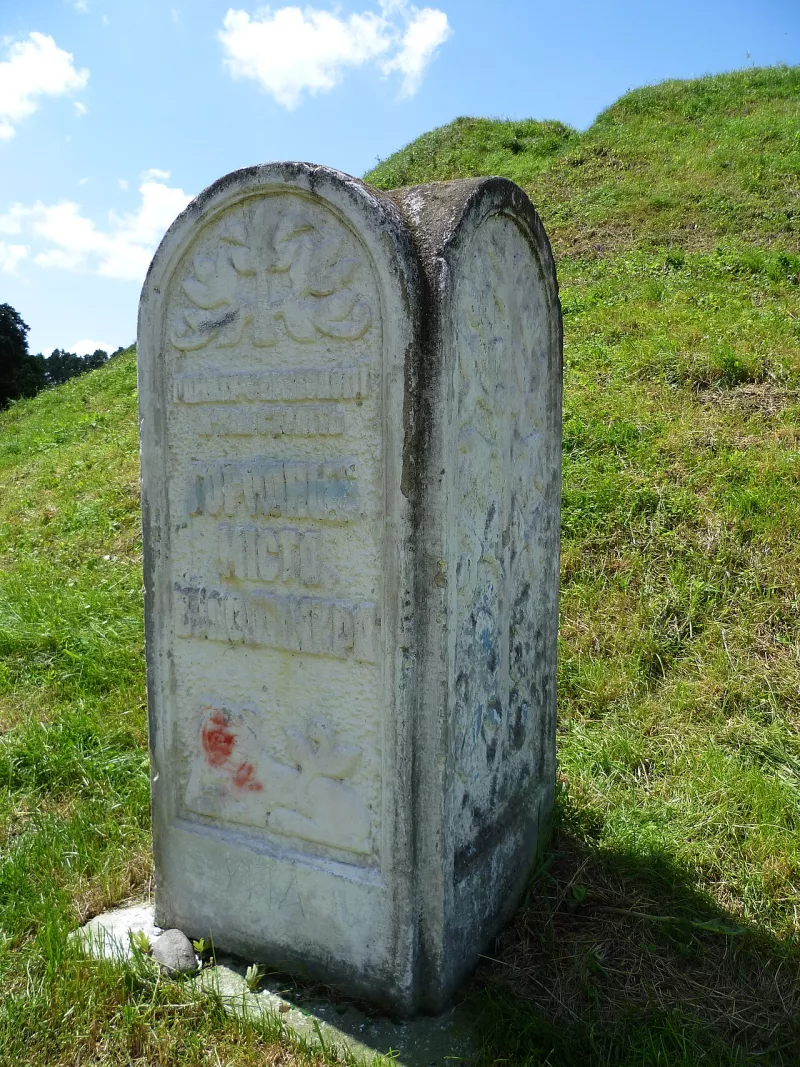
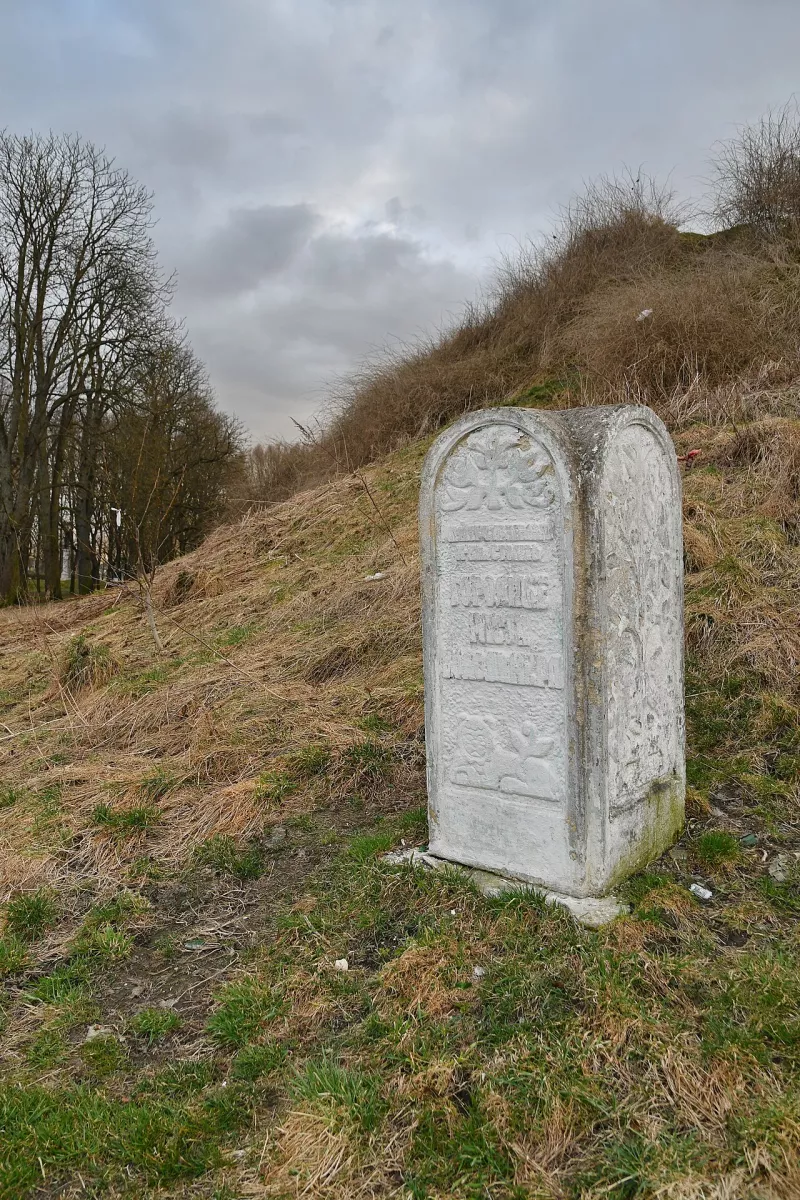
In 1261, the Mongol commander Burundai demanded the destruction of the fortifications of Galician-Volhynian towns. Then Prince Vasylko Romanovych dismantled and burned the wooden walls of Volodymyr. The ramparts remained, and over the centuries they were rebuilt: between the world wars, the Poles built a prison on the site of the detinets, and in Soviet times there were also various institutions here. Today, the ramparts are included in the list of historical and archaeological monuments of Volhynia.
What to See
A walk along the ramparts is the best way to feel the scale of the ancient city: from the height, the Luha valley, the roofs of the old center, and the domes of the Assumption Cathedral are visible. During excavations on the ramparts, sad traces of the 20th century were also found — the remains of victims of political repressions, reburied at the local cemetery.
How to Get There
The ramparts are in the center of Volodymyr, a few minutes' walk from the Assumption Cathedral.