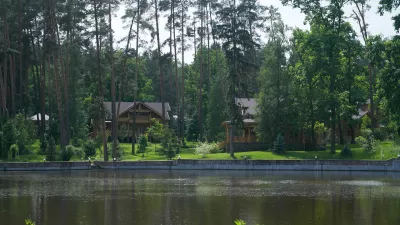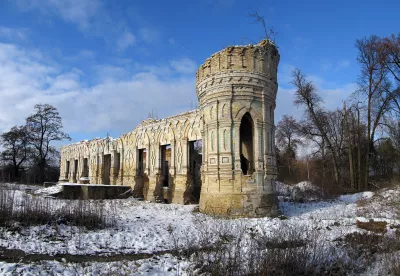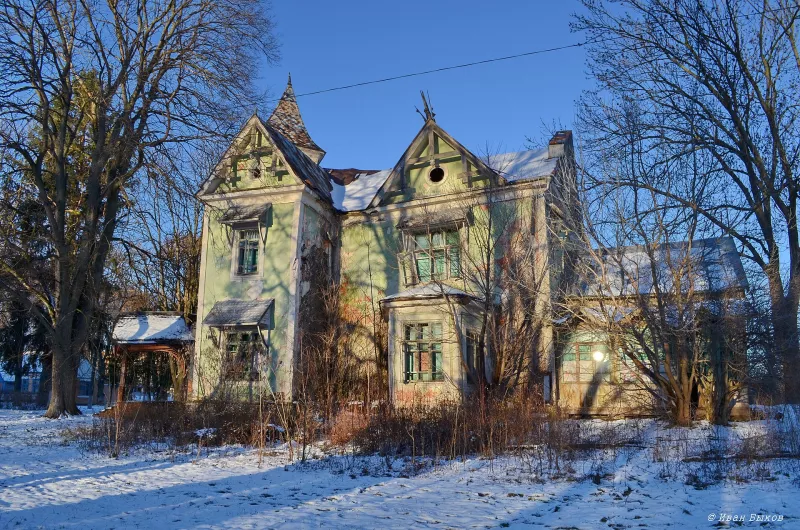
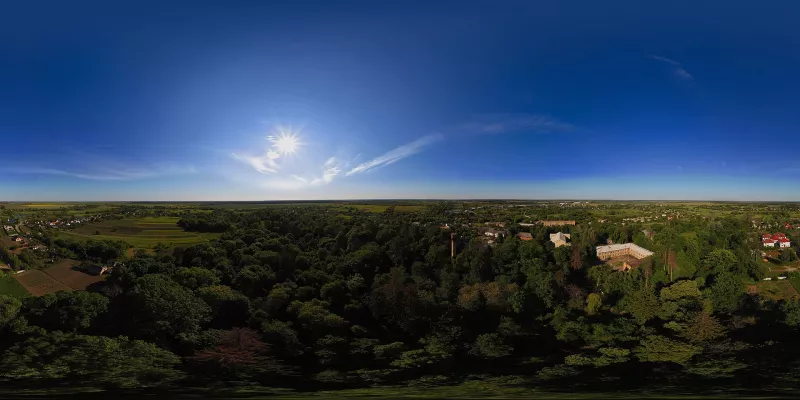

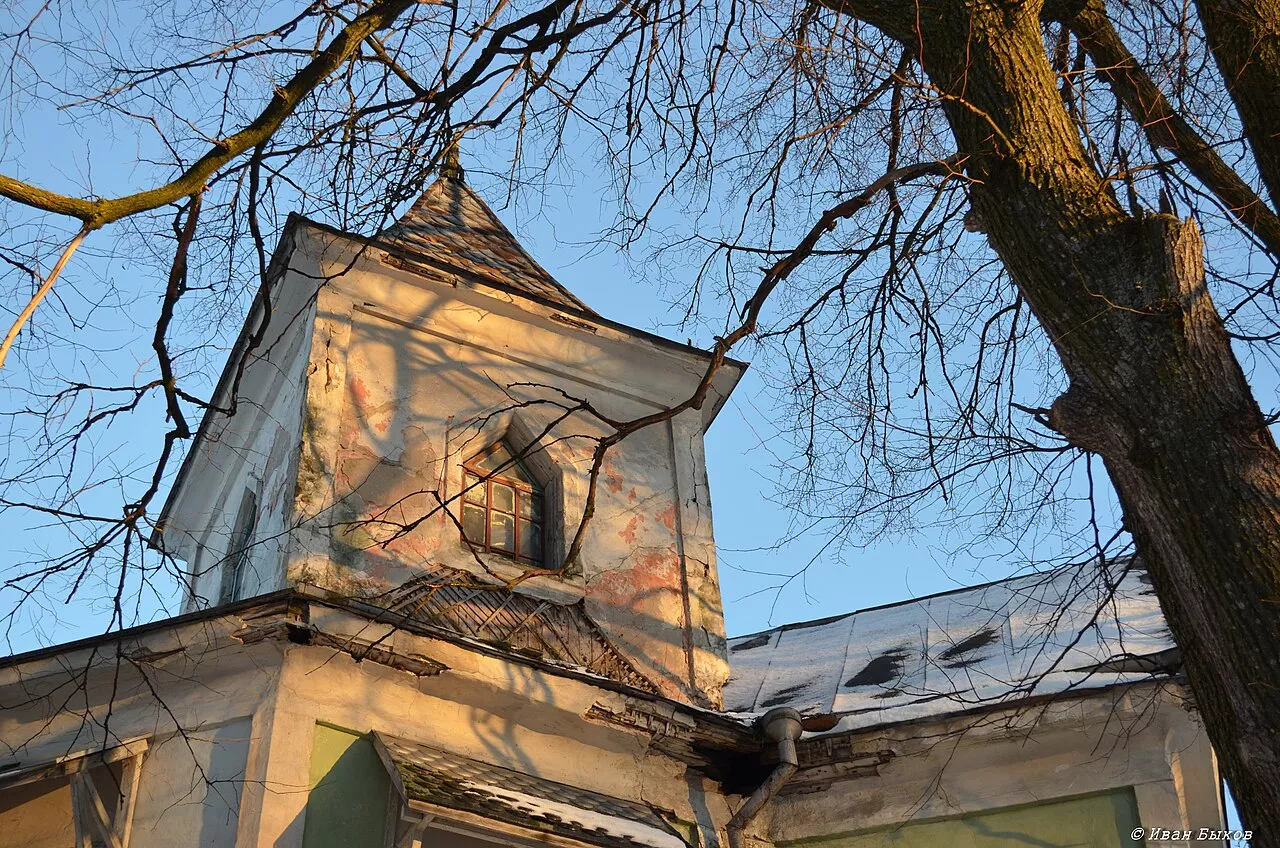
In the village of Kopyliv in Bucha Raion (until 2020, Makariv Raion), on the banks of the Buchanka River, stands the wooden manor house of the von Meck barons. Its turrets, mansard, and carved veranda are still recognizable, although the building itself has long been in a dilapidated state. This estate connects three famous families — the von Mecks, the Davydovs, and the Tchaikovskys: the composer Pyotr Tchaikovsky stayed here twice.
The Railway Baron
Kopyliv is mentioned in documents as early as 1392. From 1738, the village was successively owned by Polish gentry — the Kosakowski, Dziawałowski, and Szymanowski families — and in 1840 the estate was sold off in parts for debts. In 1882, it was acquired by the 25-year-old Nikolai von Meck, son of Nadezhda von Meck, Tchaikovsky's long-time patron and epistolary correspondent. Nikolai married the composer's niece, Anna Davydova.
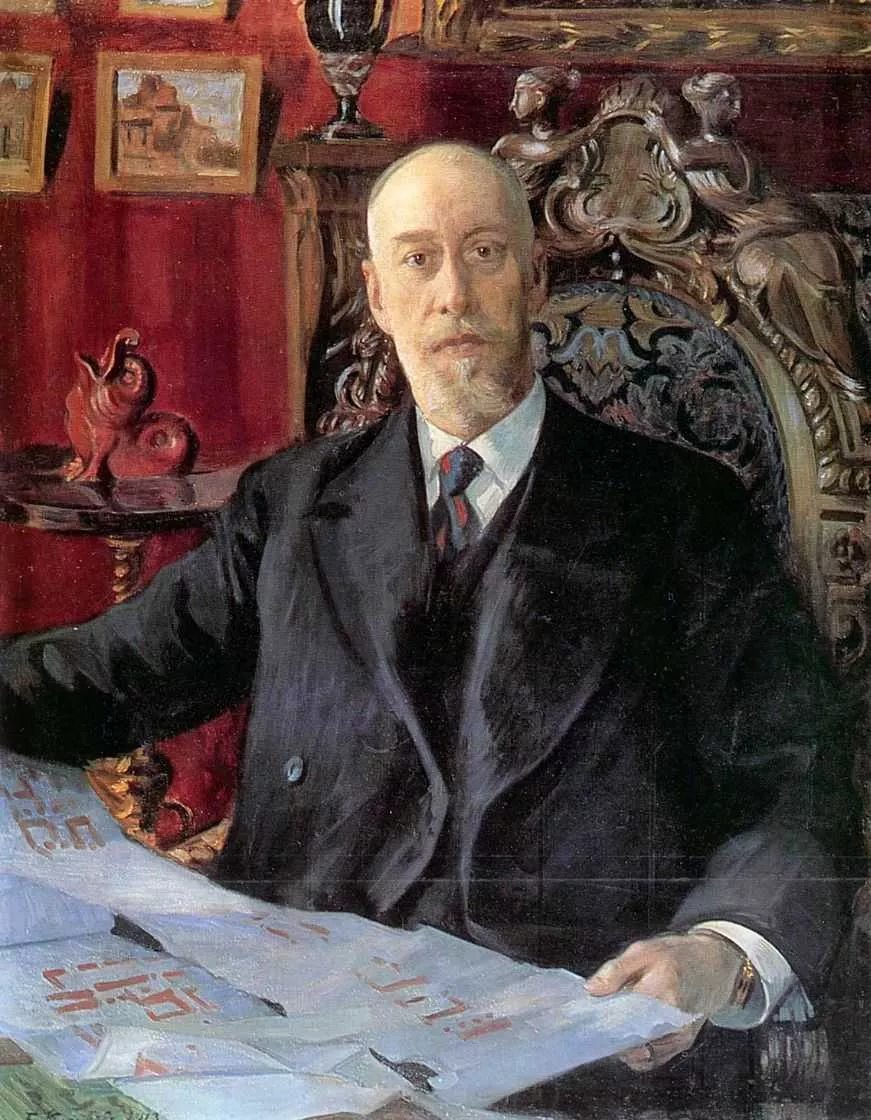
Nikolai Karlovich became one of the leading railway figures of the empire: from 1892, he headed the board of the Moscow-Kazan Railway, which over nine years he expanded from 233 to 2.1 thousand versts. In Kopyliv, the baron also engaged in construction: he laid a road to the Brest-Litovsk Highway (now the M-06 highway), planting poplars along it that drained the damp soil, and dug two ponds with water from the Zdvizh River — one for the estate and the other for the villagers. He helped the residents of Kopyliv create a cooperative society and opened a bank branch in the village. When von Meck sold the estate in 1910, more than thirty young people from Kopyliv followed him to work at his enterprises. The baron's life ended tragically: in 1929, he was executed by Soviet authorities.
House and Park
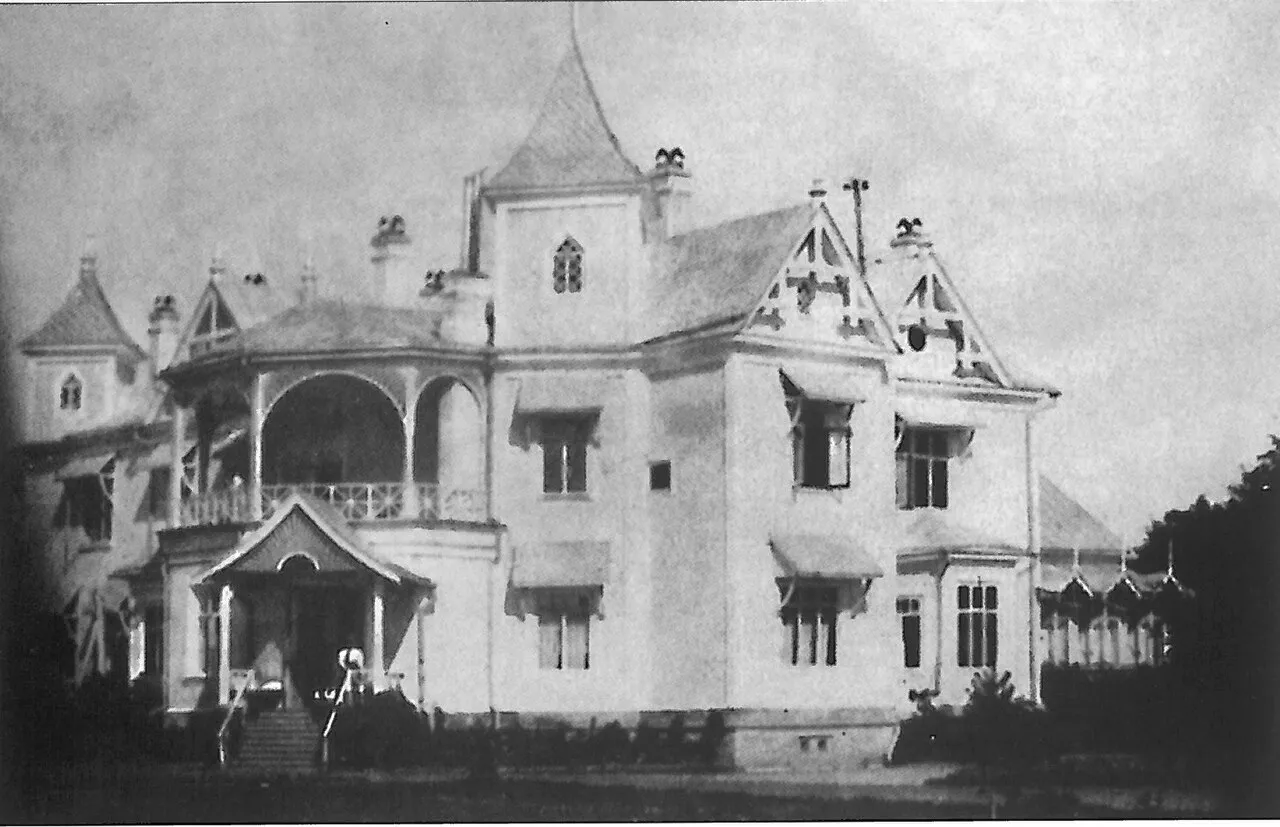
The first house was built in 1888 in the "dacha art nouveau" style: a wooden blockhouse on a brick foundation, featuring turrets, pediments, bay windows, a large veranda, and external stairs to the second floor. In 1898, it burned down. At the turn of the 20th century, a new house was built in the same style — two stories, with a mansard, a carved veranda, and turrets under metal tile roofing. This is the one we see today.
A 9-hectare landscape park was laid out around the house. It may have been designed by the famous landscape gardener Georg Kuphaldt or his pupil. The park featured a riding arena, summer houses for children, a pavilion, gazebos, a fountain, a pond with swans, a rose garden, and a summer theater where musical evenings and performances were held. Spruces and lindens for the alleys were hauled by oxen in wooden barrels. The estate economy included a cowhouse, a dairy farm, a mill, a water tower, and a stud farm.
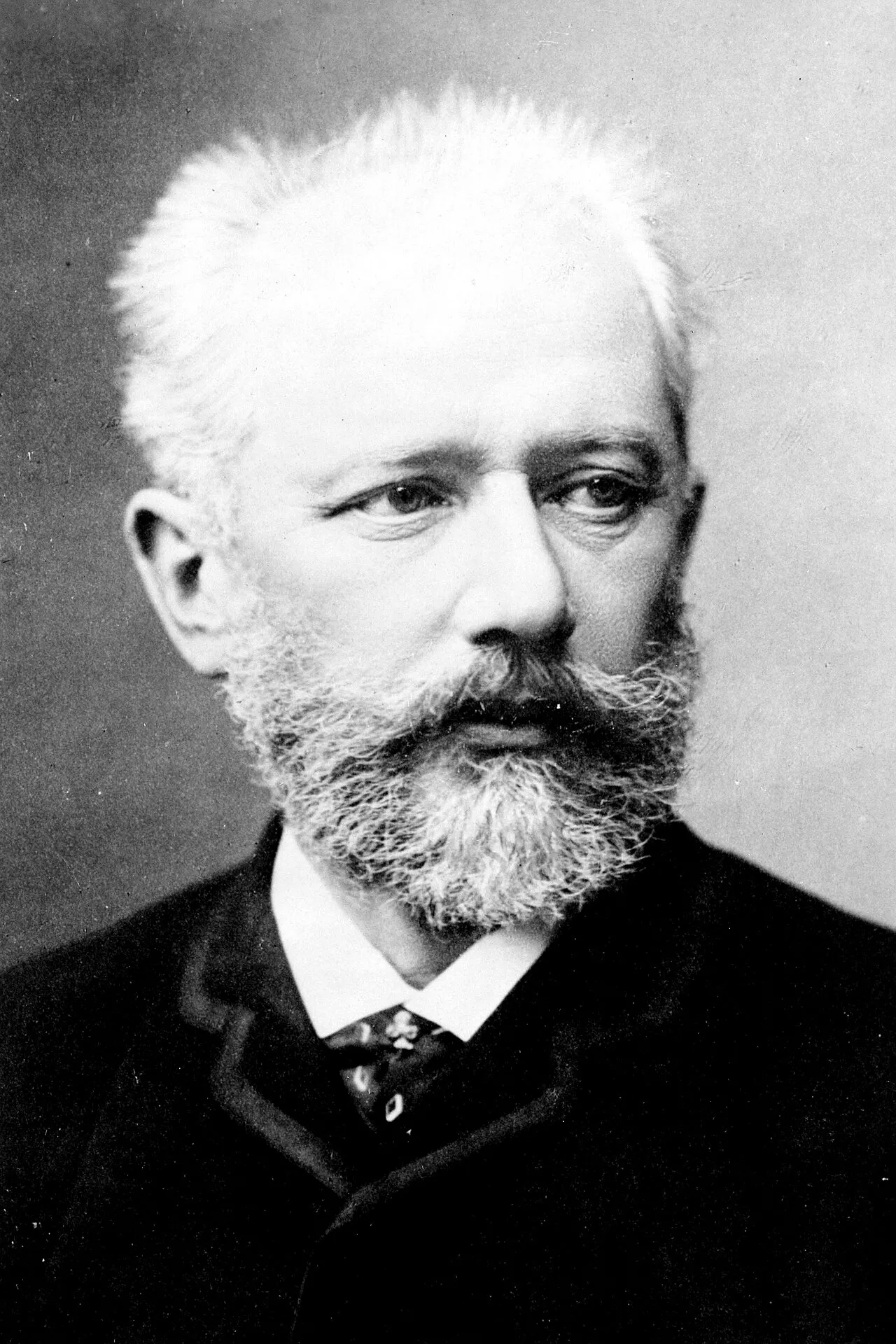
In 1889 and 1890, Pyotr Tchaikovsky stayed at the estate, which he mentions in his letters. For Kopyliv, this is the most famous page of its history.
What Happened to the Estate
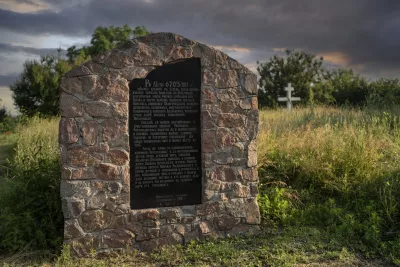
After 1917, the estate was nationalised. The building housed an agronomic school, during the Second World War — a German headquarters, in 1943–1945 — a military hospital, then a district hospital, from 1954 to 1973 — a school, and later a branch of a music school and the village council. A Soviet slogan about "ideological work" is still visible on the wall. A memorial to the Unknown Soldier appeared in the park near the house, and in the 1960s — a village stadium.
The building is included in the State Register of Architectural Monuments of National Importance, but it is in a dilapidated state. Already in the late 1990s, according to locals, the structure looked decent. Prior to Euro 2012, there were plans to restore the estate with Tchaikovsky's music salon, a theatre and a hotel, but the project remained only on paper.
What has survived and how to get there
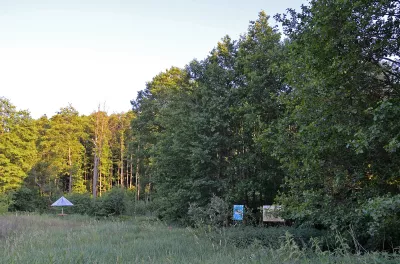
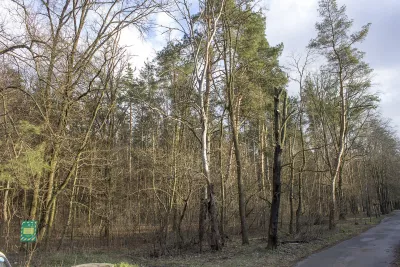
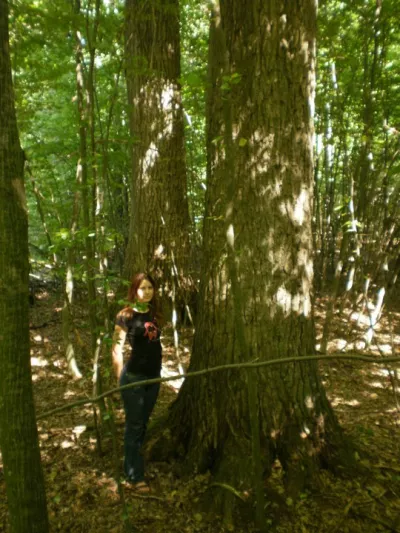
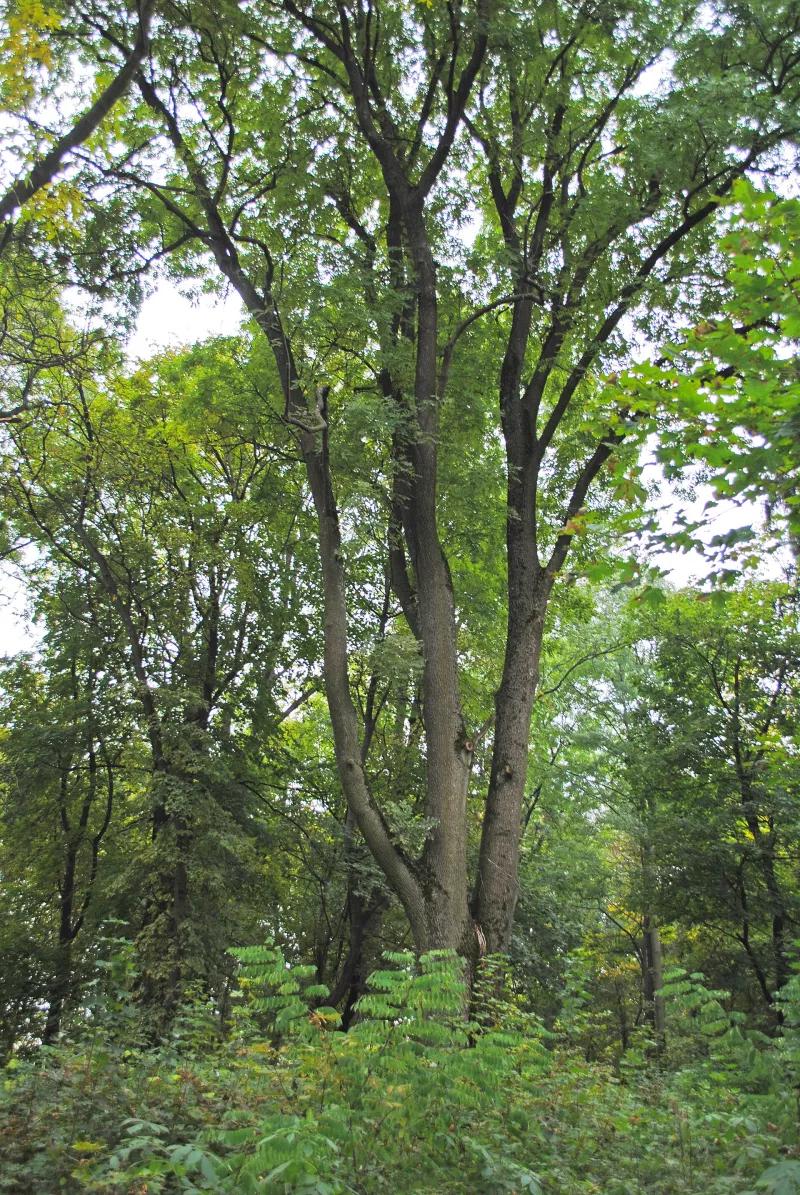
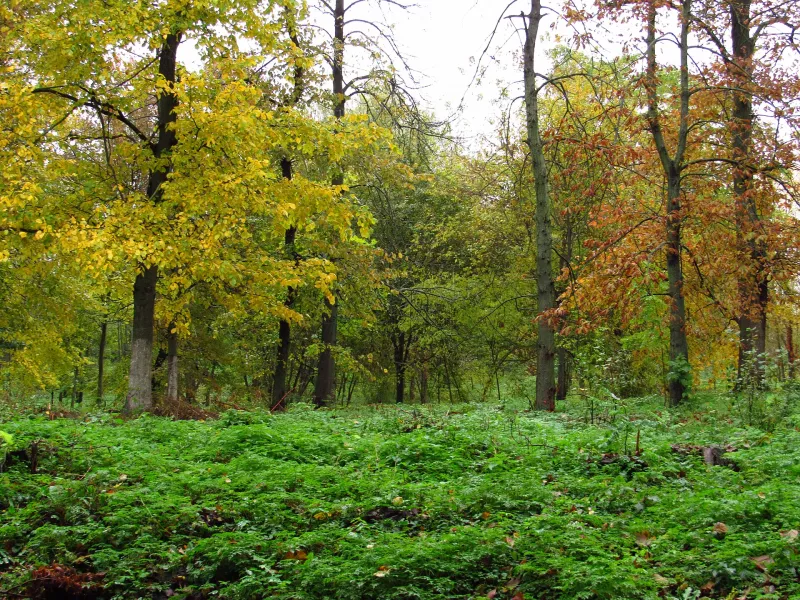
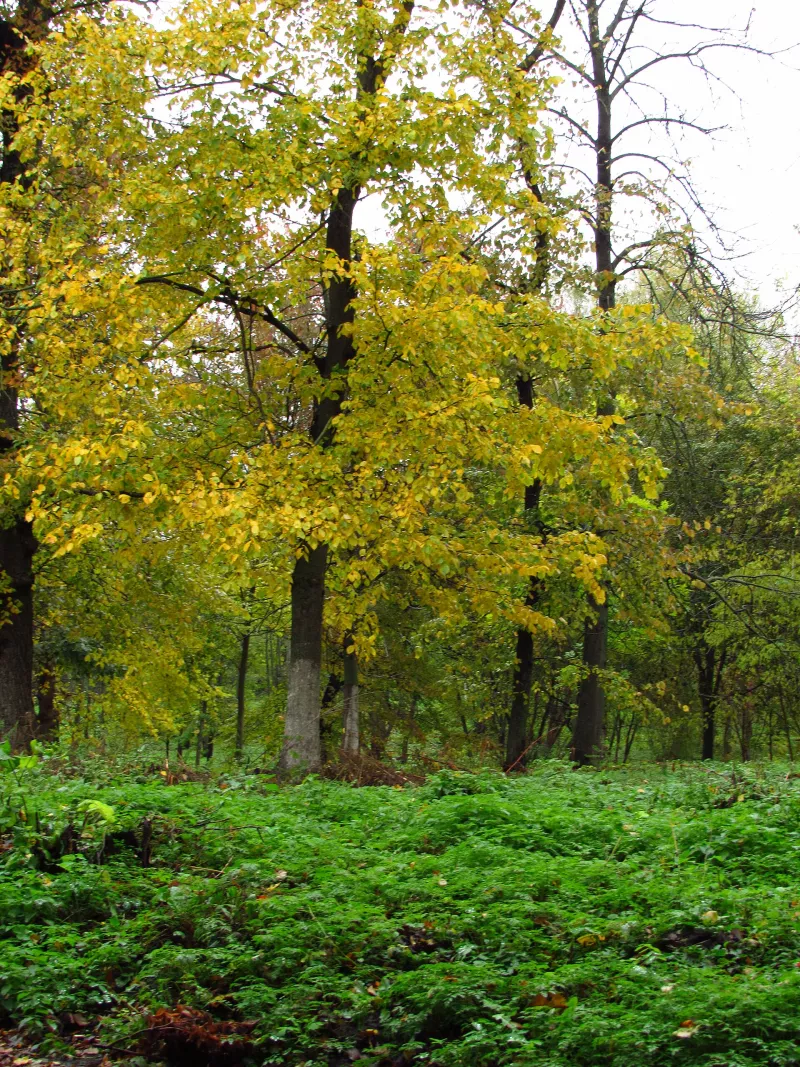
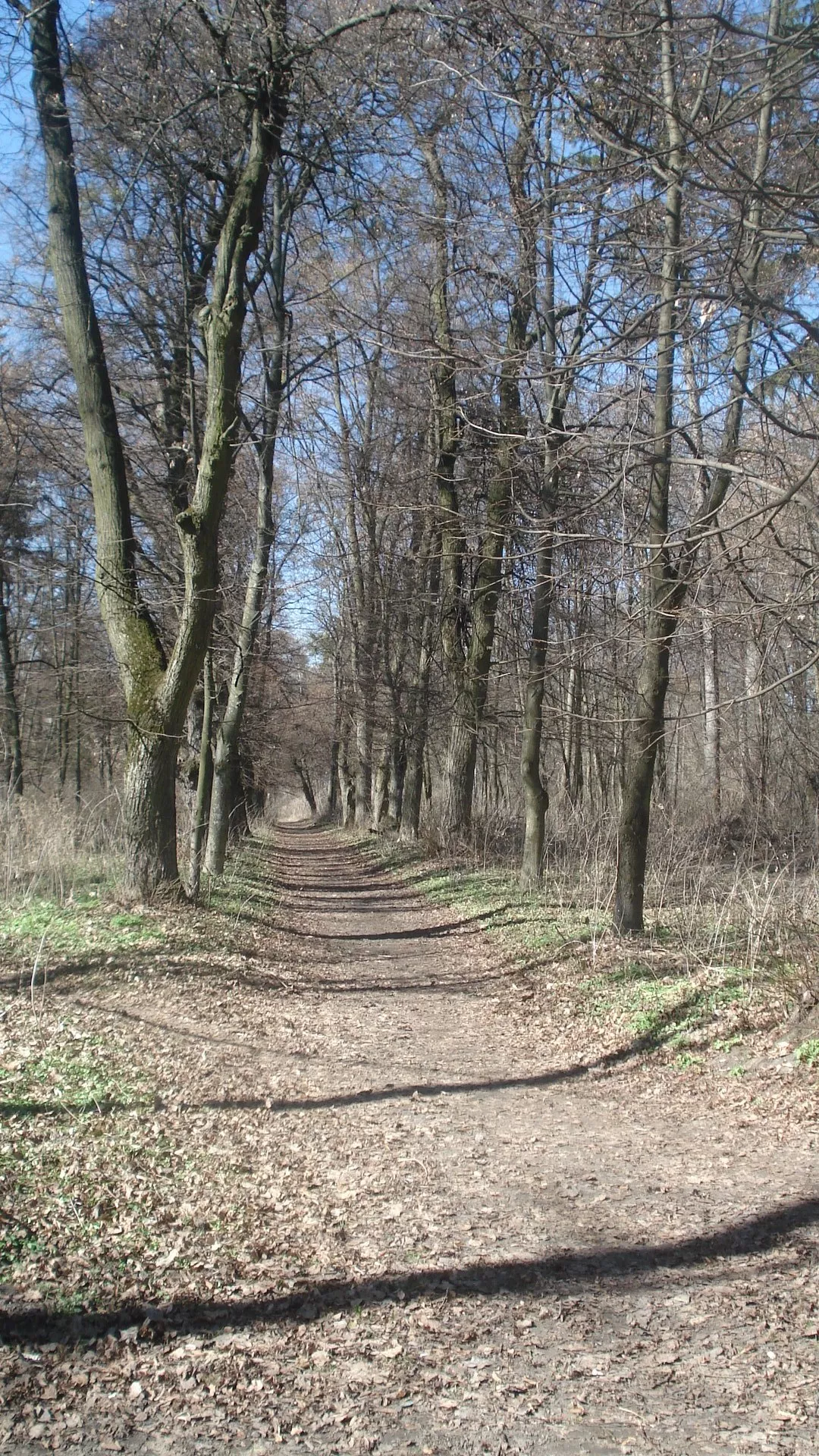
Spruce and linden alleys, old trees, remnants of the fountain, the manor pond, and the ruins of the dairy farm and water tower have been preserved in the park. Kopyliv lies near the Kyiv — Zhytomyr highway (M-06), approximately 50 km from Kyiv, not far from Makariv.
Tip
The building is dilapidated — inspect it only from the outside and do not go inside. The park is at its most beautiful in May, when the lindens bloom and the alleys open up, and in October. Read more about the region in the article about Kyiv Polissia.