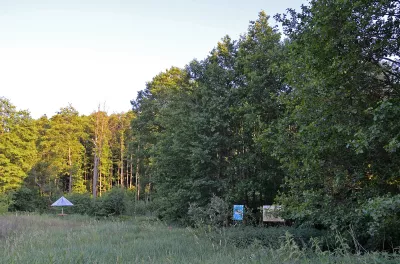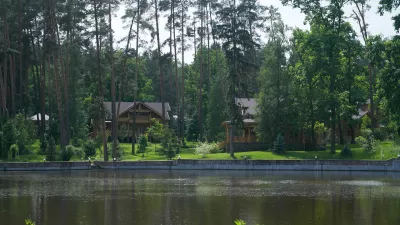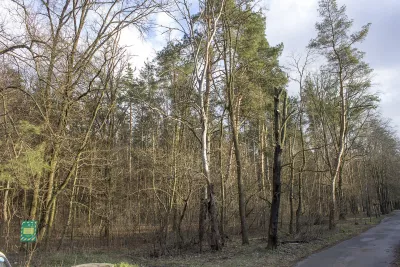
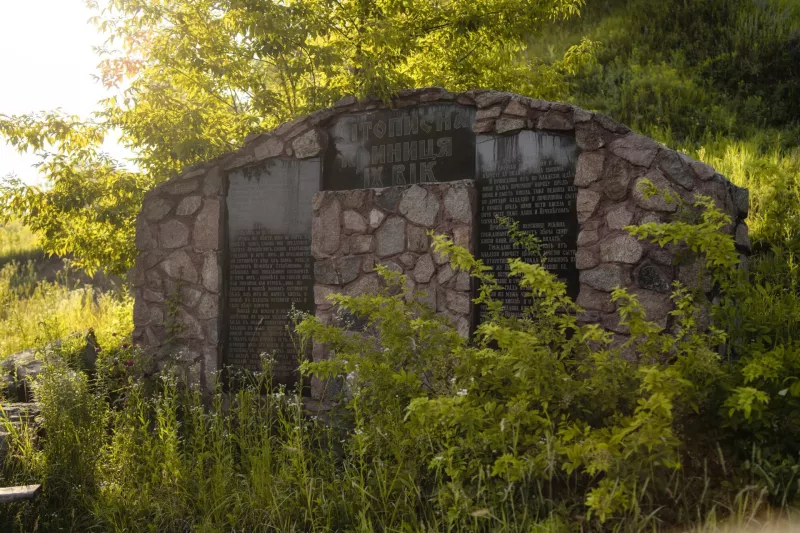

The village of Bilohorodka in Bucha Raion, a few kilometres from the western border of Kyiv, stands on the site of the chronicle-mentioned Bilhorod — one of the most important cities of Kyivan Rus. On the high right bank of the Irpin, the ramparts of the ancient fortress, the foundations of a 12th-century church, and a well associated with the chronicle-famous legend of the "Bilhorod kisel" can still be seen.
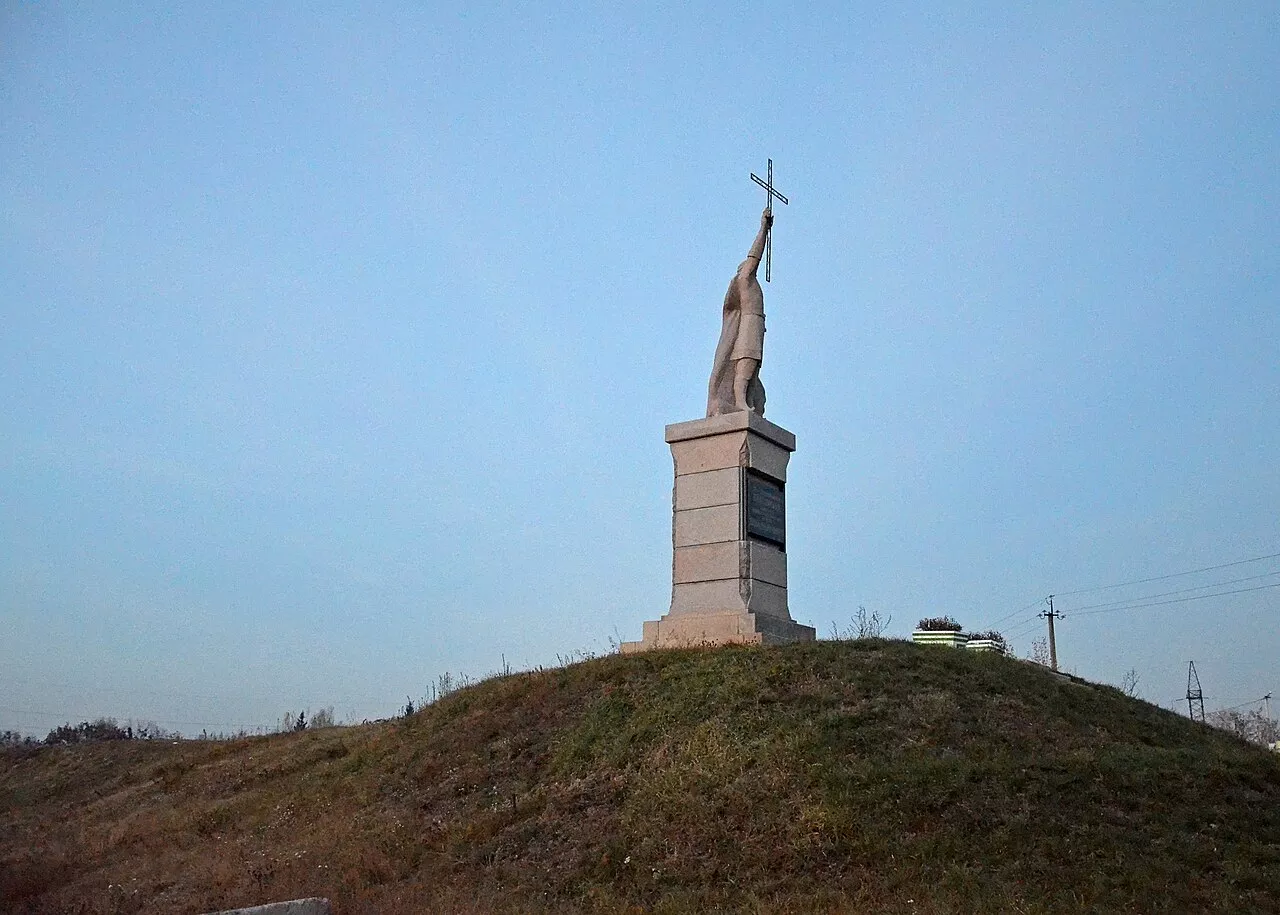
Fortress of Prince Volodymyr
According to the chronicle, Prince Volodymyr Sviatoslavych "founded the town of Bilhorod" in 991. However, the city is first mentioned as early as 980: the prince's suburban residence was located here even before the Christianisation of Rus. Bilhorod, like Vyshhorod, was a suburb-outpost of the capital and defended Kyiv from the west. The Irpin River, 20 km from Kyiv, served as a natural border, and the main route from Kyiv to Volhynia, Podolia, and Galicia ran through the city.
The city consisted of a detinet (citadel) and an outer town with a total area of about 100 hectares, surrounded by a double earthen rampart, a moat, and a palisade. The closest allies of the Kyiv princes, most often their sons, sat here: in 1117, Volodymyr Monomakh seated his son Mstyslav in Bilhorod; in 1149, Yuriy Dolhorukyi seated his son Borys. The loss of Bilhorod meant the loss of Kyiv: when Iziaslav Mstyslavych took Bilhorod, Yuriy Dolhorukyi surrendered Kyiv without a fight. According to legend, grapes were grown in Bilhorod, and as late as the 15th century, travellers praised the local wine.
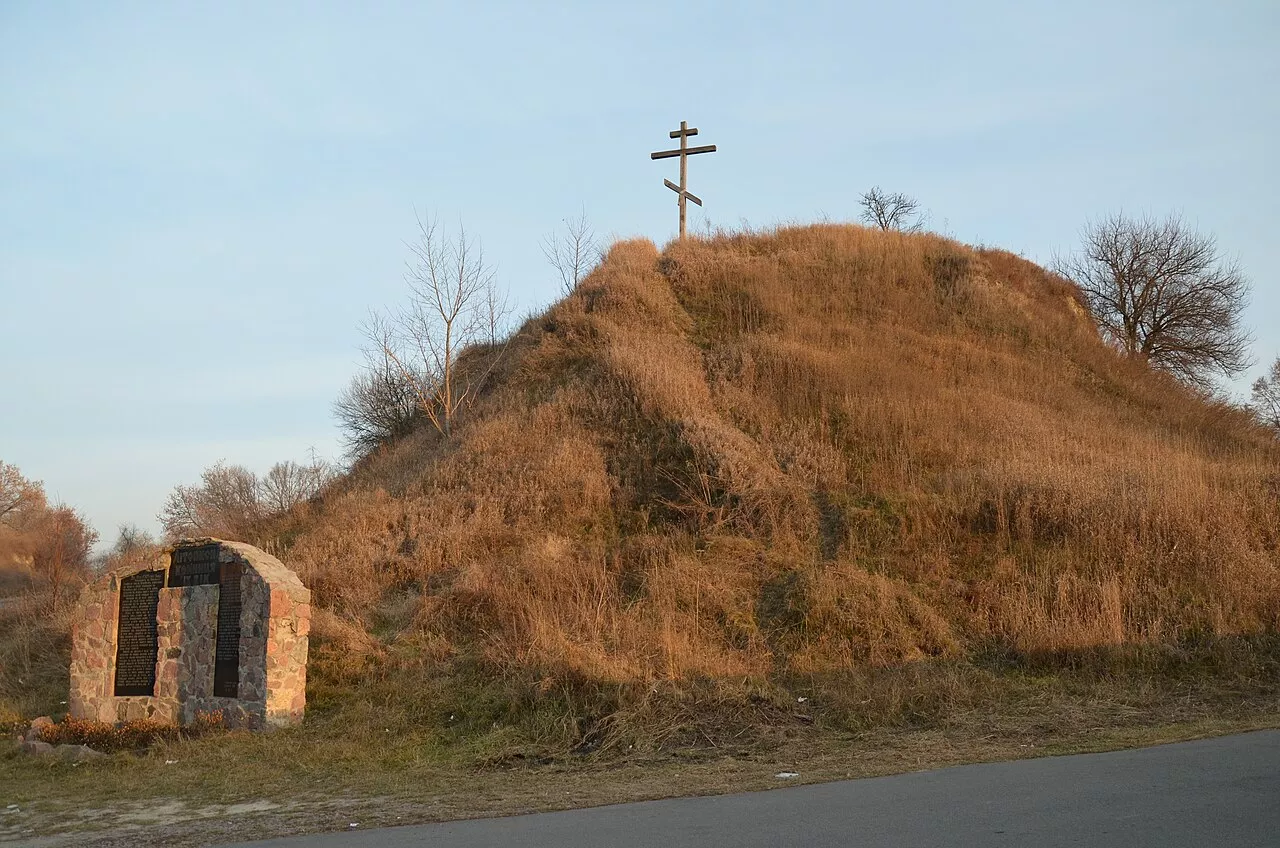
Legend of the Bilhorod kisel
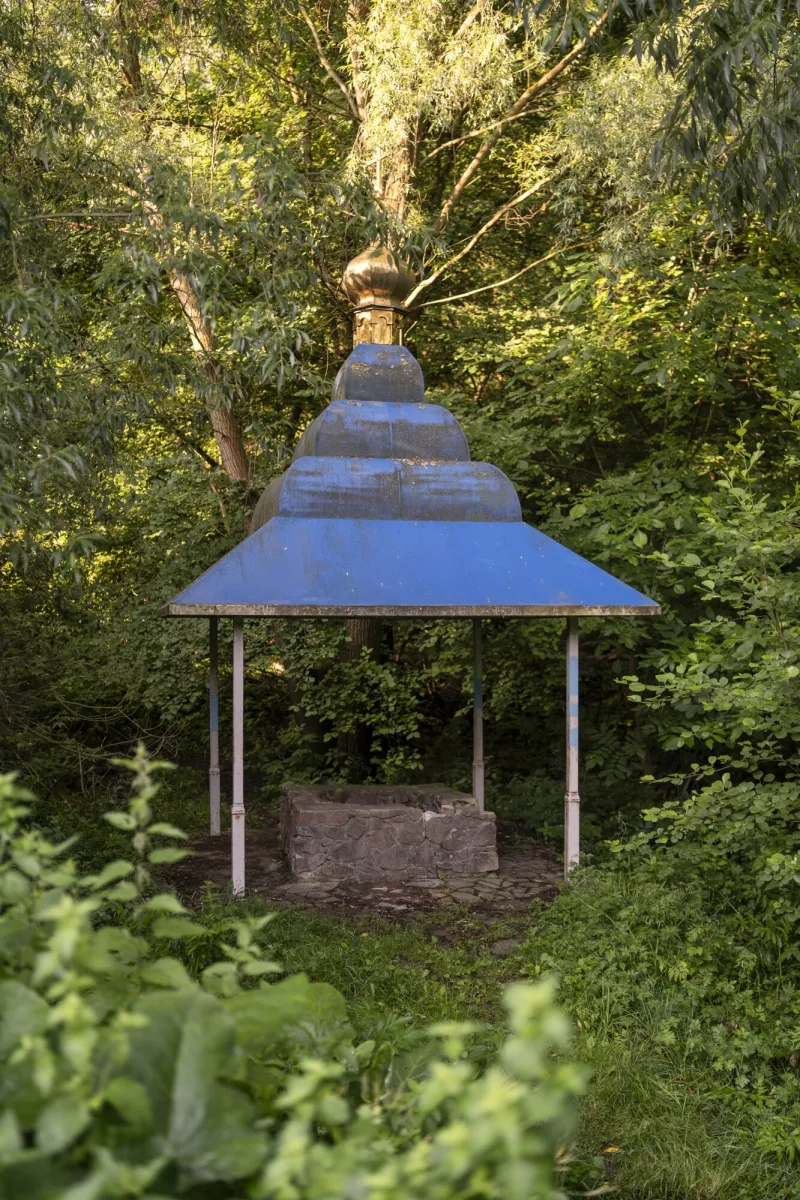
In 997, when Prince Volodymyr went north to gather an army, Pechenegs besieged Bilhorod. Famine began in the city, and at a veche (assembly), the people decided to surrender. Then an old man advised them to wait three days: collect a handful of oats, wheat, or bran, make a thin mash for kisel from them, pour it into a barrel buried in one well, and place a barrel of honey-water (syta) in the second. The Pecheneg messengers were brought to the wells, kisel was scooped up and cooked in front of them, they were given the syta to drink, and told that the earth itself feeds the city. The Pechenegs believed that the siege was in vain and retreated.
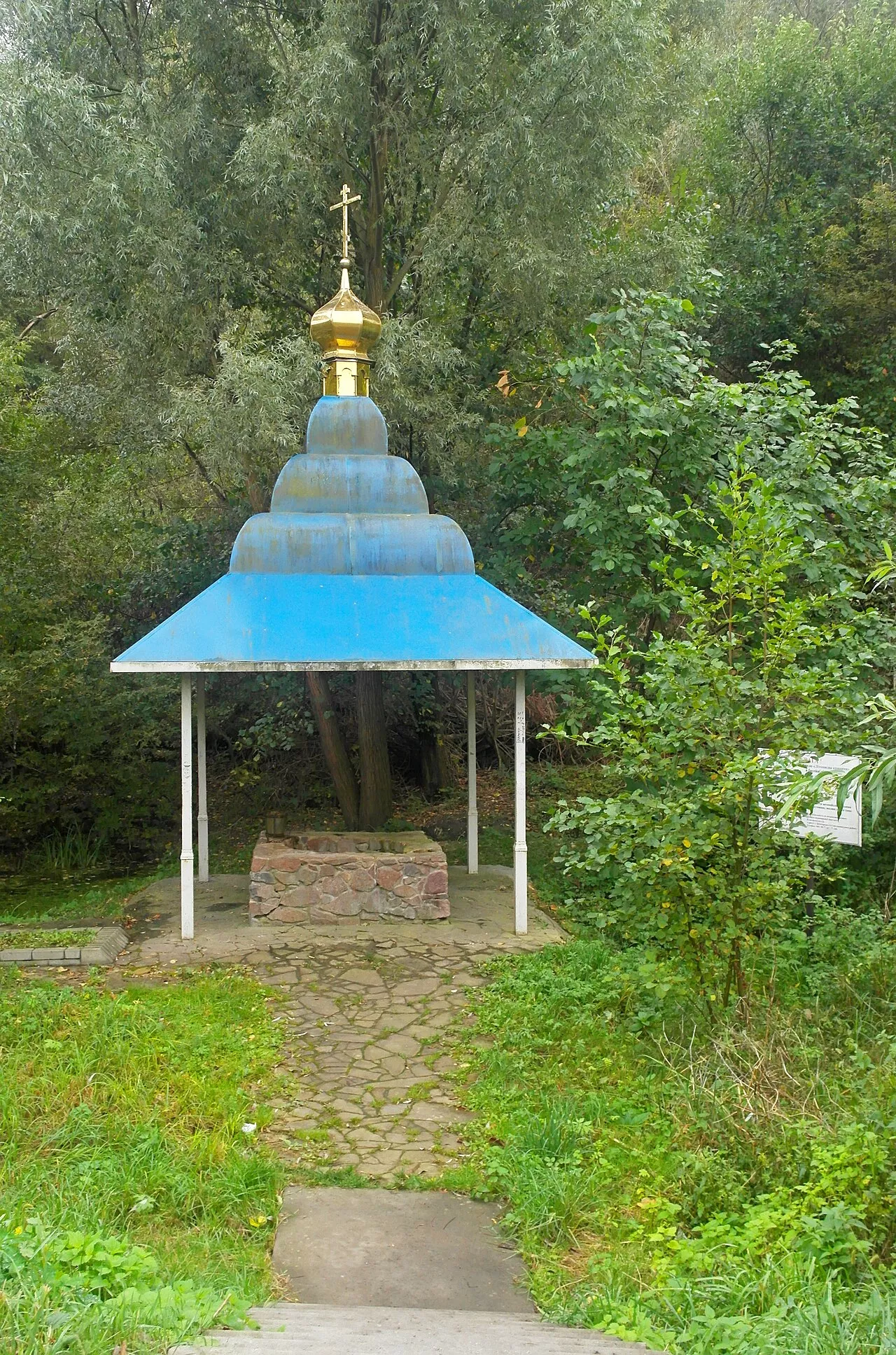
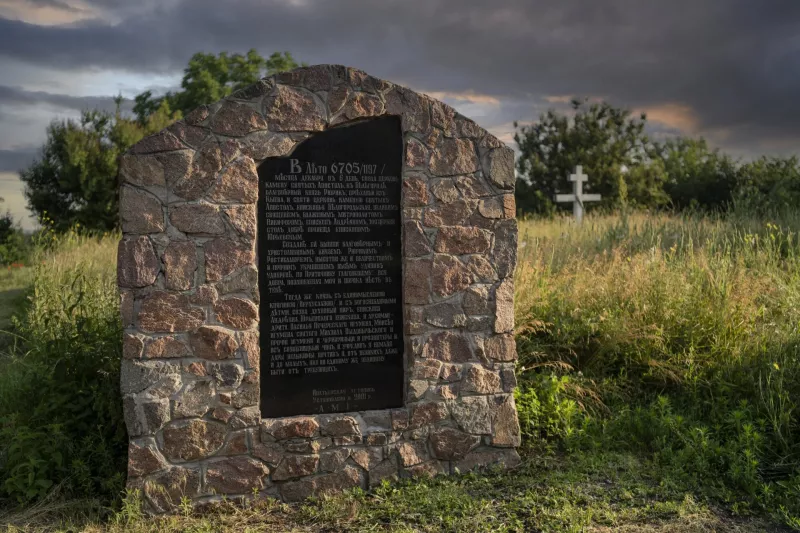
Now a "chronicle well" stands in Bilohorodka — a memorial sign in honour of this story. Inspired by the legend, Oleksandr Oles wrote a poem.
Church of the Apostles and episcopal see
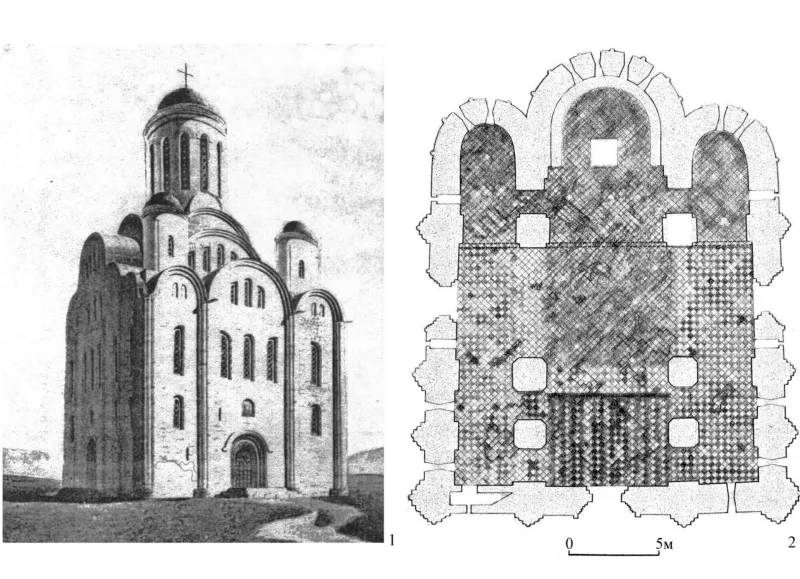
After Christianisation, Bilhorod became a church centre: a bishop was seated here as early as 992. Archaeologists have found the remains of brick buildings from princely times, decorated with multicoloured majolica of local production, and two churches. The larger one is a three-nave Church of the Holy Apostles with three apses, which is associated with Prince Rurik Rostyslavych and dated to 1197. Its walls were painted with frescoes and gold over plaster, and the floor was laid with multi-coloured glazed tiles. Near the smaller, single-apse church, a white-stone sarcophagus was found. The foundations of the Church of the Apostles are open for viewing.
In 1240, Bilhorod was destroyed by the Mongols. The city gradually revived under the Grand Duchy of Lithuania as the western outpost of Kyiv. In 1474, the Venetian ambassador Ambrogio Contarini travelled through here, and in the times of Bohdan Khmelnytskyi, the Bilhorod estates belonged to the St. Sophia Monastery.
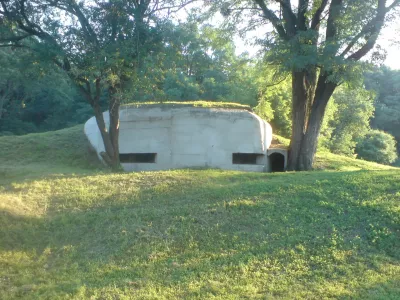
Pillboxes on the princely ramparts
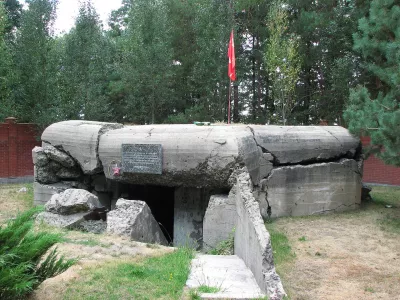
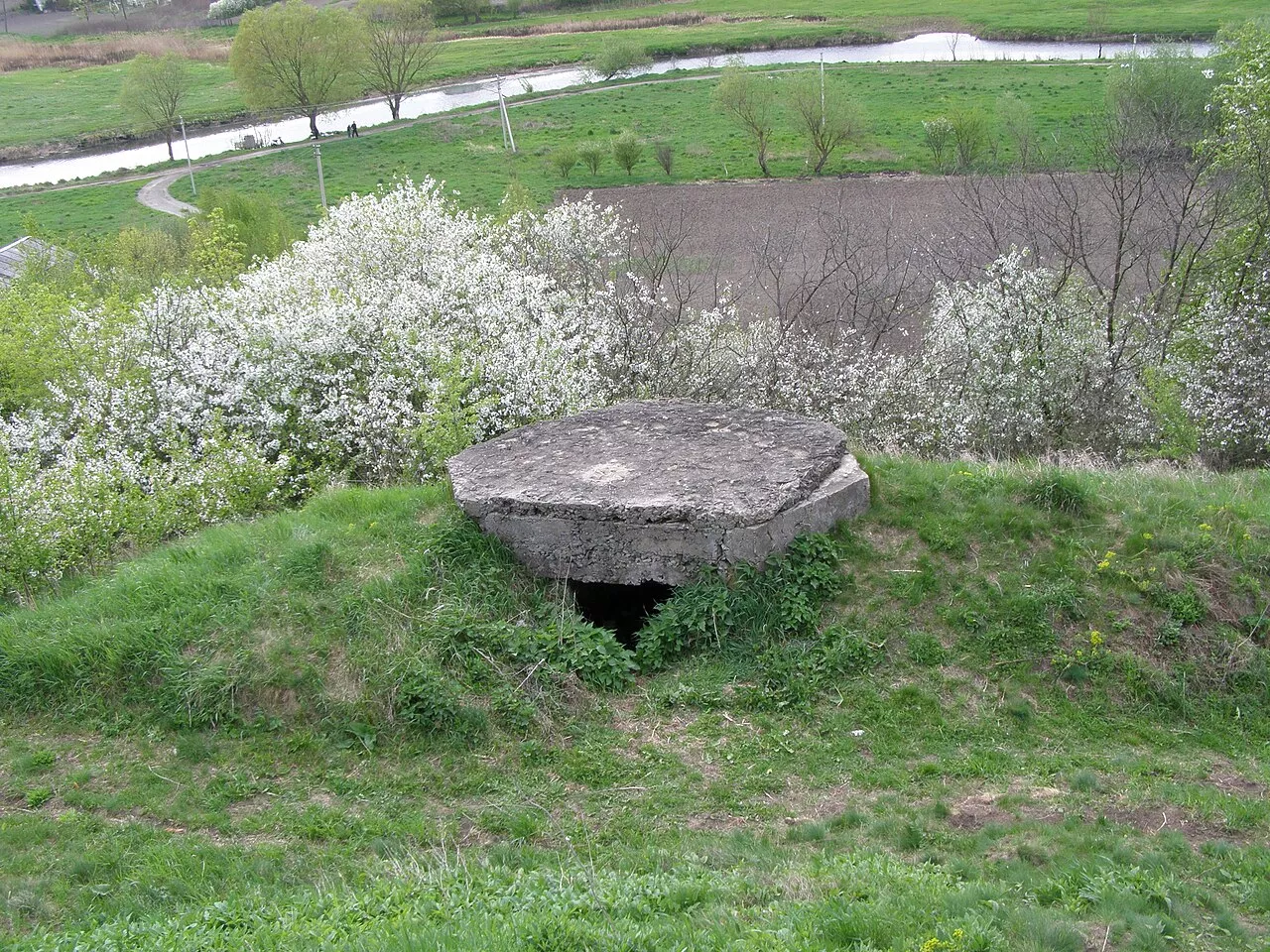
In the 1930s, the ancient ramparts once again became a defensive line: the first line of the Kyiv Fortified Region passed through here. Pillboxes No. 382 and No. 385 stand on the ramparts of the outer city, No. 376 is on the rampart of the suburb, and four — No. 378, No. 379, No. 380, and No. 381 — are on the ramparts of the detynets. Machine-gun nests No. 378, No. 380, and No. 381 hold the status of monuments of history and technology.
How to get there
Bilohorodka is just beyond Kyiv, a few kilometres from the Ring Road towards Zhytomyr; buses and marshrutkas run from Kyiv metro stations in the west of the city. The ramparts and the church foundations are in the old part of the village above the Irpin.
Tip
The relief of the fortress is best seen in spring or late autumn, when the grass is low. Do not climb on the ruins of the pillboxes, and view the church foundations from the paths. The trip can easily be combined with other pillboxes of the Kyiv Fortified Region, notably with pillbox No. 582 near Liutezh. Learn more about the region in the article about Kyiv Polissia.