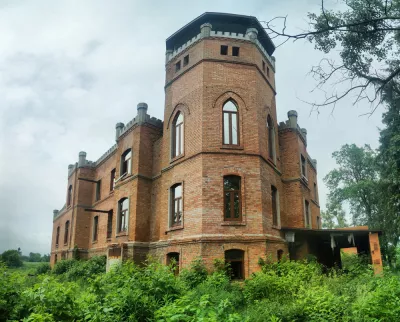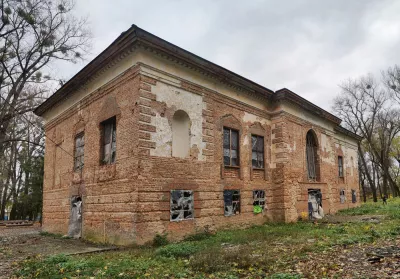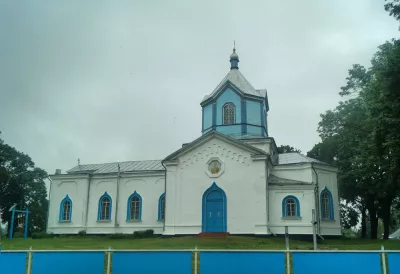
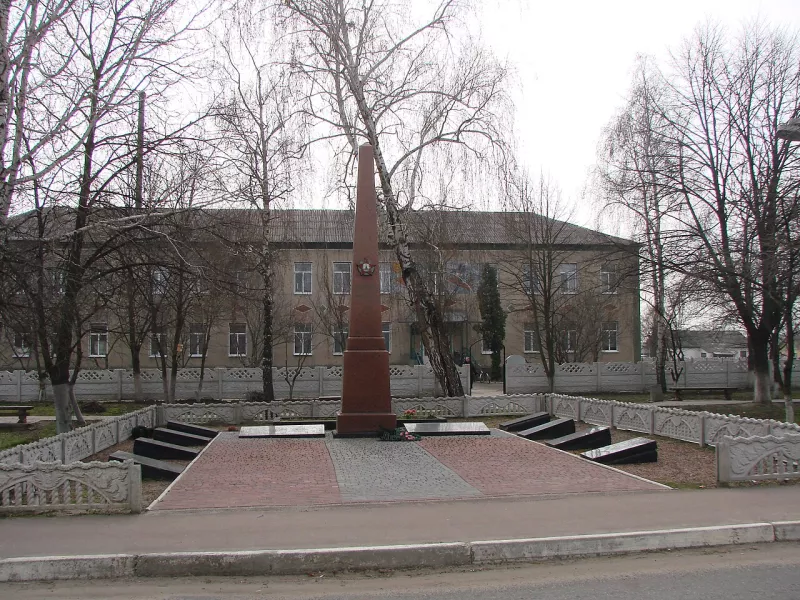
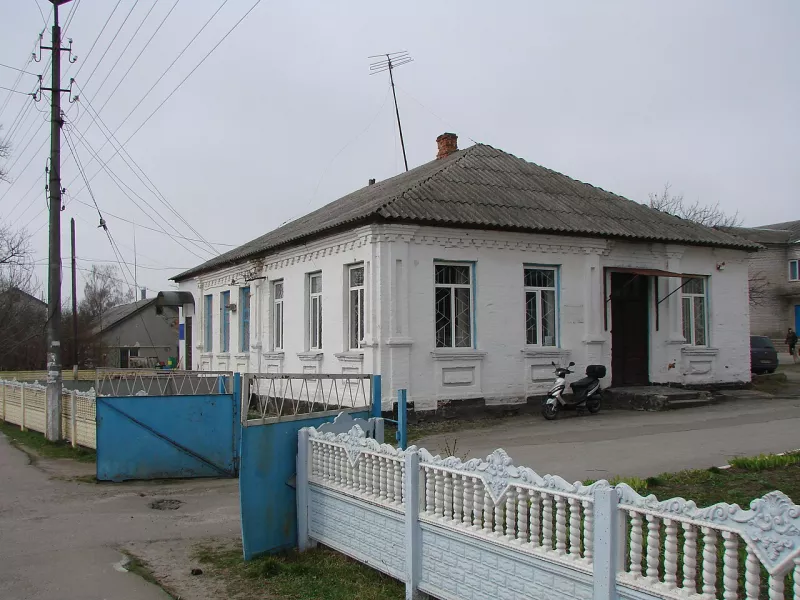
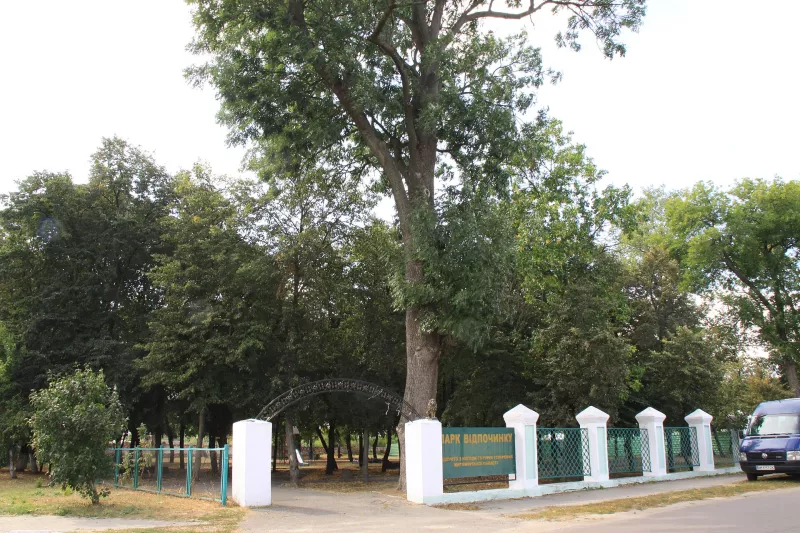

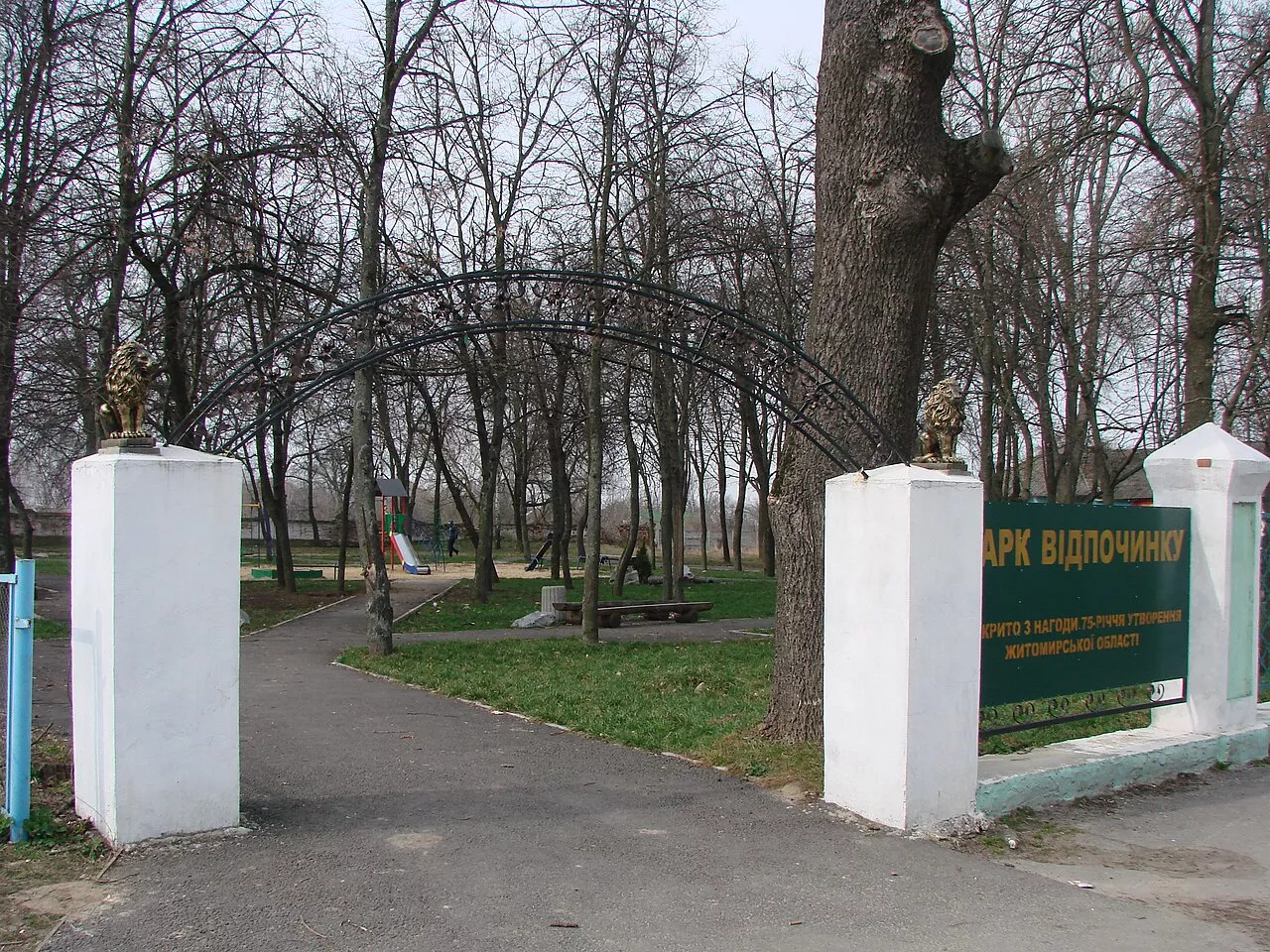
Brusyliv is an urban-type settlement in the east of Zhytomyr Oblast, on the border with Kyiv Oblast, the center of Brusylivska hromada in Zhytomyr Raion. It stands on the Zdvizh River, roughly halfway between Zhytomyr (about 76 km by road) and Kyiv (about 87 km). Around 7,000 people live here. Brusyliv is small but stands on the site of the chronicle city of Zdvizhen, mentioned as early as the 11th century, and has preserved several interesting landmarks: the ruins of the Capuchin church, a 19th-century wooden estate, and an old park.
Which Oblast and Raion It Belongs To
Brusyliv is in Zhytomyr Oblast, in Zhytomyr Raion, the center of Brusylivska settlement hromada. Until 2020, it was the center of the separate Brusyliv Raion. The settlement lies at the very east of the oblast, close to the start of Kyiv Oblast, so the residents of Brusyliv travel equally often to both Zhytomyr and Kyiv.
The Chronicle Zdvizhen
Archaeologists found traces of Bronze Age settlements, early Slavic times, and an Old Rus fortified settlement on the bank of the Zdvizh River near Brusyliv. Historians Yaroslava Vermenych and Volodymyr Dmytruk believe that here, in the suburb of Brusyliv, stood the chronicle city of Zdvizhen. It is first mentioned in the “Rus’ Chronicle” under the year 1097: the blinded prince Vasylko Rostyslavych of Terebovlia was transported through it from Bilhorod to Volodymyr. In 1151, the city appears again in the chronicle — during the campaign of Iziaslav Mstyslavych and the Hungarian king Géza II.
In 1241, Zdvizhen, like most cities in southern Rus’, was destroyed by the Mongols. But even later, there remained a fortified settlement here with crafts and trade, and in the 14th century there was a castle.
Where the Name Comes From and How the Town Lived
Until 1540, Zdvizhen belonged to the Kyseliv-Brusylovskyi family — the modern name most likely derives from their surname. “Brusyliv” first appears in documents in 1543. Later, the estate ended up in the hands of the Kyiv chorąży Yatsko Butovych: in 1574 King Henry of Valois allowed him to build a castle “on the Tatar routes,” and in 1585 Stephen Báthory granted the town Magdeburg rights with four annual fairs and weekly markets.
During the Khmelnytsky Uprising, Brusyliv was a sotnia town: a Cossack sotnia was stationed here, first of the Bila Tserkva regiment, then of the Pavoloch regiment. In 1611, part of the Brusyliv residents relocated to Chernihiv Oblast and founded a settlement with the same name — that is why there are two Brusylivs in Ukraine, often confused.
At the end of the 18th century, the town was owned by the Czacki family, who built a stone castle and in 1787 a church with a school, where later the Capuchins settled. In 1870 Viktor Czacki sold the estate to the Synelnykov family, who owned it until the revolution. In 1913, about 7,500 people lived in Brusyliv. In the 20th century, the settlement repeatedly lost and regained its status as a raion center, and after the 1986 Chornobyl disaster, many families from Narodychi Raion were resettled here — entire new neighborhoods were built for them.
What to See
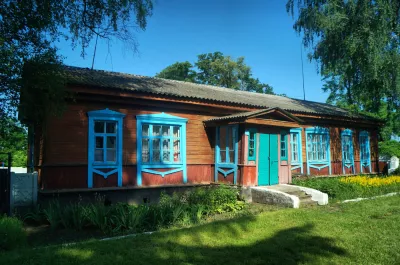
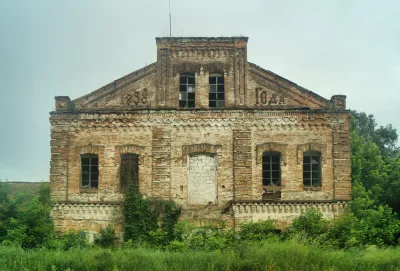
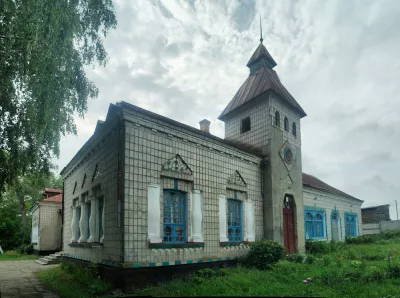
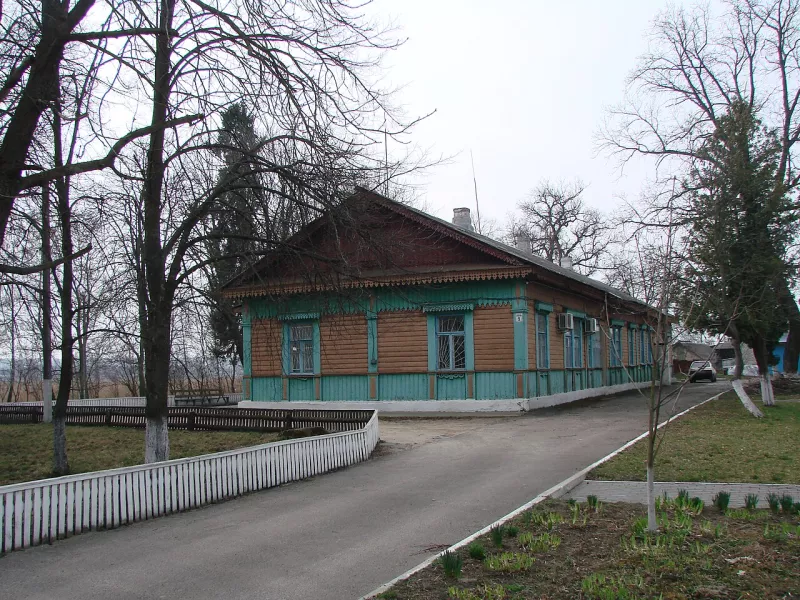
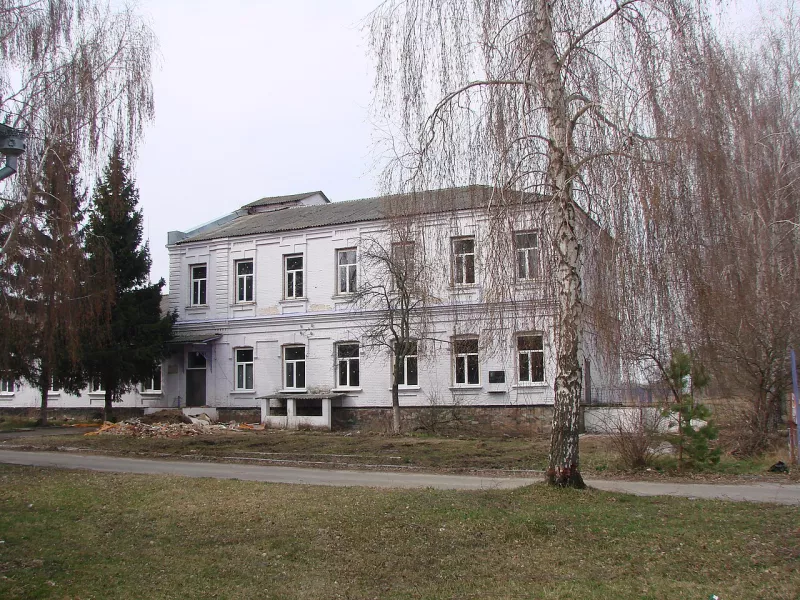
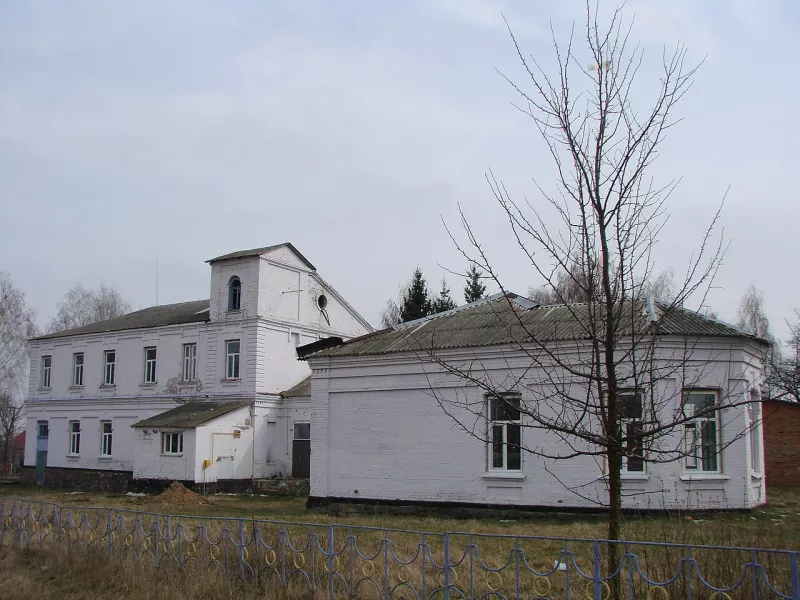
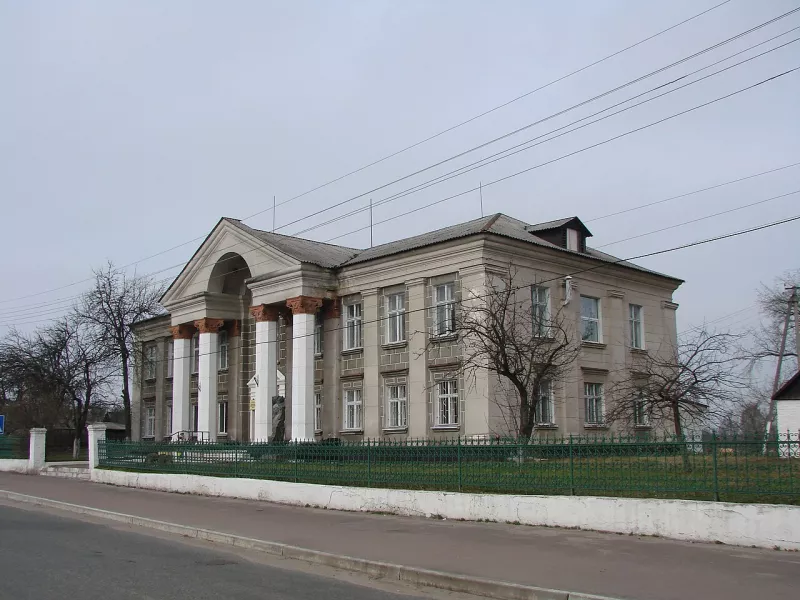
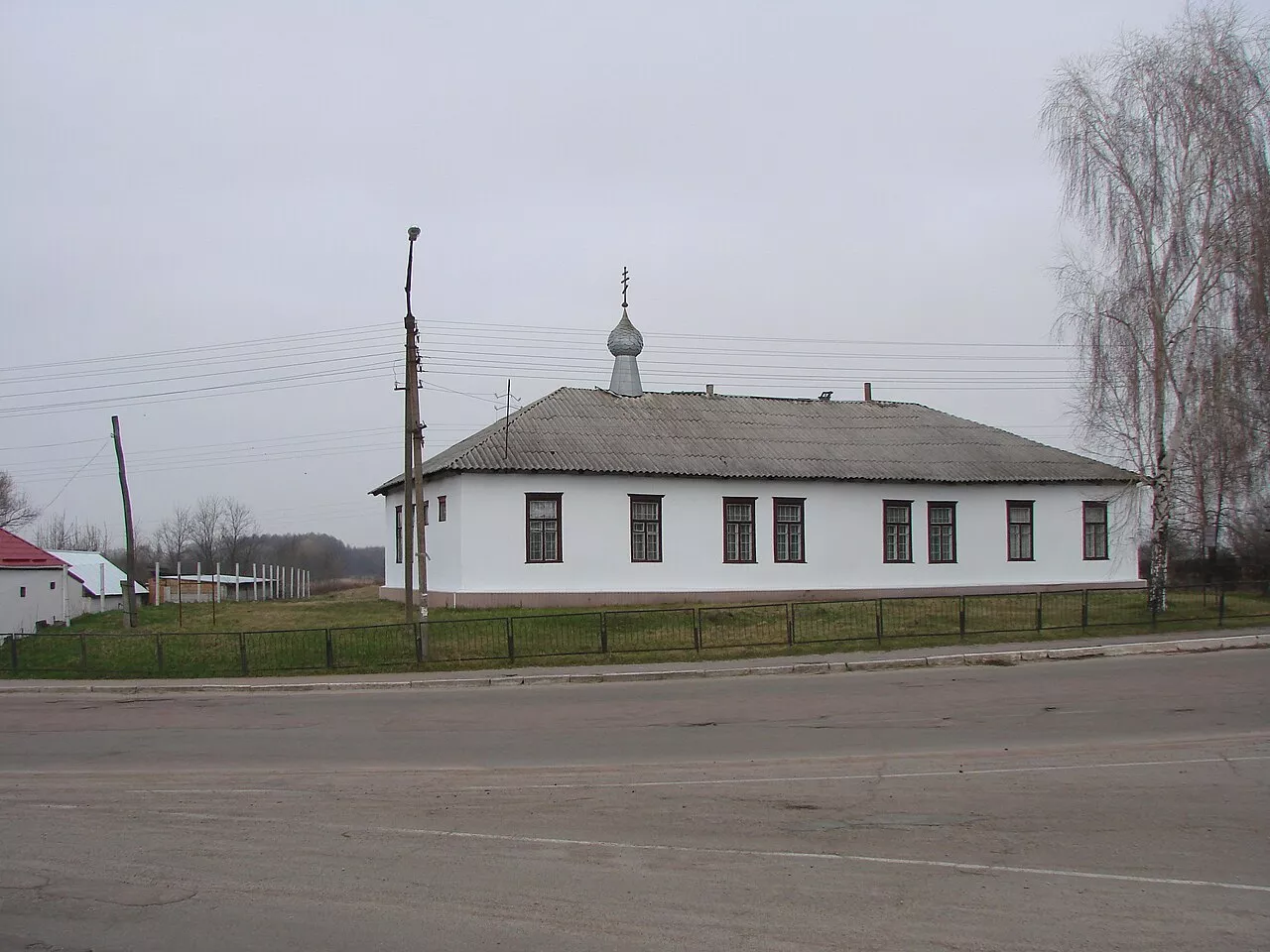
In the center of the settlement is an 11th–12th century hillfort, with ancient burial grounds on the outskirts. Remnants of the Capuchin church and monastery from 1784 have been preserved. The pride of Brusyliv is the wooden Synelnykov mansion from 1870 with a park, as well as the complex of the zemstvo hospital from 1903 and the building of the former Jewish school from 1909.
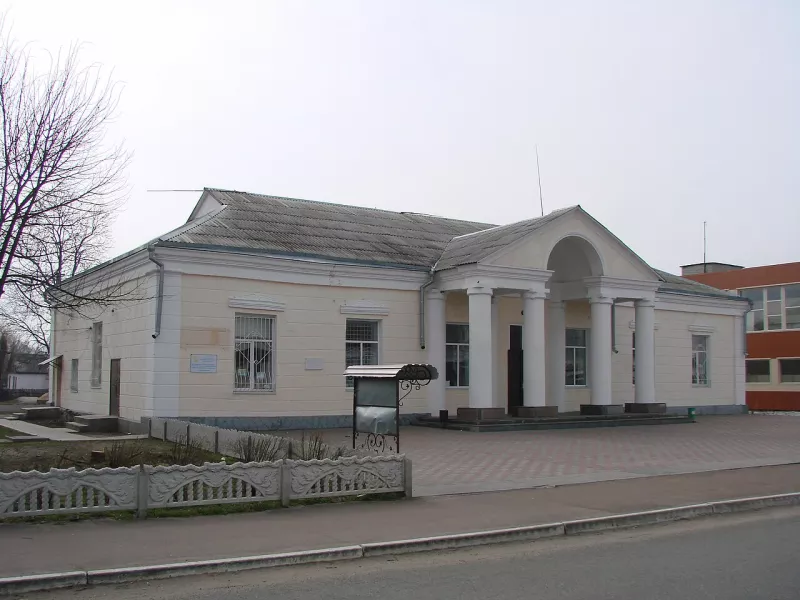
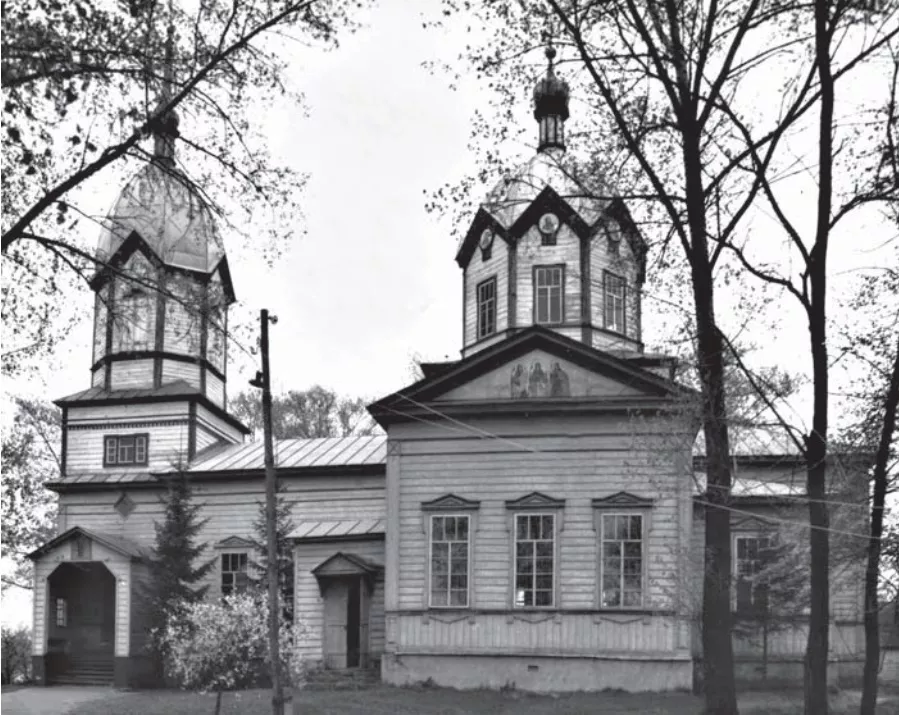
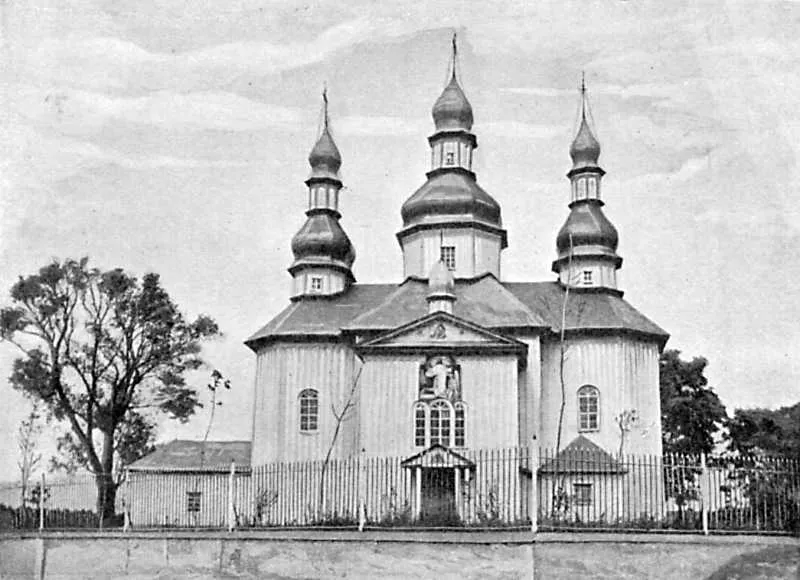
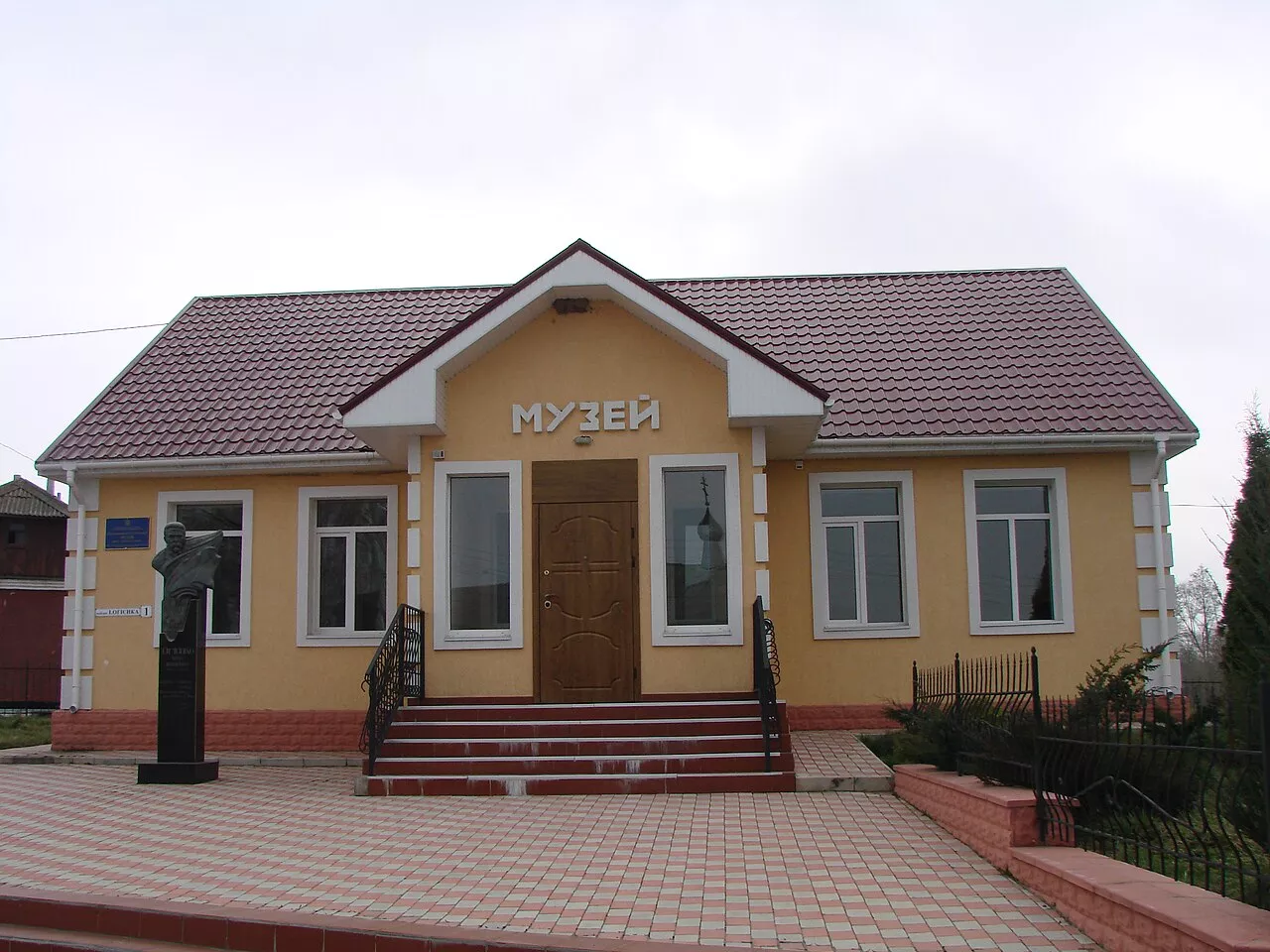
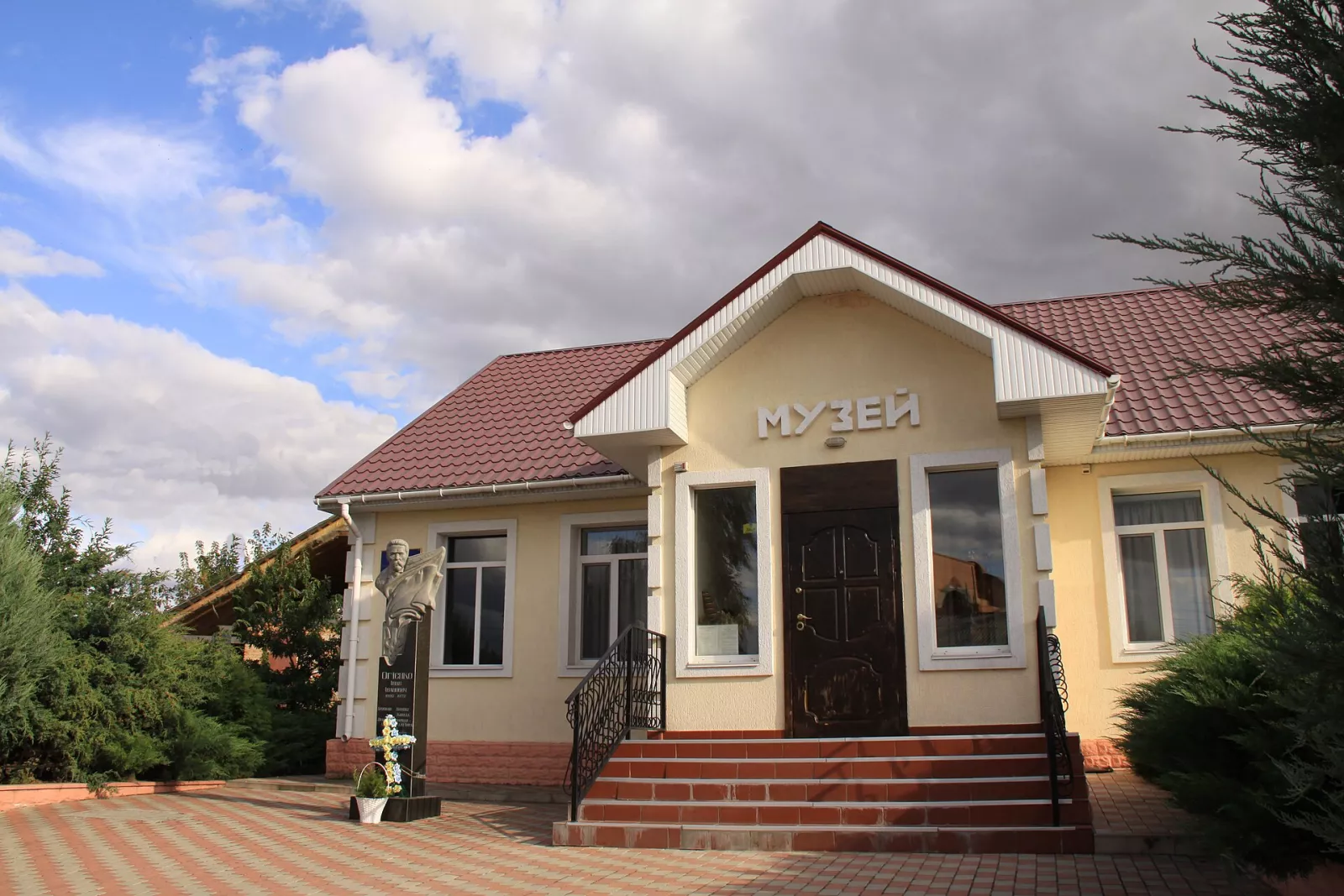
The wooden Resurrection Church from 1711 burned down in 1943, and the Ascension Church from 1839–1846 was destroyed in the 1930s. The history of the settlement is told at the Ivan Ohienko Historical Museum — a branch of the regional local history museum.
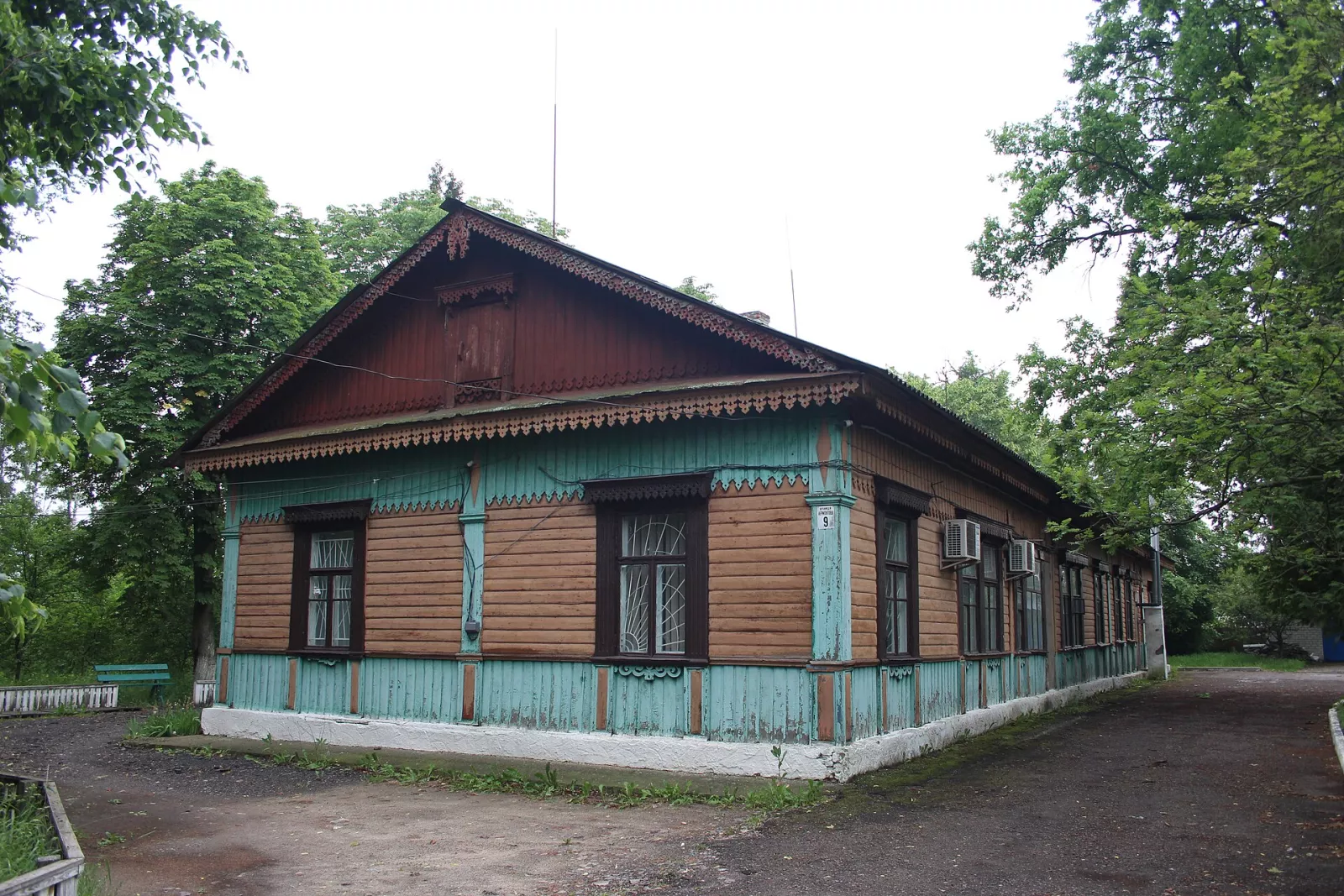
The Synelnykov Estate is the main architectural landmark of the settlement: a wooden manor house with a mezzanine, a watchman's lodge, fragments of an old fence, and a homestead park. The house stands beyond the bridge over the Zdvizh River and is clearly visible from the street.
Homeland of Ivan Ohienko
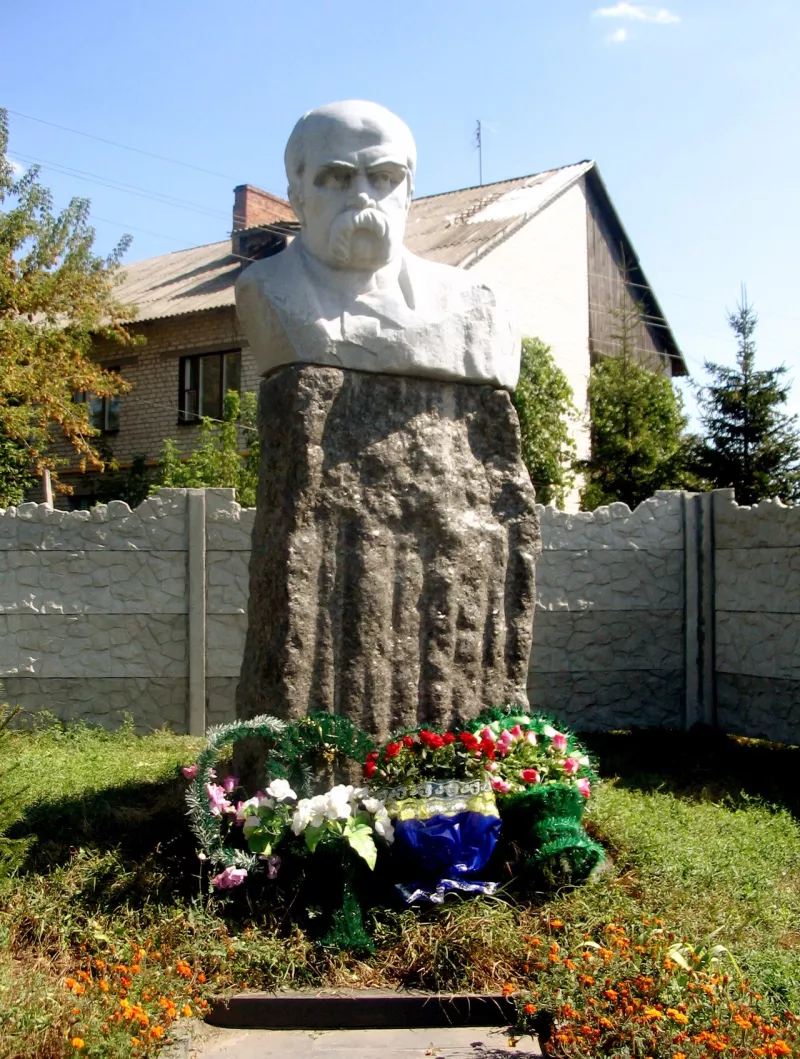
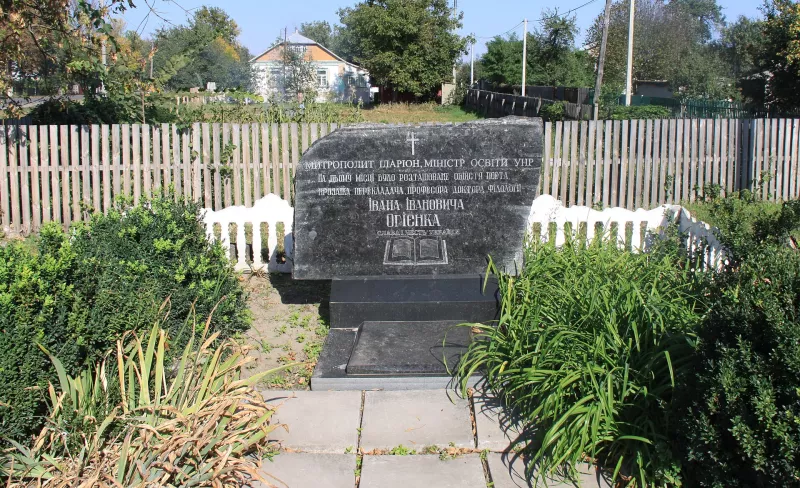
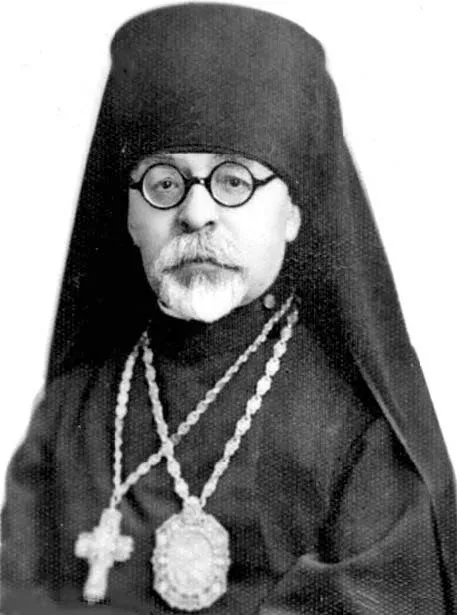
Ivan Ohienko was born in Brusyliv — a linguist, Minister of Education of the Ukrainian People's Republic, and translator of the Bible into Ukrainian, later Metropolitan Ilarion. On August 21, 2010, the first monument to Ohienko in Ukraine was unveiled here. The settlement also has a bust of Taras Shevchenko from 1997, and at the site where the Ohienko family homestead once stood, there is a memorial sign.
When to Visit
Brusyliv is convenient to visit on the way between Kyiv and Zhytomyr, especially in spring and autumn when the park near the Synelnykov Estate is at its most beautiful. Two to three hours is enough to explore the settlement.
Nearby
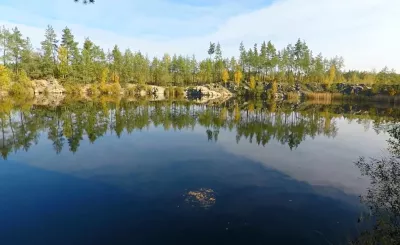
The Zdvizh near Brusyliv is quiet and flat, with reed-covered banks. A few kilometers west, between Vodoty and Karabachyn, a dam formed the Karabachynske Reservoir — also called Brusyliv Reservoir; carp, pike, and zander are caught here. For fishing spots downstream, see the article about the Zdvizh River.
Korostyshiv with its granite quarries is less than an hour away. Kyiv Polissia is very close. More in the article Zhytomyr District.
Also read
- Zdvyzh River: Where to Catch Perch and Pike from Brusyliv to Borodianka
How to Get There from Zhytomyr and Kyiv
It is about 70 km from Zhytomyr to Brusyliv, and about 87 km from Kyiv. From both cities, take the Kyiv — Chop highway, then turn south onto the regional road to the settlement.
Buses run from Zhytomyr and Kyiv; by car it takes about an hour from Zhytomyr and a little over an hour from Kyiv. There is no railway in Brusyliv, so you have to travel by bus or car. The schedule of suburban routes often changes — check it at the bus station before your trip.
Frequently Asked Questions
Where is Brusyliv located and in which district?
In Zhytomyr Oblast, on its eastern edge near the border with Kyiv Oblast. The settlement is part of Zhytomyr Raion and is the center of Brusyliv Hromada. Until 2020, it was the center of the separate Brusyliv Raion.
How many people live in Brusyliv?
About 7,000, with a significant portion being internally displaced persons. Before World War I, roughly the same number lived here.
What is the distance from Brusyliv to Zhytomyr and Kyiv?
About 76 km to Zhytomyr by road, and about 87 km to Kyiv.
Is the Brusyliv Offensive connected to the settlement?
No. The 1916 offensive is named after General Aleksei Brusilov, not the settlement in Zhytomyr Oblast.
Is there a Brusyliv in Chernihiv Oblast?
Yes, there is a village with the same name there — it was founded by settlers from Zhytomyr’s Brusyliv in 1611.