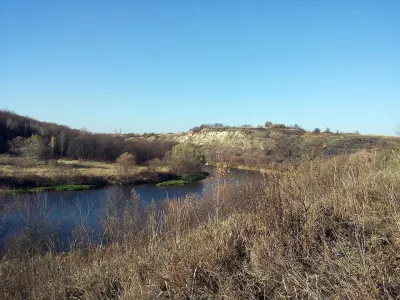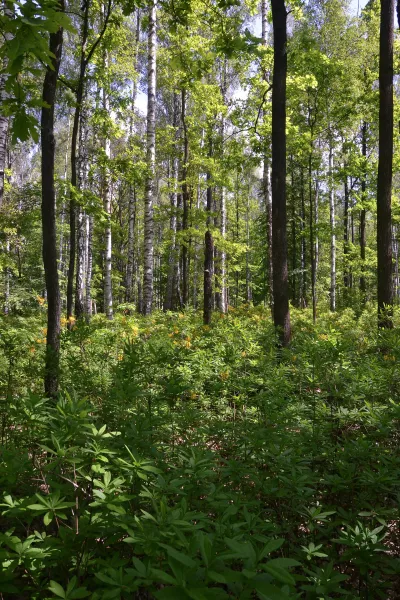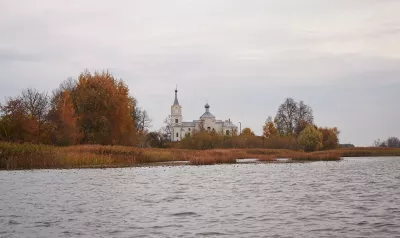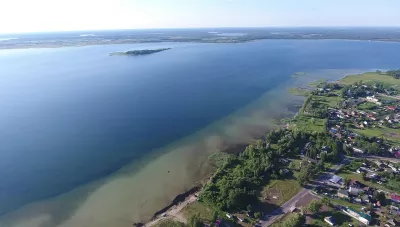

Sluch is one of the most fish-diverse rivers in Polissia: it is home to 37 species of fish and cyclostomes. It flows through the Zhytomyr and Rivne regions — from the reservoirs near Myropil and Liubar through Baranivka and Zviahel to the granite rocks of Nadsluchanska Switzerland, Berezne and Sarny, and flows into Horyn near Veliun. You can fish on Sluch for free along almost its entire length: pike and perch below the riffles, chub in the current, bream and roach in the reaches before the dams.
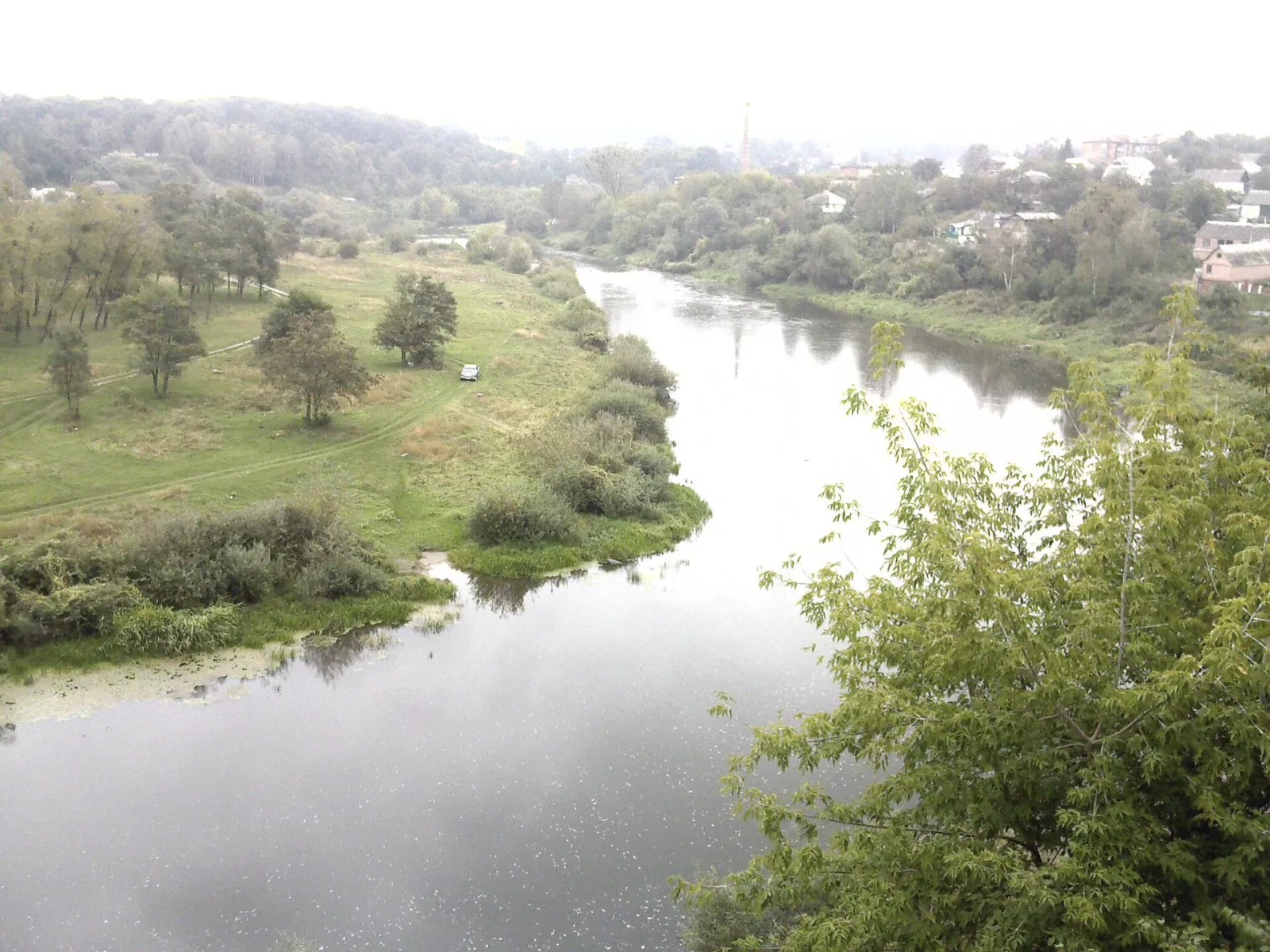
What fish can be found in Sluch
Most commonly, anglers catch pike, perch, roach, rudd, bream, chub, crucian carp and loach, and catfish and carp in deeper areas. According to reports from Bystrychi in the Berezne region, one can catch bleak, ruffe, barbel, undermouth, gudgeon, asp and catfish in a single area. The greatest number of species is recorded near Marynyn. Rare dace, burbot, Dnieper barbel and Ukrainian brook lamprey also live in Sluch — Red Data Book species are released; how to identify them is described in the article Red Data Book fish and crayfish of Polissia.
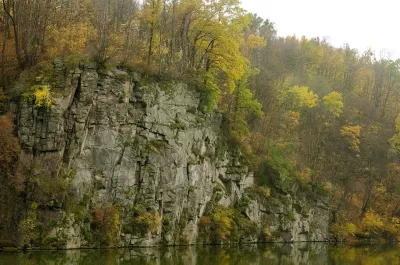
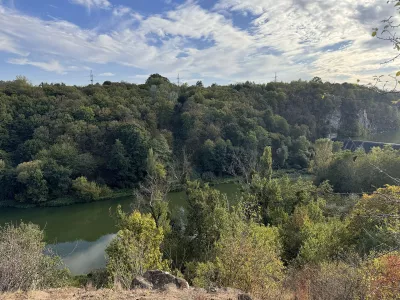
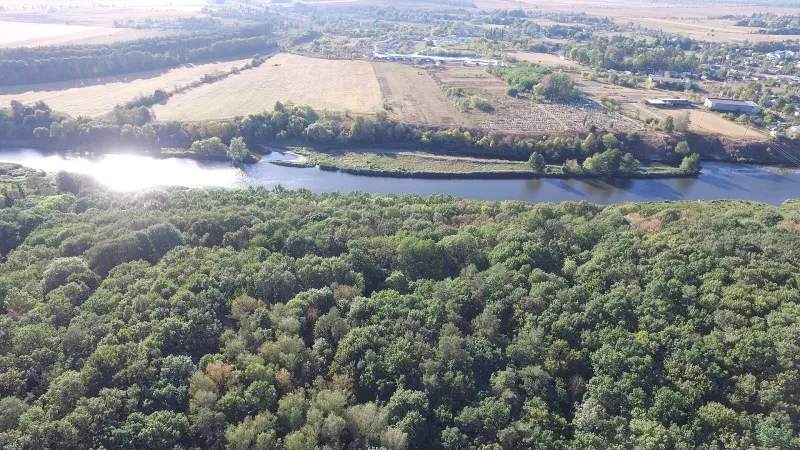
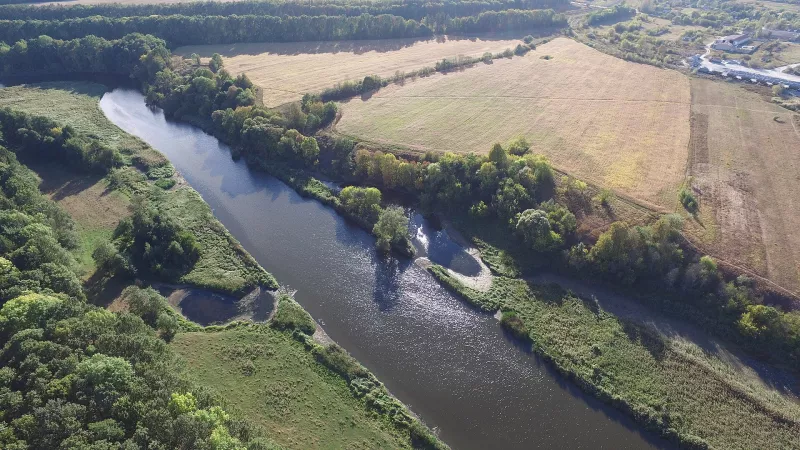
The current on Sluch is brisk, the water is clean, and in the middle course the river forces its way through granite: rapids and reaches between rocks alternate, so predators are sought below the riffles, under stones and near eroded banks. A general description of the river can be found in the article Sluch.
Reservoirs near Myropil and Liubar
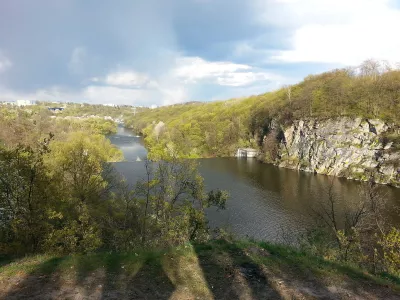
On the upper Sluch in the Zhytomyr region, the river is dammed by small hydroelectric power plants, and wide reaches have formed in front of them. Near Liubar, in Provalivka and Stara Chortoryia, people fish in three reservoirs — here they catch pike, perch, roach, rudd, crucian carp and bream. Read details about these places in the article Sluch near Liubar: where to catch pike and perch. Further upstream, near Myropil, the river flows among forests and rocky banks.
Near all these dams there are wintering pits: in Liubar — from the bus depot to the hydroelectric station dam, in Provalivka — from the church to the dam, in Stara Chortoryia — from the park to the dam, in Myropil — from the dam upstream against the current.
Baranivka, Zviahel and Kurchytsia
In Baranivka and Zviahel, Sluch flows right through the towns, and locals fish from the municipal banks, near bridges and dams. Here they catch roach and crucian carp with a float rod, bream with a feeder in deeper areas, pike and perch with a spinning rod near stony riffles and bluffs, and catfish with a bottom rod at night.
One of the most famous spots for Zviahel anglers is Kurchytsia upstream. The bridge across the river serves as a dam there, and to the left of it in the middle of the channel lies a large pit with a stony bottom, where carp of 3–4 kg are caught; the best bait, anglers say, is potatoes. About 70 meters upstream from the bridge is a sandy shallow where catfish come out. But this exact area — from the bridge 400 meters upstream to Popova Hora — is a wintering pit, so fishing is prohibited here from November. Several other pits in the Zviahel region are located in Zviahel itself from the mill to the rock, near Oleksandrivka, Verbivka, Mala Tsvilia, Chyzhivka and Peremoha.
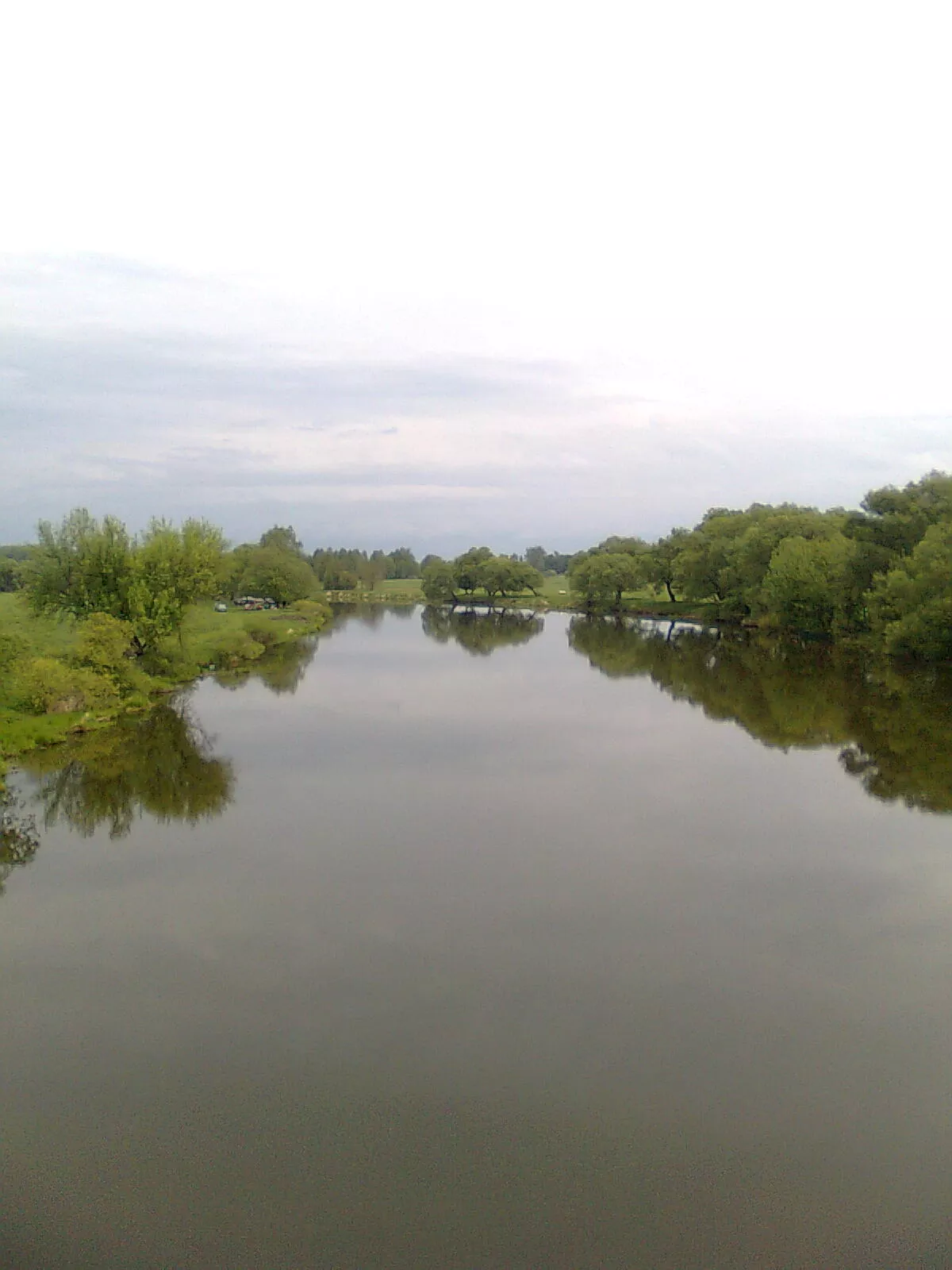
Nadsluchanska Switzerland
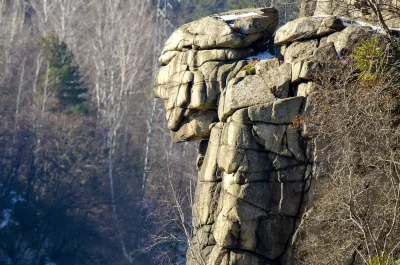
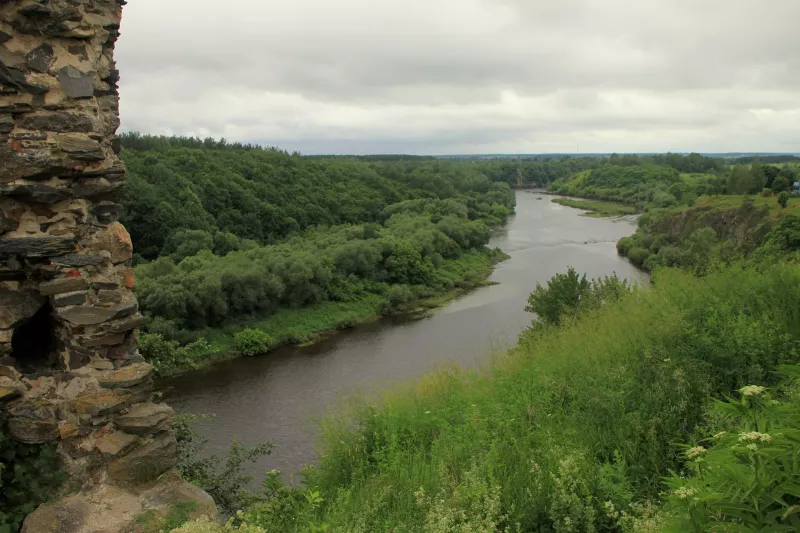
In Rivne Region, between Hubkiv and Sosnove, Sluch flows among granite cliffs covered in pine forest. This is the most scenic section of the river and a favourite spot for kayakers — Sokolyni Hory with cliffs up to 25 metres high, the ruins of Hubkiv Fortress, and tracts with rapids. Fishing with a spinning rod is interesting here: pike and perch stay in holes under the rocks and below the rapids, while chub dwell in the current. Near Marynin, which has the greatest variety of fish, people also fish with a float rod for roach and rudd.
The banks are protected by the Nadsliuchanskyi Regional Landscape Park and Sokolyni Hory Reserve, so visitors behave as they should in a protected area: no campfires on the rocks and no litter. The wintering pits in this section are located at the bend near Marynin under Knyazha Hora, near Hubkiv under Zayacha Skelya, between Sosnove and Hubkiv near Sokol Rock, and in the "bay" near Kamiany-Sluchanskyi.
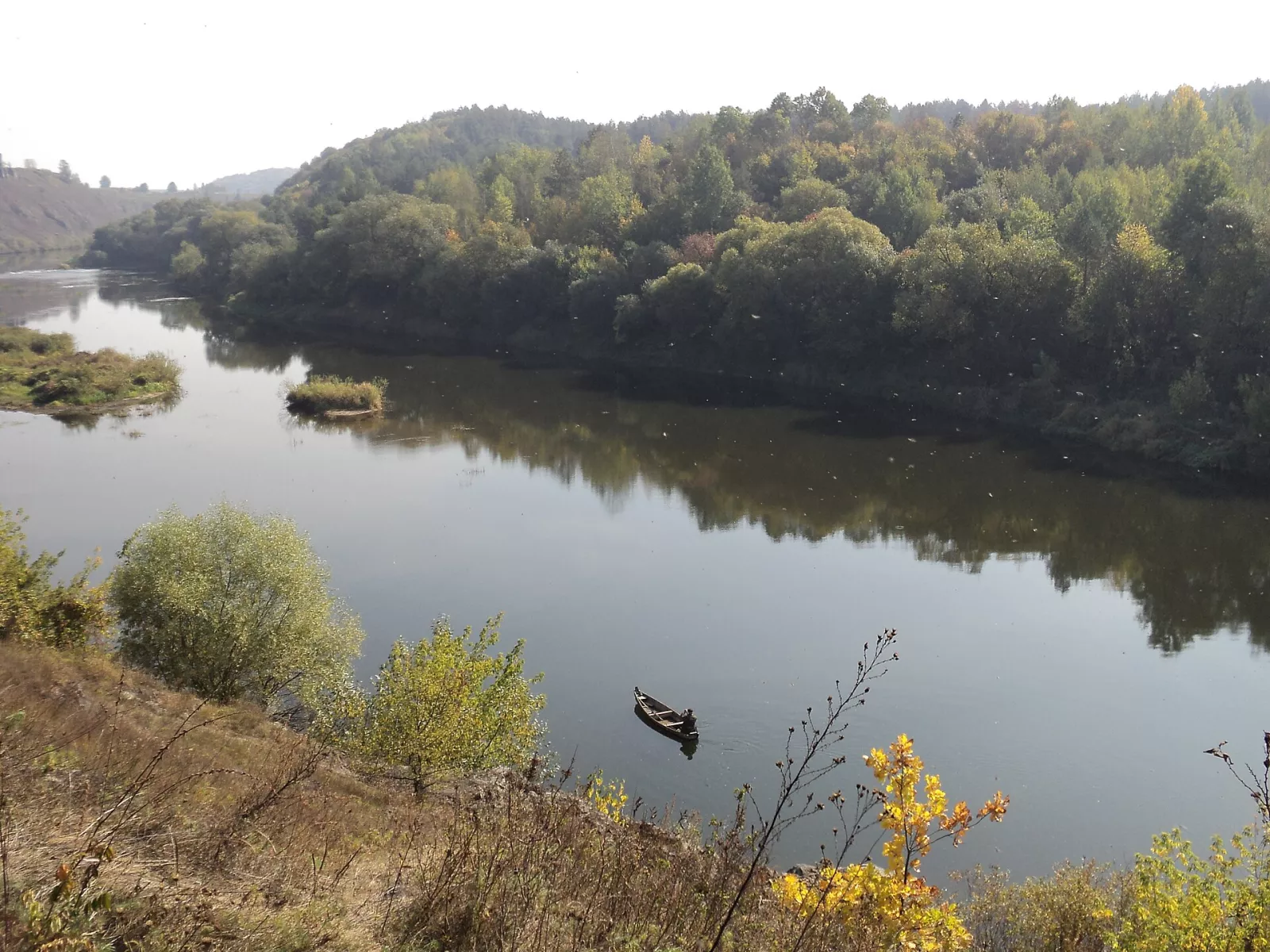
Berezne, Sarny and the Lower Reaches
Near Berezne and Bystrychi, Sluch widens, with depths ranging from 1 to 4 metres. Anglers note the variety of fish, but say they are cautious, and the river has been growing shallower over the years, so patience is a must here.
Further down, near Sarny, Sluch enters the Polissia Lowland and flows through meadows towards Horyn. The wintering pits in the lower reaches are located near Kolky (500 metres upstream from the bridge), Porubka and Berezhky, where the riverbeds join.
How and What to Fish With
- Pike and perch — with a spinning rod below riffles, near rocks and steep banks, using spinners, wobblers and soft plastic baits.
- Chub — in the current and at riffles, using small wobblers, bread or corn.
- Roach, rudd and crucian carp — with a float rod using maggots, bloodworms, earthworms or dough, in quiet bays and upstream from dams.
- Bream and carp — with a feeder rod and groundbait in the open stretches of reservoirs and in deep holes.
- Catfish — with a bottom rod at night near holes and sandy shoals.
In spring, Sluch can be very full of water and overflows its banks, so the best time for the river is after the water level drops, once the spawning ban ends. Autumn is the season for predators. General fishing regulations apply, and from 1 November fishing is prohibited in wintering pits — list and map of pits.
How to Get There
Buses run from Zhytomyr to Zviahel, Baranivka and Liubar, and from Rivne to Berezne and Sarny; trains also pass through Sarny. It is more convenient to travel to Kurchytsia and Hubkiv by car. For a float trip combined with fishing, journeys start near Hubkiv.
Float fishing on Sluch in Zhytomyr Region
Nearby
Regional overviews — Fishing in Zhytomyr Region and Fishing in Rivne Region. Further downstream, Sluch flows into Horyn, the main fishing river of Rivne Region.
Frequently Asked Questions
Can you fish on Sluch for free?
Yes, Sluch is a public body of water. Fishing is free, except in wintering pits from 1 November and during the spawning ban period.
Where can you catch pike on Sluch?
On the reaches of the reservoirs near Liubar, below the riffles and rapids in the Sluch Switzerland, near the cliffs in Zviahel and Baranivka.
Which section of the Sluch is the most picturesque for fishing with a tent?
Between Hubkiv and Sosnove in Rivne Oblast, but this is a landscape park: pitch your tent only where permitted, and do not light fires on the rocks.