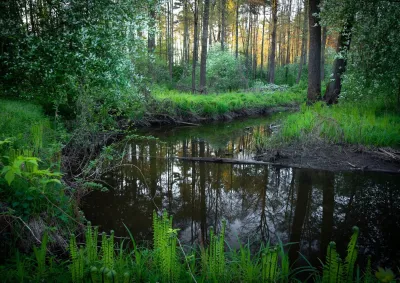
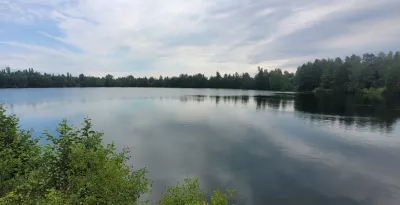
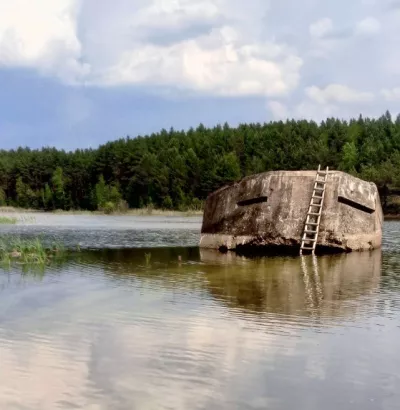
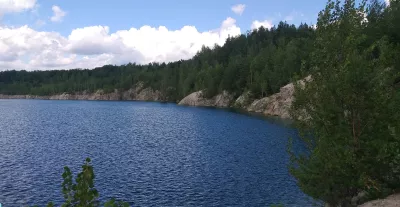
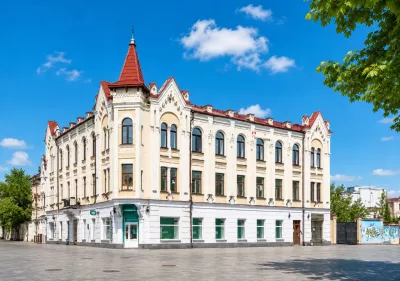
Andrushivka is a city on the Guiva River, 47 km from Zhytomyr, and the center of the Andrushivka urban hromada of Berdychiv district. The first written mention of it dates back to 1683, when Andrusivka — as the village was called back then — was listed among the devastated settlements. In the 18th century, Poles began calling it Andrushivka. Andrushivka received city status in 1975; according to the 2001 census, 9,890 people lived here.
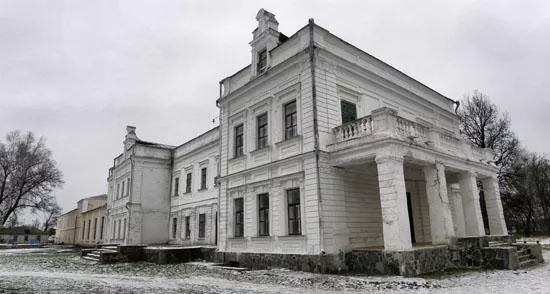
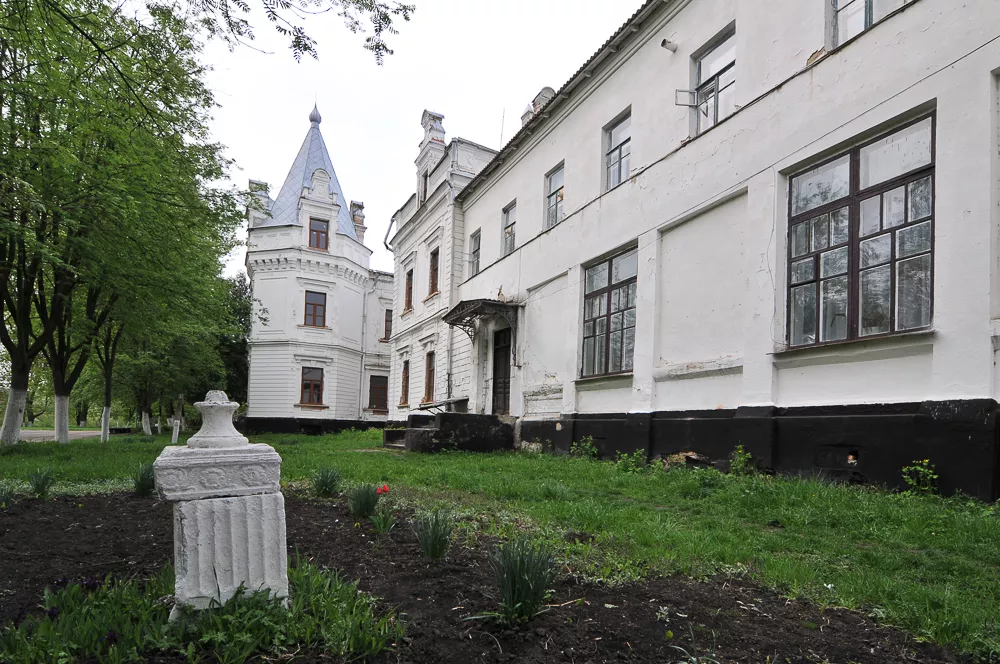
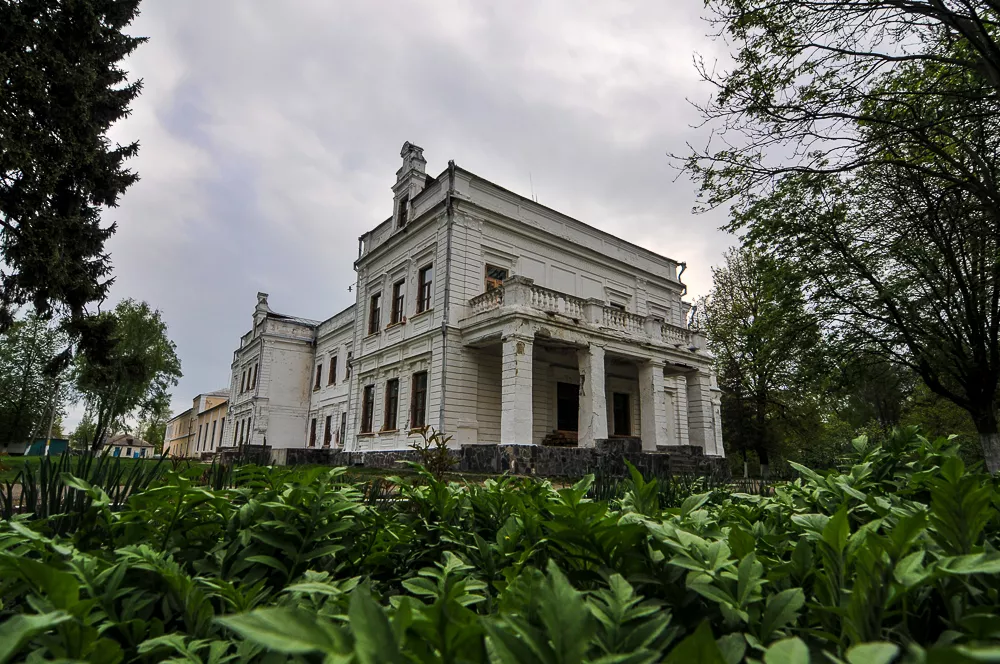
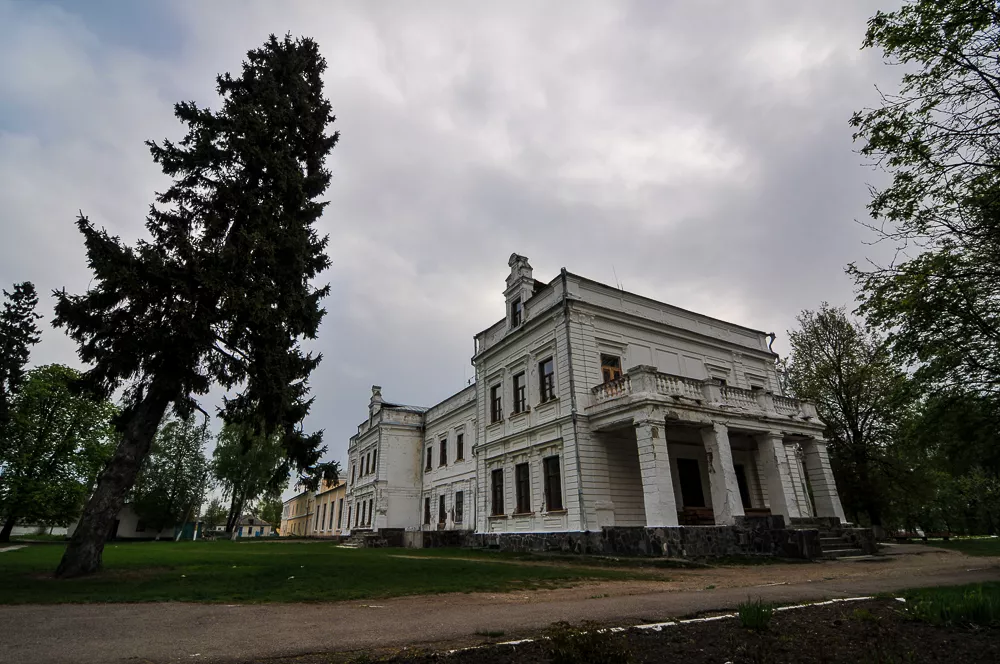
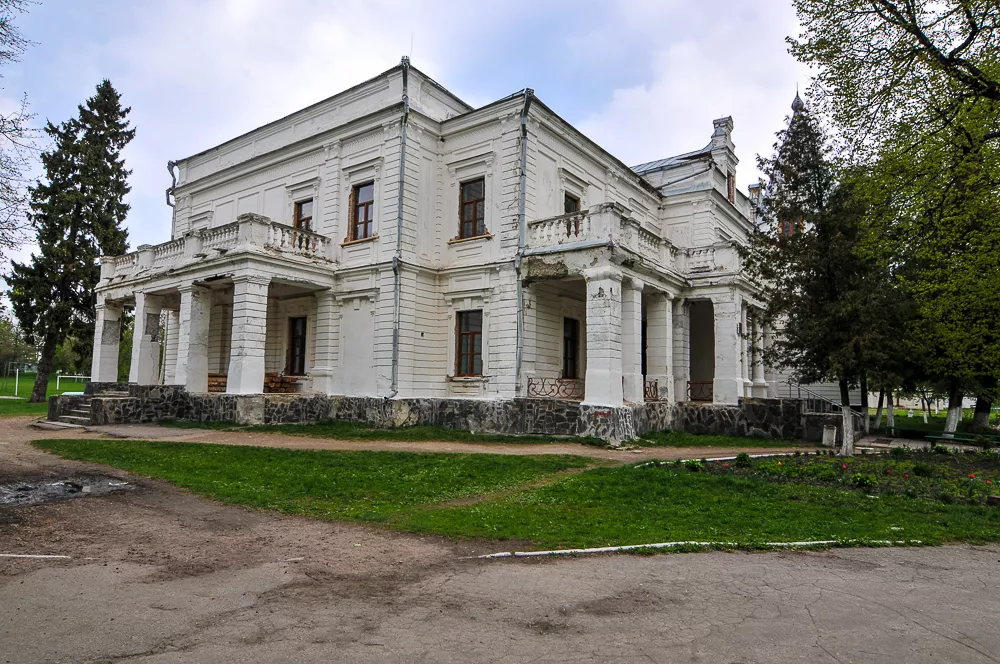
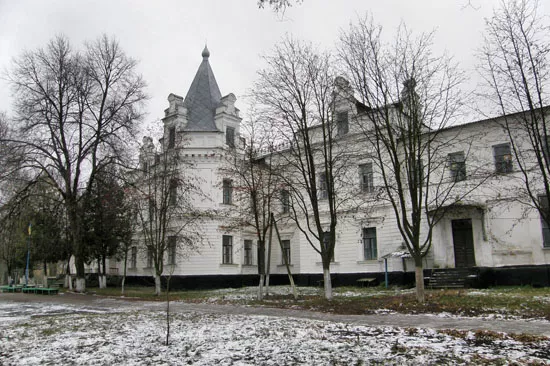
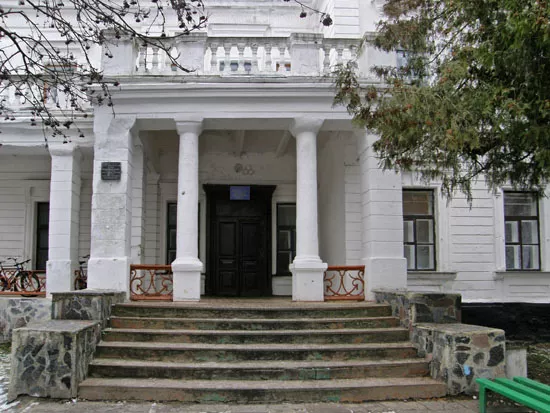
Berzhynsky-Tereshchenko Palace.
Berzhynskys, Tereshchenkos, and sugar
From the late 17th century, Andrushivka belonged to the Polish Berzhynsky family, who laid out a park here and built a palace. In 1848, a sugar refinery was opened in Andrushivka — the first in the region, and it is still operating today. The enterprise caught the attention of the "sugar kings" Tereshchenkos, who in 1869 purchased the factory along with the Berzhynsky estate and 18,600 dessiatines of land (approximately 20,000 hectares). Most of these lands were arable: wheat and sugar beets were grown here.
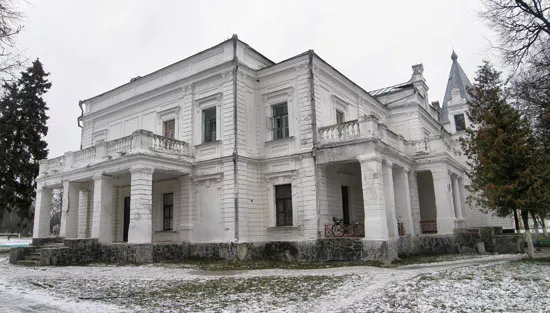
Palace and park
Commissioned by Mykola Tereshchenko, the Berzhynsky palace was rebuilt in the French Neo-Renaissance style. It became part of the large "collection" of palaces and estates of the Tereshchenko family — in Denyshi, Turchynivka, Chervone, Vorzel, and other places. As in most of them, the Tereshchenkos did not live here permanently: this was a country residence, while the magnates themselves lived in Kyiv. Nearby stood an outbuilding connected to the palace by a gallery-greenhouse.
Under the Tereshchenkos, the park originally planted by the Berzhynskys expanded significantly. Century-old trees still grow here, including two cork oaks. Today they are protected, although at one time bark was gradually peeled from them for souvenirs.
The Tereshchenkos cared for the peasants: a hospital operated at the estate, schools in the estate villages were funded, and the workers were well paid. Therefore, the peasants fulfilled the request of the last owner, who before the arrival of the Bolsheviks asked not to destroy the palace, but to use it for useful purposes. At first, a revolutionary committee was housed here, and in 1920 — the headquarters of the First Cavalry Army; according to legend, Budyonny himself addressed the peasants from the porch of the palace.
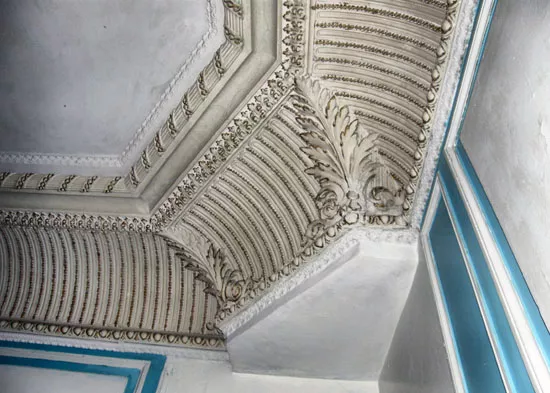
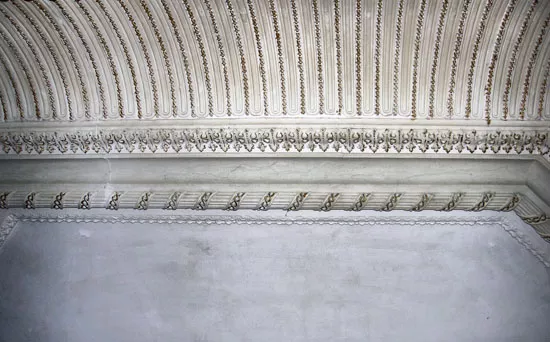
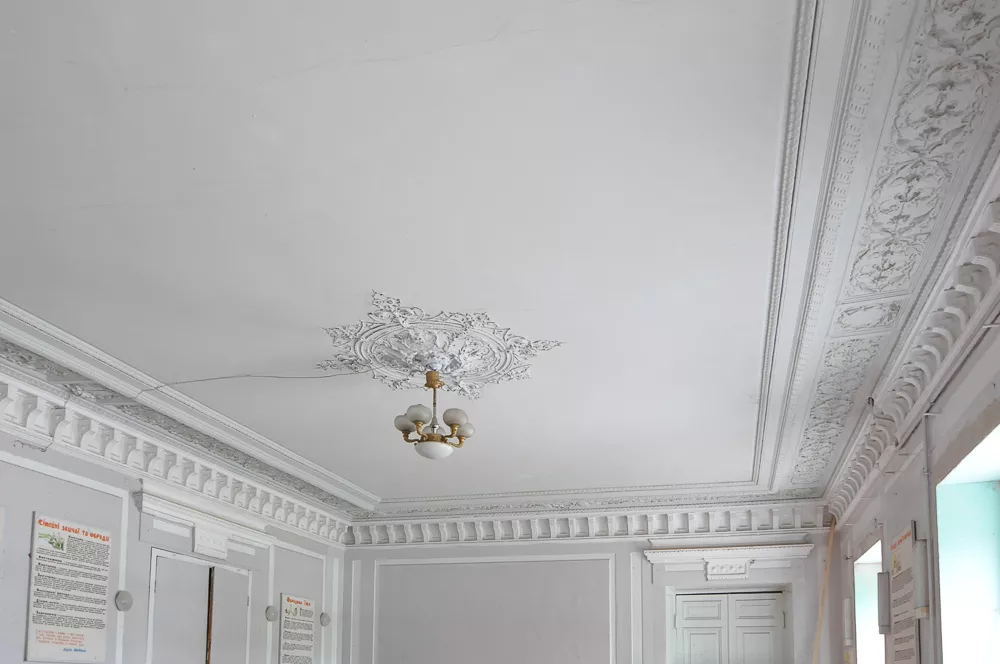
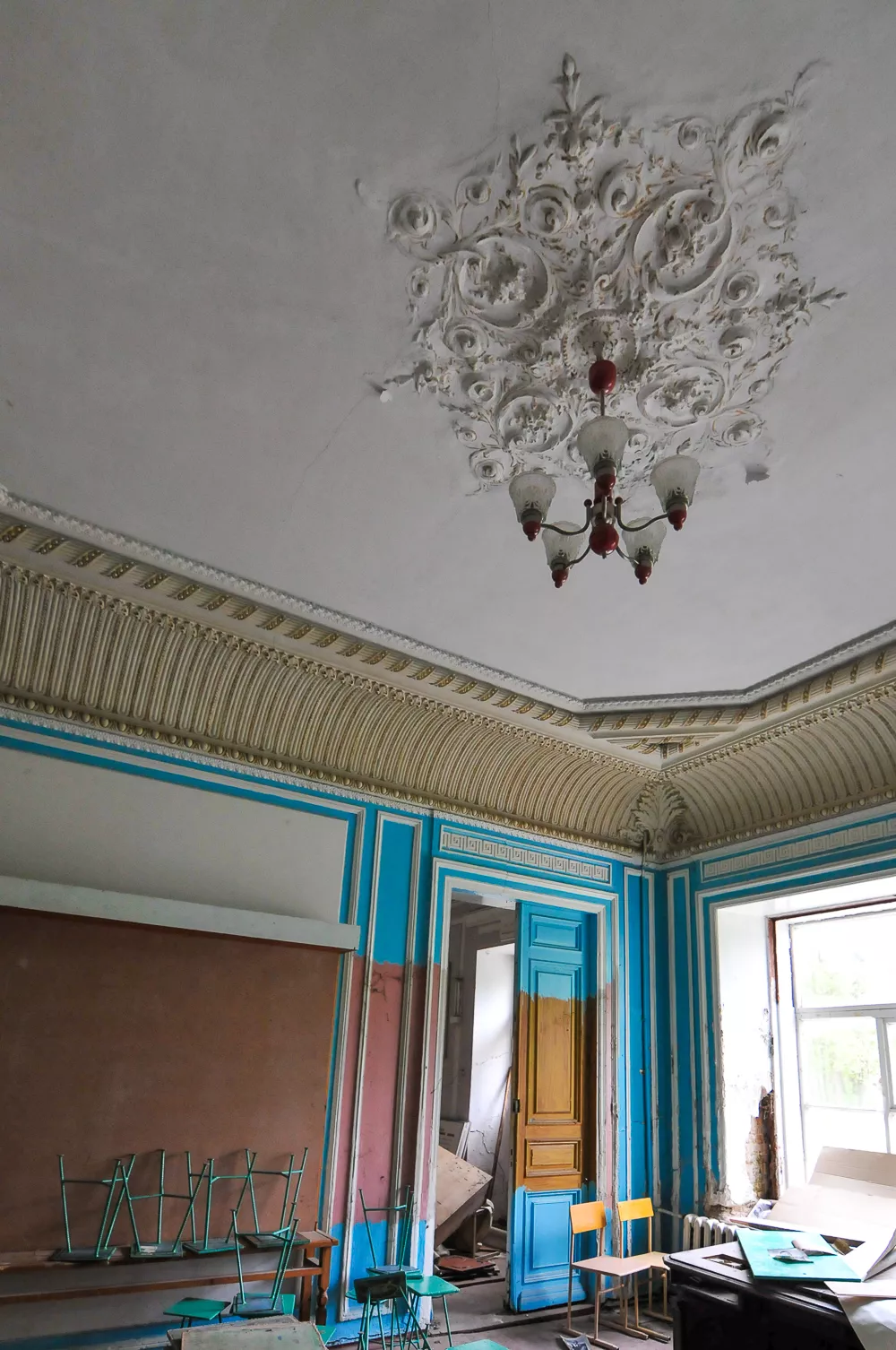
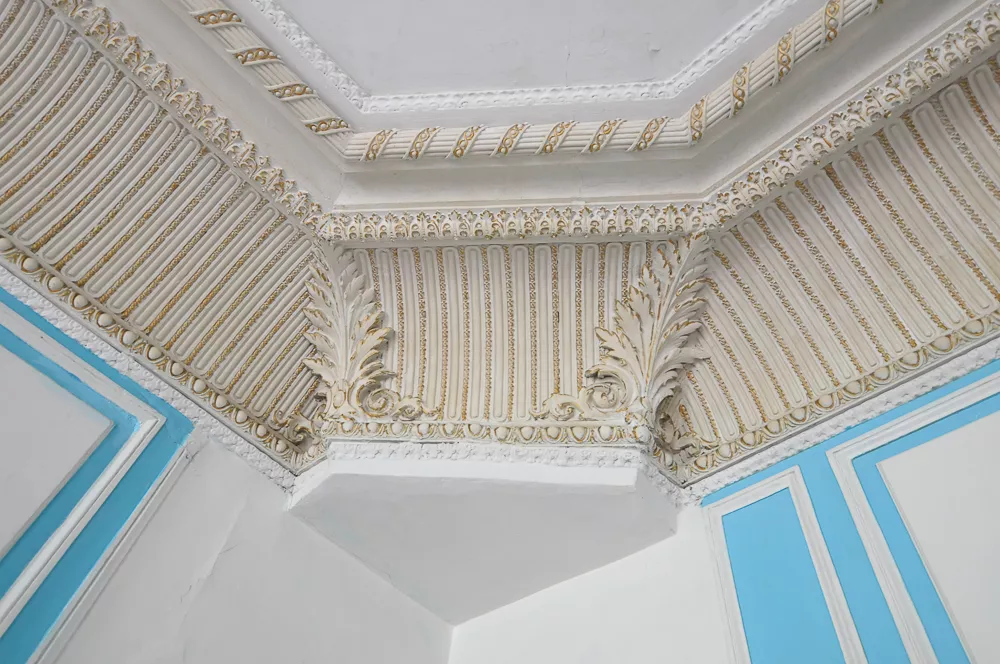
Remnants of stucco molding in the palace.
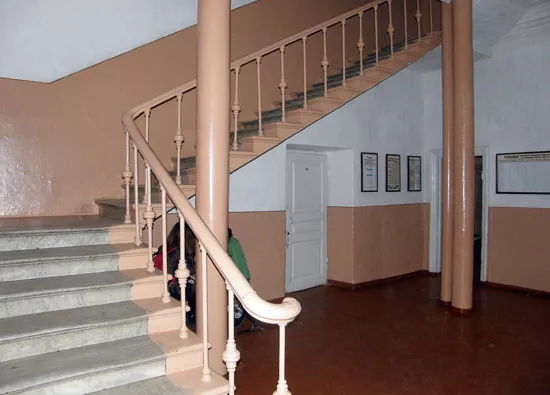
Marble stairs.
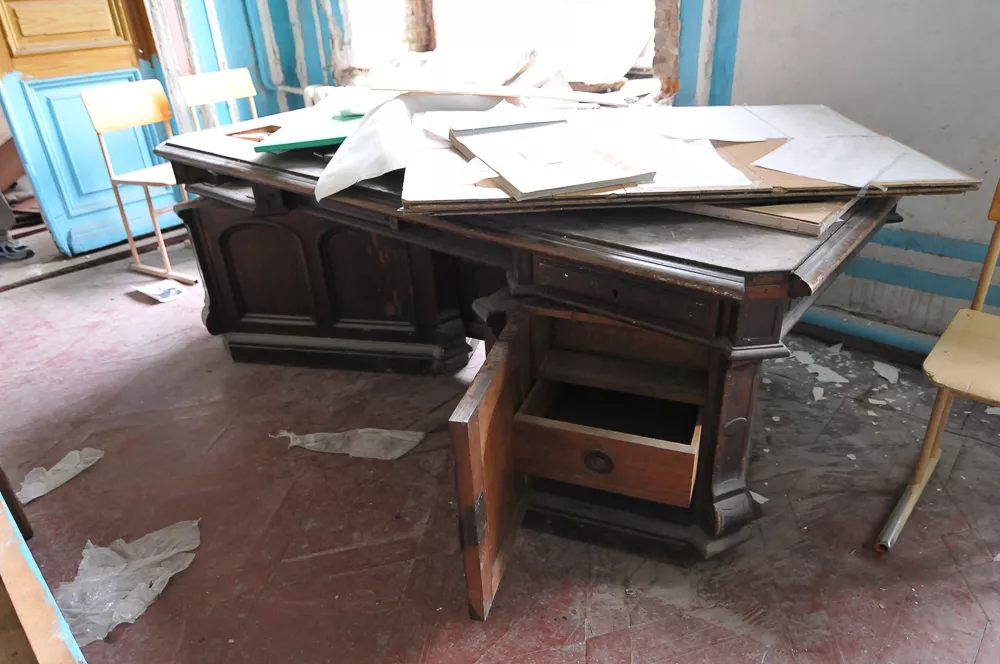
In the 1920s, a general secondary school was opened in the palace, which operates to this day. The luxurious rooms were converted into classrooms, so little remains of the Tereshchenkos' interiors: fragments of stucco molding and marble stairs worn down by thousands of students. Read more about the building, the park, and the old kirkut in the article «The Berzhynsky-Tereshchenko Palace in Andrushivka».
Near the palace in the park, there is a memorial to local residents who died in World War II.
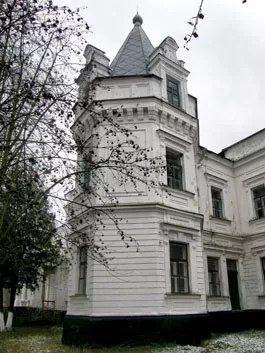
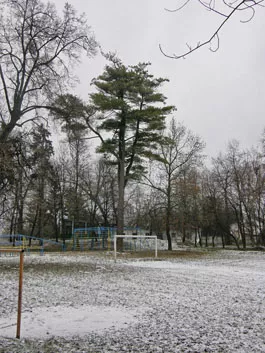
The palace tower and a fragment of the park.
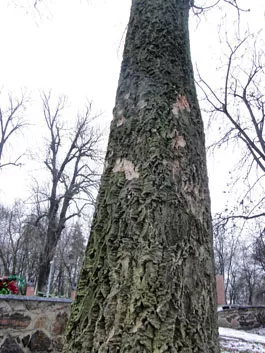
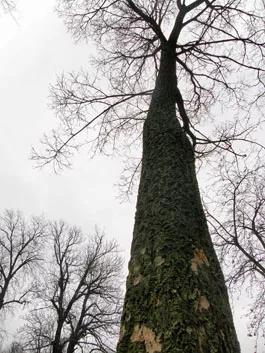
Cork oak.
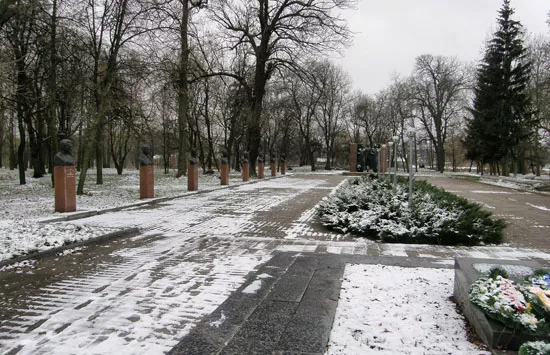
Memorial.
What else to see
Opposite the entrance to the park stands the Roman Catholic Church of Saint Blaise, built in 2007–2010. Nearby, in Halchyn, the private «Lipny Rano» observatory operates, and the trip can easily be extended to the Tereshchenko palace in Chervone and the estate in Turchynivka.
Text and photos by Roman Malenkov; additional photos by Serhii Shcherbii.