There are several settlements in Ukraine named Lebedivka — in the Cherkasy, Odesa, Kyiv and other regions. However, Lebedivka in the Zviahel district of the Zhytomyr region holds special historical and cultural value, connected with Polish heritage and sacral architecture.
The Historical Past of the Village
Until 1960, the village of Lebedivka was called Sloboda-Chernetska and served as the center of a village council. It is located approximately 25 km from Zviahel (until 2022 — Novohrad-Volynskyi) and 8 km from the Novohrad-Volynskyi II railway station.
At the beginning of the 20th century, these lands in the west of the Zhytomyr region were inhabited mostly by Polish communities. This is why the Marchlewski Polish National District was formed here in 1925, where Polish peasants had their own village councils, schools, and collective farms, and parishes were able to build churches for some time.
St. Stanislaus Church — A Unique Landmark
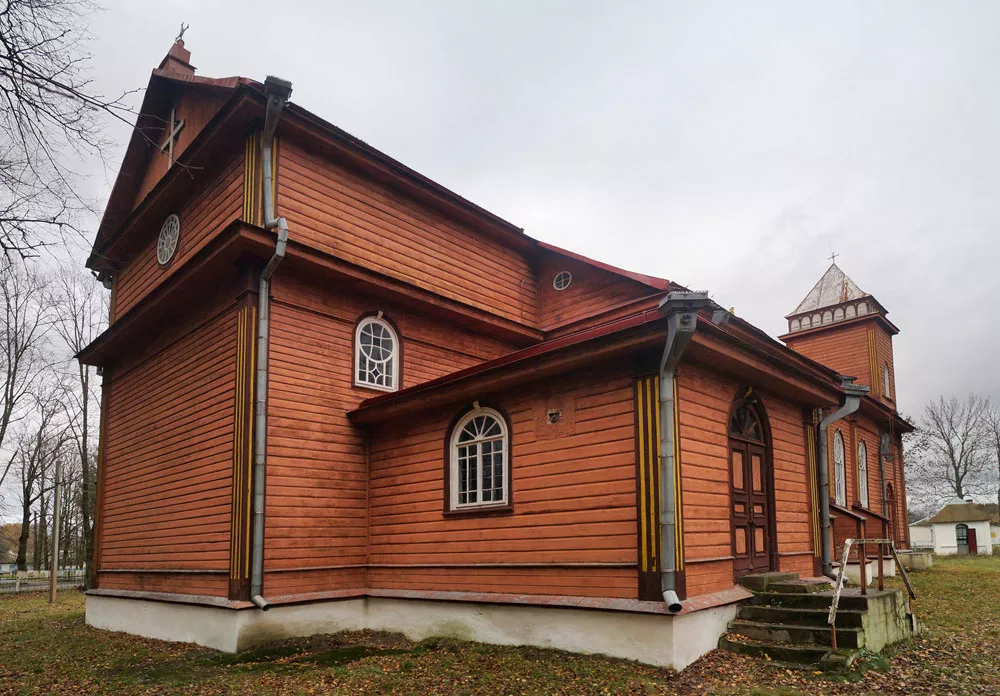
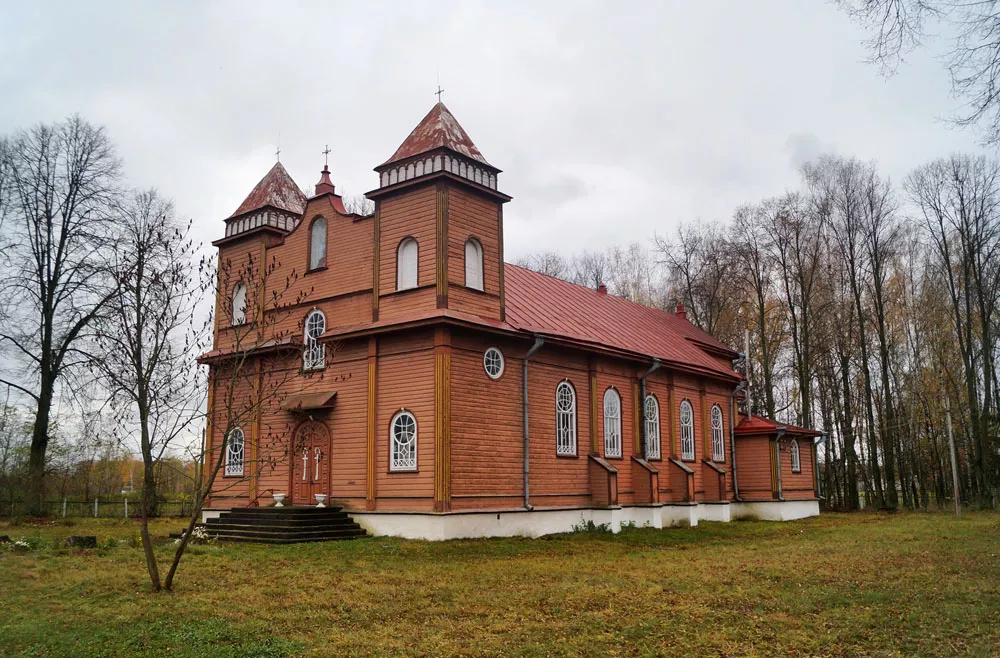
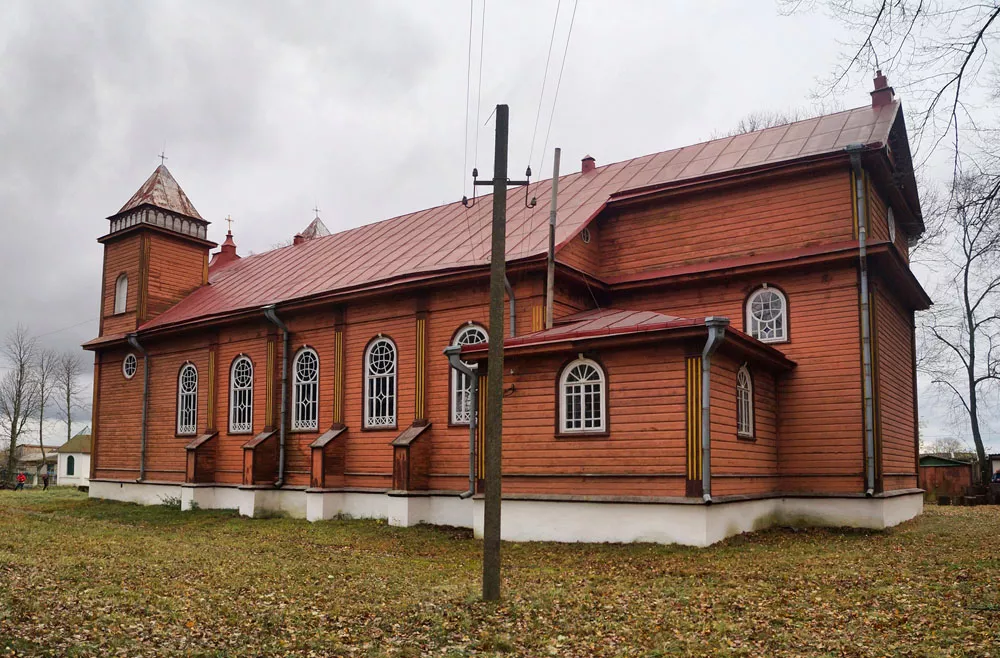
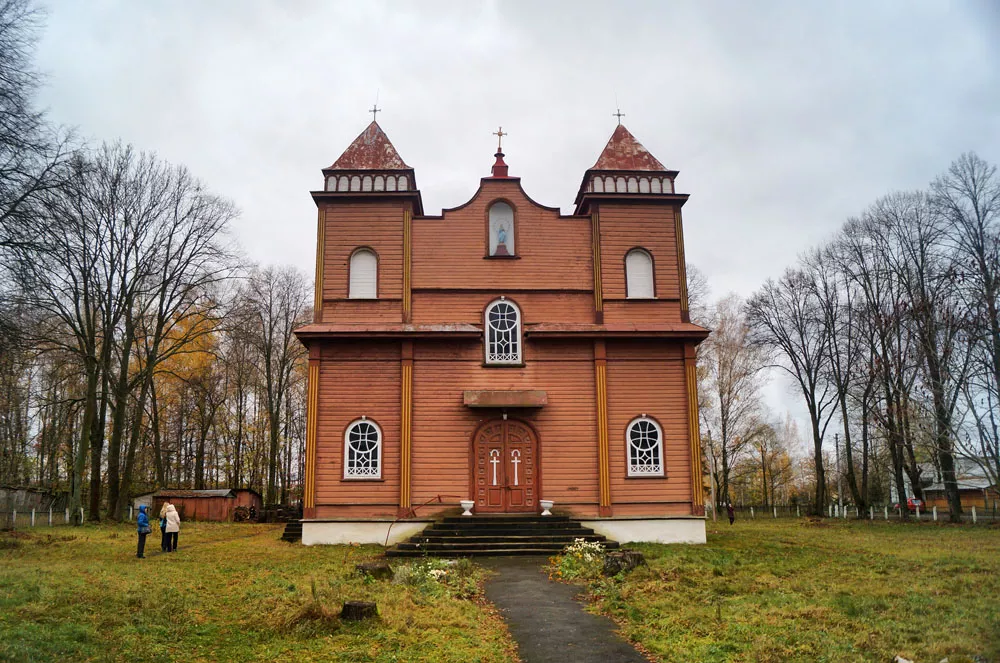
The most famous historical structure in Lebedivka is St. Stanislaus Church, a Roman Catholic shrine built in 1925–1927. According to local lore, before construction began, the parish numbered nearly 5,000 believers, including residents of neighboring villages, and had prepared materials in advance while finding a master named Swiderski, who built the church together with his sons.
Local legends associate the permission to build the church with the personal signature of Vladimir Lenin. Because of this, the church was unofficially called "Leninist" — so paradoxical was the construction of a large Catholic shrine during the period of the Soviet authorities' struggle against religion.
The church is made of wood and built without the use of nails, representing a rare example of traditional technique. The structure impresses not only with its architecture, but also with its history connected to the preservation of the faith and cultural traditions of the region's Polish community.
Periods of Closure and Restoration
During collectivization and repressions, the church was closed in 1931: the towers were destroyed, and the premises were turned into a grain warehouse. During the years of World War II, the shrine was reopened. Today, St. Stanislaus Church is considered one of the best-preserved wooden Roman Catholic churches in the Zhytomyr region. It is cared for by priests from Zviahel.
Polish Heritage and the History of the Region
In the 1920s–1930s, a significant Polish community lived in the Zhytomyr region, shaping its own social and religious life. Polish collective farms, parishes, and cultural centers emerged around Lebedivka.
However, in 1935, the Marchlewski district was liquidated. The Polish population suffered deportations and repressions — some people were exiled to Kazakhstan, while others dispersed across the territory of the USSR. These events left a deep mark on the memory of local communities and changed the demographic composition of the region.
Lebedivka Today
Today, Lebedivka is a small village: according to the 2001 census, 290 people lived here. It is part of the Bronyky amalgamated hromada of the Zviahel district and preserves its historical and cultural heritage.
Lebedivka is not only a rural area, but also a symbol of the preservation of historical memory, where ancient Polish traditions blend with the modern life of the Ukrainian community.
Why Lebedivka is worth your attention
- Historical name — the village was known as Sloboda-Chernetska;
- Cultural heritage — the unique wooden Saint Stanislaus Church;
- Polish past of the region — the community and its own parishes in the 20th century;
- Modern life — preservation of memory and religious tradition in a small village.
Lebedivka in the Zhytomyr region is not just a small village, but a place with a rich history that preserves the memory of the complex pages of the 20th century and a significant cultural heritage. Nearby, in the neighboring settlement, you should also see Kamyanyy Brid with the Church of Saint Teresa.
Text and photos by Roman Malenkov, Serhii Shcherbiy