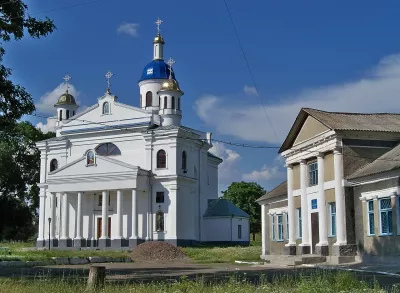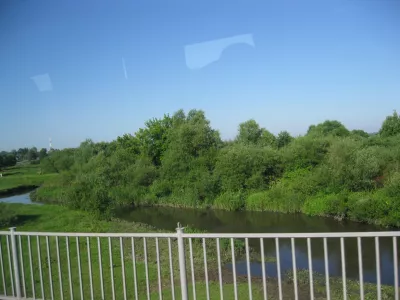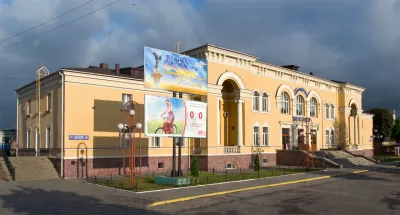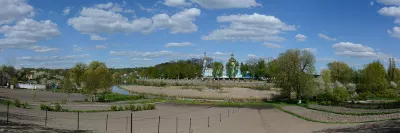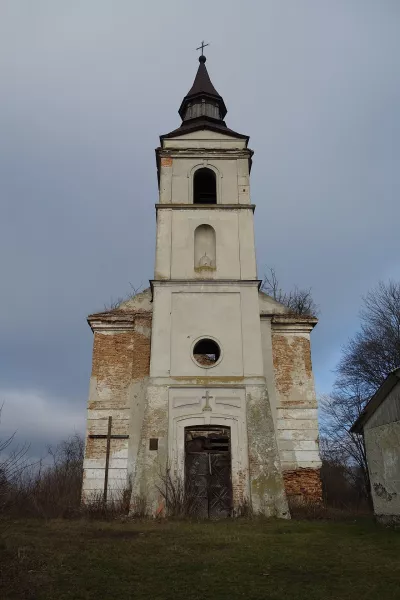

Derman — a village at the source of the Ustia River in Rivne Raion, not far from Zdolbuniv and Ostroh. In fact, it is two neighboring villages — Derman Persha and Derman Druha. This is where the Ustia begins, the main river of Rivne; here stands the Ostrogski monastery-fortress; one of the first Ukrainian printing houses operated here; and two classics of Ukrainian literature, Ulas Samchuk and Borys Ten, were born in Derman.
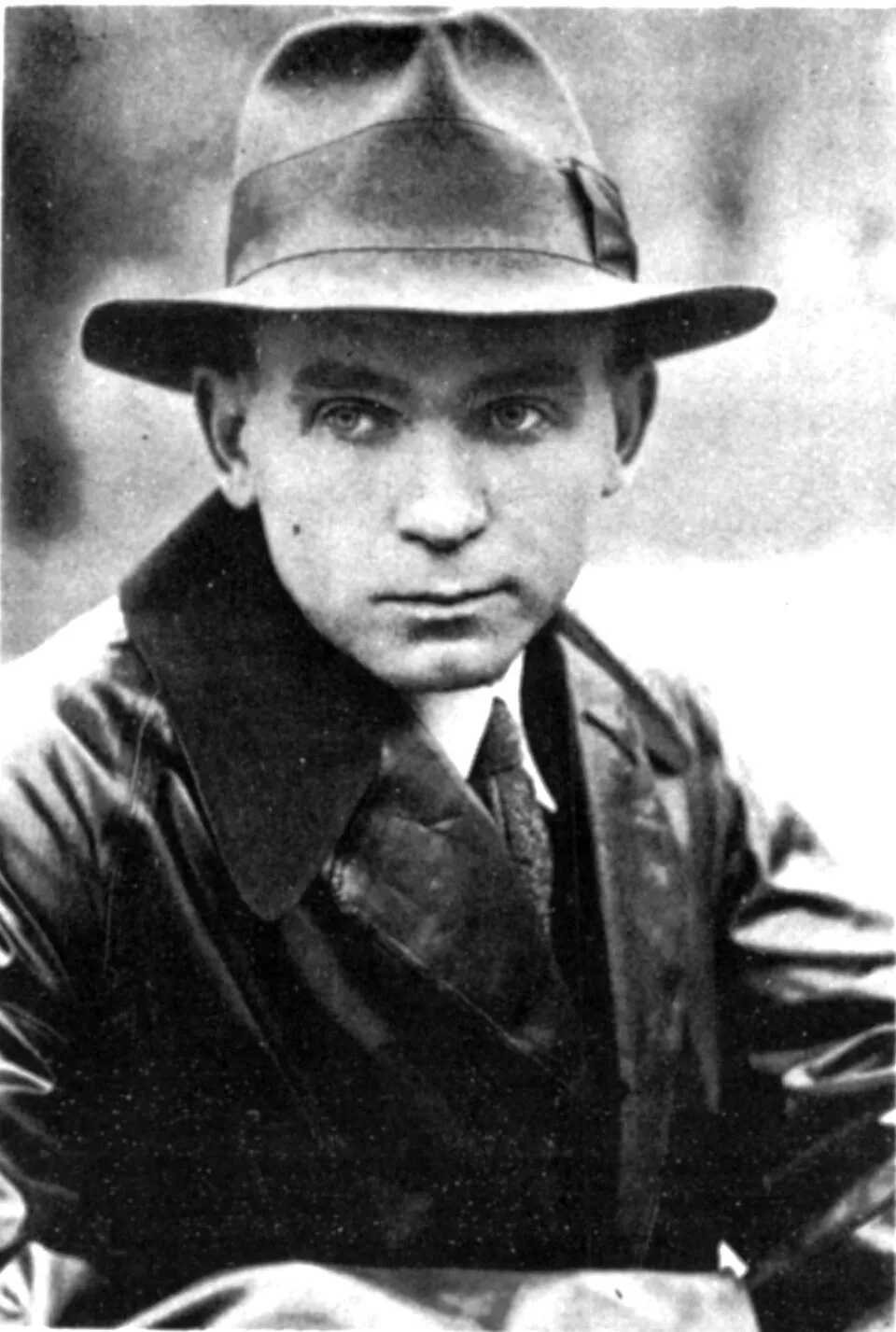
From Liubart to the Ostrogski
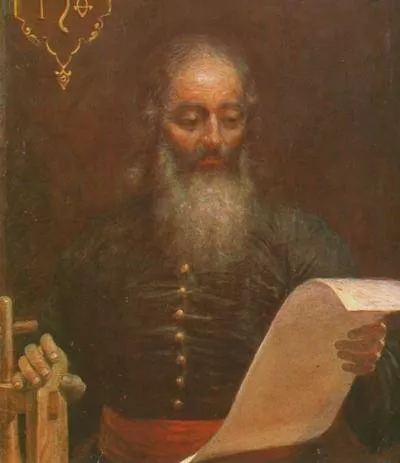
People lived here as early as the 8th–5th centuries BC: traces of early Bronze Age dwellings with a flint tool workshop, remains of an Old Rus settlement, and ancient burial grounds have been found. Derman was first mentioned on December 8, 1322: Prince Liubart donated it along with other villages to the Lutsk Cathedral of St. John the Theologian. In 1497, Grand Prince Oleksandr confirmed the gift of Derman to Hetman Kostiantyn Ostrogski.
Monastery and printing house
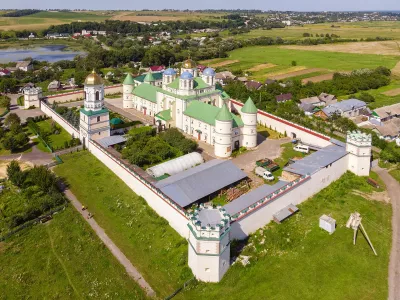
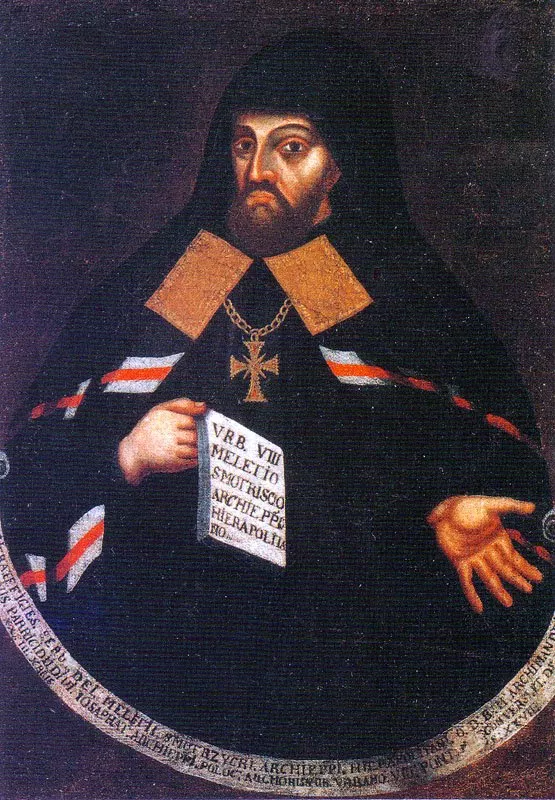
At the end of the 15th century, the Ostrogski princes founded the Trinity Monastery in Derman. It became one of the centers of Orthodox culture in Volhynia: in 1574–1575, the first printer Ivan Fedorov was the monastery’s administrator, and in 1602 Prince Vasyl-Kostiantyn Ostrogski donated a printing house to the monastery. The monks taught Greek, Latin, and Slavic languages and made translations. Later, the monastery joined the Union, and from 1625 to 1633 its archimandrite was the well-known polemical writer Meletii Smotrytskyi. According to legend, in 1592–1601, an orphan youth lived at the monastery who in 1605 captured Moscow as the impostor False Dmitry I.
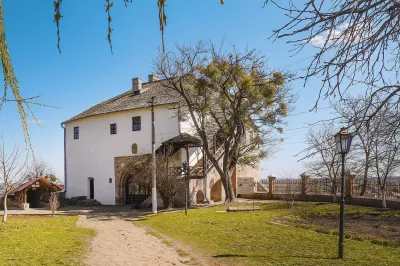
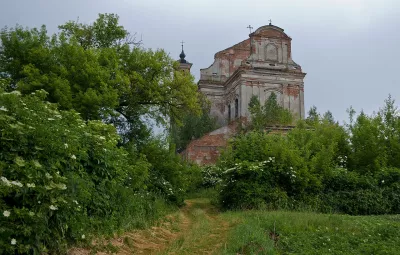
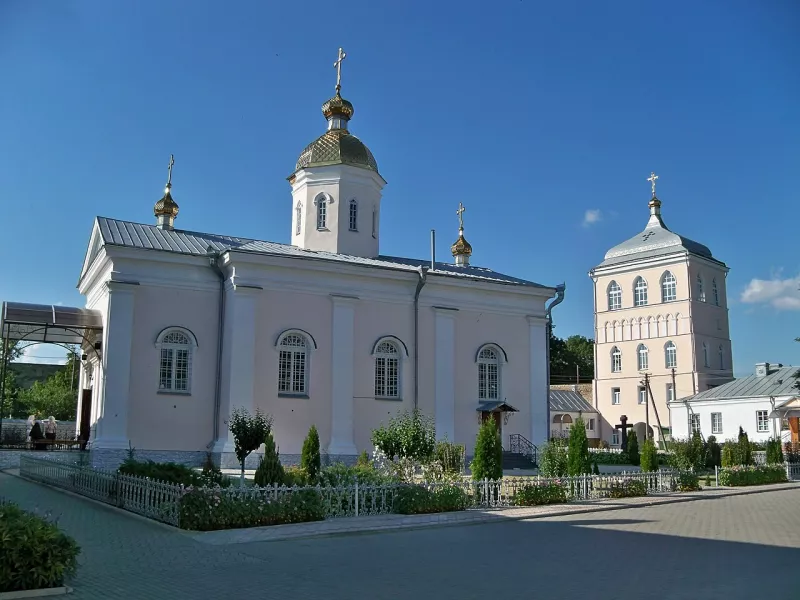
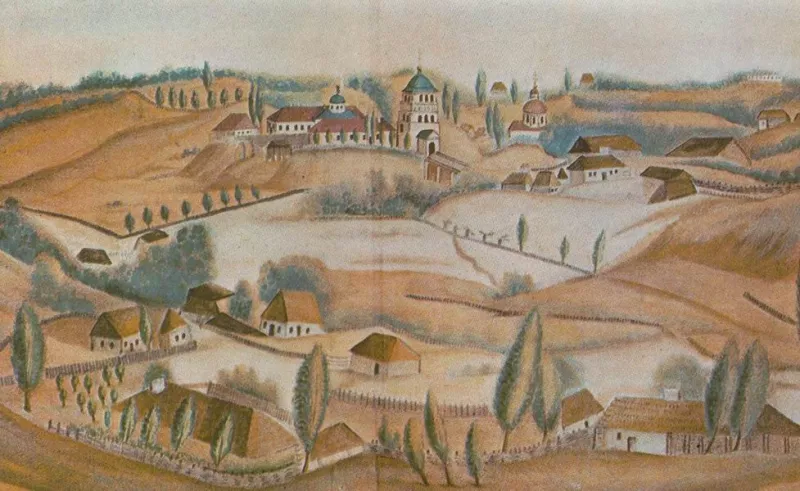
The monastery-fortress with its gate bell tower, Trinity Church, cells, and fragments of defensive walls is an architectural monument of national significance.
Samchuk’s village
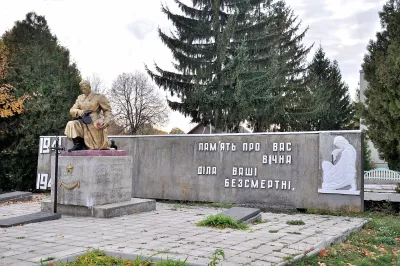
In the 19th century, Derman was a large village: in 1889 it had 330 households and over 2,500 residents. Ulas Samchuk was born here, and his native village became the basis for his novel trilogy Volyn. During World War II, a UPA officers’ school and a UPA cartographic institute operated in Derman. In 1946, the villages were renamed Ustenske Pershe and Ustenske Druhe, but in 1991 the historical name was restored.
What to see
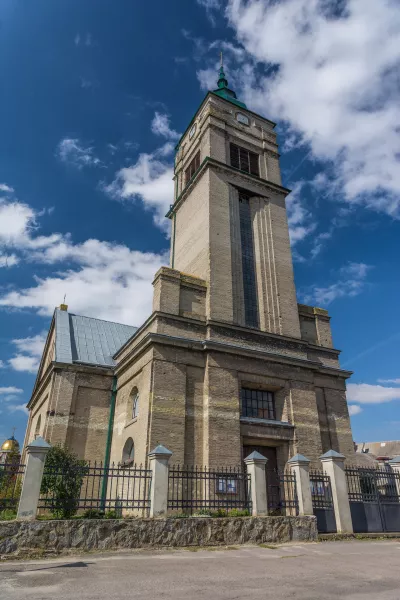
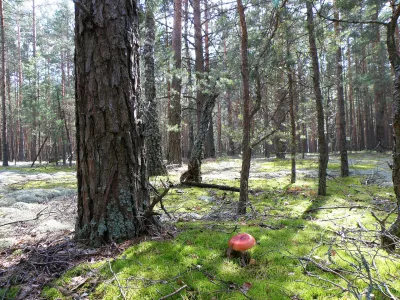
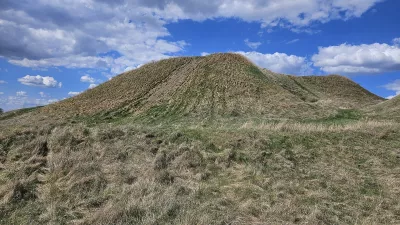
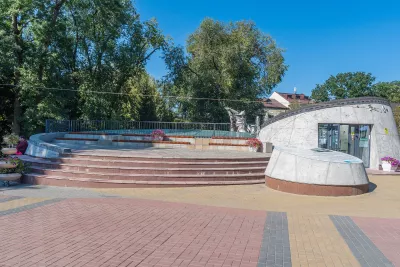
The Derman monastery-fortress with its five-tier bell tower about 30 meters high, the Ulas Samchuk museum, the sources of the Ustia, and the views of the Mizoch Ridge. Around it is the Derman-Ostroh National Nature Park.
Derman on video
Nearby
Zdolbuniv — 20 km, Ostroh and Mezhyritskyi Monastery — to the south, Mizoch — nearby.
How to get there
Buses run from Rivne and Zdolbuniv; by car from Rivne — about 40 minutes.