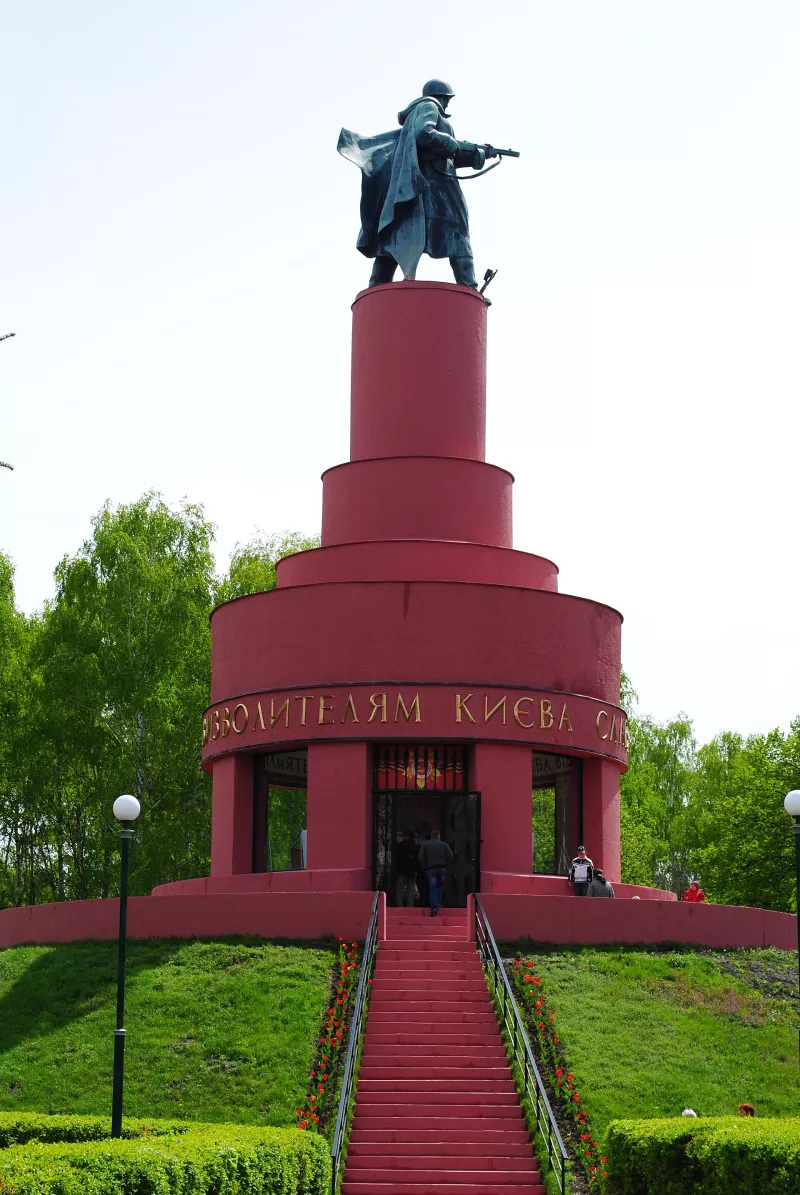
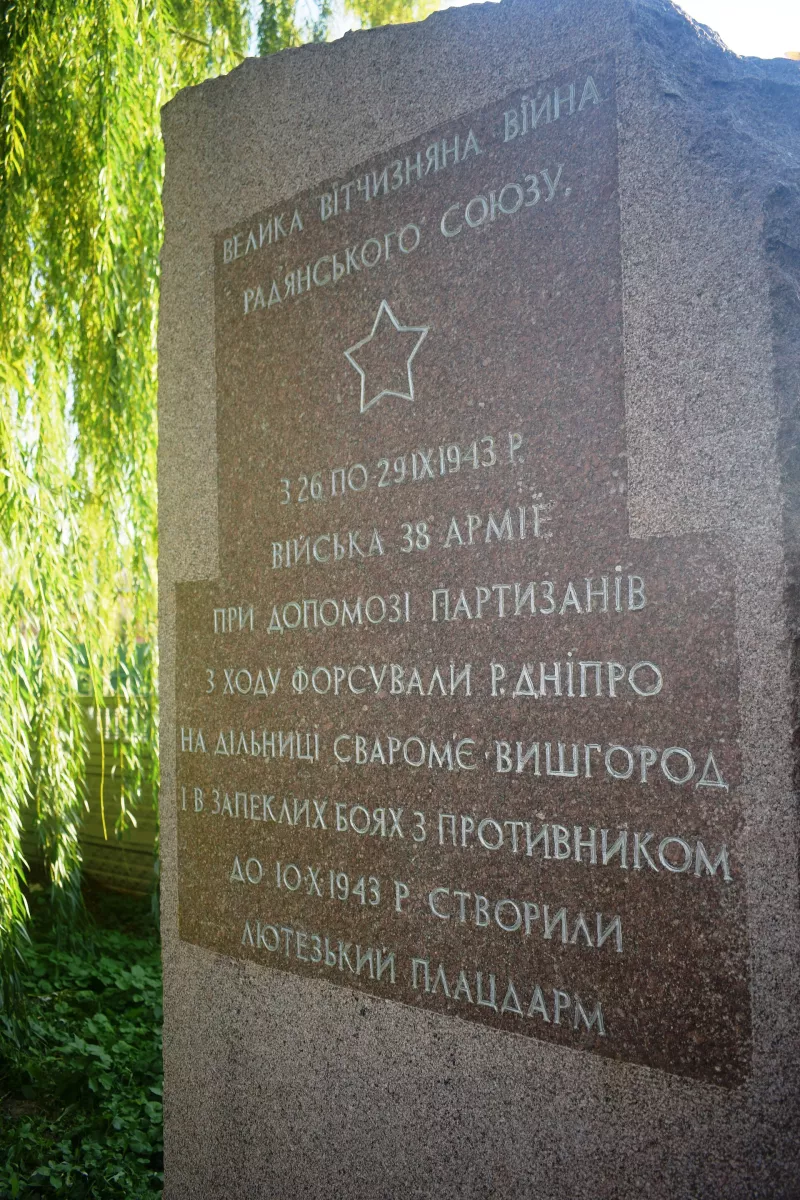

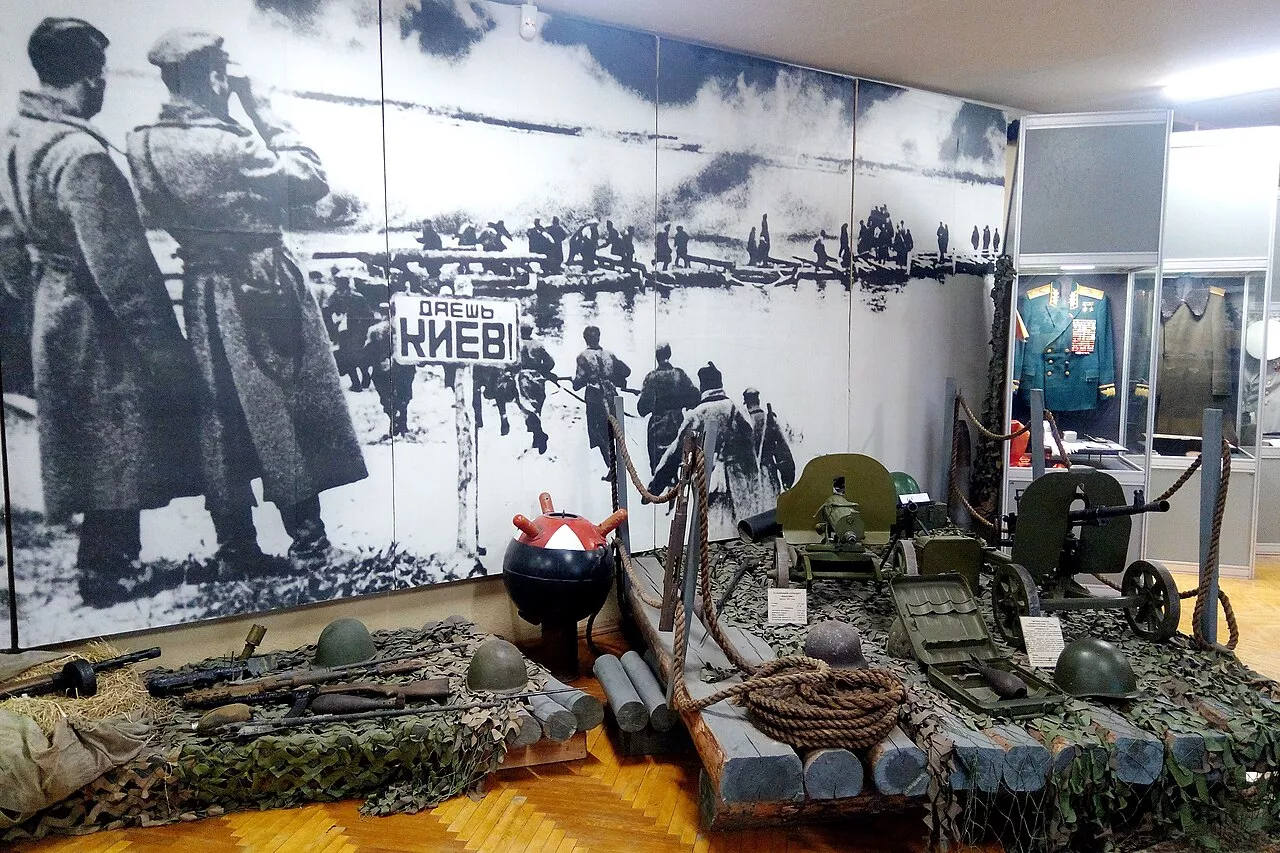
The National Museum-Reserve of Ukrainian Military Glory stands on the outskirts of the village of Novi Petrivtsi in Vyshhorod district, not far from Vyshhorod. It is one of the largest military-historical museums in Kyiv region. Until 2023, it was called the "Battle for Kyiv in 1943": it was here in the autumn of 1943 that the Liutizh bridgehead was located, from which the offensive on Kyiv began. Now the museum tells not only about World War II but also about the war that Ukraine has been fighting since 2014.
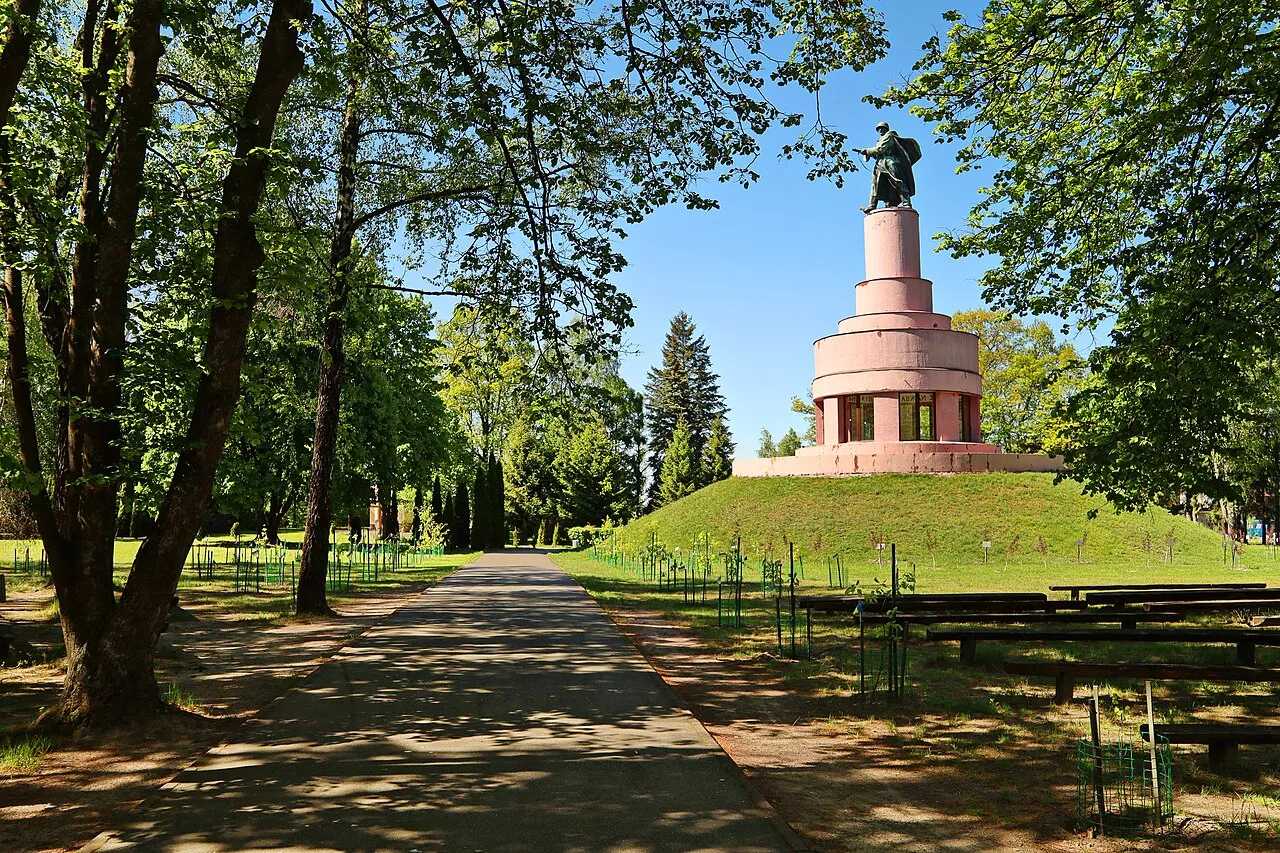
The bridgehead from which Kyiv was liberated
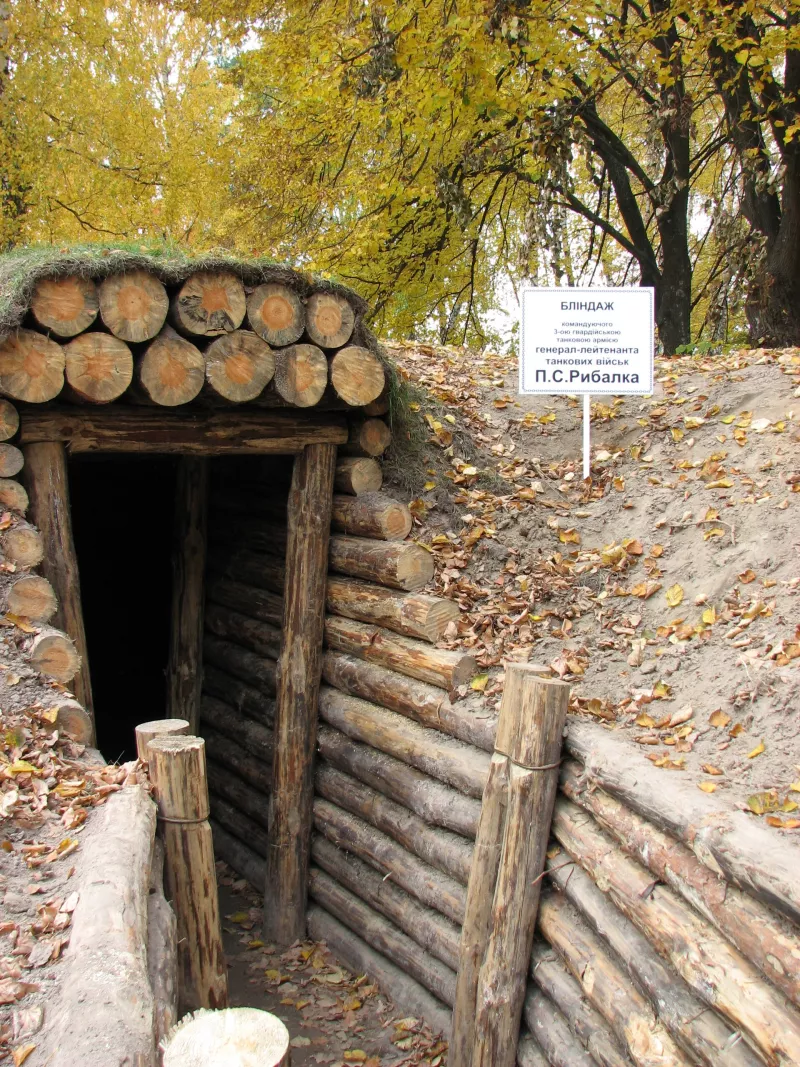
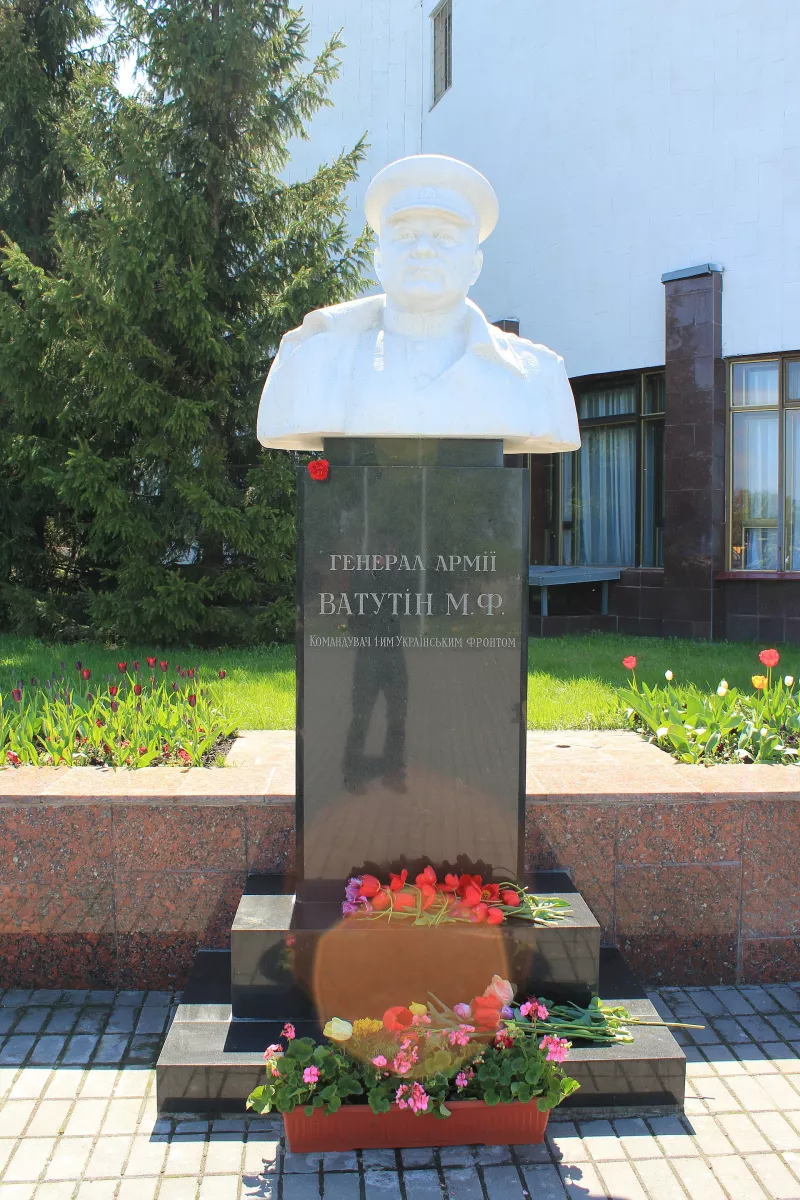
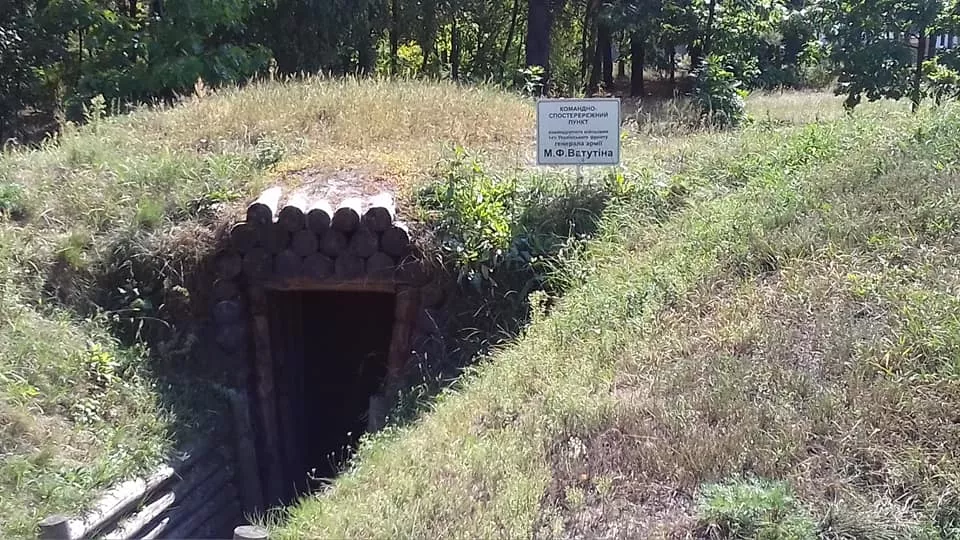
In the autumn of 1943, Soviet troops crossed the Dnipro near the villages of Liutizh and Novi Petrivtsi and held a small patch of the right bank. From here, at the beginning of November, the offensive began, which ended with the liberation of Kyiv on November 6. On the slopes, in dugouts, were the command posts of the commander of the 1st Ukrainian Front Mykola Vatutin, commander of the 38th Army Kyrylo Moskalenko, commander of the 3rd Guards Tank Army Pavlo Rybalko, and member of the front’s military council Mykyta Khrushchov.
The museum was founded very early — on March 20, 1945, while the war was still ongoing. At first, it was called the "Battlefield for Kyiv". In 2008, the reserve received national status. Over the years, more than 10 million visitors from 85 countries have visited. On June 9, 2023, the Kyiv Regional Council renamed the museum the "National Museum-Reserve of Ukrainian Military Glory".
Dugouts, diorama, and outdoor equipment
The reserve territory covers about ten hectares. Here are preserved 650 meters of communication trenches, dugouts, and command-observation posts from 1943, some of which can be viewed from the inside.
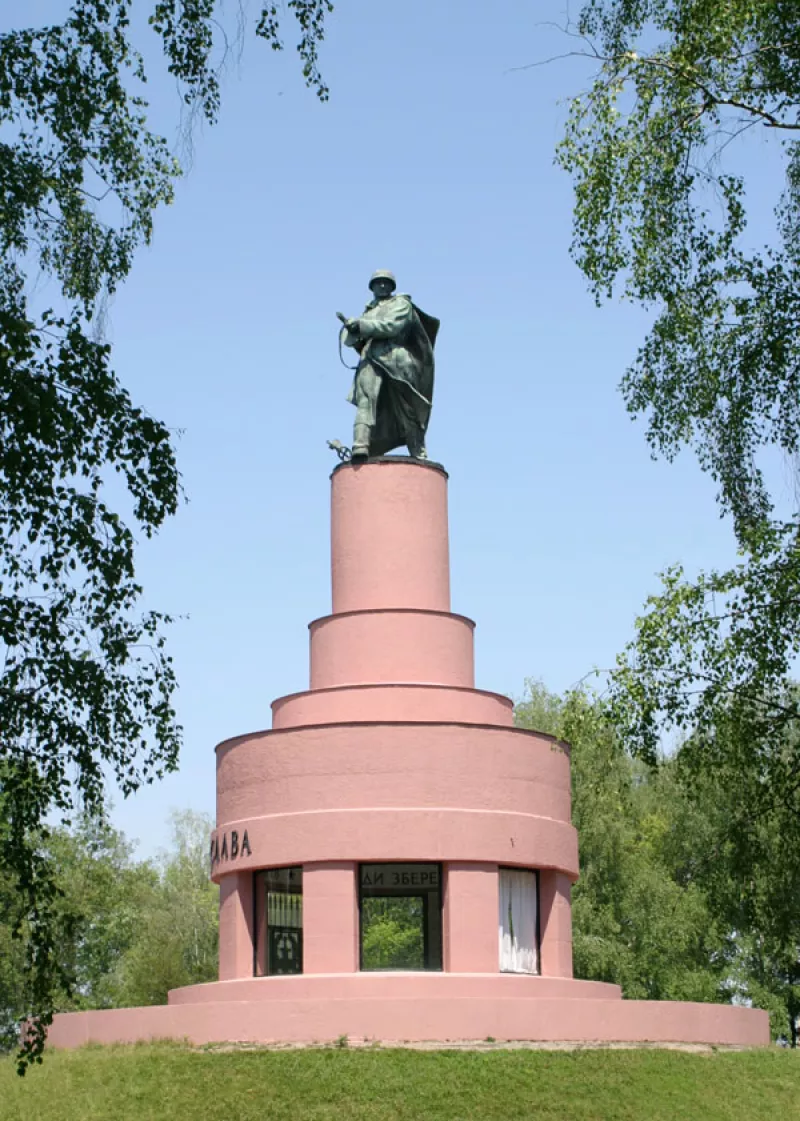
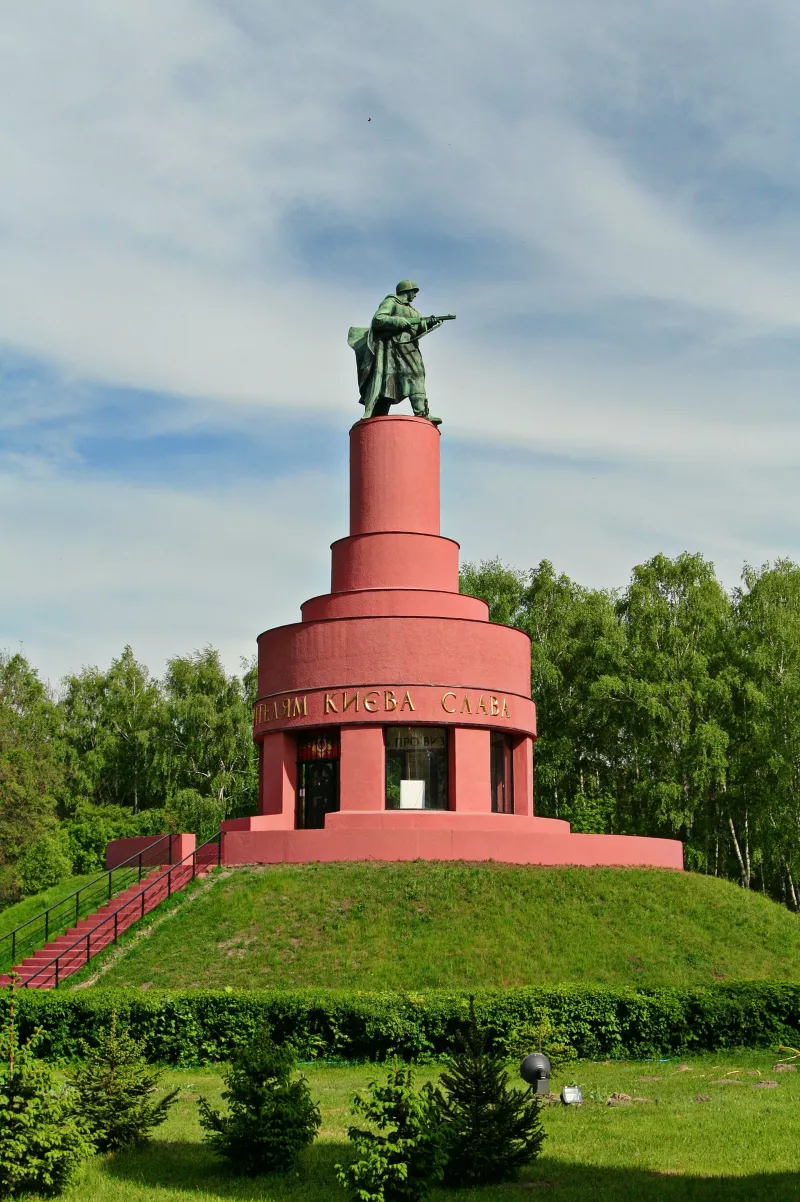
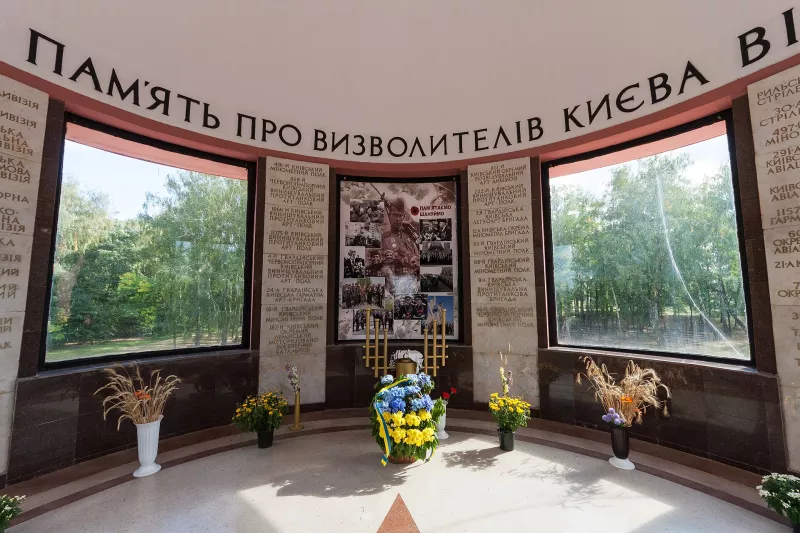
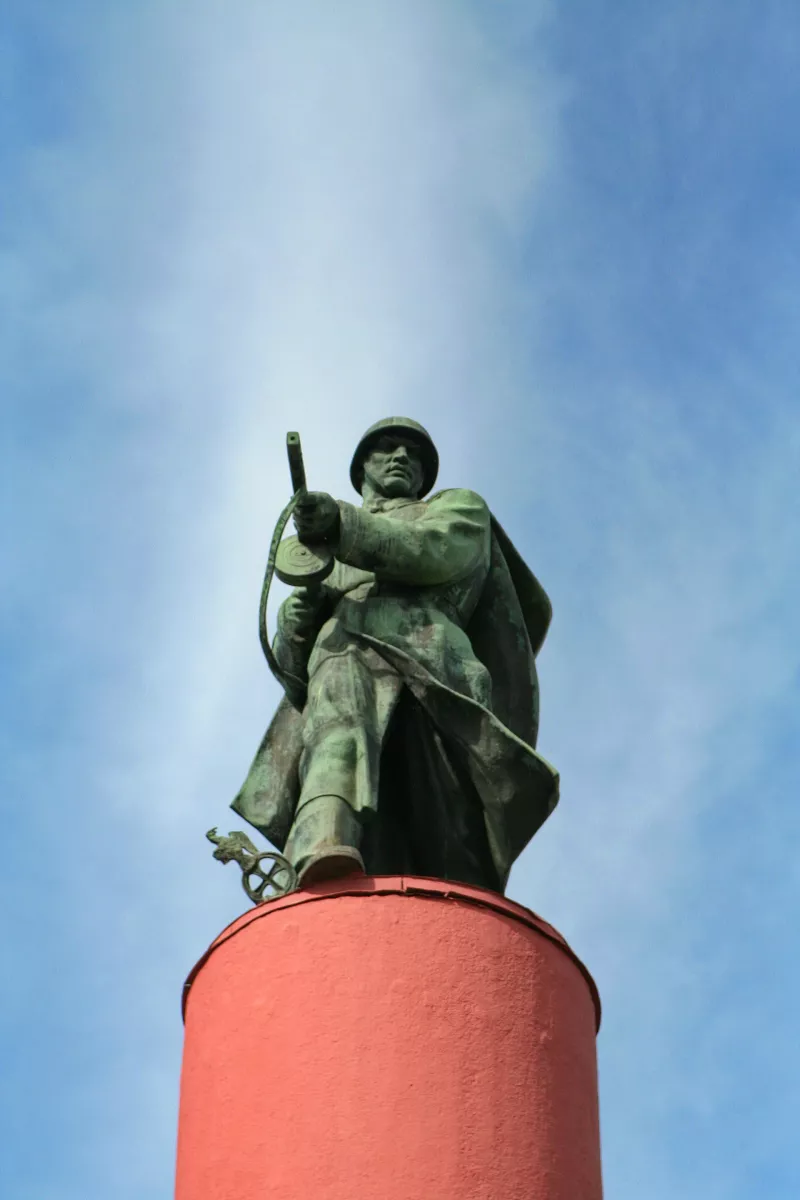
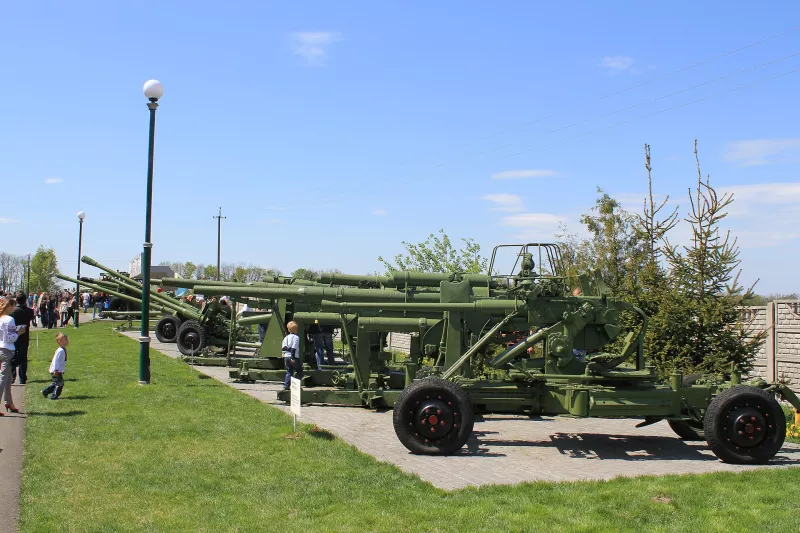
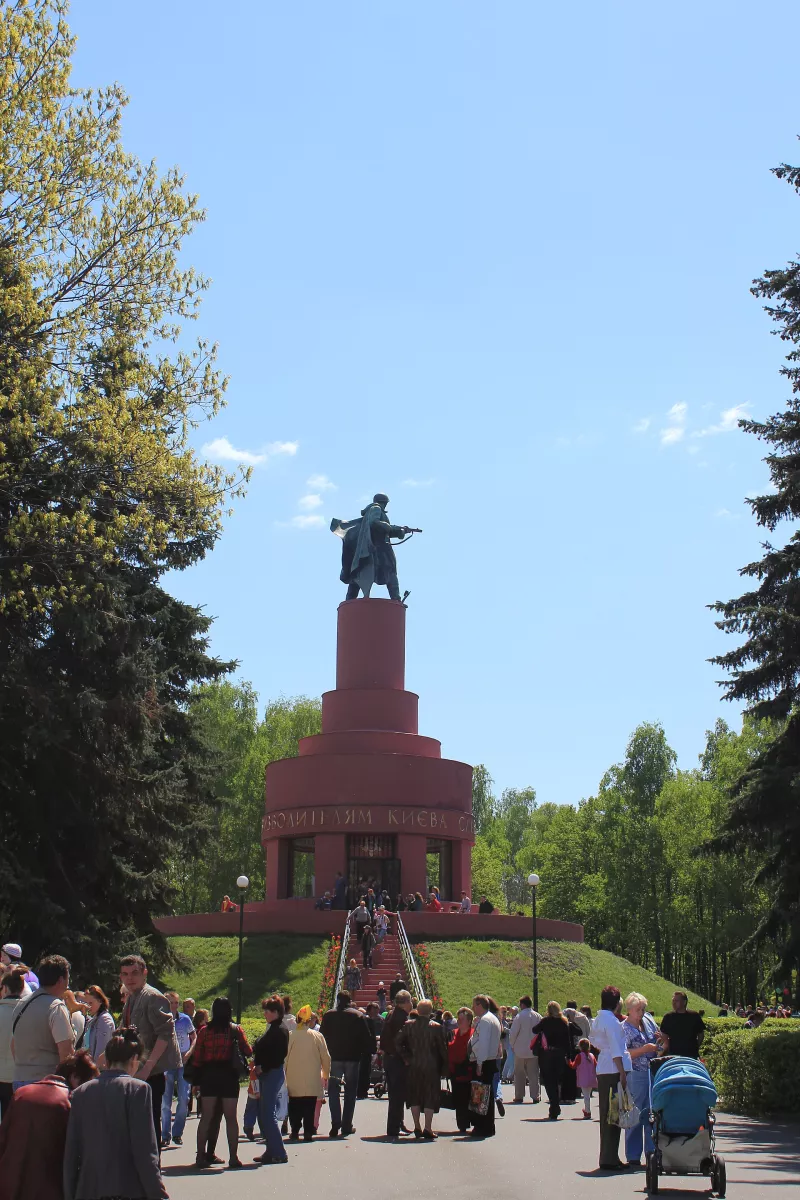
The main structure is the monument-museum to the liberators of Kyiv, built in 1958 (architects Avraam Myletskyi and V. Baklanov, sculptor Ivan Pershudchev). The names of military units honored with the title "Kyiv" are engraved on marble pylons. Outdoors stand artillery pieces, tanks, and other equipment from World War II, and nearby — captured Russian equipment and weapons from the current war.
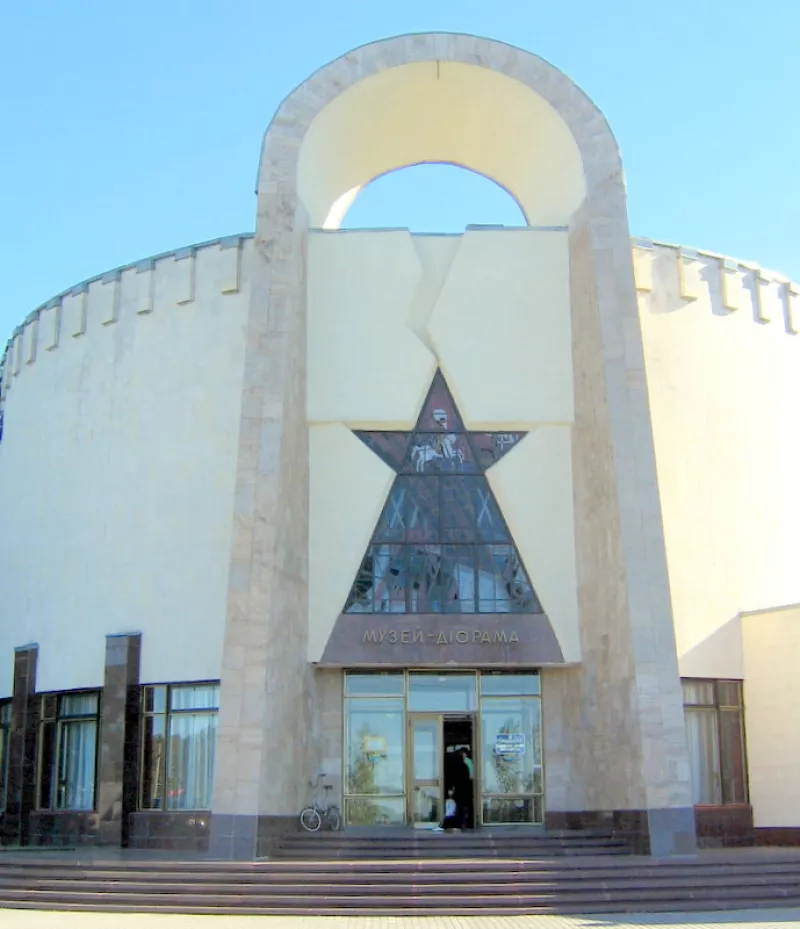
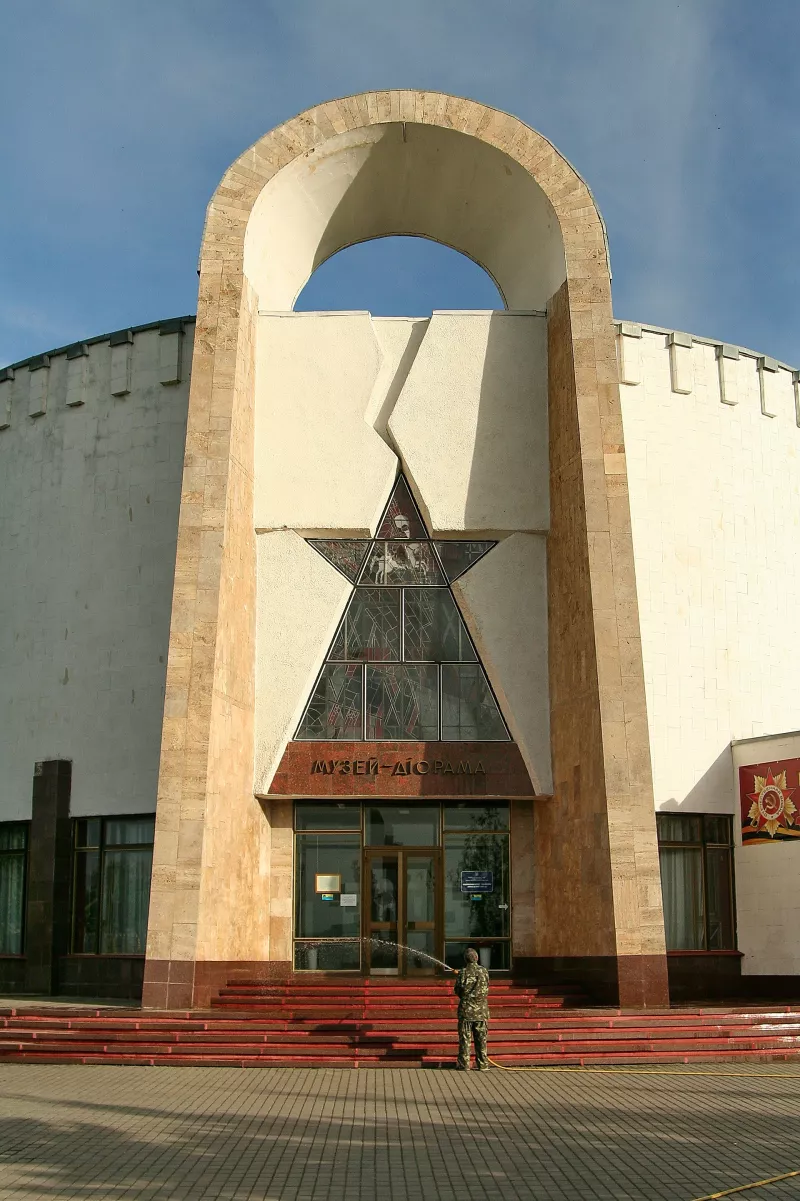
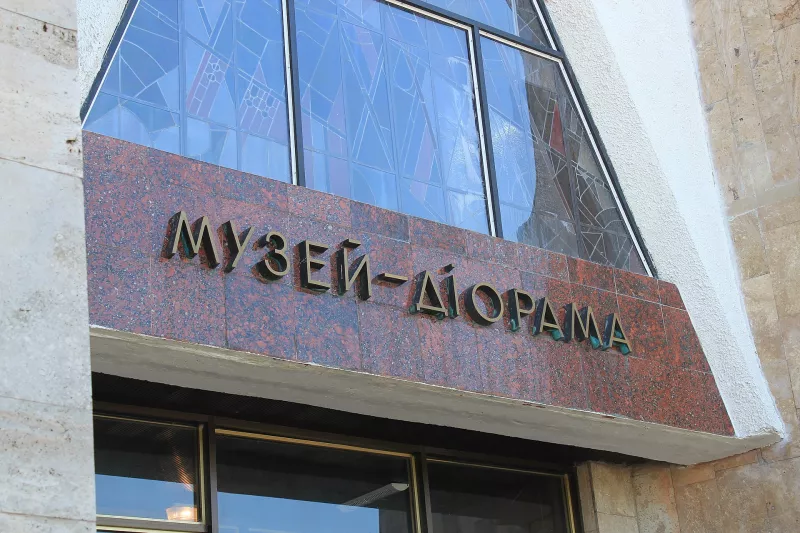
In the diorama museum, opened in 1993, the painting "Battle for Kyiv. Liutizh bridgehead. 1943" measuring 29 by 7 meters is displayed. The diorama was first exhibited in 1980 in the Pokrovska Church in the village center, and later a separate 1,100-square-meter building was constructed for it.
From Cossack times to the present day
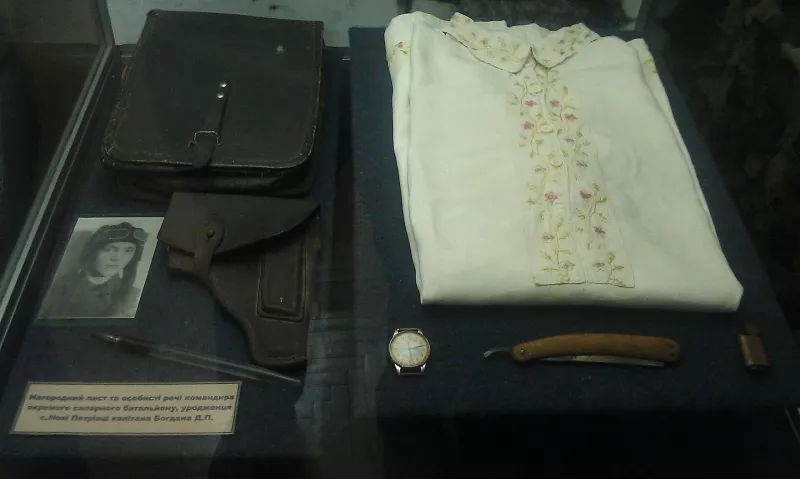
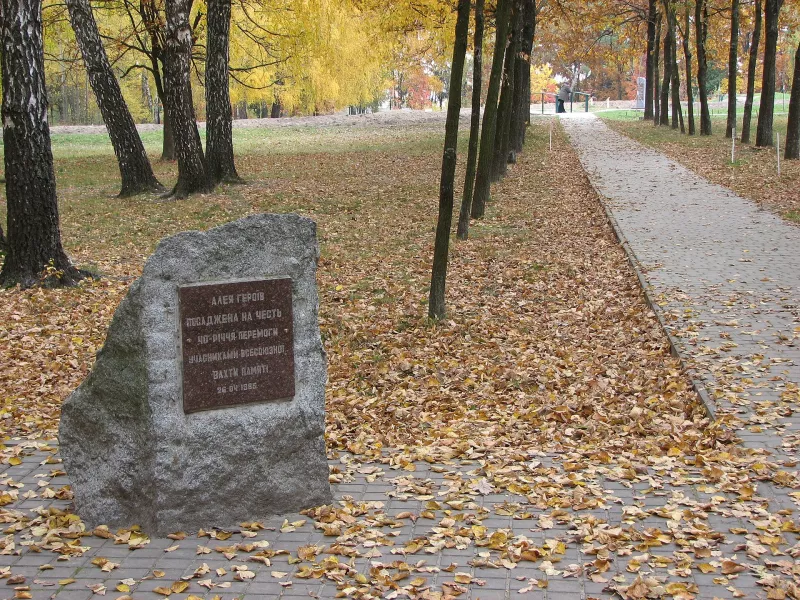
The exhibitions cover history from the Cossack era to the Russian-Ukrainian war. Museum researchers study the past of Kyiv Polissia and the Mezhyhirya Spaso-Preobrazhensky Monastery, which in the 17th–18th centuries was the main monastery of the Zaporizhian Host; a model of this monastery is displayed in the halls. Since 2014, the museum has been collecting items from participants of the Revolution of Dignity, the Heroes of the Heavenly Hundred, and ATO fighters, and after 2022 — personal belongings of defenders, documents, drones, and large weapon models. The collection is constantly updated, so the exhibition changes. On the territory is the Alley of Memory of fallen defenders of Ukraine.
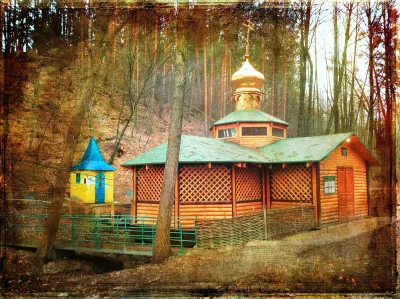
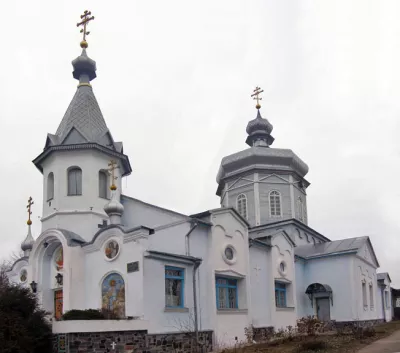
Here also stands the Church of St. George the Victorious, consecrated in December 2010, a monument to the motorcyclist soldiers (2011), and the monument “Symbol of Peace” (2012). It is part of the international project “European Street of Sculptures” — a chain of sculptures stretching from the Normandy coast eastward; it is inscribed in six languages: “Humanity must remember the price at which peace was won.” Nearby is the Wall of Memory with eleven bas-reliefs of natives of Vyshhorod district.
In the center of Novi Petrivtsi stands the memorial complex “To the Heroes of the Liutizh Bridgehead” (1983) with an Eternal Flame. The plaques bear the names of about 1,850 soldiers who died fighting for the village; between 2008 and 2012, 165 unknown soldiers were reburied here.
How to get there
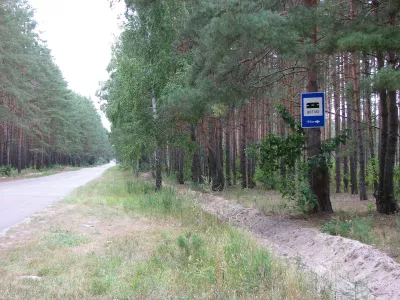
Address: village Novi Petrivtsi, Zakhysnykiv Ukrainy Street, 67 (formerly Vatutina Street). From the center of Kyiv — about 25 km along the highway to Vyshhorod, then to Novi Petrivtsi. It is convenient to get here by car or suburban minibuses from Kyiv toward Vyshhorod and Novi Petrivtsi.
Tip
Allow at least two to three hours to explore the territory and halls: the military equipment is displayed in a large open area, and paths lead to the dugouts along the slopes. Opening hours and ticket prices change, so check them by phone at (093) 009-55-35 or on the museum’s website victoryinbattle.org.ua before your visit.
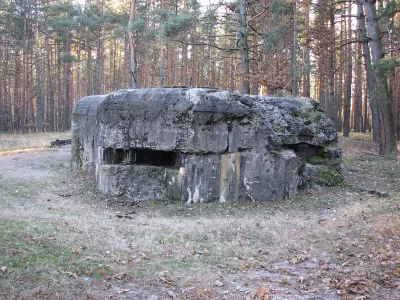
The trip can easily be combined with Mezhyhirya, Mezhyhirya Monastery, Vyshhorod, and the Kyiv fortified region’s pillboxes near Liutizh, including Pillbox No. 582. More about the region in the article about Kyiv Polissia.