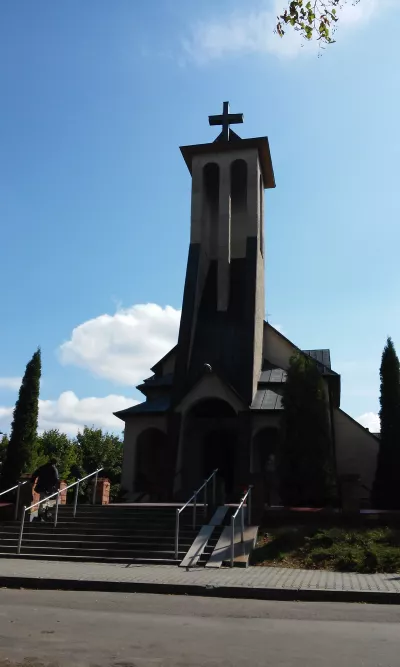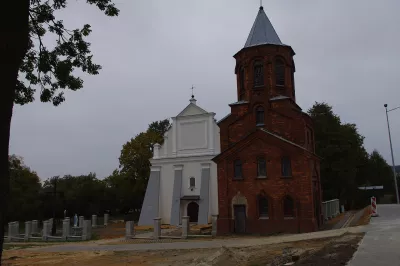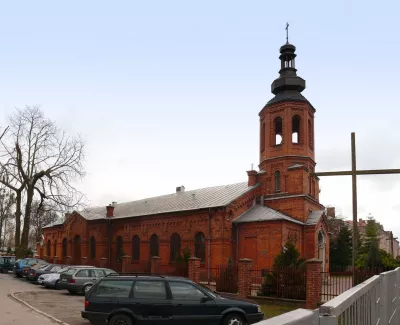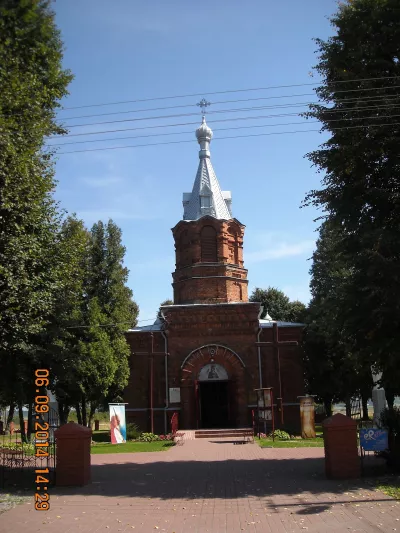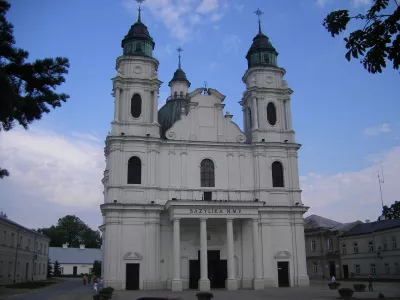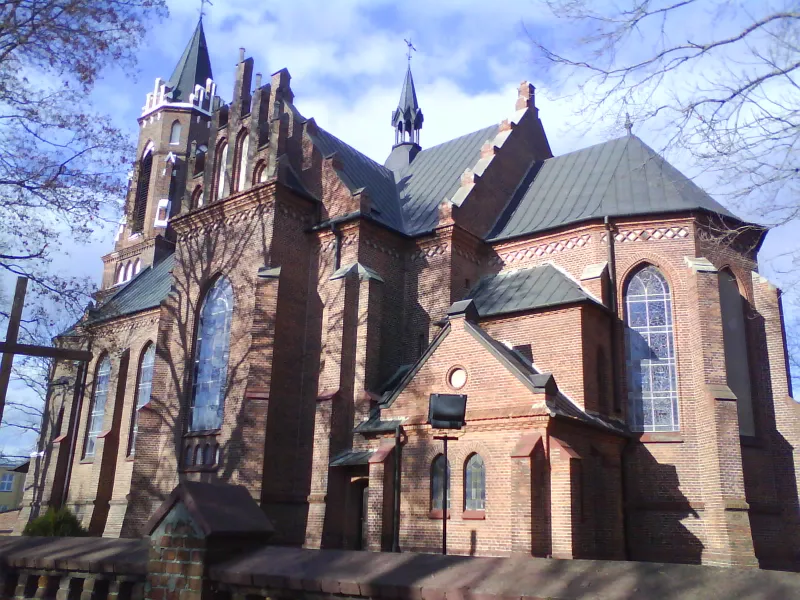
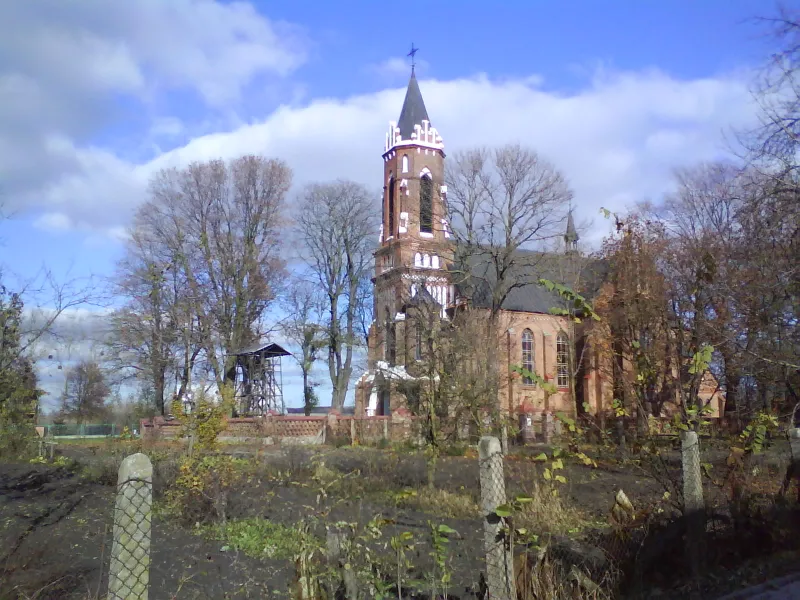

The Church of St. John the Baptist in Pawłów is a red brick neo-Gothic church with a tall tower, built between 1909 and 1912. Pawłów is the largest village in the Rejowiec Fabryczny commune, about 19 km west of Chełm, and it was once a town of the Chełm Roman Catholic bishops. The parish here is one of the oldest in the region: its origins date back to 1421.
The Parish Older Than the Town
In 1421, the bishop of Chełm endowed the church in the village of Lishch, and more than twenty surrounding villages, including Kane and Sedlyshche, were part of this parish. In the second half of the 15th century, on the lands of Lishch, the bishops, probably Pawel from Grabowo, founded the town of Pawłów, and at the turn of the 15th–16th centuries, the parish was moved here. The wooden Church of St. Martin was burned down by the Rakoczi troops in 1657. It was rebuilt by the Calvinist Bohuslav Rey, owner of Rejowiec, as a penalty imposed by the tribunal for unpaid tithe; in 1682 the church was consecrated in honor of St. John the Baptist. Another wooden church was built in 1744 by Jan Syla-Nowicki. Since 1624, a hospital for the poor operated at the church, and there was a parish school.
Schiller and Diel’s Church
Permission for a new masonry church was sought from the beginning of the 20th century, but construction only began after the 1905 decree on religious tolerance. The first design was made by the Warsaw architect Stefan Schiller, but it was too expensive, and the final design was prepared by the district architect Stanisław Diel. The church was consecrated in 1912. It was heavily damaged during World War I, the tower collapsed, but it was quickly repaired; World War II spared it.
The building is oriented, single-nave, with a wide transept, buttresses, and a tower above the entrance. The decoration is mostly neo-Gothic. The most valuable icon is the Madonna and Child, probably from the 17th century, transferred from a dismantled Greek Catholic church; it was restored and repainted in Moscow in 1895. There are also late Baroque icons and sculptures from the old church, a Rococo cross, and Uniate pacificals.
Memory of the Village
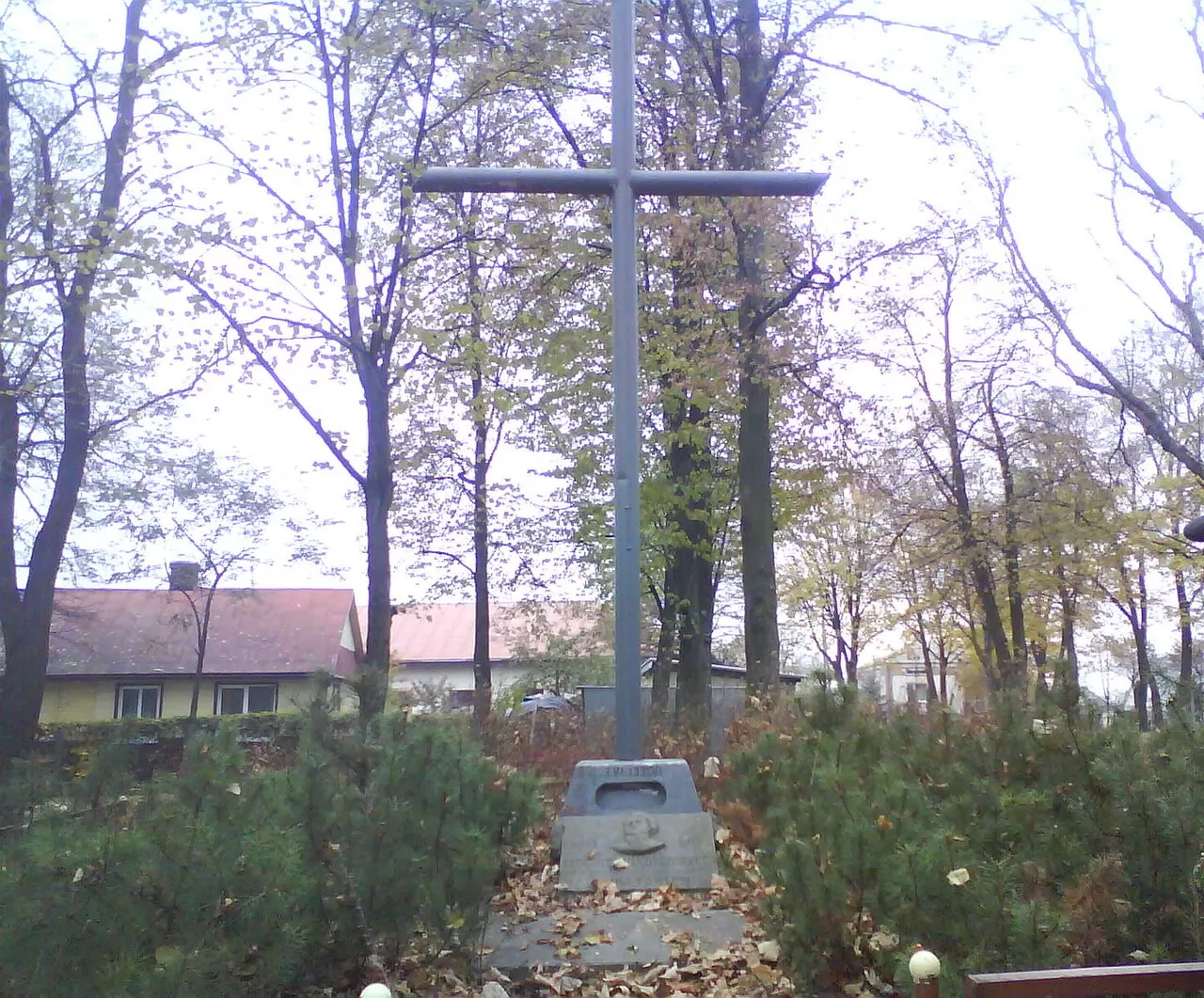
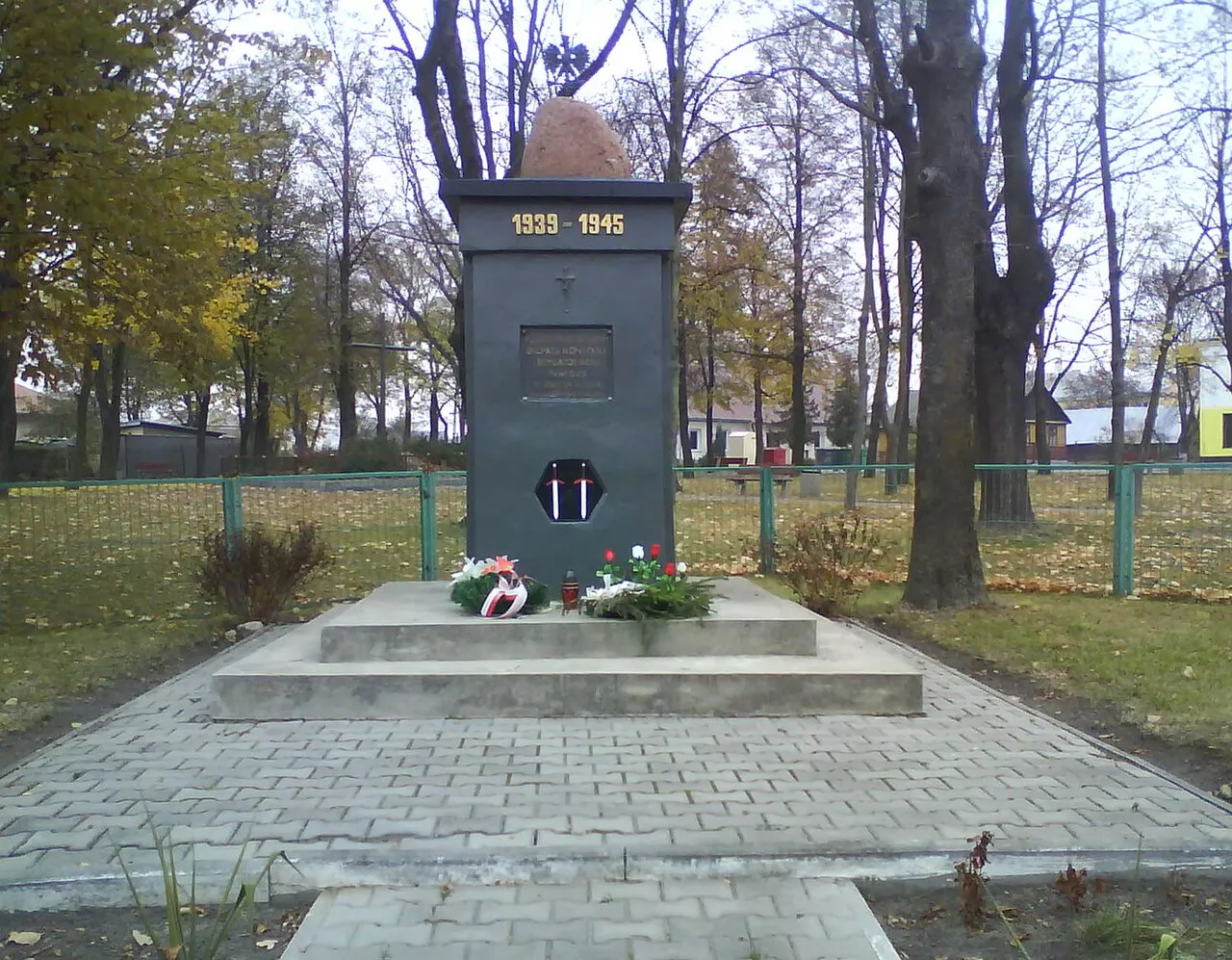
Pawłów lost its town rights in 1870. In 1917, on the centenary of Tadeusz Kościuszko’s death, a cross and a memorial mound were erected here. During the German occupation, the Shainer family hid Jews, and Yad Vashem recognized them as Righteous Among the Nations. On June 24, 1944, in retaliation for aiding partisans, the Germans bombed Pawłów: at least 15 people were killed and about 80 wounded. Today, the village has a pottery and cooperage museum room.
How to Get There
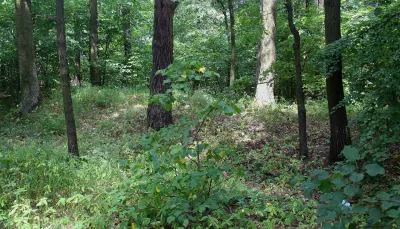
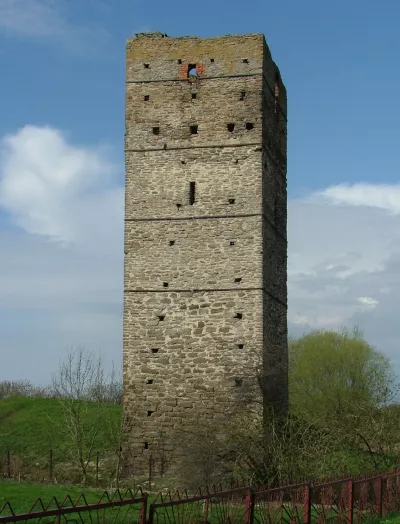
Pavluv lies between Lublin and Chełm, a few kilometers north of Rejowiec Fabryczny, where trains run on the Lublin — Chełm line. The Arian Trail starts here, and the “Kanskie Ponds Trail” also passes through the village. Nearby are the hillfort in Kane and the church in Sedlyscha, and on the way to Chełm — the tower in Stolpy. More about the region in the article “Polish Polissia: what to see beyond the Bug”. The church is a parish one, so the most reliable way to get inside is before a service. This is Poland: Ukrainian citizens need a foreign passport.