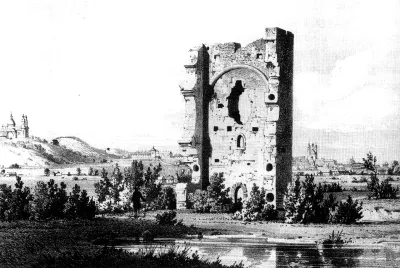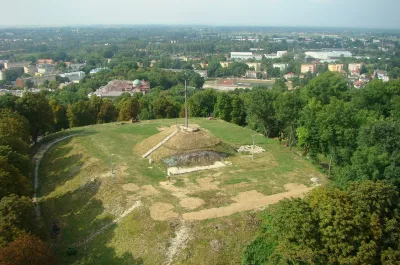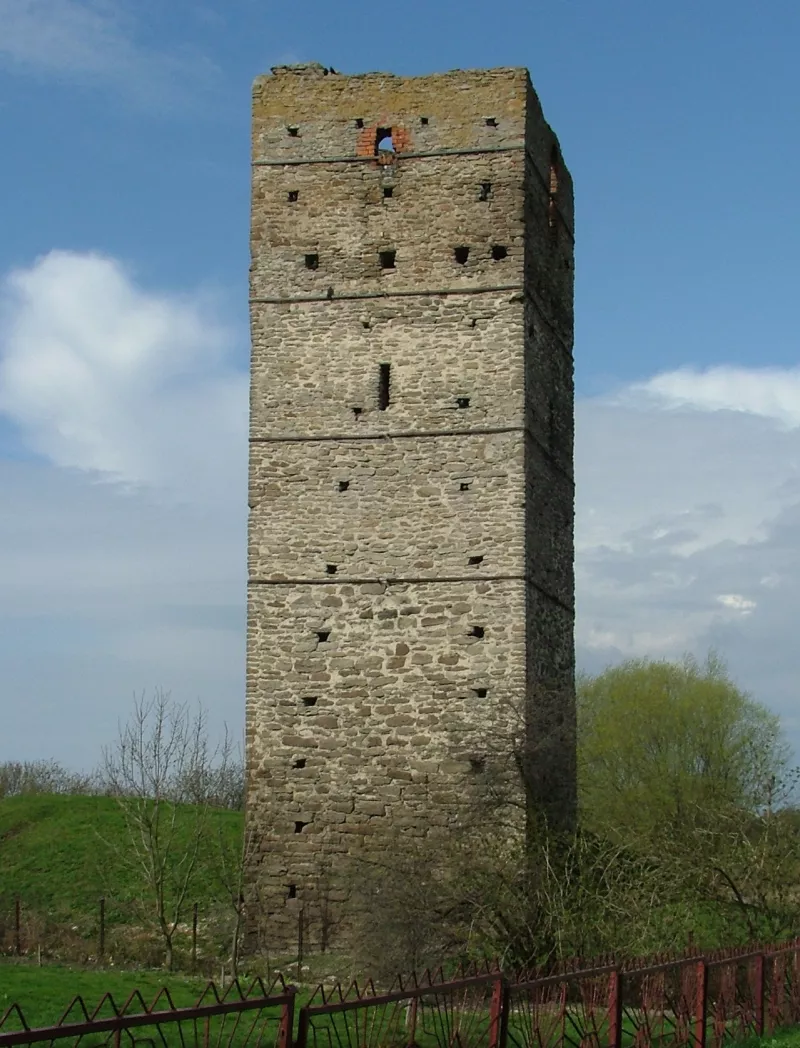
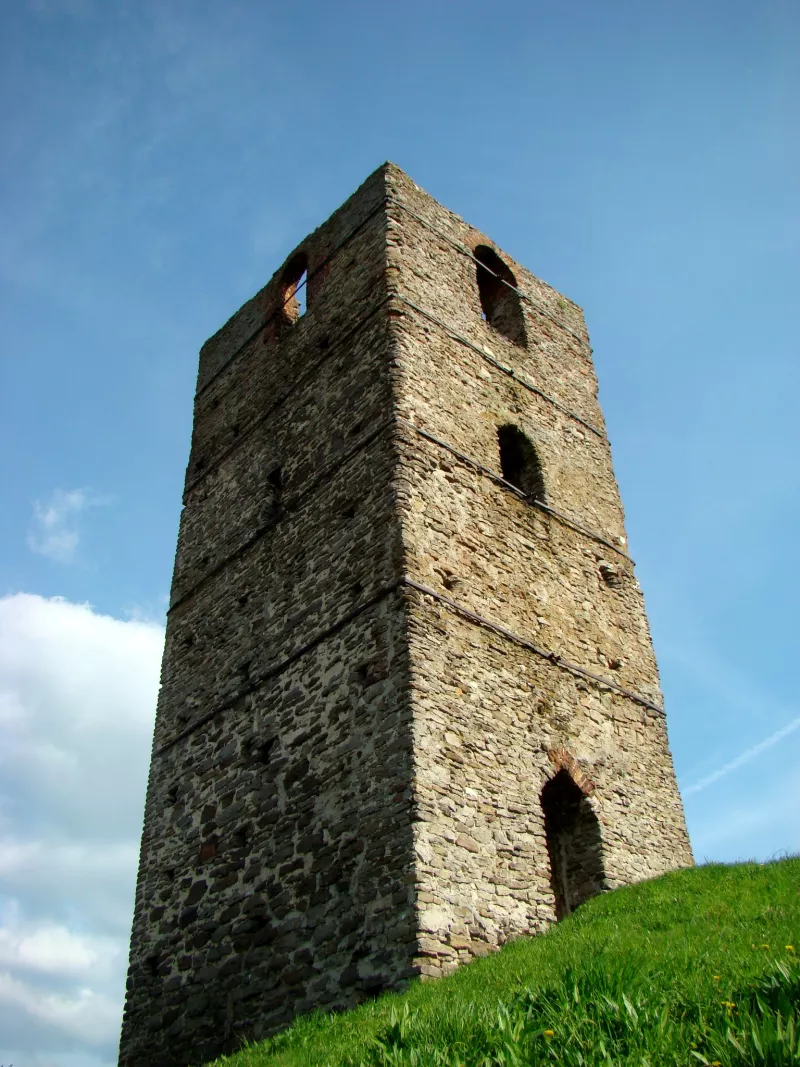
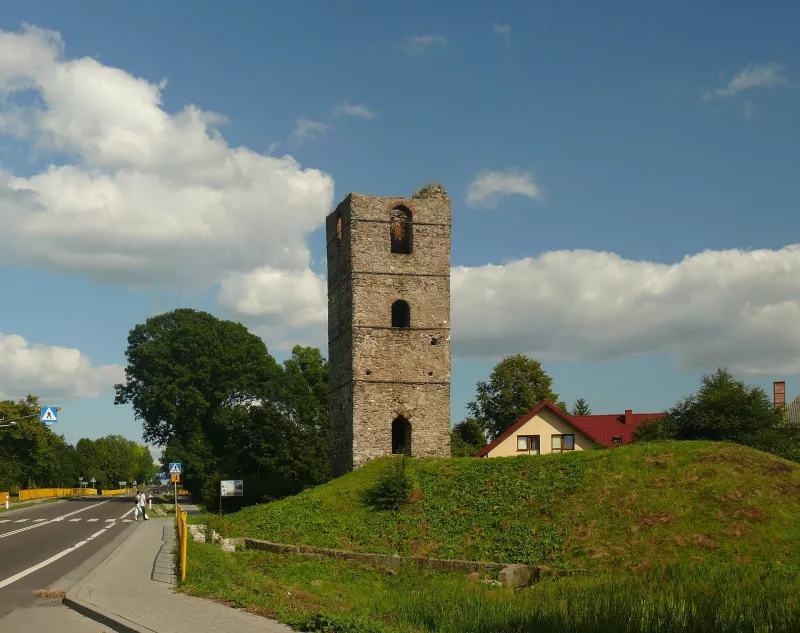
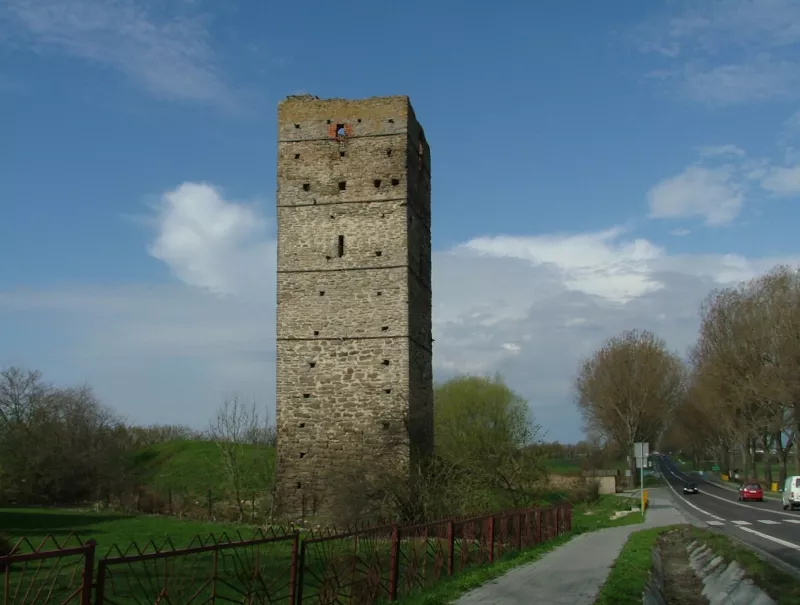
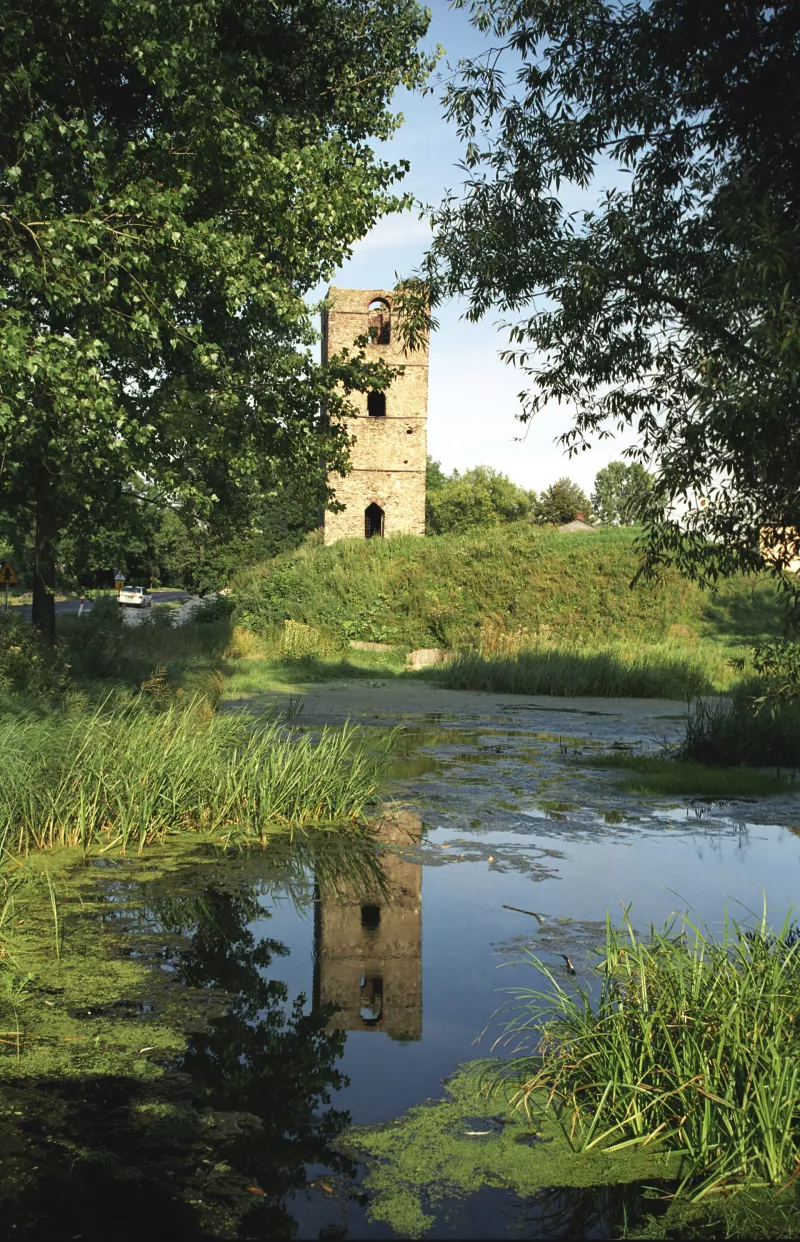

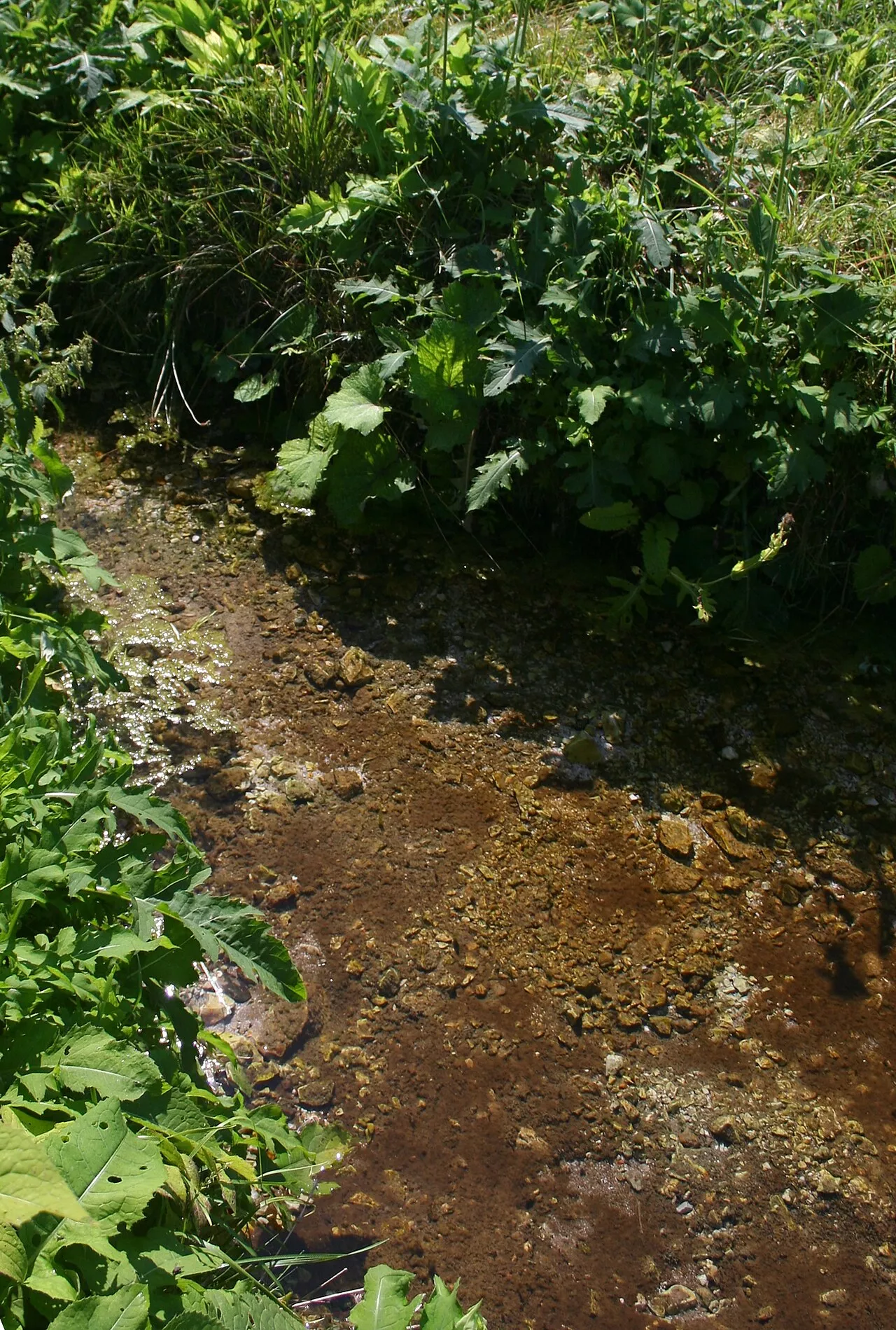
The tower in Stołpie — the ruins of a medieval stone tower located 8 km from Chełm, right by national road No. 12 to Lublin. It stands on a hill above a spring, and the village got its name from it: “stovp” is an old word for tower. This is one of the oldest stone structures east of the Vistula and a monument from the time when Chełm was the capital of Danylo Halytskyi. Currently, the surviving walls are three tiers high, about 17 meters tall; in 2020, on the order of the voivodeship conservator, the tower was covered with a wooden roof.
The Tower from the Chronicle
Under the year 1259, the Galician-Volhynian (Hypatian) Chronicle tells that Danylo, settling in Chełm, built a tower near the city from which the surroundings could be seen, and a mile from the city—a stone pillar topped with a stone eagle. Polish researchers of the 19th century associated these records with two towers: one in Beławin, now within Chełm’s boundaries, where only foundations remain, and one in Stołpie. They were considered watch “guards” that monitored the approaches to the prince’s castle on the High Hill.
This place was already considered mysterious in the 16th–17th centuries. The Uniate bishop Yakiv Susha, in a book from 1646, retold legends about the pagan origin of the tower and about the healing water from springs at its foot. In 1925, Marshal Józef Piłsudski visited the tower.
What Archaeologists Found
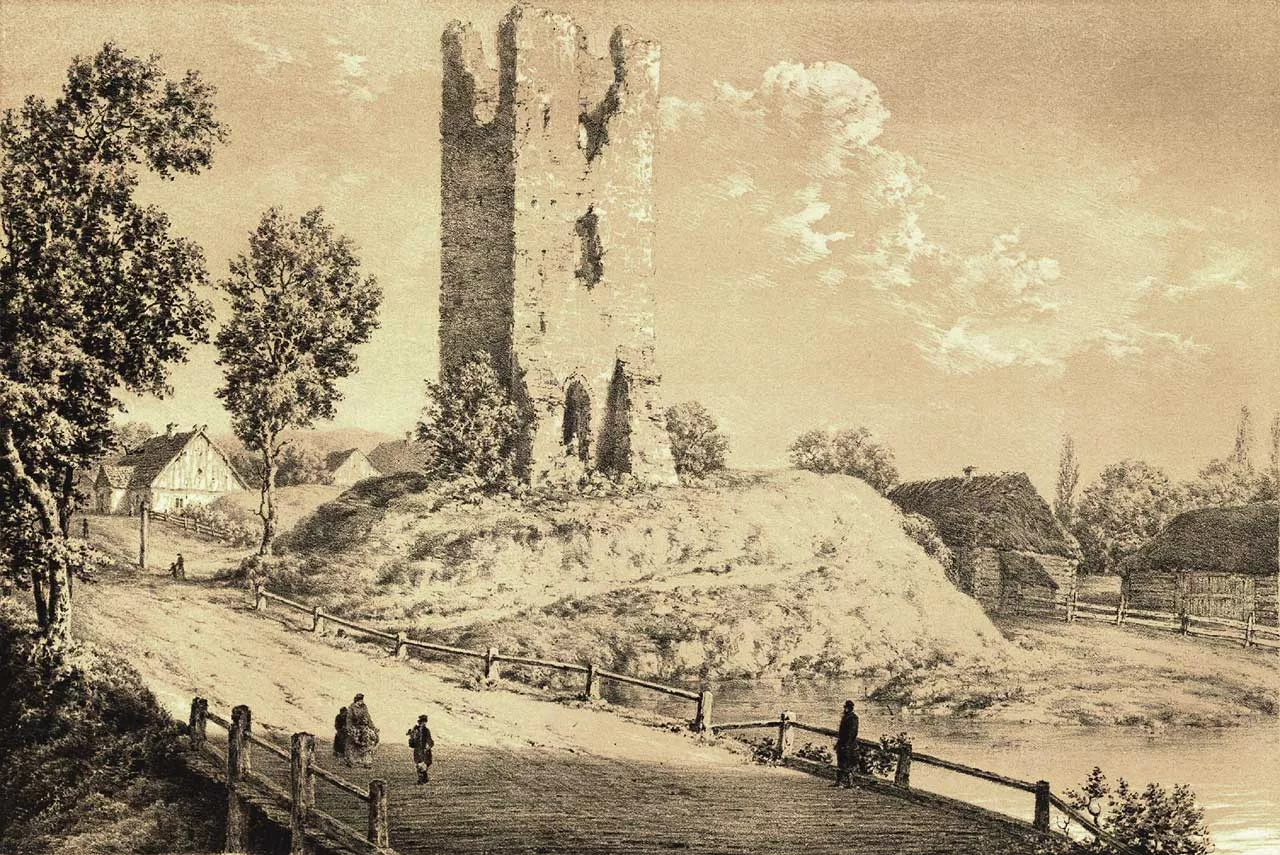
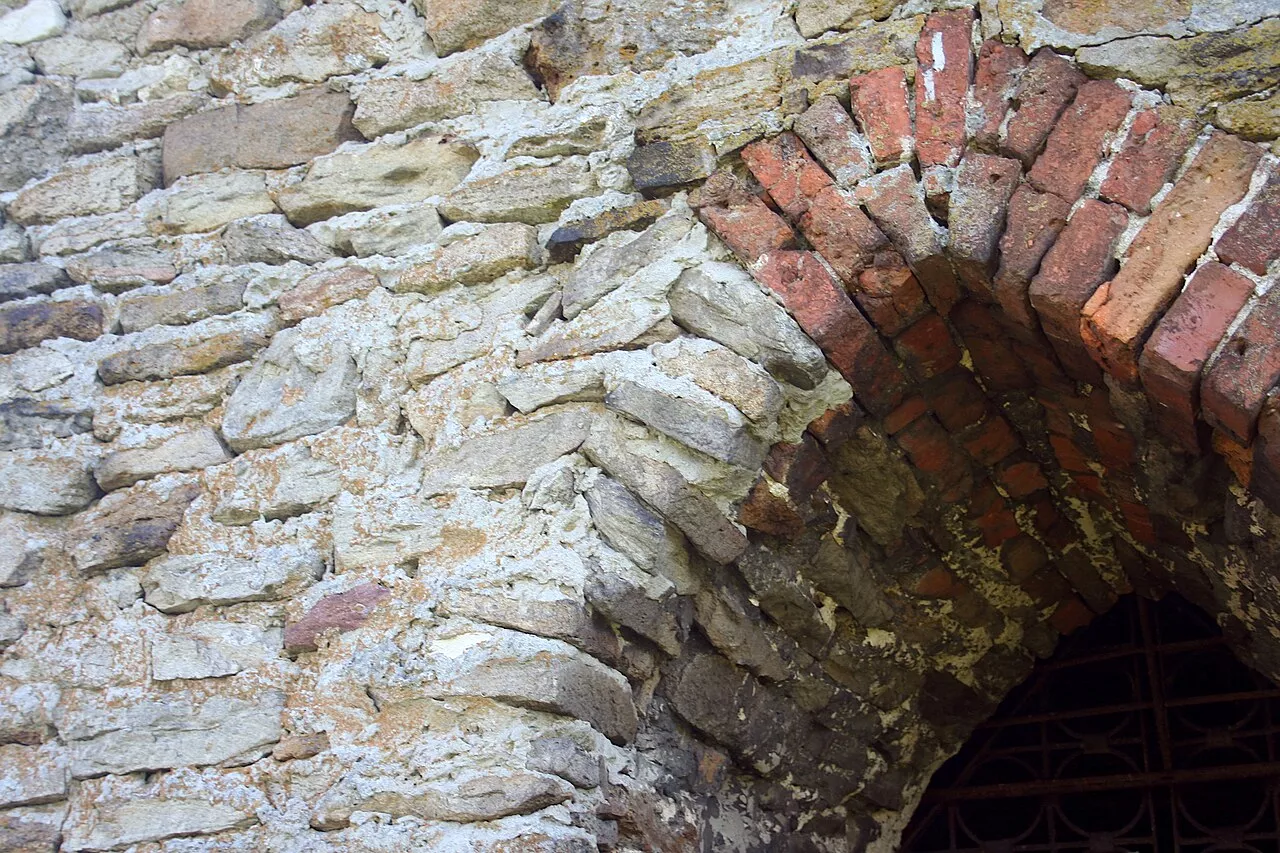
The first excavations from 1909–1912 were conducted by Pavlo Pokryshkin’s expedition: then they found a floor with five rosettes, which was transported to the museum in Chełm. In the 1970s, the tower was measured by a team led by Irena Kutilovska from Lublin University: externally it is rectangular, 5.7 by 6.6 meters, while inside it is round, 3–3.6 meters in diameter, and on the top tier it transitions into an octagon. The walls are made of conglomerate stone, and the highest tier is made of brick.
From 2003 to 2005, comprehensive research was carried out by the Institute of Archaeology and Ethnology of the Polish Academy of Sciences under the leadership of Professor Andrzej Buko. The conclusion: the tower was built no earlier than the late 12th century and likely operated until the late 13th century. Nearby stood a stone platform measuring 12.5 by 15.4 meters with a large wooden building. On the upper tier there was a chapel, and the glazed floor tiles come from the same workshop as the tiles from Danylo’s castle in Chełm.
Chapel or Fortress
The purpose of the tower is still debated. Older works saw it as a defensive structure, while newer ones emphasize its sacred character. There is a hypothesis that it was a monastic tower where the widow of Prince Roman, Danylo’s mother, lived after her husband’s death in 1205, settling around 1220 in an unknown place, probably near Chełm. Similar tower-chapels for nobility were built in the Byzantine world; similar structures existed in Volodymyr and Uhrynsk. Around the 1280s, the tower was surrounded by a palisade and moat, and at the turn of the 13th–14th centuries, the complex burned down and was never rebuilt. Older versions about founders from the Piast dynasty are now considered unlikely.
How to get there
Stolpye is located 8 km west of Chełm, on road No. 12 Chełm — Lublin; about 60 km from Lublin. The tower stands right by the highway and can be viewed from a hill. About one and a half kilometers away is the ancient monastery Church of the Savior in Podgórze, which is also connected with legends about pagan towers. The castle of Danylo on Vysoka Hirka and the cathedral are described in the article about Chełm. More about the region can be found in the article “Polish Polissia: what to see beyond the Bug”. This is Poland: Ukrainian citizens need a foreign passport.