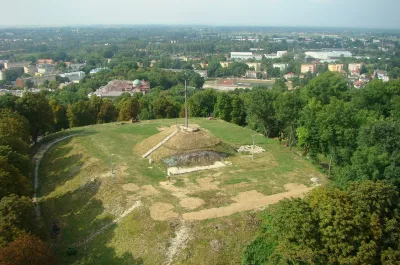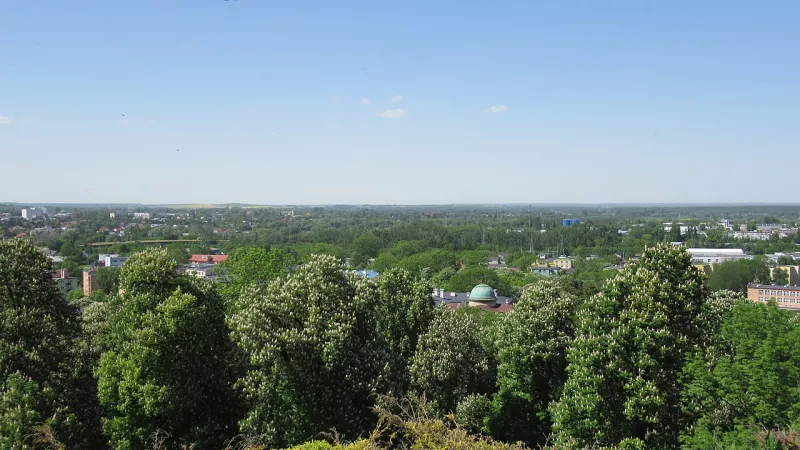
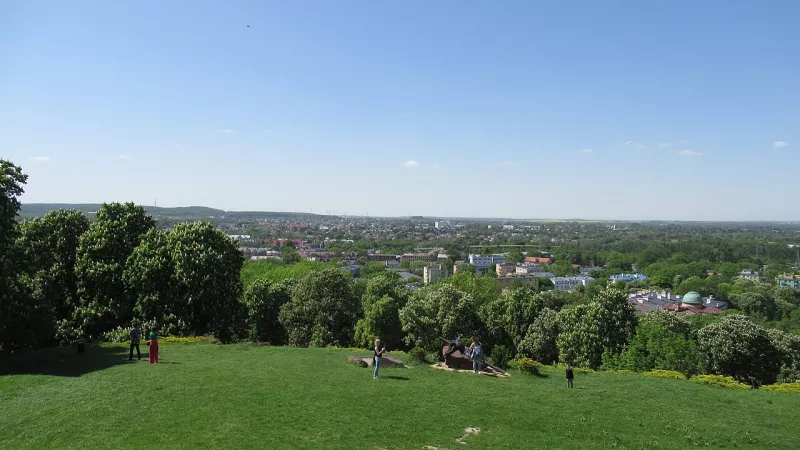
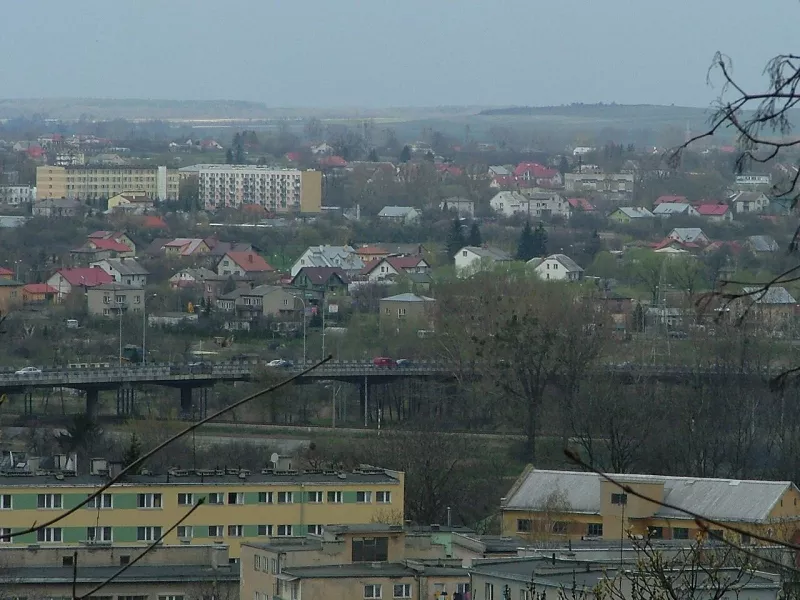
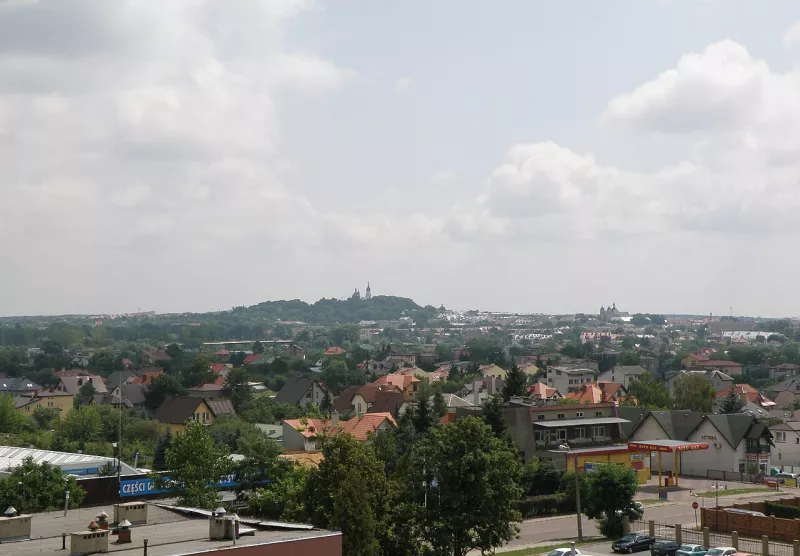

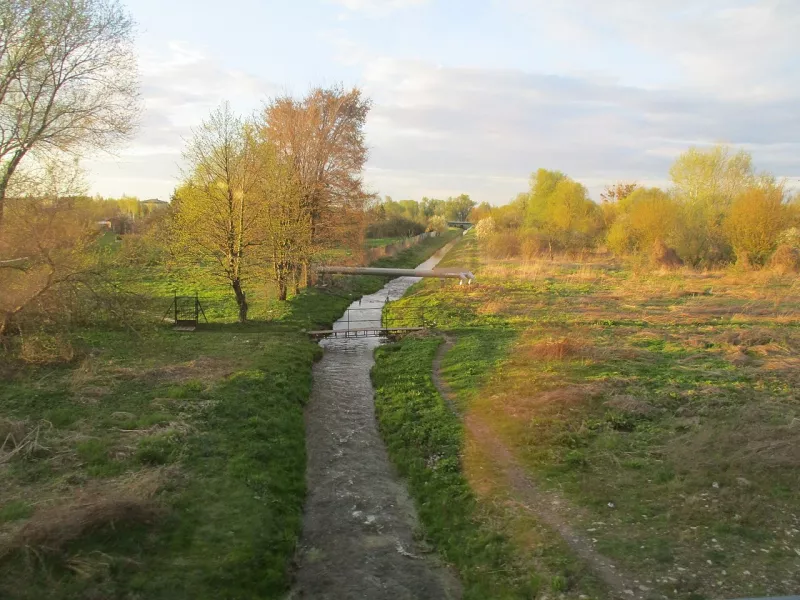

Chełm (Polish Chełm, historically Kholm) is a city with a population of about 56 thousand people in the east of Lublin Voivodeship, 25 km from the border with Ukraine near Dorohusk. It stands on the Uherka River, a tributary of the Bug, on the western edge of Volyn Polissia. The name comes from the old word “kholm” — hill: above the city rises Vysoka Hirka, where there once was a princely fortress. For centuries, Poles, Ukrainians, and Jews lived here side by side.
Capital of King Danylo
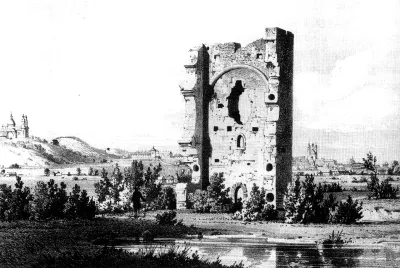
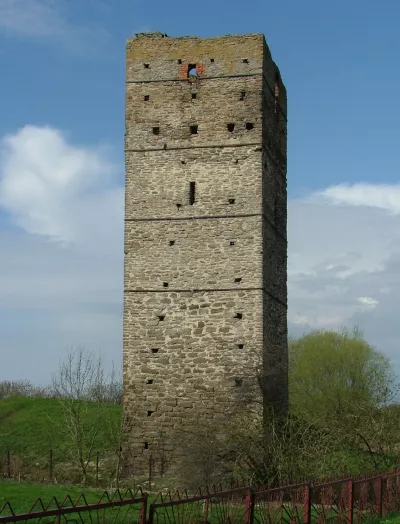
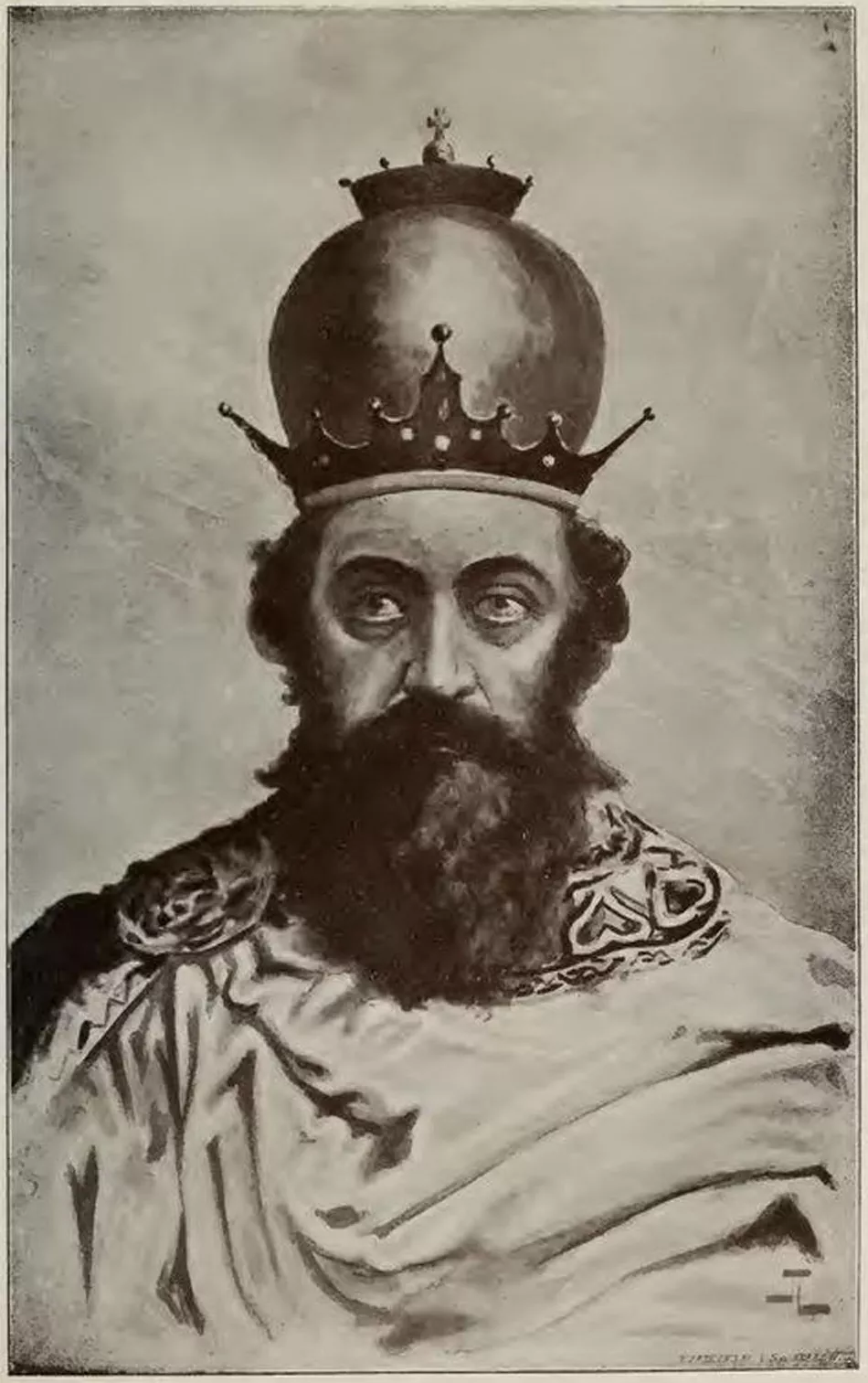
The Galician-Volhynian Chronicle tells that Prince Danylo Romanovych, while hunting, saw a beautiful forested place on a hill and founded a town here. Around 1237–1240 he moved his seat here, built a castle, churches, and defensive towers around it — their remains are preserved in Belavina and Stolpya. Kholm withstood the Mongol invasions of 1240 and 1259, and the bishop’s cathedral was moved here from Uhrusk. Danylo died in 1264 and, according to the chronicle, was buried in Kholm; archaeologists are still searching for his burial place. In 1387 Kholm finally became part of Poland and in 1392 received city rights.
Kholmshchyna and the Eparchy
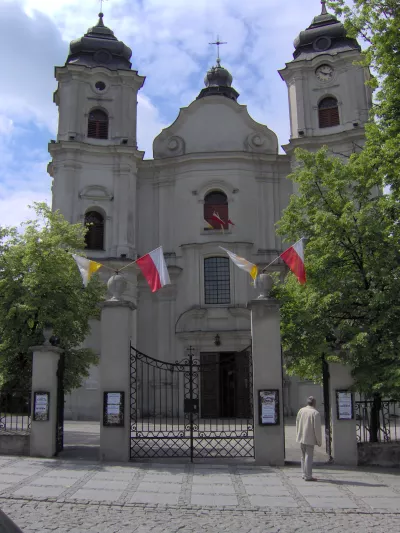
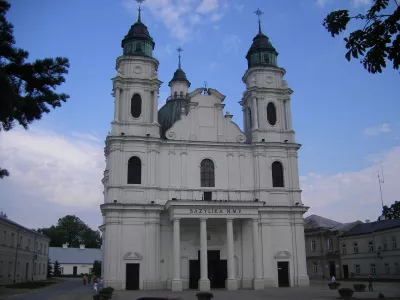
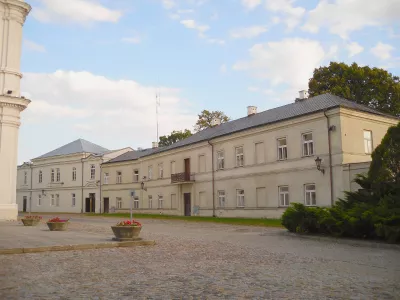
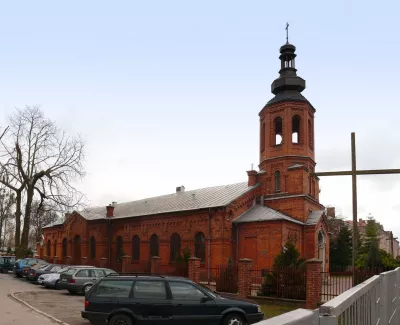
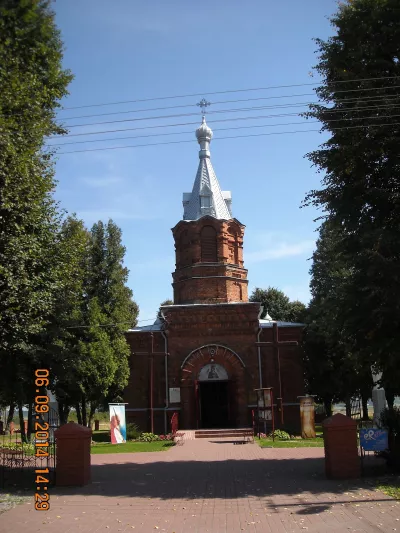
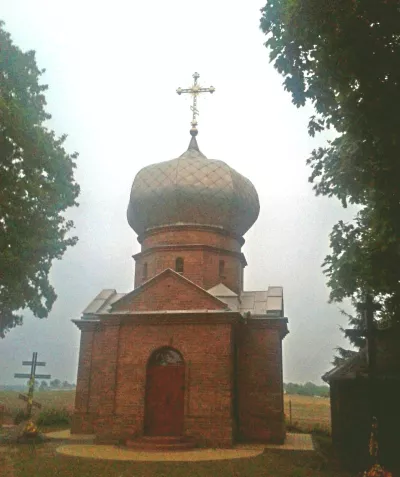
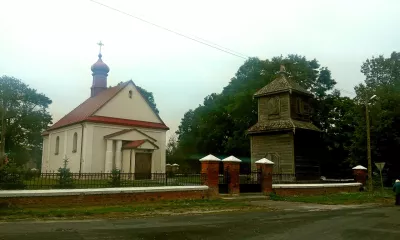
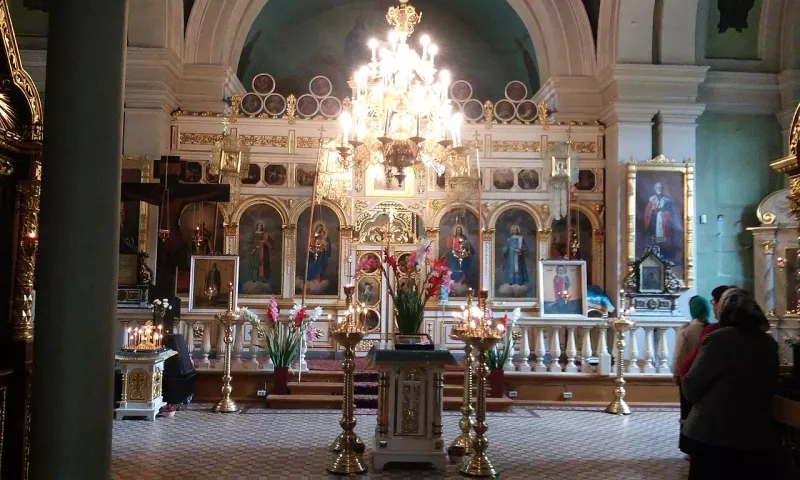
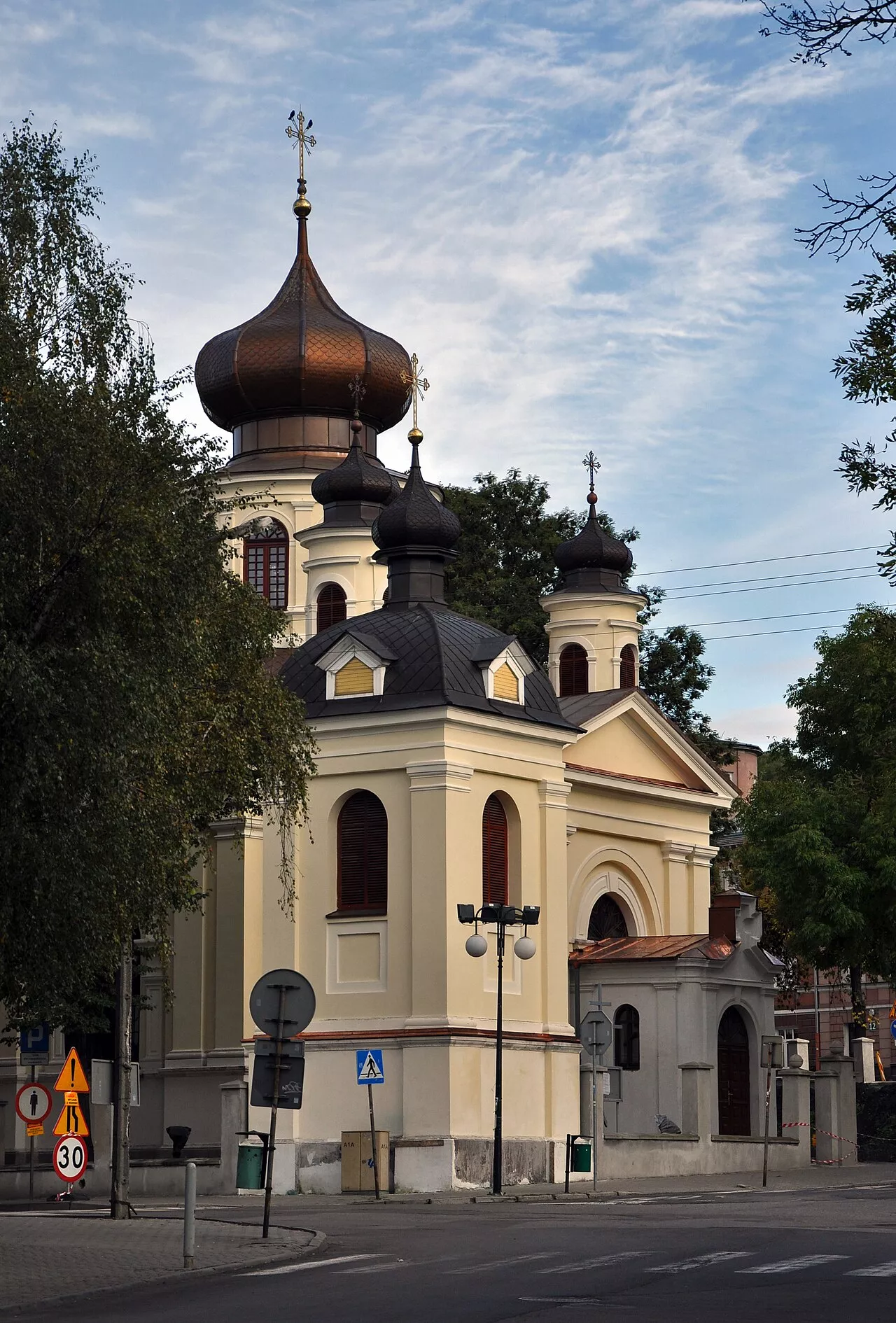
Kholm was for several centuries the center of the Kholm land and of the Orthodox, and after the Union of Brest in 1596 — the Greek Catholic eparchy. It was then that the ensemble on Hirka was created with the Cathedral of the Nativity of the Blessed Virgin Mary and the Palace of the Uniate Bishops. The main shrine was the Kholm Icon of the Mother of God; its original is now kept in the Museum of Volyn Icon in Lutsk. In 1875 the Russian authorities liquidated the Kholm Greek Catholic eparchy, and parishes were transferred to Orthodoxy. From 1912 to 1915 the city was the center of Kholm Governorate. After 1918 Kholm became part of Poland, and in 1944–1947 most Ukrainians of Kholmshchyna were resettled to the Ukrainian SSR or to the western lands of Poland. Today the city has the Church of St. John the Theologian from the mid-19th century — a co-cathedral of the Polish Autocephalous Orthodox Church.
What to See in the City
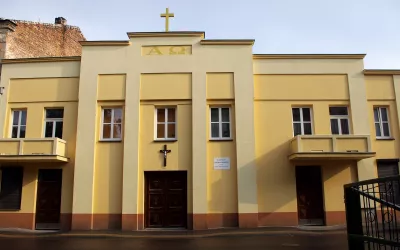
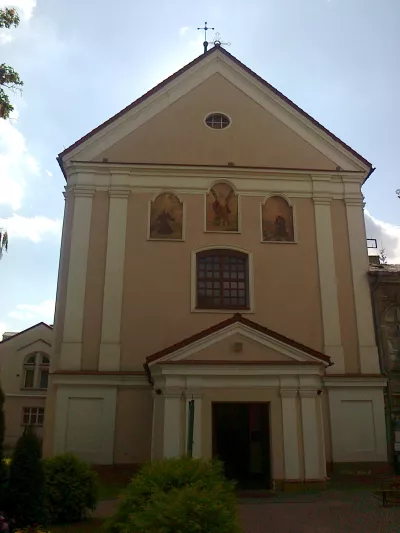
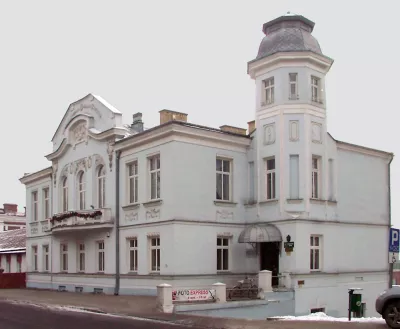
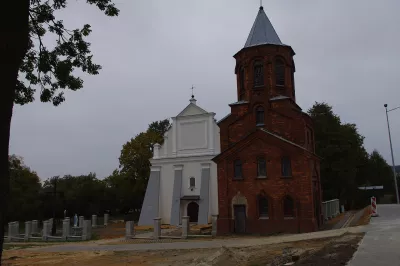
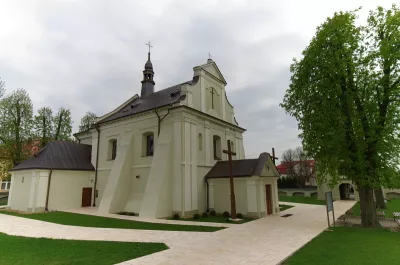
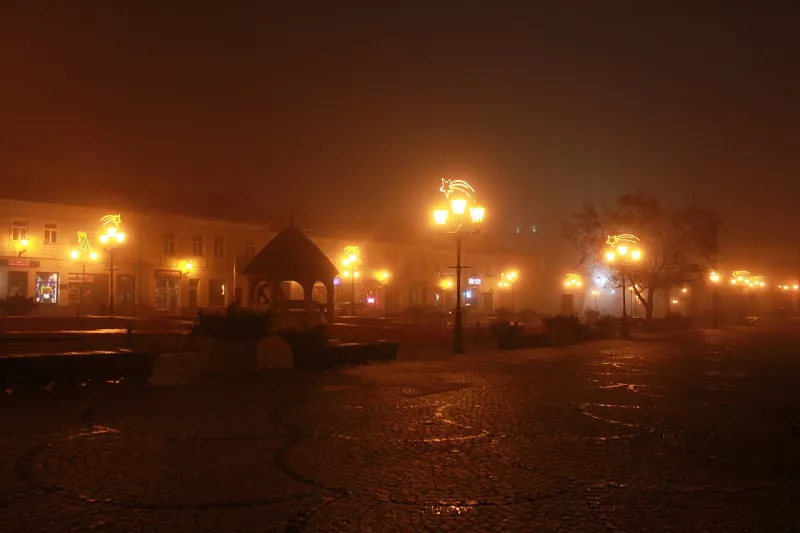
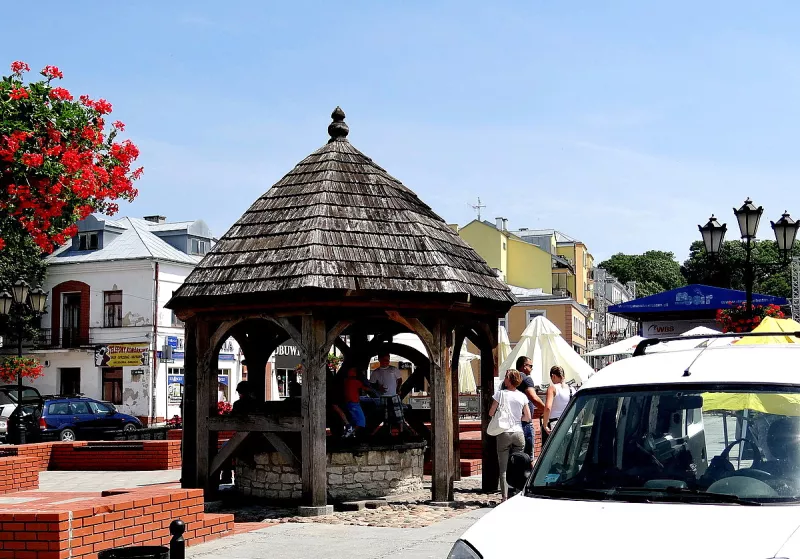
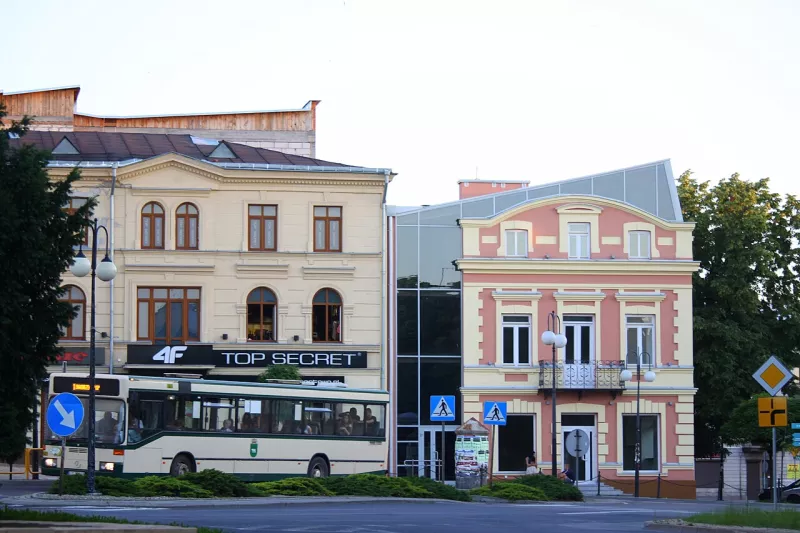
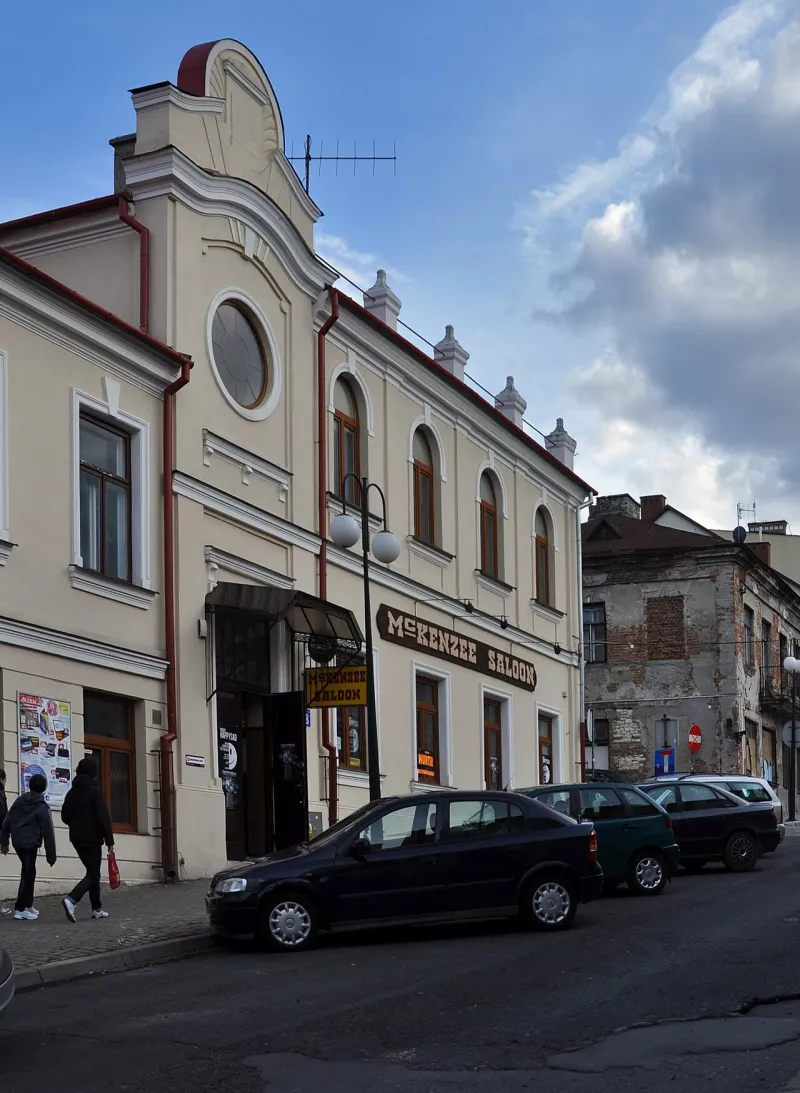
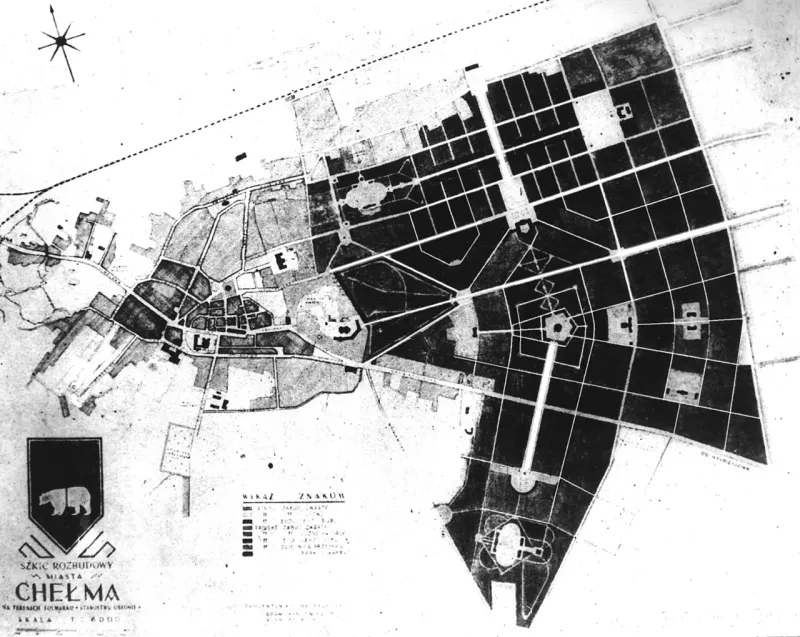
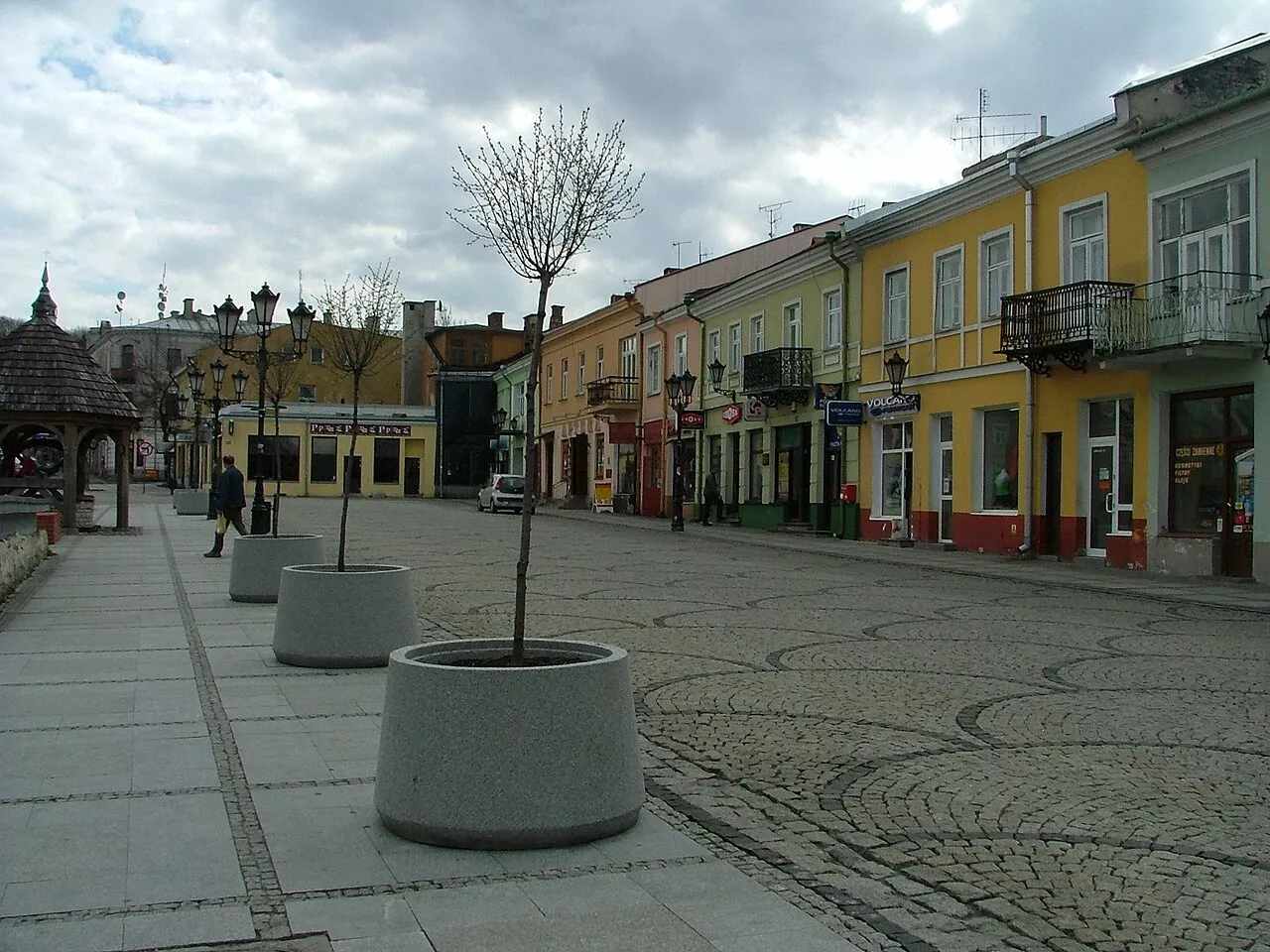
A walk should start from Vysoka Hirka: from here you can see the whole city, and nearby stand the cathedral, bell tower, and the former Basilian monastery. Streets lead down to the Old Town to Luchkovskyi Square — the former Market Square, where the foundations of the 14th-century town hall have been opened. Along Liublinska Street is the Baroque Church of the Apostles’ Mission with an unchanged 18th-century interior and the former Piarist college. Nearby are the Church of St. Andrew with the sanctuary of St. Anthony, the Church of St. Casimir (former garrison church), the Church of Our Lady of Victory in the building of an old cinema, and the eclectic Krechmar Palace. A separate world is the modernist New Town of the 1920s–1930s.
Chalk Underground
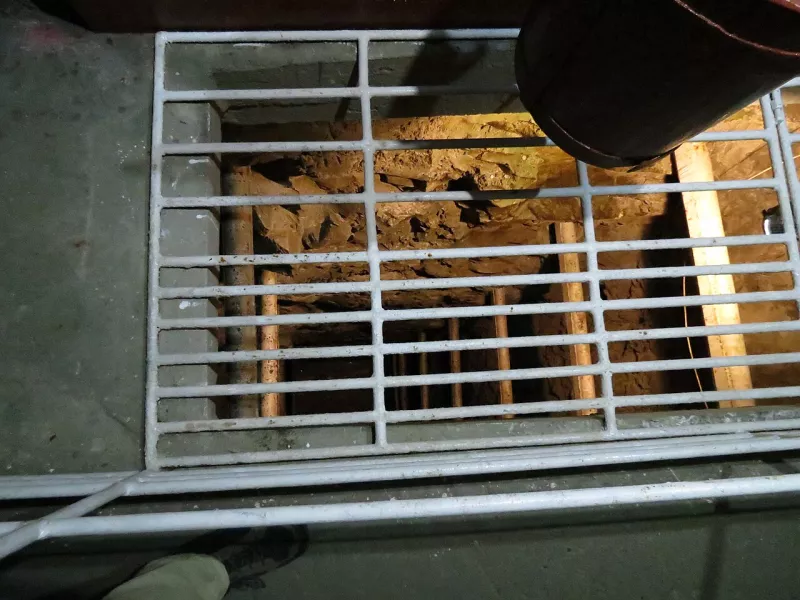
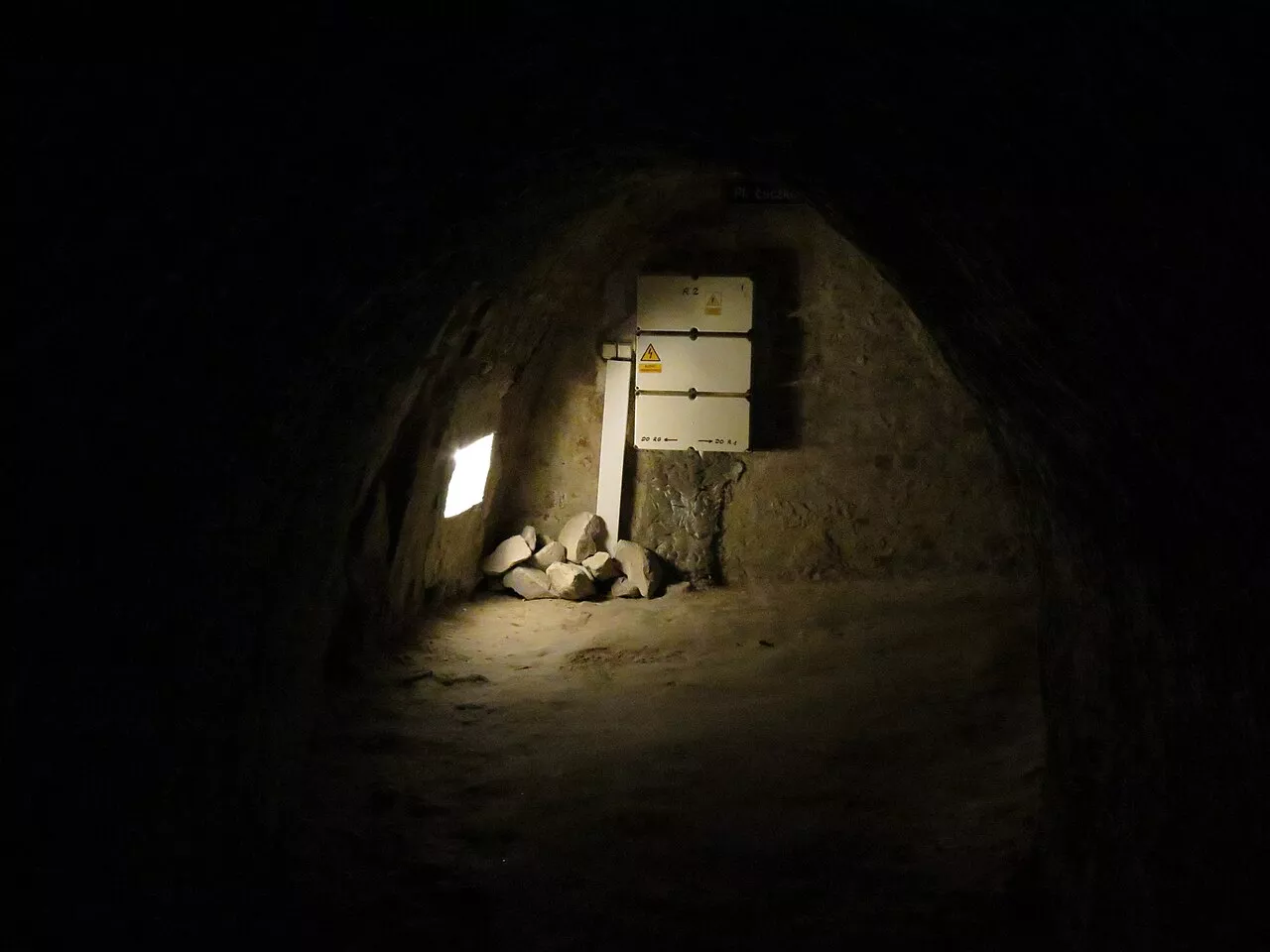
Under the Old Town lies the labyrinth of Chełmskie Podziemia Kredowe — a former chalk mine, the only one of its kind in Europe. Chalk has been mined here since the time of Danylo, with the peak in the 17th–18th centuries: then, out of one hundred houses, eighty had cellars with direct access to the tunnels. The corridors are on several levels and stretch for tens of kilometers. In the 19th century, mining was limited, and at the beginning of the 20th century, it was banned due to street collapses. In 2024, National Geographic readers chose the underground as the “Wonder of Poland” from the Lublin region.
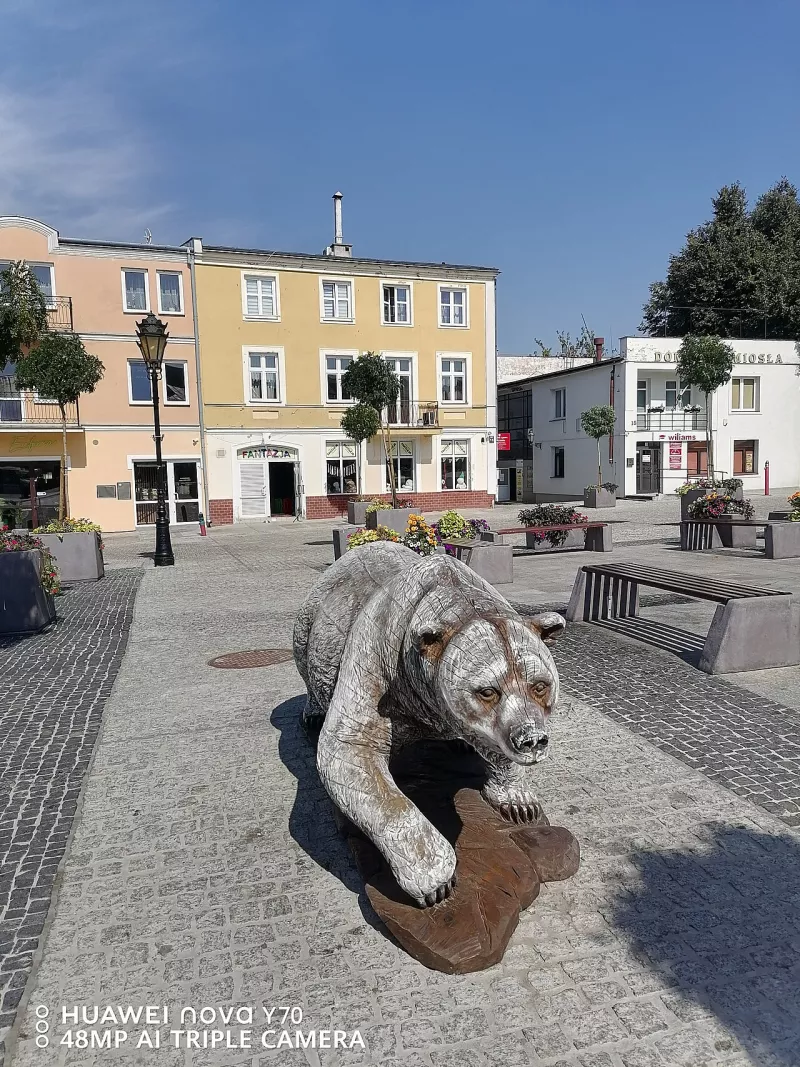
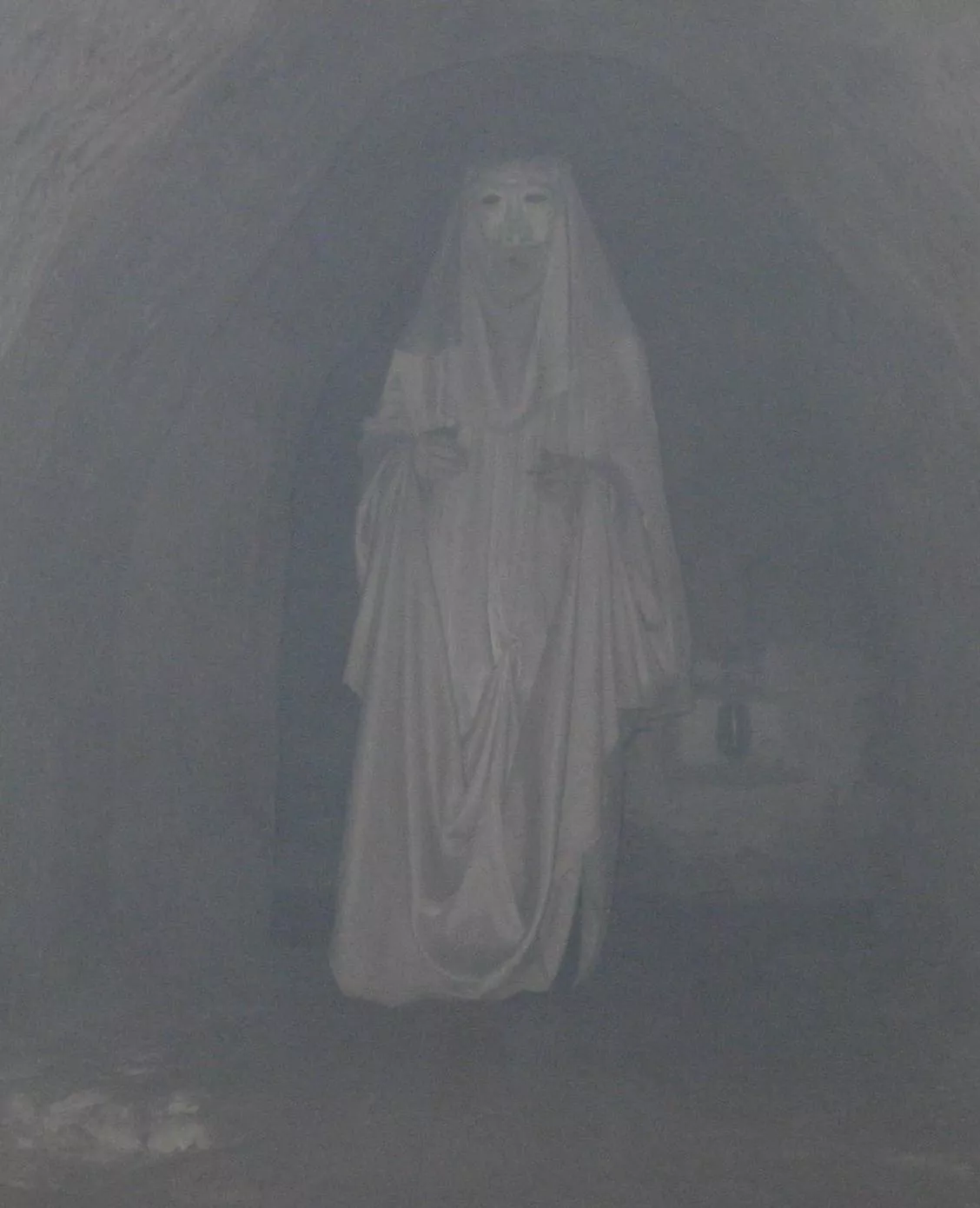
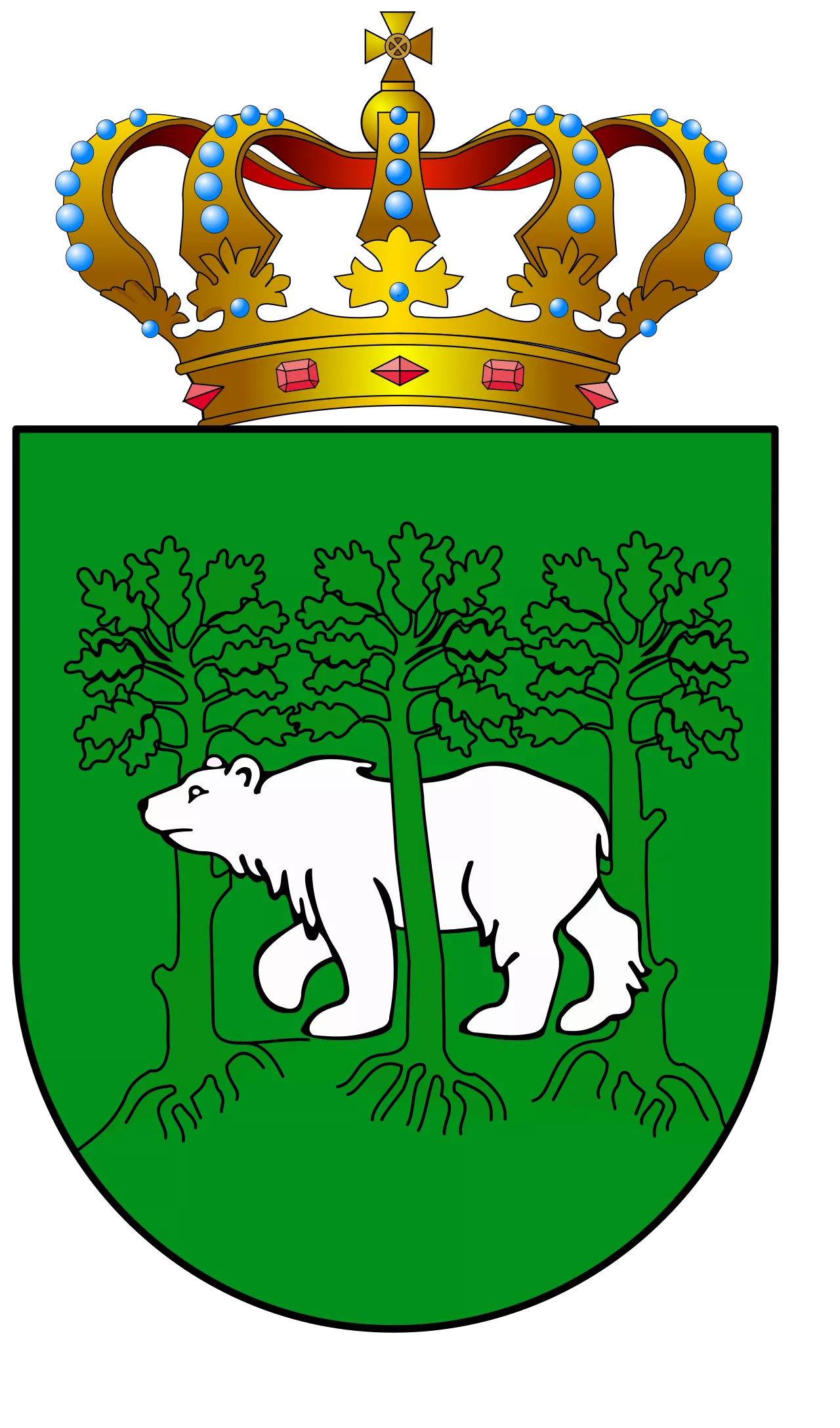
The most famous legend is about the Spirit Bilukh, the guardian of the underground treasures. It is said to be the spirit of a white chalk bear that lived in a cave on Hirka and appeared when the city was threatened; this bear is also on the coat of arms of Chełm. During the tour, Bilukh “emerges” from the darkness in one of the chambers. The entrance is at 55a Lublin Street, only with a guide at designated times. Inside, the temperature is about +9 °C year-round, and there are sixty steps at the beginning, so warm clothing and comfortable shoes are needed.
Chełm Land Museum
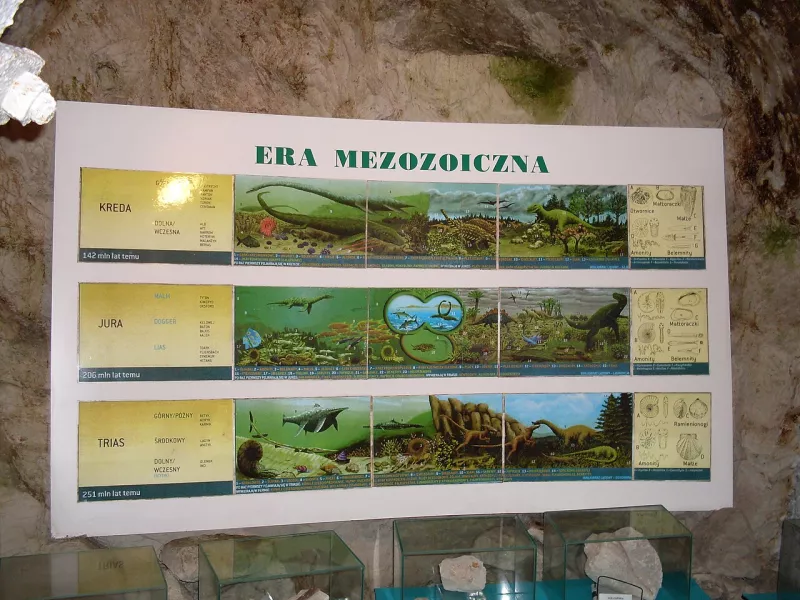
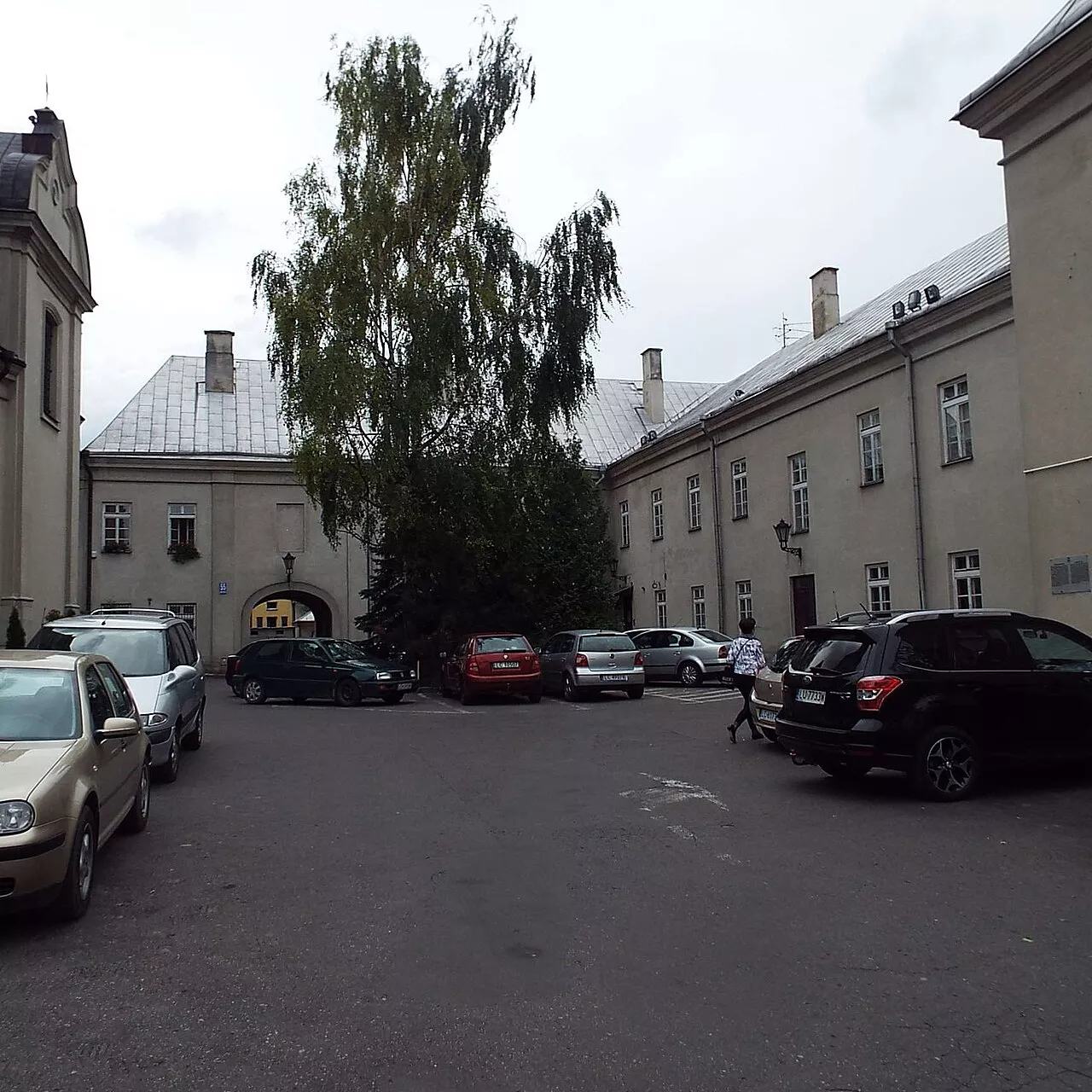
The Viktor Ambrozewicz Museum occupies several buildings: the main one is the former Piarist college at 55 Lublin Street, a townhouse nearby, and the old 18th-century St. Nicholas Church, which houses the ancient art department and a concert hall. The exhibitions include archaeology of Chełm region, nature and paleontology (remains of a mammoth and a woolly rhinoceros), folk art, and railway history. The museum is open daily except Monday.
Jewish Chełm
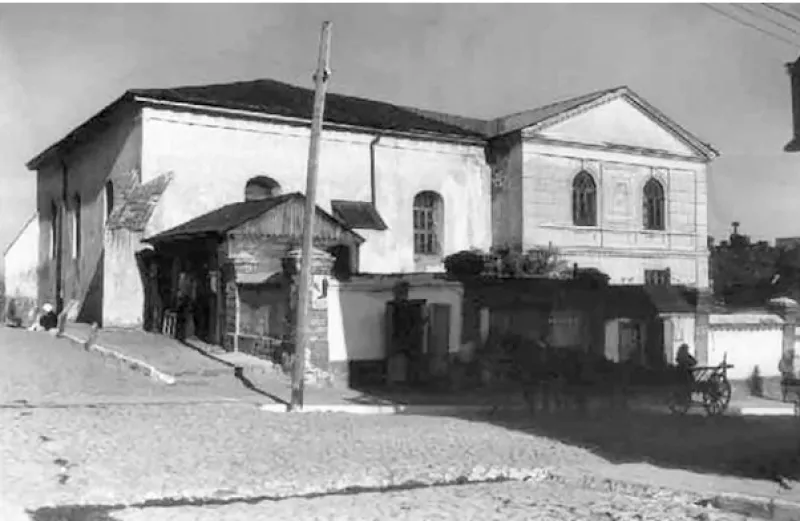
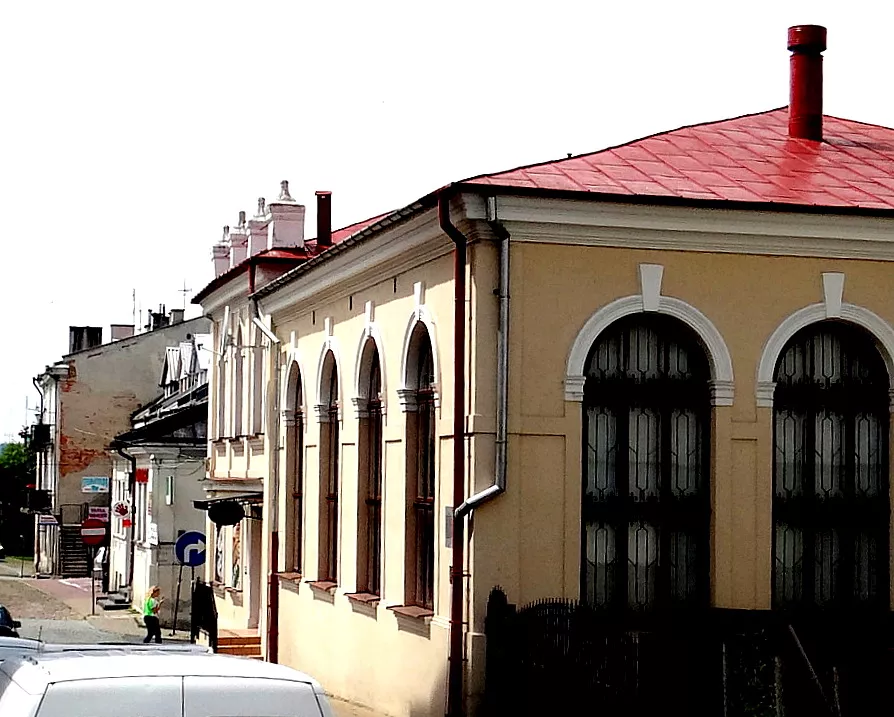
The oldest monument of the Jewish community is a tombstone from 1442 in the old cemetery. The Great Synagogue stood from 1584 but was destroyed by the Germans during World War II. In the 18th–19th centuries, the city became one of the centers of Hasidism, and before 1939, about 15,000 Jews lived here — almost half of the population. During the occupation, the Nazis created a ghetto, most of its prisoners perished in Sobibór. From that time, the Small Synagogue on Kopernika Street remains. In Jewish folklore, Chełm is the city of “wise men” who always find the strangest solutions to simple problems; these jokes were adapted in stories by Nobel laureate Isaac Bashevis Singer.
Famous People
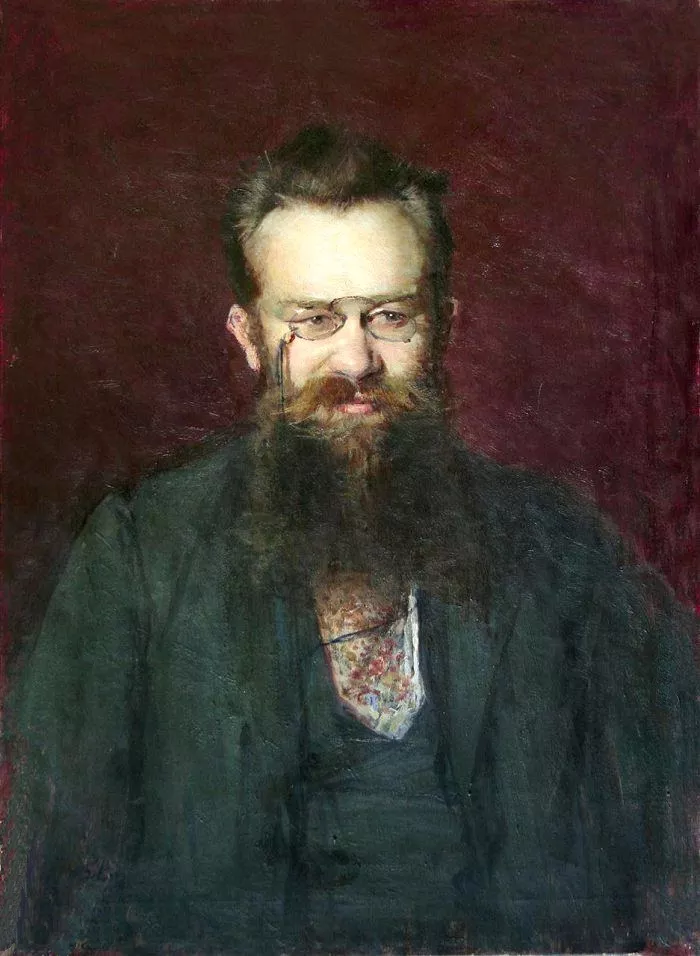
On September 17, 1866, in Chełm, in the building of the former Piarist monastery on Lublin Street, the historian Mykhailo Hrushevskyi was born: his father taught at local educational institutions, and the future head of the Central Rada spent his first three years of life here. From 1940 to 1944, the archbishop of Chełm was Ivan Ohienko (Metropolitan Ilarion). The world-class violinist Ida Haendel was a native of Chełm.
Nature Nearby
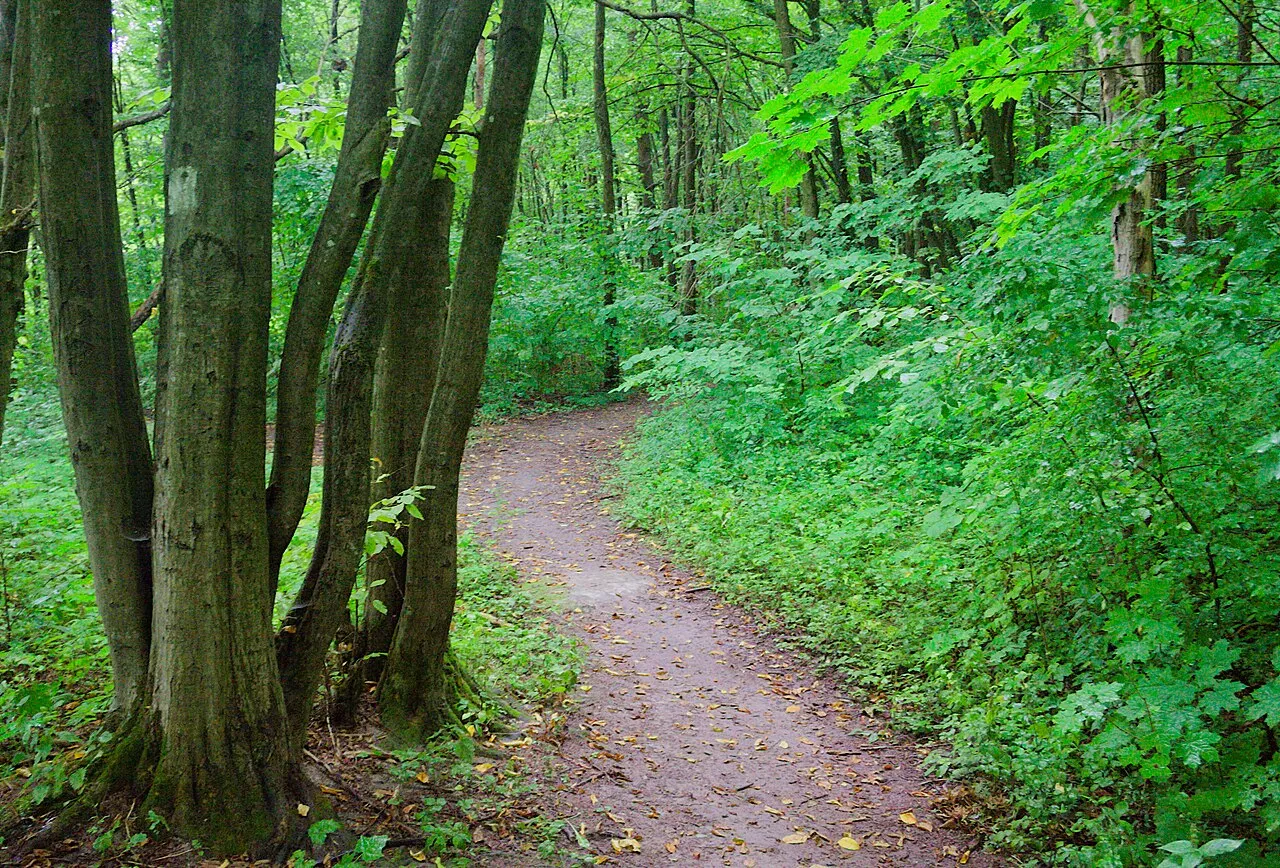
On the outskirts of the city is the small steppe reserve Wolwinów with dwarf cherry and other thermophilic plants. A few kilometers to the east begin the Chełm chalk peatlands in the Chełm Landscape Park: here grow the rare swamp sword-grass and orchids, and the marsh warbler nests. The most famous site is Bahno Serebrynske. Nearby, it is also worth seeing the hillfort in Kane.
Coat of Arms and Flag
The coat of arms of Chełm features a white bear walking among three oaks on a green background. The bear is white like the chalk under the city; according to legend, it scared off invaders from the cave where the townspeople hid. The city flag repeats these colors.
How to Get There
From the Yahodyn–Dorohusk border crossing to Chełm is about 25 km via road S12/DK12. Chełm is a railway station on the Kovel–Lublin line: Ukrzaliznytsia operates direct trains here from Kyiv and other cities via Kovel and Yahodyn, schedules and tickets are available in the UZ app. From Lublin, it is about 70 km by the same road S12 or by train; to Włodawa — about 50 km north — this is already Polish Polissia. For Ukrainians, this is Poland: a biometric passport is required.