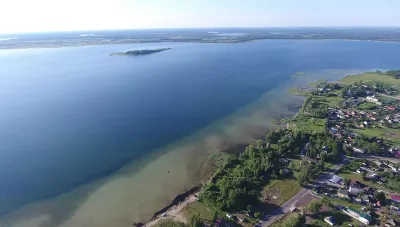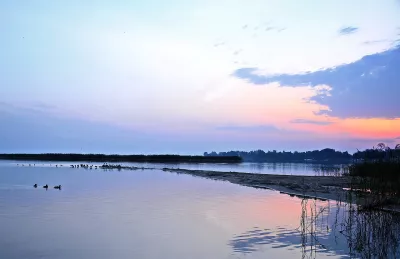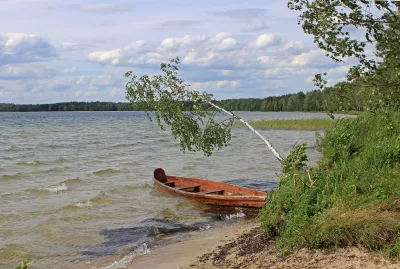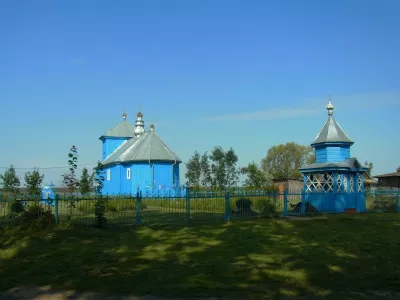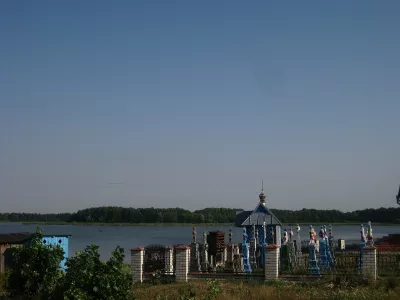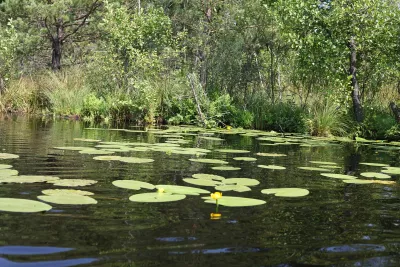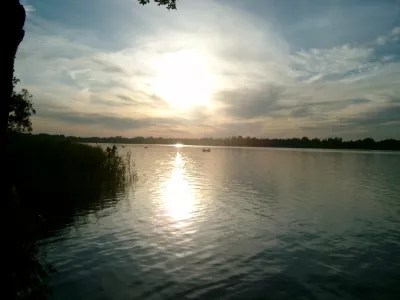
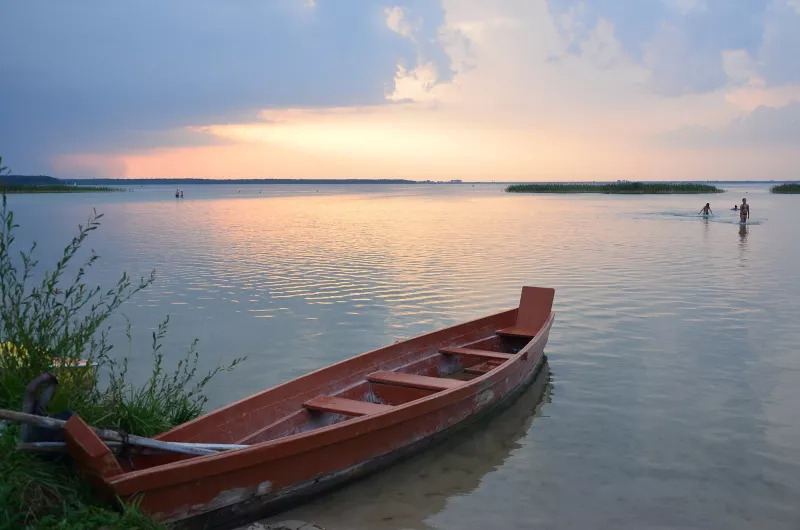
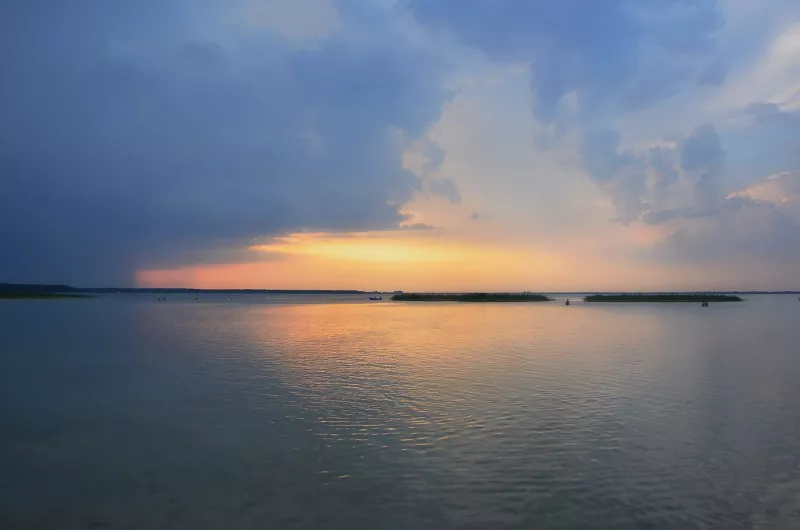
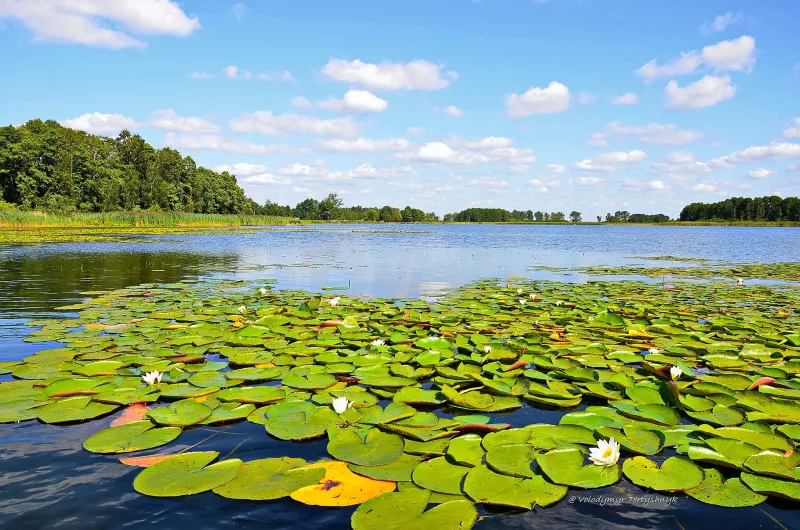
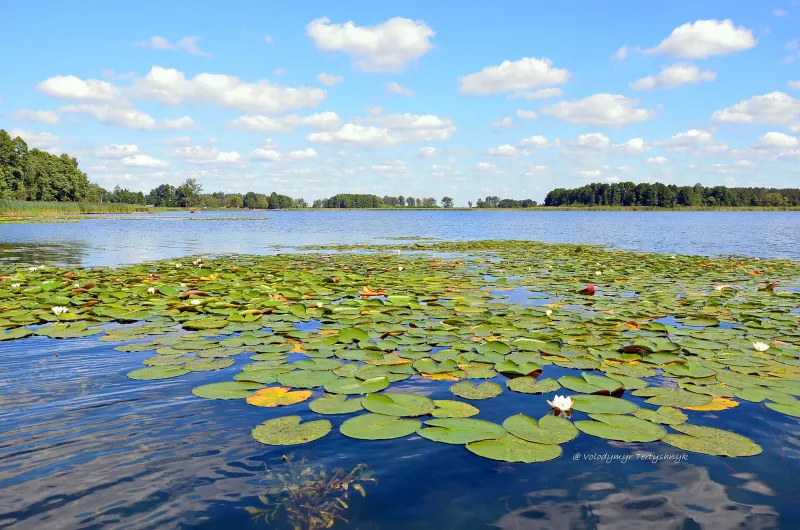
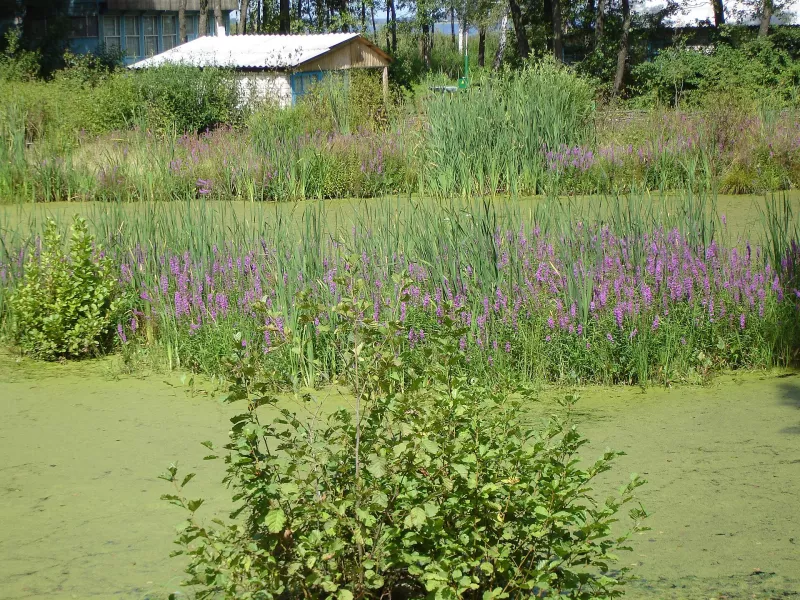
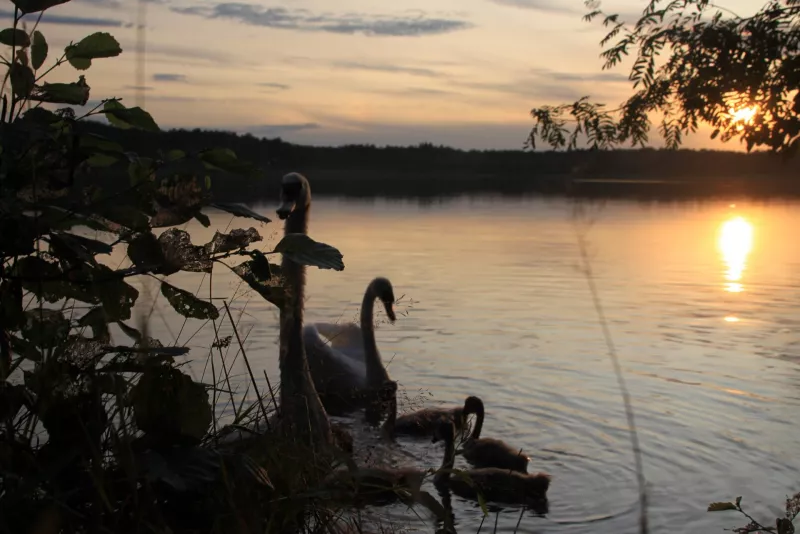
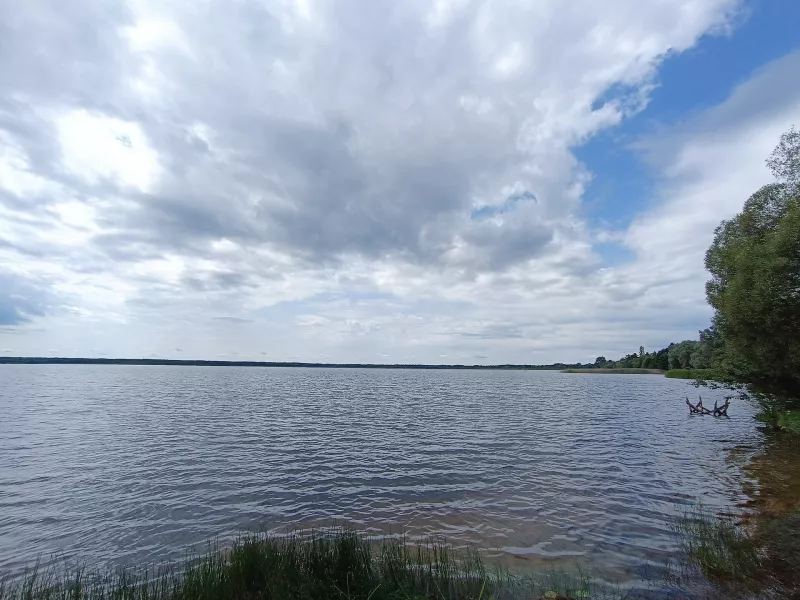
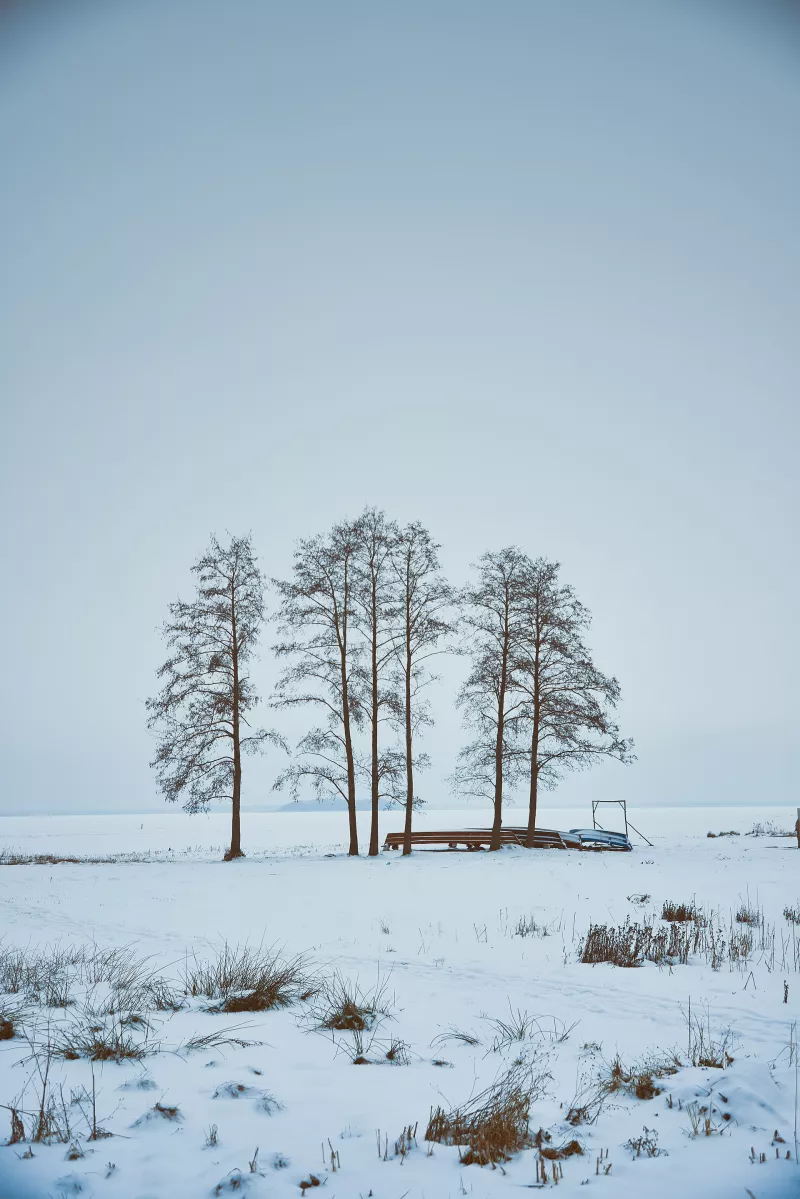
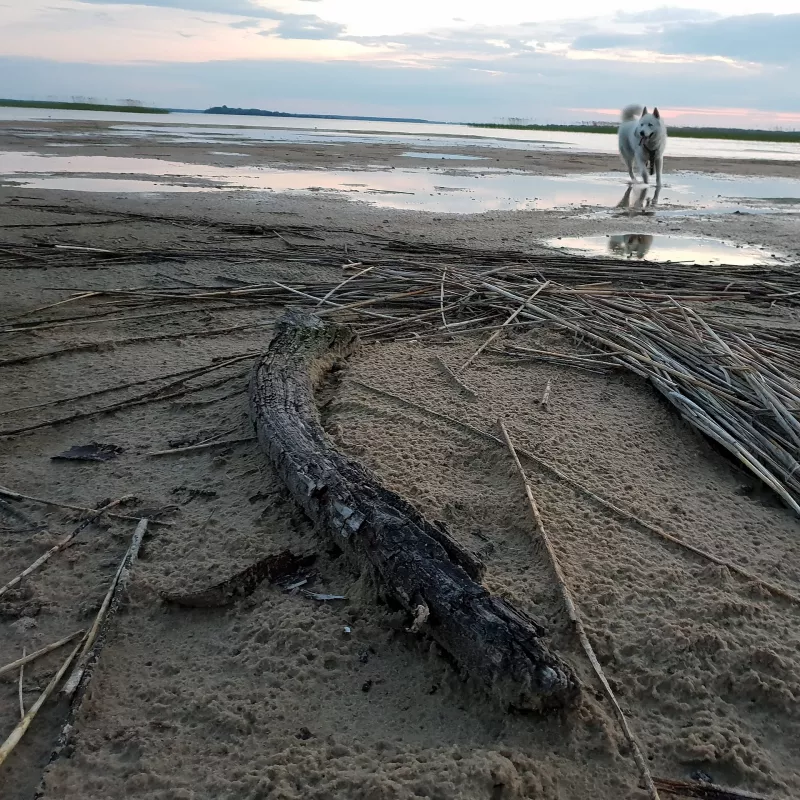

Shatsk National Nature Park is the main natural gem of Volyn. It lies in the far northwest of Ukraine, near the borders with Poland and Belarus, and protects one of the largest lake systems in Europe: Svityaz, Pulemetske, Pisochnyne, Krymne, Luky, Peremut, and dozens of smaller lakes amid pine forests and bogs. In summer, people come here from all over the country to swim, and in winter, for the silence of snow-covered pine woods.
How It Was Created
The park was established on December 28, 1983, on the basis of the landscape preserves "Lake Svityaz", "Lake Pulemetske", "Lake Pisochnyne", and "Lake Krymne", designated back in 1974, as well as several natural monuments: the Luky, Melevane, and Piddovhe-Pidkruhlyi bogs and Lake Klymivske. In 1999, the park's area was expanded, and today it covers nearly 49,000 hectares.
The park is divided into zones: conservation (over 5,000 hectares), regulated and stationary recreation, and economic zones. It includes the "Vtenskyi" botanical preserve, the "Rostanskyi" and "Yalynnyk" forest preserves, the "Somynets" ichthyological preserve, and several centuries-old oaks and pines as natural monuments.
Lakes
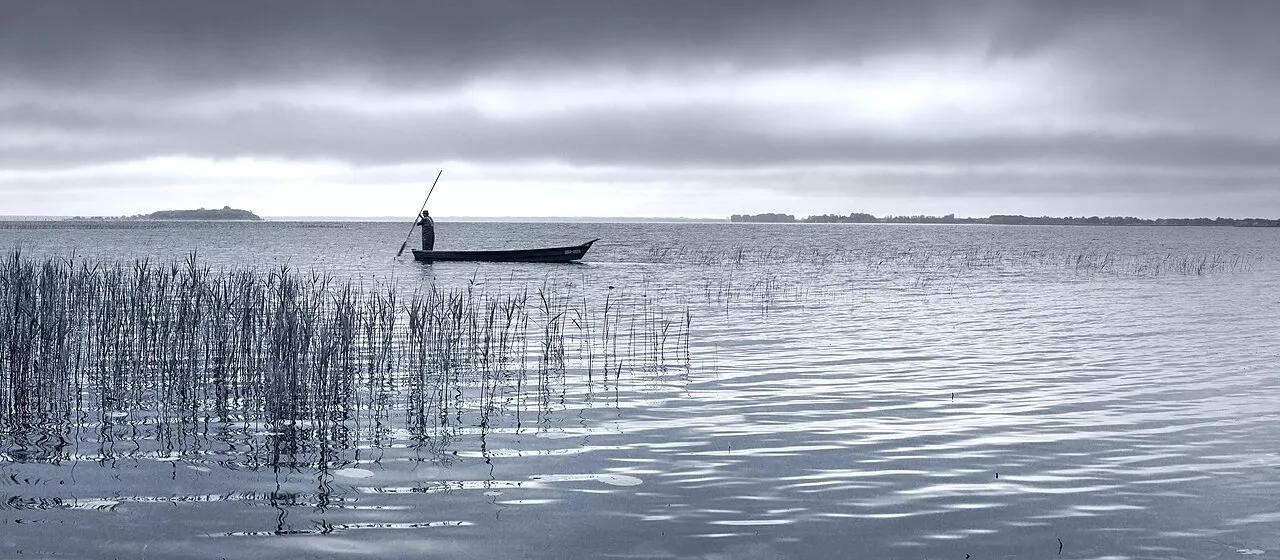
The park's greatest feature is its lakes, varying in size and origin. Svityaz, Pulemetske, and Krymne are karst lakes; Pisochnyne, Lyutsymyr, Luky, and Peremut lie in chalk hollows complicated by karst; and Chorne Velyke is of glacial origin. There are also relict small lakes amid the bogs: Ozertse, Moshne, and Lynovets. The water in many of the lakes is soft, with low mineralization.
Forests and Bogs
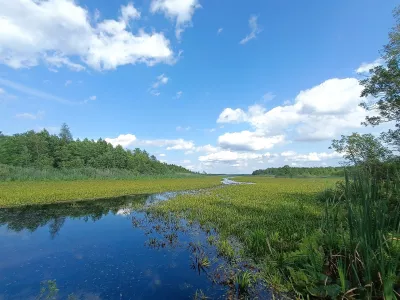
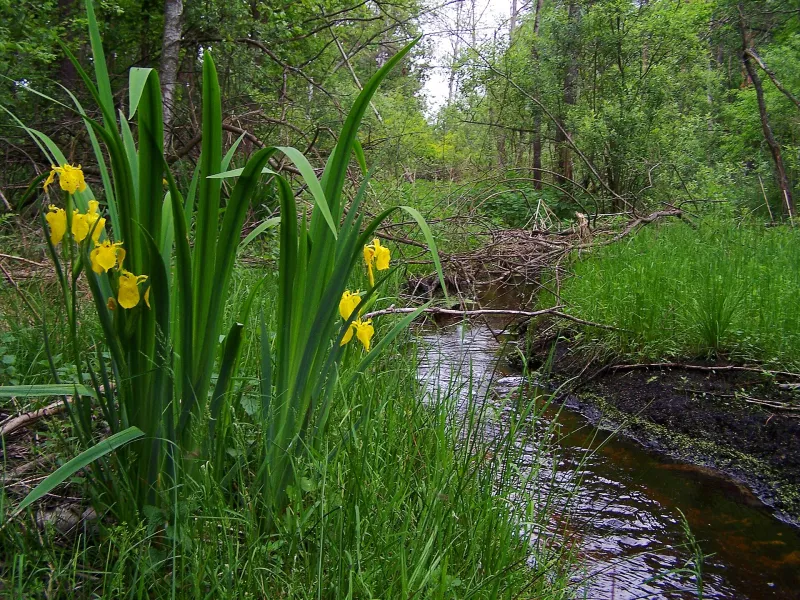
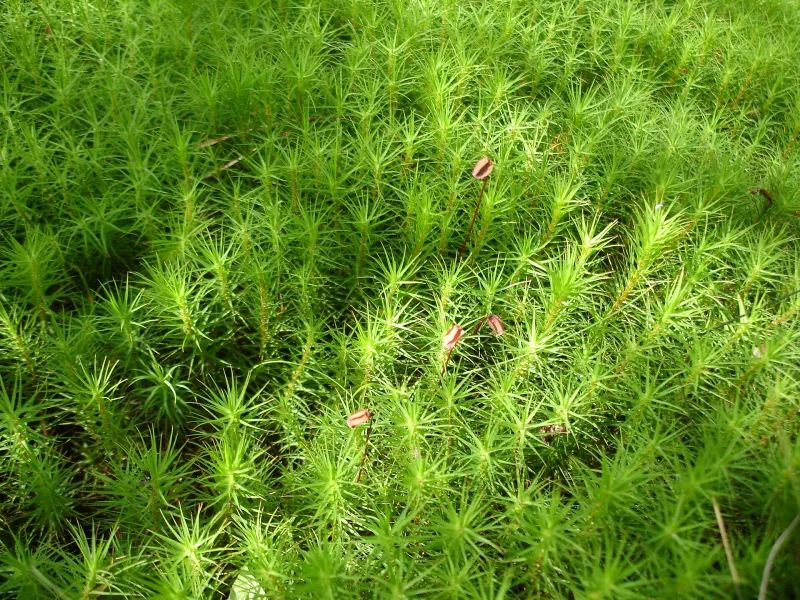
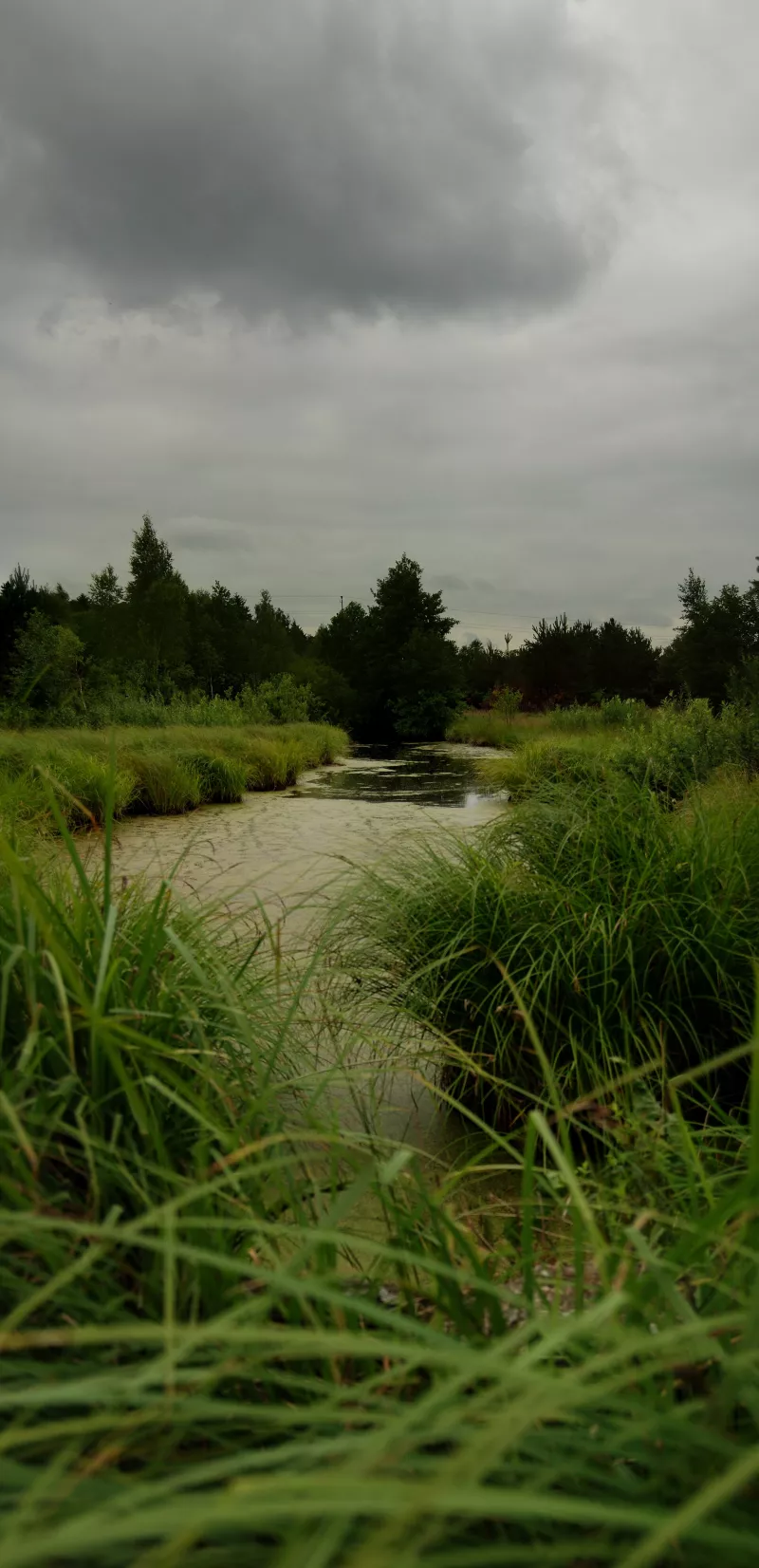
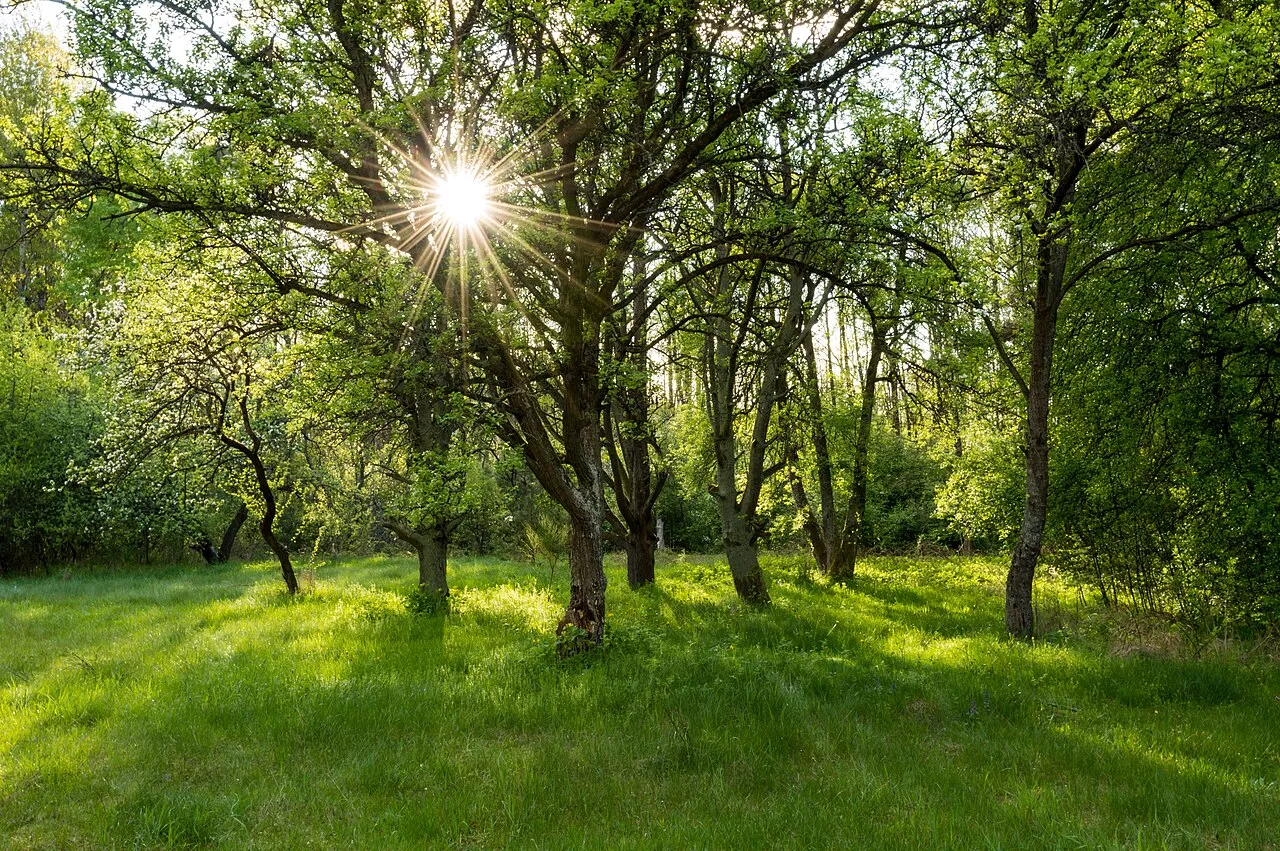
The most characteristic forests of the park are pine woods with bilberry and green mosses. Between the lakes in the lowlands lie sedge bogs, and raised bogs, which are rare for Polissia, also occur. The Main European Watershed runs through the park: from here water flows either to the Prypiat and the Black Sea, or to the Western Bug and the Baltic. The surface is flat, at an altitude of 160–180 meters above sea level, with sandy eskers near the village of Svityaz.
Plants and Animals
There are 789 species of plants growing in the park, 32 of which are listed in the Red Data Book of Ukraine. There are 33 species of Red Data Book animals here. The park's lakes and bogs are protected as wetlands of international importance.
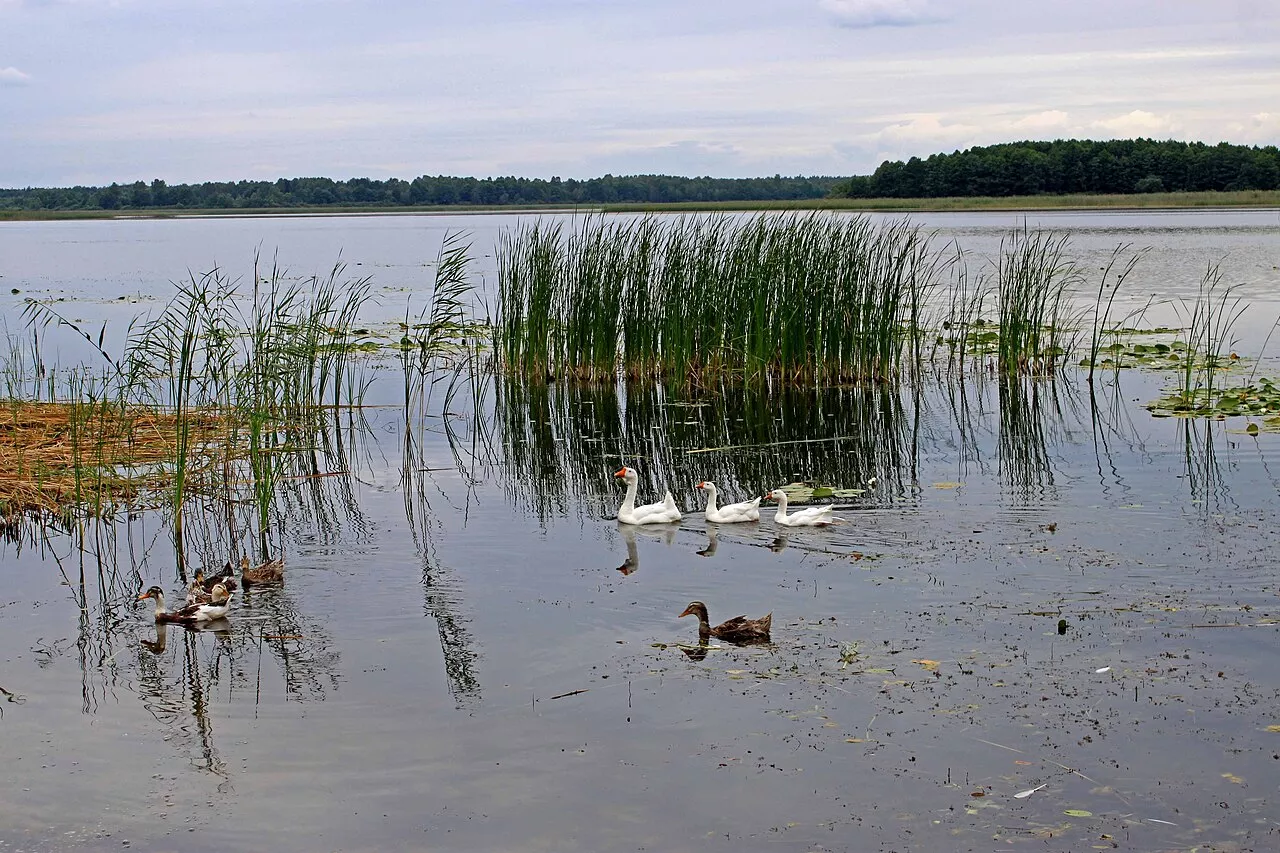
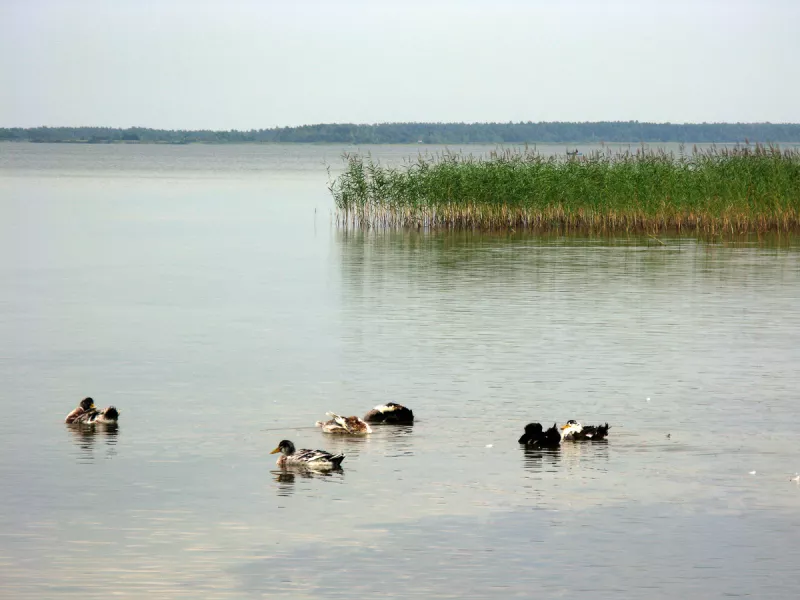
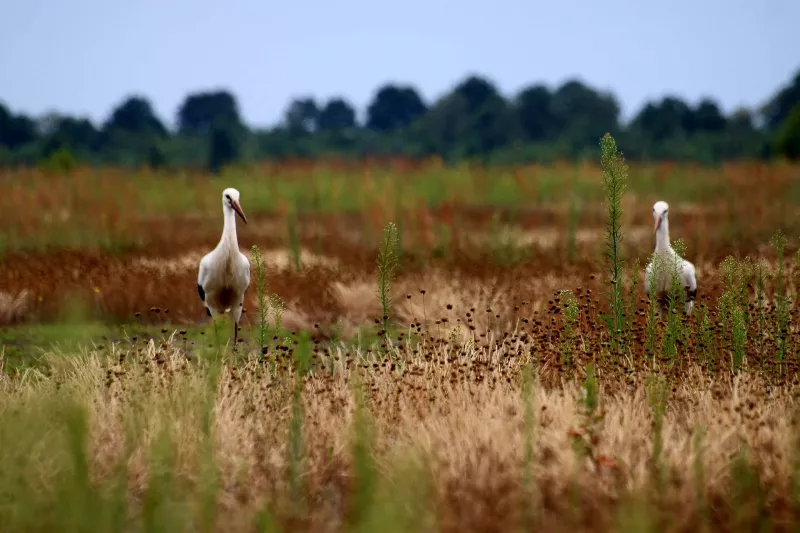
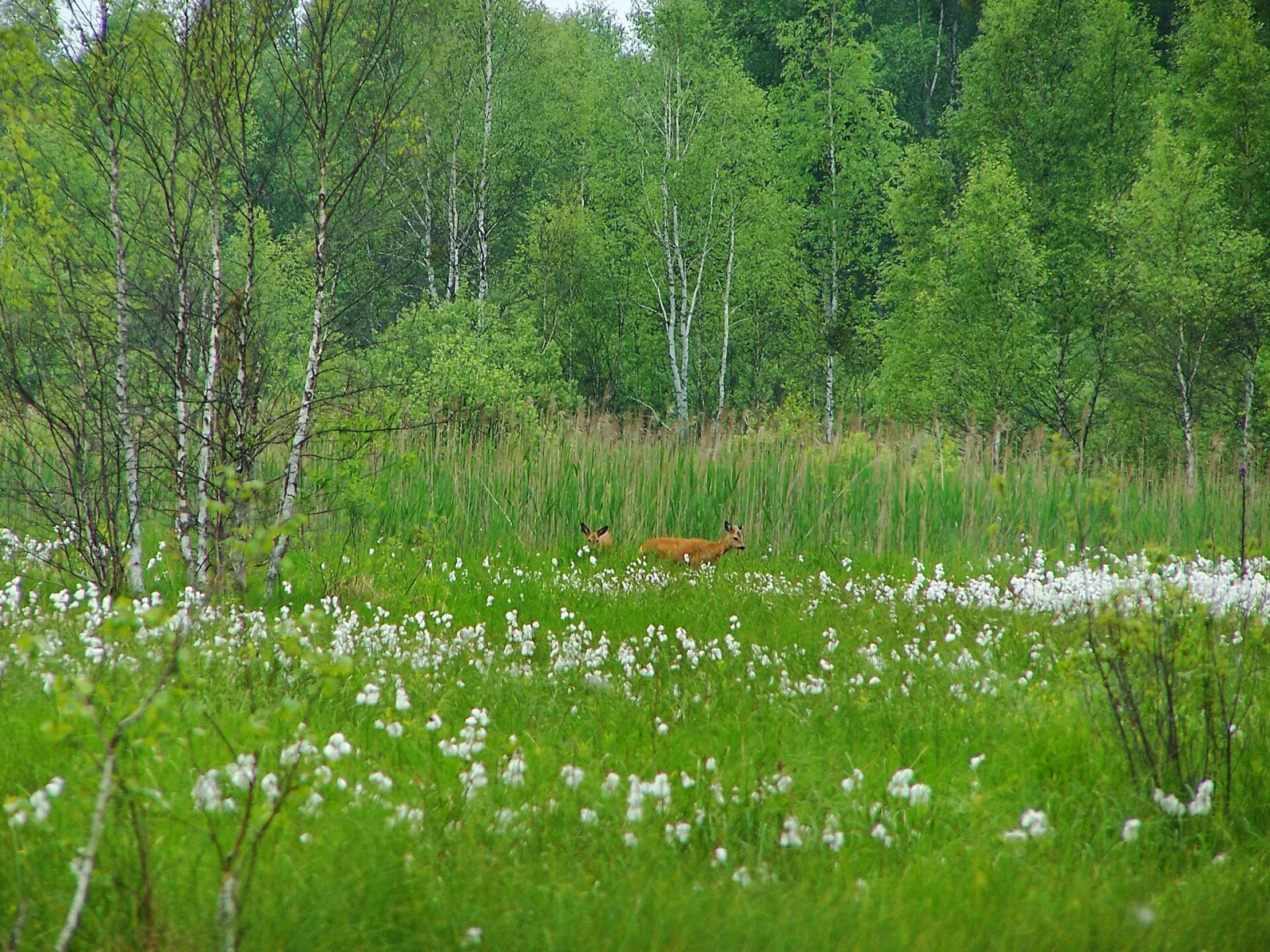
Vertebrate animals in the park number 333 species: 44 mammal species, 241 bird species, 7 reptile species, 12 amphibian species, and 29 fish species. Elk, roe deer, wild boar, and red squirrel live in the forests; among predators, marten, stoat, least weasel, and red fox are common, while otter, badger, and wolf are less frequently encountered. In 2023, 15 species of bats were counted in the park — more than half of those found in Ukraine. Among the Red Data Book inhabitants are the natterjack toad, smooth snake, black stork, Eurasian eagle-owl, red kite, and common eider.
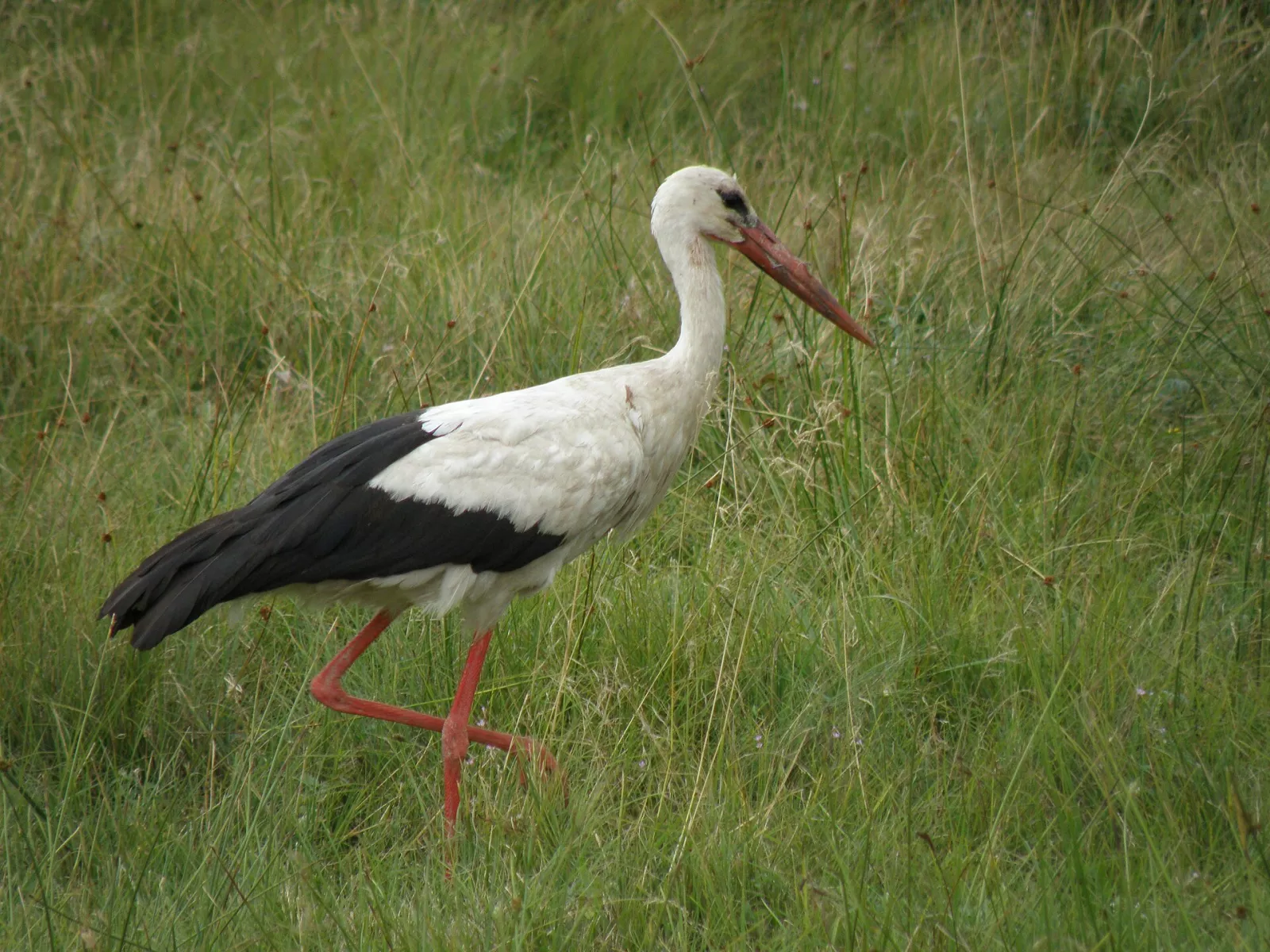
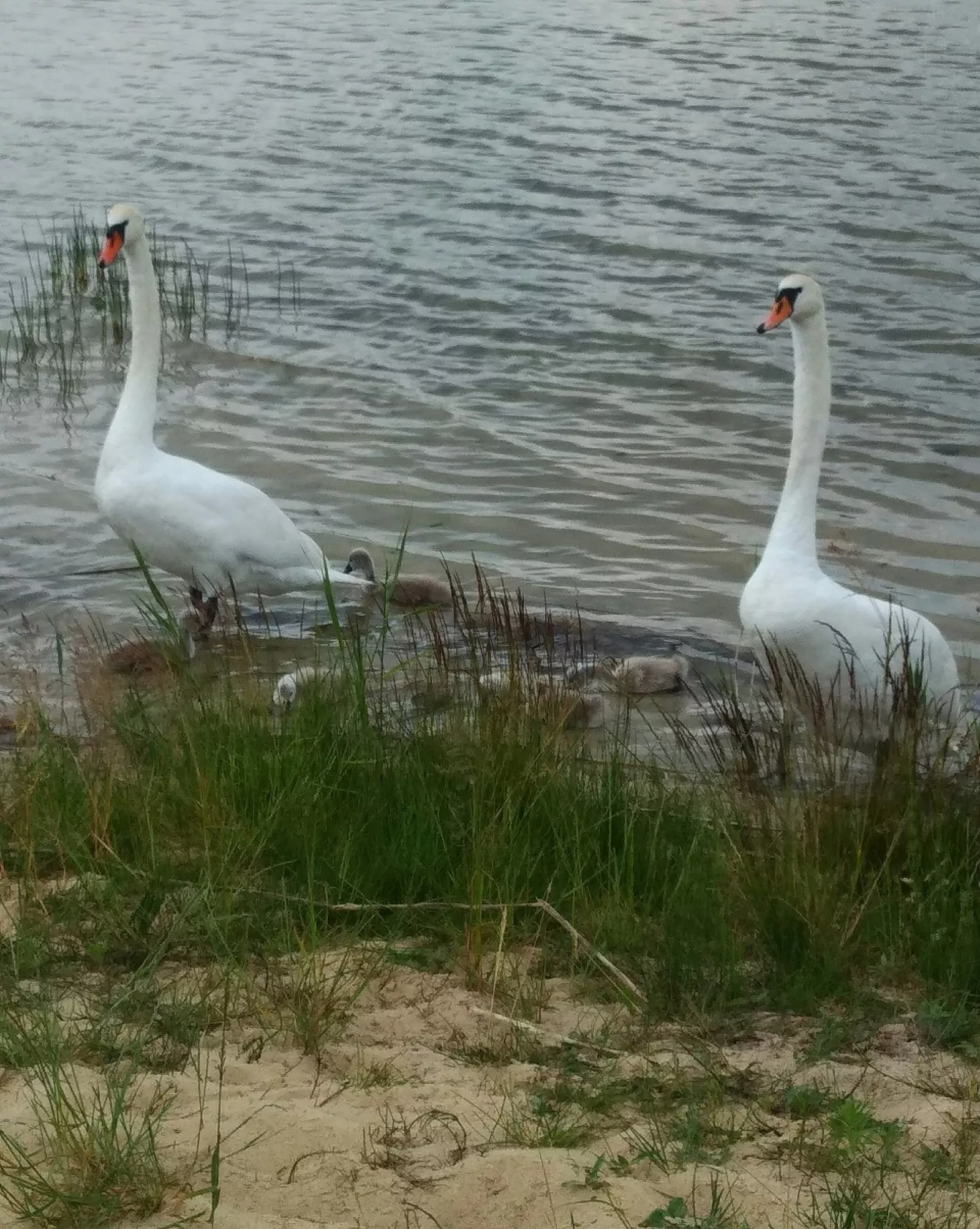
Two bird migration routes intersect above the Shatsk Lakes: from north to south, stretching from the White and Baltic Seas to the Mediterranean, and the latitudinal Polissian route. In spring and autumn, more than 10,000 birds stop here — mostly ducks and geese, especially the greylag goose, as well as coots, gulls, grebes and lapwings. For the aquatic warbler, a globally rare bird, Western Polissia is one of the main breeding grounds. Therefore, back in 1995, 32.8 thousand hectares of the park's lakes and bogs were added to the Ramsar List as the "Shatsk Lakes" wetland.
Biosphere Reserve
In 2002, UNESCO recognized the Shatsk Park as a biosphere reserve — an area where nature conservation is combined with the life and economy of local communities. In 2012, based on it and together with neighbors, the "West Polissia" transboundary biosphere reserve was created. It included the Ukrainian Shatsk Park, the Polish Polesie National Park and the Belarusian "Pribuzhskoye Polissya", so Polissian lakes and bogs are now protected on both sides of the Buh.
In 1999–2003, drained bogs around Krymne, Pulemetske, Ostrivianske and Liutsymer lakes were restored in the park. After this, the water level in the lakes and neighboring bogs stabilized, wetland vegetation began to recover, and waterfowl became more numerous. Four scientific stations of Ukrainian universities operate in the park.
Why Svityaz is Shallowing
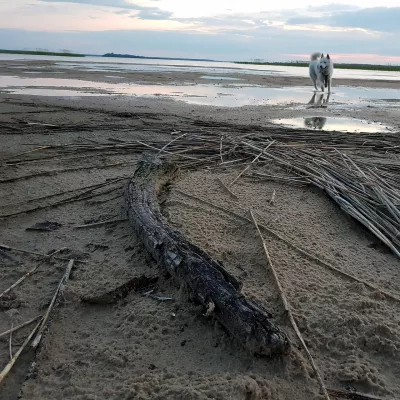
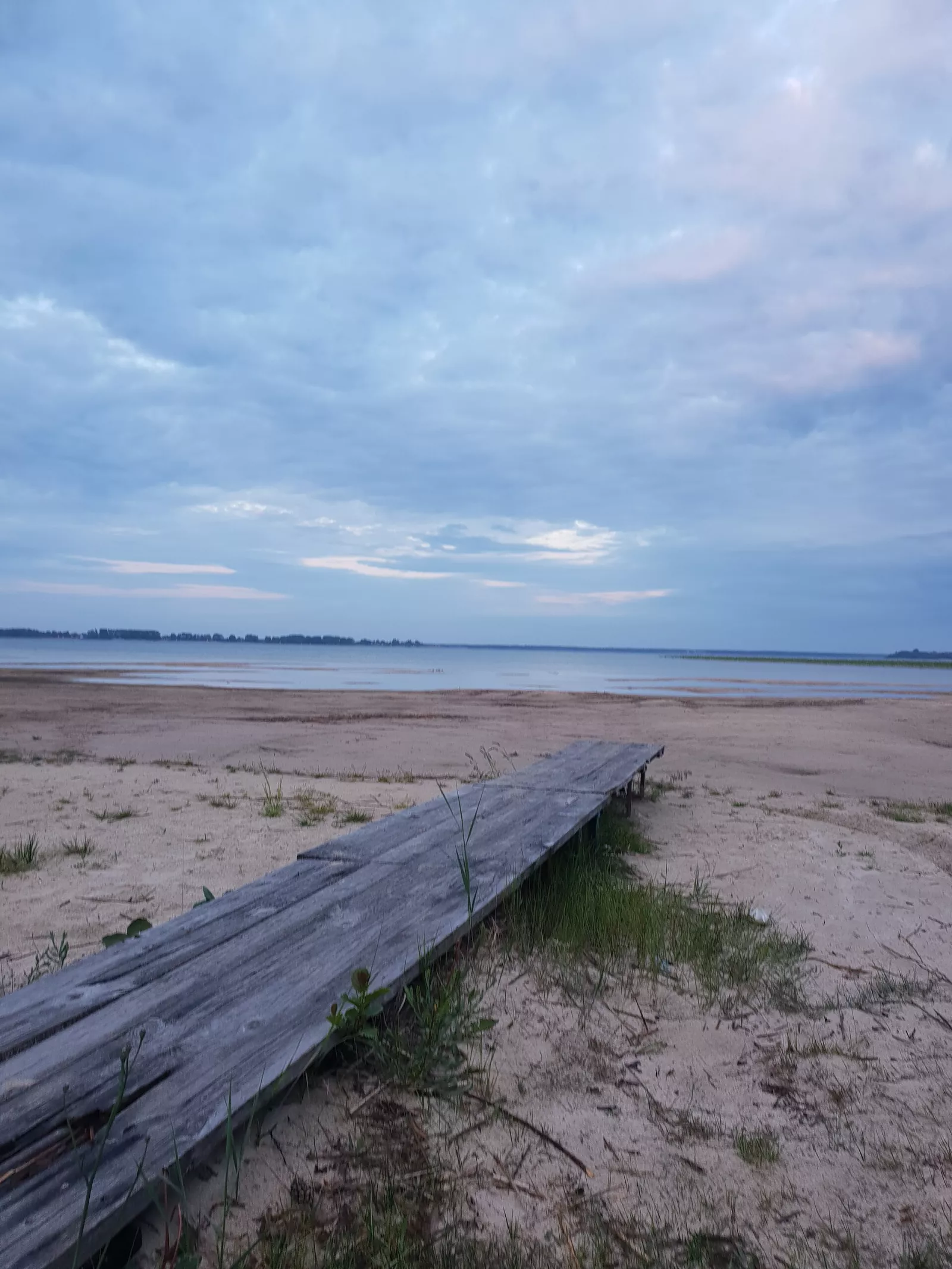
The park's biggest concern today is the shallowing of lakes, primarily Svityaz. Several reasons are cited: climate change with lower precipitation and warmer years, old drainage ditches that reduced the catchment area, improper operation of hydraulic structures that should retain flood water, and unorganized groundwater extraction for households and tourism. The development of the "Hotislavske" chalk deposit on the Belarusian side of the border is also mentioned.
Recreation
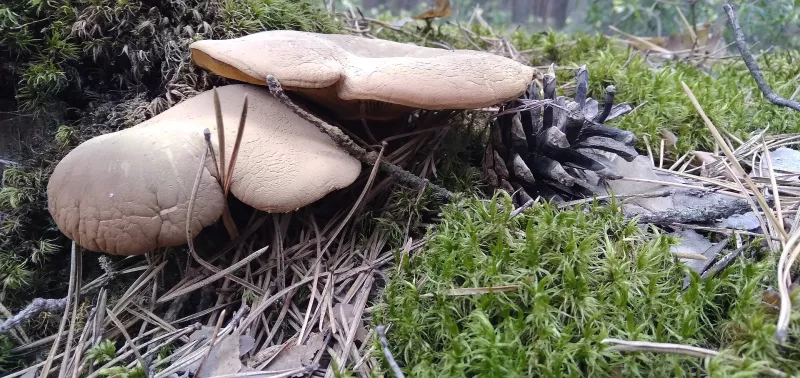
The most popular place is Svityaz with its sandy beaches and clear water. It is quieter at Pulemetske, Pisochne and Krymne. Trails are laid through the forests, which are great for walking or cycling, and in autumn mushrooms and blueberries are gathered here. Fishing is allowed on the lakes in permitted zones of the park.
Eco-trails
The easiest way to get to know the park is along its marked trails. Svityazyanka is a 5.2 km loop through a pine forest and along a wooden boardwalk to the protected Buzhnya bay in the west of Svityaz, featuring an observation tower above the water. Lisova pisnya runs through the forest between the lakes Peremut and Pisochne, while the longer loop Dva ozera spans about 9 km around both lakes. The shortest one is PARK: about a kilometer through the pine forest from the outskirts of Shatsk to Lake Velyke Chorne, perfect for a walk with small children. Along the trails, there are information boards about the forest, swamps, birds, and fish of the park.
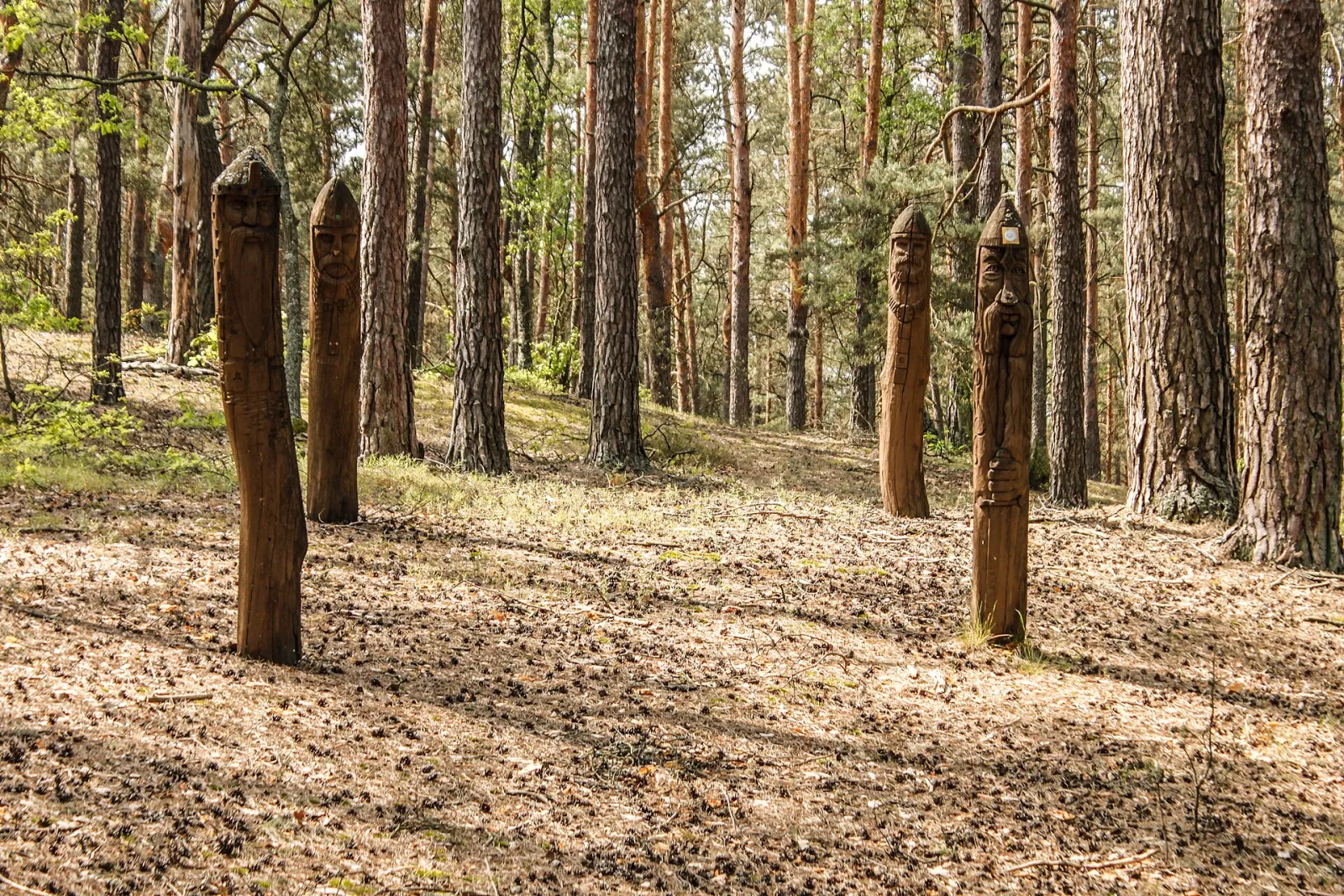
There are four recreation areas in the park — Hryda and Svityaz on the shores of Svityaz, the Hushove tract, and Pisochne. Beaches, campsites, and campfire spots are arranged here; campfires are not allowed outside these areas, and cars are not driven close to the water.
Fishing
Scientists have recorded about three dozen fish species in the park's waters. The most commonly caught are bream, pike, perch, roach, silver bream, and crucian carp; catfish and burbot are less common, and a valuable eel also lives in the lakes. Fishing is done from boats and from solid sandy shores — on Svityaz, Pulemetske, Luky, Ostrivyanske, and other lakes. Bream and roach are caught with a float rod and feeder in deeper places, while pike and perch are caught with a spinning rod along the reeds. In the national park, fishing is allowed only in designated areas, bypassing the strict conservation zone. General fishing regulations apply.
Shatsk Lakes on video
Park lakes on the website
Svityaz, Pulemetske Lake, Pisochne Lake, Krymne, Peremut, Rytets, Luky, Ostrivyanske, Velyke Zhoranske. More can be found in the articles Shatsk and Kovel Raion.
How to get there
Buses run to Shatsk from Lutsk and Kovel; the nearest railway station is Liuboml. It is about 160 km from Lutsk to Shatsk. The north of the park is a border zone with Belarus, so carry your documents with you, and men aged 18–60 should have their military registration document ready.
Read more about the trip in the Shatsk Lakes guidebook, as well as how to get to the Shatsk Lakes and when is the best time to go.