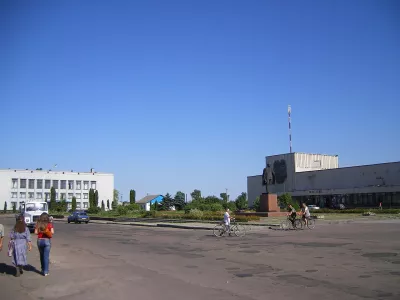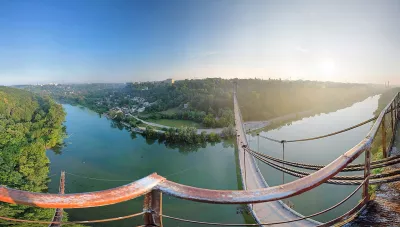

Vilsk is a village on the Kamianka River in the Oliivka hromada of Zhytomyr Raion, 12 km from Cherniakhov and 16 versts northwest of Zhytomyr, as old guidebooks wrote. Today, about seven hundred people live here, but four hundred years ago, Vilsk was a town contested by the greatest magnates of Volhynia and the Kyiv region.
The Town of Princes
In the mid-16th century, Vilsk belonged to the estate of Prince Bohush Koretsky, voivode of Volhynia and starosta of Zhytomyr. In 1581, Prince Konstanty Ostrogski, voivode of Kyiv, paid tax on the town of Vilsk for 13 settlers and 10 cottars.
A complaint from 1586 has survived: the people of Prince Jakim Koretsky drove fugitives from Ostrogski's possessions through Vilsk, and the Vilsk vait Prokop Litynsky and the townspeople allegedly beat and drowned some of Koretsky's servants and seized their horses and weapons. In the early 17th century, Vilsk became part of the Ostrogski Ordination, and in 1650, Anna Aloyza Chodkiewicz, née Ostrogska, complained that the lessee of her town of Vilsk had abducted and robbed several hundred of her peasants.
Ruin and Rebirth
In the early 18th century, the region was devastated by wars: in 1714, only three peasants remained in Vilsk, and 25 cavalrymen were quartered here. At that time, the Vilsk estate included Davydivka, Hrushky, Ivanovychi, Novopil, Vyshpil, Zorokiv, and Zubivshchyna. In 1753, Vilsk passed to the Lubomirski princes and belonged to the Chudniv possessions.
Vilsk stood on the old road from Kyiv via Zhytomyr to the west — the very same one that led further via Pulyny (formerly Chortolisy) to Zviahel. At the end of the 19th century, there was a church parish, two inns, and even a river station here. Vilsk peasants were famous for pottery: they carried their earthenware to Zhytomyr and other towns a hundred versts away and more.
The 20th Century
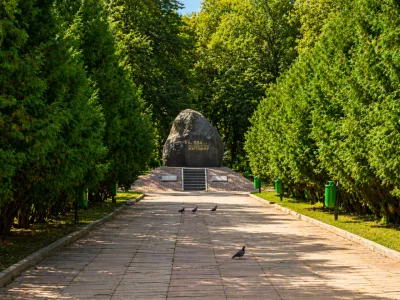
During the Holodomor of 1932–1933, at least 217 people died in the village. 375 residents of Vilsk fought on the fronts of the Second World War, 167 of them did not return — a monument stands in the village in their honor. The Polish writer and historian Jan Ochocki (1766–1848), author of famous memoirs about the life of the gentry on the Right Bank, was born in Vilsk.
What to See
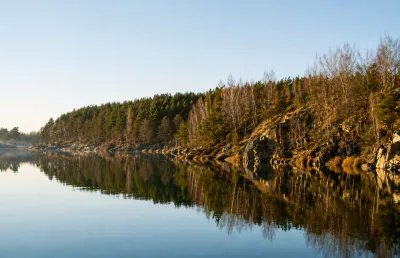
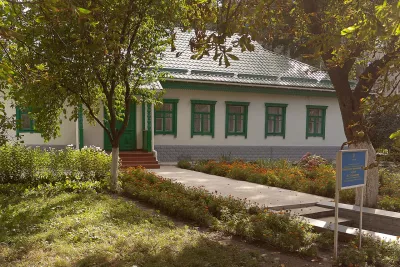
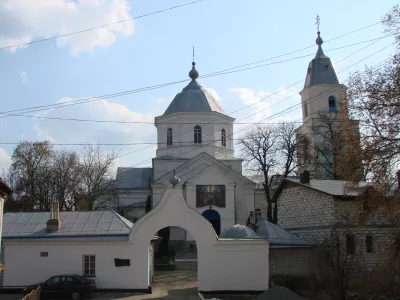
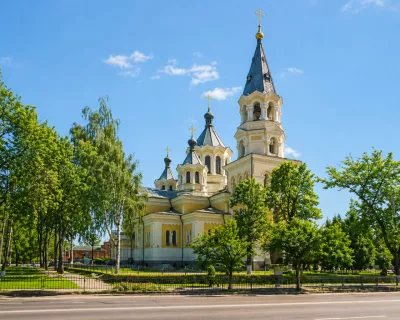
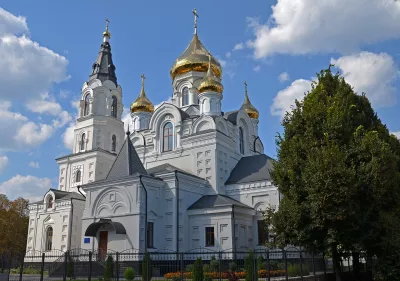
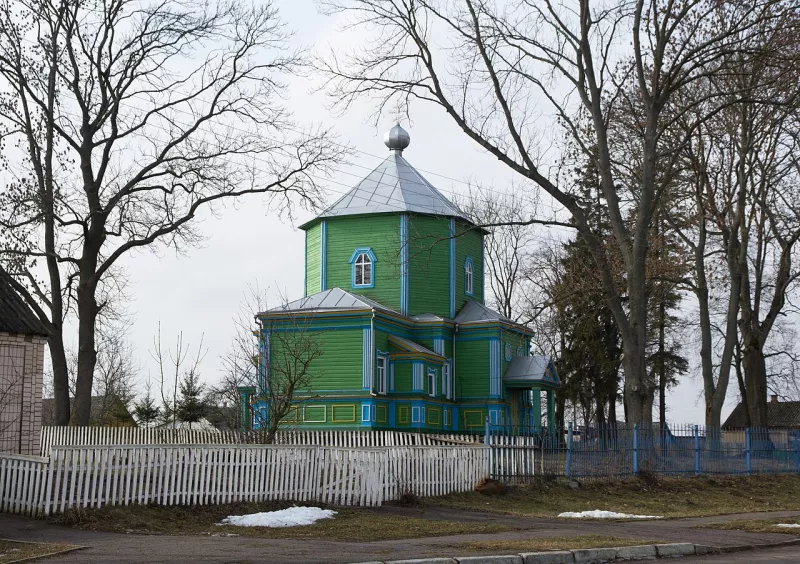
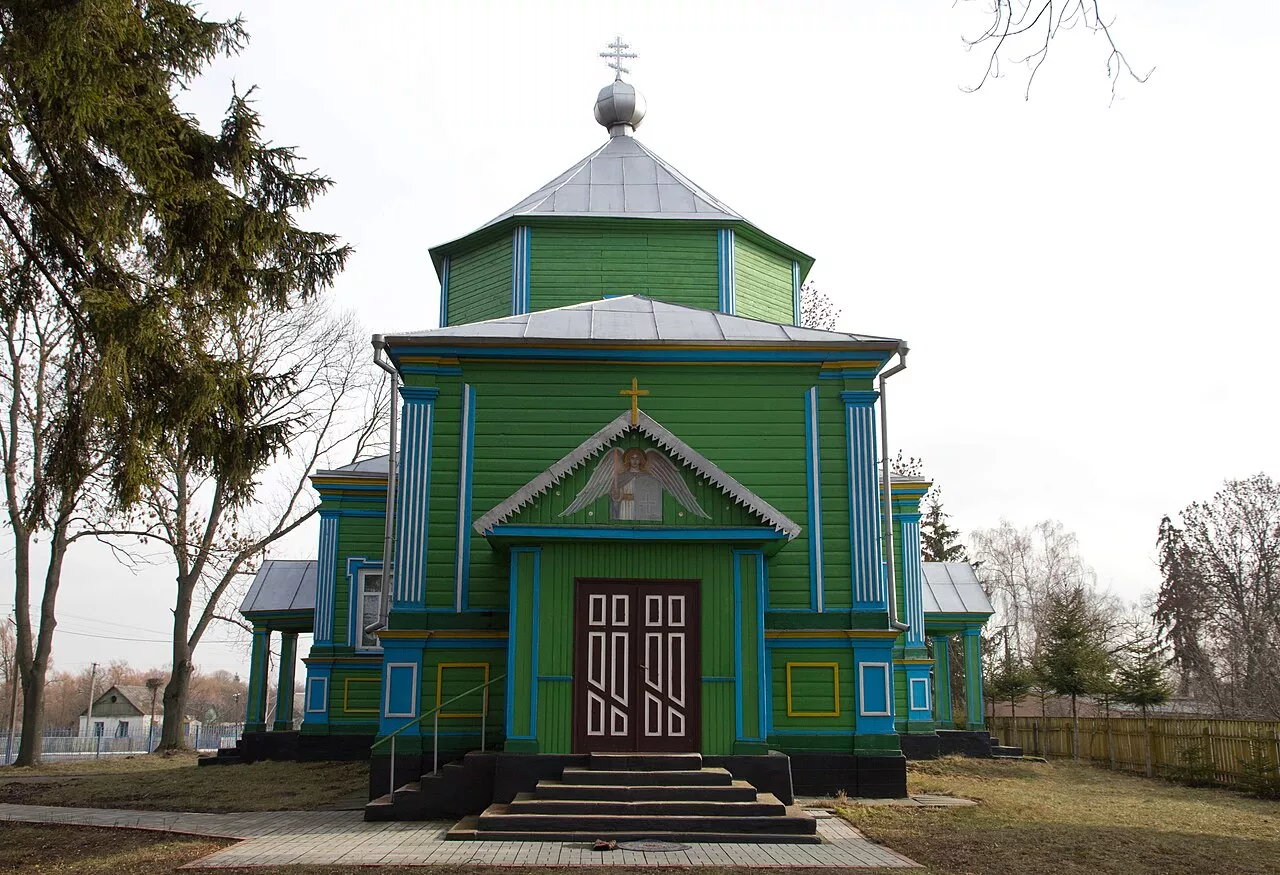
The adornment of the village is the wooden St. Michael's Church with green walls and domes, which stands in the center among old trees. Around Vilsk are the banks of the Kamianka and the forests of the Zhytomyr Polissia.
How to Get There
The closest railway station to Vilsk is Dubovets, 7 km away; the village is separated from Zhytomyr by about 20 km. The trip can be combined with Cherniakhov and the wooden church in Trokovychi. Other nearby places can be found in the article about Zhytomyr Raion.