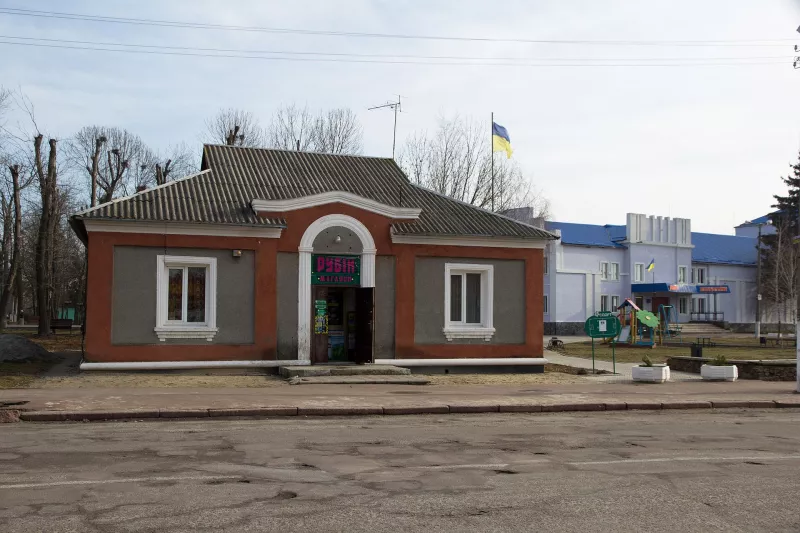
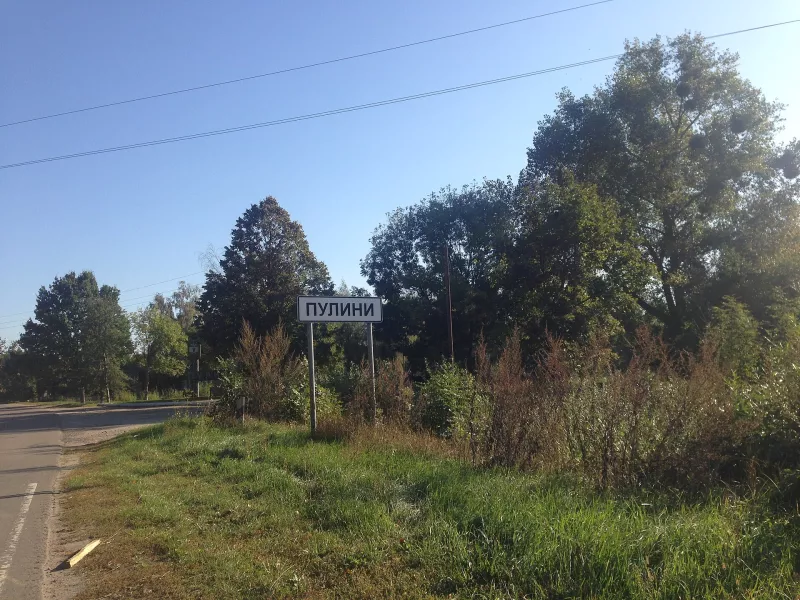

Pulyny is an urban-type settlement in Zhytomyr Polissia, the center of the Pulyny community in Zhytomyr Raion, approximately 47 km northwest of Zhytomyr. About 5,500 people live here, and the Tienka River originates in the settlement itself. From 1935 to 2016, Pulyny was called Chervonoarmiisk.
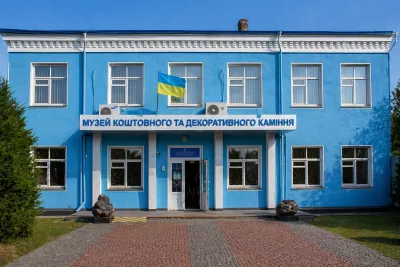
Pulyny is called the capital of visual arts of Zhytomyr region: several famous artists were born here, and there is an art school and the Pulynski Barvy museum. Even asteroid No. 241192 is named after the settlement.
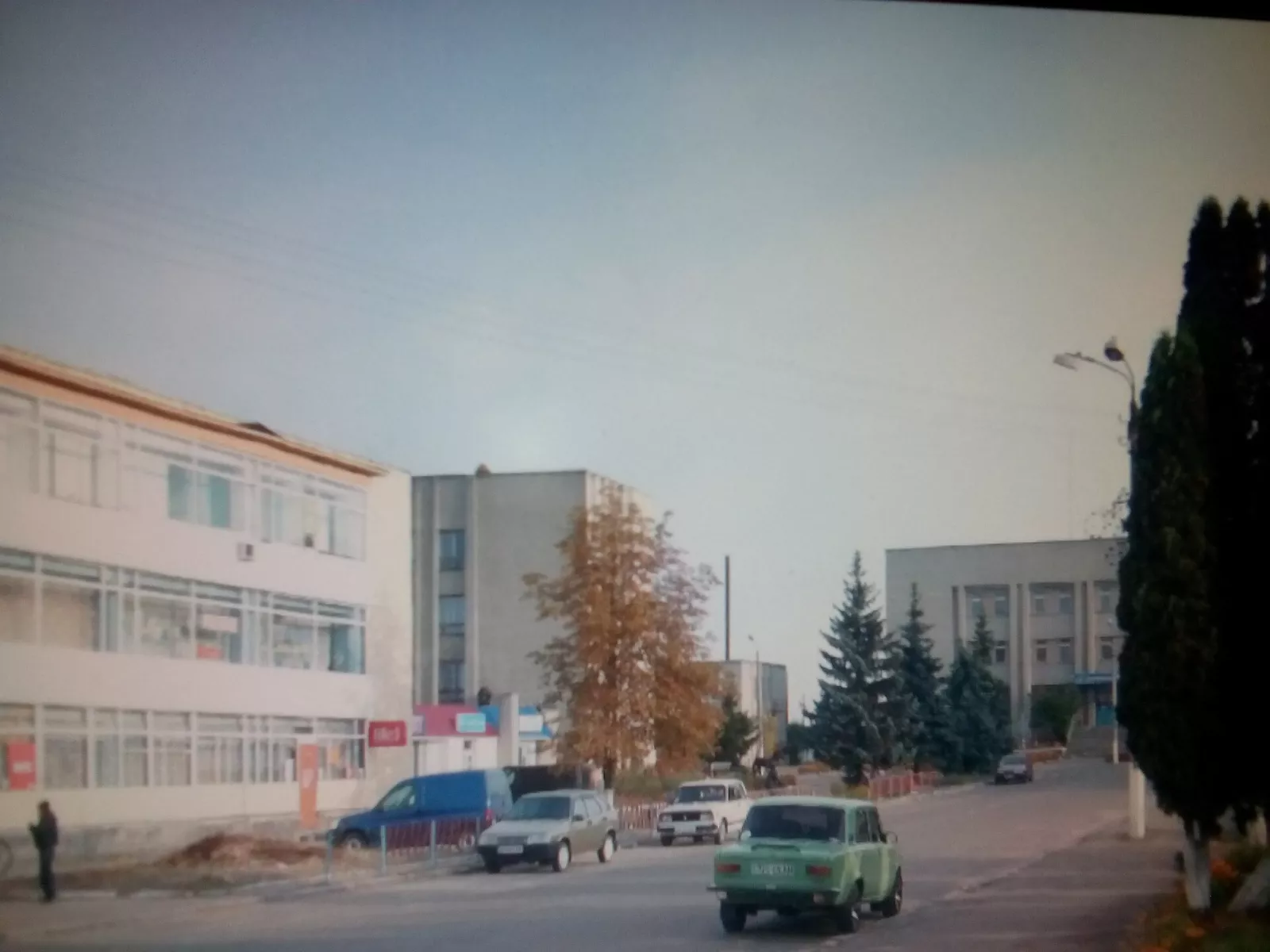
Which region and raion it belongs to
Pulyny is in Zhytomyr Oblast, in Zhytomyr Raion. The settlement heads the Pulyny urban community, which includes surrounding villages. Before the 2020 reform, Pulyny was the center of a separate raion — first Chervonoarmiisk Raion, and since 2016 Pulyny Raion. It is the northwestern part of the oblast, Zhytomyr Polissia, roughly halfway between Zhytomyr and Zviahel.
Chortolisy on Batiyova Road
The oldest name of the settlement is Chortolisy. It is mentioned as early as the mid-12th century, and the name comes from “Devil’s Forest” — impassable thickets, swamps, and debris stretching from present-day Yemilchyne to Pulyny. Several ancient hillforts have been preserved nearby.
Chortolisy stood on the old route from Kyiv to the west: through Zhytomyr, Kamianka, Vils’k, Stara Oleksandrivka, Chortolisy, and Sokoliv to Zviahel. It is still called the Old Road by locals, and in old documents — “the terrible Batiyova road”: Mongols drove captives and transported loot along it.
During the Lithuanian period, Chortolisy belonged to Kalenyk Myshkovych, an ancestor of the Tyshkevych family. The name Pulyny appears in documents from 1578, and in 1655 the town was recorded as “Chortolisy, or Pulyny.” The exact origin of the new name is unknown: it is derived either from the noble family Pulyns or from the Lithuanian castle Pullen on the Neman River.
Hanski and the Church of St. John Nepomuk
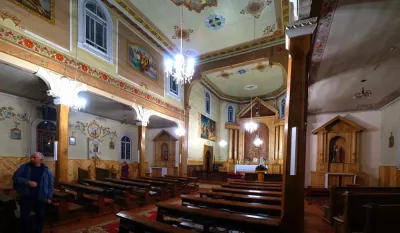
In 1701, Emanuel Tyshkevych sold Pulyny to Wojciech Dzik, then it passed to the Skorupkas, and from them to the Hanskis. In 1796, Kyiv chorąży Jan Hanski and his wife Sofia née Skorupka founded the parish church of St. John Nepomuk in Pulyny, which included chapels in the surrounding villages.
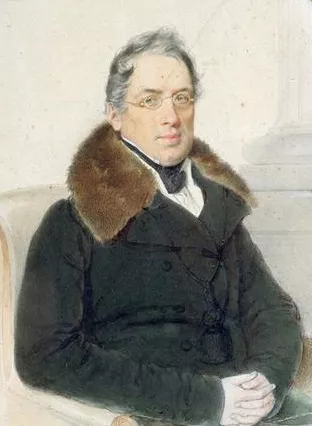
Their son, Wacław Hanski, became marshal of the Volhynian nobility in 1811. He moved the family residence from Pulyny to Verkhovnia and built a palace there with an English garden. His wife was Evelina Rzewuska, who after Wacław’s death married Honoré de Balzac — this is told in our article about the Hanski Palace in Verkhovnia. Near Pulyny, Hanski also founded the village of Wacławpil.
In the 18th century, the people of Pulyny took part in uprisings: in 1702–1704, under Semen Paliy, Cossacks and peasants led by sotnyk Kovalenko rose up here, and several local participants of the Koliivshchyna in 1768 were executed.
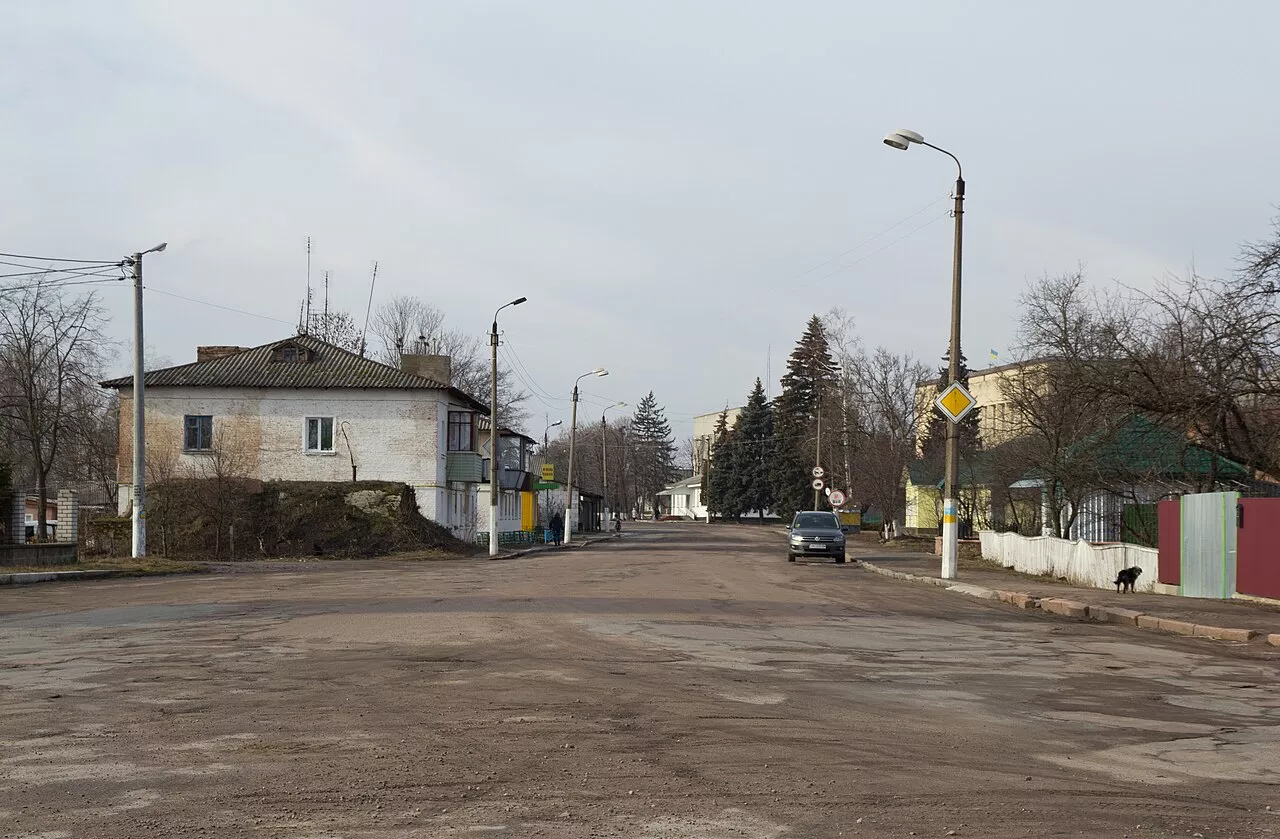
19th–20th centuries
In October 1846, Taras Shevchenko passed through Pulyny twice while collecting legends, tales, and information about burial mounds for the Kyiv Archaeographic Commission. After the January Uprising, the town’s owner Karol Kachkovskyi had to sell the lands to Czech colonists.
In 1885, Pulyny, the center of the volost, had a population of 552. There were a Catholic church, a chapel, a synagogue, a school, inns, and shops, and a market was held every Sunday. In the summer of 1941, the Nazis established a ghetto here for about 700 Jews and in December of the same year shot them on Lysia Hora.
Town of Artists
Pulyny is the homeland of artists Mykola Benkovskyi, Volodymyr Dziubenko, and Valentyn Voitenko, as well as composer and conductor Ivan Mamaichuk, who long headed the local music school. Dziubenko also created the coat of arms of the former Pulyny Raion. The town has an art school, and works by local artists can be seen at the Pulynski Barvy art museum.
What to See in Pulyny
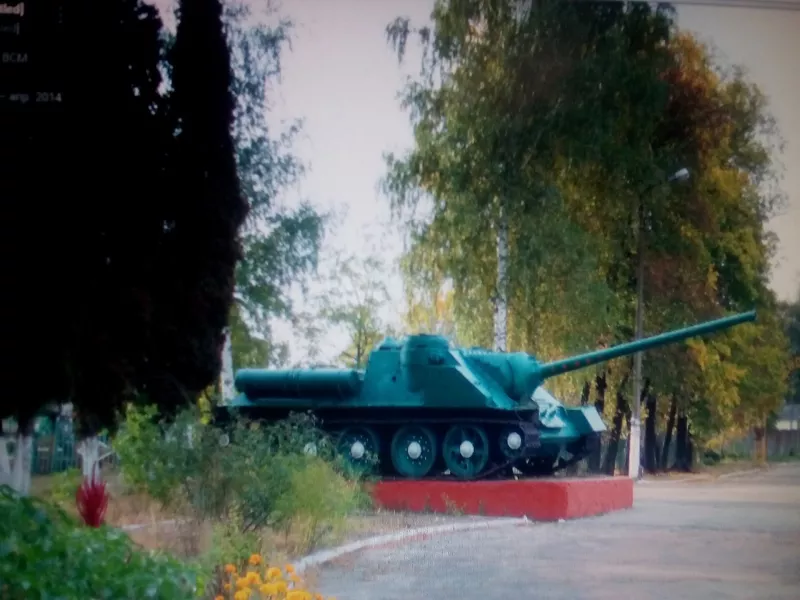
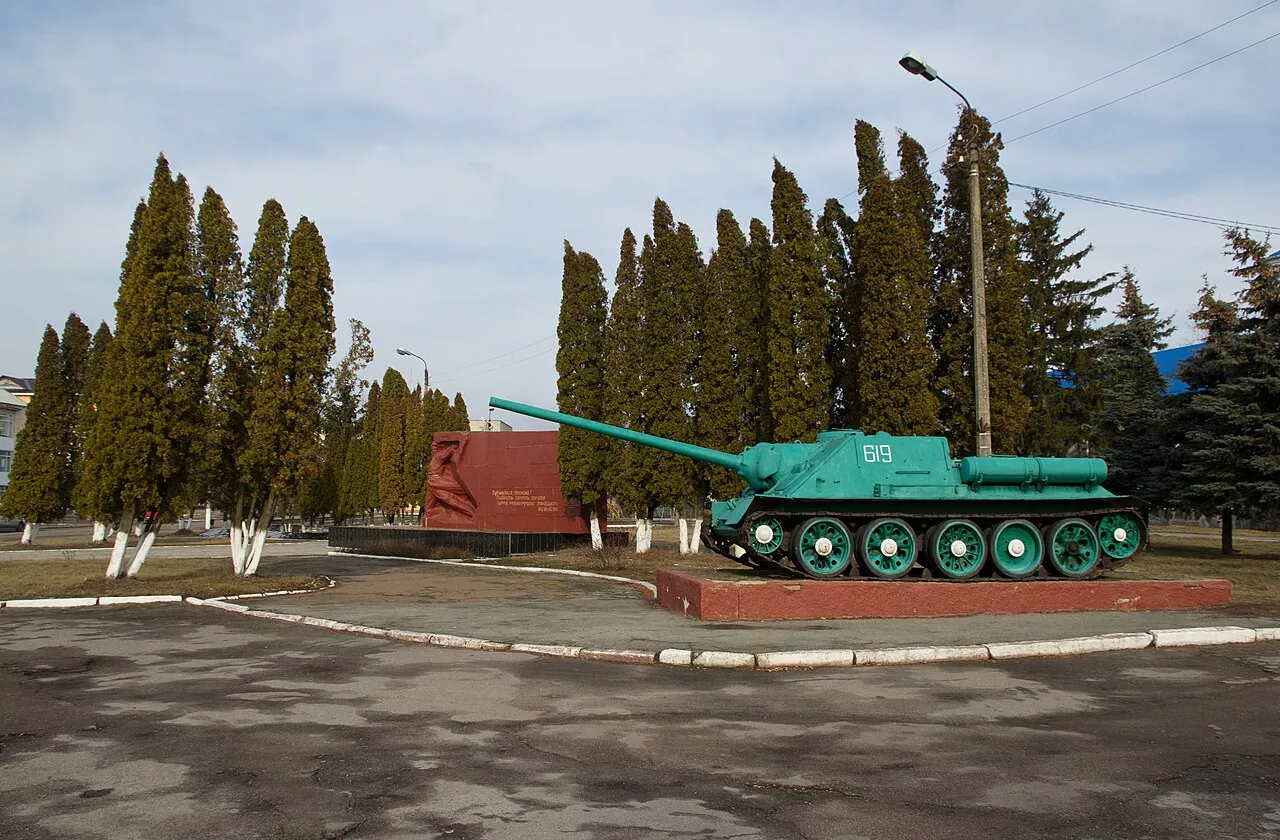
Pulyny is a small town easy to explore on foot in an hour or two. It’s best to start at the central square — Maidan Slavy — where a SU-100 self-propelled artillery gun stands on a pedestal, along with a monument to those fallen in World War II and a memorial sign for those killed in the Russian-Ukrainian war.
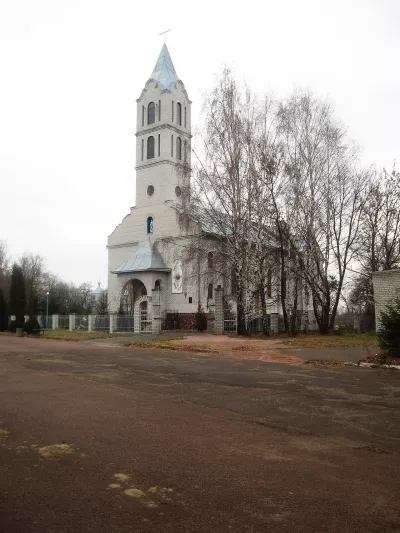
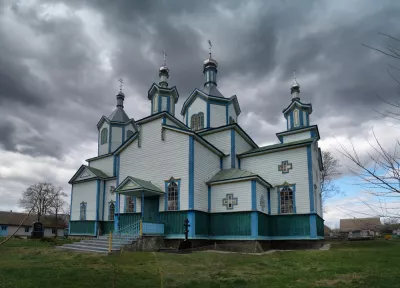
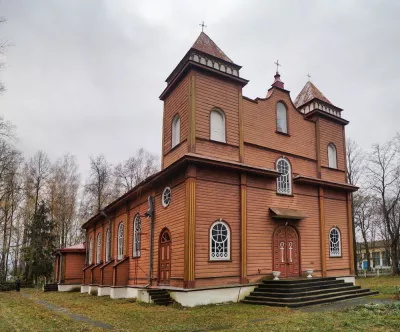
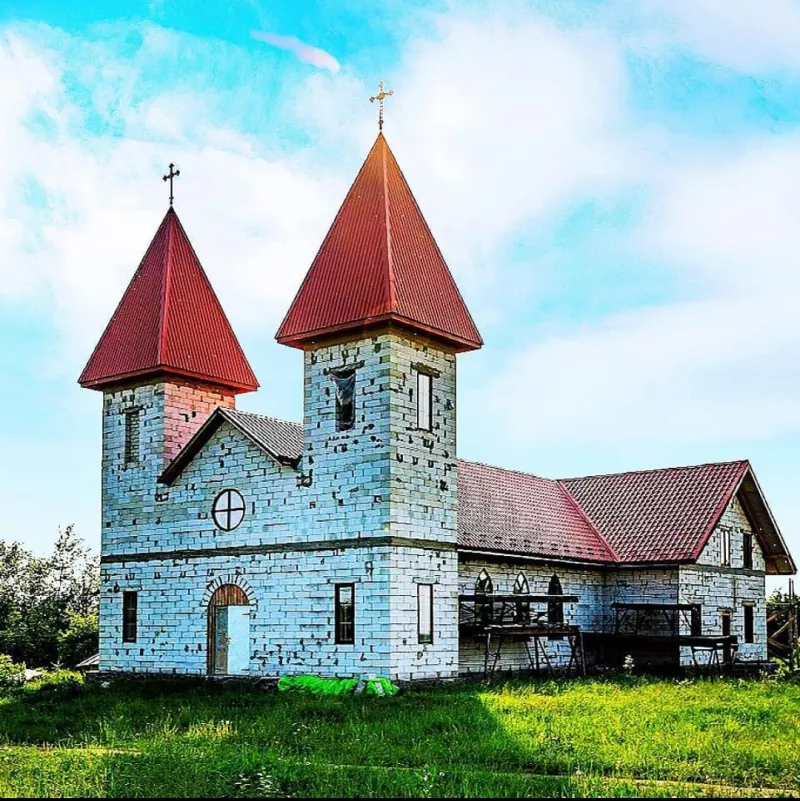
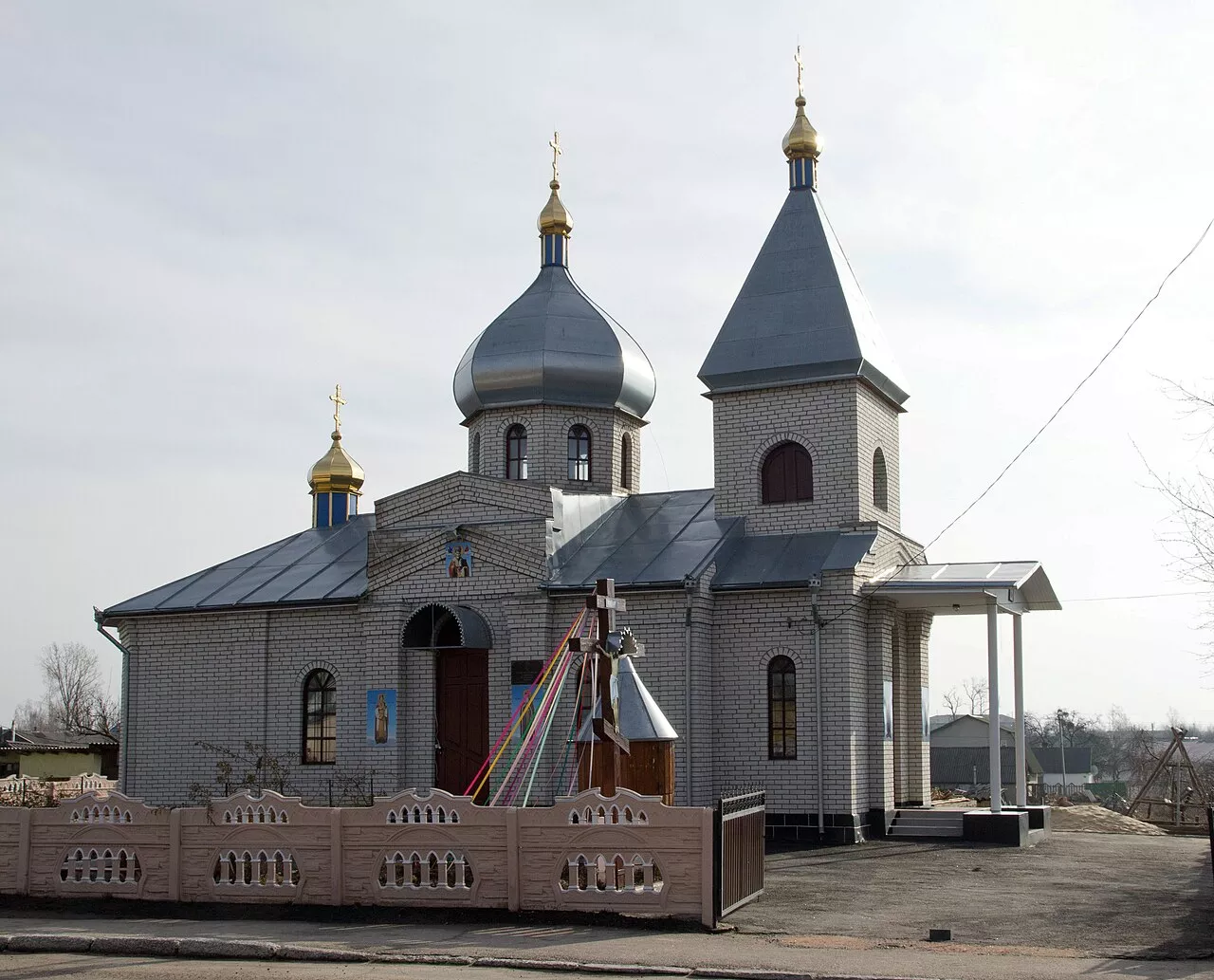
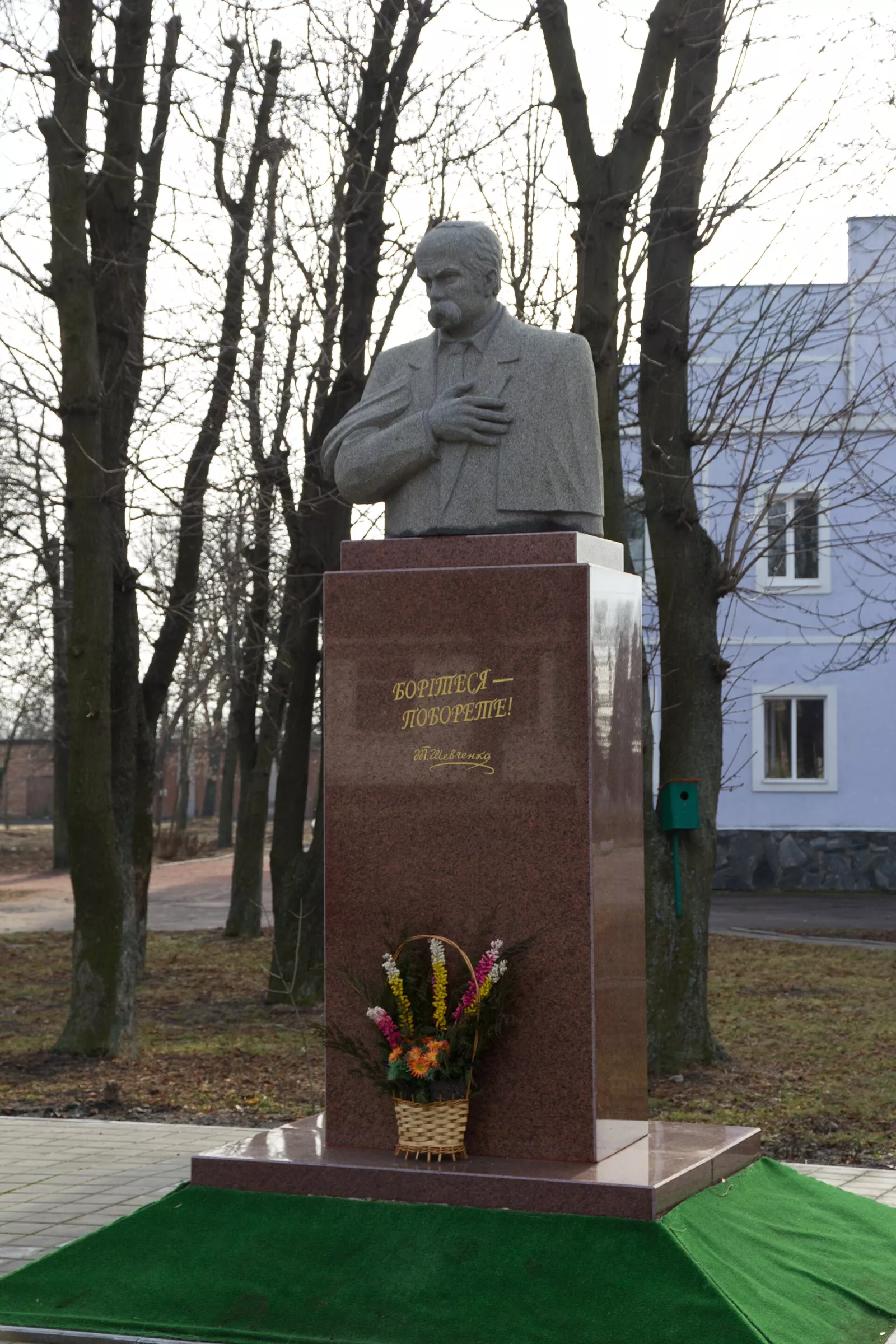
Nearby are the Taras Shevchenko monument, commemorating the poet’s travels through Pulyny in 1846, a Catholic church, and an Orthodox church. The most interesting place for a visitor is the Pulynski Barvy art museum with works by local artists: before visiting, check if it is open, as it is a small institution.
Tenka and the Ponds
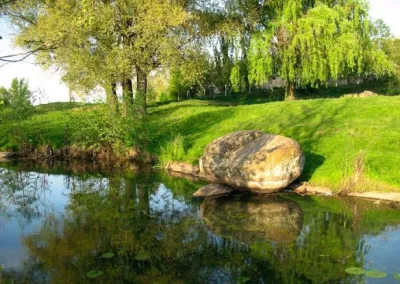
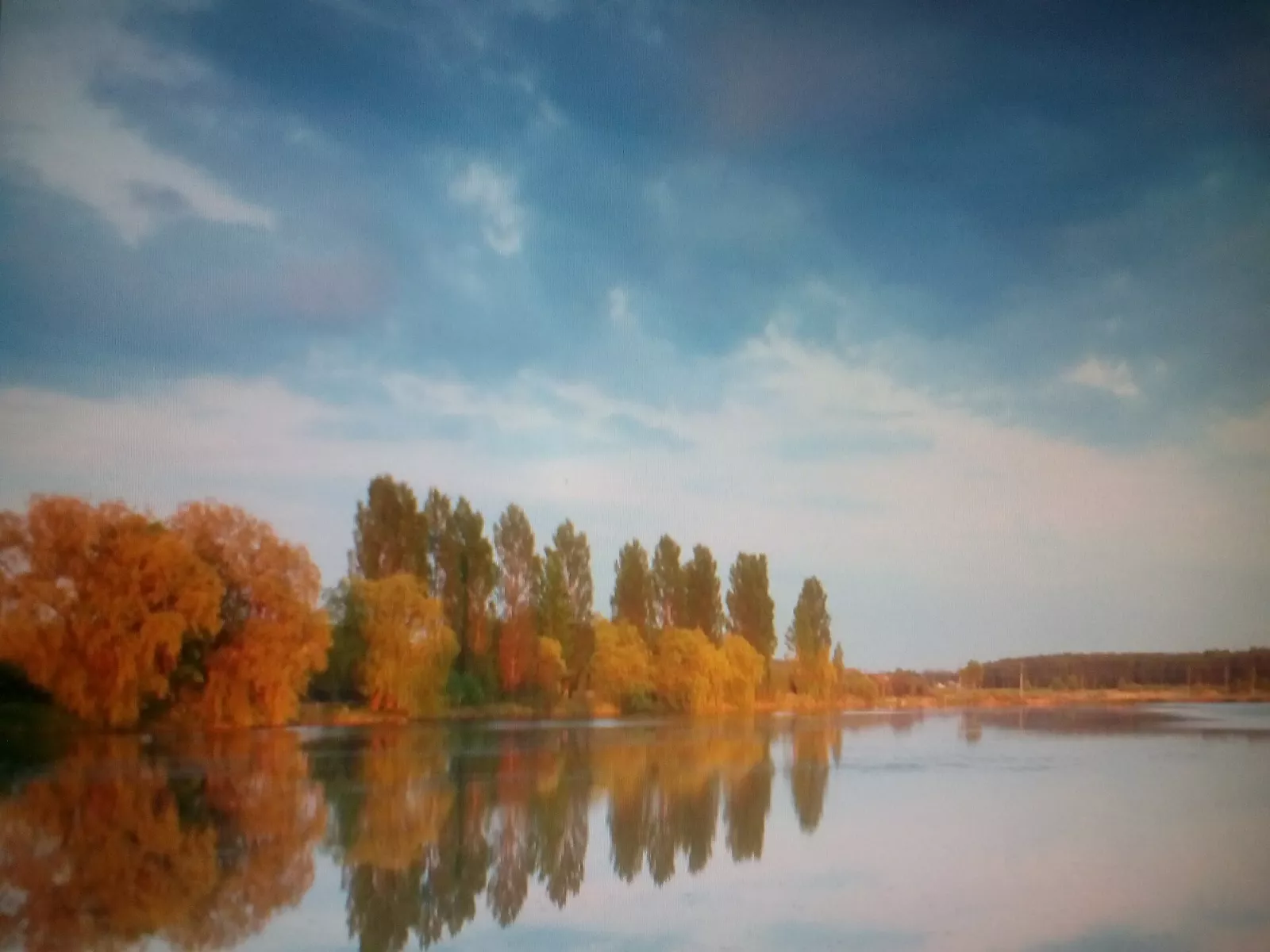
The river Tenka, part of the Dnipro basin, originates right in Pulyny. Along it, five ponds have been arranged within the town’s territory. They are used for watering gardens, and in summer people swim and relax on their banks. One of the most famous is the Tsehlynnyi pond, probably named after an old brickworks: in the early 20th century, bricks, tiles, and pottery were made here.
How to Get There from Zhytomyr and Kyiv
Pulyny lie northwest of Zhytomyr, towards Zviahel. The Kyiv — Chop highway passes 5 km from the settlement, so it is about 47 km and less than an hour’s drive from Zhytomyr, and about 190 km from Kyiv. From Kyiv, take the Kyiv — Chop highway through Zhytomyr; the drive takes about two and a half hours. There is no railway in Pulyny; suburban buses run from Zhytomyr, but their schedule often changes, so check it before your trip. It is convenient to combine a visit here with Khoroshiv and its stone museum, and with Zviahel, where Lesya Ukrainka was born. Other nearby places are covered in the article about Zhytomyr Raion.
Frequently Asked Questions
Where is Pulyny located?
In Zhytomyr Oblast, in Zhytomyr Raion, between Zhytomyr and Zviahel, near the Kyiv — Chop highway. The settlement is the center of Pulyny hromada.
What was Pulyny called before?
The oldest name was Chortolysy. From 1935 to 2016, the settlement was called Chervonoarmiisk, and in 2016 its historical name Pulyny was restored.
How many people live in Pulyny?
About 5,500.
What is the distance from Pulyny to Zhytomyr?
About 47 km by road, approximately 45–50 minutes by car.