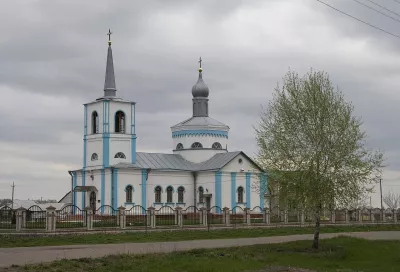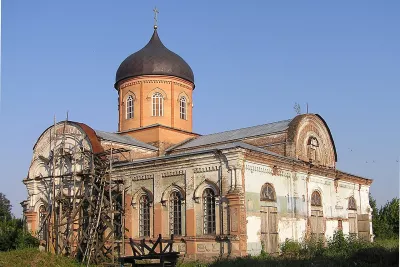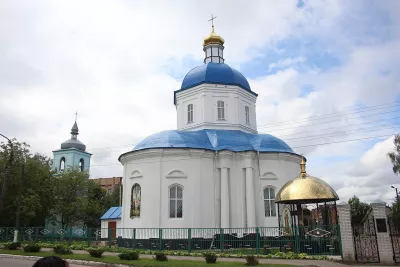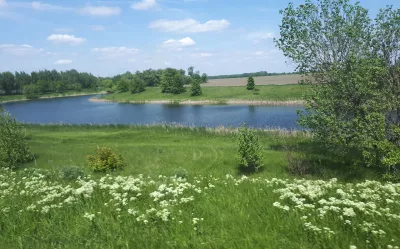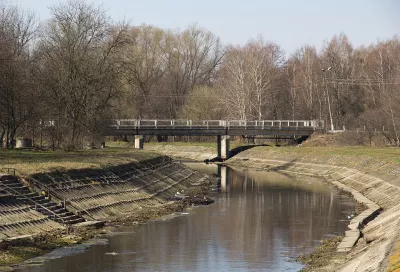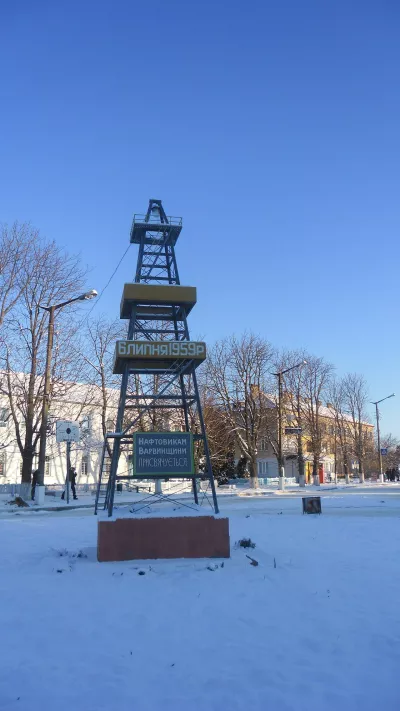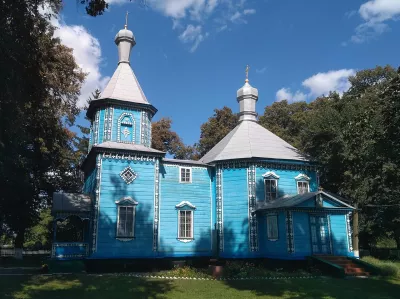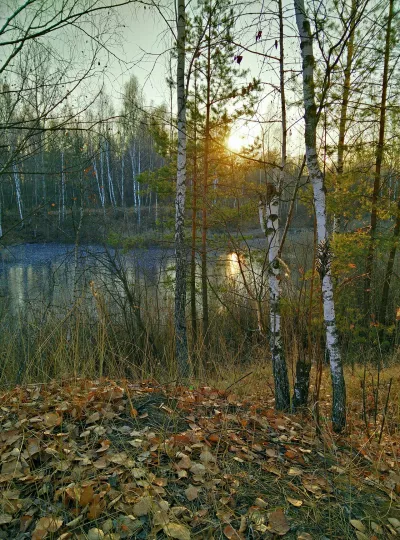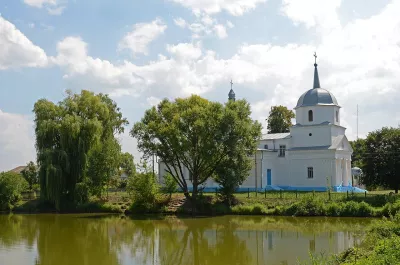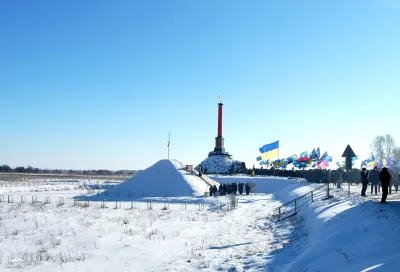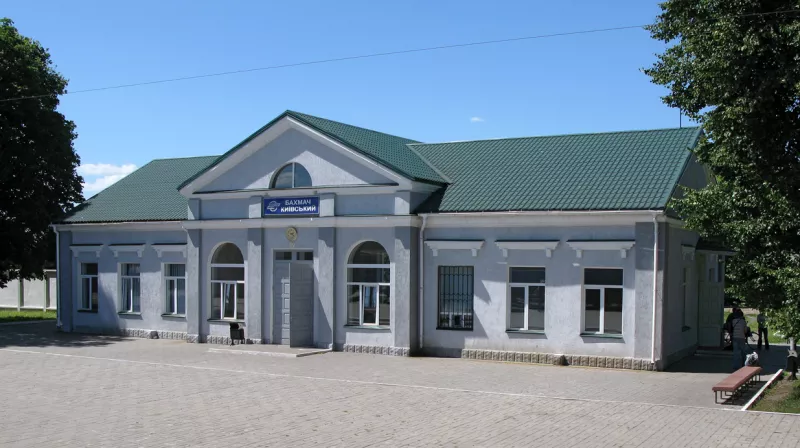

Bakhmach is a city in Nizhyn Raion on the Borzentsi River, one of the largest railway hubs in Chernihiv Oblast. Here, the tracks intersect towards Kyiv, Konotop, Nizhyn, and Homel. For travelers, Bakhmach is interesting for its ancient history, the Hetman era, and the battles of January 1918, as well as for the fact that Baturyn and Kruty lie nearby.
Chronicle City
Bakhmach is first mentioned in the Hypatian Chronicle in 1147 among the cities of the Chernihiv Principality. Soon after, it was destroyed along with the neighboring Vyvolozh, Bila Vezha, and Unezh (now Nizhyn) during the internecine wars between the Olgovichi and Mstyslavychi. Historians derive the name from the Bakhmach River, over which the settlement stood.
In the first half of the 17th century, the city was revived—on the territory of the present-day village of Bakhmach. In 1648, its residents and those of surrounding villages formed a sotnia of the Chernihiv Regiment, and from 1652—a sotnia of the Nizhyn Regiment.
Mazepa’s Residence
At the end of the 17th and beginning of the 18th century, Hetman Ivan Mazepa built a palace with a park near Bakhmach. His secret guests visited this suburban residence. Here, Pylyp Orlyk brought a messenger with a universal from the Polish king. In October 1708, it was from Bakhmach that Mazepa sent his envoy to Charles XII with news of an alliance with Sweden. The Bakhmach and neighboring Holinska sotnias were considered especially loyal to the hetman.
Chumaks and the Railway
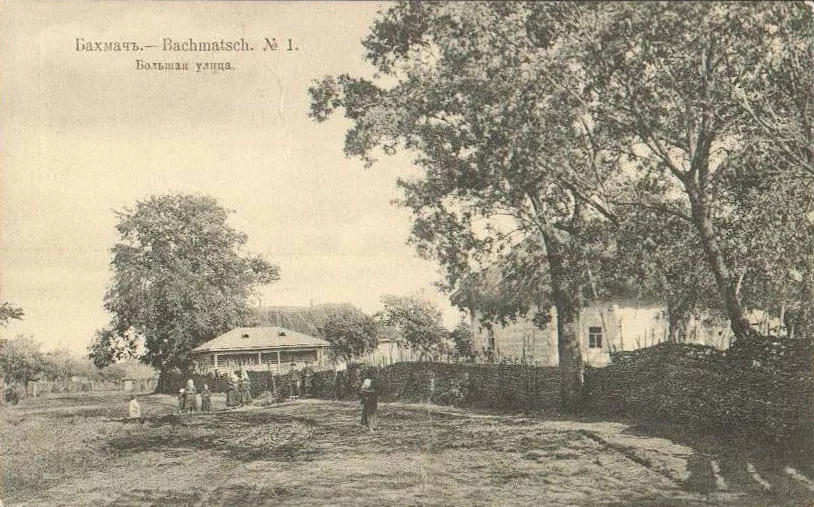
In the 19th century, Bakhmach’s chumaks transported salt from Crimea and fish. The real city began after 1869 and 1873, when the Kursk-Kyiv and Libava-Romny railways were laid here. Settlements of railway workers grew near the stations, and Bakhmach became a hub. It was granted city status only in 1938.
January 1918
The battles for Bakhmach preceded the battle of Kruty, and military historians consider them strategically even more important. The railway hub was defended by about 500 soldiers of the Petro Doroshenko Regiment, the Death Company, the 1st Ukrainian Military School, detachments of Free Cossacks, and two armored trains. The main fighting took place near the current Bakhmach-Kyivskyi station from January 25. The defenders repelled frontal attacks, but on January 27 the enemy broke through from the south. Ukrainian units retreated in an organized manner under the cover of armored trains to Kruty station, where the famous battle took place on January 29. The defense of Bakhmach delayed the Bolshevik advance on Kyiv by four days.
In spring 2022, the Bakhmach community also experienced occupation and has been rebuilding since then.
Coat of Arms and Flag
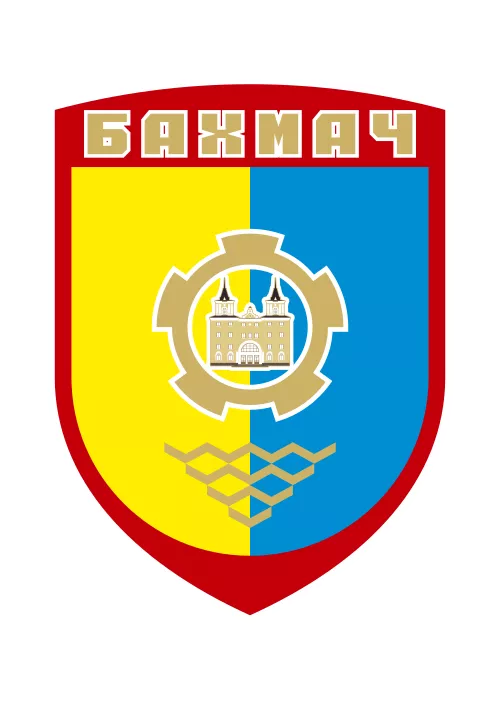
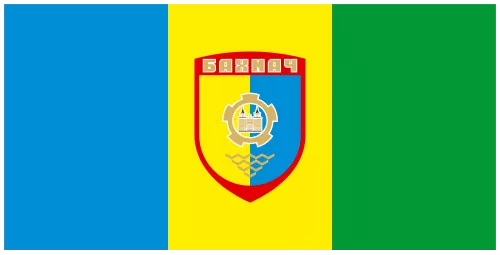
On Bakhmach’s red coat of arms is a golden inscription with the city’s name, and below it a blue and yellow shield with a golden five-toothed gear. In the center of the gear is the station building of Bakhmach-Pasazhyrskyi, the railway gateway to the city; the five teeth symbolize the five railway directions, and the wavy lines at the bottom represent the surrounding swamps. The flag has blue, yellow, and green vertical stripes with half of the coat of arms in the center.
How to get there
Bakhmach is a convenient railway hub: trains arrive here from Kyiv, Nizhyn, Konotop, and Chernihiv. It is about 150 km by road from Chernihiv. From here, it is not far to Baturyn, Borzna, and the “Memory of the Heroes of Kruty” memorial, so the city is a good base for trips to Hetmanate sites.