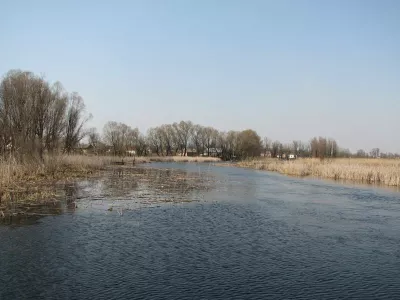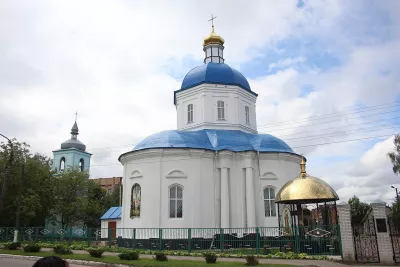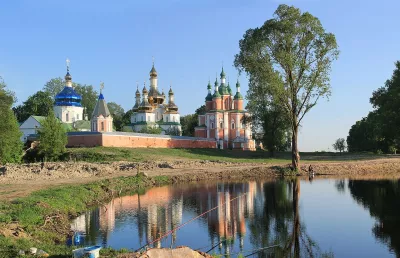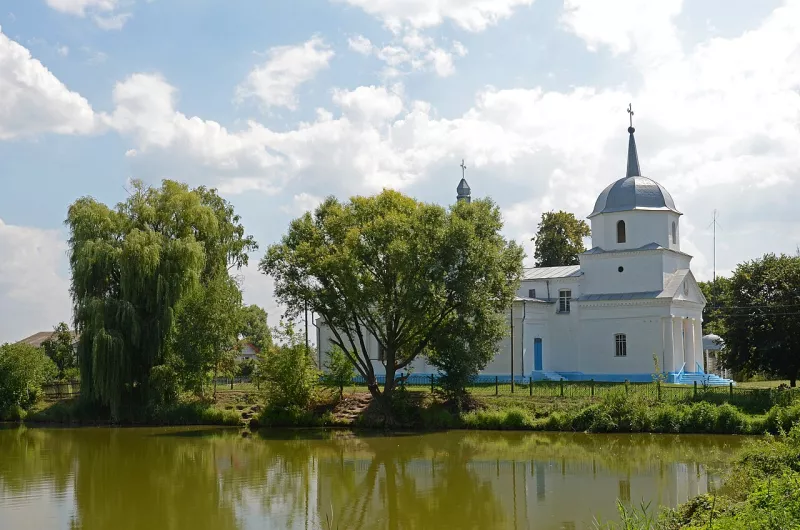

Ichnia is a small town in the east of Chernihiv region, on the banks of the Ichenka River, with a population of about 10,000 people. It is the center of the Ichnianska community in Pryluky district, a former Cossack sotnia town. People come here primarily as to the gateway to two famous estates — Kachanivka and Trostianka Park, but the town itself also has something to show.
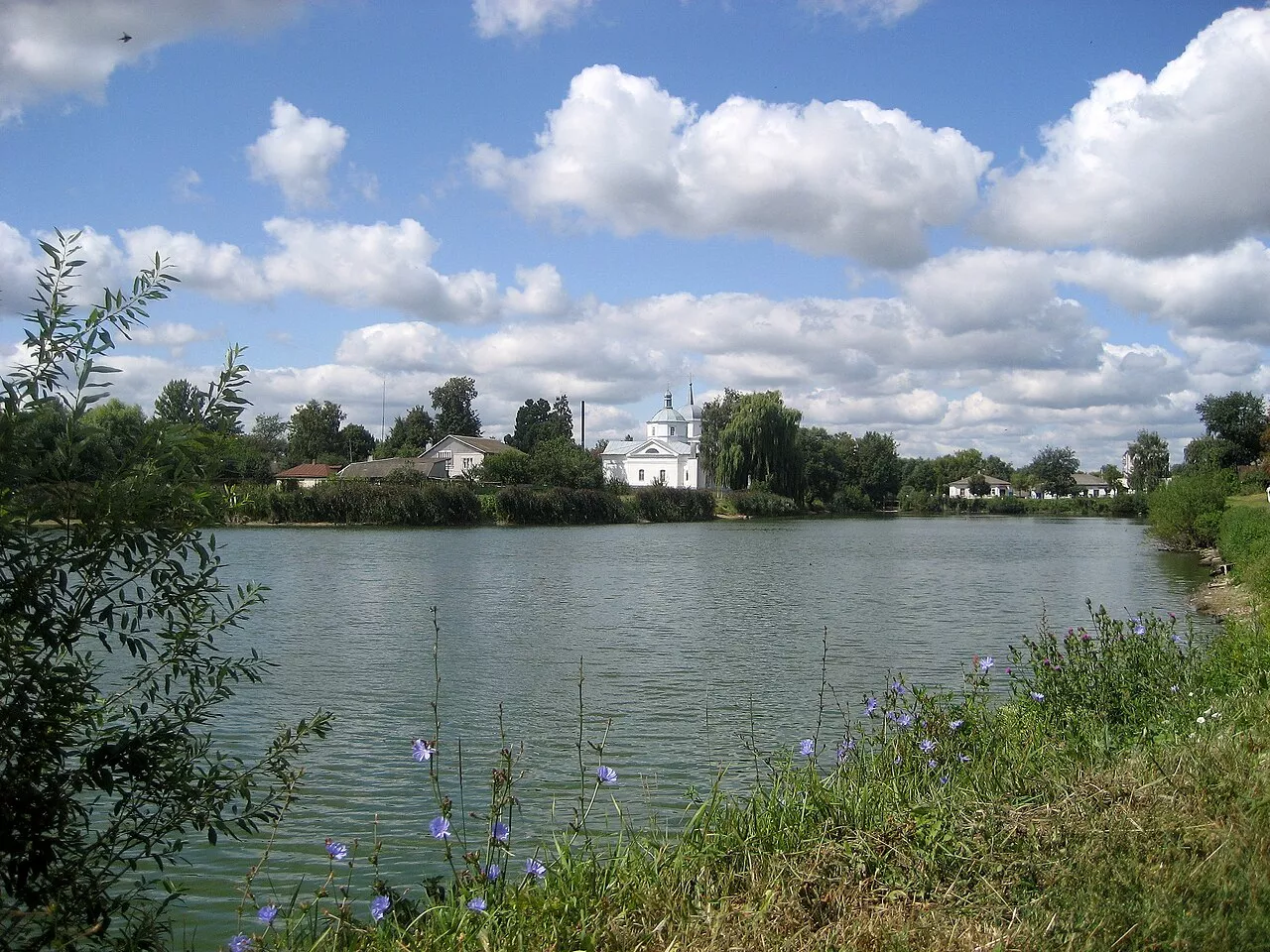
Origin of the name
According to legends, in the times of Rus there was a small settlement called Yaskove here, which was destroyed by the Mongols. The current town got its name from the Ichen River, later affectionately called Ichenka. Researchers derive the word from the Mongolian “ichen” — “watering place,” “horse stop.” Archaeologists have found settlements here from the Scythian period and the Chernyakhiv culture.
Cossack Ichnia
The first records of Ichnia date back to the 14th century, when it was part of the Grand Duchy of Lithuania, and later the Polish-Lithuanian Commonwealth. From 1590, the town was owned by Prince Kostyantyn Vyshnevetsky. On Boplan’s 1648 map, it is marked as Ichena.
During the Khmelnytsky Uprising, the people of Ichnia supported the rebellion, and in 1648–1649 Ichnia was even the center of its own regiment. Later, the regiment was merged with the Pryluky regiment, and the town became a sotnia center. In 1666, a town hall was built here, and probably at the same time a castle appeared. During the war of 1708–1709, one Ichnianska sotnia remained loyal to Hetman Mazepa. In the 18th century, four Cossack schools operated in the town.
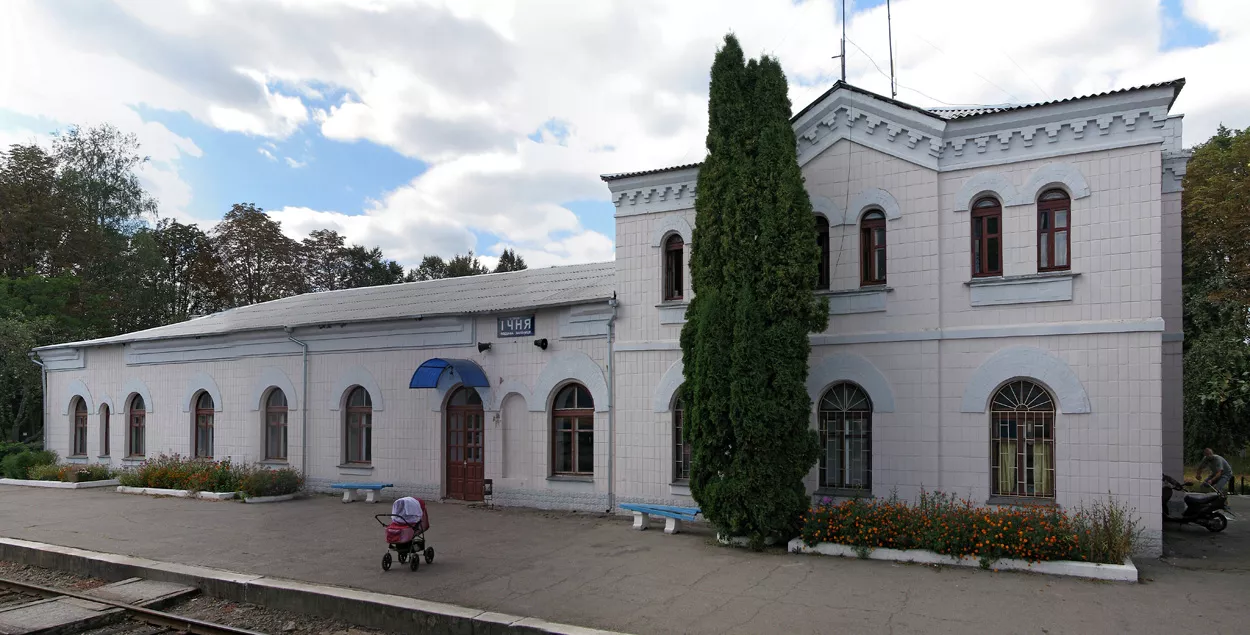
A significant part of Ichnia belonged to the Pryluky colonel Hryhoriy Halahan. His descendant founded a cloth manufactory here at the beginning of the 19th century, as well as sugar, distillery, brick, and saltpeter factories. In 1894, the railway Kruty — Pryluky passed through Ichnia, but it only became a town in 1957.
What to see
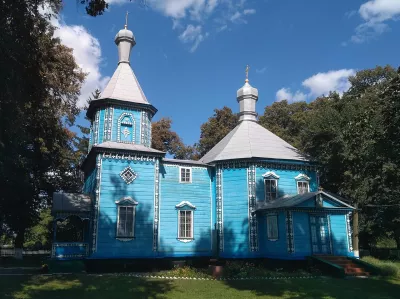
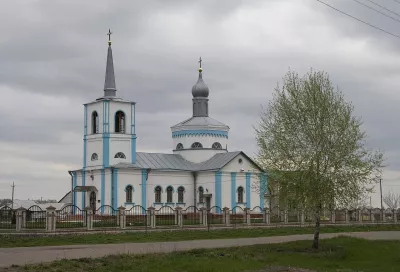
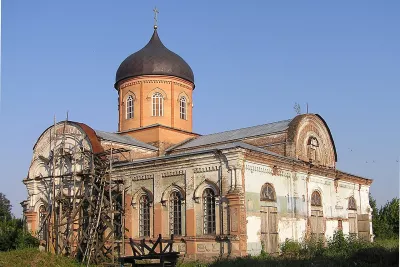
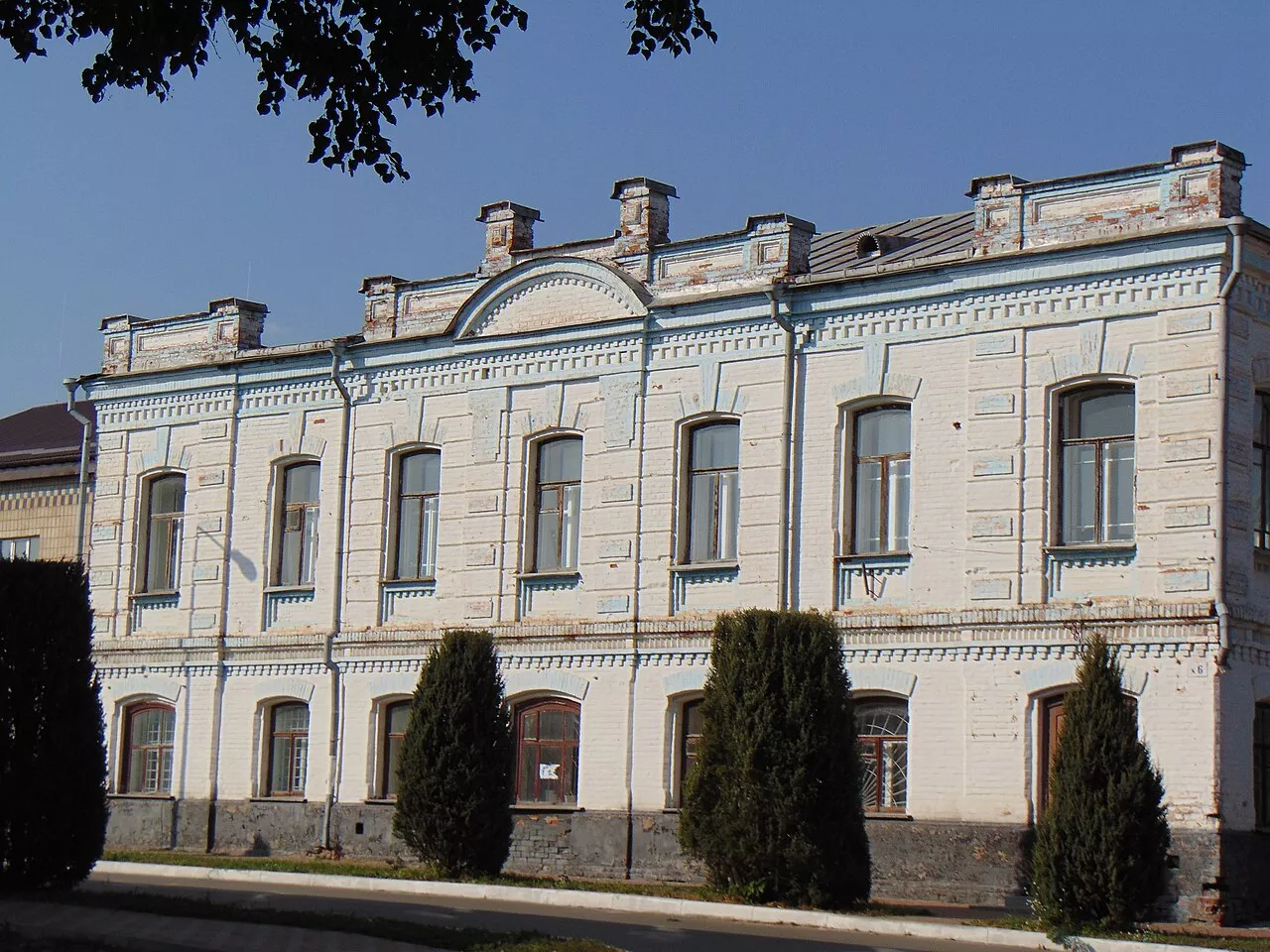
At the end of the 19th century, there were four brick churches in Ichnia: Resurrection (1806–1810), Transfiguration (1811), St. Nicholas (1879), and Assumption (1889). The Transfiguration Church still adorns the town center. Other old buildings have also been preserved, including the Vorobyov merchants’ house and the school where the writer Stepan Vasylchenko studied.
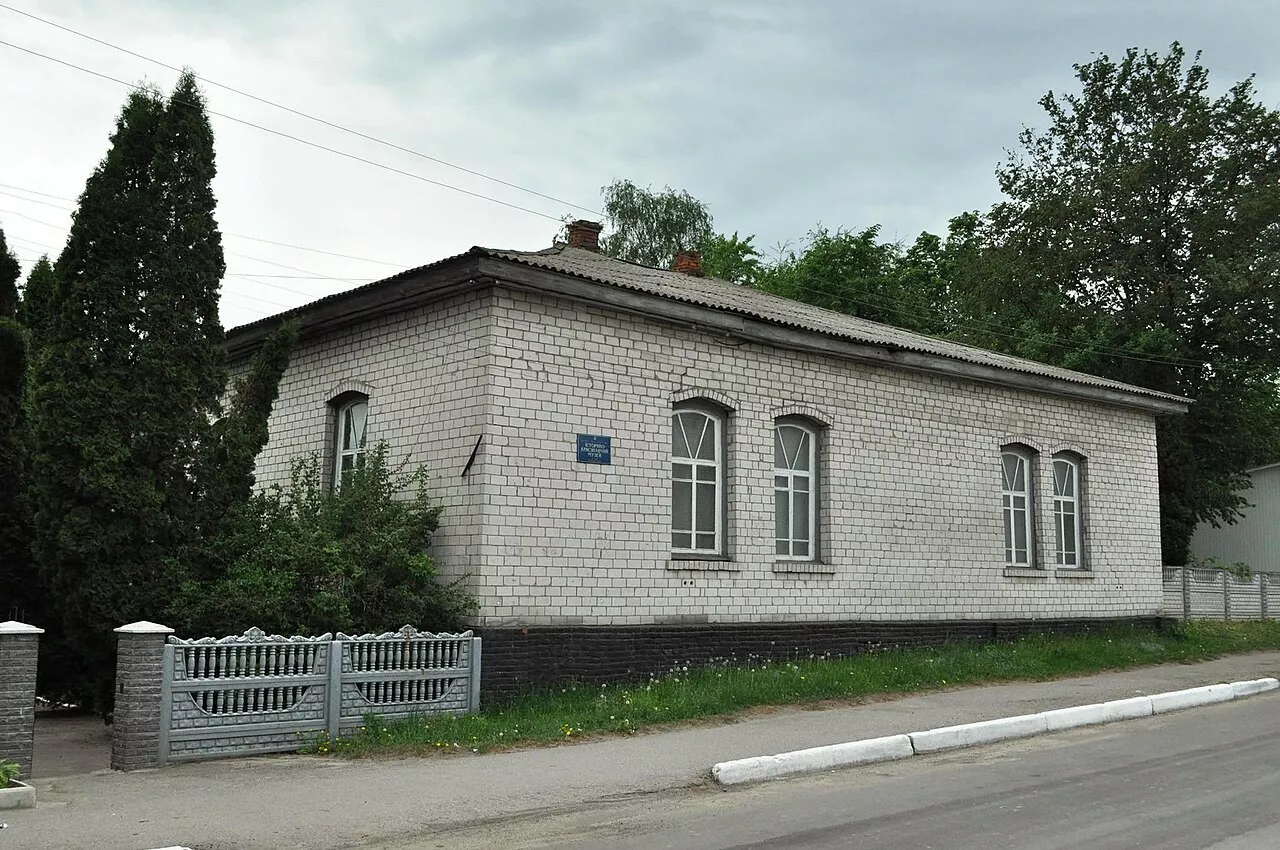
The Ichnia Historical and Local Lore Museum operates in the building of a former synagogue — a monument to the Jewish community, which once formed a significant part of the town. In the center stand monuments to famous locals: sculptor Ivan Martos, writer Stepan Vasylchenko, poets Vasyl Chumak and Andriy Drofan. Since 2009, there has also been a monument to Taras Shevchenko — he passed through Ichnia on the way to Irzhavets and Kachanivka.
Near Ichnia
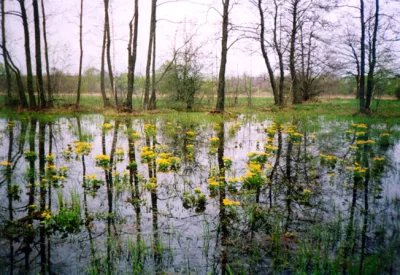
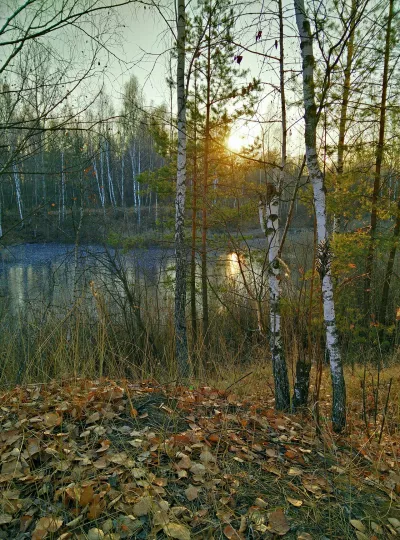
The city is surrounded by the Ichnia National Nature Park. Nearby is the Tarnovsky estate in Kachanivka, where Shevchenko and Glinka visited, and the Trostianets dendropark with lakes and a grotto. In the village of Irzhavets, the famous Irzhavets icon was kept, associated with Cossack legends. The regimental city of Pryluky is about 35 km away.
Coat of Arms and Flag
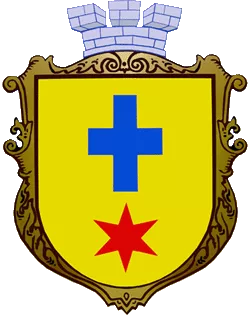
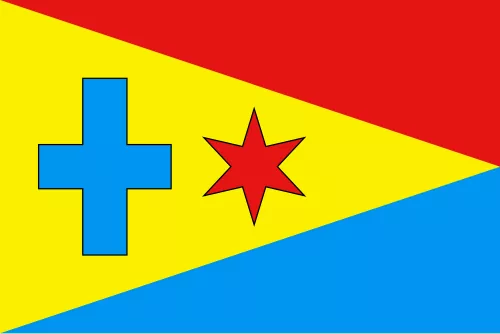
In the golden field of Ichnia’s coat of arms is a blue cross above a red six-pointed star. This symbol is known from seals of the 18th century, and the cross and star are characteristic of Cossack emblems. The modern coat of arms was approved in 2002, designed by Andriy Grechylo. The flag features a yellow wedge with the same symbols between red and blue fields.
How to get there
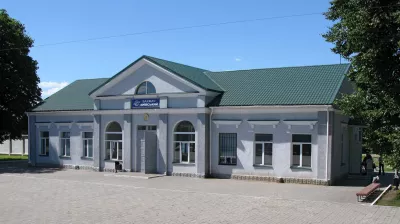
Ichnia lies on the Kruty–Pryluky railway line, so you can reach it by train or bus from Pryluky, Nizhyn, and Chernihiv. From Chernihiv, it is about 140 km by road. It is most convenient to plan a trip together with Kachanivka and Trostianets: in one day you can see the city and both estates.