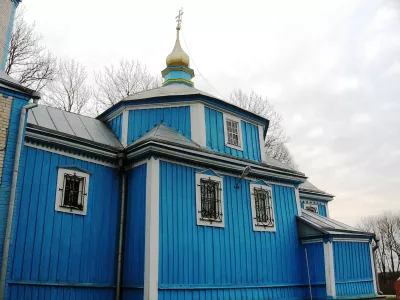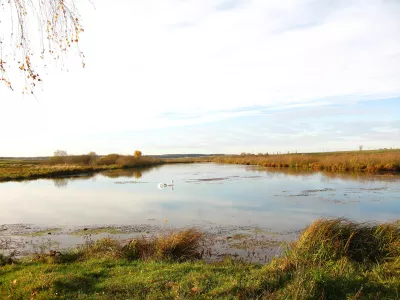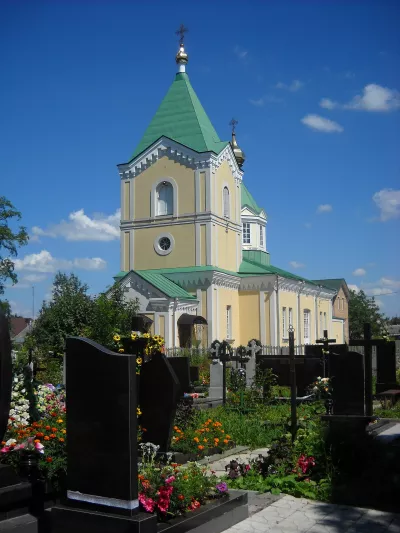


In the village of Shepel in Volhynia, about 17 kilometres west of Lutsk, an interesting monument of wooden architecture has been preserved — the 18th-century Church of the Assumption. The small village is spread along the Serna River, and its history dates back to the times of Kievan Rus. Here you can see not only an ancient temple, but also the remains of an old fortified settlement that was once an important centre of life in these lands.
Church of the Assumption
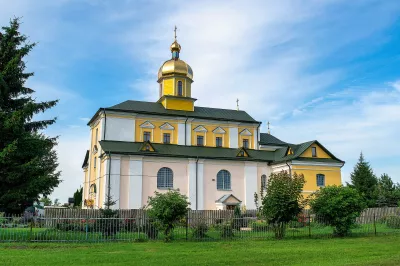
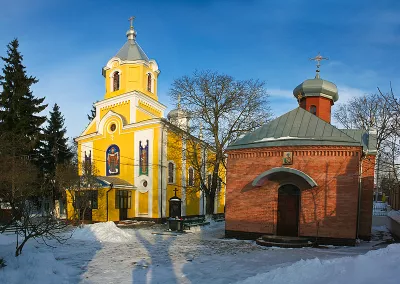
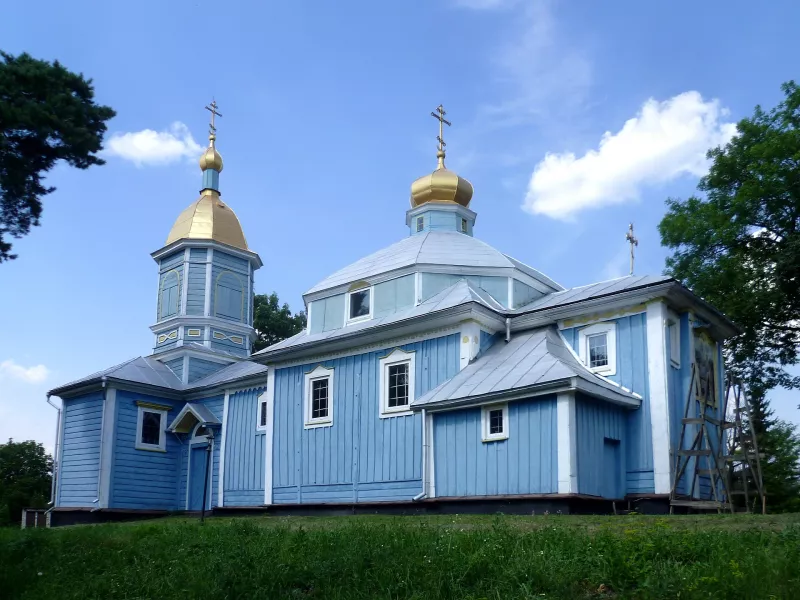
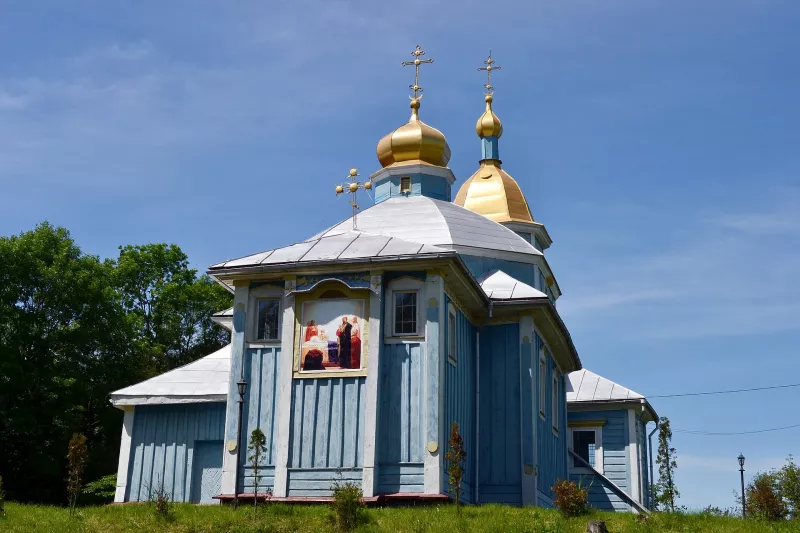
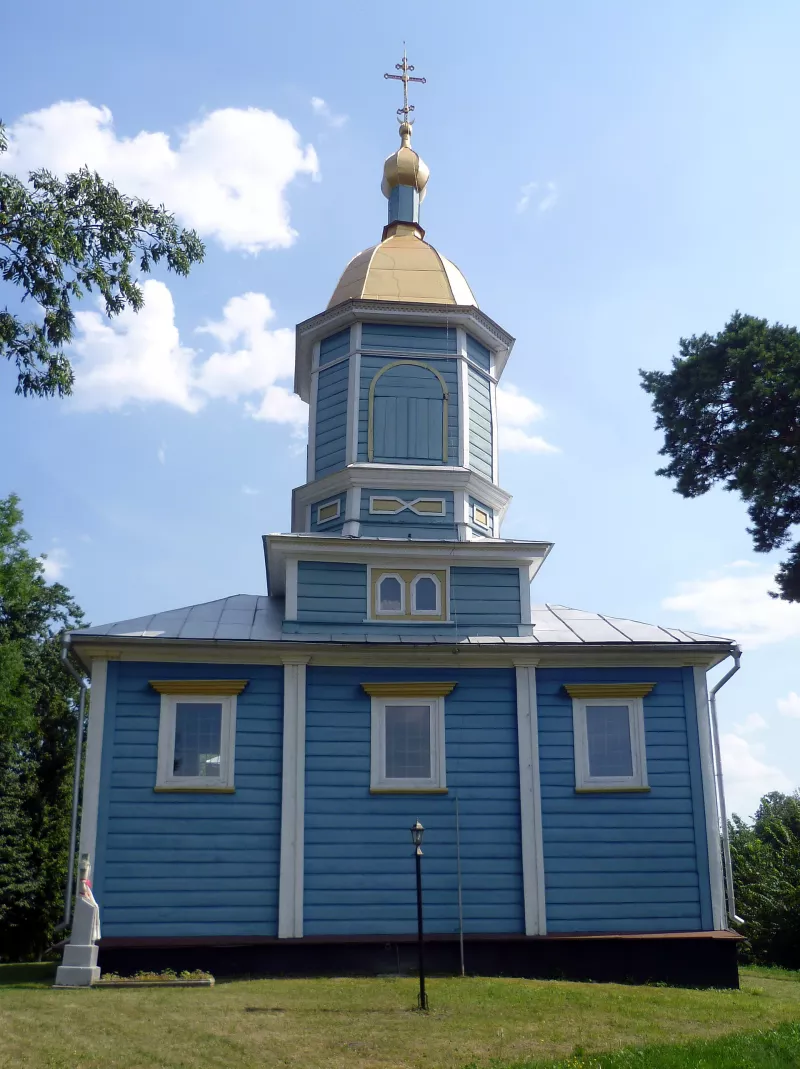
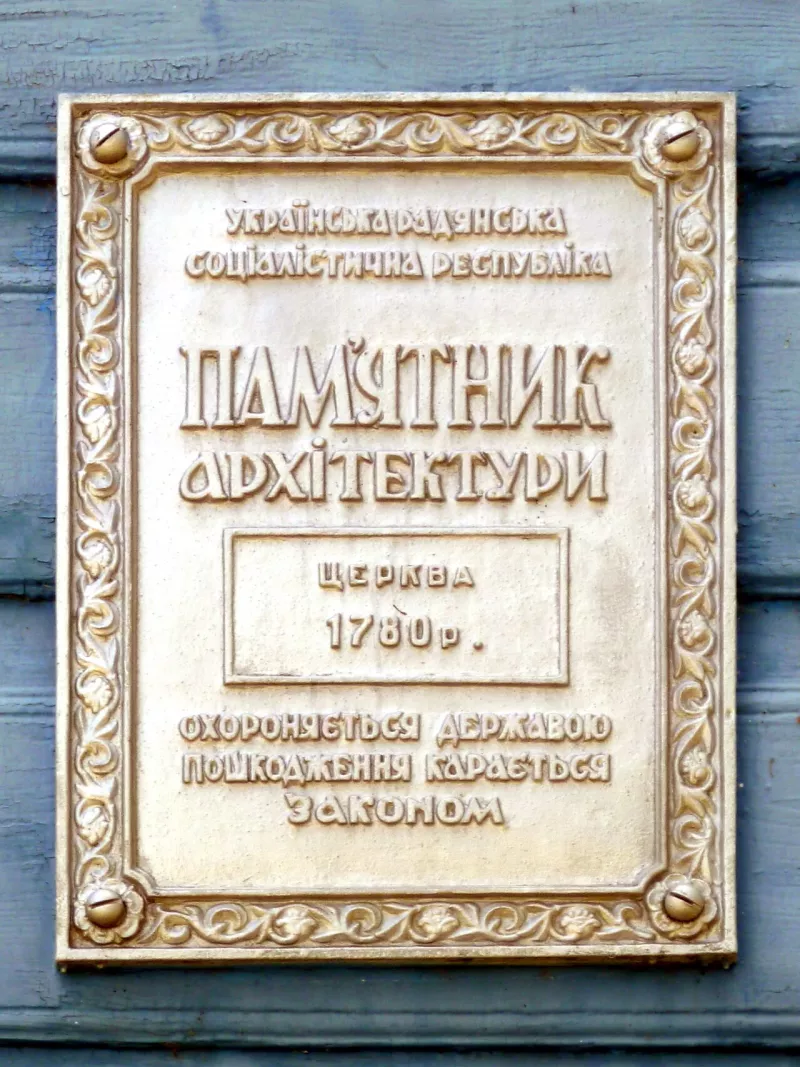
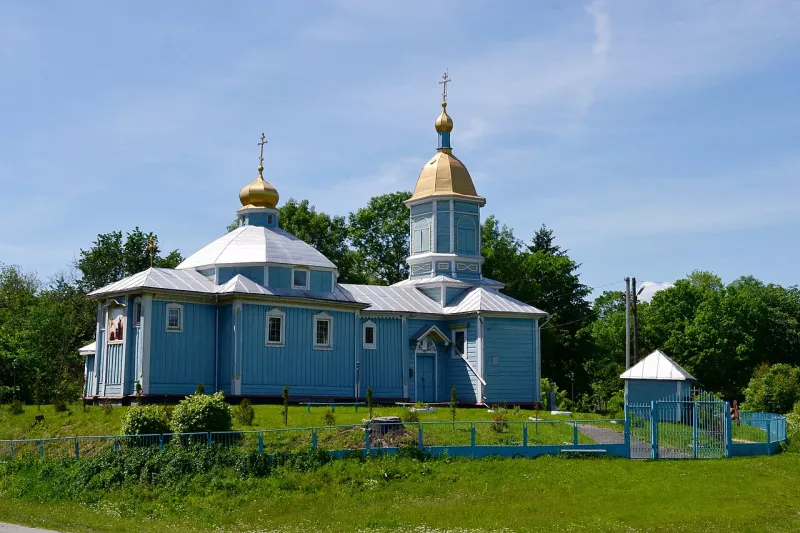
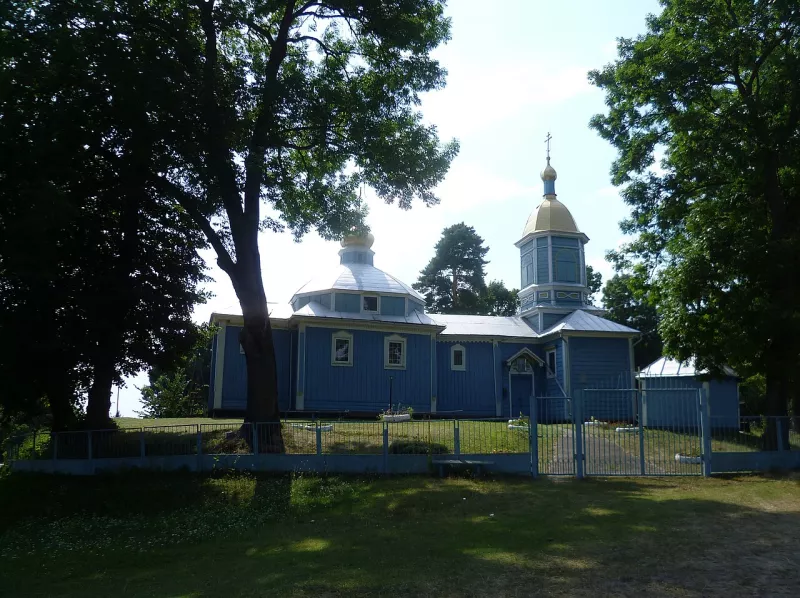
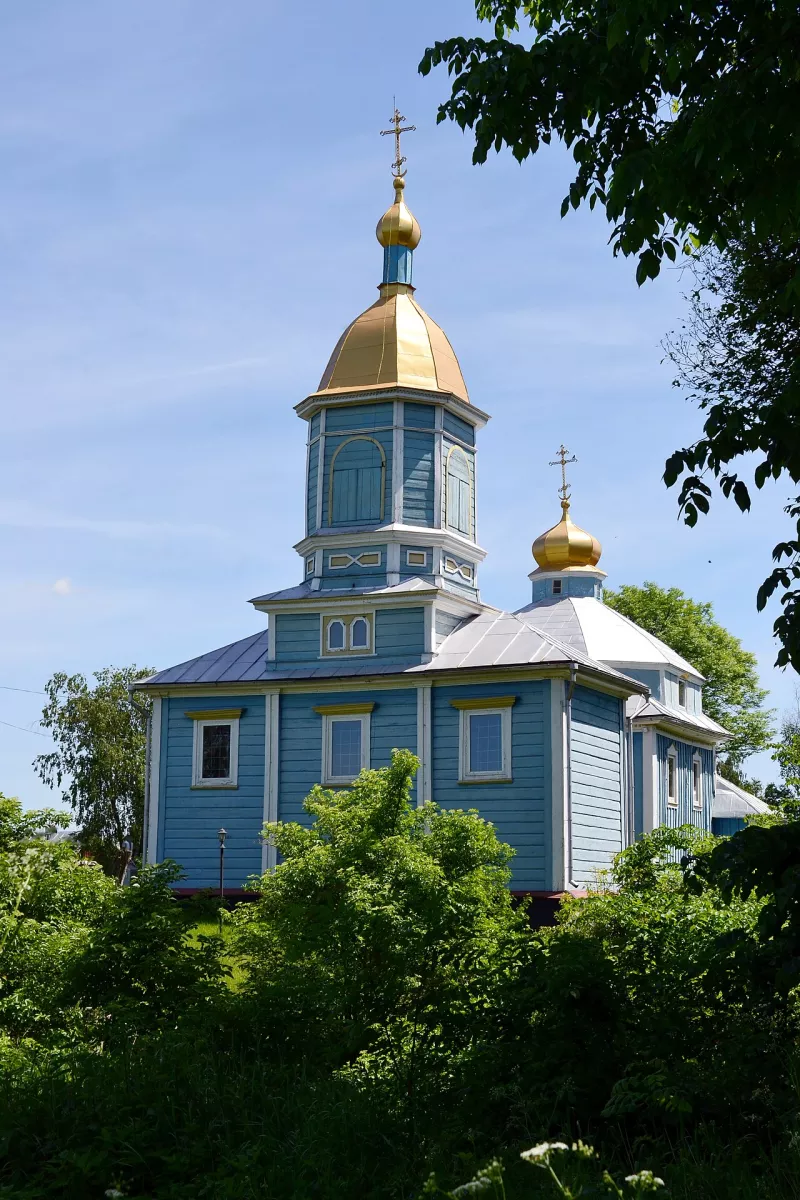
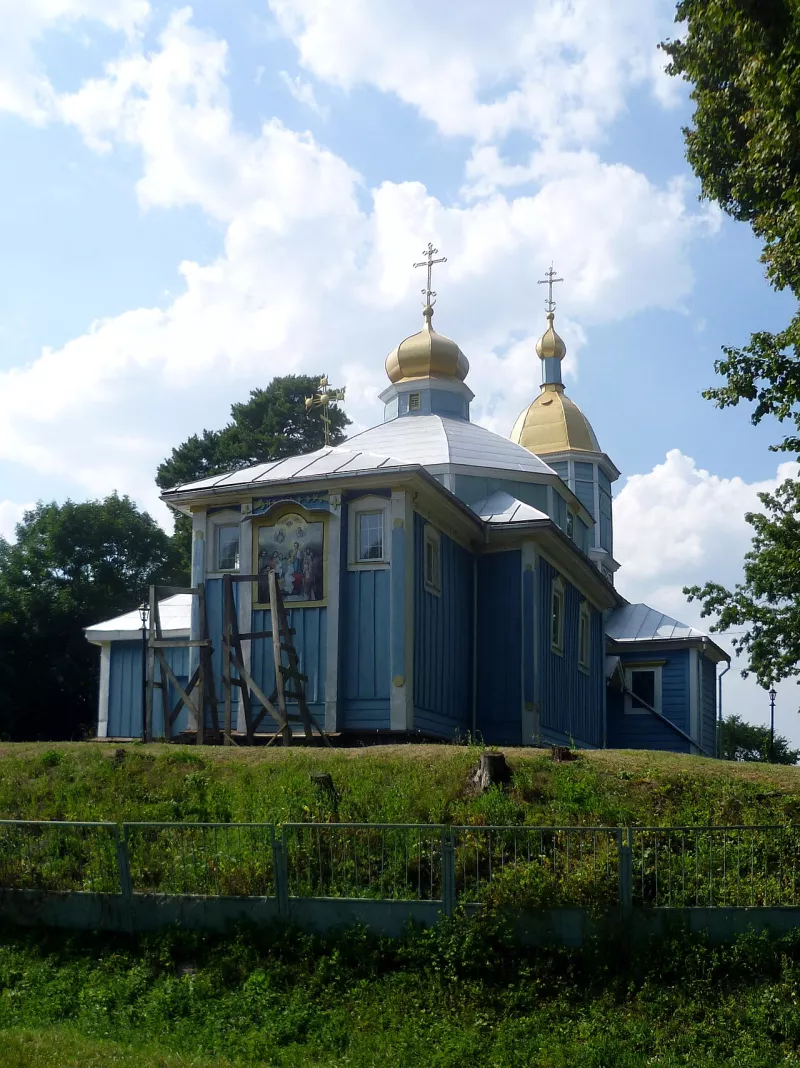
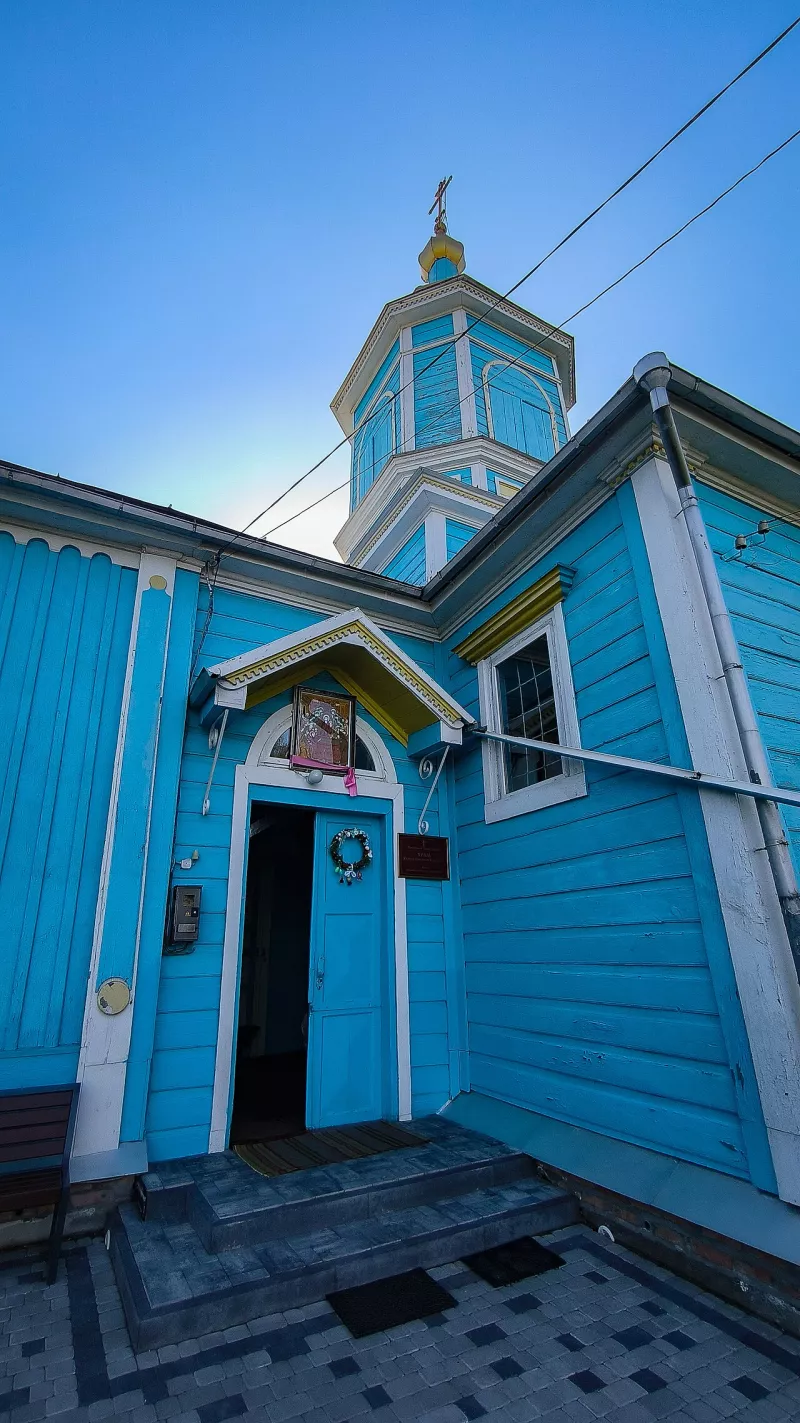
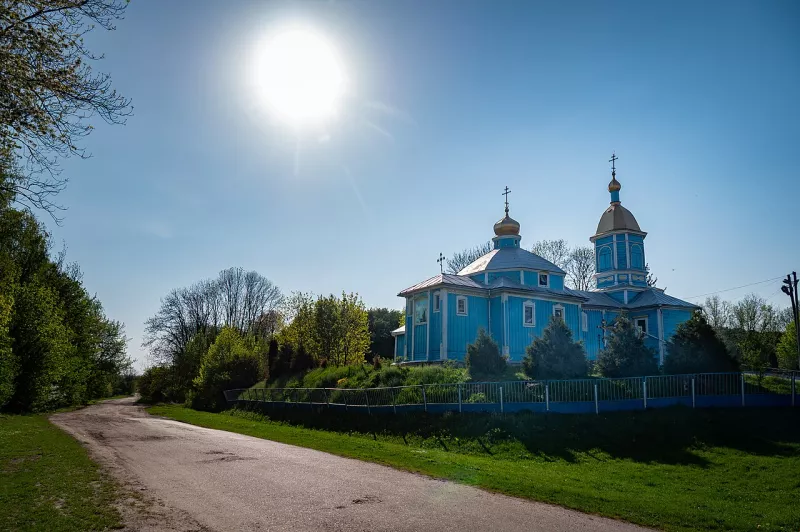
The present wooden Church of the Assumption was built in 1780 on the site of an older church, the first mention of which dates back to 1638. It belongs to the traditional Volhynian type of three-part churches: three log structures are arranged sequentially — the altar, the central part, and the babynets (narthex). A small dome on a low octahedron, crowned with a lantern, rises above the central volume.
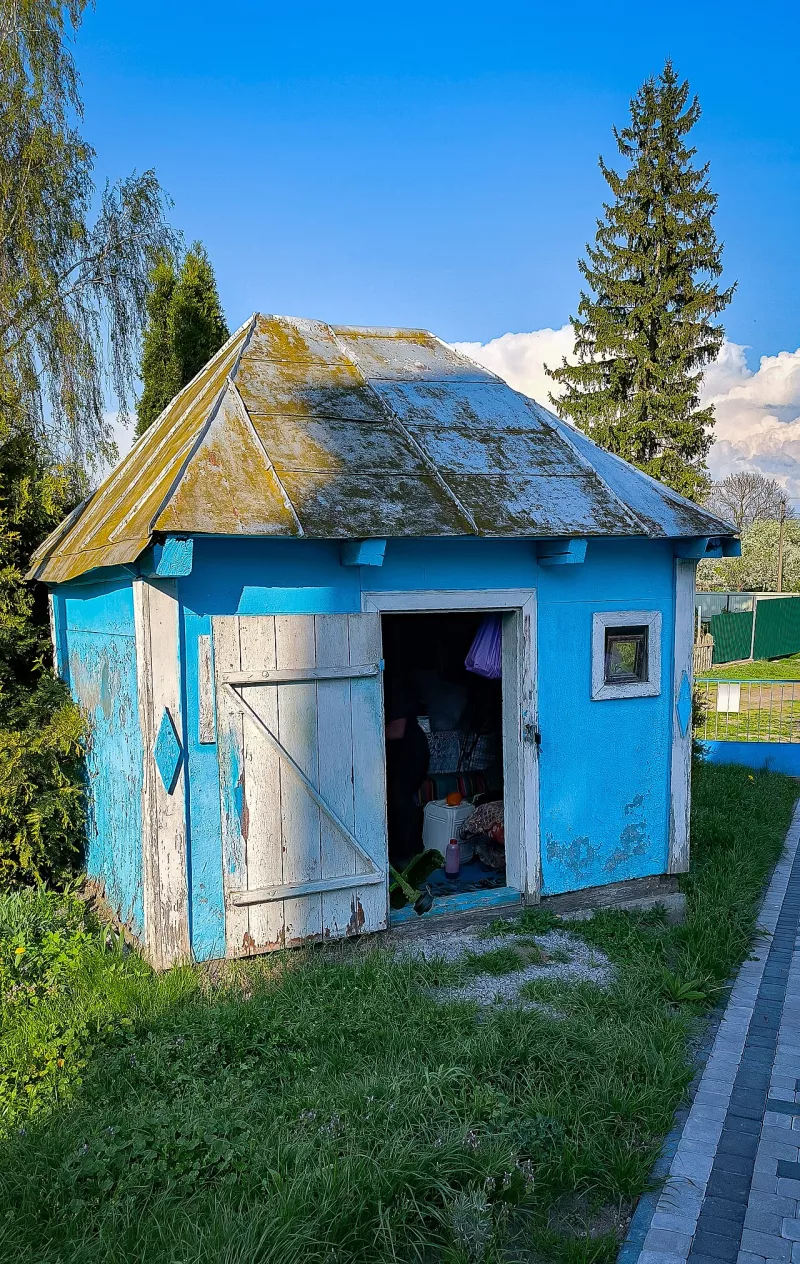
In the 19th century, the church was remodeled. A narthex was added to the babynets, and later — another transverse volume, over which a high tented bell tower was built. It became a prominent vertical dominant of the structure and seems to compete in height with the central dome. The bell tower houses a chapel of the Apostle James, dated 1780. The entrances to the church are arranged from the southern and northern sides.
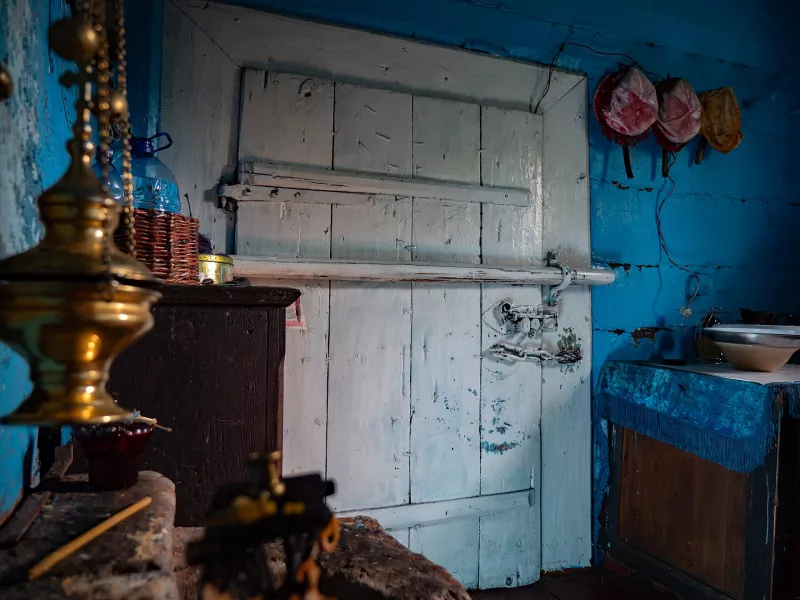
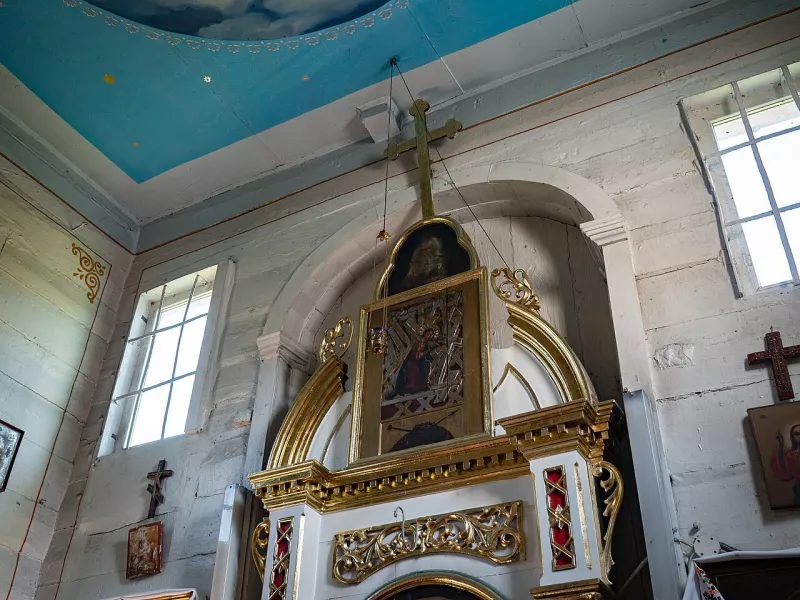
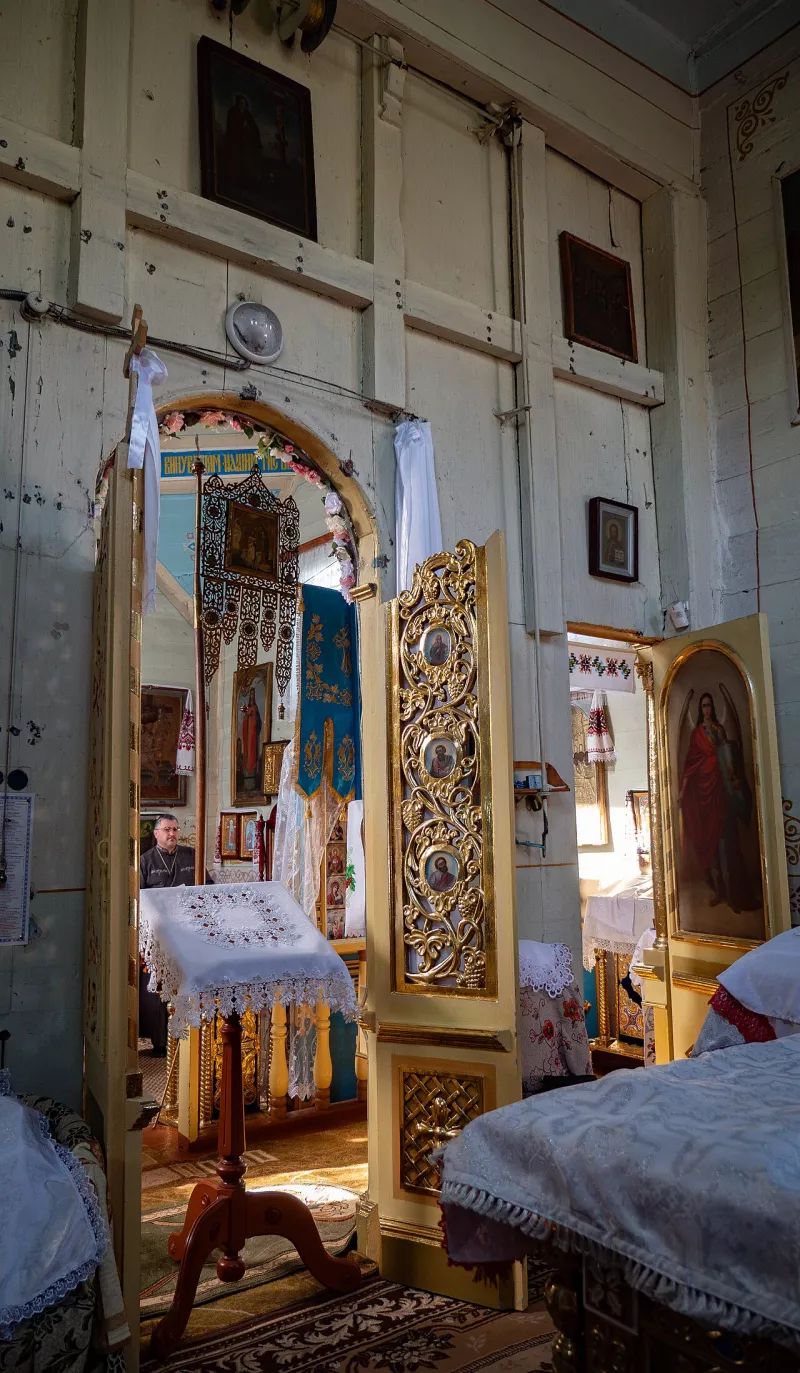
Inside the church, genuine artistic treasures have been preserved: fragments of 17th-century paintings and 18th-century carved decoration. Among the valuable monuments are the icon "Old Testament Trinity" and an ancient crucifix in the altar part. The church is mentioned in his work "Folk Architecture" by architect-restorer Leonid Prybieha.
The Church of the Assumption holds the status of an architectural monument of national significance. It survived the change of empires, wars, and the Soviet era, and preserved its purpose. Services here did not stop even in Soviet times, and the church remains the spiritual centre of the village today.
The patronal feast of the church is the Dormition of the Most Holy Theotokos. According to the Revised Julian calendar, it is celebrated on August 15, and according to the old style — on August 28. On this day, the church is filled with parishioners and guests who come for the festive service.
Old Ruthenian hillfort above the Serna
Shepel has a much older history than it might seem at first glance. The settlement named Shepol is mentioned in the chronicle under the year 1097. On the northern outskirts of the village, in the tract "Val", the remains of an Old Ruthenian hillfort from the 9th–13th centuries have been preserved — an archaeological monument of national significance.
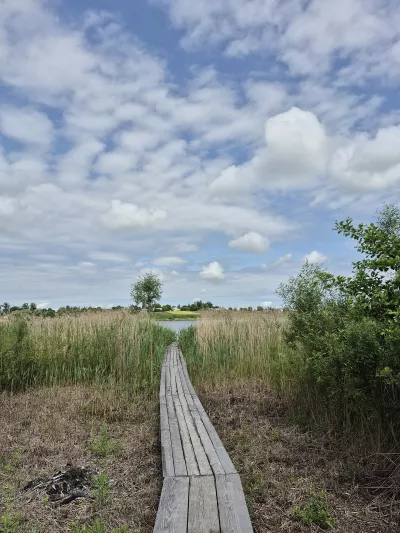
The fortification is located on a high cape of the right bank of the Serna, above the boggy floodplain. Its site measures approximately 140 by 160 metres. Once, the settlement was protected by powerful earthen ramparts 5–6 metres high and a moat about 6 metres deep and up to 22 metres wide. Even today, these earthen fortifications allow one to imagine the scale of the ancient settlement.
Researchers associate the hillfort with the chronicle Shepol — a fortified centre that existed in Volhynia during the princely era. It was studied by prominent archaeologists and historians, in particular Volodymyr Antonovych, Oleksandr Tsynkalovskyi, and Petro Rappoport.
Not far from the hillfort, about 300 metres to the northwest, lies an Old Ruthenian barrow known as "Mohyla Perelyanytsi". It is also part of the archaeological heritage of the environs of Shepel.
Interesting finds indicate that people lived in this area long before the princely era. During archaeological research near the hillfort, a Final Paleolithic site was discovered. Among the finds were flint tools and a mammoth tooth — evidence that the history of settlement of these banks goes back to deep prehistoric antiquity.
Video
Nearby
Lutsk is about 20 minutes away by road, and Torchyn lies to the west. More can be found in the article Lutsk Raion.
How to get there
Shepel lies between Lutsk and Torchyn, not far from the Lutsk — Volodymyr highway. The church stands in the village and is visible from afar thanks to its tall bell tower.