
The most revered holy springs of the Kyiv region are scattered across the whole oblast. In the Polissian north, in the forests between Irpin and the Dnipro, these are Dzvinkova Krynytsia — the only thing that survived from the Cossack Mezhyhirya Monastery — and the forest spring "Chenets" near Zdvizhivka. South of Kyiv, in the Bila Tserkva and Pereiaslav regions, people walk in religious processions to the wells on certain holidays: the Assumption, St. George's Day, and the tenth Friday after Easter. Almost all of these springs were filled in or littered during the Soviet years, and local communities themselves restored them.
Dzvinkova Krynytsia in Mezhyhirya
Dzvinkova Krynytsia gushes from under a slope in the forest near Novi Petrivtsi in Vyshhorod Raion. It once belonged to the Kyiv-Mezhyhirya Spaso-Preobrazhenskyi Monastery, the first documentary mention of which dates back to 1520. The monastery was patronized by hetmans Petro Sahaidachnyi and Bohdan Khmelnytskyi, and a hospital and shelter for elderly Zaporozhians who came here to live out their days were maintained under its care.
The name of the well is explained by a legend: the monks built a chapel with small bells over the spring, and the water struck them so strongly that a ringing sound echoed over the tract. According to another version, church bells were cast here. Taras Shevchenko visited Mezhyhirya in 1843 and 1846: he painted the monastery and described it in the poem "Chernets". In 1934–1935, the monastery buildings were dismantled, and only the spring remained from the entire complex.
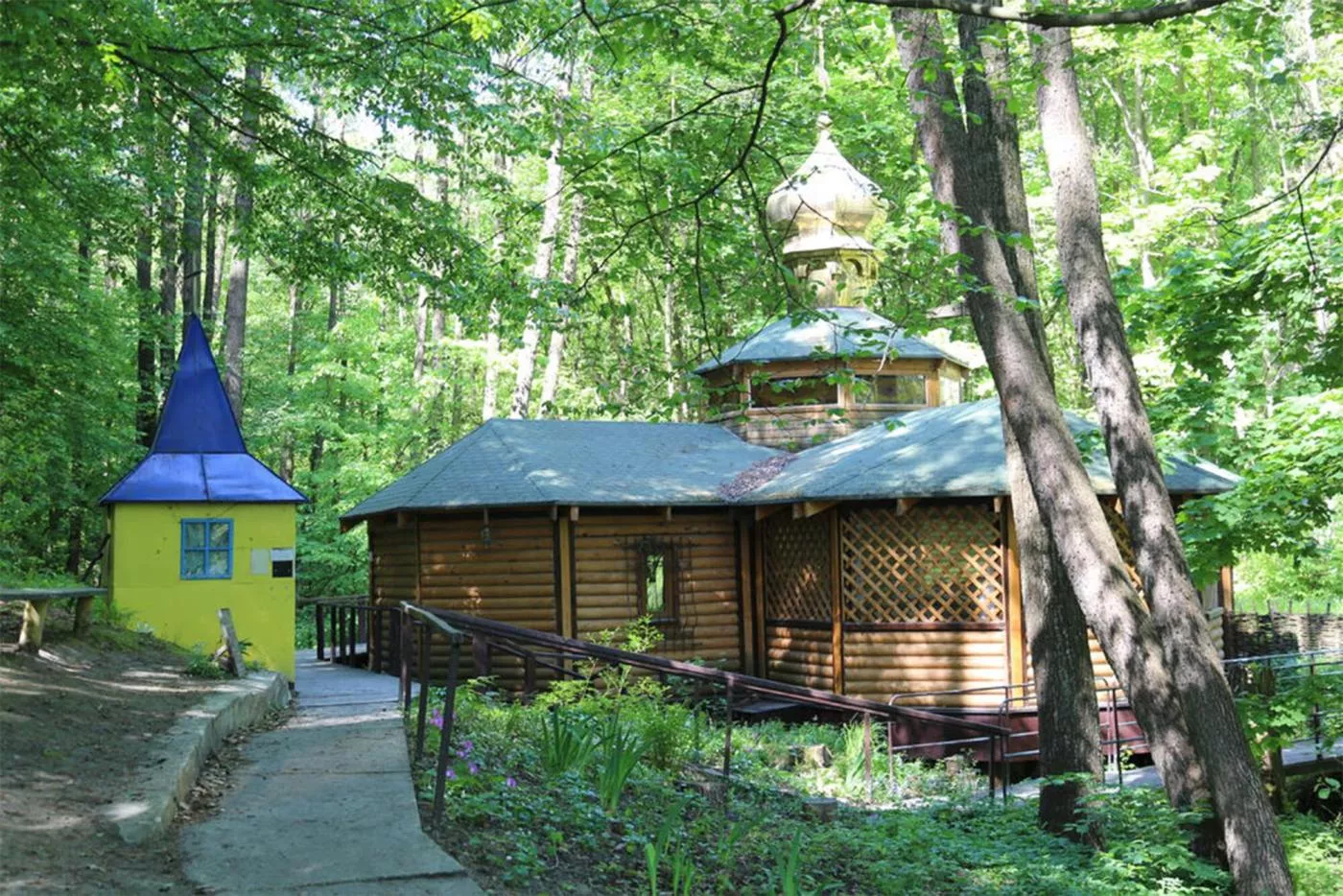
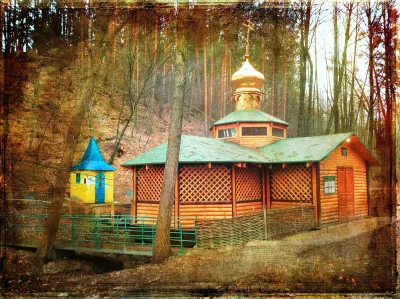
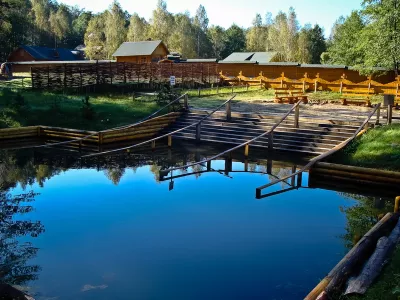
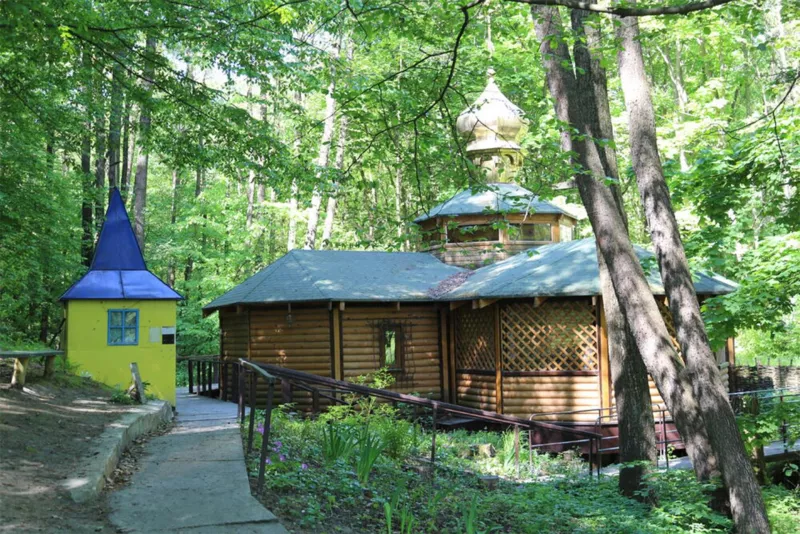
In 1998, for the 155th anniversary of Shevchenko's first visits, the community of Novi Petrivtsi restored the well. Since 2000, it has been a hydrological natural landmark with an area of 2.5 hectares. In 2005, a small chapel was built over the spring, followed by a bathhouse, and in 2011, the wooden Church of the Holy Transfiguration of Mezhyhirya was consecrated nearby. The water here is rich in iron and has a characteristic taste. We tell the history of the tract itself — from the Cossack monastery to Yanukovych's residence — in the article about Mezhyhirya.
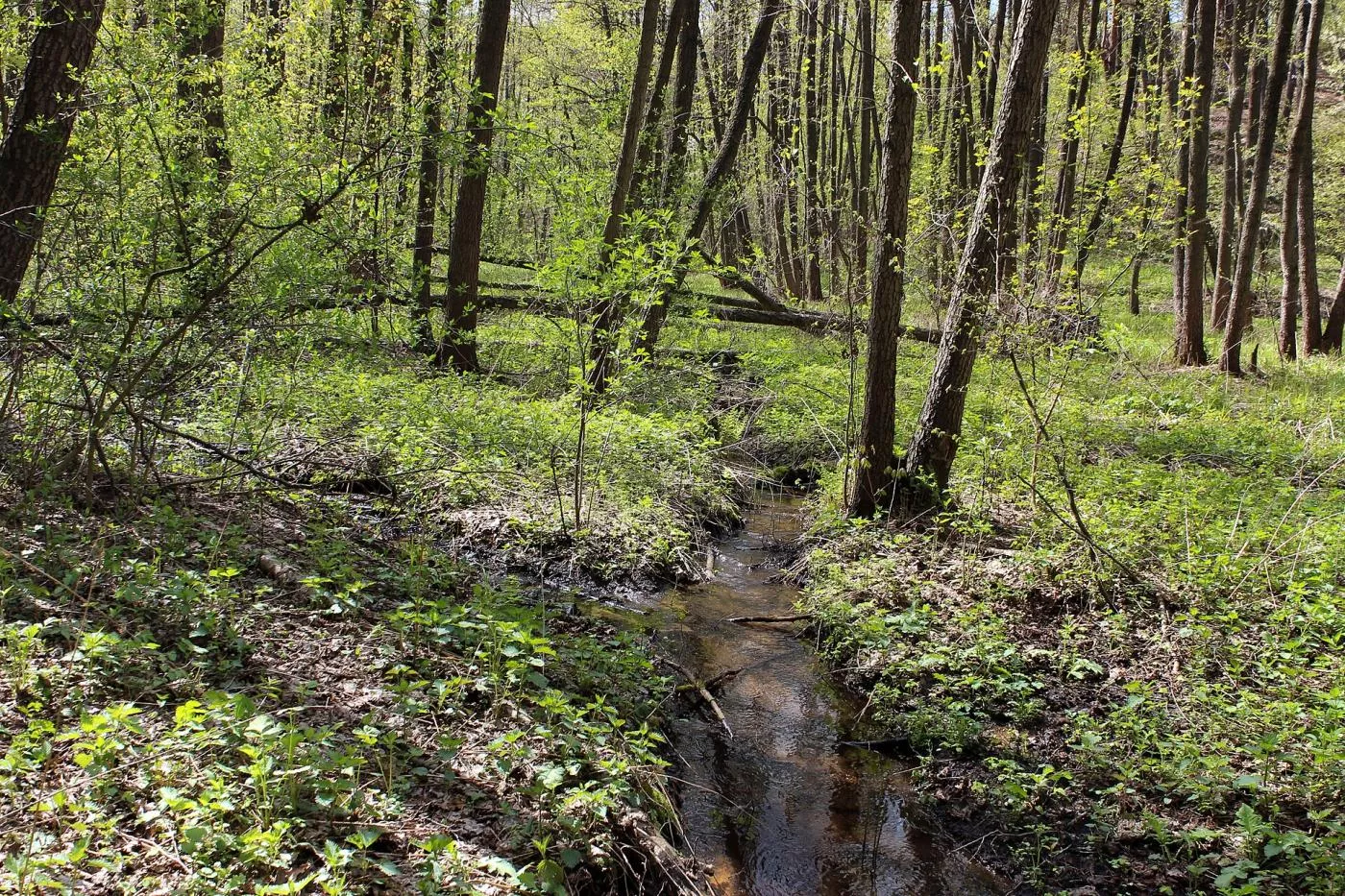
"Chenets" spring near Zdvizhivka
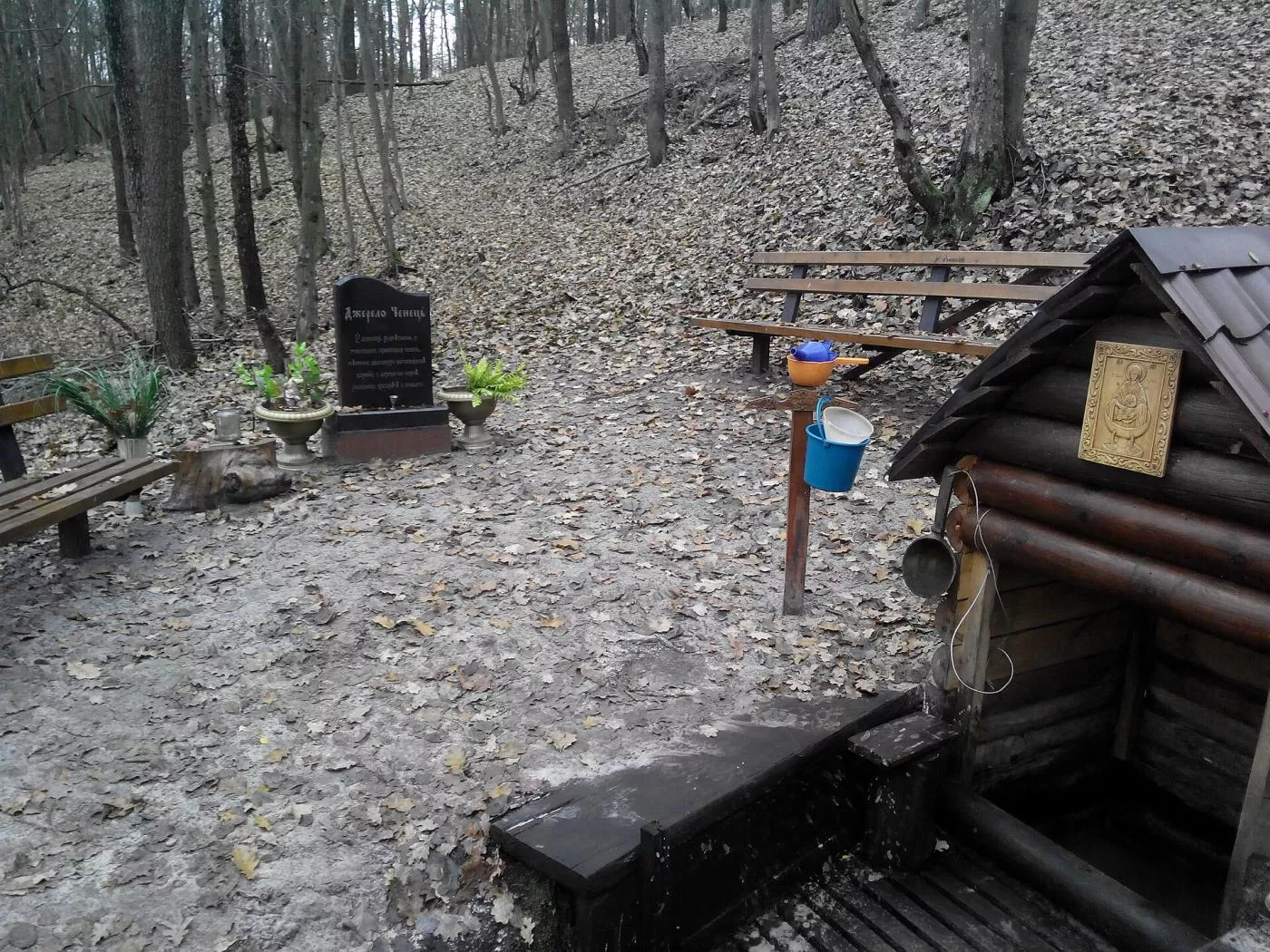
In a forest ravine northeast of Zdvizhivka in Bucha Raion, in the basin of the Brodok River, a spring flows that is called "Chenets" or Sava's Spring. Next to it stands a black granite slab with a local legend: in ancient times, a hermit lived here in prayer, who exchanged items he carved from wood with his own hands for food and avoided meetings with people. According to the same legend, the monk's name was Sava — hence the second name of the spring. Locals consider the water to be healing.
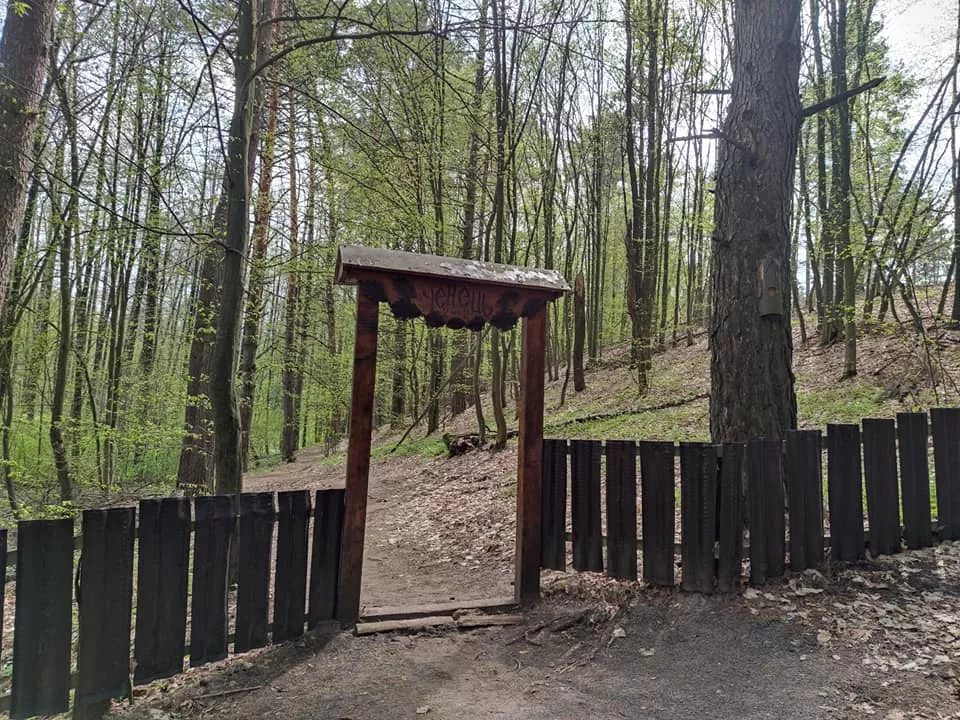
The water outlet is lined with a wooden log frame with a small roof and an icon, benches and flower pots stand on the slope, and a wooden gate with the inscription "Chenets" stands on the path to the ravine.
Spring of the Assumption of the Mother of God in Rizhky
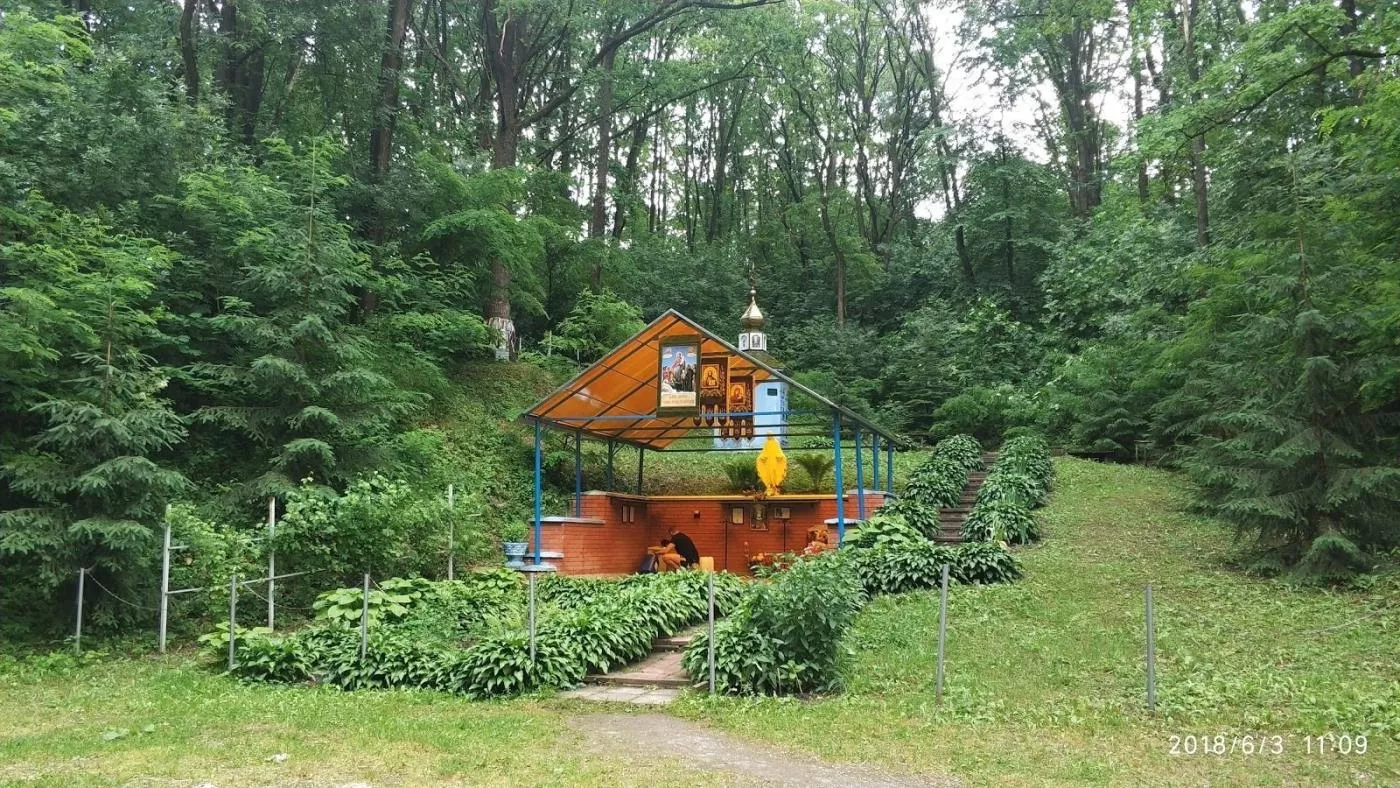
On the eastern outskirts of Rizhky in the Tarashcha hromada of Bila Tserkva district, in a forest grove in a corner of the village long known as "America", bubbles the spring of the Assumption of the Most Holy Mother of God. Tradition dates its appearance to the late 19th century: water broke through near an old willow tree, and people returning from the fields drank from it in the heat. A local resident nicknamed Kutsyi saw a bathing figure in a puddle, and later heard a voice in a dream: the Mother of God bathes here, and a well must be dug. He told the priest about it, who made him swear on the Gospels, and then the villagers dug a well, placed a wooden cross beside it, and consecrated it on the feast of the Assumption.
According to legend, a blind girl received her sight here in the early 20th century, and her father built a chapel over the spring in gratitude. In the 1930s, Komsomol members destroyed the chapel and filled in the spring, but the water broke through again, and villagers dug it out at night — even after fuel oil and gasoline were poured into it. The spring was restored and reconsecrated on May 29, 2007. Now there is a canopy with icons over it, a chapel nearby, and on the Assumption a water-blessing moleben is held at the spring.
Well of Saint George in Horbani
In Horbani of the Tashan hromada in the Pereiaslav region, on the bank of the Supiy river in the Hai tract, there is an ancient well consecrated in honor of the Great Martyr George. At first there was a spring here; to prevent it from silting up, a well was dug over it. According to local accounts, the Kulykivskyi family cared for the well since the 18th century, and villagers regularly cleaned it; during one such cleaning in 1814, a coin was found in it. The well holds the status of a local natural landmark.
In the spring of 2021, the well was restored at the expense of natives of the village: the spring and channel were cleared, the log frame was replaced, an oak cross, a gazebo, and benches were installed, and wooden stairs with 191 steps and three resting platforms were built from the village down to the tract. Every year on St. George's Day, May 6, water is blessed at the well.
Spring of Saint Paraskeva in Trubivshchyna
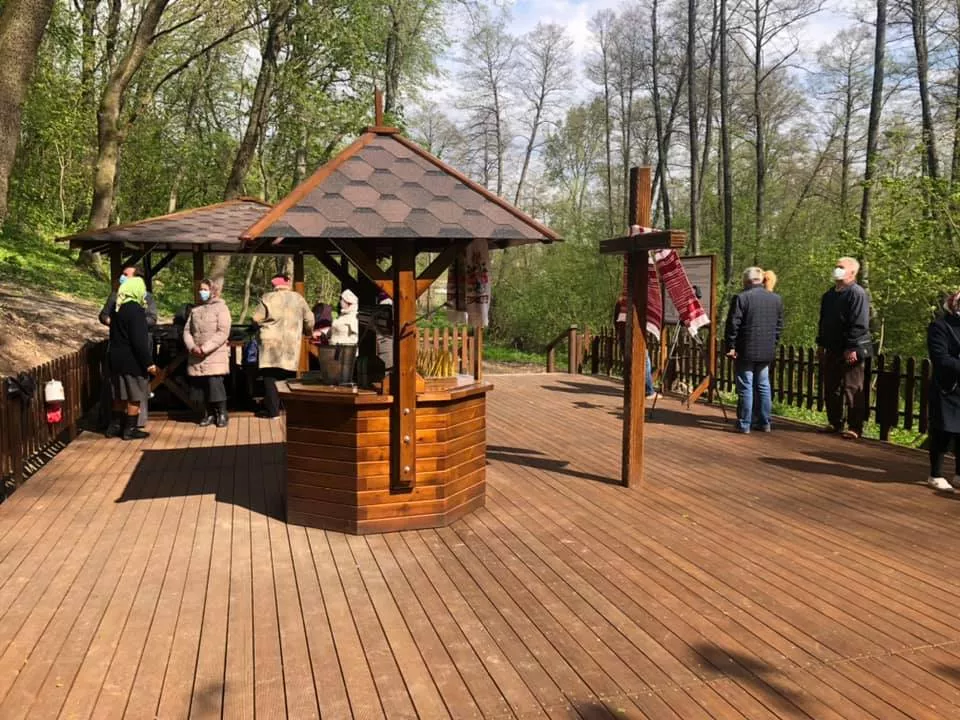
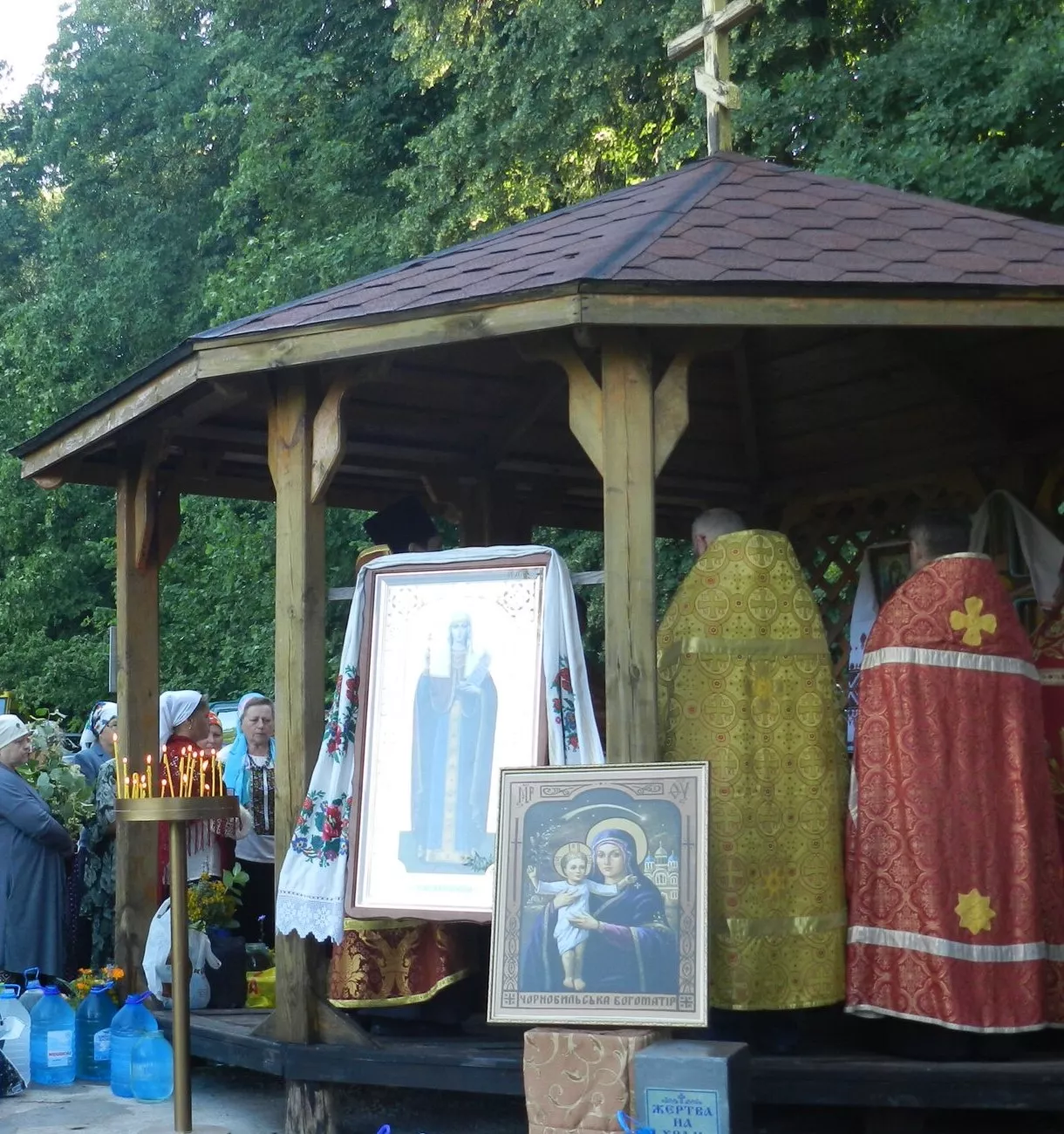
In the Kalynovyi Hai tract near Trubivshchyna in the Yahotyn region bubbles the Spring of Saint Paraskeva, revered as a shrine of the region. They say that even Cossacks used to come here for water, and the water itself stays fresh for a long time. Every year on the tenth Friday after Easter, the faithful gather near the spring for prayer and the blessing of water.
The rest of the sources of Kyiv region — forest wells, pump rooms, and nameless springs — are marked on the Polissia springs map; it shows where they are, whether the water is drinkable, and how to plot a route. The most famous holy springs of the entire region are in the article "Holy Springs of Polissia".
Holy springs of other regions of Polissia: Volyn, Rivne region, Zhytomyr region, Chernihiv region, Sumy region.