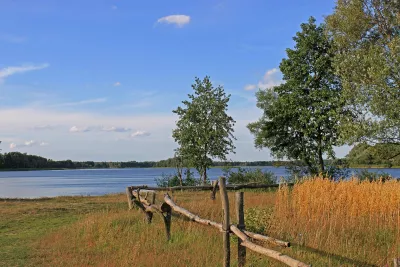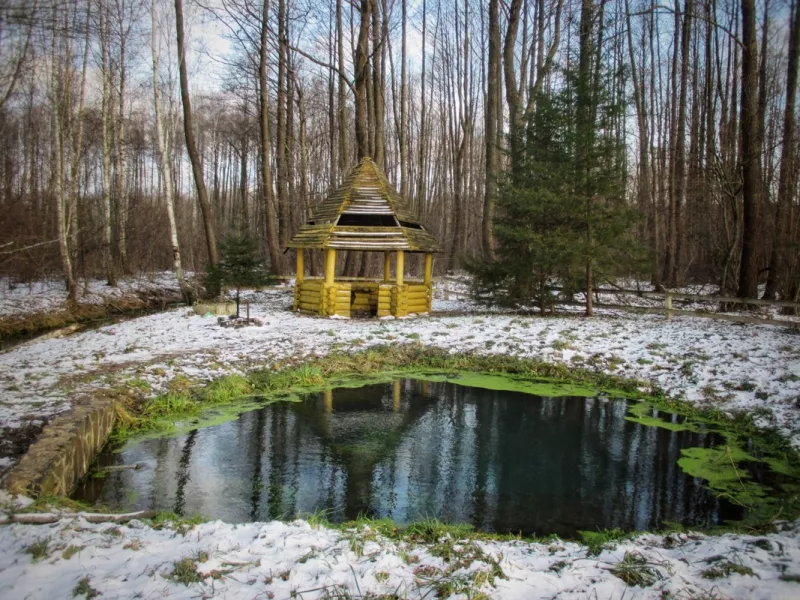

In Volyn, holy springs are not just the ones at monasteries. Mostly, these are rural wells in small valleys, in the forest or at the edge of a field, with a cross or a chapel nearby, and the water is blessed by a priest every year. Many are visited by religious processions on a specific day: on Epiphany, on the mid-Lent («dry») Wednesday, on Trinity Sunday, or on the tenth Friday after Easter. Quite a few such springs were filled in during Soviet years, and since the 1990s they have been dug out, lined with log frames, and blessed anew. According to the regional water resources administration, in 2023 there were 90 natural springs in Volyn, of which 61 are blessed; only three of the blessed ones have the status of a natural landmark. Holy springs are most densely located in the north and west of the region, in the basins of the Turia and Vyzhivka rivers. A Volyn peculiarity is that a well with a chapel is usually built over a spring. Between 2005 and 2015 alone, water management specialists restored 81 springs in the region, and in Kamin-Kashyrshyna Raion up to 2015 — 15: twelve together with forestry workers, and three by church and rural communities.
Budiatychi: the spring of the miraculous icon
The oldest legend among Volyn springs is in Budiatychi of the Novovolynsk hromada, a kilometre away from the village Saint Nicholas Church, in a small valley behind the village. According to it, in 1637, an icon of the Mother of God appeared on a landowner's field above the spring. People could not take it — the icon disappeared in the water — and it yielded to two orphan girls from a neighbouring village. The image was taken to Saint Nicholas Church, and since then it has been called the Budiatychi Icon. This happened on the Friday of the tenth week after Easter, so it is on this exact day that services are held annually in the church and by the well in Budiatychi, and the water is blessed.
The legend further recounts that the landowner ordered the spring to be filled in because pilgrims were trampling the field. The water broke through nearby, and the landowner went blind. In a dream, the Mother of God commanded him to uncover the spring and wash his face; he regained his sight and built a chapel over it. Locals say that Bohdan Khmelnytskyi and Adam Kisiel, the founder of the Nyznychi Monastery, visited the well.
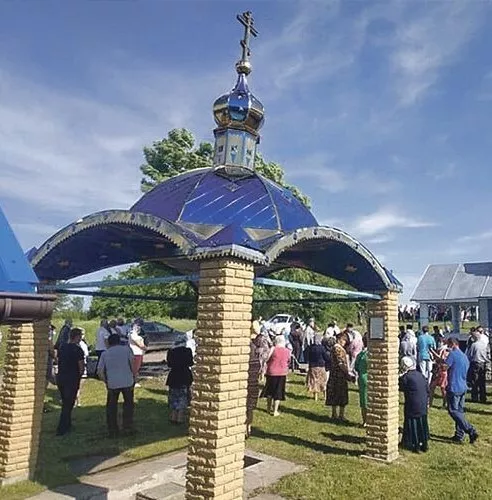
In Soviet years, the spring was destroyed and filled in several times. It was dug out in the autumn of 1989: a collective farm brigade came across a concrete ring, and water utility workers helped reach the water vein. That same year, the new Saint Nicholas Church was consecrated and a new chapel was built over the spring. Now there is a masonry gazebo with a blue dome, the Budiatychi Icon carved in stone, and a small pool for immersion. Budiatychi has almost merged with Novovolynsk.
Popova Krynytsia in Holovne
In the southern part of the urban-type settlement of Holovne in Kovel Raion flows Popova Krynytsia — a local hydrological natural landmark since 1977 with an area of 0.1 hectares. It feeds the Nerezha River, and local old-timers and local historians consider it one of the sources of the Prypiat. As early as the 15th century, Jan Długosz wrote that the Prypiat begins «not far from the Lyuboml castle, in the village of Holovne»; the Volyn researcher Oleksandr Tsynkalovskyi believed the same. The healing spring near Holovne was known back in Polish times: people walked to it in a religious procession, and on Epiphany they bathed in its water. In 2025, a proposal was made to build a masonry chapel in honour of the Prypiat River at the site near the spring.
Popova Knytsia between Sedlyshche and Butsyn
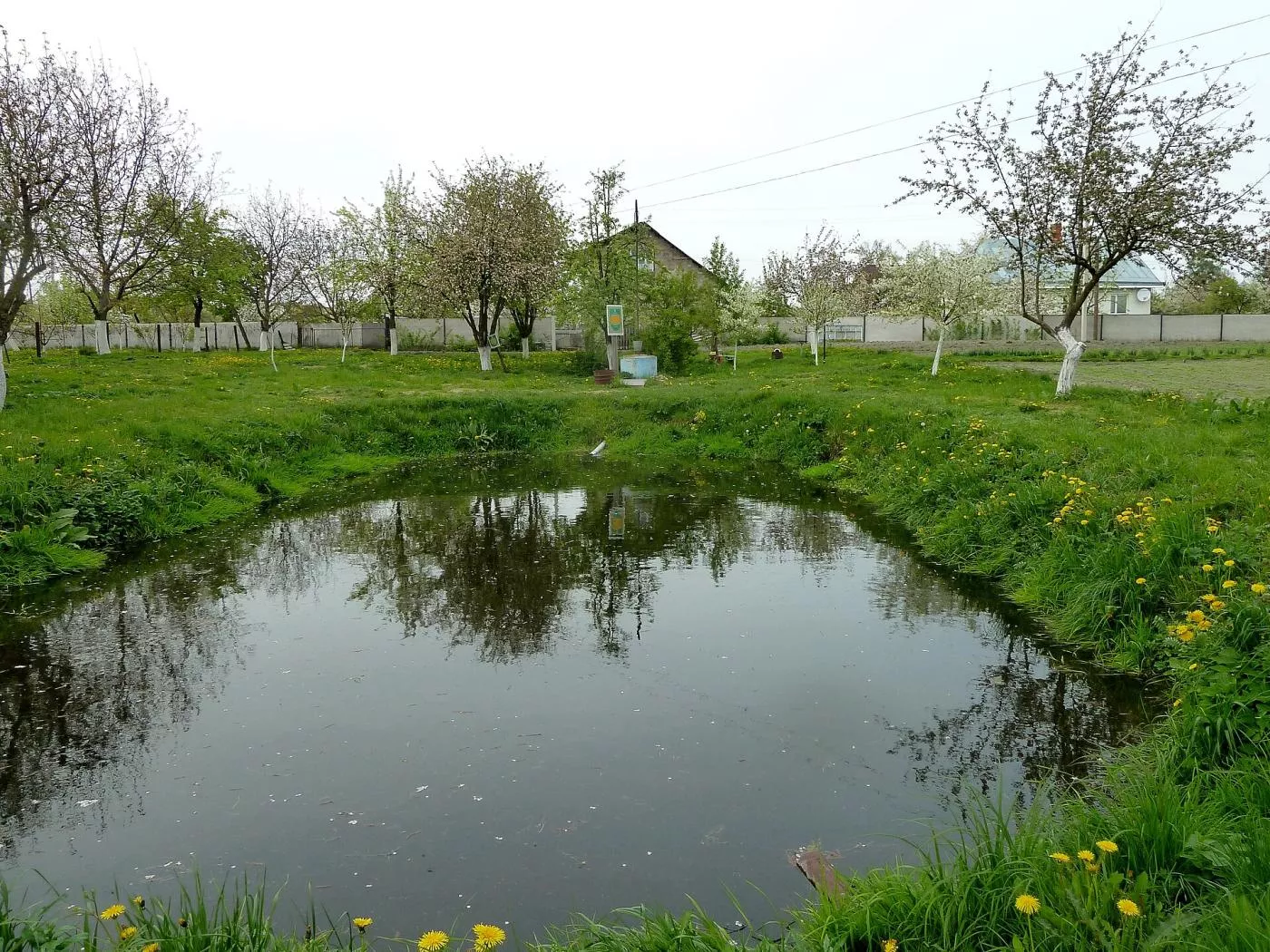
Krynychne tract, also called Popova Krynytsia, lies by the road between Sedlyshche and Butsyn in Stara Vyzhivka hromada. Once there was a cascade of springs here; after the land reclamation of the 1980s, only one remained. In 1950, the priest of the Butsyn church, Mykola Yovyk, manually made and installed concrete rings in the spring, and later the residents lined it with a wooden log frame. His grandfather had already consecrated the water here, so the tradition is at least two hundred years old.
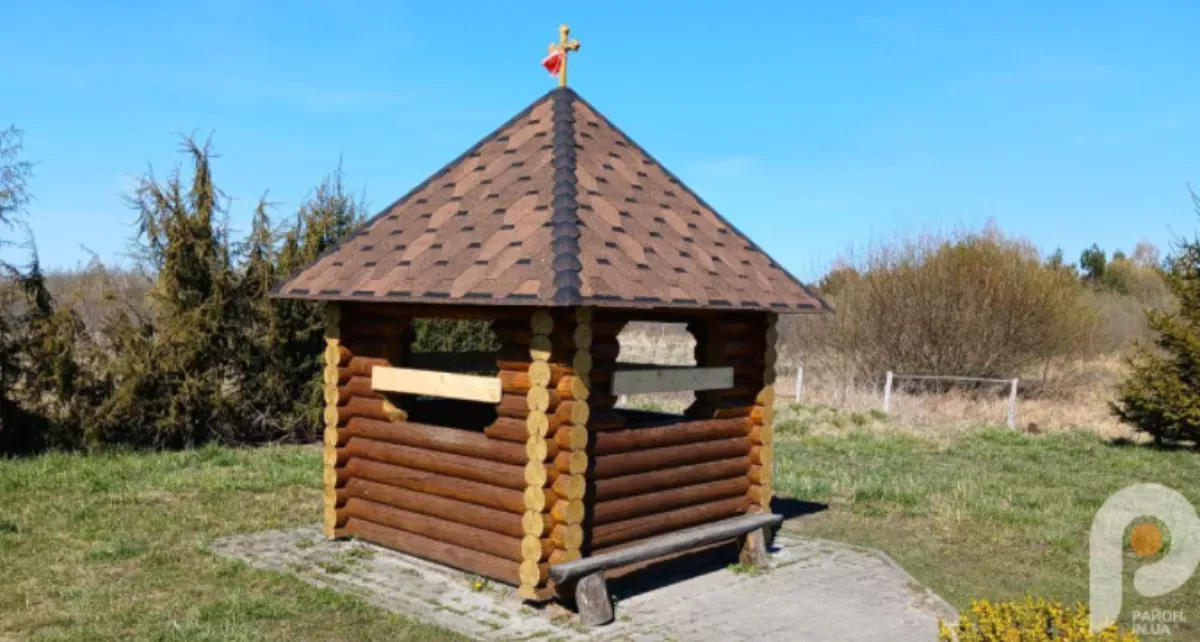
The main day of the well is the mid-Lent, or "dry", Wednesday of Great Lent: the priest blesses the water in the presence of residents from Sedlyshche, Butsyn, Cheremshanka, and Borzova. The Soviet authorities forbade this, but the custom was not interrupted. Locals call the water "Pochaiv water"; laboratory analysis showed it contains 0.08 mg/dm³ of iron and 12.95 mg/dm³ of sulfates. Now above the well there is a log gazebo with a cross, surrounded by paving stones and a bench. In Sedlyshche itself there is an old church, and Stara Vyzhivka is a few kilometers away.
Rakova Krynychka in Starosillia
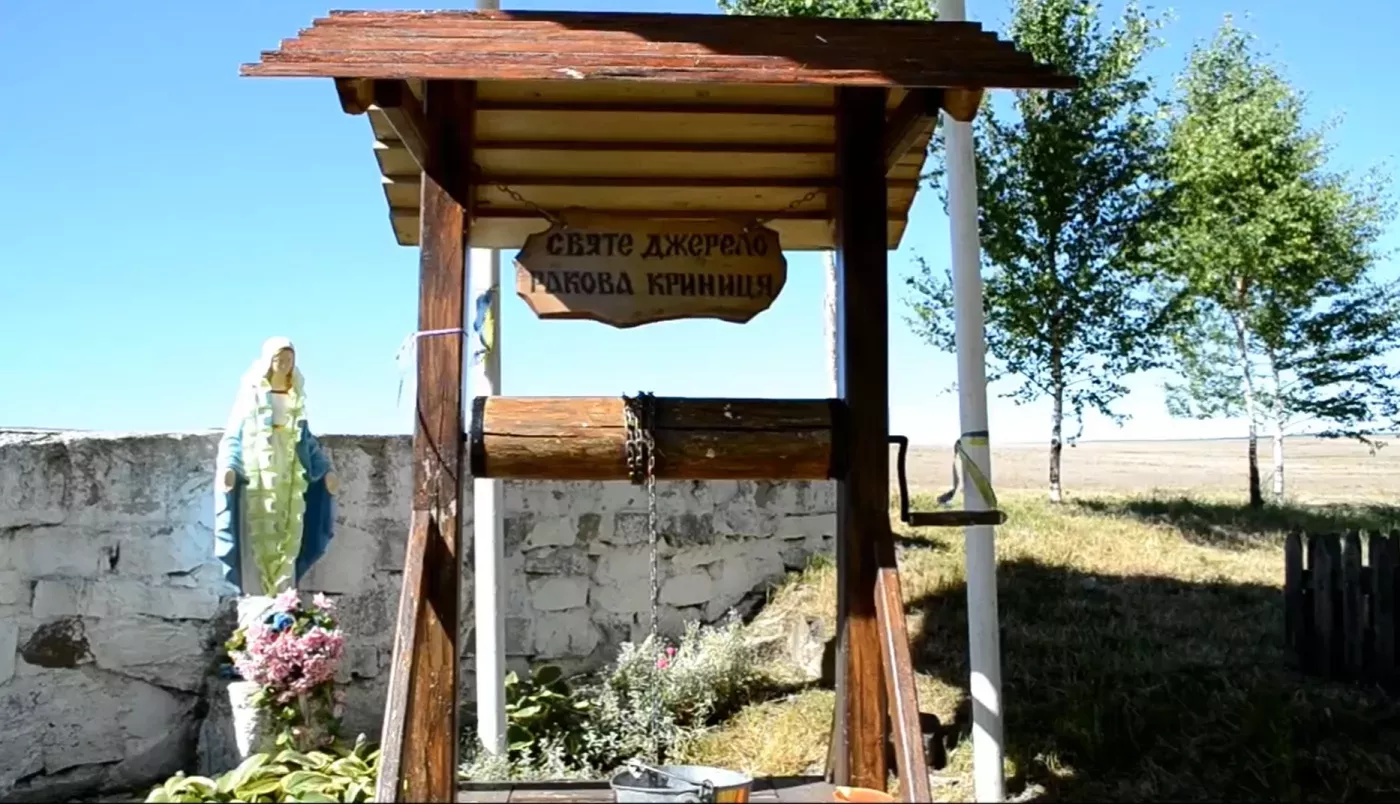
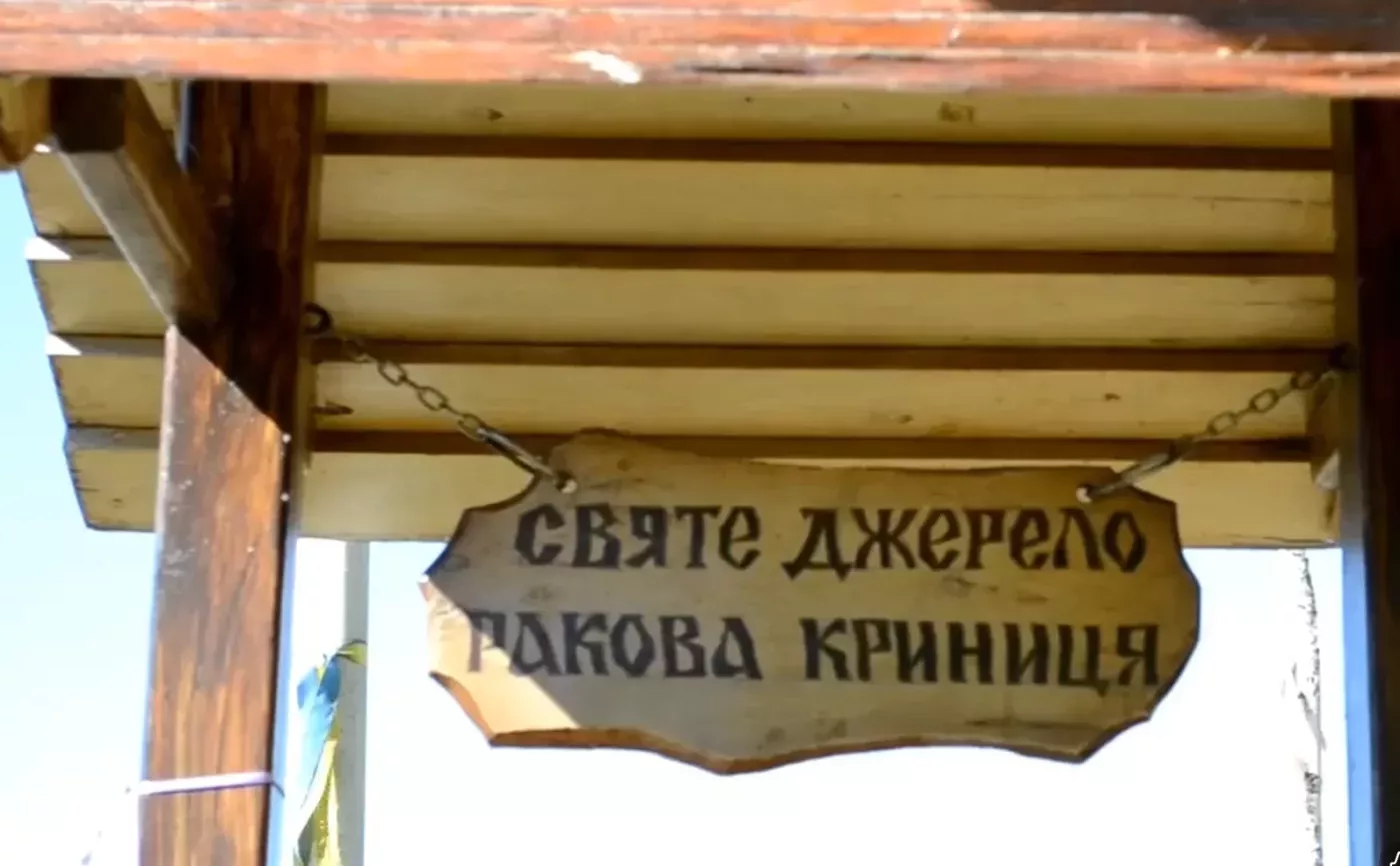
In Starosillia of Volodymyr district (formerly Ivanychi region), people tell that an unjustly convicted fugitive escaped from a tsarist prison and collapsed from thirst. A spring burst from the ground, and a crayfish crawled out of the water and cut his shackles with its claws. Later, a well was arranged on this spot and named Rakova Krynytsia. Now it is a wooden well with a small roof and a windlass, above it is a sign "Holy spring Rakova Krynytsia", and nearby, by the old stone wall, stands a figure of the Mother of God; the water here is blessed by the clergy of the Ivanychi deanery on the tenth Friday after Easter — the same day as in Budiatychi.
Bila Krynytsia in Stara Lishnia
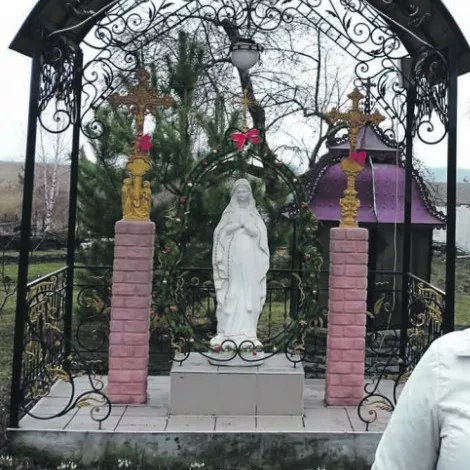
On the edge of Stara Lishnia, also in the former Ivanychi region, there is Bila Krynytsia — named after the white clay at the bottom. Legend says that the Mother of God appeared near the spring, and a blind woman washed herself here and regained her sight. During Polish times, the priest and believers walked here in a religious procession on holidays; old-timers recounted that when the pilgrimage was once canceled due to bad weather, the water disappeared in the village wells. The Soviet authorities banned religious processions, and the spring silted up. Around 1990, the homestead with the spring was bought by a local family: they cleared the spring, restored two old cast-iron crosses, and placed a figure of the Mother of God brought from Zakarpattia under a forged gazebo. The restored spring was consecrated on June 1, 2010, and the religious procession returned: every year on Holy Spirit Day, the Monday after Trinity, the village walks to the well. From Stara Lishnia it is not far to Ivanychi.
Krynychka Spring near Velyka Yablunka
In the forest near Velyka Yablunka in the Manevychi hromada, not far from the Okonsk springs, the Krynychka spring bubbles up. This is a hydrological natural monument; a cross stands above it, the place is consecrated, and locals call the spring holy. According to legend, a blind girl washed her eyes here and regained her sight, which is why the water is considered helpful for eyesight. The water temperature is 8–9 °C year-round, and the pool does not freeze in winter. Above the spring is a wooden gazebo that was recently renovated. The field road to the forest has been plowed up, so visitors have to walk. The nearest settlement is Manevychi.
Epiphany Spring in Vorotniv
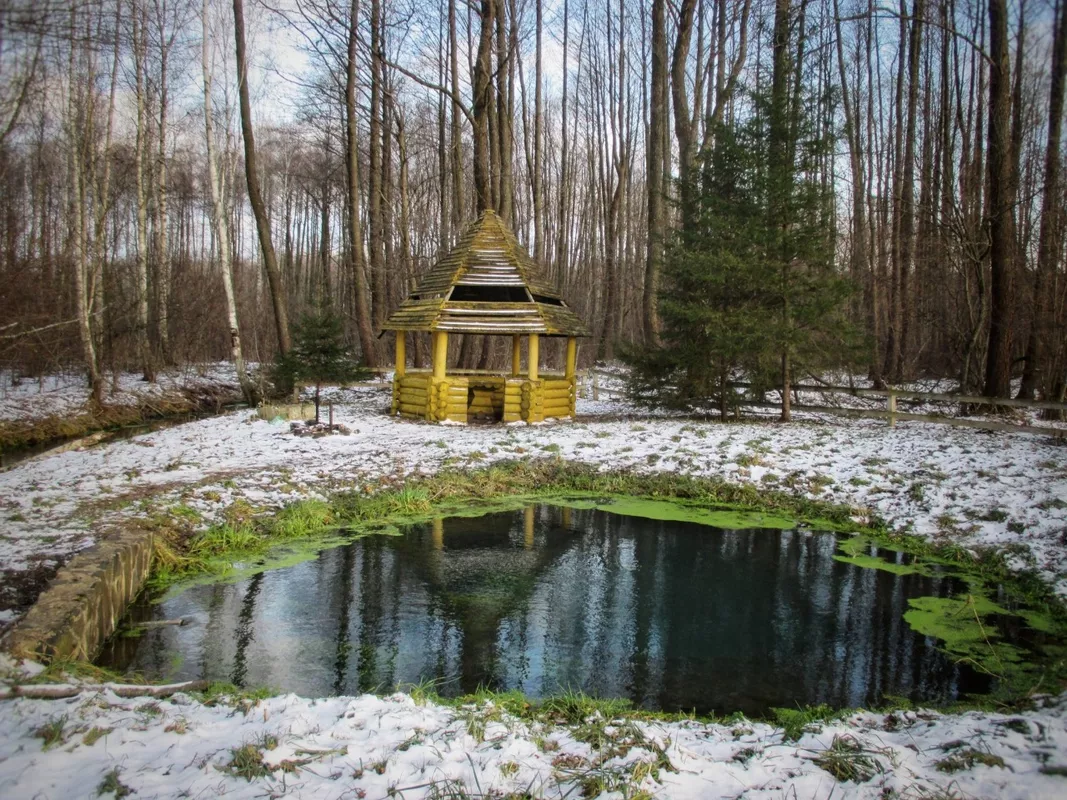
In Vorotniv in the Lutsk hromada, a consecrated spring flows in the floodplain of the small Zelenka River, not far from the village cemetery; the Zelenka further feeds a cascade of ponds in Lyshche. The spring yields 9 m³ of water per hour at a temperature of 9–10 °C. It was developed by the Lutsk Water Management Department together with foresters, entrepreneurs, and the community, and was consecrated on August 28, 2015, on the patronal feast day of the local Church of the Assumption. At the same time, a pool for Epiphany bathing with a changing room and a well with drinking water were built; benefactors covered most of the costs, while the community paid less than twenty thousand hryvnias. The spring was named the Epiphany Spring and won first prize in the All-Ukrainian contest "To Clean Springs". Nearby flows another, more powerful spring, and traces of a settlement several thousand years old were found in the floodplain.
Baiv Spring
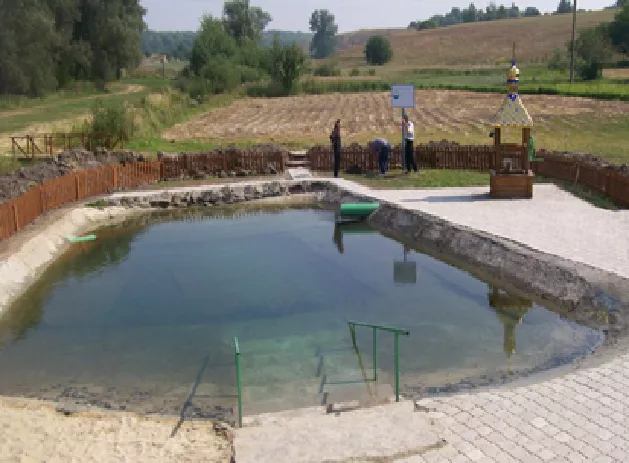
In Baiv in the Boratyn hromada, the spring bubbles up next to the Church of the Assumption. On Epiphany morning, the village comes here with the priest to consecrate the water and swim, and after the consecration sets off fireworks—following an old custom to "drive away the devils"; once they fired cannons for this purpose, later rifles. The water here does not freeze and maintains the same temperature in both summer and winter. The spring is among the official Epiphany bathing sites of the Lutsk Raion. Baiv was first mentioned in 1545.
Hirka Polonka
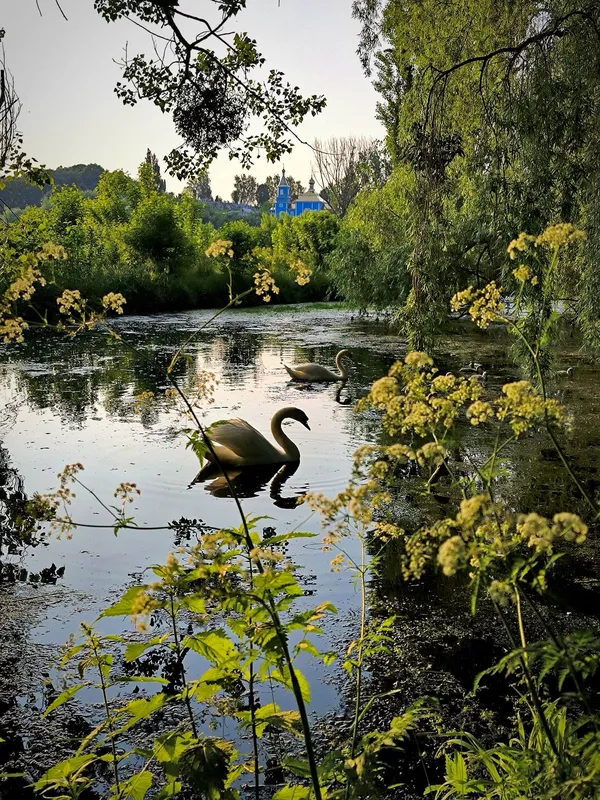
In Hirka Polonka of the Boratyn hromada, not far from Lutsk, on the bank of the small Choronhuzka River, a spring bubbles up that is among the listed consecrated springs of Volyn described by scientists of Volyn National University. It was improved by village enthusiasts together with the Lutsk Water Management Department: the water flows through a pipe into a walled-in basin, a well stands nearby, and an openwork glass chapel with icons under a blue roof and a golden dome rises above the bank. On Epiphany, so many people come here for consecrated water that the line of cars stretches for nearly a kilometre. From Hirka Polonka it is not far to Baiv and Tseperiv, where there are also consecrated springs.
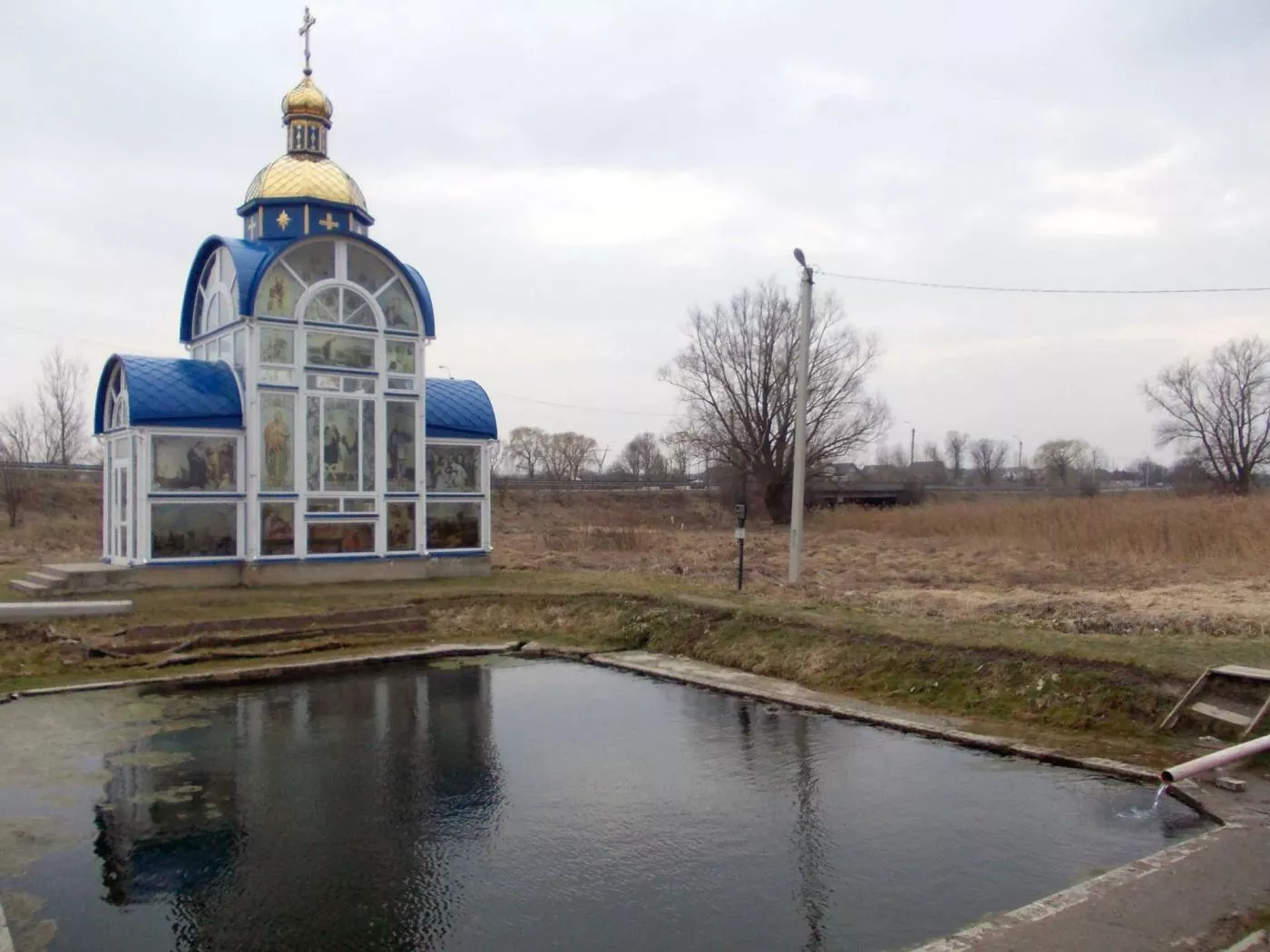
Nearby, in Horodyshche Druhe, the Bezodnia spring was restored and consecrated on 7 August 2017, on the feast day of Saint Anne, and has since been called by her name. A gazebo stands over the well, and a tall wooden cross stands over the transparent body of water.
Restored Springs of Kamin-Kashyrshchyna
Dubetske
The Dubetske tract lies in the Kamin-Kashyrskyi hromada on the site of the Dubetsk khutir, destroyed in the 1950s. The spring, remembered by former khutir residents, was cleared and re-consecrated on 17 April 2015 — on the feast of the Life-Giving Spring icon, which is why it is also called the Life-Giving Spring. This was the fifteenth spring restored in the district at the time. Above the water is a wooden well with a cross, and nearby stands a stand with the results of water analysis.
Prechyste near Lake Oziurko
A few kilometres from Kamin-Kashyrskyi, near the approximately 7-hectare Lake Oziurko, which is fed by springs, foresters had long known of a spring that constantly silted up. In 2016, it was outfitted by state forestry workers and the water management department and consecrated on 21 September, on the Nativity of the Theotokos — the "Second Prechysta". Hence the name. The spring yields 1.7 litres of water per second; in quality, the water is compared to the Okonsk springs.
Telchi
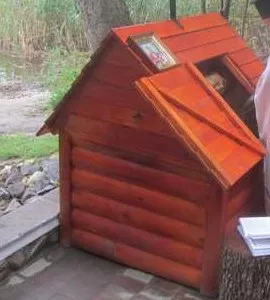
An ascending spring 400 m southeast of Telchi in the Manevychi hromada feeds the Kormyn River. In the autumn of 2018, water management workers equipped it with a catchwater chamber featuring a clay seal, and on 12 October the spring was solemnly opened and consecrated. The parish decided that from then on, water would be consecrated here on Epiphany.
Well in Pulmo Forest
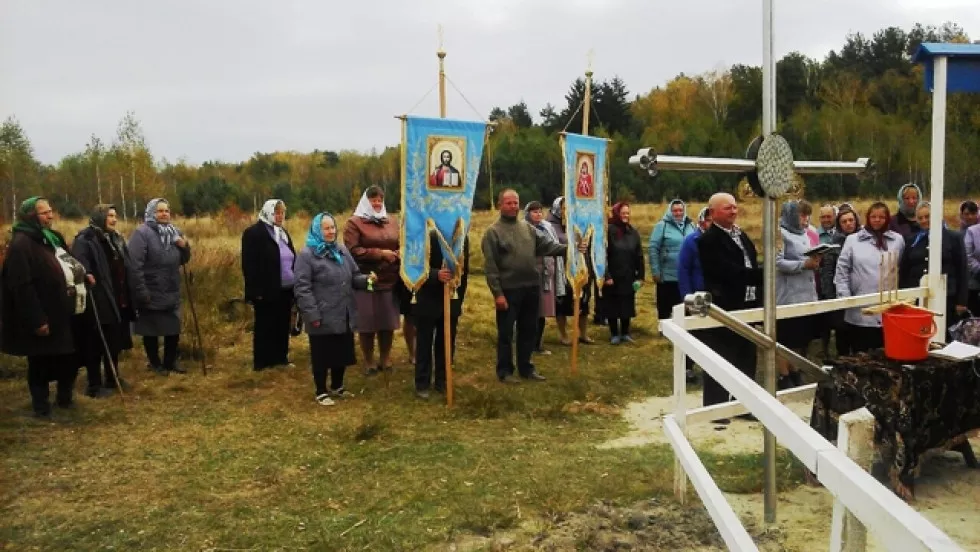
In the forest near Pulmo of the Shatsk hromada, a natural spring was lined with a wooden log frame at the expense of a local agricultural enterprise and consecrated in January 2019. The priest of the local Saint Nicholas Church served a water-blessing prayer service by the well. Pulmo lies south of the Shatsk Lakes.
Zymne
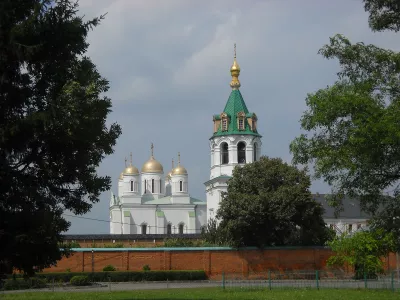
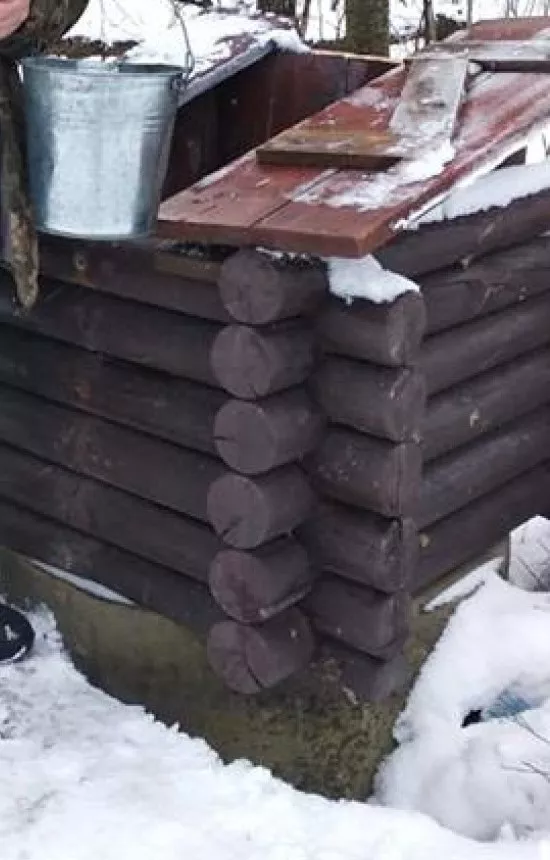
On the territory of the Sviatohirsk Monastery in Zymne, on a hill above the Luha river 5 km from Volodymyr, there is also a holy spring. According to legend, it was discovered under the hill, dug out, and consecrated by Venerable Varlaam of the Caves, who died here in 1065. The monastery is one of the oldest in Volyn; legend associates its founding with Prince Volodymyr the Great. The cloister belongs to the UOC (MP).
Laskiv: The Spring of a Vanished Village
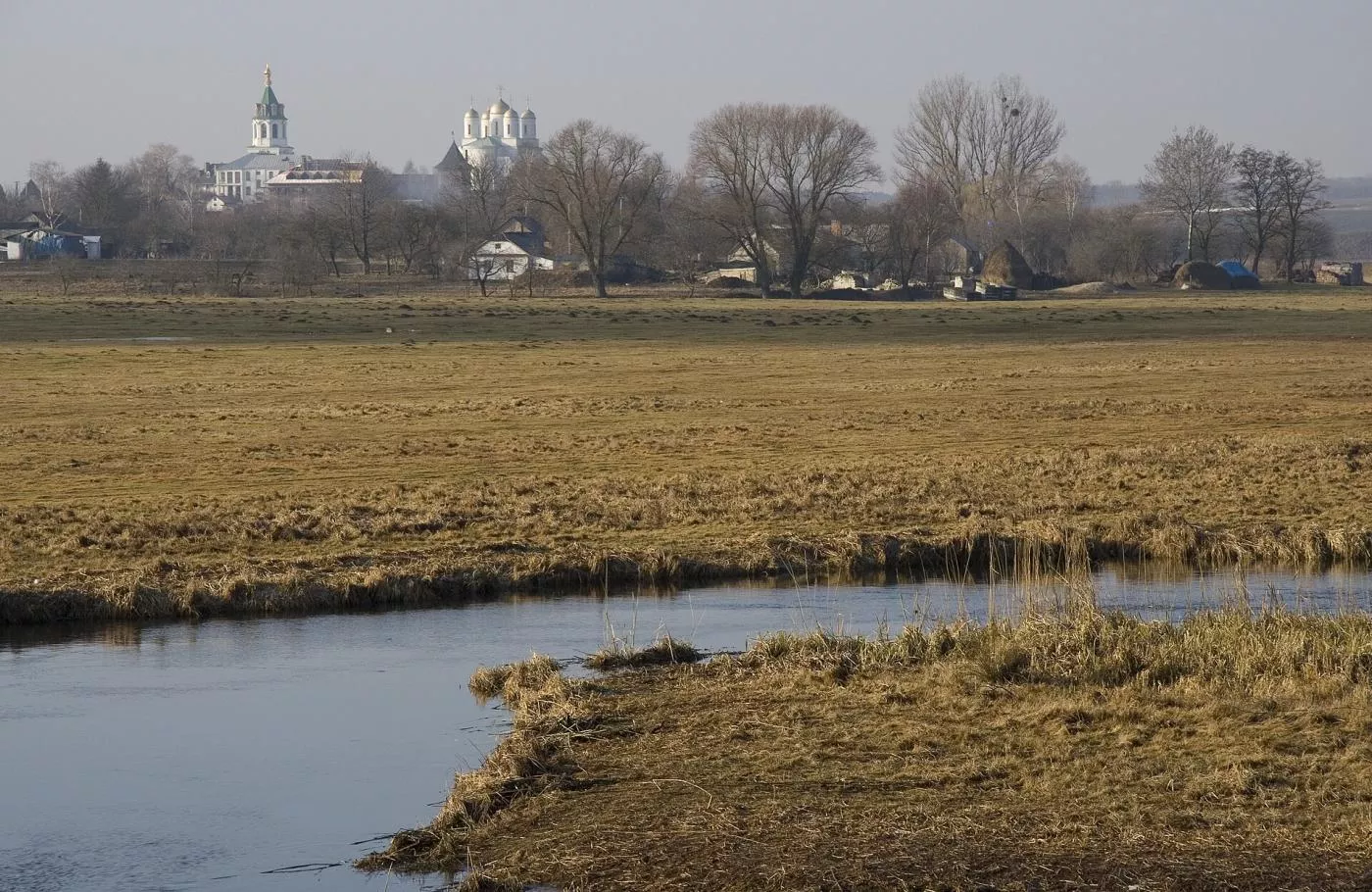
In the fields near Laskiv in the Volodymyr hromada, in the floodplain where the village of Orani once stood, a spring of the holy prophets Elijah and John the Baptist bubbles up. Next to it, in 1888, the residents of Orani built the Intercession Church at the community's expense, and the spring near the church had been considered holy since time immemorial: on Epiphany and other holidays, people would process from the church and consecrate the water. In the late 1950s, the church was destroyed, the village itself later died out, and the spring silted up. In 2010, the monks of the Nyskynychi Monastery cleared it and set up a cross with an icon of the prophets, and on August 2, on Elijah's Day, water was consecrated here for the first time in half a century. The spring is descending: during droughts it shallowing, and the path to it becomes overgrown.
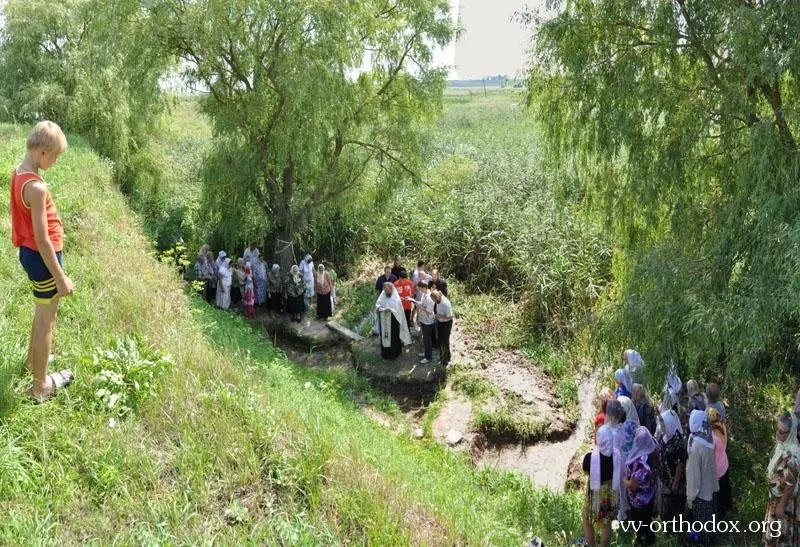
Sylne: The Well Where People Prayed for Rain
In the forest 7 km from Sylne in the Lutsk district, there is a well near which people have long prayed during droughts — especially on St. George's Day, and as the story goes, the rain fell the very same day. In 2011, at the initiative of foresters, a wooden chapel with a dome was built over the well, with a winch-operated well inside. The shrine is looked after by the Sylne parish.
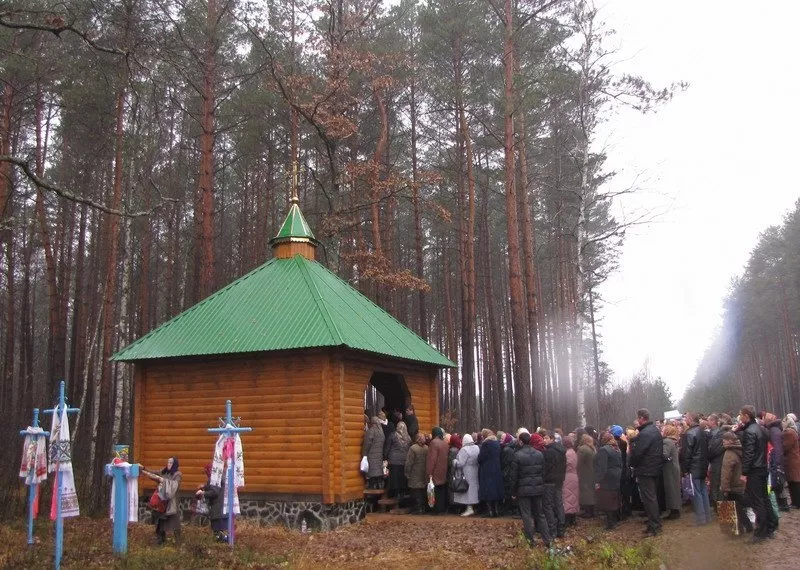
Staryi Chortoryisk
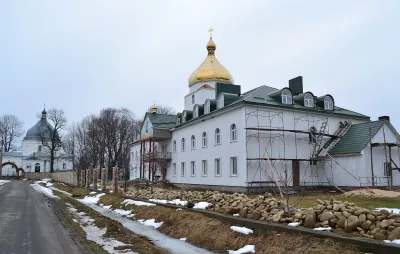
Near the hills of the Exaltation of the Cross Monastery in Staryi Chortoryisk, in the Styr valley, several springs gush forth. In 2005, foresters erected wooden canopies over them, later building a small chapel nearby, and arranged a bathhouse and changing rooms by the pond. The water maintains a temperature of about 7 °C all year round, and people even come from Lutsk and Rivne to bathe here on Epiphany. The monastery has been active since 1997 at the old wooden church and former 1639 Roman Catholic church; it belongs to the UOC (MP). Read more about the monastery.
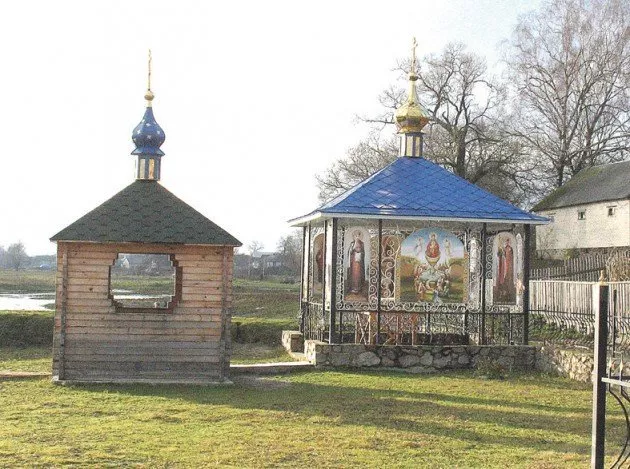
Kulykovychi: the Spring of the Volyn Icon
In the tract near Kulykovychi in the Kolky hromada, a spring was once considered a life-saving well, but during Soviet times it fell into neglect. In 2012, it was restored by a local family whose ancestors lived near the tract, with the help of the district water management department. In November of the same year, the spring and the chapel above it were consecrated in honor of the Volyn Icon of the Mother of God. Since 2015, the parish from Kolky has made an annual pilgrimage here on foot on the day of the Volyn Icon in July, and people swim here on Epiphany. Now, a brick chapel-gazebo with a blue tent roof stands over the spring, and a foundation has been laid nearby for a larger shrine.
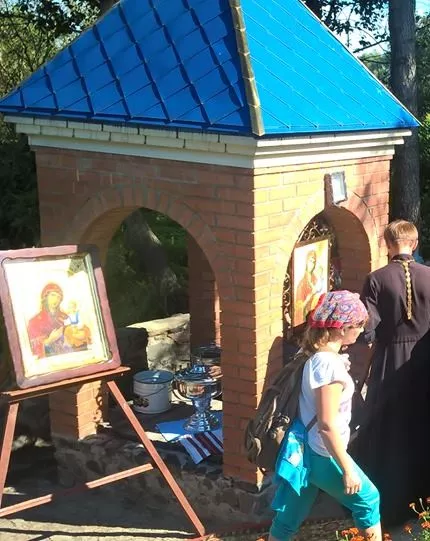
Bilyi Stok in Bilostok
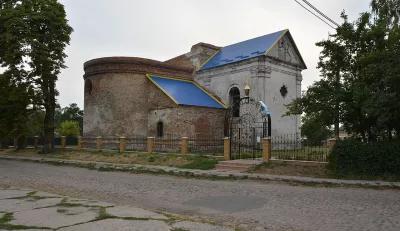
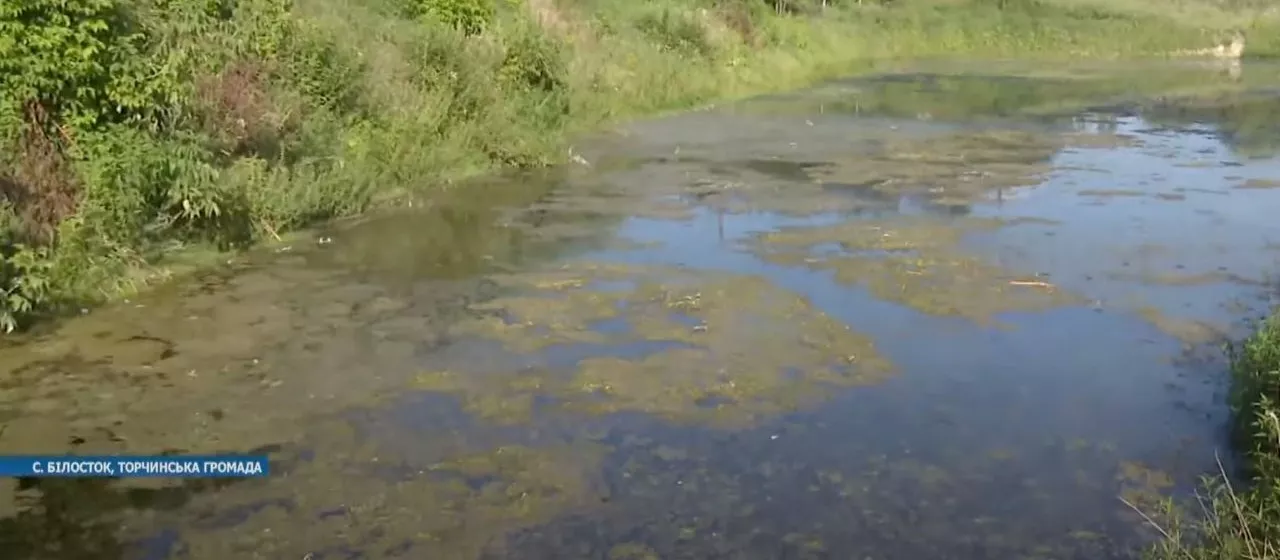
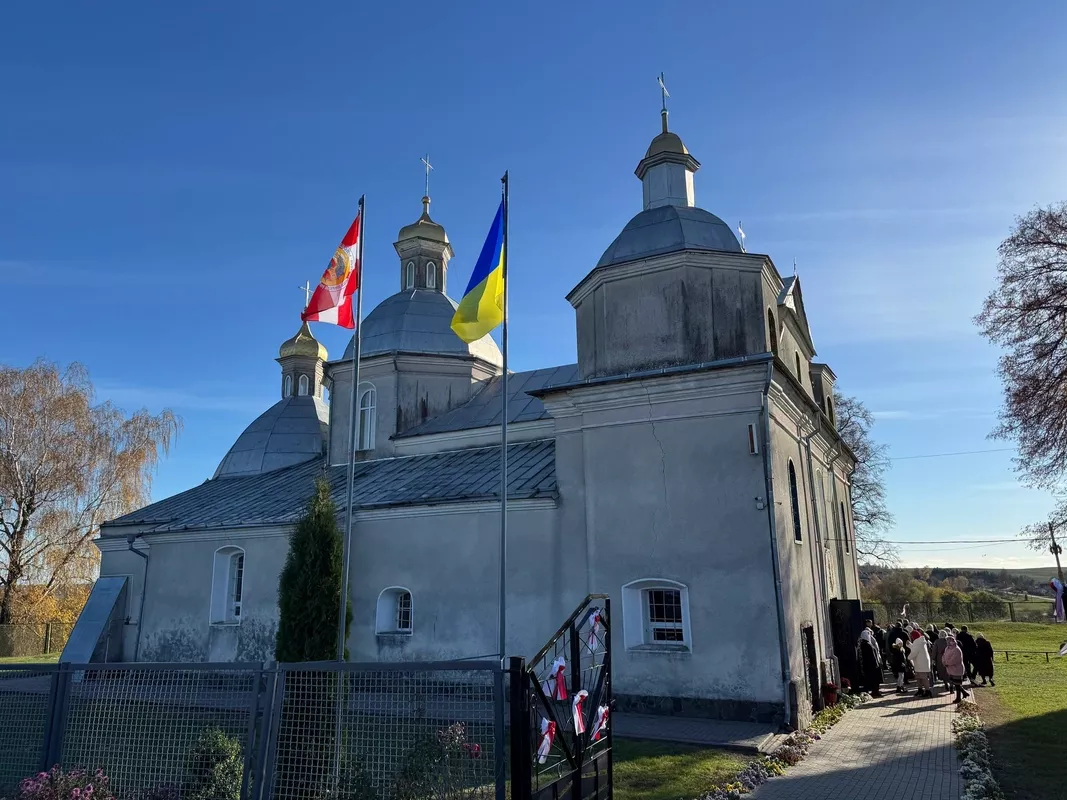
The village of Bilostok in the Torchyn hromada, according to legend, got its name from the springs: the water, passing through chalk, seemed white — hence "Bilyi Stok" (White Stream). On January 31, 1636, Semen Hulevych-Voyutynskyi, the Lutsk land writer, founded the Exaltation of the Cross Monastery here, and in 1636–1637 the brick St. Michael's Church was built — today an architectural monument of national significance; icon painter Yov Kondzelevych worked at the monastery. Locals say the spring flows from under the church, and legends attribute its water to Prince Volodymyr the Great and Bohdan Khmelnytskyi. After the land with the spring was leased out around 2015, it silted up and turned into a swamp.
The Spring of Andrew the First-Called near Troianivka
On Bandzyrysa Hill, a kilometre from Troianivka in the Manevychi hromada, there once stood a village, of which only an old well remains, always full of water. Legend has it that the spring here gushed so strongly that it threatened to flood the village, and the lady landowner ordered it to be "plugged" with white sheep's wool — since then, the water has flowed as a small stream. In 2016, foresters cleared the spring, and on December 13, on the feast of St. Andrew, it was consecrated in honor of the Apostle Andrew the First-Called. Water is drawn from here for consecration on Epiphany, and in 2018 a recreation area was set up nearby.
Spring in Słowianskyi Park in Volodymyr
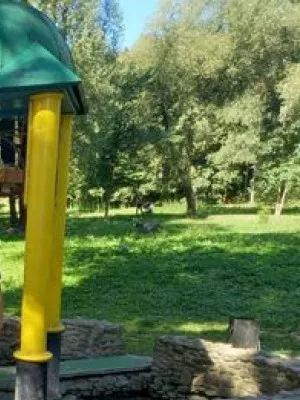
In Volodymyr itself, a spring bubbles up at the foot of the hill with the Dormition Cathedral, in Słowianskyi Park. Above it stands an icon of the Holy Trinity and a domed gazebo, and on major holidays, water-blessing prayer services are held here.
Consecrated already in the 21st century
Lyplyany: at the entrance to the village, between Zhydychyn and Lyplyany, monks of the Zhydychyn Monastery cleared an ancient spring in 2011, erected a cross, and consecrated it; a skete in honor of the "Life-Giving Spring" icon was planned here.
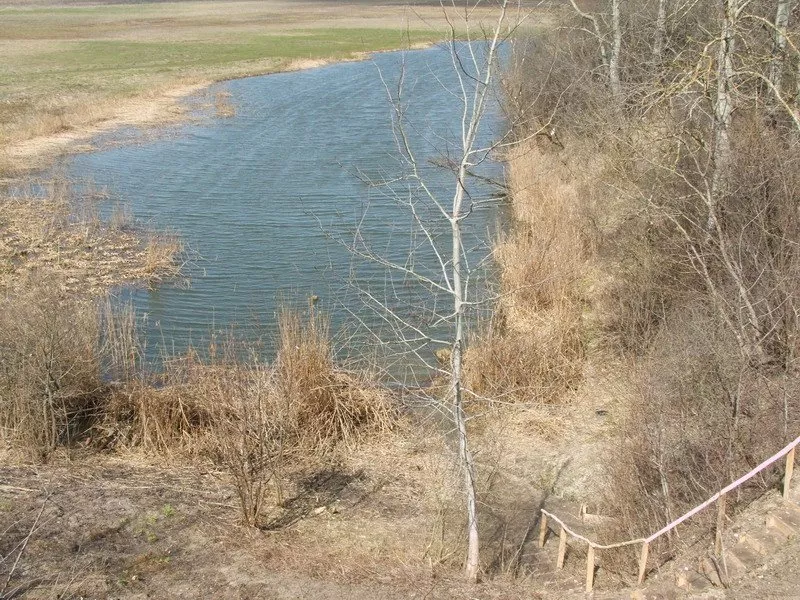
Datyn of Ratne hromada: in the Krynytsi tract, 200 m from the Turia, people have taken spring water that never freezes since time immemorial. Around 1993, the old log frame collapsed, and in November 2013, water management workers equipped the spring with a gazebo and a footbridge, and it was consecrated. People travel here for water from Kovel and Ratne.
Trostianka of Ustyluh hromada, over the Luha: the water here was long considered healing, but later the spring was forgotten. In 2017, the youth of Ustyluh and Trostianka restored it, built a gazebo, and the spring was consecrated.
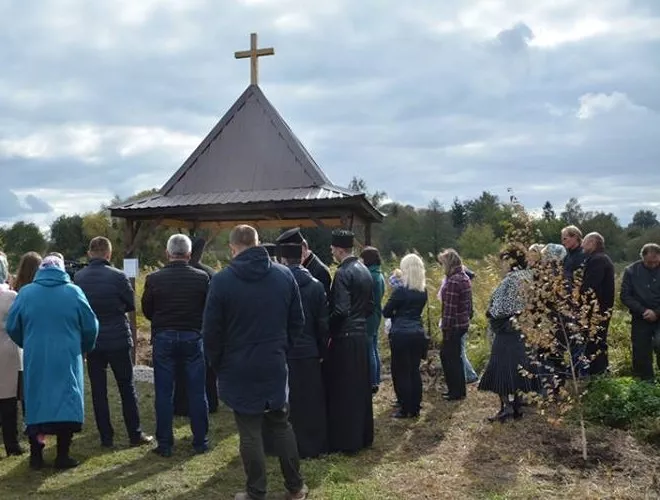
Hlukhy in the Stara Vyzhivka region: in the Krynytsi tract, where a homestead used to be, a spring with an oak tub and a sweep well was arranged in 2014 and consecrated; and in the Krynytsi tract of the "Old Village", where four springs used to flow before the 1970s land reclamation, the community raised funds to equip the last one, and it was consecrated in January 2016.
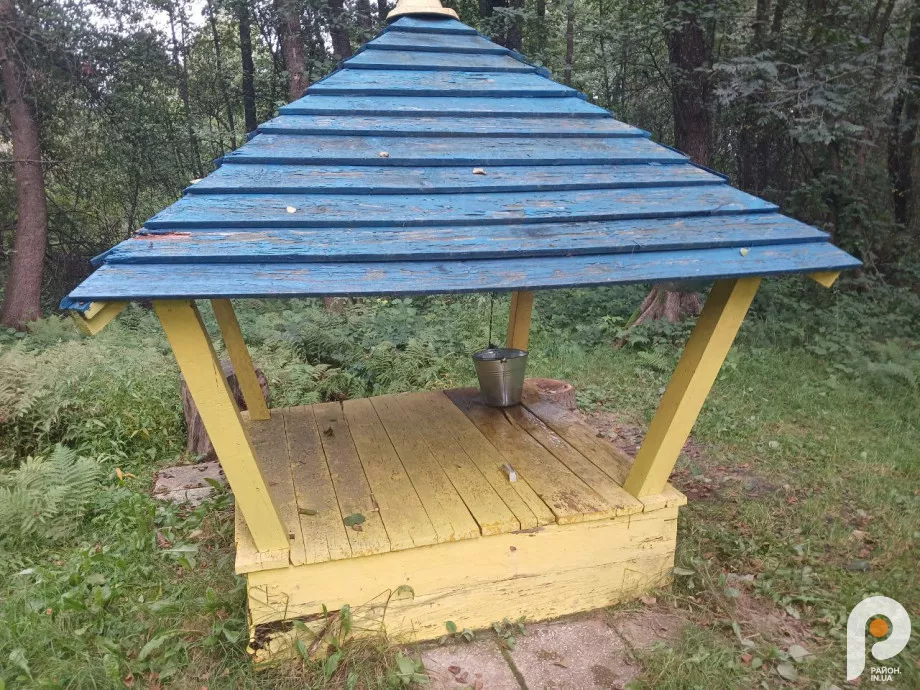
Several more sources with legends
Petrove (formerly Tsutsniv, mentioned in 1376) in Volodymyr Raion: according to legend, a landlord's blind daughter regained her sight here, and a chapel appeared over the spring. The Soviet authorities destroyed it with a bulldozer, but the driver who began to fill in the spring "lost the use of his legs", and the well was not touched again. Now there is a new chapel here, and on the third day of Trinity the local priests consecrate the water.
Kusnyshcha 7.5 km north of Liuboml, on the road to Shatsk: a native of the village who became a monk saw a spring outside the village and fell to his knees. Afterwards, the water disappeared; when he arrived a second time, a cross and a chapel were consecrated near the spring, and the water gushed forth again. It is considered helpful for the kidneys and liver, and people also say that it helps to quit smoking; people come for the water even from Poland and Belarus.
Khutir Chastyi in the Liubeshiv hromada near the border with Belarus: according to legend, a blind monk who was walking here with a guide was healed at the spring. To mark this, a chapel was built, which stood until the 1950s; then it was destroyed, and the small well was littered with garbage. The spring, located 7 km from Hirky and a few hundred metres from the border, was cleared by forestry workers and water management specialists, and in the winter of 2016 it was consecrated by priests from Hirky and Sudche; residents of the Belarusian village of Apadyshcha also came to the consecration. Nearby is Liubeshiv.
Tseperiv in the Boratyn hromada, 15 km from Lutsk: the Bezodnia spring gushes on Krynychna Hora. Legend tells of a man who went out to plough on Easter, and a whirlwind spun him around and threw him into the whirlpool — that is where the spring began to flow; according to another version, the master fell underground along with his horses. The spring feeds the Chornohuzka River, does not freeze, and the water is rich in mineral salts. In January 2008, the residents came here in a religious procession with a priest and consecrated the spring for the first time in the village's memory. The village itself was first mentioned in 1437 in a charter of Prince Svidryhailo.
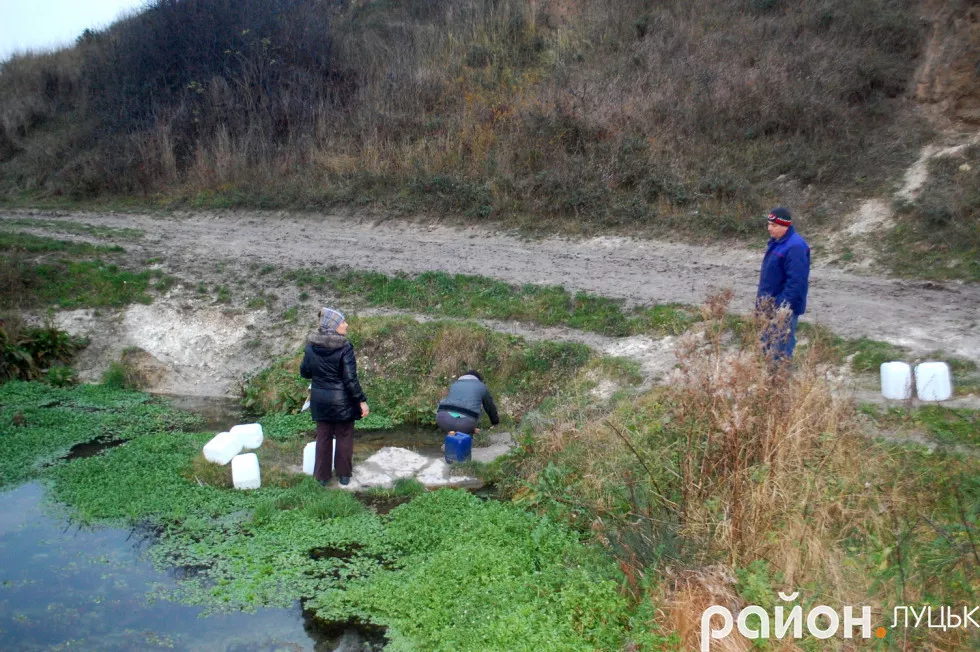
Stara Huta in the Stara Vyzhivka region: the water from the spring near Kizia Hora is consecrated on Epiphany, and once, when there was no rain for a long time, the community instructed a widow to pour out water from the well — and they say that after that the earth was sure to be moistened.
Small village springs are also consecrated: in Zabolottia (Vost tract), which was revived after land reclamation and consecrated in 2012, in Stobykhiv near the Stokhid, where the small well in a wooden cask is consecrated on the patronal feast day, and in Nuine, consecrated in 2009.
All known springs and wells of Volyn, including unnamed ones, are marked on the map of Polissia springs; there you can plan a route and report whether there is water in a spring. The most famous springs of the entire region are in the article "Holy Springs of Polissia".
Holy springs of other regions of Polissia: Rivne region, Zhytomyr region, Kyiv region, Chernihiv region, Sumy region.