
In the Zhytomyr region, holy springs are most commonly found in the north, on the Ovruch Ridge and in the forests of the Korosten area: here, cold, clean water emerges from under quartzites and sands, and thousands of pilgrims gather at several springs every year. Almost each one has its own legend — about an icon that appeared in the water, a footprint of the Mother of God on a stone, or a cured blind girl. In the 1930s and 1970s, many chapels were demolished and the wells filled with stones, and it was the villagers themselves who restored them later.
Kypyache near Chopovychi
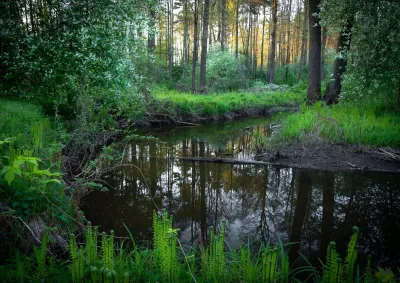
The most famous holy spring in the region is Kypyache, located in the forest on the right bank of the Irsha River, 4–5 km from Chopovychi in the Korosten district. According to legend, in 1911 the water in the spring suddenly "boiled", and the Kazan Icon of the Mother of God appeared in it. The residents of Chopovychi built a small chapel over the spring, and in 1917 a men's monastery was founded here. It did not last long: in 1934 the monks were dispersed, the church was torn down, and the spring was filled with stones, but the water broke through again. The water temperature is about 4 °C, and it freezes only during frosts harsher than 30 degrees.
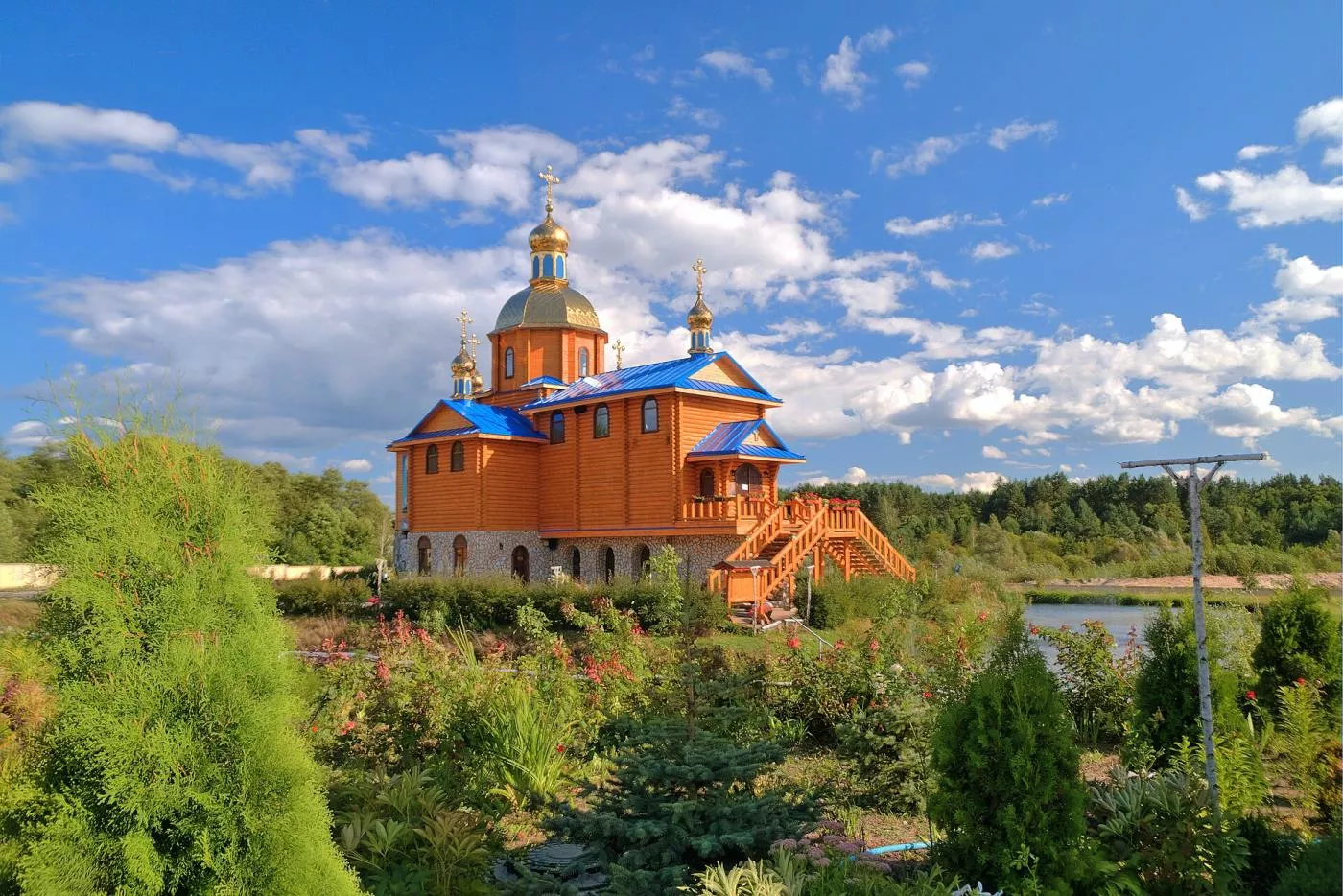
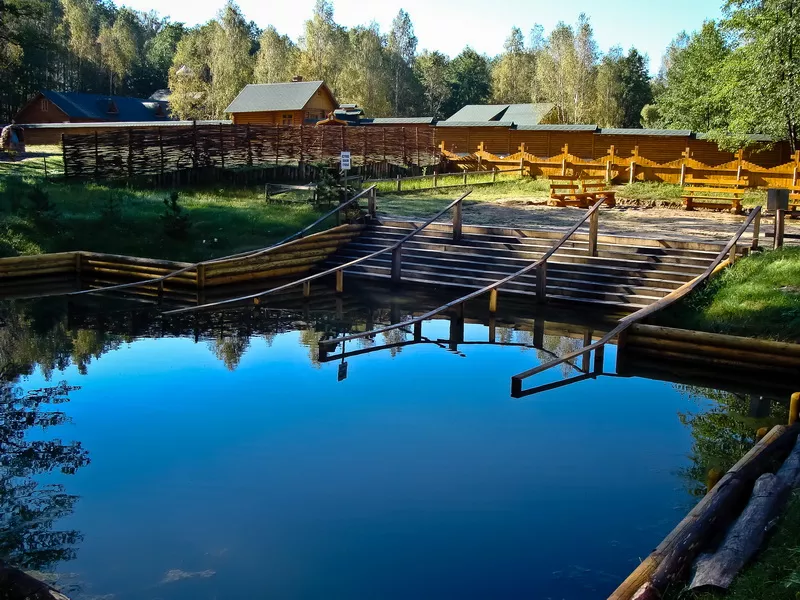
The Men's Monastery of the Kazan Icon was revived in 2002: water flows here from the wall beneath the icon, and the bathhouse is open year-round. Two kilometres away is the Women's Monastery of the Athonite Icon of the Mother of God, which began in 2001 with a community of sisters of mercy and was consecrated in 2009; according to the monastery, the spring here flows from beneath the altar of the Church of Cyprian and Justina, with three bathhouses nearby. Both monasteries belong to the UOC (MP). The largest crowds arrive for Epiphany, Trinity, and the Feast of the Kazan Icon.
Holy Well in Velyka Fosnya
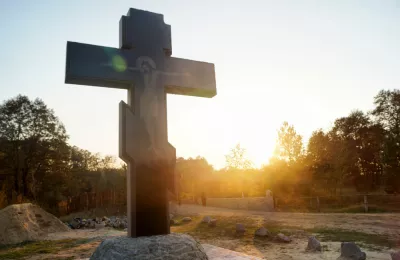
Beyond Velyka Fosnya in the Ovruch hromada, a few kilometres south of Ovruch, there is the Holy Well. Legend has it that the Mother of God walked near it and left a footprint on a stone, and the water became healing; according to tradition, even a tsar once came here to cure his eyes. At the beginning of the 20th century, a local peasant named Kornii, whose daughter was healed by this water, excavated the spring, lined it with oak timber framing, and began building a small church. The new authorities demolished the chapel, and in the 1970s the cross near the "stones with the footprints of the Mother of God" was cut down five times at night — and every time people erected a new one.
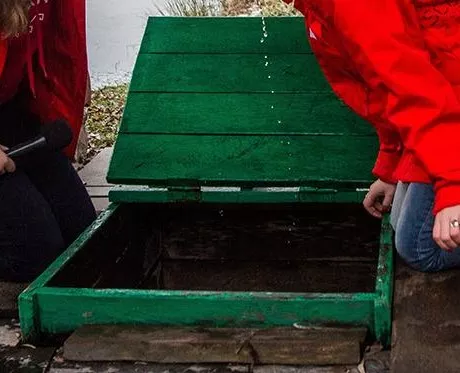
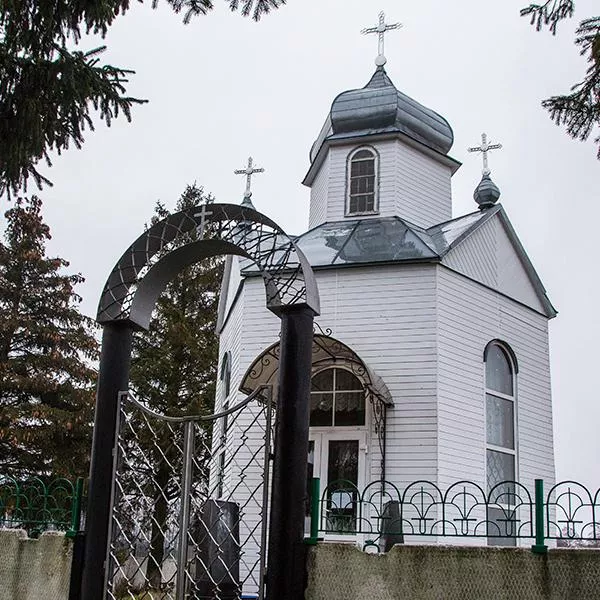
Today, a log gazebo with a wooden lid stands over the well, and nearby is a white wooden chapel where the stone with the "footprint" has been moved. On Epiphany, services are held here, and pilgrims arrive even from Belarus. The Encyclopedia of Modern Ukraine names Velyka Fosnya and Sorokopen as two places in the Ovruch region where Orthodox pilgrims travel every year. Nearby is the St. Basil's Monastery in Ovruch.
Sviata Knyrytsia Well near Sorokopen
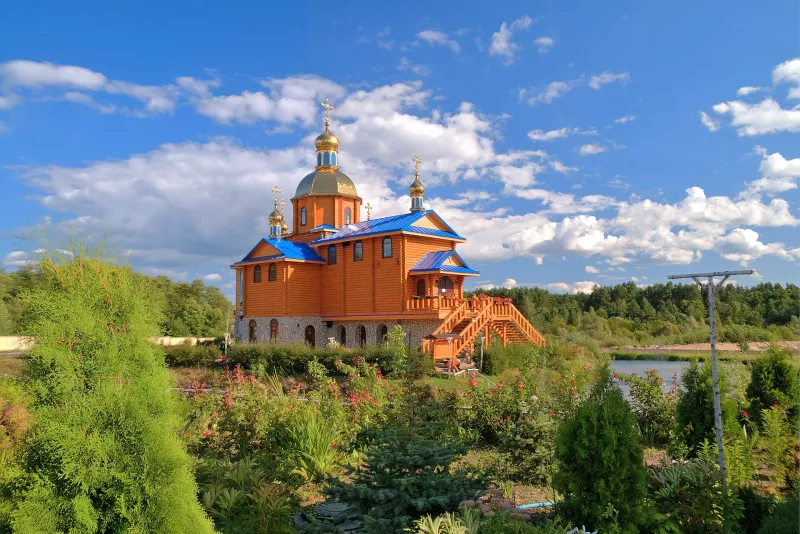
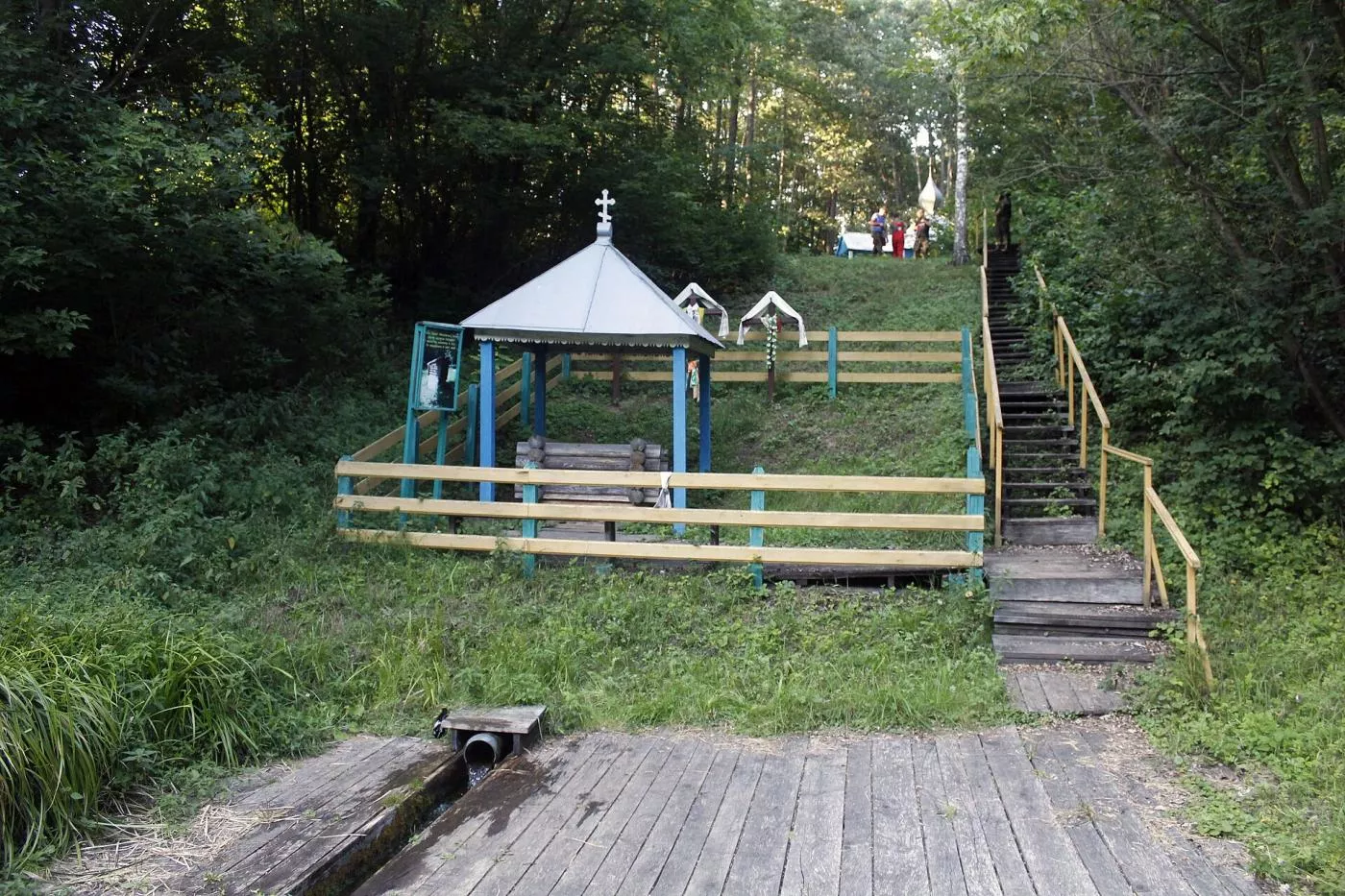
The Sviata Knyrytsia tract lies in the forest near Sorokopen in the Slovechne hromada, approximately 22 km west of Ovruch, on the Slovechne-Ovruch Ridge. A wooden chapel stands above the spring, from which wooden stairs and a boardwalk lead down to the water. According to popular legend, the water is healing. The tract is part of the tourist route of the Slovechne hromada, and nearby, near Horodets, locals also show Princess Olha's well: according to legend, its water helped Princess Olha's eyesight. Read more about the region in the article about the Slovechna River.
Life-Giving Spring of the Mother of God near Chernyakhiv
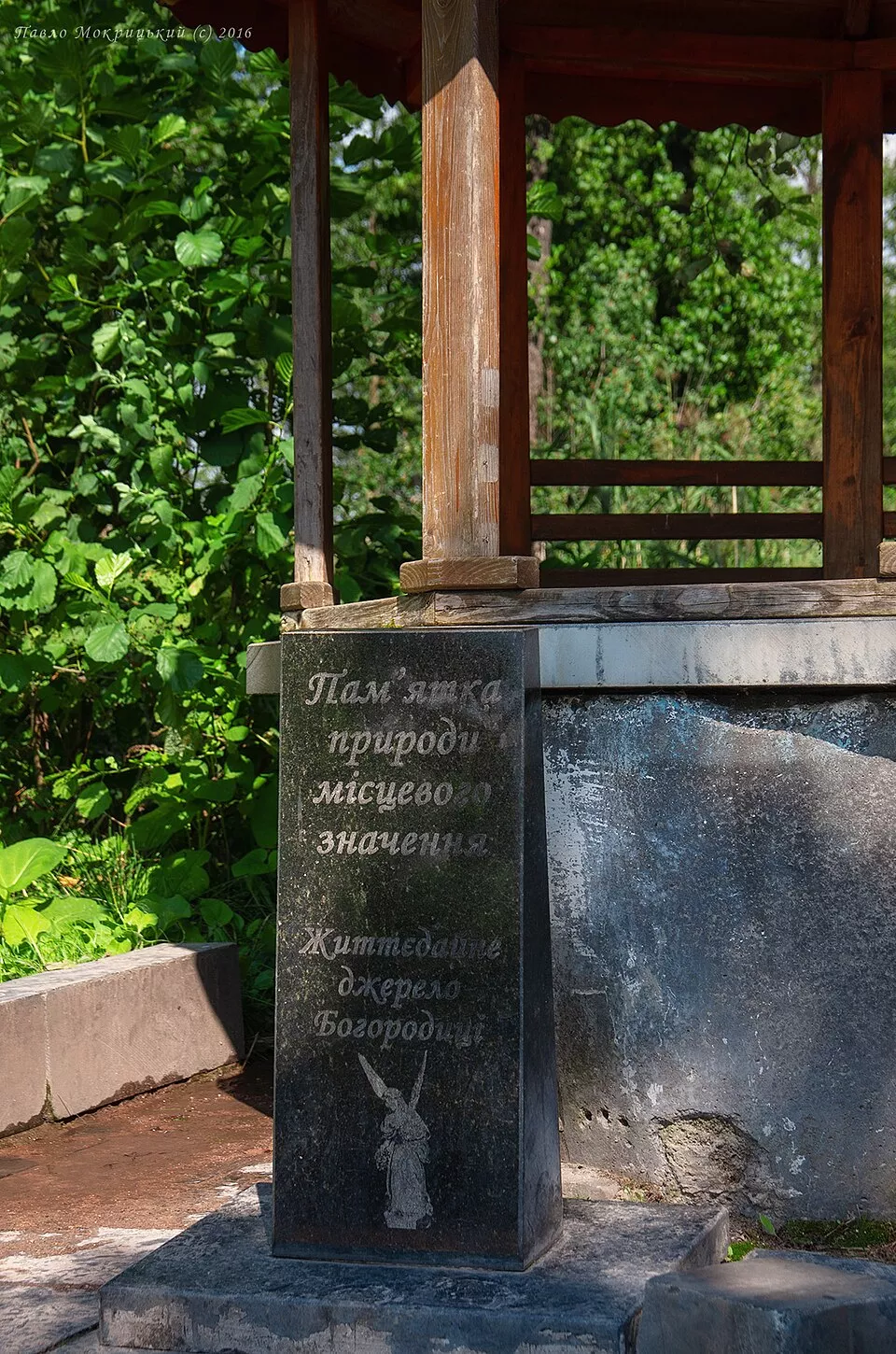
3 km from Chernyakhiv, 400 m from the road to Pulyny, on the lands of the Ukraina training farm, a spring dedicated to the Mother of God gushes forth. Since 2000, it has held the status of a local hydrological natural landmark with an area of 0.1 ha.
Tryhirya
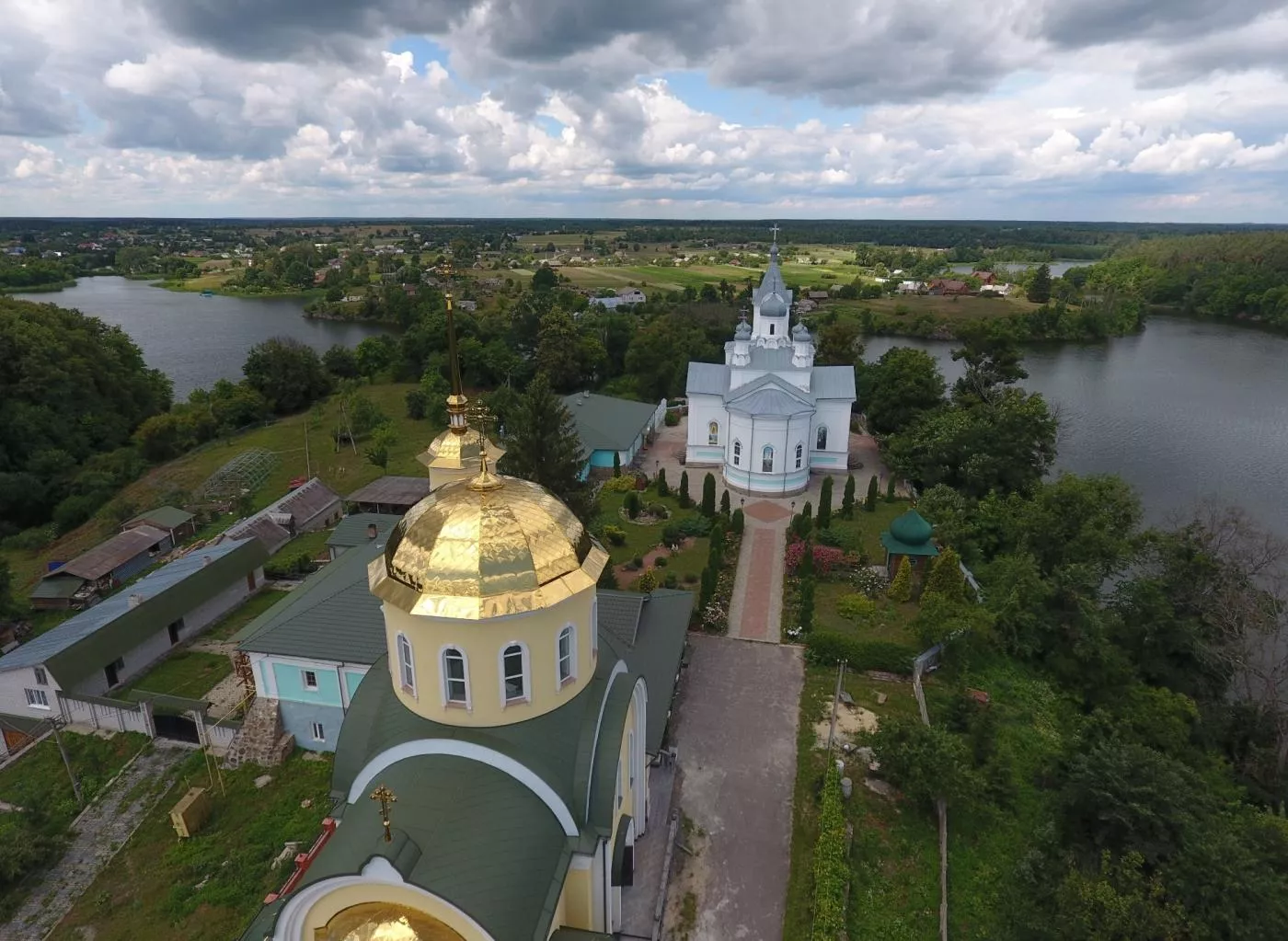
The icon of the Tryhirya Mother of God is also connected with a spring — the main shrine of the Tryhirya Monastery on the cliffs above the Tetiv, founded in 1583. According to local tradition, the 18th-century icon appeared "in the stone near the spring not far from the monastery." In the 1930s, the monastery was closed, the church was turned into a warehouse, and the residential building into a school; the building was returned in 1990, and the monastery has been active again since 1993.
Kotivka: An Image in the Well
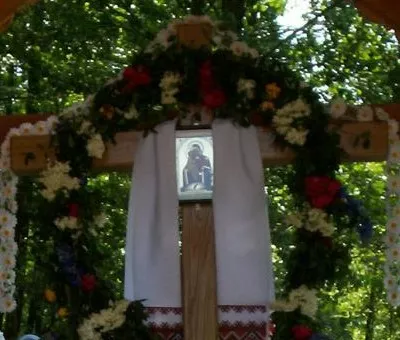
Near Kotivka in the Chervone hromada in the Berdychiv district, there is a spring consecrated in honor of the Pochaiv Icon of the Mother of God. According to church tradition, in the late summer of 1887, a ten-year-old boy who went to fetch water saw the reflection of the icon of the Mother of God in the well; subsequently, people repeatedly saw the image in the water and spoke of healings, especially of the eyes. In May 1889, this was investigated by an investigative commission consisting of two priests and a bailiff: they did not see the image itself, but they attested to the healing of a local resident who had made a vow to arrange the spring and erect a cross, and fulfilled it. Since then, on the tenth Friday after Pascha, a religious procession has come here from neighboring Krylivka. Later, the spring silted up, but in 2012 residents cleared it, placed wooden well-curbs under a roof and a cross over it, and on June 22, on the tenth Friday, religious processions from Krylivka and Chervone came here to consecrate the water. The craftsmen who cleaned the well said that two springs intersect in it in the shape of a cross.
Polovetske: The Well of the Landowner Who Went Blind
In the forest near Polovetske in the Hryshkovetsi hromada, there is a well known throughout the Berdychiv district. Old-timers recount that a local landowner, displeased that people were walking to the well, ordered it to be filled in — and soon his daughter went blind. In a dream, the landowner was ordered to clear the well and build a small chapel near it; he did so, and his daughter washed her face with the water and regained her sight — according to tradition, precisely on the tenth Friday after Easter. Later, the well became level with the ground, but the spring burst forth again, and people restored it anew. Every year on the tenth Friday, after the liturgy, a religious procession goes from the Transfiguration Church to the well.
The Well of John the Theologian near Usolusy
Beside the highway near Usolusy in the Barashi hromada in the Zviahel district stands a chapel, inside of which is a well with a wooden log frame, icons, and embroidered towels. It was named after the village church of John the Theologian; the arrangement of the spring began in 1986, as commemorated by a stone stele. Already during the full-scale war, the community used donations to panel the chapel, install a fence, a crucifix, and benches, and dug a small pond nearby.
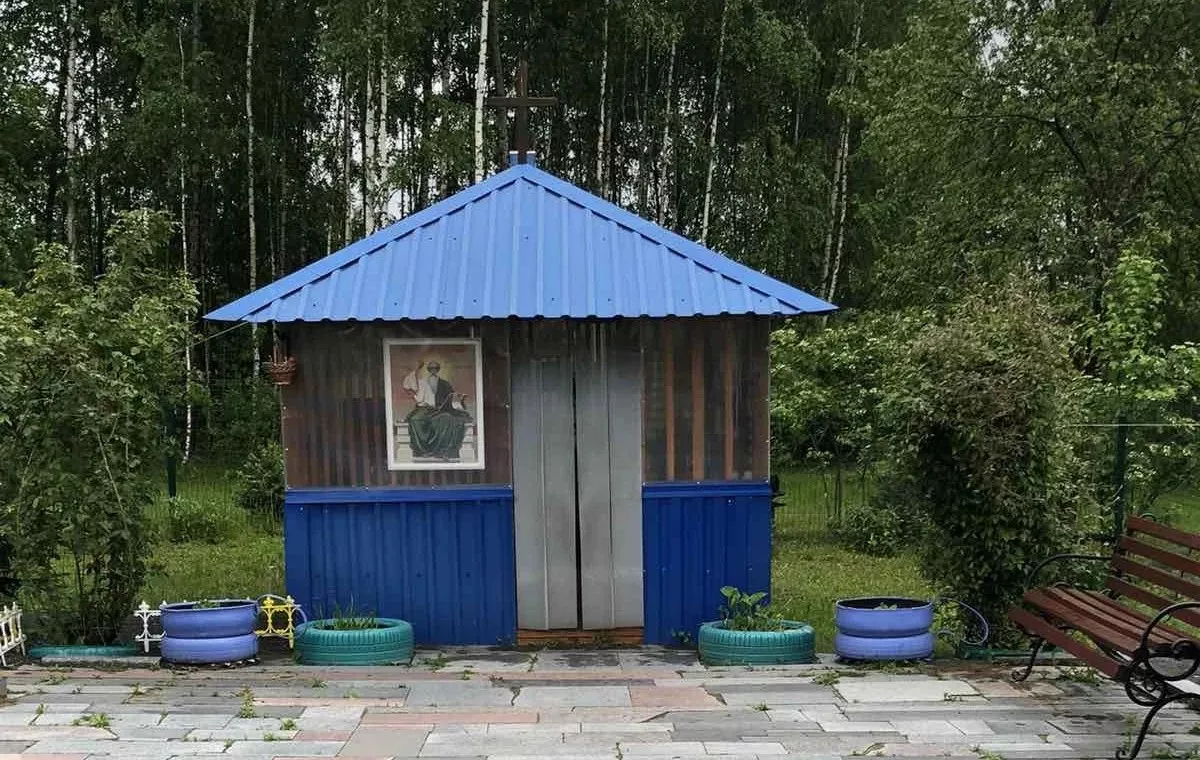
Forest Chapel near Krymok
In a forest tract on the outskirts of Krymok in the Radomyshl hromada, 13 km northeast of Radomyshl, a chapel stands near a spring maintained by the community. Locals consider the water from this spring miraculous; above it is a small wooden well-house with a cross.
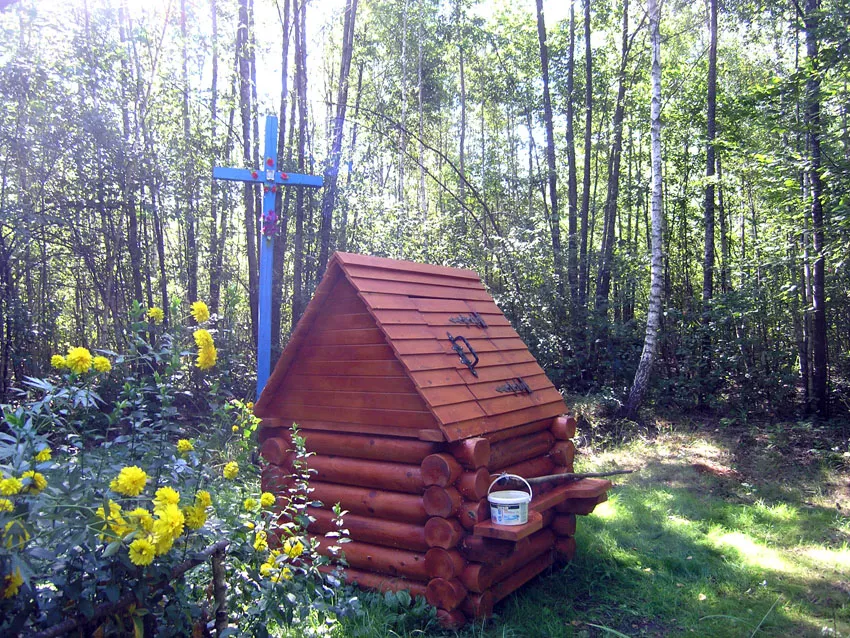
A Few More Holy Wells
Mykolyntsi near Novoselivka in the Barashi hromada: the settlements of Tumar, Brachky, and Mykolyntsi arose in the second half of the 19th century near a "blessed spring" known as Mykolai's well. With the permission of the Synod, a wooden chapel was built over it, where services were held on Ascension Day, and peasants from surrounding villages would gather there; this was recorded by the historian of the Volyn eparchy Mykola Teodorovych in 1888. Today, at the site where the church once stood, a spring with a baptismal pool has been arranged.
Stupyshcha in the Narodychi region (now within the boundaries of Motiyky): according to legend, monks from the Kyiv Tithe Church, fleeing from the Polovtsians, brought an icon of the Mother of God here and hid it in the hollow of an oak tree; around 1650, a small chapel was erected over it. In 1884, a chapel was built over the healing well near the wooden Dormition Church, which was called the "Tithe Church", and on the Feast of the Dormition, thousands of pilgrims would gather in Stupyshcha. The church burned down during the Second World War, and the village was deregistered in 1965.
Volosiv in the Andrushivka hromada: according to legend, the father of a girl who had lost her sight was told in a dream to dig a well and build a chapel beside it; the girl washed her face with the water and regained her sight. Today, this is a concrete well under a green roof with a cross adorned with embroidered towels, and some pilgrims reach it by boat across the river.
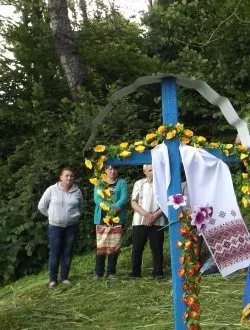
Nekrashi in the Oliivka hromada: a small well was arranged in the late 1980s, and hand-painted icons were brought to it on Mid-Pentecost, consecrated by a priest from the Holy Trinity Church in Trokovychi; water has been blessed here every year since. Once, on Ascension Day, people from the surrounding villages would fill the entire valley near the well, and locals still refer to the well with its icons and crosses as "their church".
Radomyshl: a spring in the tract locally known as "Kaplychka" (Little Chapel) flows near the site where the Holy Trinity Church once stood — a cathedral of Uniate metropolitans in the 18th century. In 1927, the church was dismantled for building materials, and the cemetery was leveled to the ground. Water from this spring was once brought to the city pharmacy. The town also reveres a spring in the "Rynva" tract that never freezes: residents revived the silted-up spot, lined the bottom of three bodies of water with stone, and set up a chapel and a baptismal pool where, according to local stories, a church stood two hundred years ago. In Lutivka of the Radomyshl hromada, a spring gushes right inside a bell-tower chapel opposite the village church.
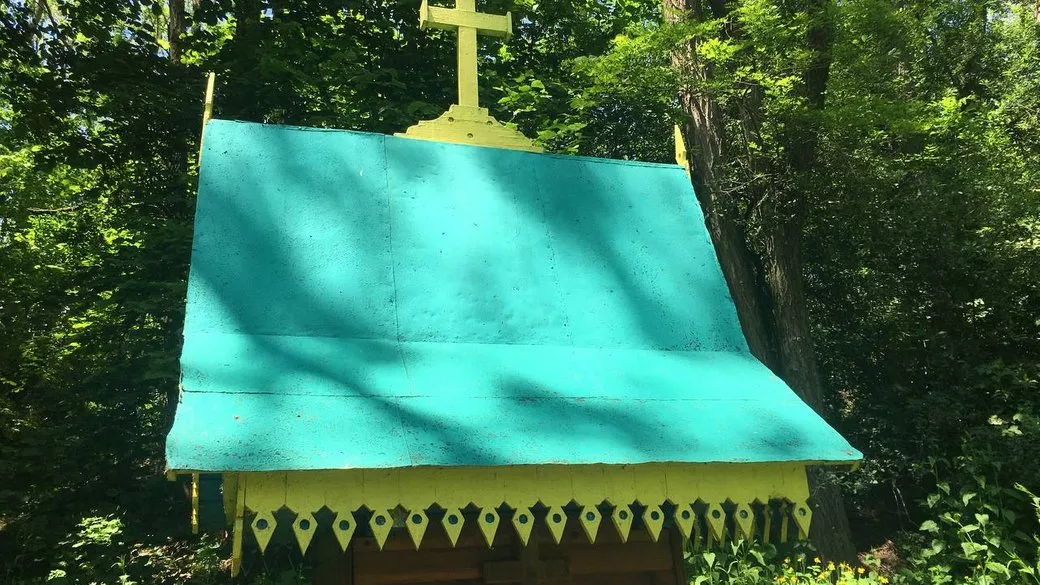
All known springs and wells of the Zhytomyr region, including the Hudyucha and Matviyova wells in the Ovruch region, are marked on the map of Polissian springs. The most famous holy springs of the entire region are featured in the article "Holy Springs of Polissia".
Holy springs in other regions of Polissia: Volyn, Rivne region, Kyiv region, Chernihiv region, Sumy region.