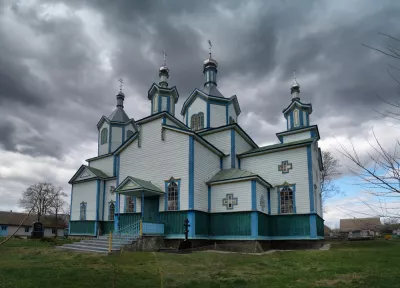

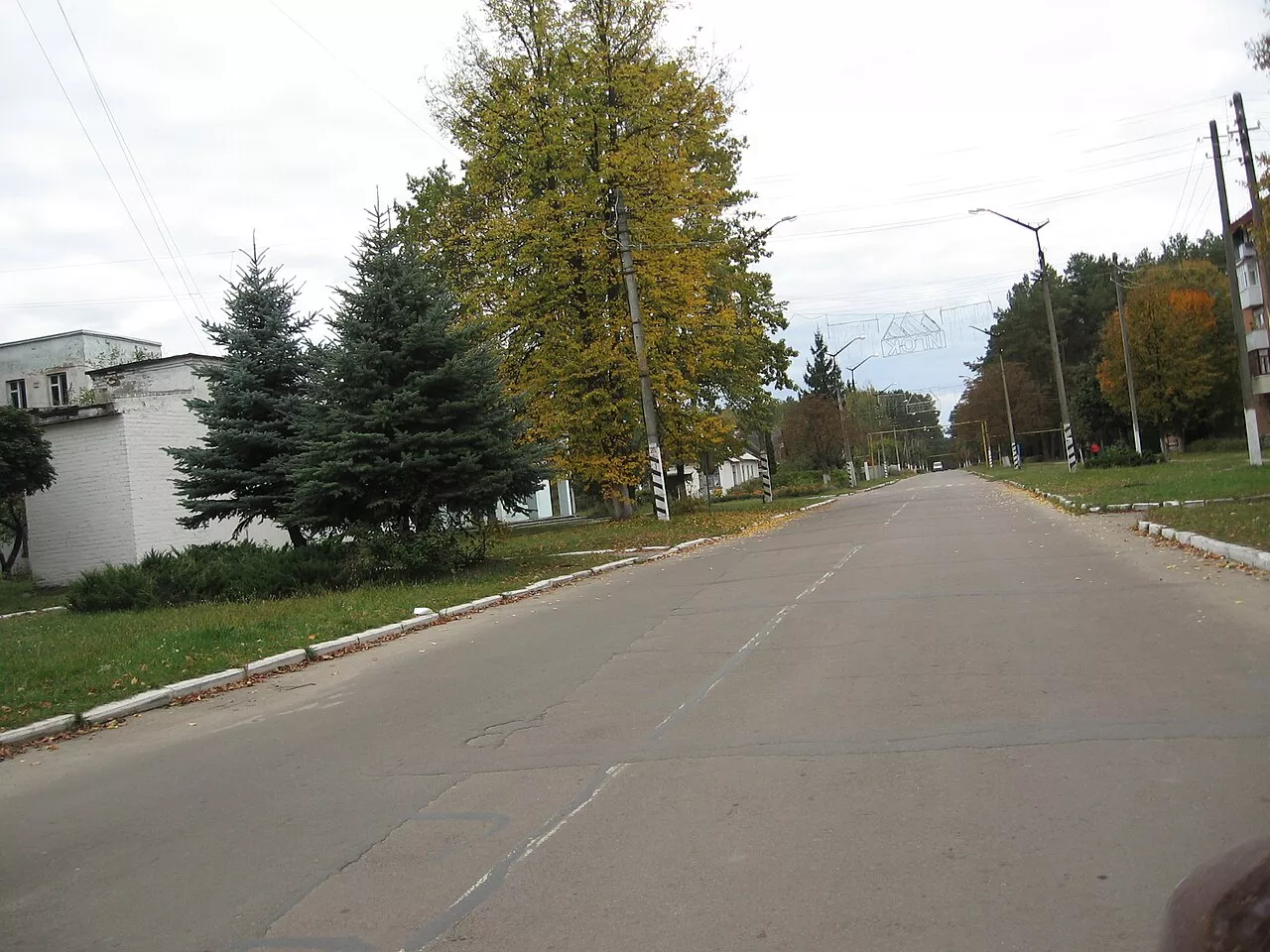
Irshansk is a settlement on the right bank of the Irsha River, the center of the Irshansk hromada in Korosten Raion. About 6.5 thousand people live here. It is 60 km from Zhytomyr to Irshansk, and 37 km from Korosten. This is one of the youngest settlements in the region: seventy years ago there was a forest in its place, and now miners who extract titanium ore live here.
Where the settlement came from
The Irsha River, and after it the settlement, was probably named after the reddish, "rusty" color of the water caused by ilmenite deposits at the bottom. According to another version, the name is connected with the Drevlyan god Hors. According to local lore, bog ore on the banks of the Irsha was dug as far back as Cossack times and used to forge tools and weapons.
In the 1930s, Zhytomyr geologist Professor Stepan Belsky first showed that the bed of the Irsha contains plenty of ilmenite, a mineral from which titanium is obtained. In 1953, geological prospectors and builders arrived here, and the new settlement was popularly nicknamed "Kilometer 11" after the distance from Turchynka station, as well as "Titanohrad". At the end of 1954, a mobile power train arrived from Kyrgyzstan to supply electricity to the construction site, and in the spring of 1956, an experimental dredge produced the first kilograms of ilmenite concentrate.
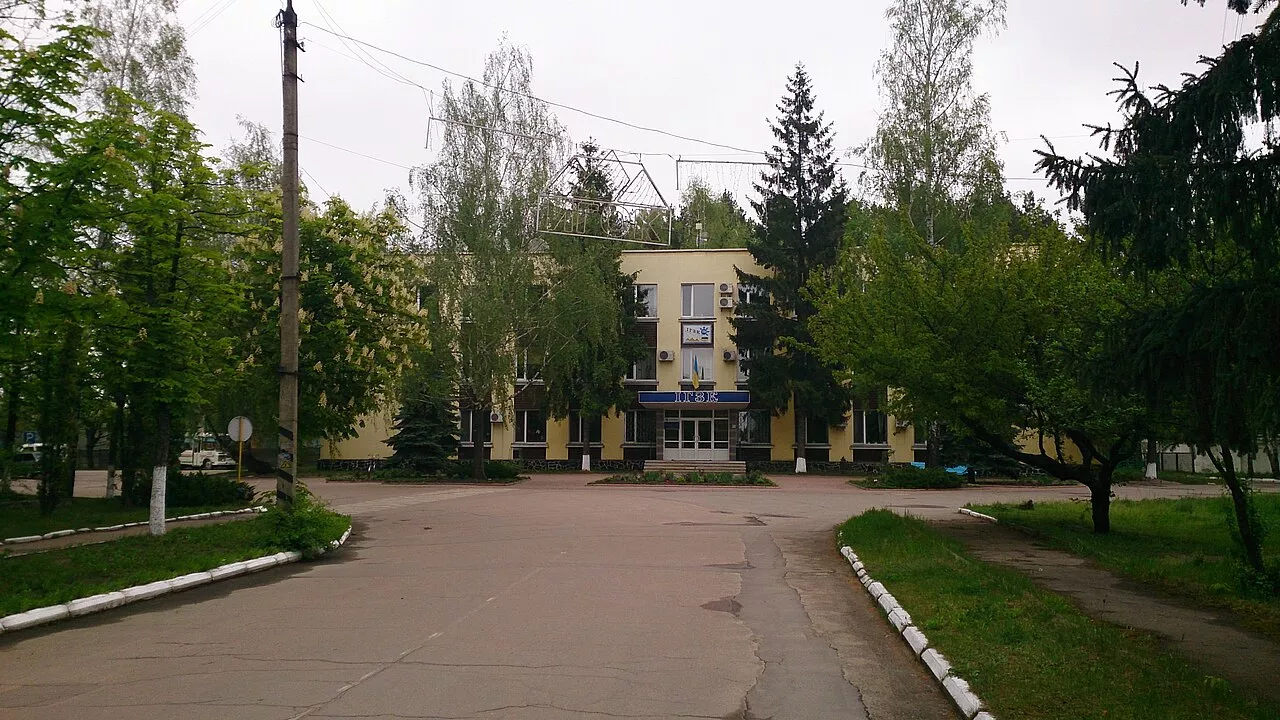
Irshansk was officially founded on August 5, 1960, as a workers' settlement attached to the mining and processing plant, when 876 people lived here. In 1963, it became an urban-type settlement. In the 1960s–1980s, the plant built apartment blocks, a hospital, schools, kindergartens, and the Palace of Culture. Titanium from Irshansk went, in particular, into rocket science — which is why one of the streets is named after Serhii Koroliov, and another after Professor Belsky.
How the landscape changed
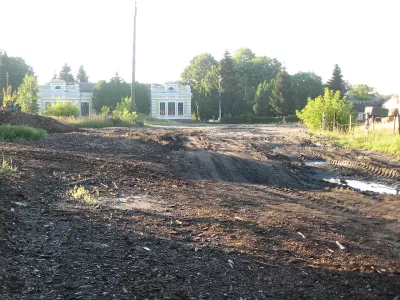
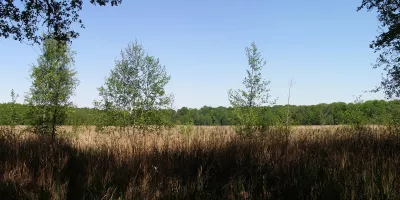
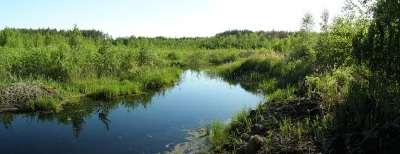
Ilmenite is mined by the open-pit method: only 50–70 kg of ore is extracted from each ton of sand. Quarries have changed the landscape around the settlement, creating waste heaps and flooded excavations that have turned into lakes. Due to the numerous bodies of water, the air here is noticeably more humid in summer. In addition to titanium, the surroundings of Irshansk are rich in decorative stone — labradorite, gabbro, and granite, which are mined and processed here.
What to see
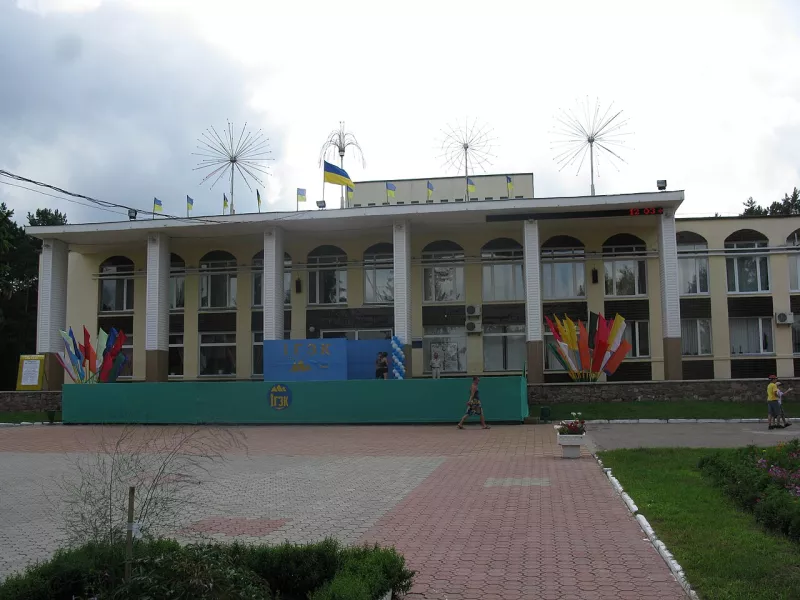
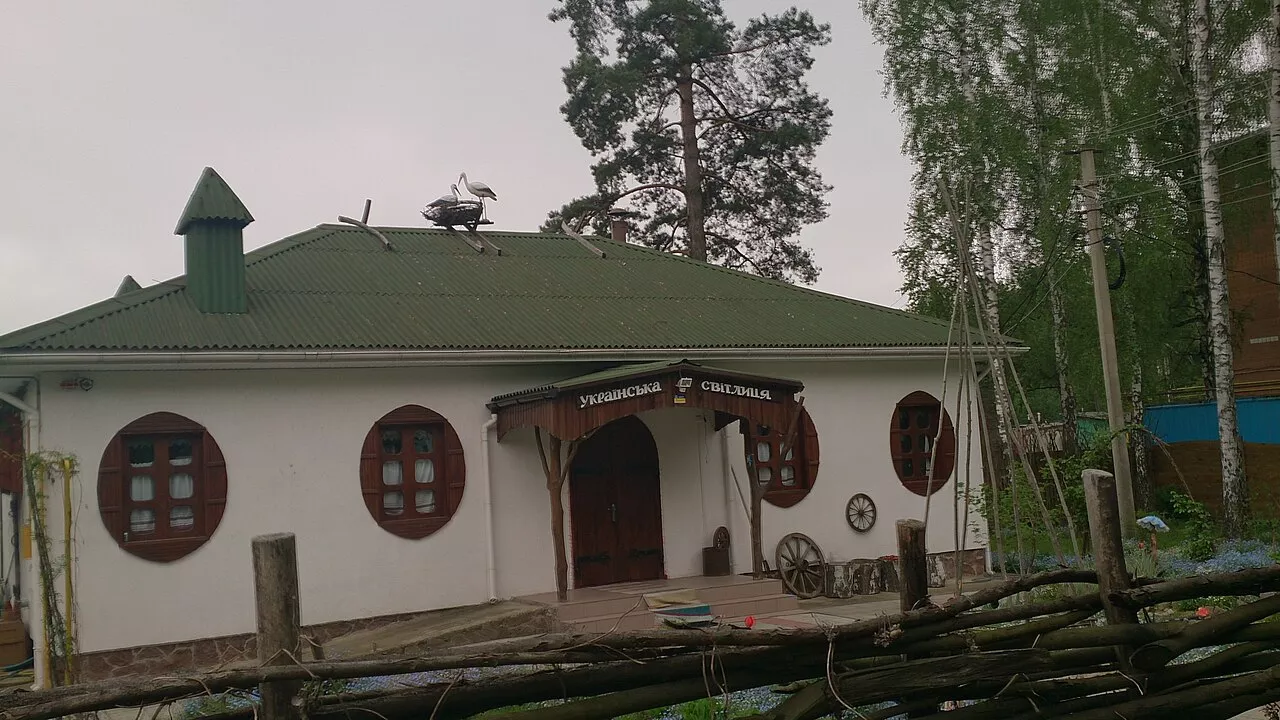
The center of the settlement is the Titan Palace of Culture, built during the heyday of the plant. Nearby operate an art school, founded in 1969 as a music school, and a small Ukrainian Svitlytsia museum.
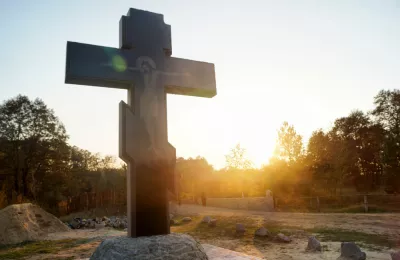
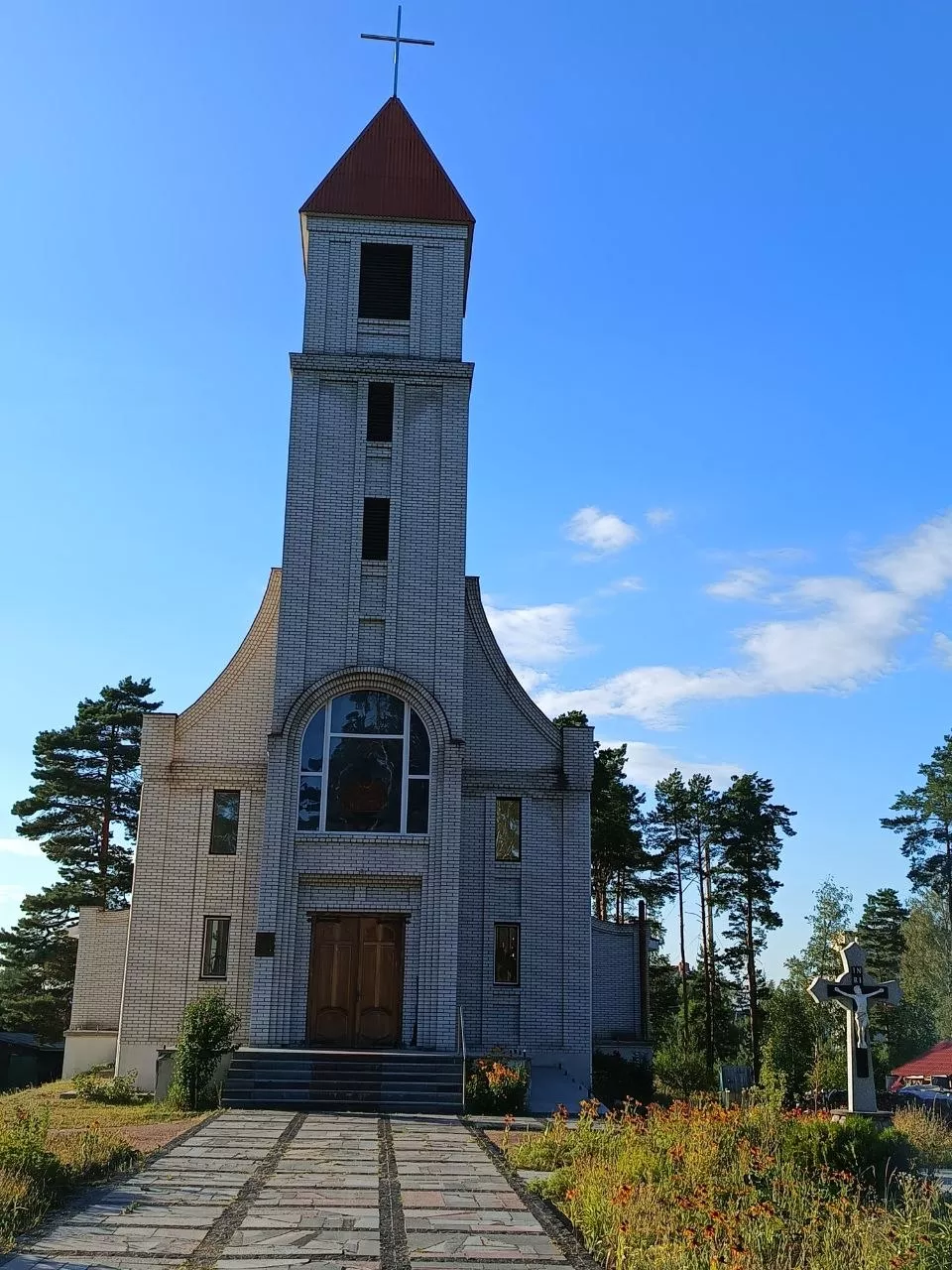
A Catholic parish appeared in Irshansk in 1995. The faithful initially prayed in private houses, and then built a brick Church of the Infant Jesus with their own hands and through donations. There is also the Pokrova Church in the settlement. In 2024, an Alley of Memory for fallen defenders was opened in the hromada.
Nearby is the Irshansk Reservoir on the Irsha, popular among anglers, and in the direction of Malyn are flooded granite quarries, such as the Malyn "Kalyuzha" with an underwater museum.
Coat of Arms and Flag
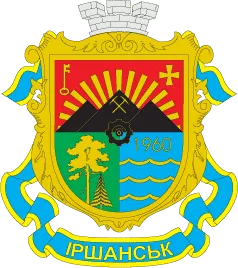
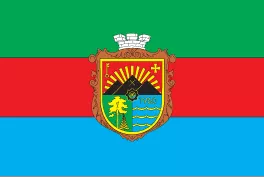
The coat of arms of Irshansk is a heraldic shield on a bronze cartouche beneath a silver masonry crown. The flag features three equal horizontal stripes — green, red, and blue — with the town's small coat of arms in the center.
How to Get There
The nearest railway station is Nova Borova, 11 km away. Buses run to Irshansk from Zhytomyr, Korosten, and Malyn. Nearby, it is worth visiting Khoroshiv with its stone museum. More about the surroundings can be found in the article about Korosten Raion.