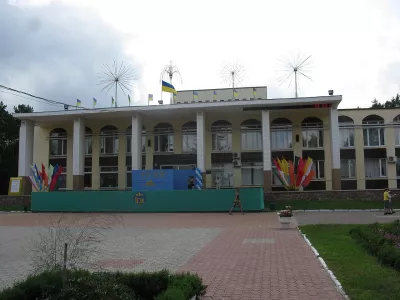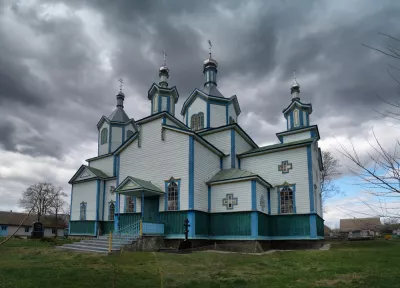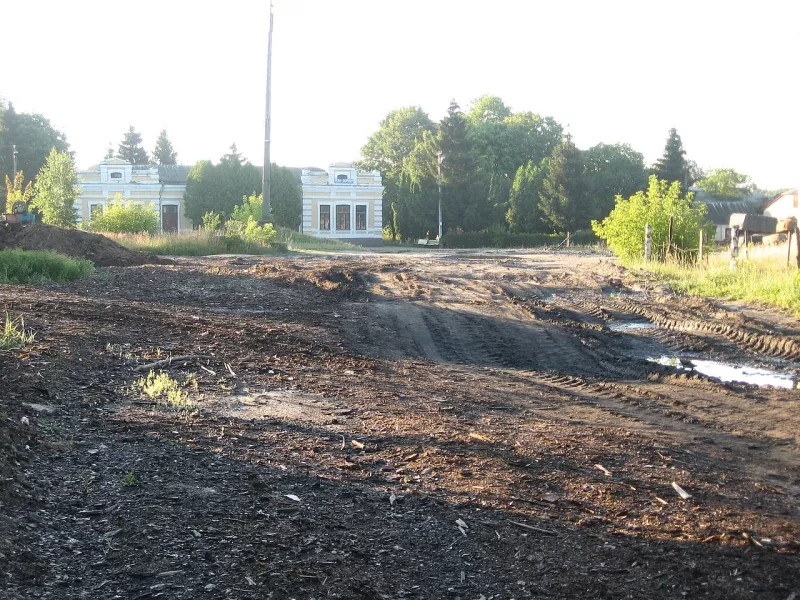
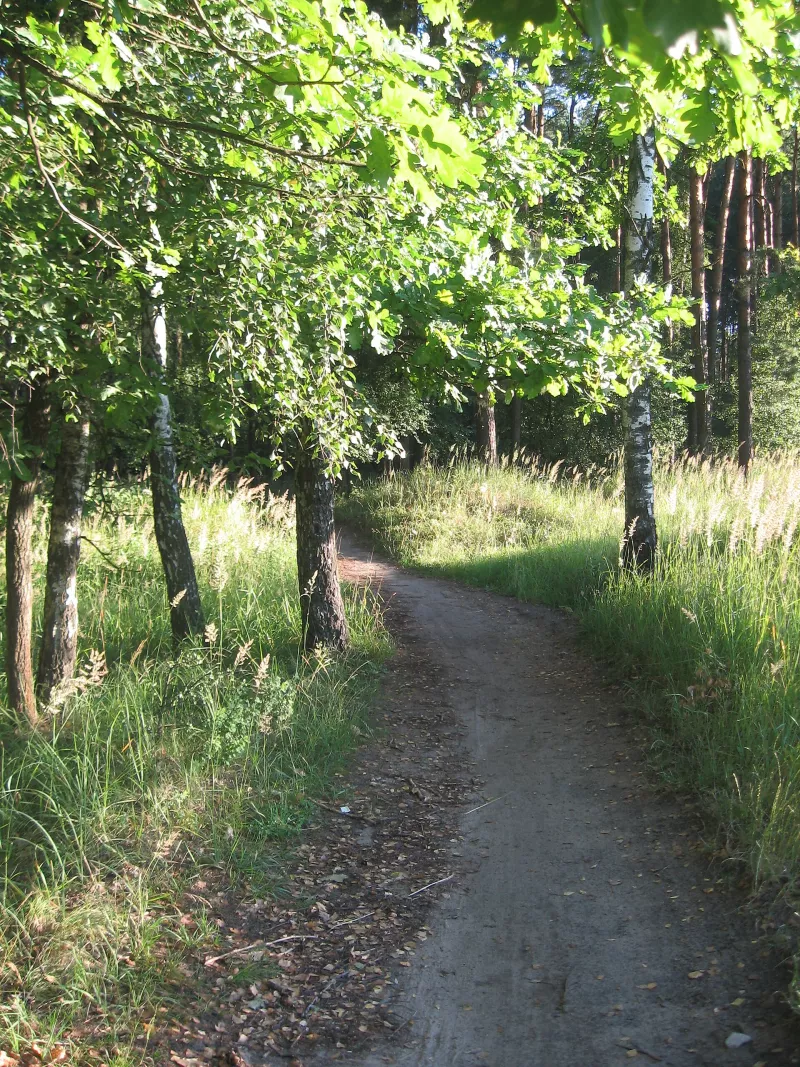

Nova Borova is an urban-type settlement on the right bank of the Irsha River, the administrative center of the Novoborivska hromada in Zhytomyr Raion. It lies in the Zhytomyr Polissia region between Zhytomyr and Korosten: it is about 55 km from here to Zhytomyr, about 40 km to Korosten, and 22 km to Khoroshiv. About 5.7 thousand people live here. Nearby lies the Irshanske Reservoir — one of the largest in Zhytomyr Oblast — and the Zhytomyr — Korosten railway and the Zhytomyr — Vystupovychi road run through the settlement.
What region and raion is it in
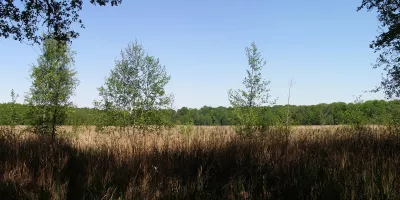
Nova Borova is in Zhytomyr Oblast, Zhytomyr Raion, and serves as the center of the Novoborivska settlement hromada. Until 2020, the settlement was part of Volodarsk-Volynskyi Raion, which was renamed Khoroshivskyi Raion in 2016. This is Zhytomyr Polissia: pine forests, the Irsha River, and surrounding deposits of granite, labradorite, and titanium ores.
Fontanka khutir and the Hungarian Fantani
The present-day settlement was formed in 1957 by merging the villages of Fontanka and Borova Rudnia (Stara Borova) along with the railway station settlement of Turchynka. The oldest of these parts is the khutir of Fontanka, which emerged in the second half of the 17th century.
It was long believed that the name came from springs ("fontany" in Ukrainian) that gushed from underground. However, local historians found in the 1795 census of the neighboring village of Rudnia-Fasova the family of Matvii Fantani — a nobleman from the Kingdom of Hungary born in 1760 — and his sons. Local Poles called the settlement "Sloboda Fantaniego" — the settlement of a man named Fantani. Therefore, most likely, the founders of the settlement were the Hungarian Fantanis.
In 1811, Borova Rudnia belonged to Countess Ludwika Małachowska, and an ironworks operated here, inhabited by 31 males. On a 1912 map, continuous forest still stretched between Fontanka, which had seven homesteads and a sawmill, and the Radcha tar-works to the north.
A settlement of geologists
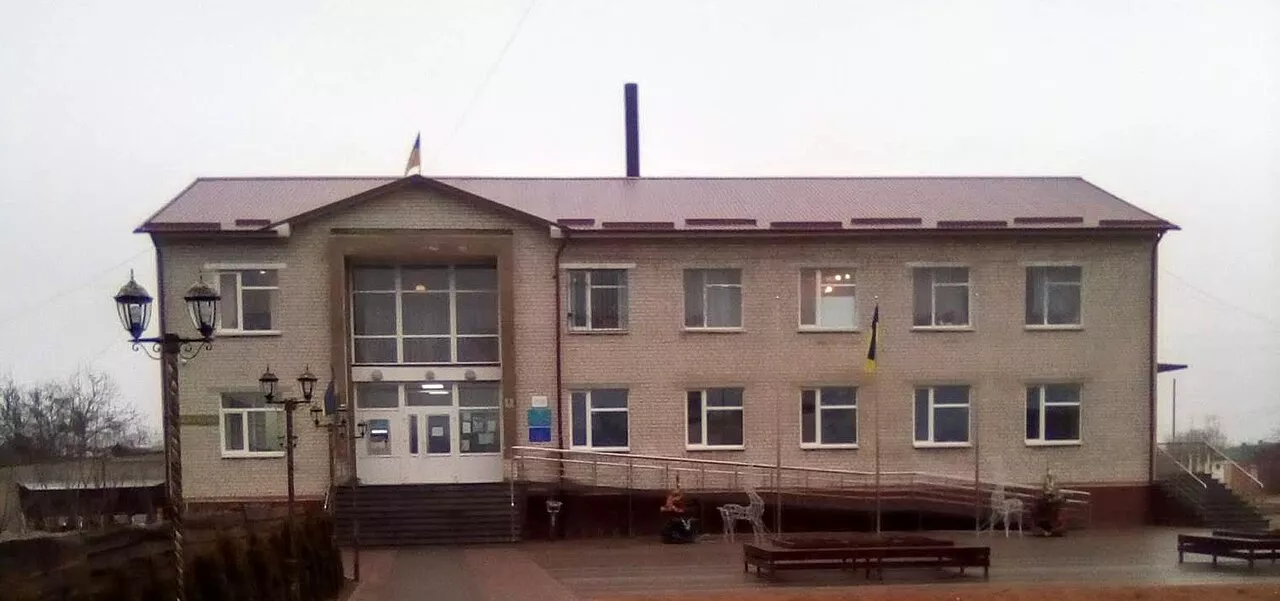
A true town grew here after World War II. A geological party relocated to Turchynka station, forming the basis for the Zhytomyr Complex Geological Expedition — the settlement's main enterprise. Geologists searched for ilmenite deposits, and starting in 1954, the Irshansk Mining and Processing Plant began construction nearby. There were even plans to build a town called Tytanohrad, but ultimately a workers' settlement grew up next to it — present-day Irshansk. The Irshansk titanium-ore district is one of Europe's largest sources of titanium ores, and geologists from Nova Borova prospected its deposits for many years. Only the first-stage housing development of "Tytanohrad" remains in Nova Borova. Nova Borova received the status of an urban-type settlement in 1954.
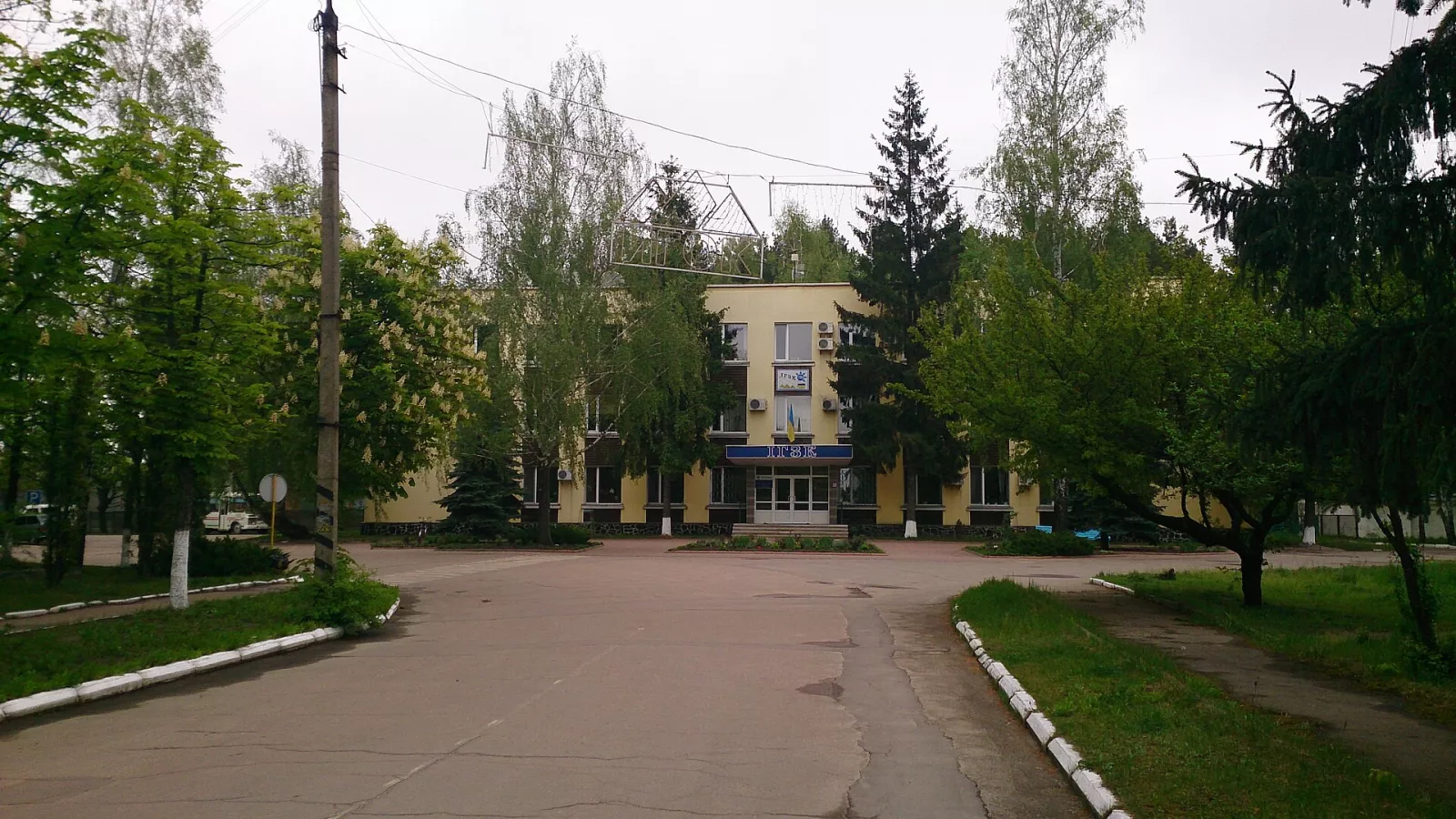
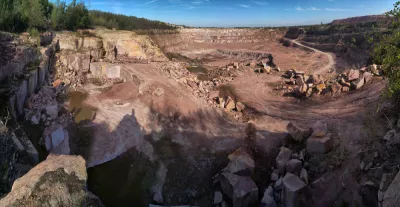
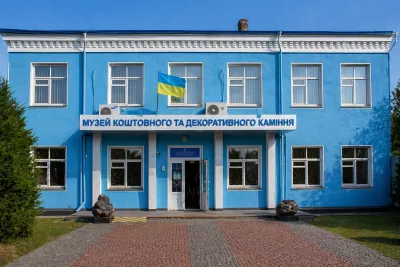
In the early 1960s, Nova Borova saw the construction of a vegetable-drying plant, a repair plant, a reinforced concrete plant, warehouses, schools, and housing. Today, the settlement is a notable stone-processing center: local workshops manufacture products made of granite and labradorite, which are abundant in the surrounding subsurface.
Irshanske Reservoir
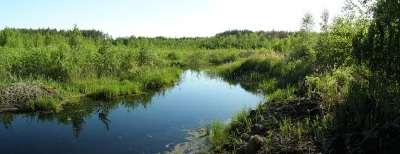
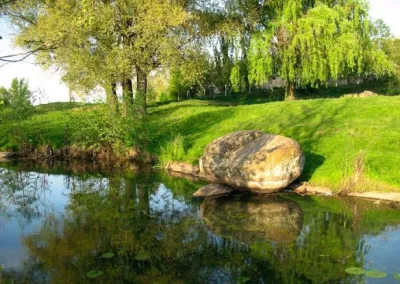
The main natural attraction of the surrounding area is the Irshanske Reservoir on the Irsha. It is popular among anglers who fish for predatory fish here, and in summer people relax on its shores. The banks are mostly gentle, making it easy to approach the water, and pine forests grow all around. Read about the fish, water access, and fishing rules in the article "Fishing on the Irshanske Reservoir", and about the river itself in the article "Irsha — a Granitic River".
What to see in the settlement
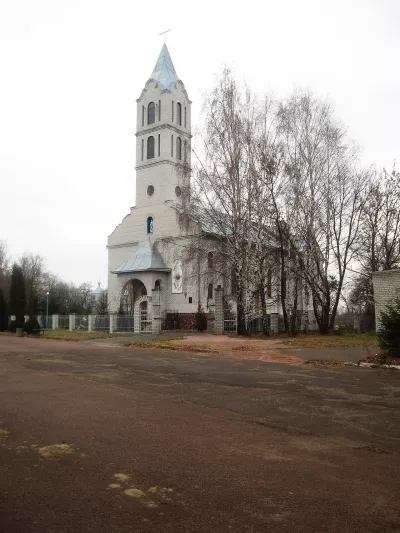
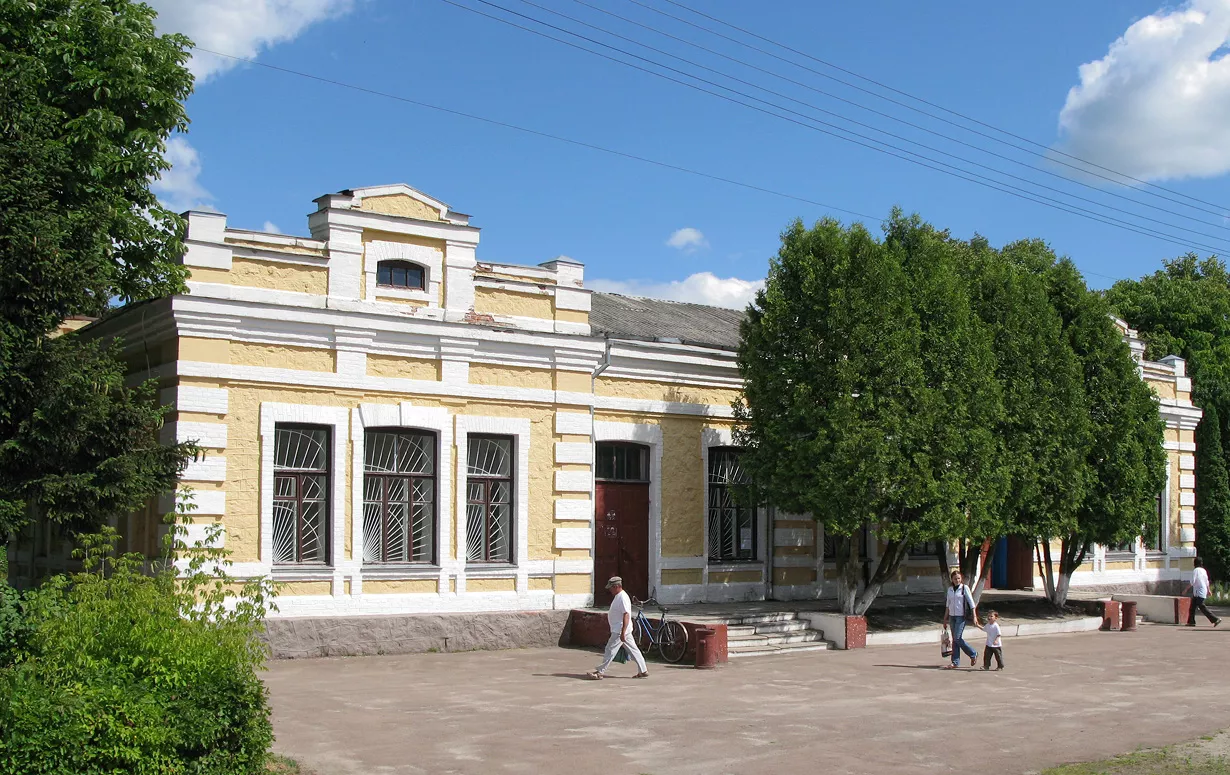
Nova Borova is a working settlement without major landmarks, but a few places are worth seeing. In the center stands a memorial to those who died in the Second World War and the Afghan War: about 600 people went from Nova Borova to the front of the Second World War, 137 of whom did not return. The railway station building reminds us that the settlement grew precisely around the station: it was opened in 1915 along with traffic on the Korosten — Zhytomyr line under the name Turchynka, and it received its current name in 1973. Stone-working shops operate in the surrounding area, and in the nearby forests and quarries it is visible how close granite and labradorite approach the surface here.
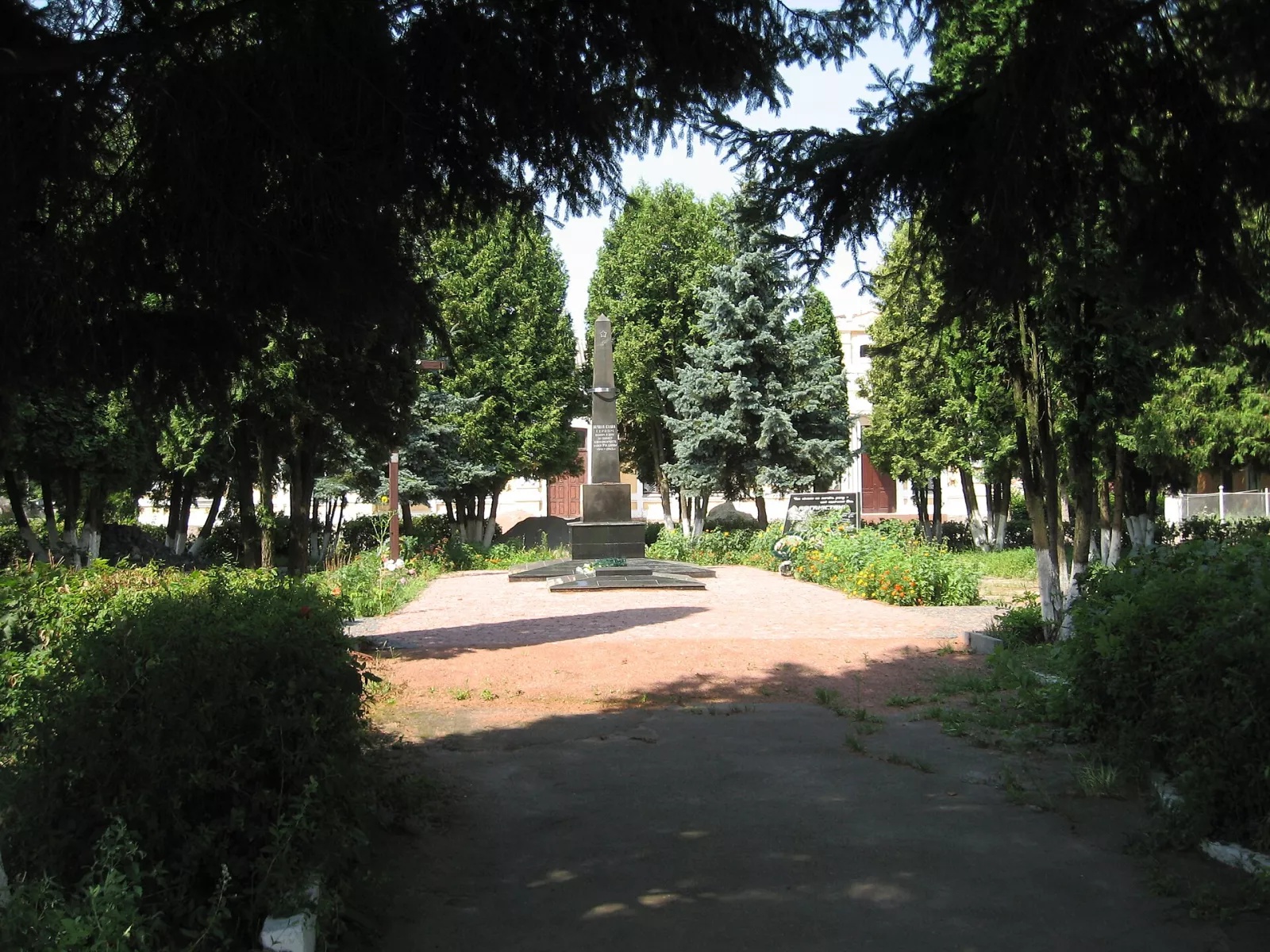
It is best to combine Nova Borova with a walk along the banks of the Irsha and a trip to the reservoir, and for museums, head to neighboring Khoroshiv.
Coat of arms and flag
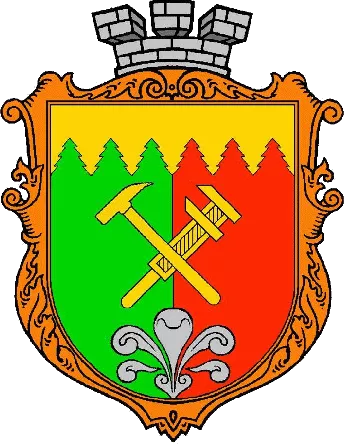
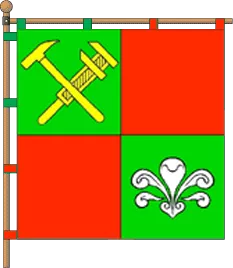
The author of Nova Borova's symbols is Lviv heraldist Andrii Grechylo.
How to get from Zhytomyr and Kyiv
From Zhytomyr to Nova Borova it is about 53 km on the road to Korosten, by car — about an hour. From Kyiv — about 185 km: via the Kyiv — Chop highway to Zhytomyr, and from there to the north, together taking about two and a half to three hours. You can also arrive by a suburban train from Zhytomyr or Korosten; check the schedule with Ukrzaliznytsia before the trip.
Nova Borova has a railway station on the Zhytomyr — Korosten line, and buses run from Zhytomyr and Korosten. Nearby are Irshansk, Khoroshiv with its stone museum, and Holovyne with a labradorite deposit. Read more about the surrounding area in the article about Zhytomyr Raion.
Frequently asked questions
Where is Nova Borova located?
In Zhytomyr Oblast, in Zhytomyr Raion, on the right bank of the Irsha, approximately midway between Zhytomyr and Korosten.
How many people live in Nova Borova?
According to the 2001 census — 5,746 people, currently about 5.5 thousand.
What is the distance from Nova Borova to Zhytomyr?
About 55 km by road, by car — about an hour. You can also get there by a suburban diesel train on the non-electrified Zhytomyr — Korosten line. The train and bus schedule changes frequently, so check it before your trip.
Which reservoir is near Nova Borova?
The Irshanske Reservoir — on the Irsha River. It is popular among anglers and vacationers.