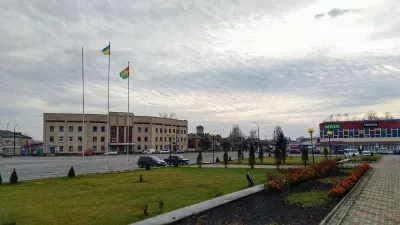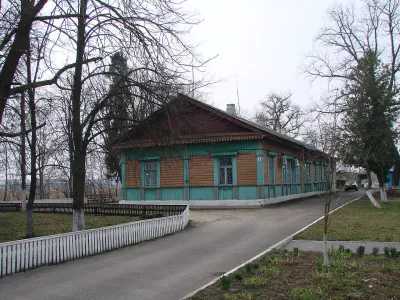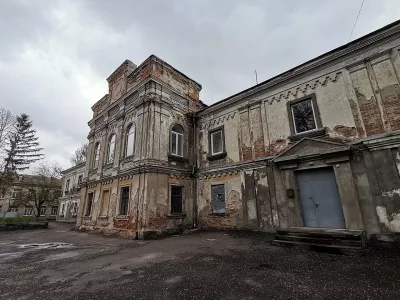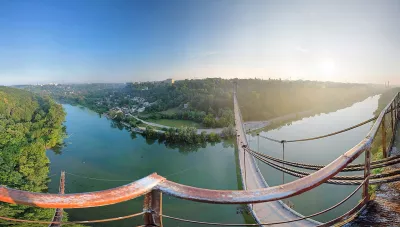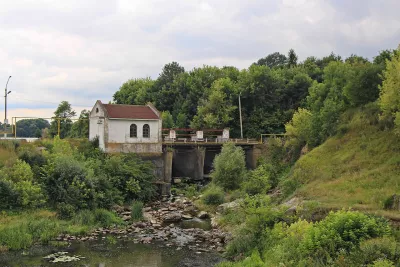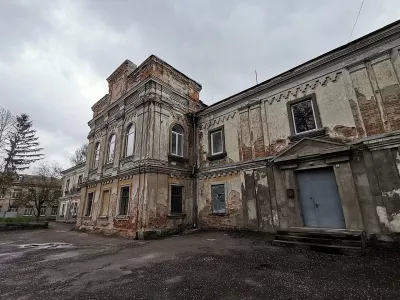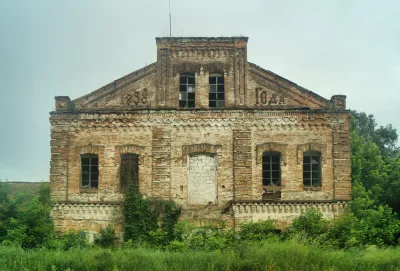
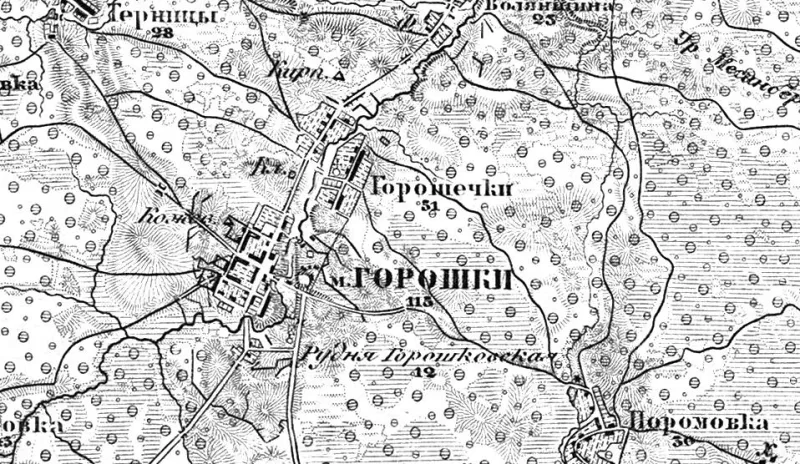
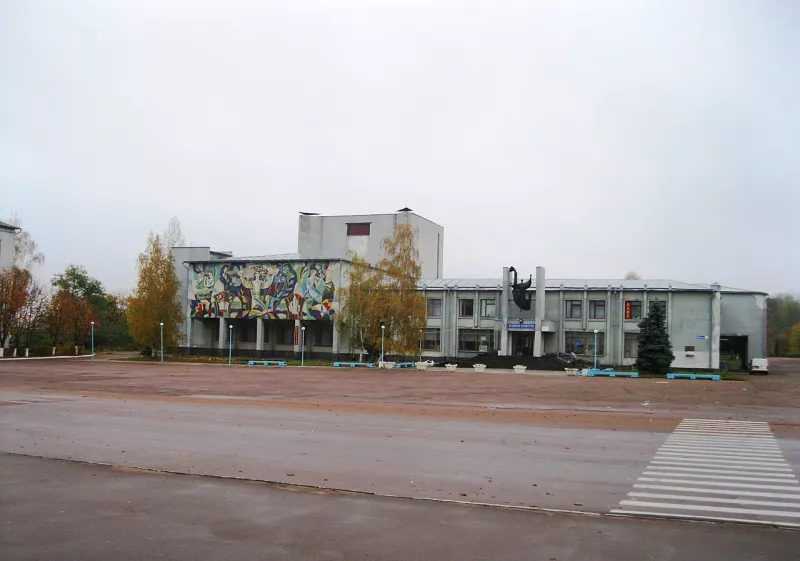
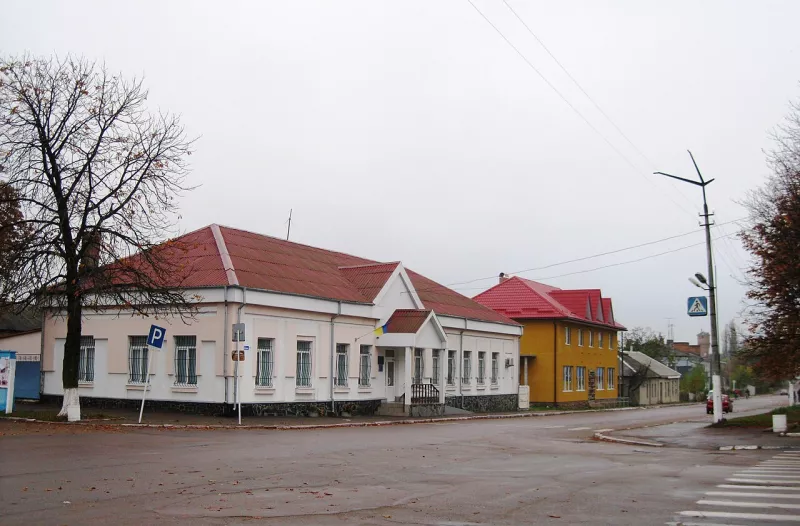
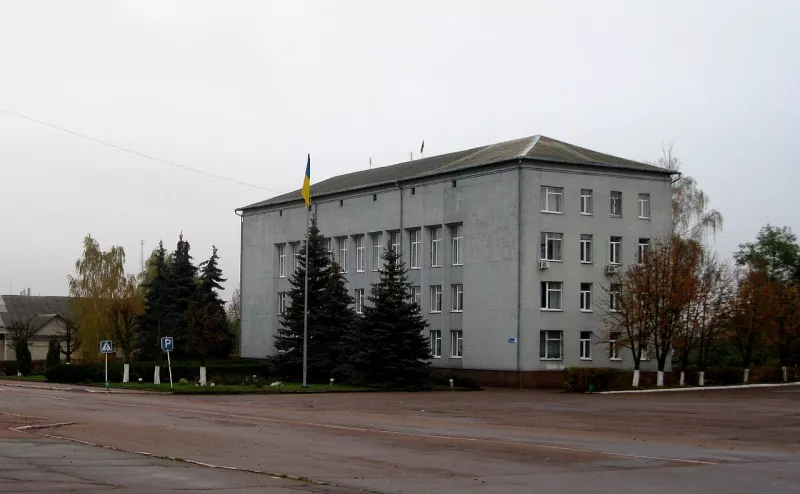

Khoroshiv is an urban-type settlement on the Irsha River in Zhytomyr Raion, the center of Khoroshiv hromada. It lies in Zhytomyr Polissia, about 53 km north of Zhytomyr, and has a population of around 7,500 people. Over the past hundred years, it has changed its name five times: until 1912 it was Horoshky, then Kutuzove, from 1924 Volodarsk, from 1933 Volodarsk-Volynskyi, and in 2016 it became Khoroshiv. It is worth visiting for two things: the ramparts of the 17th-century fortress and the unique museum of precious stones.
Which oblast and raion it belongs to
Khoroshiv is in Zhytomyr Oblast, in Zhytomyr Raion, the center of Khoroshiv settlement hromada. Until 2020, the settlement headed a separate raion — until 2016 Volodarsk-Volynskyi, then Khoroshivskyi. This is Zhytomyr Polissia north of the regional center: forests, granite banks of the Irsha, and quarries, which are connected with the entire history of the settlement.
Why the settlement was renamed so many times
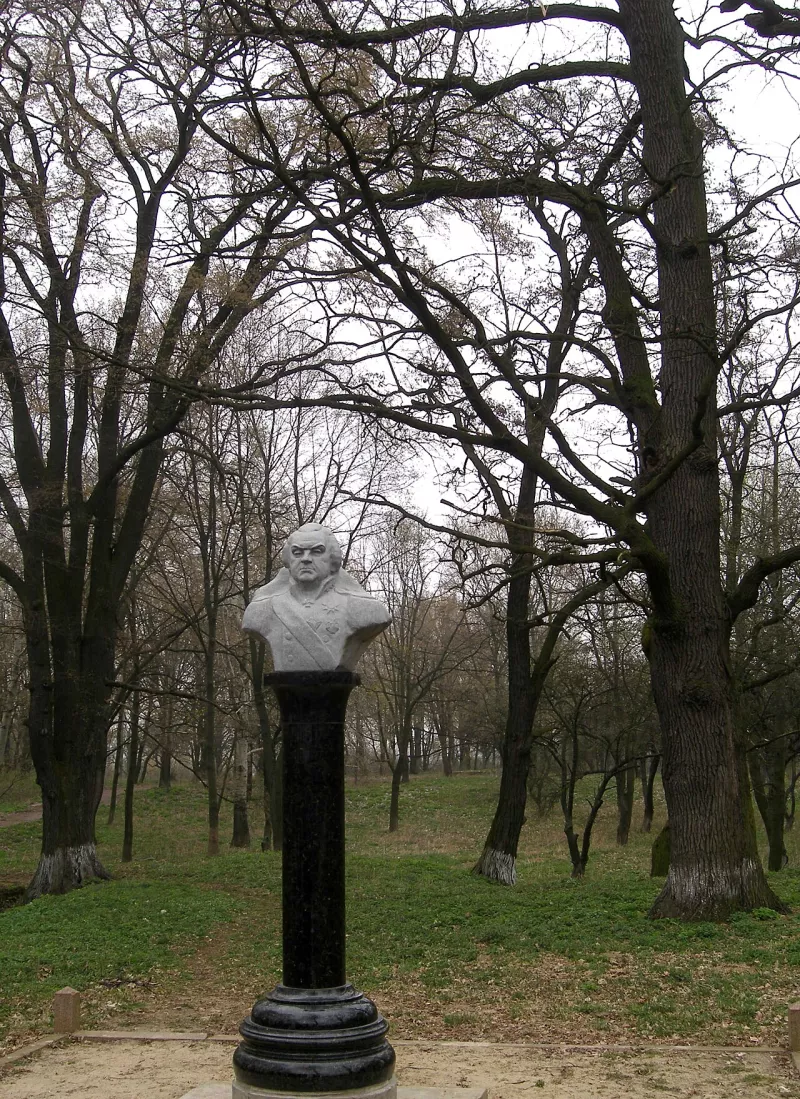
The oldest name is Horoshky; in 16th-century documents the form Horoshkovychi also appears. After the partitions of the Polish–Lithuanian Commonwealth, the estate was confiscated from the previous owner, and in 1796 Catherine II gifted it to the commander Mykhailo Kutuzov, who later visited here and had a palace in the park above the Irsha. In 1912, on the centenary of the 1812 war, Horoshky was renamed Kutuzove. The Soviet authorities gave the settlement the name of the Bolshevik Volodarsky — thus appeared Volodarsk, and later Volodarsk-Volynskyi. In February 2016, the Verkhovna Rada restored the settlement’s name close to the historical one — Khoroshiv.
Because of this, in old directories, maps, and schedules the settlement can still be found as Volodarsk-Volynskyi, and the raion, of which it was the center until 2020, as Volodarsk-Volynskyi.
Horoshky and the Nemyrichi fortress
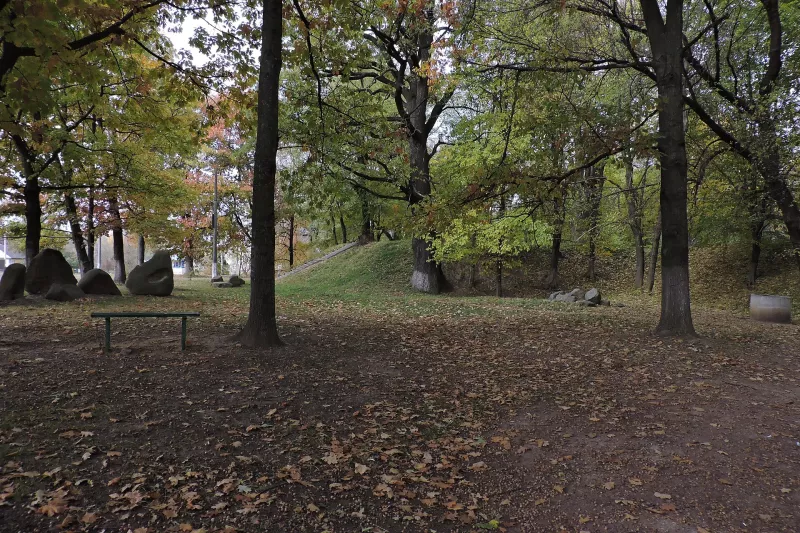
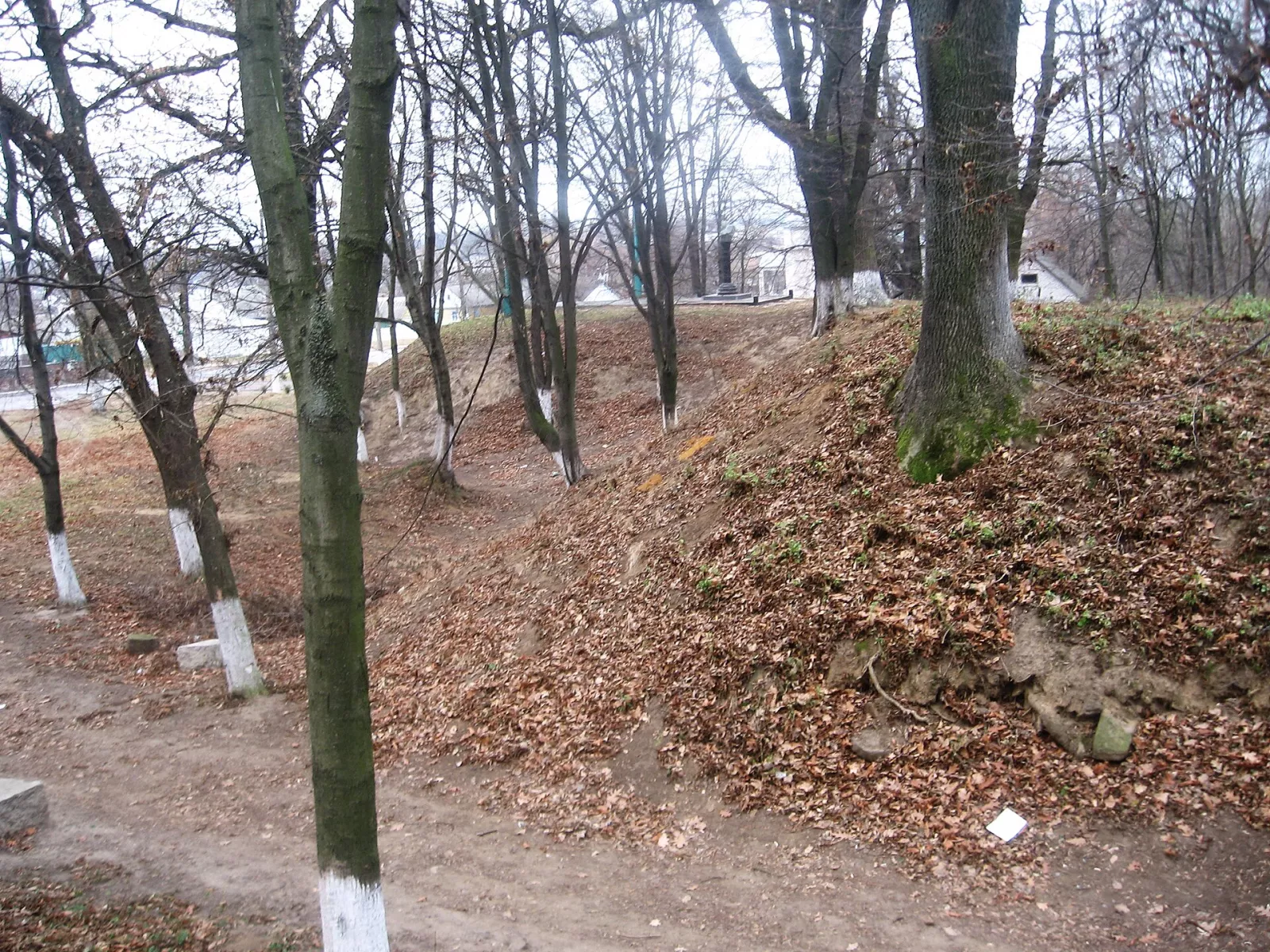
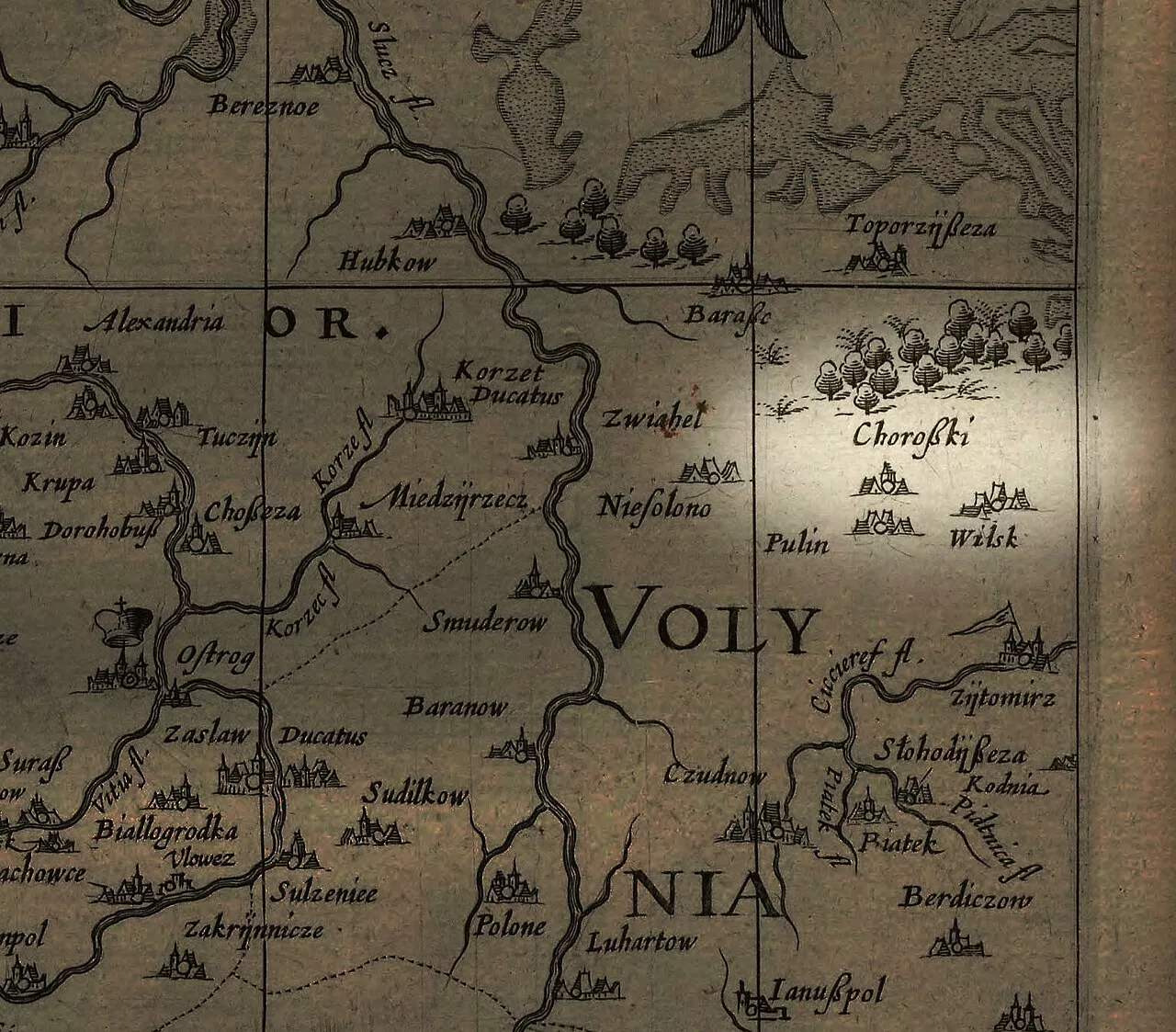
Horoshky is marked on the 1613 map by Tomasz Makowski. In the 17th century, the town was owned by the Nemyrichi family — known supporters of Protestantism. They built a bastion fortress here, probably following the Old Dutch school of fortification. Its engineer is believed to be Józef Naronowicz-Naronski from Lithuanian Kėdainiai, who in the 1650s created the first maps of Horoshky and its surroundings. The ramparts of this fortress are Khoroshiv’s most valuable monument and have been preserved to this day.
Around 1640, inside the castle, on the site of the present park, there stood a Socinian assembly — a church of the Arians, one of the radical Protestant movements to which the Nemyrichi belonged. The assembly has not survived, but Horoshky was one of the centers of Arianism in Volyn and Kyiv regions.
Museum of Precious Stones
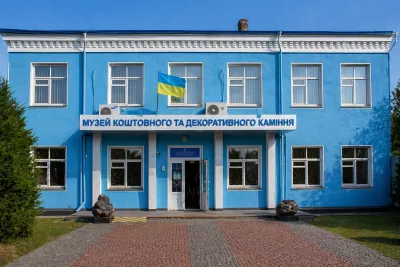
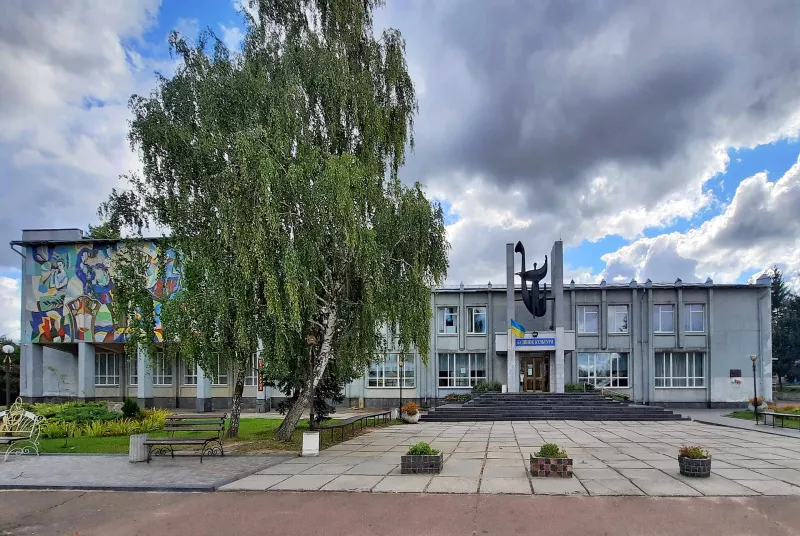
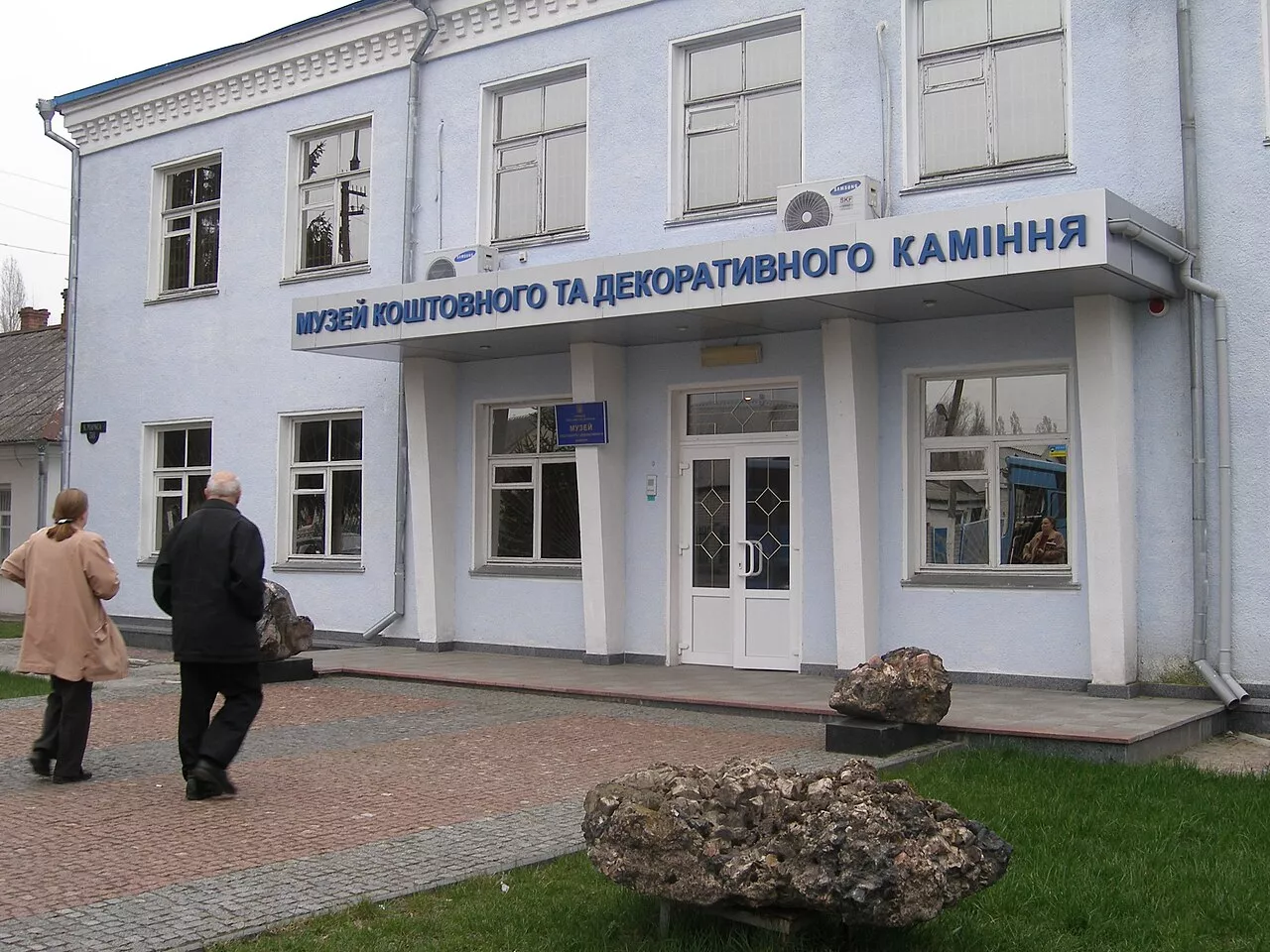
The outskirts of Khoroshiv are known for pegmatites — rocks that contain topaz, beryl, morion, and other gems. Therefore, there is a museum of precious and decorative stones here with a large collection of minerals, including those found nearby. For children and adults, it is one of the most interesting museums in the oblast.
What else to see
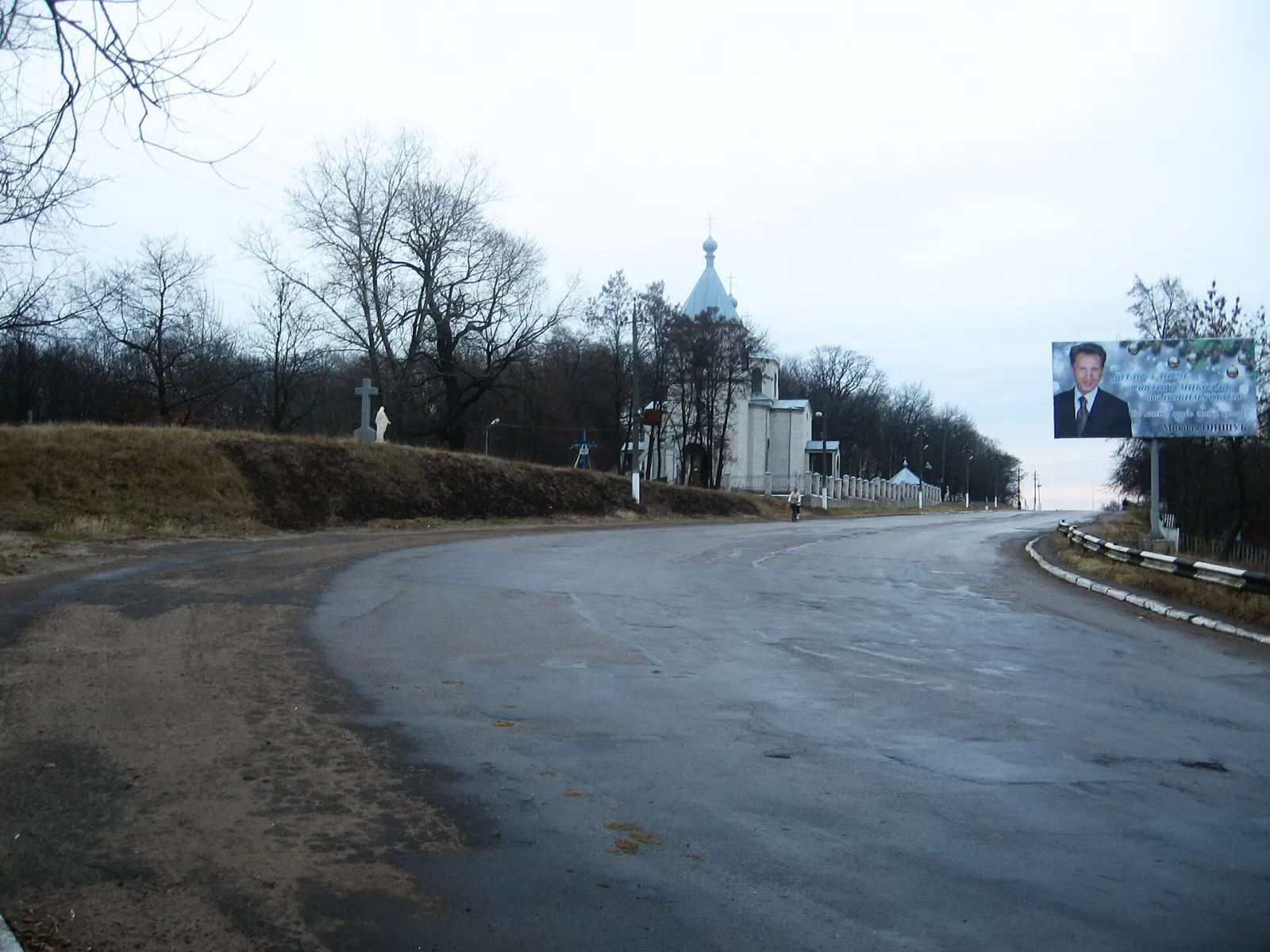
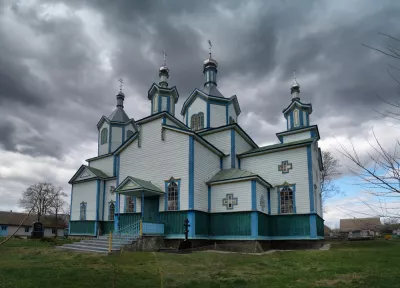
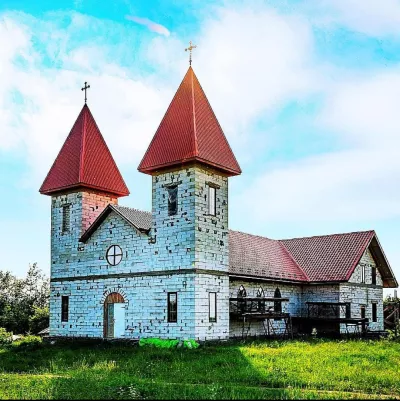
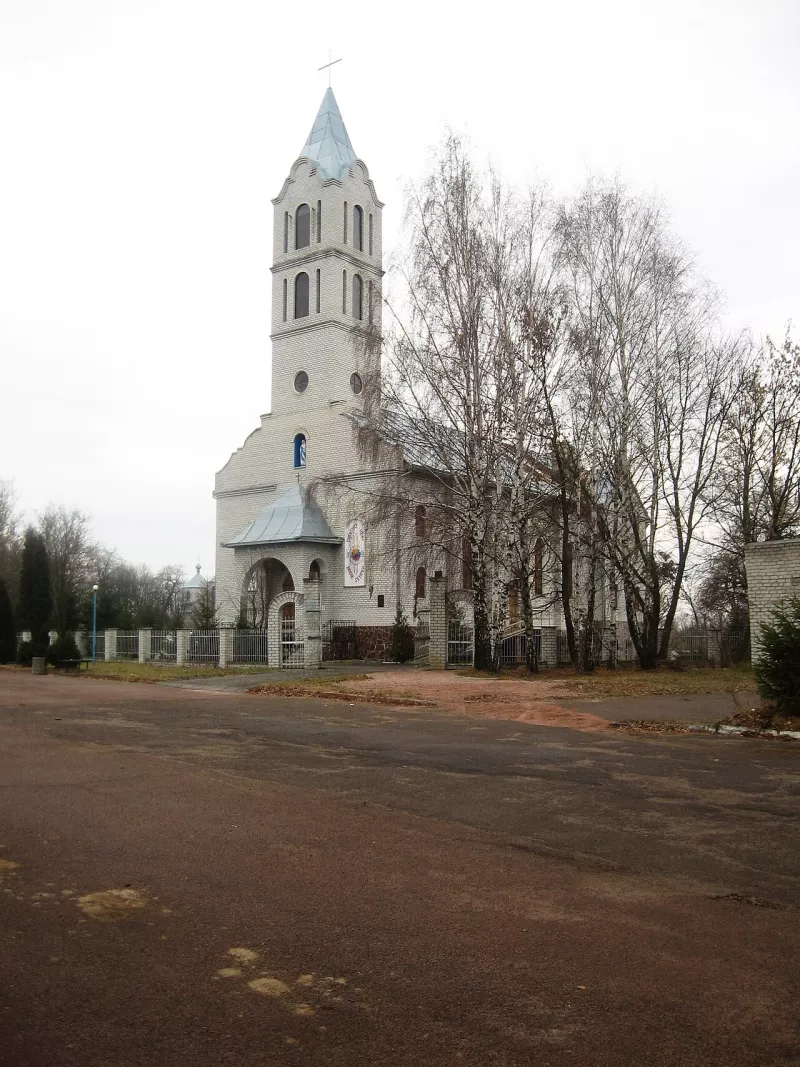
The Church of the Transfiguration of the Lord, restored since the 1990s, the park on the site of the castle — Khoroshivske zamchyshche, a monument to Taras Shevchenko from 2016, St. Michael’s Church. Nearby, in Mali Horoshky, is the male monastery of Venerable Paisius Velichkovsky. It is pleasant to walk along the Irsha: here the river flows between granite banks.
Irsha, quarries and reservoir
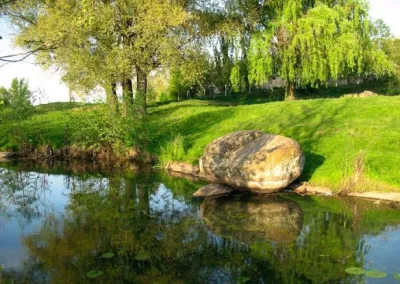
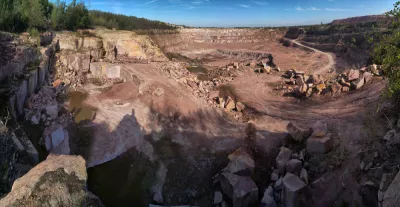
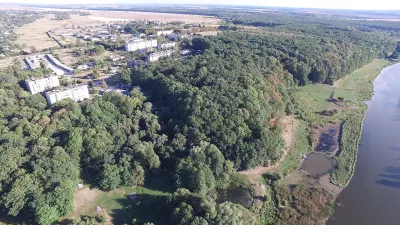
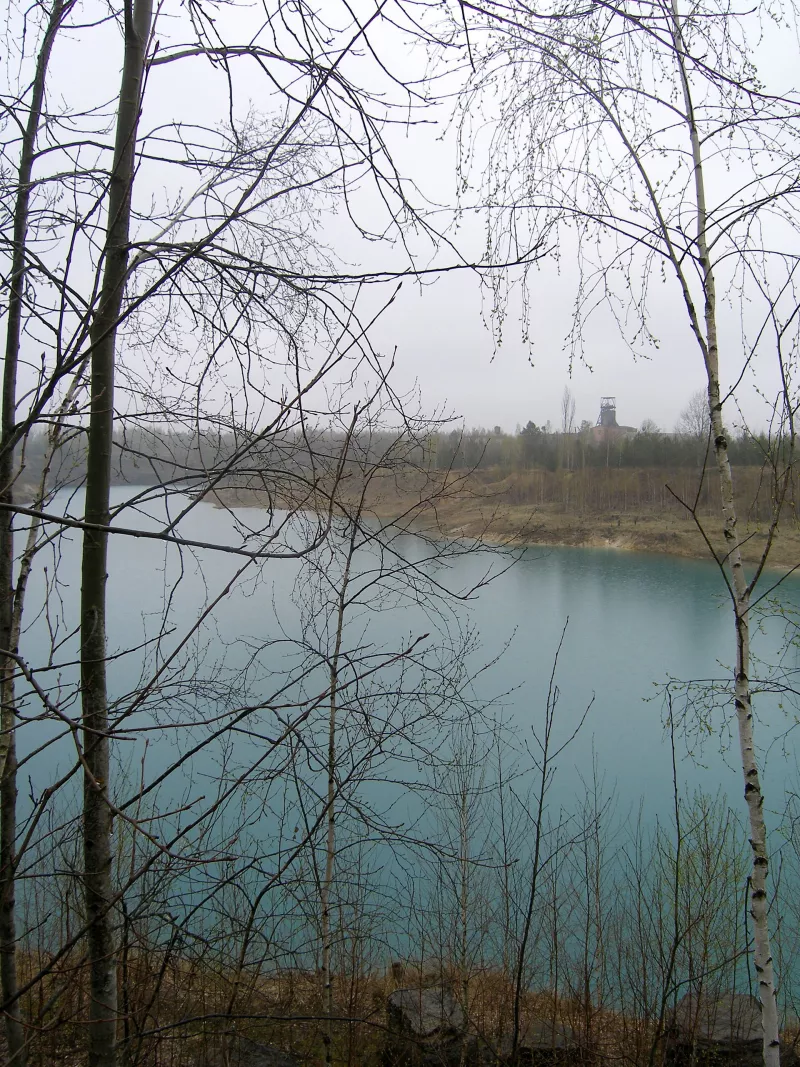
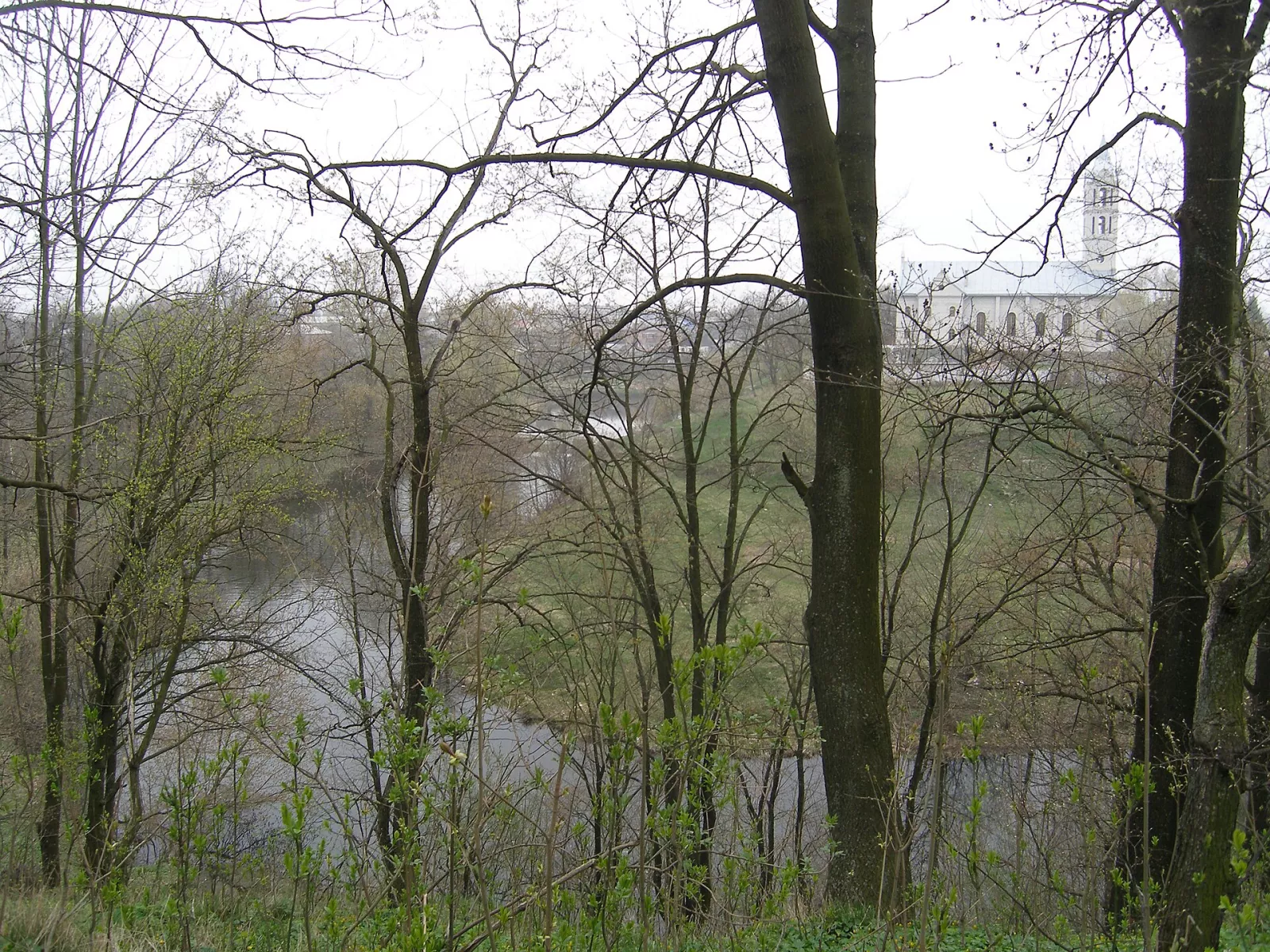
Irsha near Khoroshiv is a fast river with rocky rapids and remnants of old dams. Around the settlement, there are many granite quarries: some of them have long been abandoned and filled with water, and in summer people gather there to swim. Remember that such quarries are deep, with steep walls and cold water, and the access paths to them are not equipped.
Downstream, between Valky and Staryi Bobryk, lies the large Irshanske reservoir — a popular fishing spot, with a separate article about it “Fishing on the Irshanske Reservoir”. Further on are Nova Borova and Irshansk, where titanium ore is mined.
When to visit
The best time is from May to October, when you can combine the museum with a walk along the ramparts and the bank of the Irsha. Half a day is enough for the settlement.
Nemyrychi
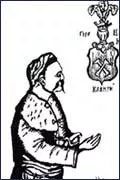
The most famous representative of the family is Yurii Nemyrych, an educated nobleman who studied at European universities, was a supporter of Arianism, and later joined Bohdan Khmelnytsky. He was one of the authors of the Treaty of Hadiach in 1658, which was intended to transform Ukraine into the Grand Duchy of Rus. Horoshky was the ancestral nest of the Nemyrych family, and the ramparts of their fortress remind of this remarkable family.
Another Nemyrych castle stood in Horodyshcha in the Malyn region — there is an article about it Castle in Horodyshcha and the Lords Nemyrychi.
Nearby
Zhytomyr is about an hour away, Zhytomyr Polissia with Korosten is to the north. More in the article Zhytomyr Raion.
Khoroshiv in winter
Khoroshiv is well suited for a one-day winter trip. The main warm stop is the museum of precious and decorative stones: about 1,700 exhibits, including quartz, topaz, and beryl crystals from the local deposit. The museum is small, so it is combined with a walk in the park on the site of the Khoroshivske zamchyshche, where in winter, without leaves, the fortress ramparts are more visible.
Before your trip, check the museum schedule — it may change on holidays. The ice on the Irsha is unreliable due to the current, so do not go out on it.
How to get from Zhytomyr and Kyiv
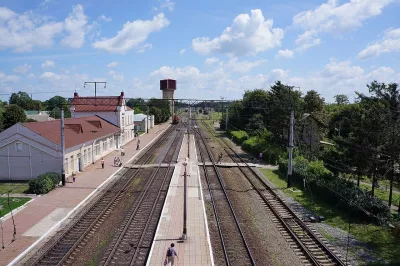
Buses run from Zhytomyr, by car it takes about an hour (about 53 km). From Korosten it’s about the same, from Kyiv — about 185 km via Zhytomyr. By car from Kyiv it takes about two and a half to three hours: take the Kyiv — Chop highway to Zhytomyr, then turn north towards Khoroshiv. There is no railway in Khoroshiv; the nearest station is in Nova Borova on the Zhytomyr — Korosten line. Bus schedules often change, so check them before your trip.
Frequently Asked Questions
What was Khoroshiv called before?
Horoshky (until 1912), Kutuzove, Volodarsk, and from 1933 to 2016 — Volodarsk-Volynskyi.
In which district is Khoroshiv?
In Zhytomyr Raion of Zhytomyr Oblast. The settlement is the centre of Khoroshiv Hromada, and until 2020 it was the centre of a separate raion.
How many people live in Khoroshiv?
About 7,500.
What to see in Khoroshiv in one day?
The Museum of Precious and Decorative Stones, the Nemyrichi Fortress ramparts in the Horoshkivske Zamchyshche park, the Catholic church and the banks of the Irsha River. If you have time left — the Irshanske Reservoir or Nova Borova.