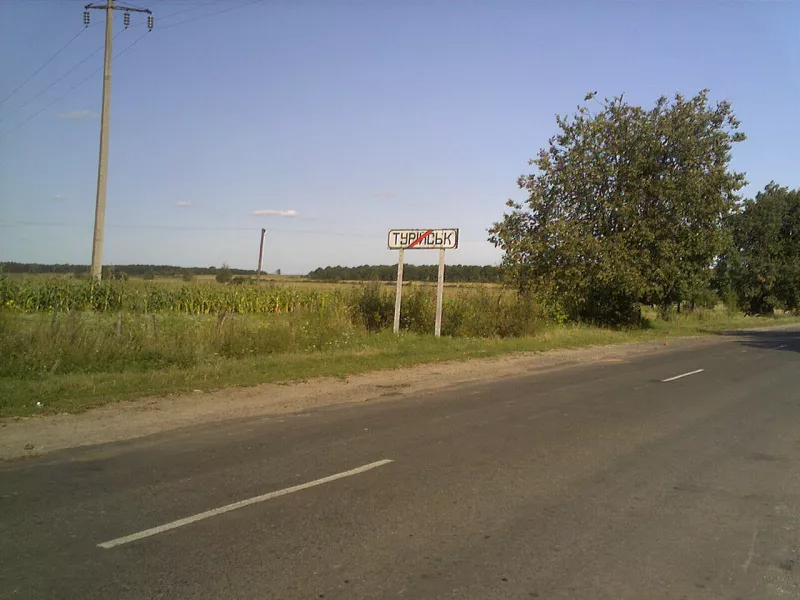
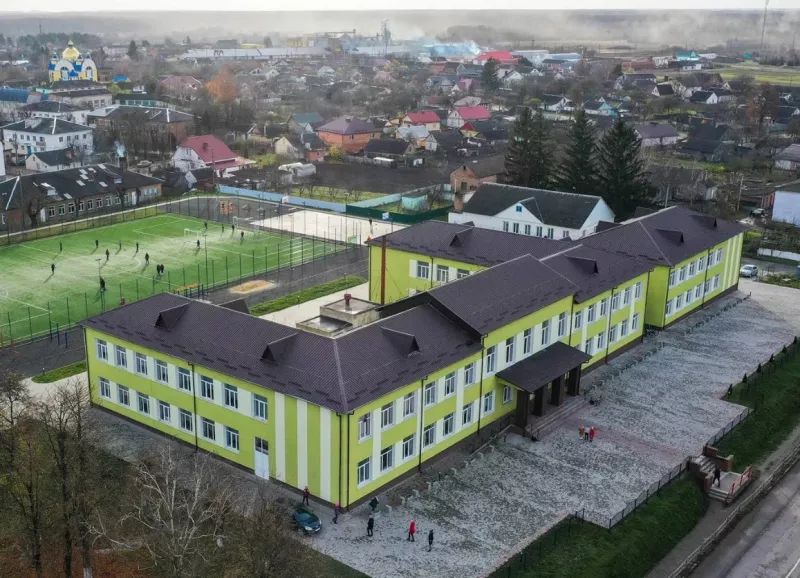

Turiisk is an urban-type settlement on the Turiia River in Volyn Polissia, in Kovel Raion, the center of Turiiska Hromada. About 5,500 people live here. Until 2020, Turiisk was a raion center. The town is considered one of the oldest inhabited territories of Volyn: it was first mentioned in the Primary Chronicle in 1097.
From the Paleolithic to the Chronicle
Turiisk region was settled as early as the Late Paleolithic. Later, alongside the Eastern Slavs, other tribes lived here, as evidenced by the ancient names of villages — Duliby, Turychany, Osa. Archaeologists find traces of settlements from the 6th–7th centuries in Turiisk, and ancient hillforts in the surrounding area.
In the 11th–12th centuries, the lands of Turiisk were part of the Volyn Principality, and later the Galicia-Volhynia Principality. In 1205, Turiisk was captured by the Lithuanians. In 1515, King Sigismund I granted the town to Prince Sangushko, and for a long time it remained the possession of this family.
A Castle Among the Swamps
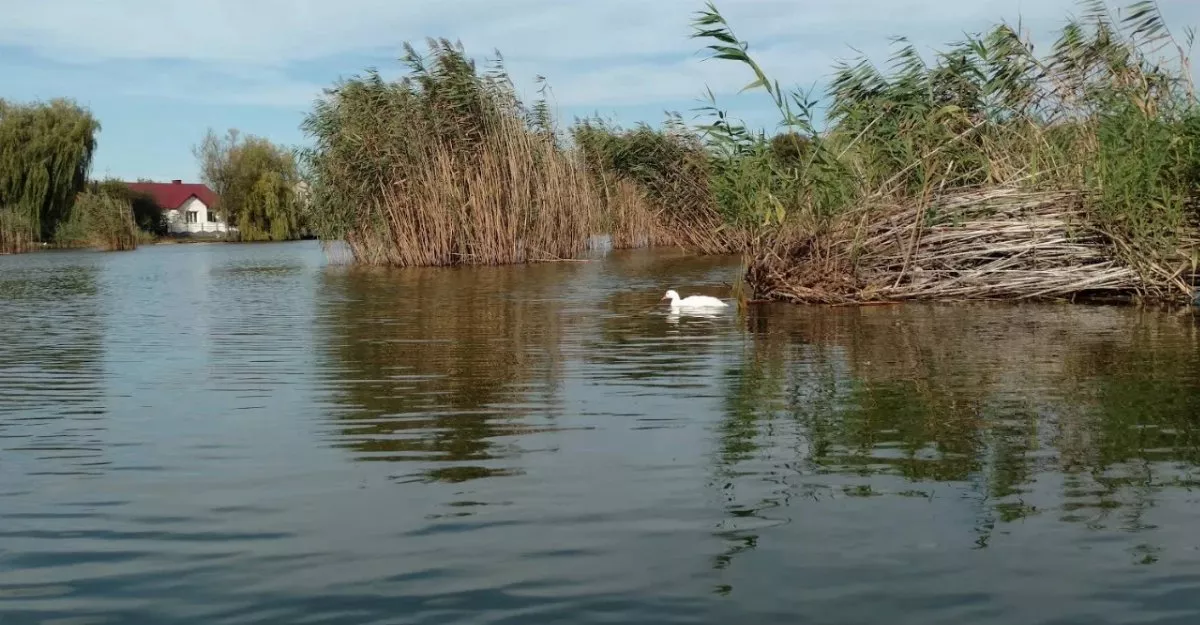
Above the Turiia River, on an old castle hill among the reeds, from the 11th to the 15th centuries there stood a castle — initially wooden, later stone, with a network of underground passages. Prince Roman Sangushko rebuilt it and made it difficult for attackers to access, and near the Church of the Holy Savior he established a hospital-almshouse. At that time, Turiisk was one of the notable centers of crafts and trade in Volyn.
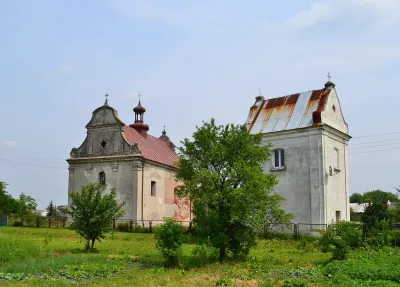
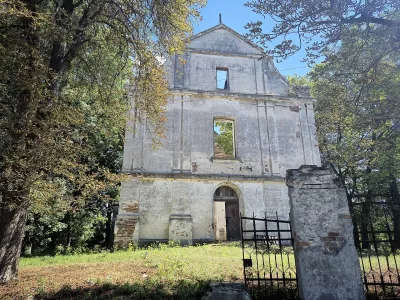
Later, the town was owned by the Zaslavsky princes. Ivan Zaslavsky was the first in his family to convert to Catholicism, and during the time of his son Vladyslav Dominik, in 1652, a local assembly of the Volyn Voivodeship nobility was held in Turiisk. Vladyslav Dominik’s daughter Theophilia, becoming Princess Lubomirska, built here the Church of Saint Francis de Sales, which, along with the Transfiguration Church, adorned the town.
The Ossoliński Family and Magdeburg Rights
In the mid-18th century, Turiisk passed to the Ossoliński family. Voivode Józef Kanty Ossoliński built a palace here, and in 1759 King Augustus III granted the town Magdeburg rights at his request. In 1773, Turiisk received the right to hold two large fairs, each lasting four weeks.
A local legend is connected with the last owner from this family. The count fell in love with a peasant woman from the suburb of Lypa and married her against his family’s wishes. For the church, he commissioned an icon of the Mother of God with Child, modeled on his wife and son. The family did not forgive the unequal marriage: the young countess and child were poisoned, and the count entered a monastery. Soon after, the Ossolińskis sold the Turiisk lands to the Moshynskyi family.
What to See
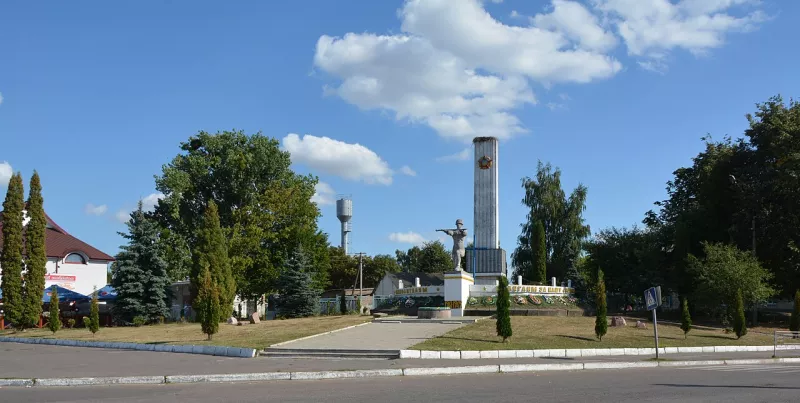
Turiisk is a quiet settlement with an ancient history best experienced through its landscapes: the Turiia valley, old streets, and sites of former hillforts. In the center are World War II memorials, and in the surroundings are villages with wooden churches and old cemeteries.
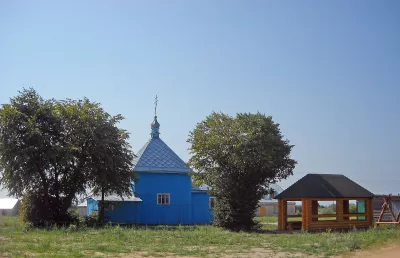
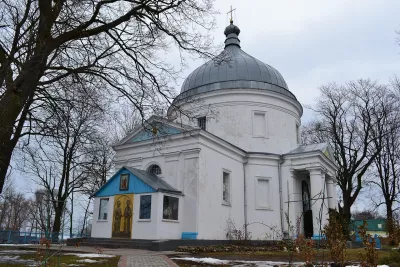
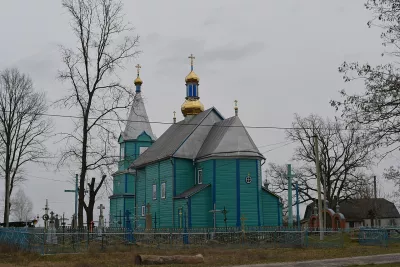
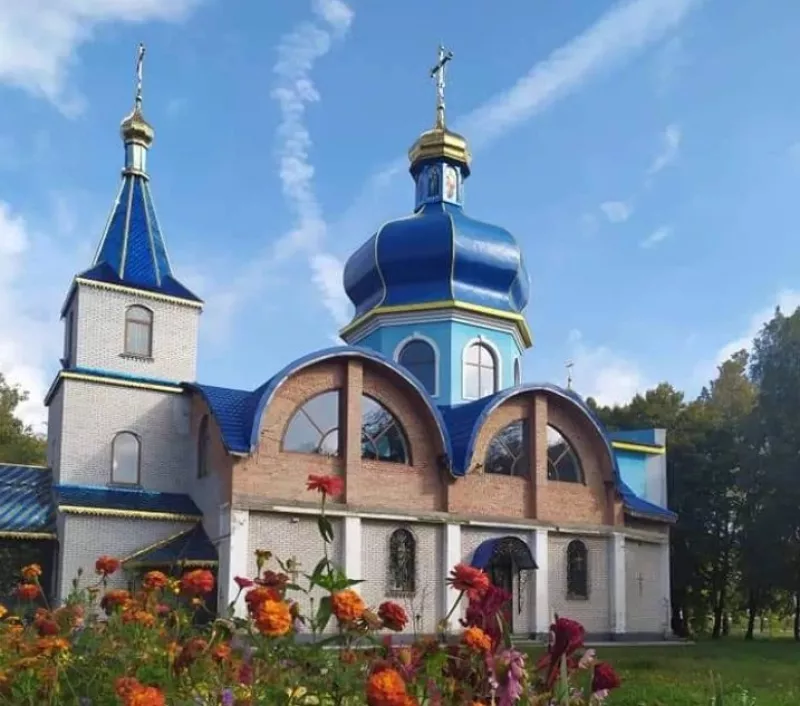
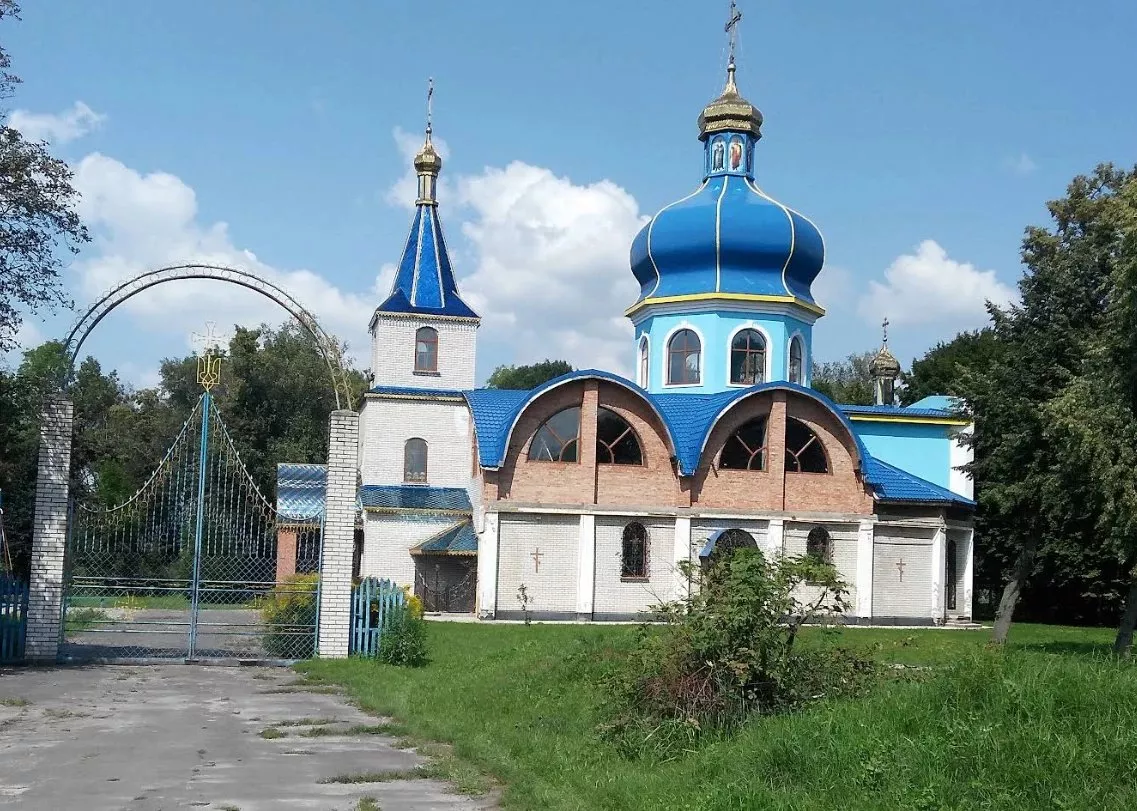
Among the notable buildings in the settlement is the Holy Trinity Church with blue domes and a bell tower above the entrance. Next to the school in the center, it is visible from afar.
Nature
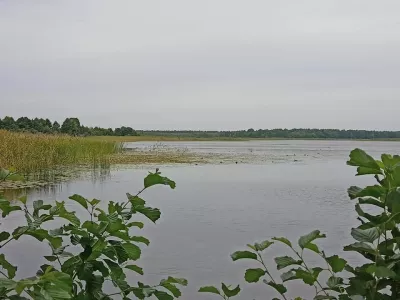
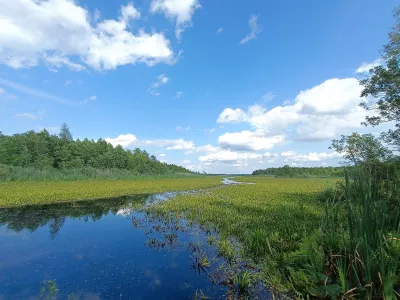
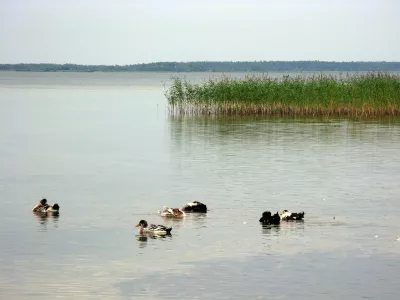
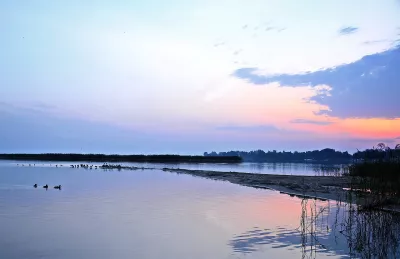
The Turiia River flows here calmly among meadows and forests. In summer, people swim and fish in it, and in autumn mushrooms are gathered around. Turiisk region is a land of quiet rest without crowds of tourists.
Turiisk on Video
Princes Sangushko
The 1515 gift made Turiisk one of the Volyn nests of the Sangushko princes — a family descended from the Lithuanian Gediminid dynasty, owning lands from Kovel to Kamin-Kashyrskyi. From them, Turiisk passed to other noble families, and in 1795, along with all of Volyn, it became part of the Russian Empire.
Gordon and Durova
In August 1659, a detachment of the Scotsman Patrick Gordon, later a famous military commander, passed through Turiisk. He described Turiisk as a small town with an estate and a fort amid swamps. In 1808, a squadron of the Mariupol Hussar Regiment was stationed here, in which Nadiia Durova served — one of the first female officers in military history. It was she who recorded the legend of the Turiisk icon in her "Memoirs of a Cavalry Maiden".
World War II
The occupation of Turiisk lasted from June 30, 1941, to July 20, 1944. The Nazis destroyed over 9,000 Jews here, and thousands of locals were taken for forced labor to Germany. Memorials in the center of the settlement remind of those years.
When to Visit
The best time is late spring and summer when the Turia River is full and the meadows are green. It is worth combining a visit to Turiisk with Kovel and Lukiv, where the Myonchynskyi Palace stands.
Nearby
Kovel — about 30 minutes away, Myonchynskyi Palace in Lukiv — nearby. More in the article Kovel District.
How to Get There
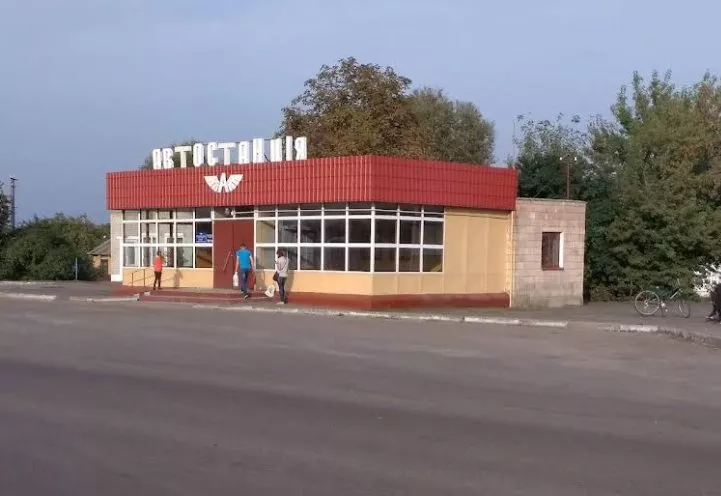
Buses run from Kovel and Lutsk. They arrive at the Turiisk bus station.