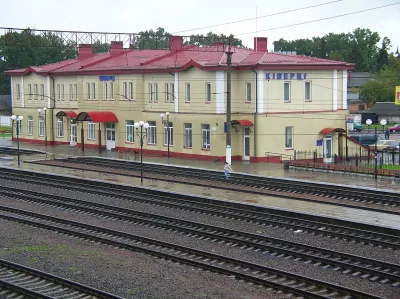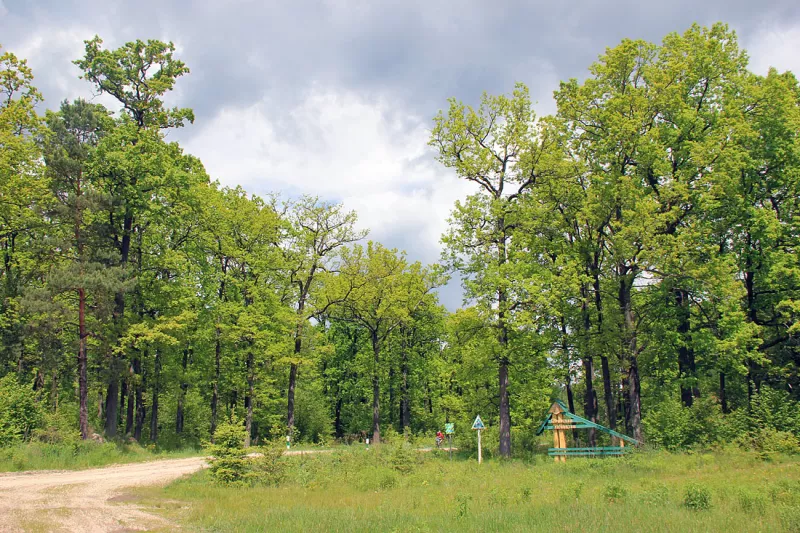

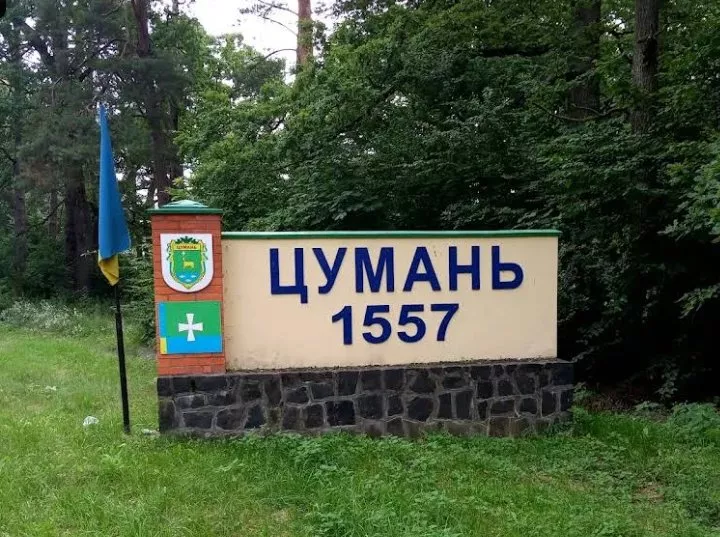
Tsuman is a settlement by the Putilivka River in Lutsk Raion, the center of the Tsuman hromada, home to over 6.5 thousand people. For tourists, Tsuman is primarily the gateway to the Tsumanska Pushcha National Nature Park, a large forest area where European bisons live.
Ironworks and Radziwiłłs
Tsuman was first mentioned in 1557: at that time, there were 14 homesteads here, some belonging to peasants who were not yet enserfed, and some to poor townspeople who paid 4 groats per year for their plots. In 1583, the village was owned by Prince Radziwiłł. Two mills and five ironworks, where bog iron ore was extracted, operated in Tsuman. The people engaged in agriculture, cattle breeding, tar distilling, carpentry, and cooperage. In the first half of the 17th century, there were already 90 homesteads here, and Tsuman itself was part of the Olyka volost. Large forest areas and impenetrable thickets stood all around.
The forests around Tsuman long served as a refuge for fugitives. During the uprising of 1594–1596, the detachments of Severyn Nalyvaiko stood here, and there were quite a few people from Tsuman among the insurgents. After 1795, Tsuman passed to the Russian Empire, but corvée remained, and peasants continued to flee—on the eve of the 1861 reform, only 393 people lived here. The best lands remained with the Radziwiłłs even after the abolition of serfdom.
Wars of the 20th Century
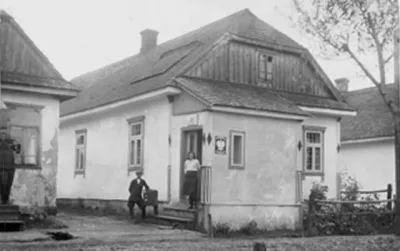
During the First World War, the front line ran through Tsuman and the neighboring Bashlyky and Karpylivka. In 1920–1939, the settlement belonged to Poland and was part of the Sylne gmina of Lutsk county; in 1921, there were 204 houses and 1,141 residents here. In 1936, Prince Janusz Radziwiłł built the All Saints Church in Tsuman. From 1943, the UPA operated in the surrounding forests. In November 1943, the Germans shot about three hundred people in Tsuman and burned the settlement down.
What to See
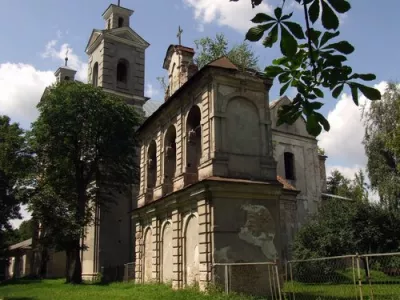
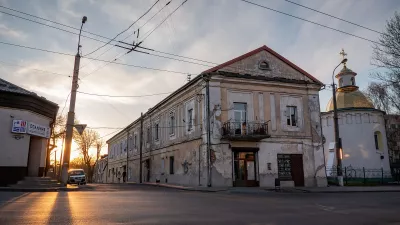
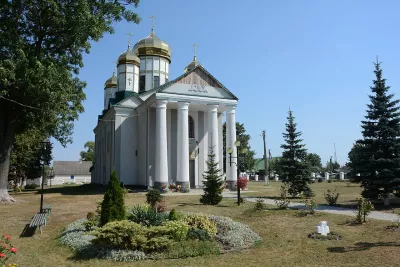
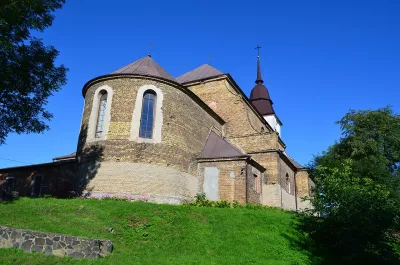
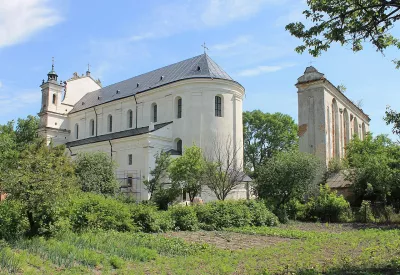
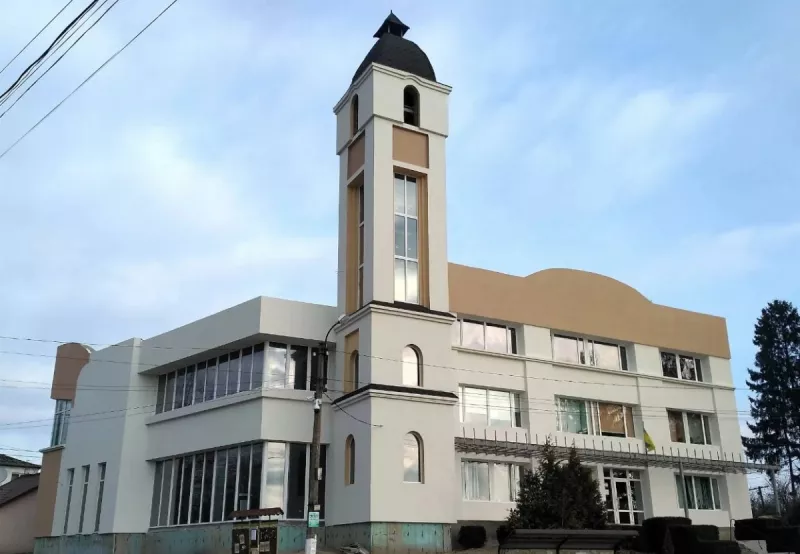
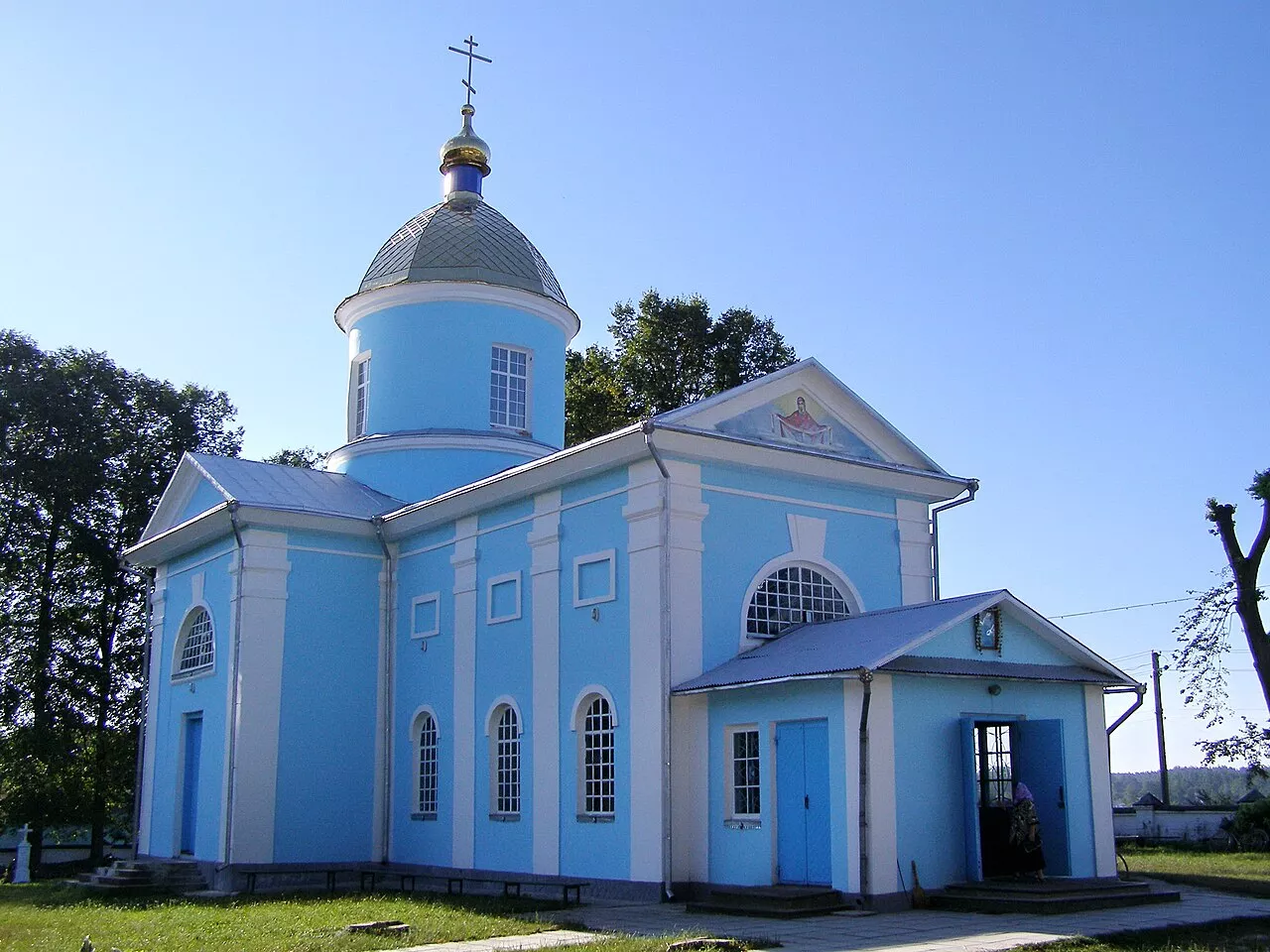
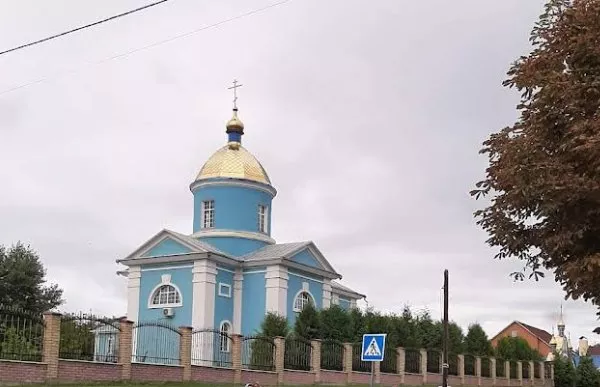
The Holy Intercession Church of 1843 is a brick church in the center of the settlement with a golden dome over a blue drum. Nearby stand the Church of John the Baptist of 2002 and the All Saints Church of 1936. Monument to UPR Army soldier Danylo Luchko. On the Putilivka River lies the «Putilivka» hydrological natural landmark.
Tsumanska Pushcha
In the interfluve of the Styr and Horyn rivers, near the settlement, lies the Tsumanska Pushcha National Nature Park with an area of over 33 thousand hectares. Rare plants grow here and animals live, many of which are listed in the Red Data Book of Ukraine and international red lists. The greatest pride of the pushcha is the European bisons: seeing them in the wild in Ukraine is only possible in a few places. Hiking and cycling trails have been laid out in the park, and there are picnic spots.
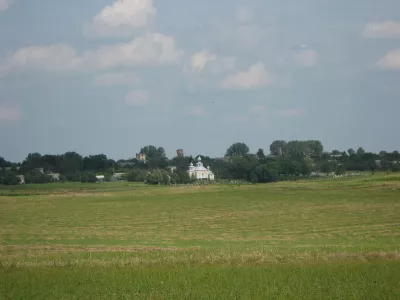
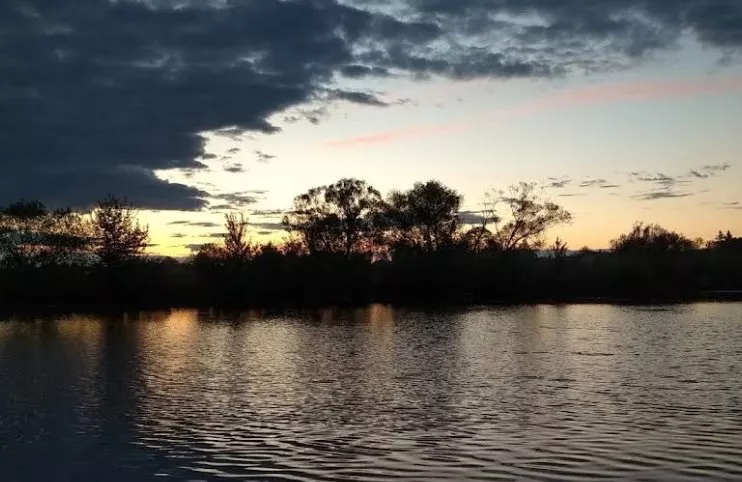
Quiet water, forest, and unplowed meadows — Tsuman is beautiful even without European bisons, especially in the evening when the sun sets behind the trees over the water.
Tsumanska Pushcha on Video
When to visit
The pushcha is beautiful all year round: fresh greenery and birdsong in spring, forest shade in summer, golden oaks and mushrooms in autumn, and tracks of animals on the snow in winter.
Practical tips
For walks in the pushcha, bring water, comfortable shoes, and tick repellent. Build campfires only in designated areas. It is better to visit the places where the European bison live accompanied by national park staff — this is safer for both you and the animals.
Nearby
Kivertsi is half an hour to the south, and Olyka with the Radziwiłł castle is nearby. Read more in the article Lutsk Raion.
How to get there
Buses run from Lutsk and Kivertsi; by car from Lutsk, it is about 40 minutes.