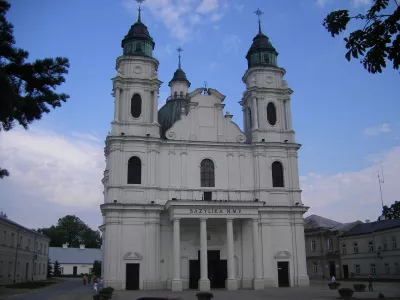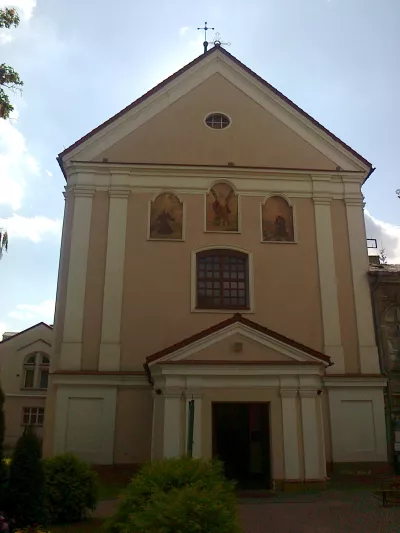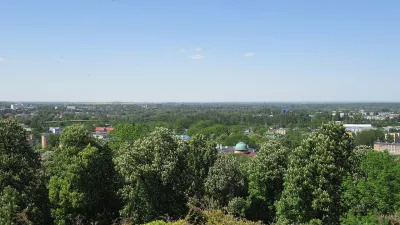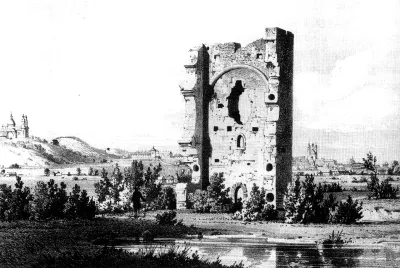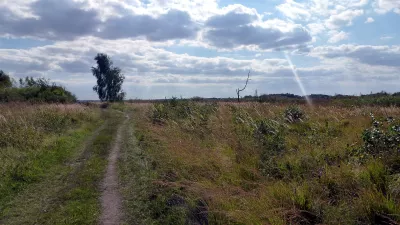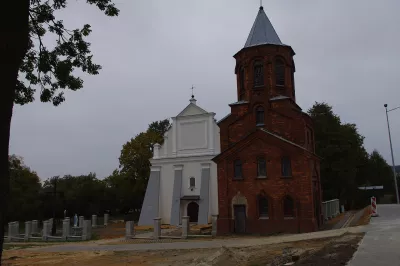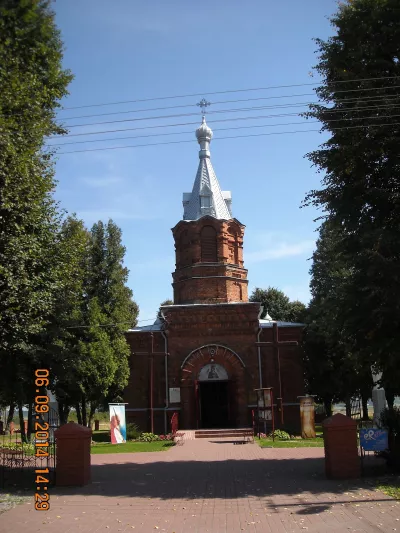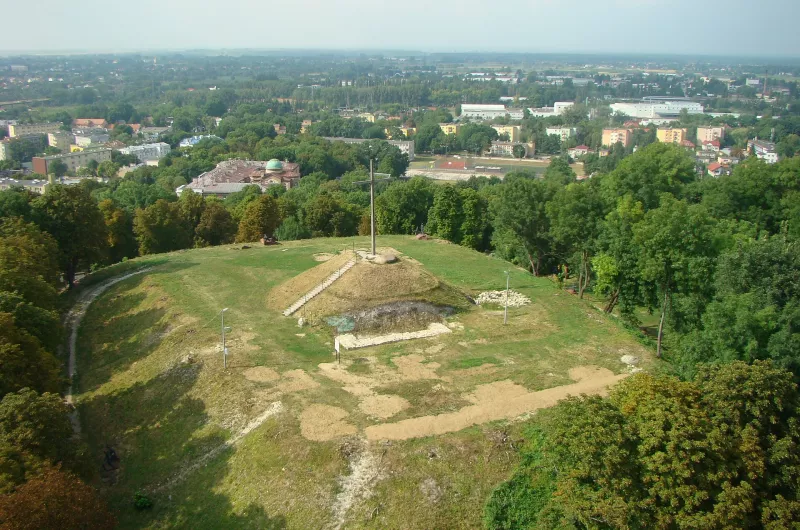
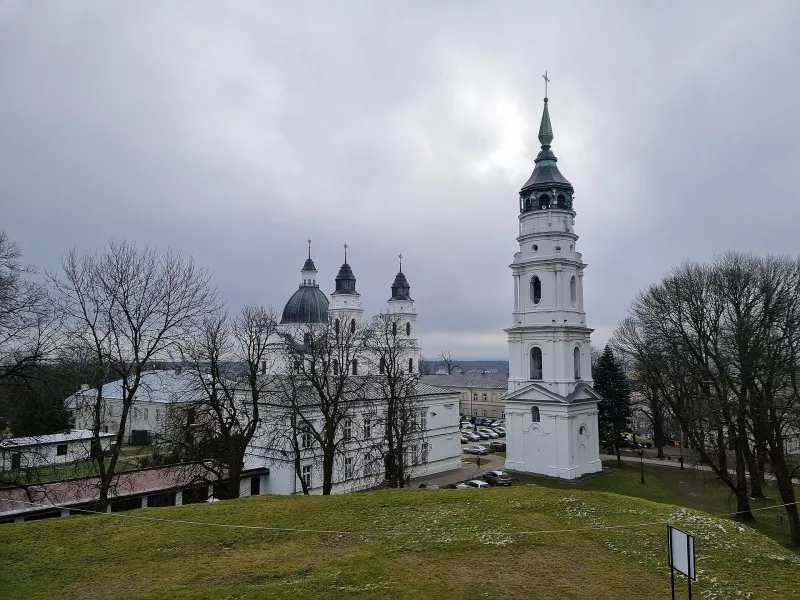
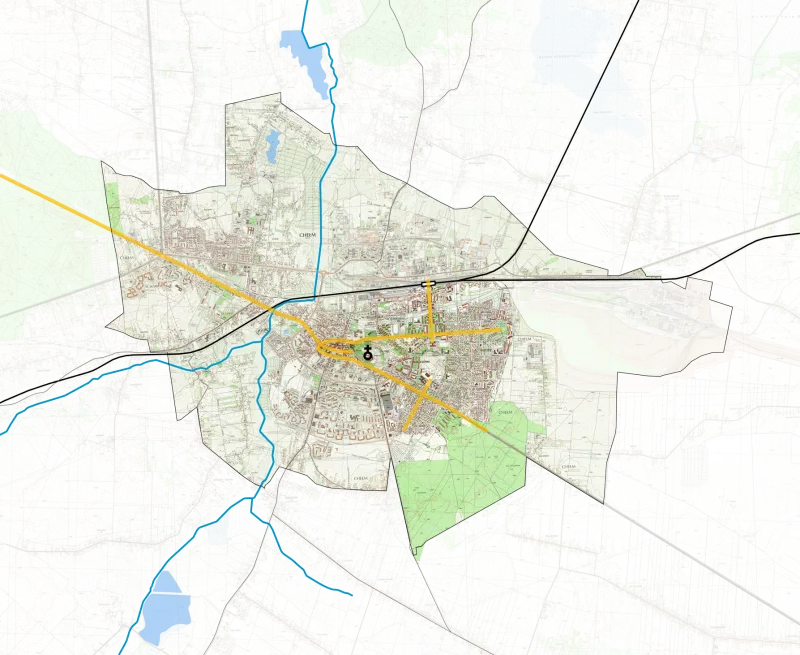
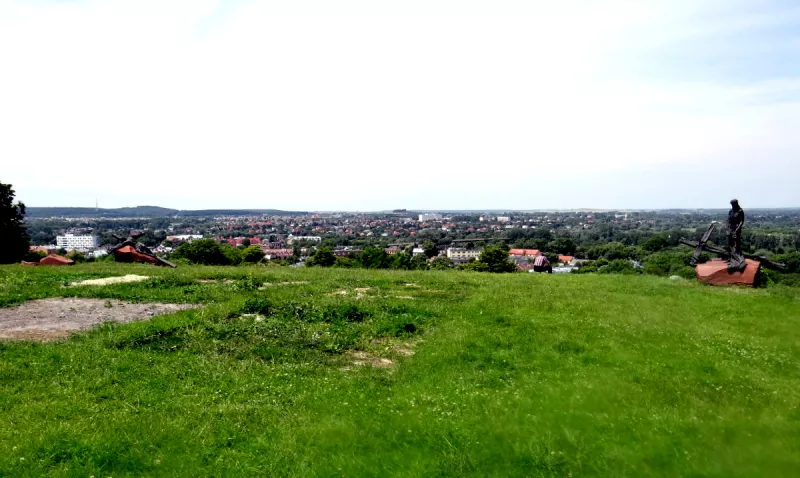
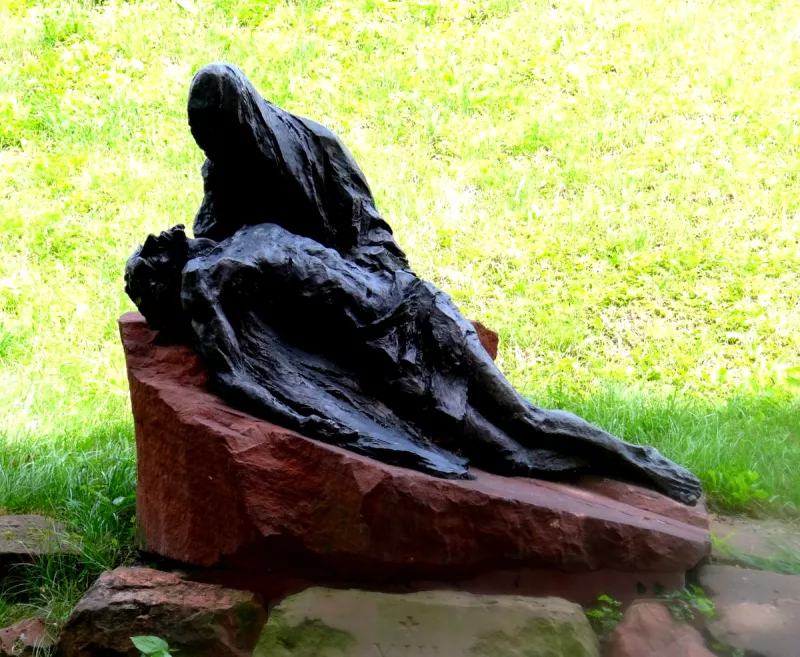

Wysoka Górka — an artificial hill on the summit of Zamkova Hora in the center of Chełm, the ancient Ruthenian Holm. In the 13th century, the residence of the prince, and later King Danylo Romanovych (Halytskyi), stood here when Holm was the capital of the Halych-Volyn Principality. From the castle, only the mound, moat, and conserved foundations remain on the surface, but the entire city can be seen from the top. On the neighboring elevation, Katedralna Hirka, stands the Cathedral of the Nativity of the Blessed Virgin Mary. Chełm lies in the western part of Volyn Polissia, just over 20 km from the Ukrainian border.
Capital of Danylo
The settlement on the hill existed as early as the 10th century: archaeologists found remains of a wooden-stone rampart and five rows of palisades made of oak logs. At the end of the 1230s – beginning of the 1240s, Danylo Romanovych moved his seat here, and Holm became the main city of the state. According to the Halych-Volyn Chronicle, the prince invited craftsmen and settlers to the new city, built churches and fortifications. On Wysoka Górka, a stone palace was erected from local green limestone, measuring 57 meters long and 22.5 meters wide with walls about two meters thick, and nearby stood the Church of St. John Chrysostom. The chronicler enthusiastically describes its carved portals made of white Halych and green Chełm stone, the work of master Avdiy — one of the first known names of carvers in Ukrainian lands.
In the middle of the settlement stood a tower: the lower part made of stone, the upper part of hewn wood, whitewashed so that, according to the chronicle, it shone in all directions. Around 1256, the city was destroyed by fire; its glow, the chronicler writes, was even seen from Lviv, and this record is considered the first mention of Lviv. Danylo rebuilt Holm, and in 1264 he was buried here, in the Church of the Virgin Mary. In the 14th century, the tower on the hill was rebuilt; it is traditionally called the tower of Casimir the Great.
What remains on the hill
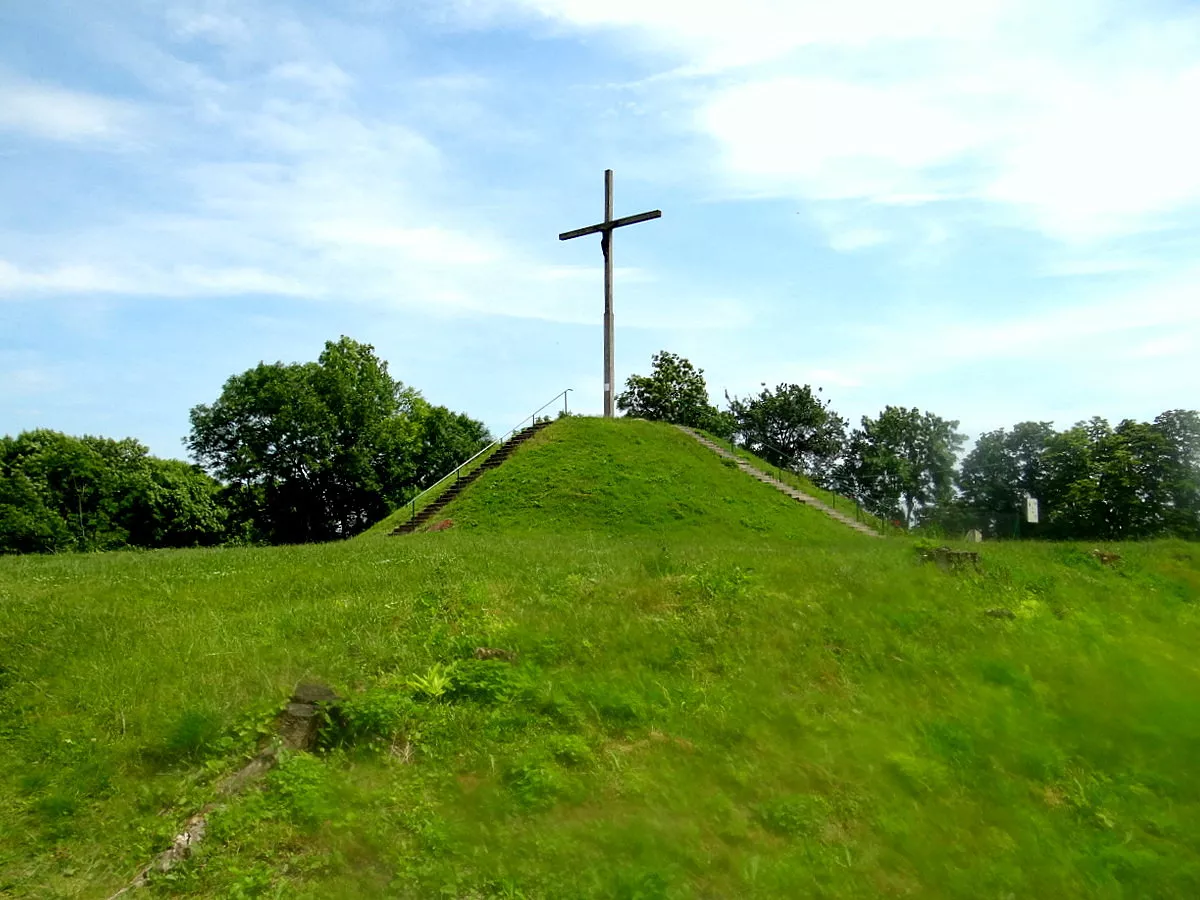
According to descriptions, by the late 18th century there was mostly a wooden castle here, but by the 19th century only the foundations remained. In 1876, the Russian authorities partially leveled the mound and arranged a gentle southern entrance, and later a chapel of Saints Cyril and Methodius was built on the summit, dismantled in 1921. On its plinth in 1928, school youth built a small Independence Mound, where in 1998 a Jubilee Cross was installed.
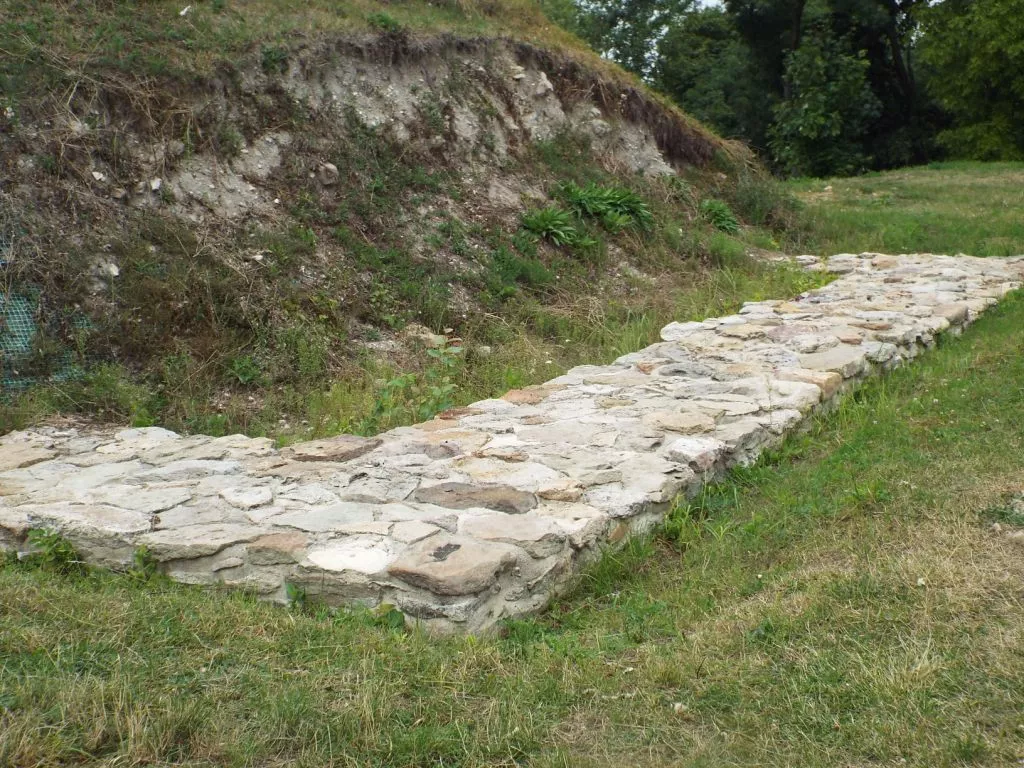
The first excavations were carried out by Russian researchers in 1910–1912, continued by Polish archaeologists in the 1960s, and since 2010 expeditions led by Professor Andrzej Buko have been working on the hill. The foundations of palace buildings, the church, and the tower have been uncovered; the upper part of the tower’s foundation has been conserved and shown to visitors. The hill itself has been a nature monument since 1983, and at its foot grows an old ash tree, also protected.
How to get there
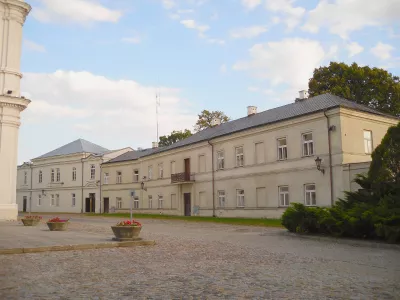
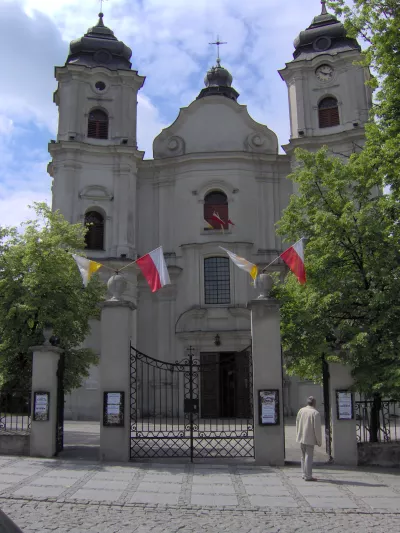
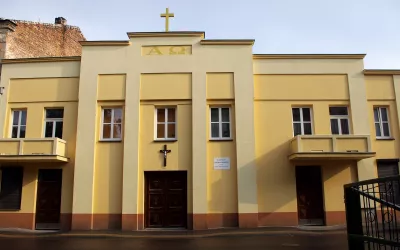
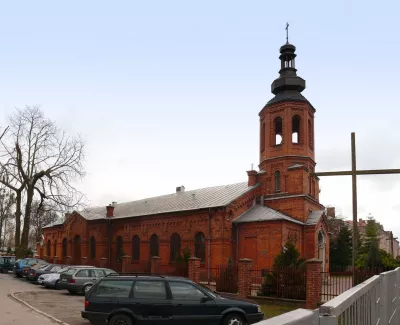
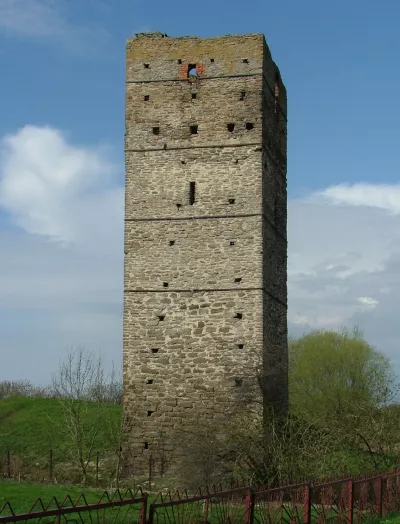
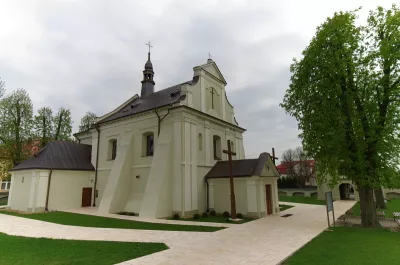
Chełm lies on route No. 12 Lublin — Dorohusk: about 70 km from Lublin, about 25 km from the Dorohusk — Yahodyn border crossing point on the border with Volyn. Trains also run from Ukraine to Chełm. Vysoka Hirka is right in the city centre, above Liubelska Street; paths lead up from the cathedral on Kafedralna Hirka. Entry is free. Nearby are the Cathedral of the Nativity of the Blessed Virgin Mary with its bell tower, the palace of the Uniate bishops, and lower down on Liubelska Street, the Church of the Apostles’ Mission and the entrance to the Chełm chalk underground. About 3 km to the north are the ruins of the tower in Belavino, and a few kilometres southwest of the city is the tower in Stolpya. An overview of the region is in the article “Polish Polissia”. A foreign passport is required for Ukrainian citizens.