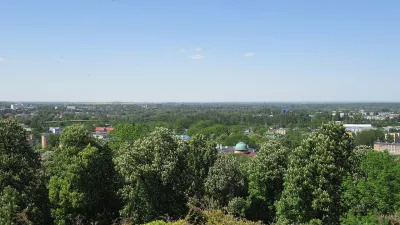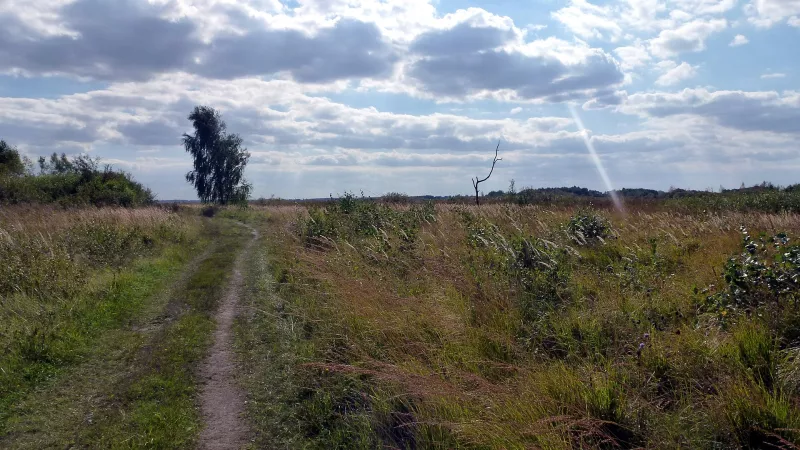

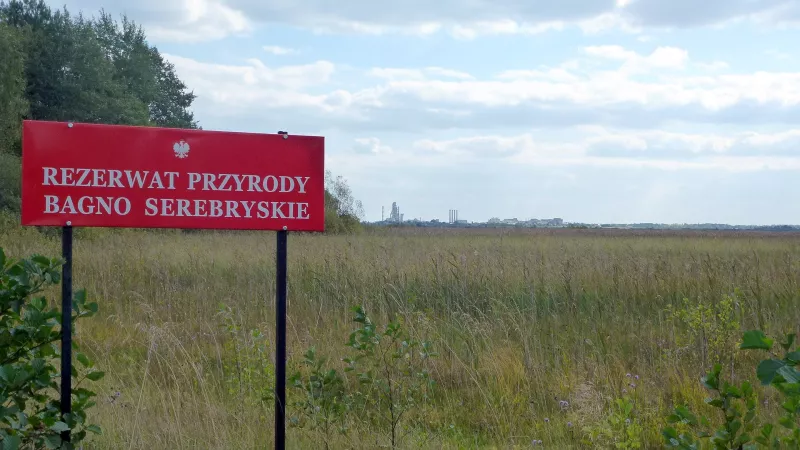

Bagno Serebryskie — a peat bog reserve on the northeastern outskirts of Chełm, within the Chełm Landscape Park. It protects 376 hectares of calcareous peatlands — swamps on limestone soil, which are very rare in Poland. Here grow lime-loving plants, and among the birds are species threatened with extinction across Europe. The reserve lies in the gminas of Chełm and Ruda-Huta, near the village of Srebrzyszcze.
Swamp on Limestone
The outskirts of Chełm lie on the border between the humid Lublin Polissia and the chalky Lublin Upland. Therefore, the peat here is not acidic, as in most Polissia swamps, but alkaline. The reserve was established in 1991 to preserve the calcareous peatland as a habitat for very rare birds and plants. It is part of the Natura 2000 network along with other peatlands around Chełm — the Brzeźno and Roskosz reserves.
The Chełm Landscape Park was created in 1983 and now covers over 16,000 hectares. Besides swamps, there are old forests here, and a great abundance of insects: over 800 species of butterflies have been recorded within the park.
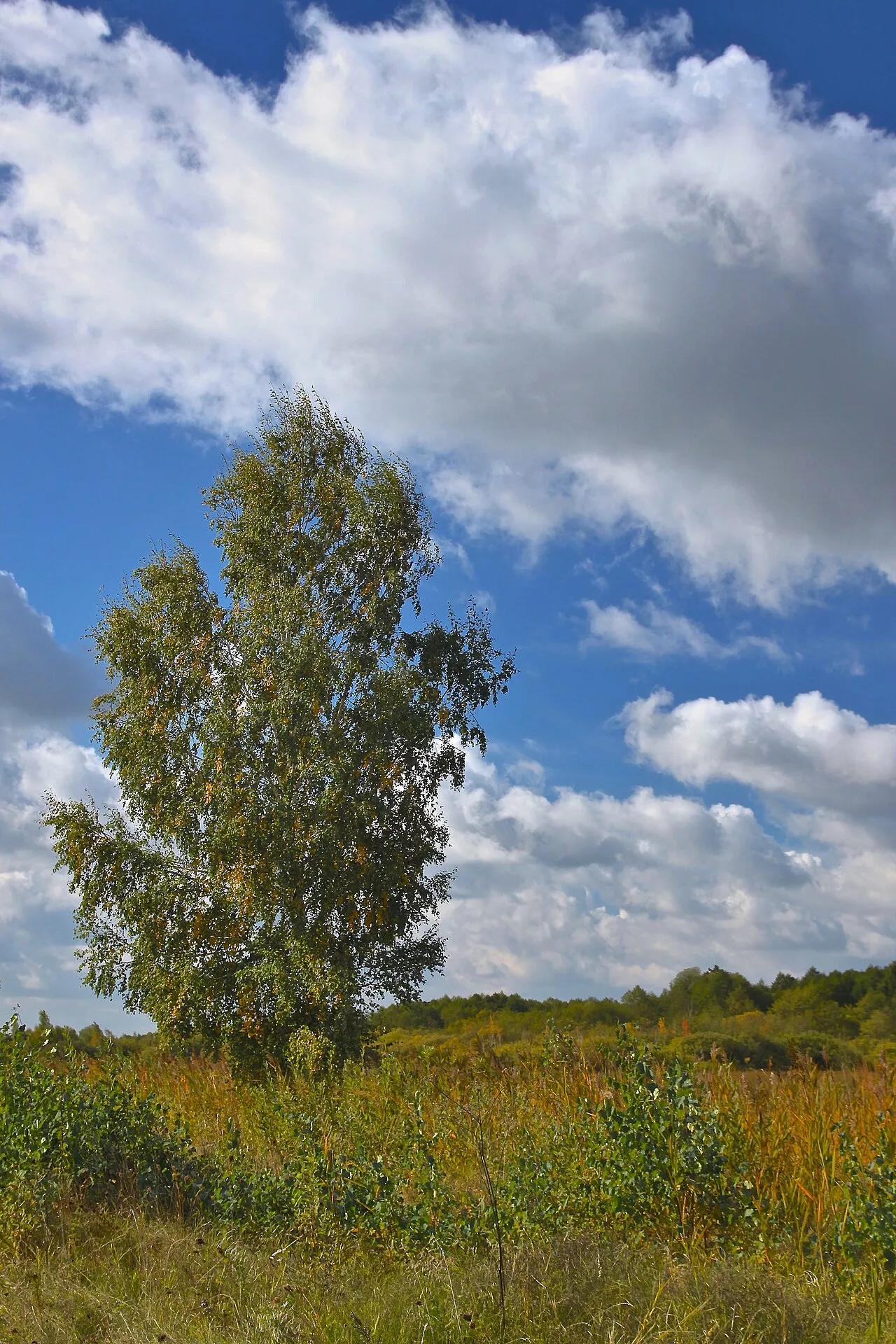
Sword-grass and Reed Warbler
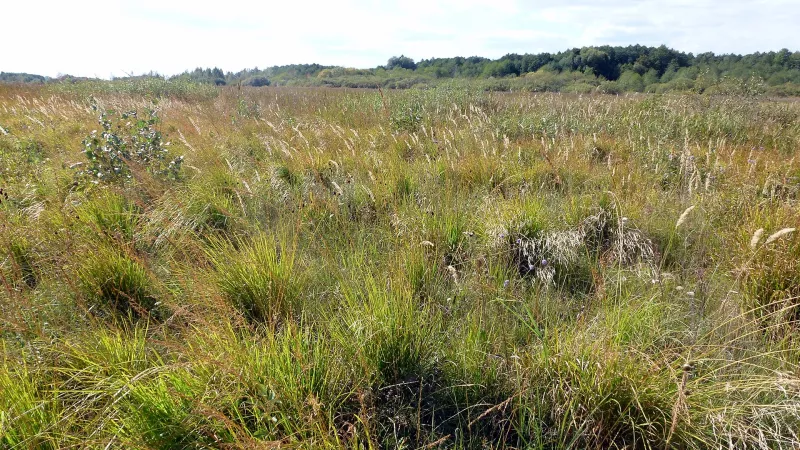
On the limestone soil grow European globeflower, large-flowered dryad, helmet orchid, wood anemone, cross gentian, and common gentian. In waterlogged places, continuous thickets of marsh sword-grass and rusty sedge stretch out — rare plants of Atlantic origin.
The main treasure of the reserve is its birds: more than 60 protected species, of which over 30 breed here. Among the rarest are the reed warbler, great bittern, great snipe, hen harrier, common redshank, hobby, bluethroat, and corncrake. For the reed warbler, one of the most endangered songbirds in Europe, the peatlands around Chełm are one of the most important breeding sites.
Trail and Observation Tower
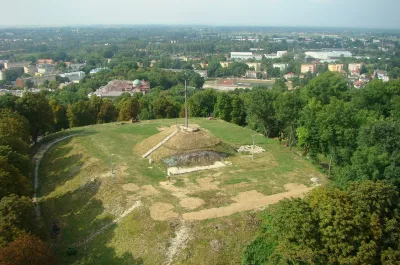
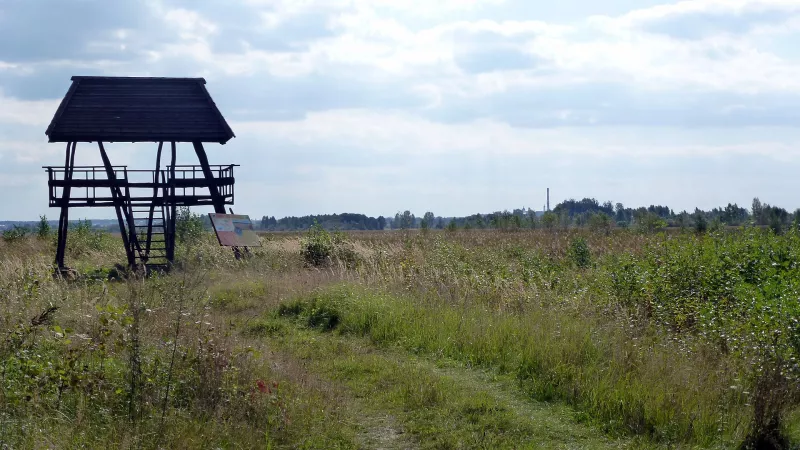
An educational trail “Bagno Serebryskie” about 3 km long runs through the reserve; it takes approximately one and a half hours to walk. It starts in the village of Nowiny, behind the social welfare house, leads to the observation tower, and then through meadows and a railway embankment to the southern boundary of the reserve. Observation points are marked with limestone boulders; information boards stand at the beginning and end. In spring 2024, due to high water overflowing the trail, the Regional Directorate for Environmental Protection restricted access, so it is advisable to check whether the trail is open before visiting.
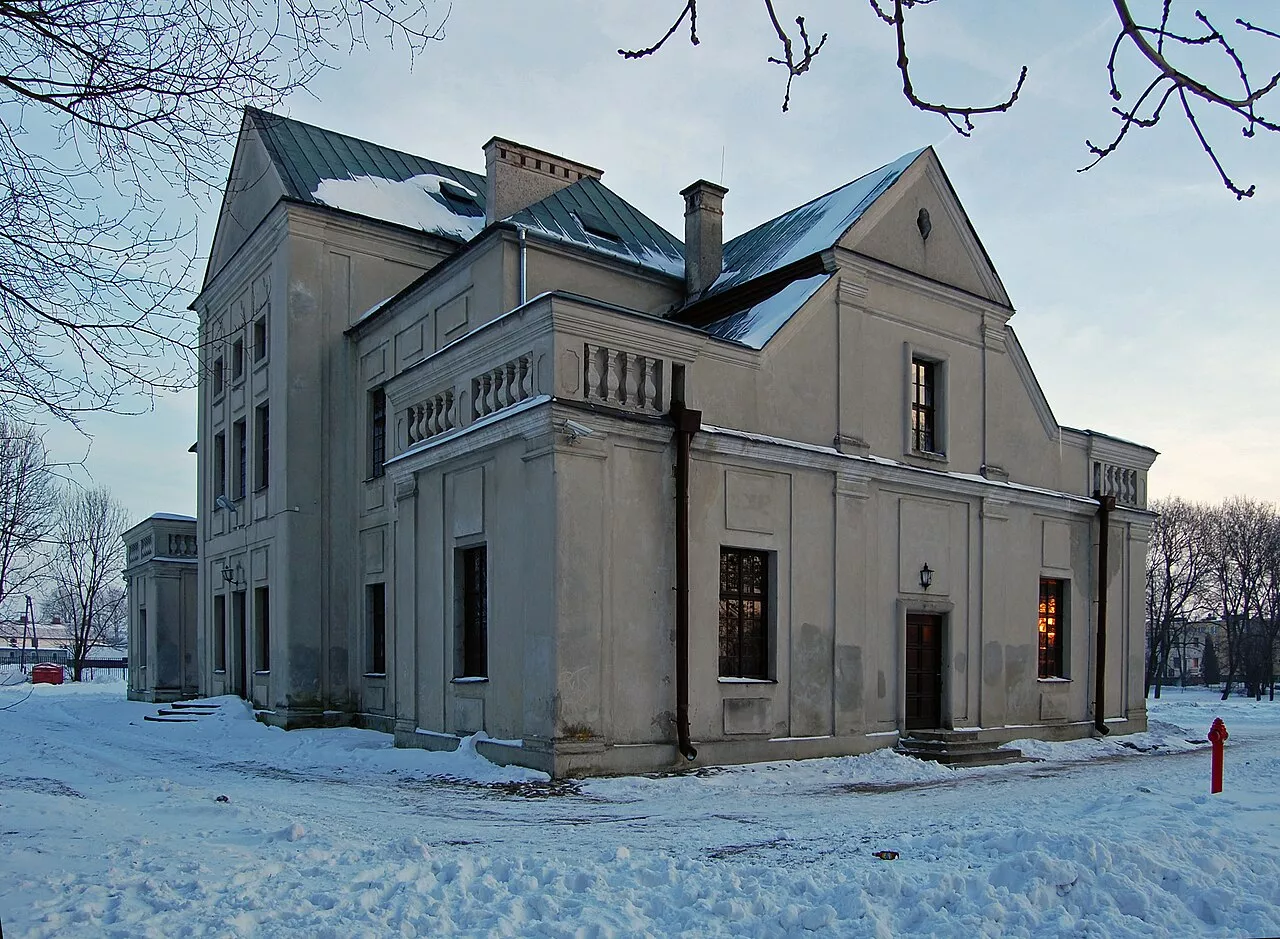
Next to the reserve, in Srebrzyszcze, stands a palace: the estate was expanded here in the 18th century by architect Paweł Fontana for Józef Łopuski, the sword-bearer of Chełm.
How to Get There
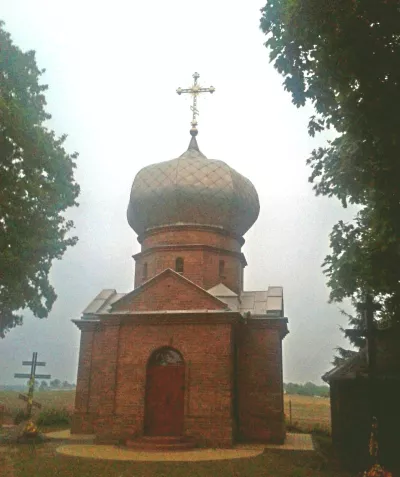
The reserve begins a few kilometers northeast of the center of Chełm; you can reach Nowiny by car or bike — the Green Velo cycling route passes nearby. There is also a blue hiking trail PTTK “Swamps and Marshes” Dorohusk — Chełm, 52 km long, that goes through the peat bogs. The best time to visit is May and June, when orchids bloom and birds sing. Nearby are the Church of Saint Volodymyr in Brzeźno near the Brzeźno reserve and the church in Chulchytsi. For Chełm itself, see the article about Chełm. More about the region is in the article “Polish Polissia: what to see beyond the Bug”. This is Poland: Ukrainian citizens need a foreign passport.