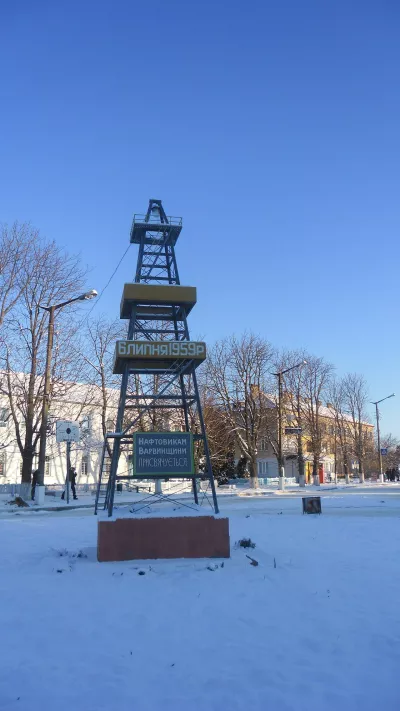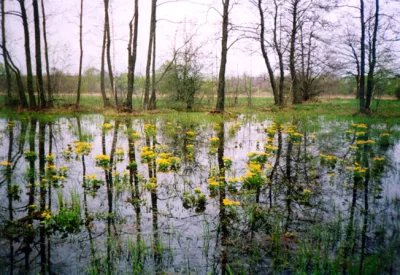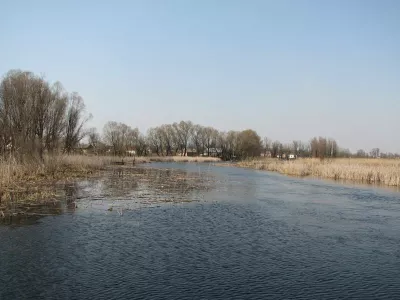

Sribne is an urban-type settlement on the Lysogir and Sriblyanka rivers in Pryluky Raion, the center of Sribnianska community, with a population of about 3,000 people. It stands on hills cut by ravines and gullies, 45 km from Pryluky railway station. It was once a town mentioned in chronicles, later a sotnia town, and today it preserves weaving traditions.
Horodok Serebrianyi
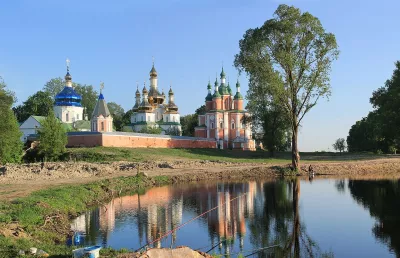
The first chronicle mention of Sribne dates back to 1174: near the "Horodok Serebrianyi" Prince Ihor Sviatoslavych — the hero of "The Tale of Ihor's Campaign" — caught up with and defeated the Polovtsi, taking back what they had plundered. At that time the town belonged to the Pereiaslav principality. Even earlier, there was a Scythian hillfort here: finds of imported pottery indicate it was a trading transshipment point between the Black Sea region and forest tribes. The name is explained either by the silver shine of the church or manor roof, or by the Sriblyanka river.
After the Mongol invasion, the town disappeared from sources for a long time. In 1592 the "Serebriane hillfort" is mentioned, near which a fortress was built at the beginning of the 17th century. Sribne belonged to the "Vyshnevetsky lands," and Yarema Vyshnevetsky founded a church brotherhood here with a school and a hospital.
Sotnia and Swedish Quarters
With the Khmelnytsky Uprising, the Sribnianska sotnia was formed under Pavlo Fedorenko, which took part in all his campaigns for six years. During the war of 1658–1659, Sribne was devastated by the tsarist troops of Prince Pozharsky, and the Pryluky colonel Doroshenko barely escaped by fleeing through the swamps. In the winter of 1708–1709, before the Battle of Poltava, the troops of Charles XII were quartered for winter in Sribne and its surroundings.
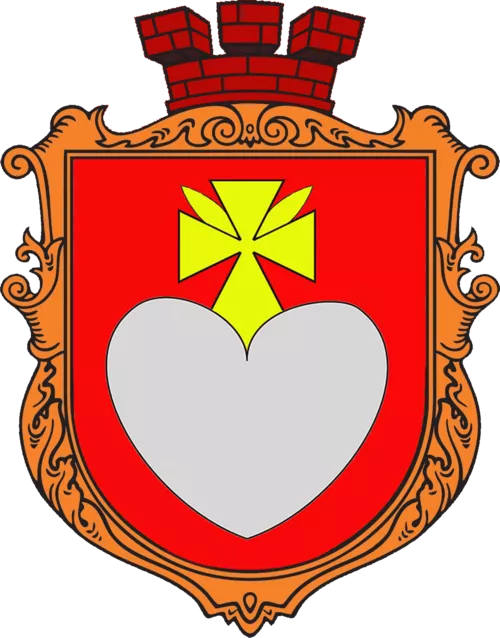
From the 1720s, seals with the town’s coat of arms are known — a heart crowned with a cross with rays. In 1731 five guilds operated here: weaving, tailoring, blacksmithing, hat-making, and butchery. The main goods were hats and tobacco — especially the "sribnianka" variety was famous. In 1752 Sribne was given to Agafia, sister of Hetman Kyrylo Rozumovsky.
What to See
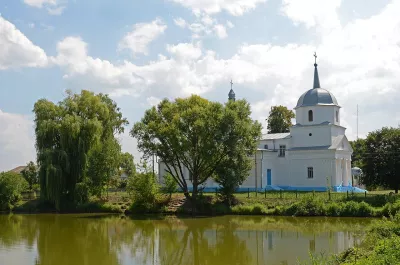
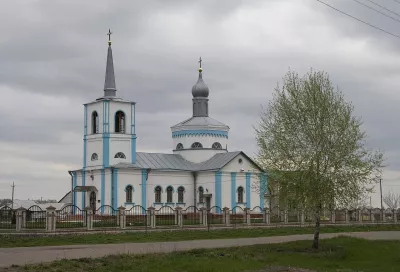
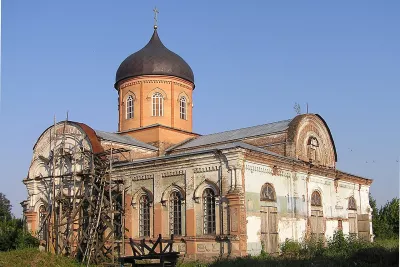
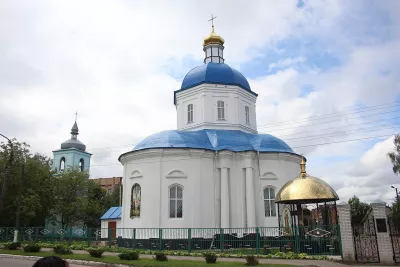
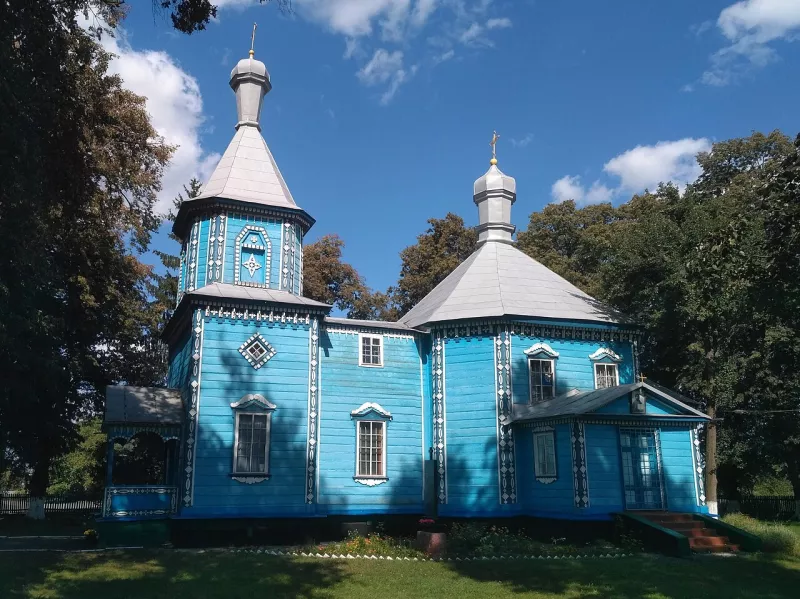
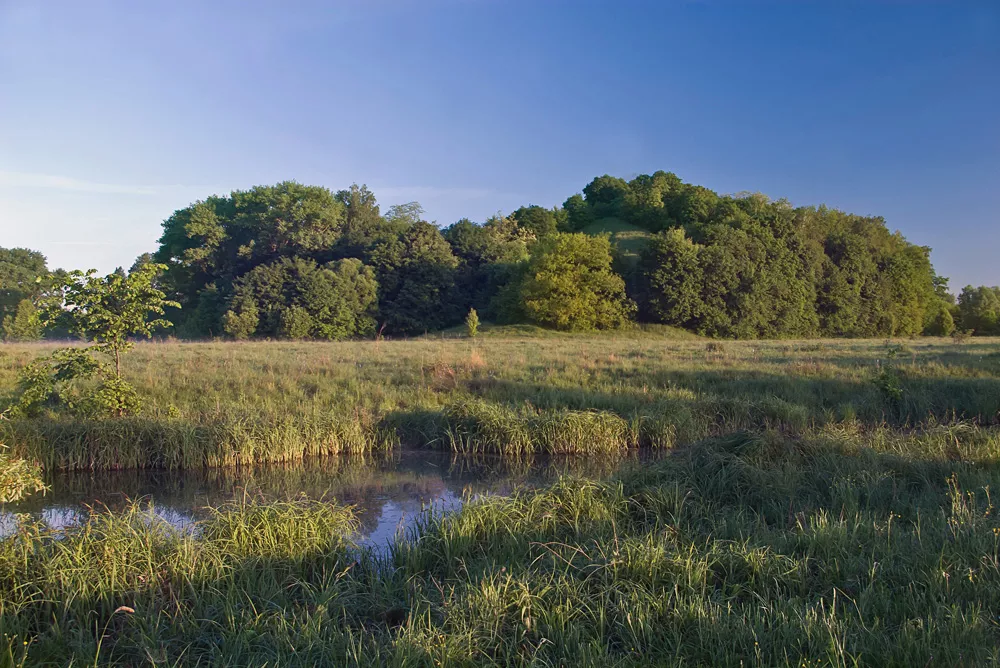
On the outskirts rises Danchycheva Hora — a botanical nature monument covering 3 hectares with valuable plants, named after the senior noble family Danchychi. According to legend, Swedes who wintered in the town are buried there. In the center is the Mykhailivka Church, and at the site of the ancient Horodyshche, remnants of ramparts are still visible.
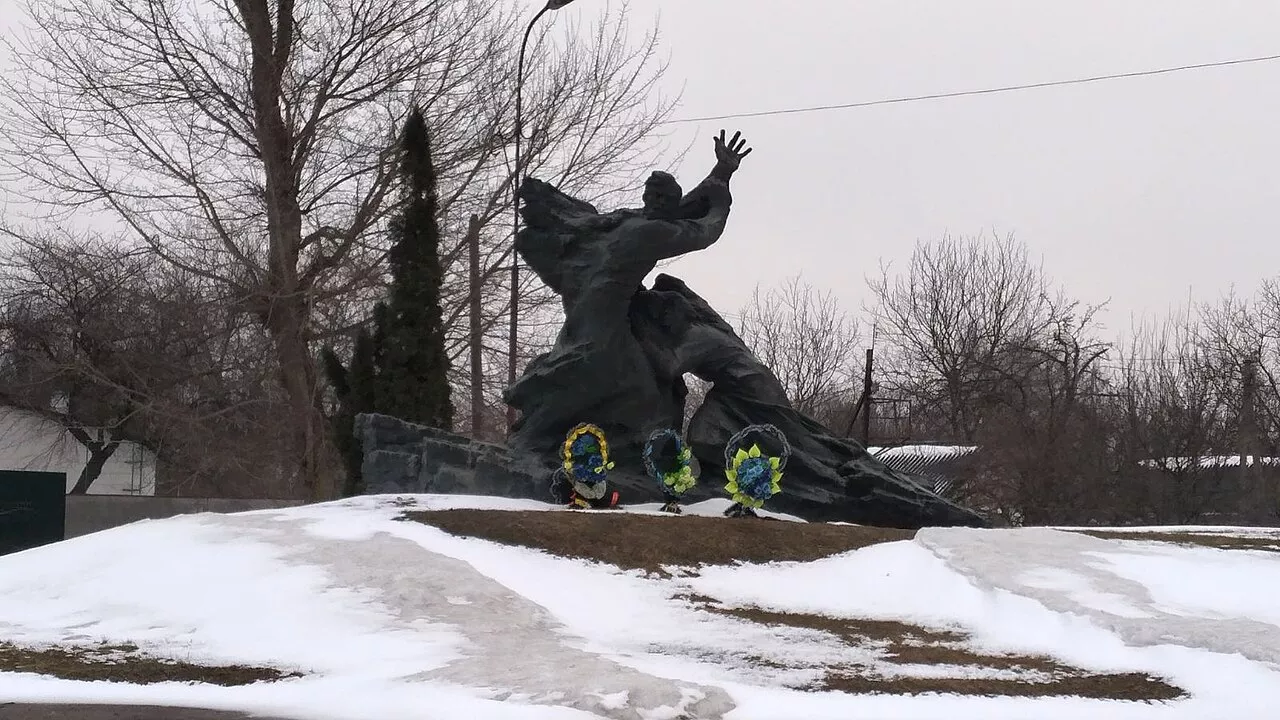
A tragic page is the memorial at the site of a school where Nazis burned 682 peaceful residents of the district. Near the settlement there are other memorial sites of World War II.
In Sribne, weaving on looms and preserving local patterns continues to this day. The streets are named after actress Hanna Zatyrkevych-Karpynska and kobzar Ostap Veresai, both connected with the Sribnianshchyna region.
Coat of Arms and Flag
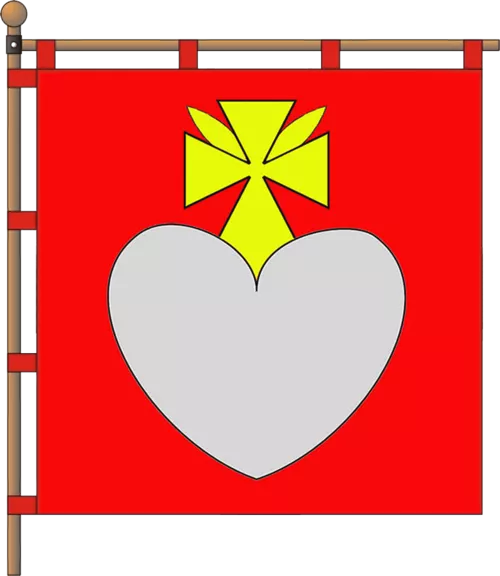
As a town with a town hall in the 17th–18th centuries, Sribne had its own coat of arms: on seals from the 1720s — a heart crowned with a cross with rays. At the end of the 18th century, the coat of arms was not confirmed, and today the settlement has no official coat of arms. The images below are reconstructions of the historical emblem and flag based on heraldic research.
How to get there
Sribne lies near the Kyiv — Sumy highway, 45 km from the Pryluky railway station. Buses run from Pryluky and Chernihiv. The trip can be conveniently combined with Pryluky and Varva.