
Popilnia is a settlement in the south-east of Zhytomyr Region, the center of the Popilnia hromada of Zhytomyr District. As of January 2022, 5,323 people lived here.
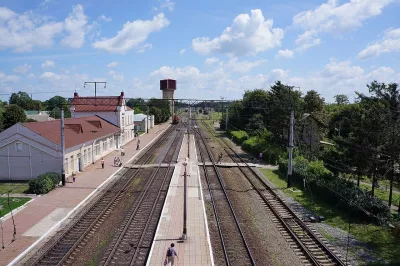
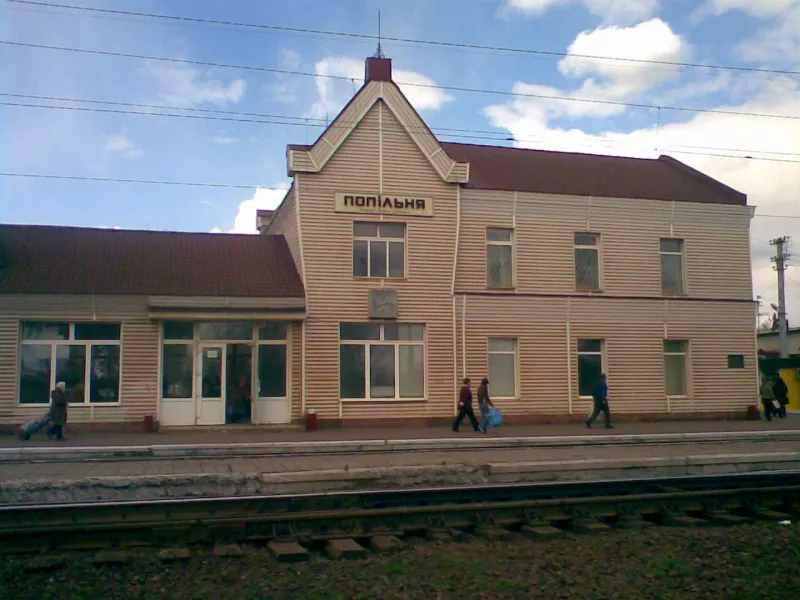
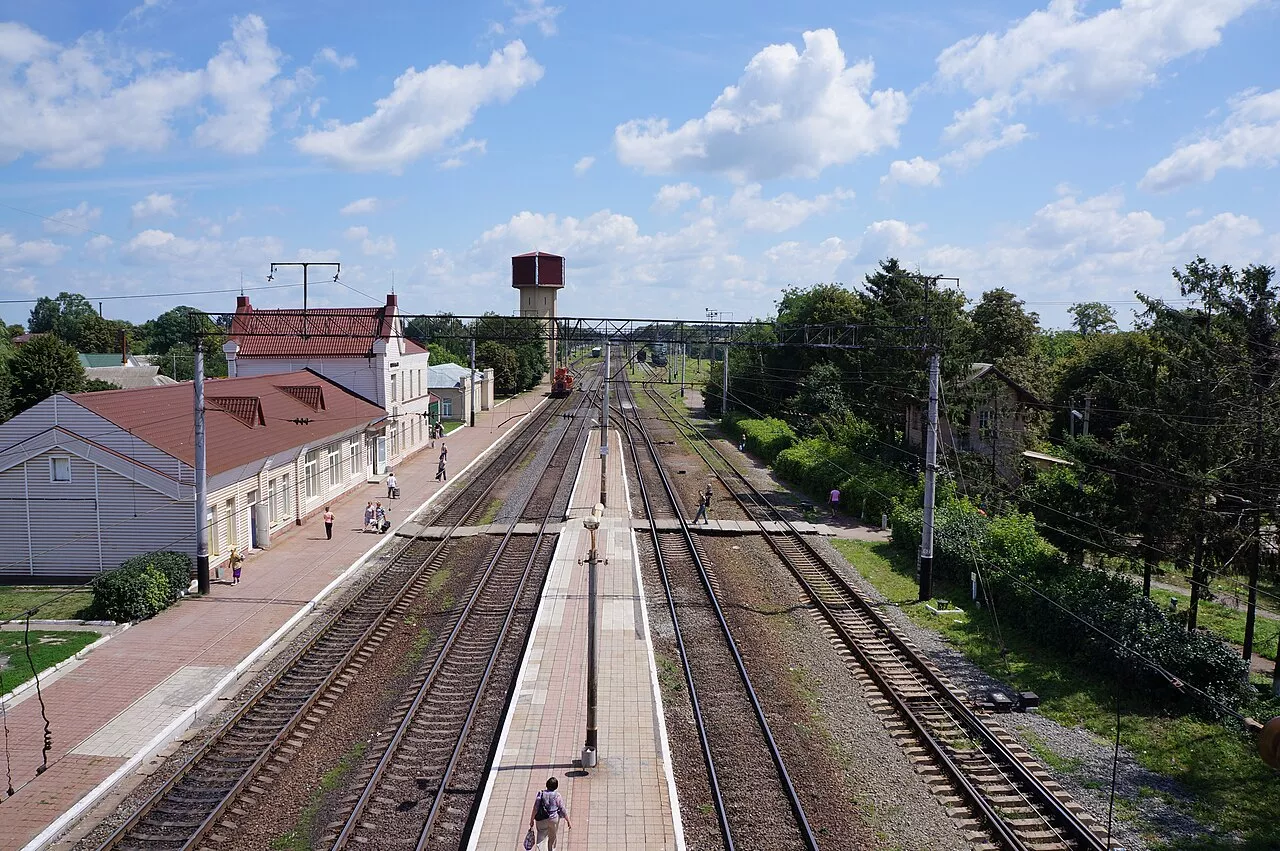
The Fastiv — Koziatyn railway passes through Popilnia and divides it almost in half. The station is located in the central part of the settlement. In the north, the main institutions are concentrated, Bohdana Khmelnytskoho central street passes, and the market and bus station are located. The southern part is mostly built up with private houses.
The station and potash
The history of modern Popilnia is connected with the railway. In 1870, about two kilometers from the old village of Popilnia, a railway station was opened on the Fastiv — Koziatyn section of the Kyiv — Odesa line. It took its name from the neighboring village, and a new settlement gradually formed around the station.
The name Popilnia itself is linked to the production of potash. It was made from the ash of burned trees. Special premises — popilni — were set up near such enterprises to store and process ash. Potash was used, in particular, in the production of glass and soap.
In 1910, a railway branch line was laid from Popilnia to Skvyra, and a starch factory was founded at the same time. In 1938, the settlement received the status of an urban-type settlement, which it held until 2024.
At the beginning of the 20th century, the old village and the railway station settlement were separate communities. In 1900, the village of Popilnia had 281 households and 1,616 residents, while near the station there were only 18 households and 106 residents.
Zmiievyi Val
On the north-western outskirts of Popilnia, the remains of the 10th–11th century Zmiievyi Val are preserved. This is an ancient earthen fortification that is a monument of archaeology of local importance.
Zmiievi Valy are the remains of wooden and earthen defensive structures built in the late 10th to the first half of the 11th century to protect the Middle Dnieper region and Kyiv from the Pechenegs and Cumans.
The name is associated with a folk legend about a serpent that a hero harnessed to a plow and forced to till the land. According to legend, this is how the long earthen ramparts were formed.
The museum and landmarks of the settlement
The history of the Popilnia Historical and Local History Museum began in 2011. At that time, on the initiative of the local association of veterans of the Afghan War, a museum of Afghan memory was created. In 2018, the Popilnia Historical and Local History Museum of the Settlement Council was established on its basis.
The museum collection includes pottery, embroidered rushnyks, antique abacuses, photographs, documents, and personal belongings of local residents. There are materials about fellow countrymen who died during the Russo-Ukrainian War. The museum conducts exhibitions and local history events, and researches the history of the Popilnia region.
In 2018, the Kryvenskyi and Sokilchanskyi People's Historical Museums were annexed to the museum. And since 2021, it has exercised methodical management of the Pavolotskyi People's Historical and Local History Museum.
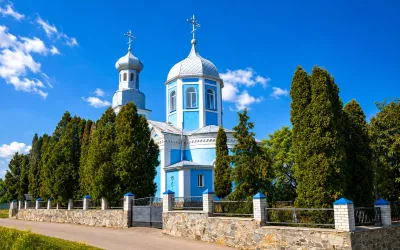
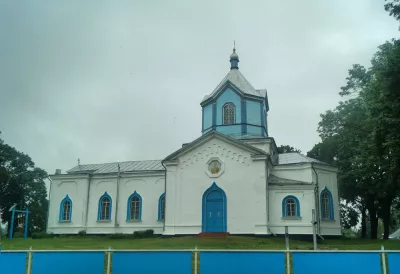
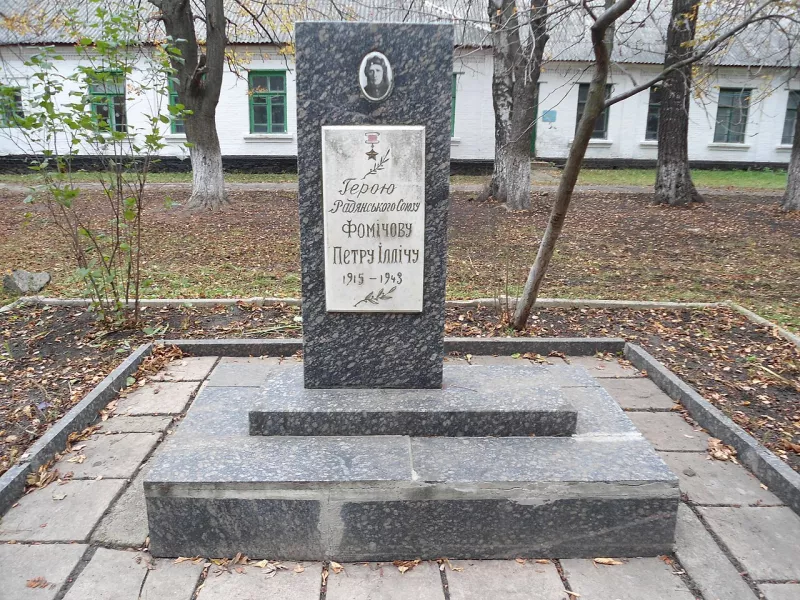
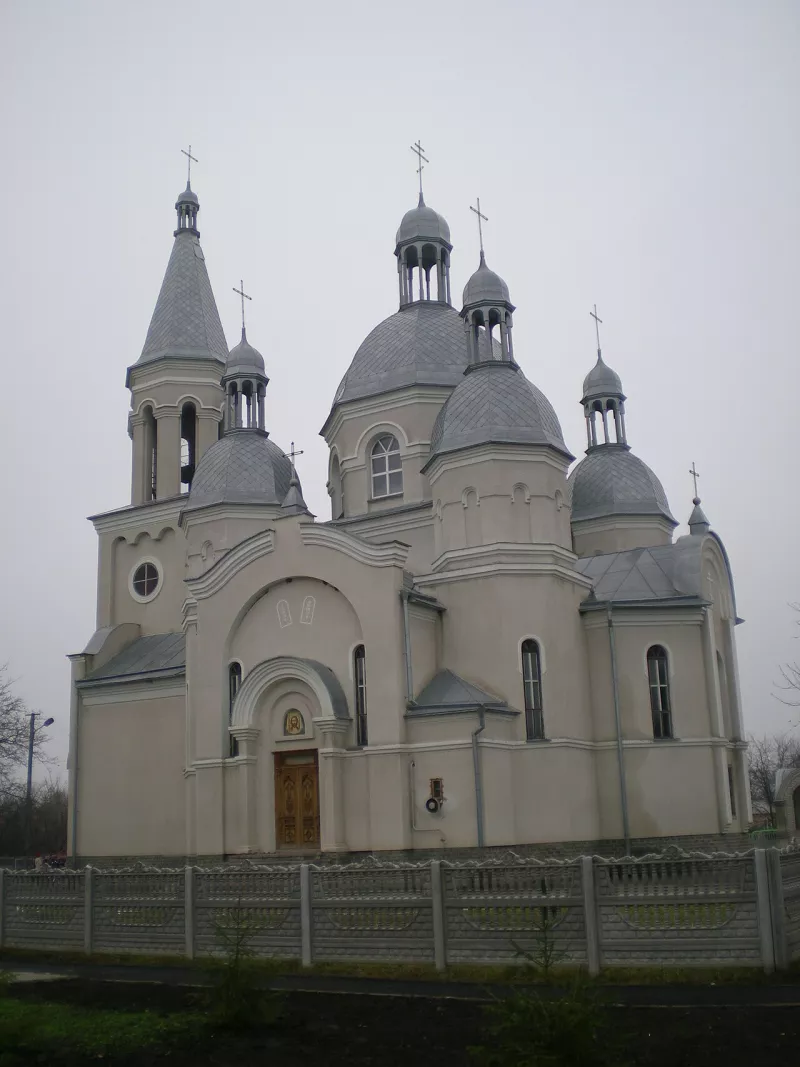
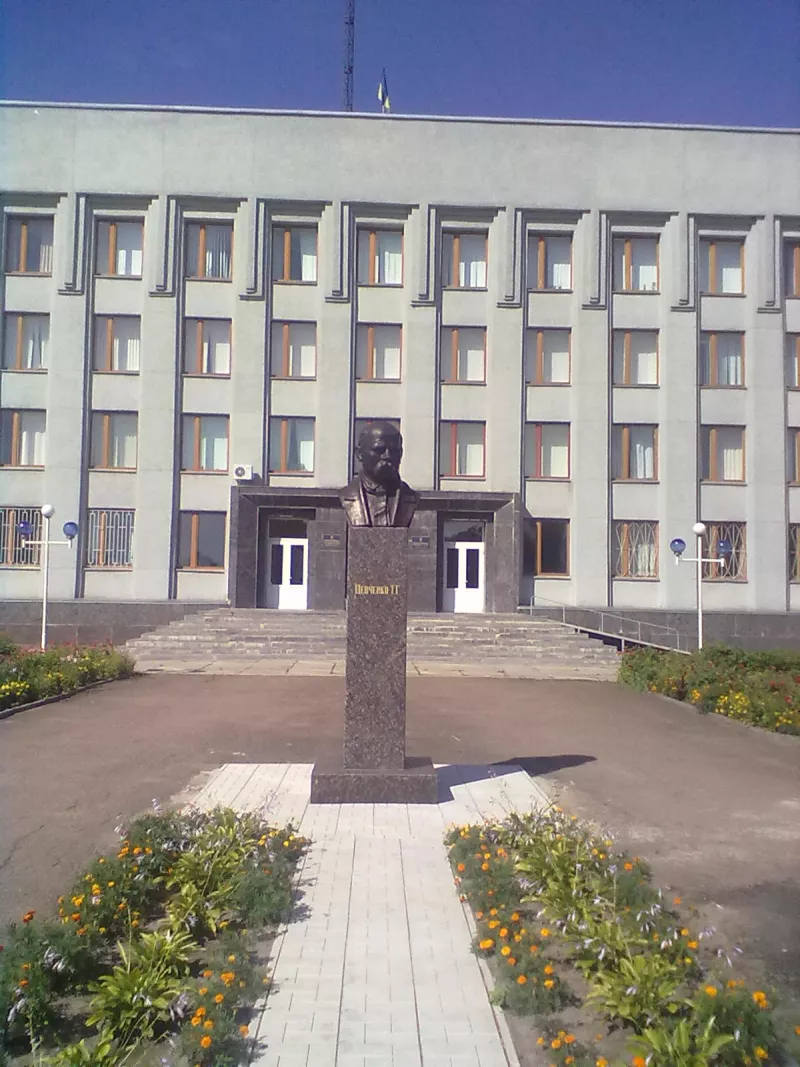
Among the architectural landmarks of the settlement is the Church of St. Nicholas, built in 1975. Also in Popilnia, there are busts of Taras Shevchenko, monuments to soldiers who died during the Second World War and the war in Afghanistan, and memorial signs to the Heroes of the Heavenly Hundred and liquidators of the Chornobyl disaster.
In 2021, the sculptural composition "Guardians of the Fatherland" was unveiled here. It was dedicated to five fellow countrymen — Roman Shcherbatiuk, Ivan Yurchenko, Oleksandr Oliinyk, Volodymyr Shaidiuk, and Yurii Kovalchuk — who died in 2014–2015 during the Russo-Ukrainian War.
Memory of the Holodomor and the Second World War
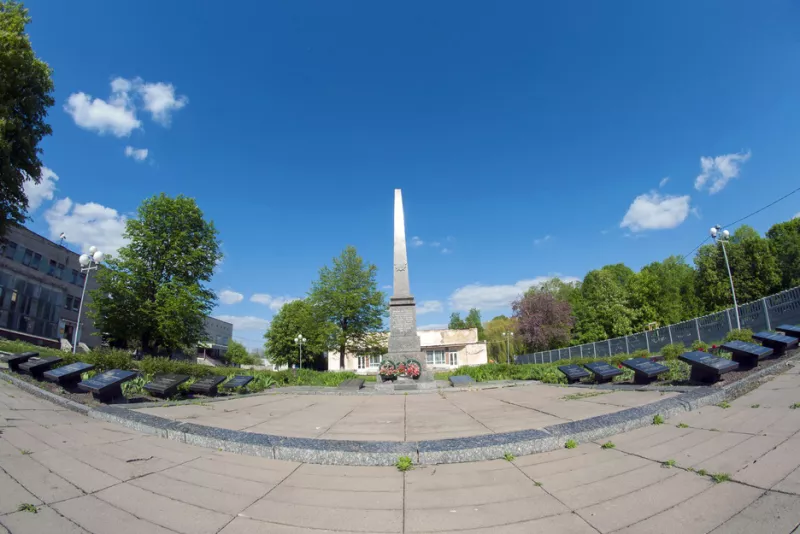
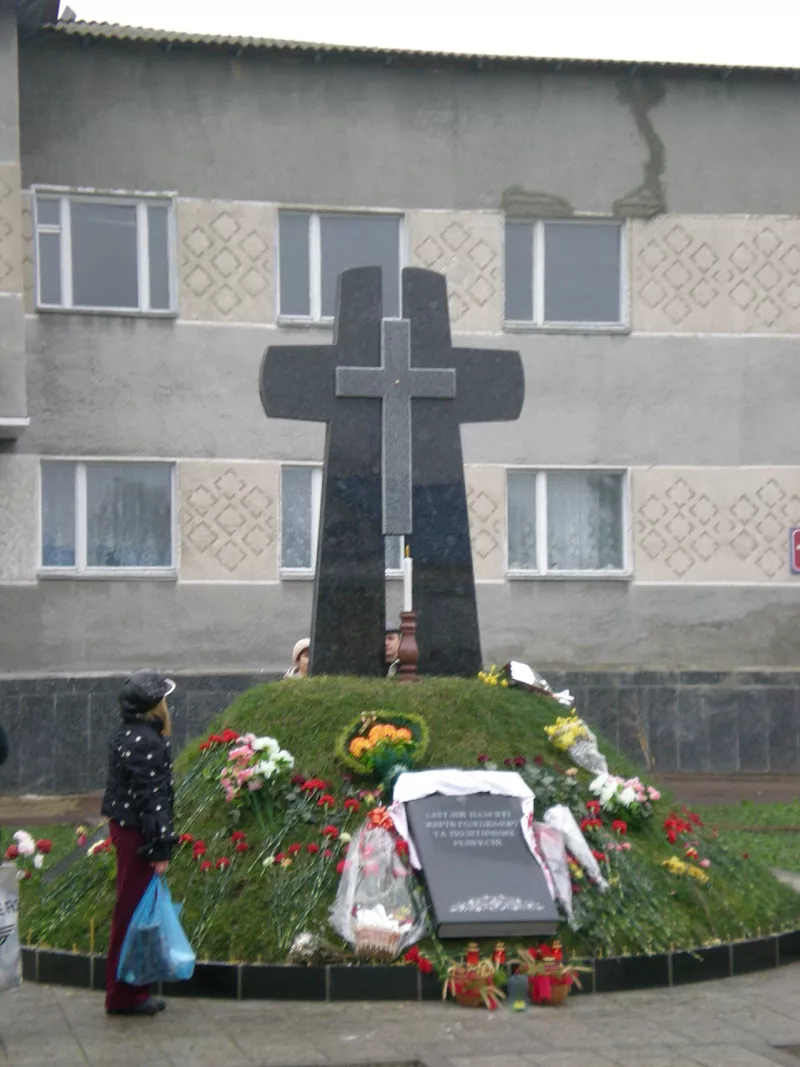
A memorial sign to the victims of the Holodomors and political repressions is installed in Popilnia. It is located on an earthen mound where capsules containing soil from 34 mass graves of victims of the Holodomor of 1932–1933 are buried. Granite bars inscribed with the names of villages where people died of starvation are laid around the mound.
Popilnia was under German occupation from July 14, 1941. The settlement was liberated twice — on November 10 and finally on December 26, 1943. Over 300 soldiers died in the battles for its liberation.
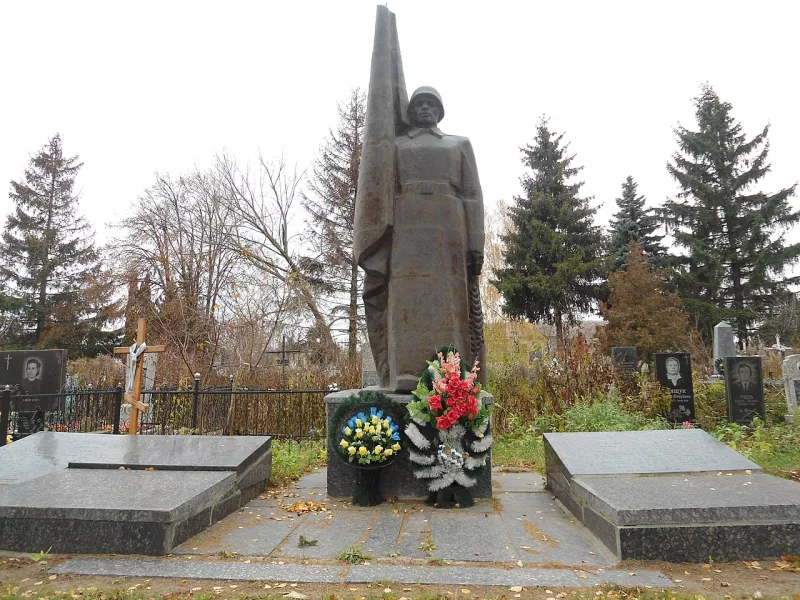
A special place of remembrance is connected with the border guards of the 94th Border Guard Detachment. In a mass grave at the old cemetery of the eponymous village of Popilnia lie 26 border guards who died on July 14, 1941, during battles near the railway station. On the same cemetery, there is a mass grave of soldiers who died during the liberation of the Popilnia region, as well as the burial site of local underground resistance members shot by the occupiers.
What to see in Popilnia hromada
A trip to Popilnia can be combined with visiting other historical and cultural sites of the community.
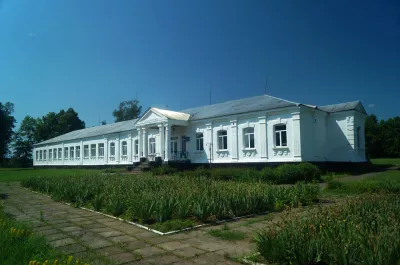
In Romanivka, there is a literary memorial museum-estate of the Maksym Rylskyi family. The future poet's childhood and youth were spent here. The museum was opened to visitors in 1990.
In Kryve, there is a folk history museum. In Pavoloch, there is an ancient burial mound, and in Kotliarka — a monument, which were presented during the regional project “Heritage of Independence. Zhytomyr Region 2025”. These sites allow for a better acquaintance with the history and cultural heritage of the Popilnia region.
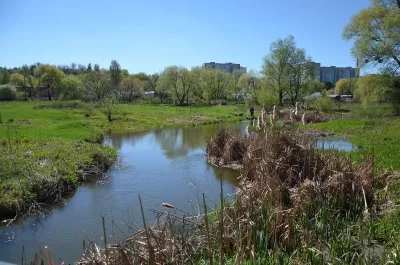
To the north of the settlement, near the village of Kvitneve, lies the local nature reserve “Popilnianskyi Lis” with an area of 5.8 hectares. A small river, the Lozynka, also flows through Popilnia, originating here and flowing further into the Unava.
Popilnia is a railway settlement whose history formed around the station, but its surroundings preserve a much older heritage. Here you can see the remains of ancient fortifications, learn about the development of the railway and industry, and visit museum and historical sites in the surrounding villages.
What to see
The railway station — the symbol of the settlement, St. Nicholas Church, and the central Bohdan Khmelnytskyi Street. Popilnia is a convenient stop on the way from Zhytomyr to Bila Tserkva or Koziatyn.
Popilnia on video
Villages of the Popilnia region
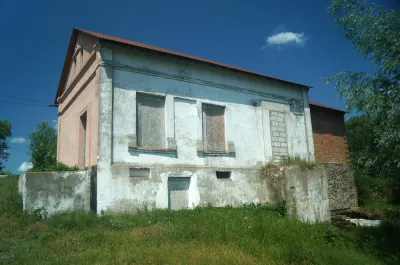
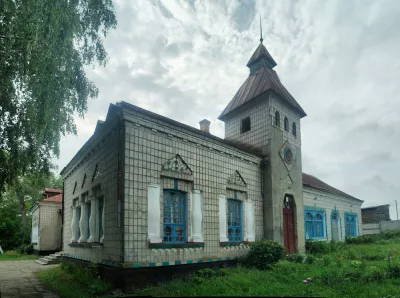
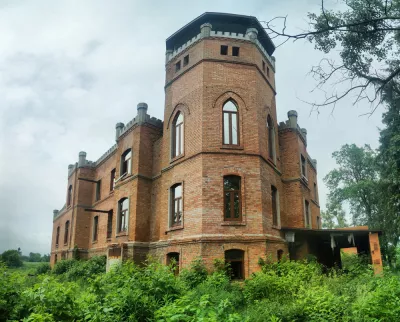
Surrounding Popilnia are villages with an interesting history. One of them is Kryve in the Popilnia region: forgotten history, Art Nouveau buildings, and local landmarks that we wrote about separately.
Nearby
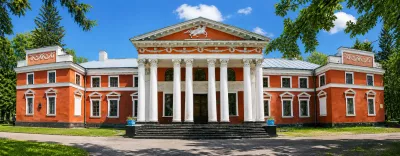
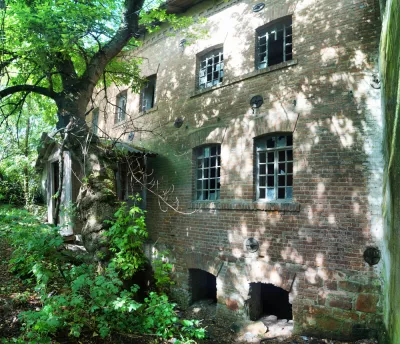
Kornyn with its watermill and the Berdychiv region with its palaces are nearby. Read more in the article Zhytomyr Raion.
Read also
How to get there
Popilnia is a station on the Fastiv — Koziatyn line, where suburban and regional trains stop. Buses run from Zhytomyr.