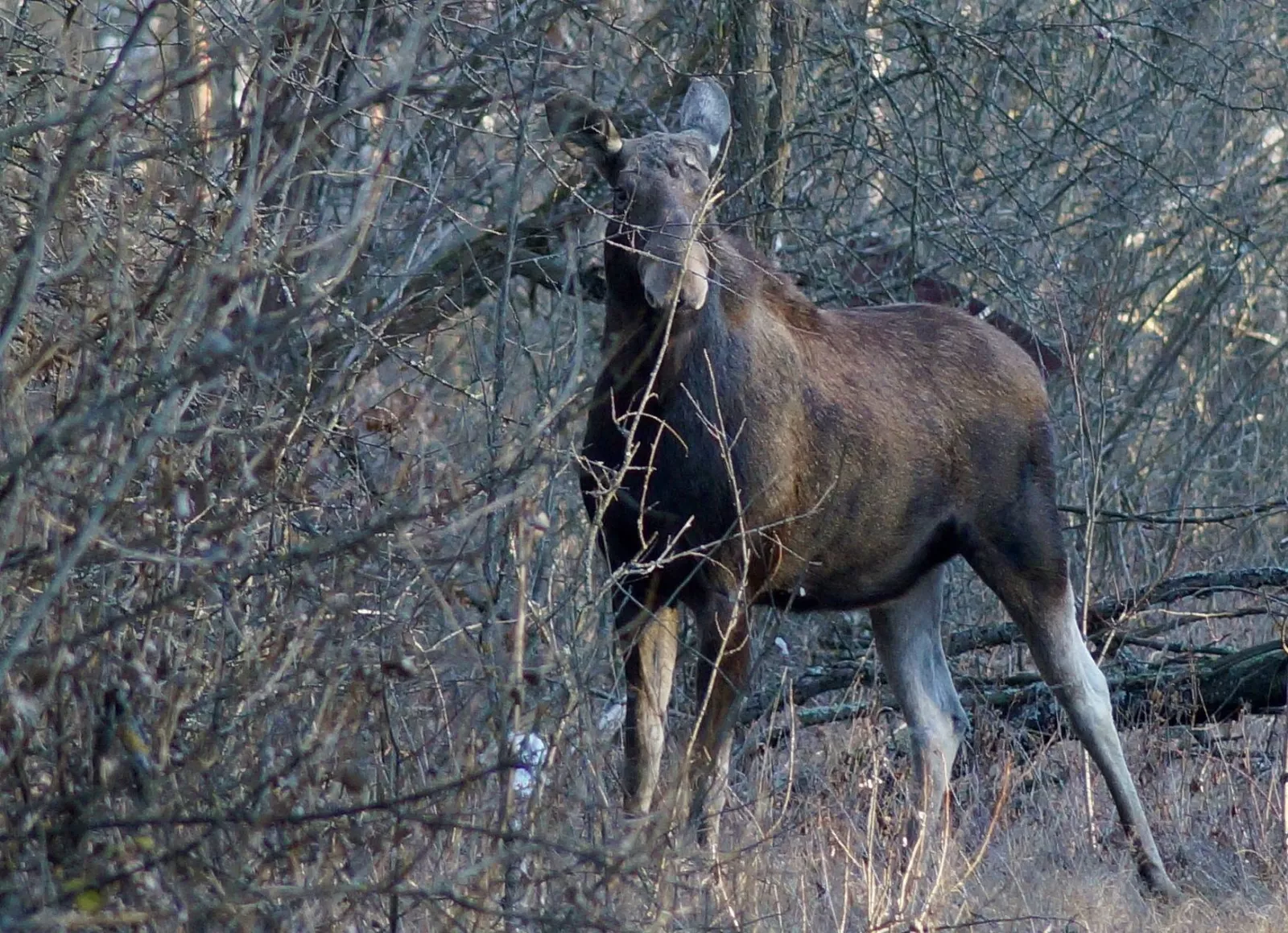
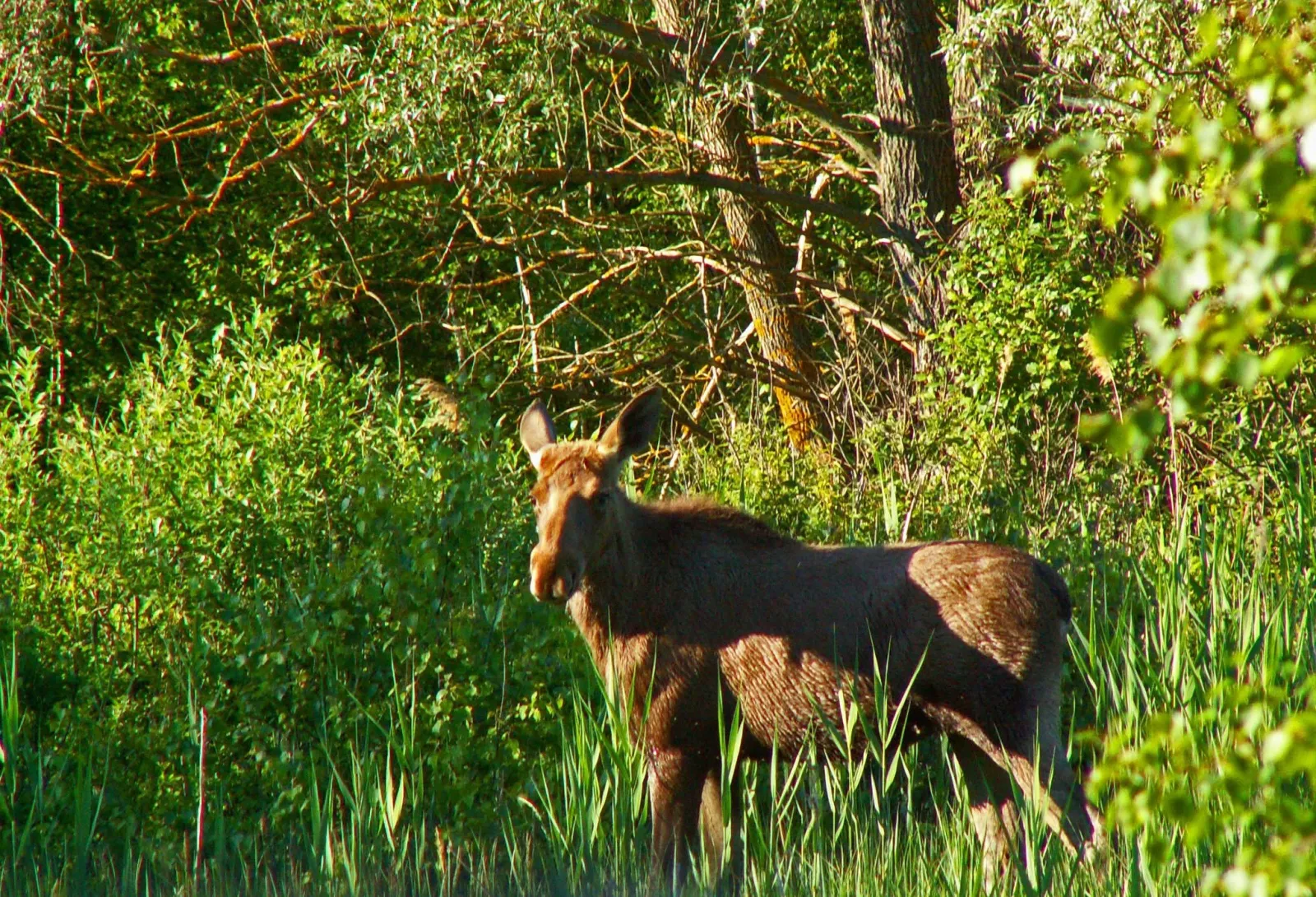
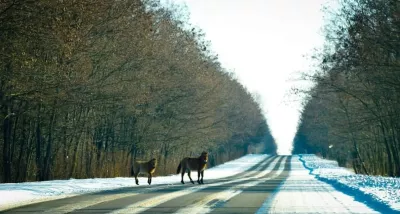
The Chornobyl Exclusion Zone is a realm of large herbivores. Free from hunting and economic activity, moose, red deer, roe deer, and wild boars have multiplied here. In addition to wild animals, an unusual herd also lives in the zone: cows that have gone wild and manage without humans. The Chornobyl Radiation and Ecological Biosphere Reserve tells their story.
Video
Moose, deer, and roe deer of the Chornobyl zone: how their lives have changed
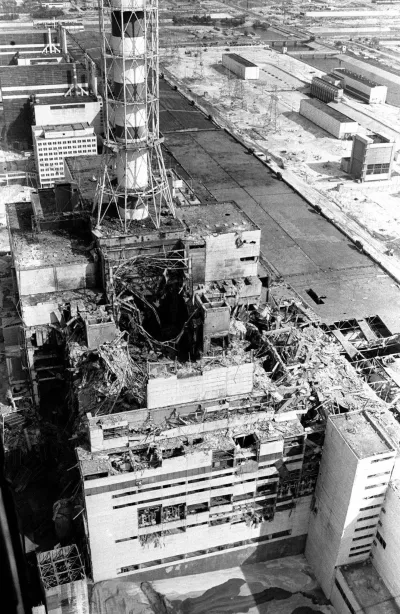
Following the 1986 accident, 116,000 people were permanently resettled from the exclusion zone. Since then, ungulates have not only survived there. The relative abundance of moose, roe deer, red deer, and wild boars in the zone is comparable to the figures of four uncontaminated reserves in the region. However, recent years show that the picture is more complex than the formula "without humans, animals have become more numerous."
Why animals have become more numerous
Winter survey routes (over 20) did not reveal a statistically significant link between the level of contamination and mammal density. Aerial surveys from 1987–1996 recorded an increase in the number of moose, roe deer, and wild boars. At that time, the number of moose and wild boars was decreasing in other parts of the former USSR.
Study co-author Jim Smith says the animal population in the zone is very likely higher than it was before the accident. This does not mean radiation is beneficial. It simply means that human life (hunting, agriculture, forestry) harms animals more.
How scientists monitor the animals
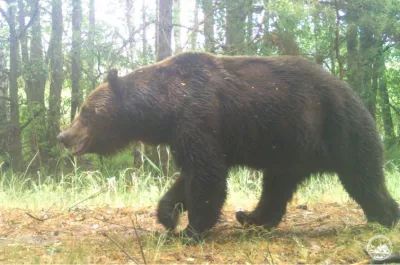
Not only direct encounters help find out how many moose, deer, and roe deer live in the Chornobyl zone. Scientists lay out forest routes, study tracks in the snow, conduct aerial surveys, and set up camera traps. Cameras capture animals at different times of the day, including in places where a person can rarely see them live.
Reserve staff also observe animals during field trips across the territory and study signs of their vital activity. All this helps understand where herds stay, what routes ungulates travel along, and how their presence changes in different parts of the reserve.
Observations made during the full-scale war have become especially valuable. Thanks to camera traps, researchers were able to trace how the behavior of deer and roe deer changed during hostilities in 2022. Meanwhile, multi-year surveys make it possible to compare animal numbers and see how wildlife changes over time.
Moose: dependence on peace and migrations
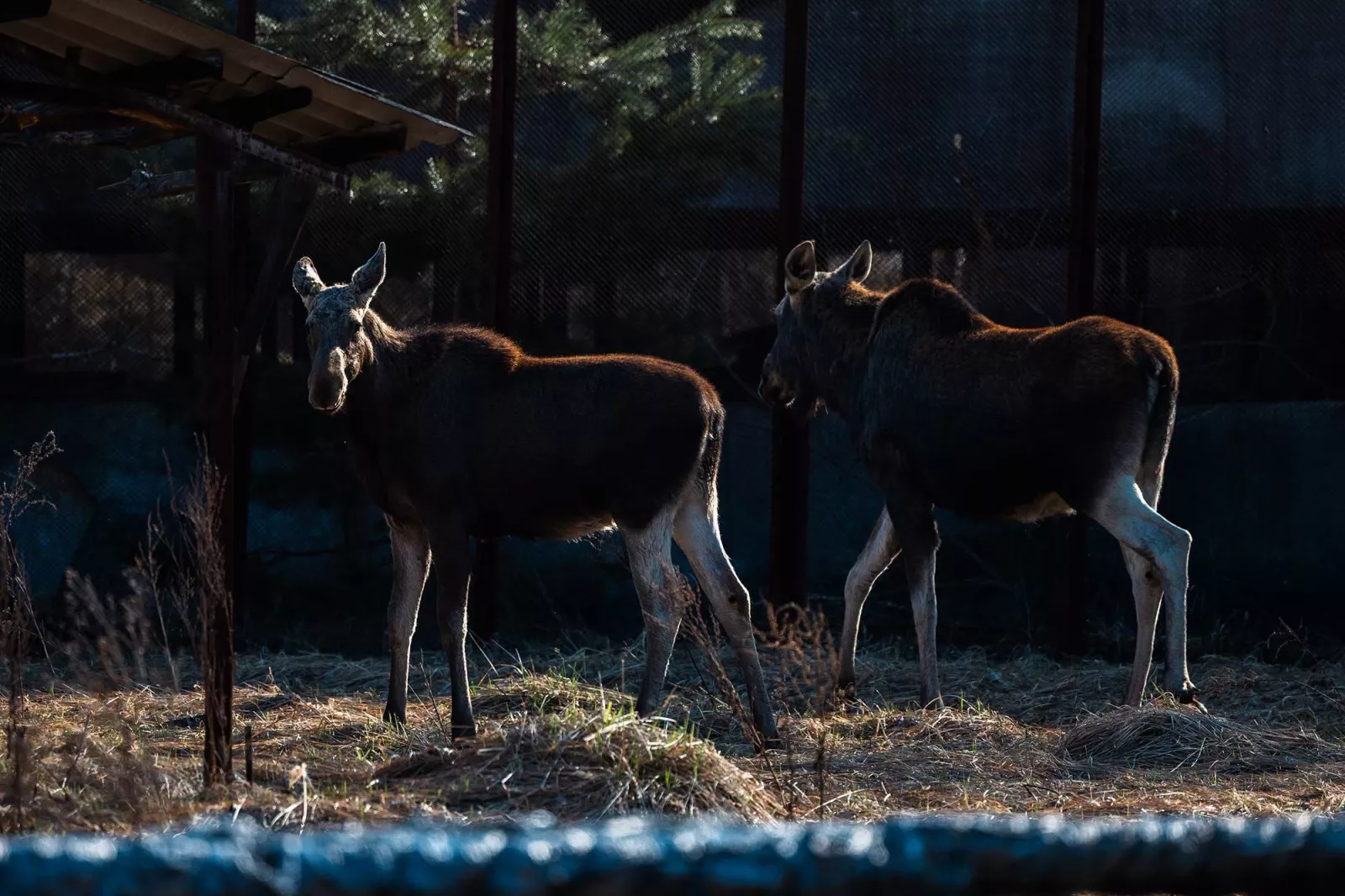
Moose react most acutely to human presence. In a study published in 2026, moose quickly left areas where human activity was recorded. The highest density and diversity of animals were found where the Chornobyl reserve directly borders the Drevlyansky Nature Reserve. This species is listed in the Red Data Book of Ukraine.
This dependence also has a flip side. According to the results of the spring 2025 survey, the number of moose in the reserve has decreased. Experts consider restrictions on seasonal migration across the border with Belarus to be a likely reason.
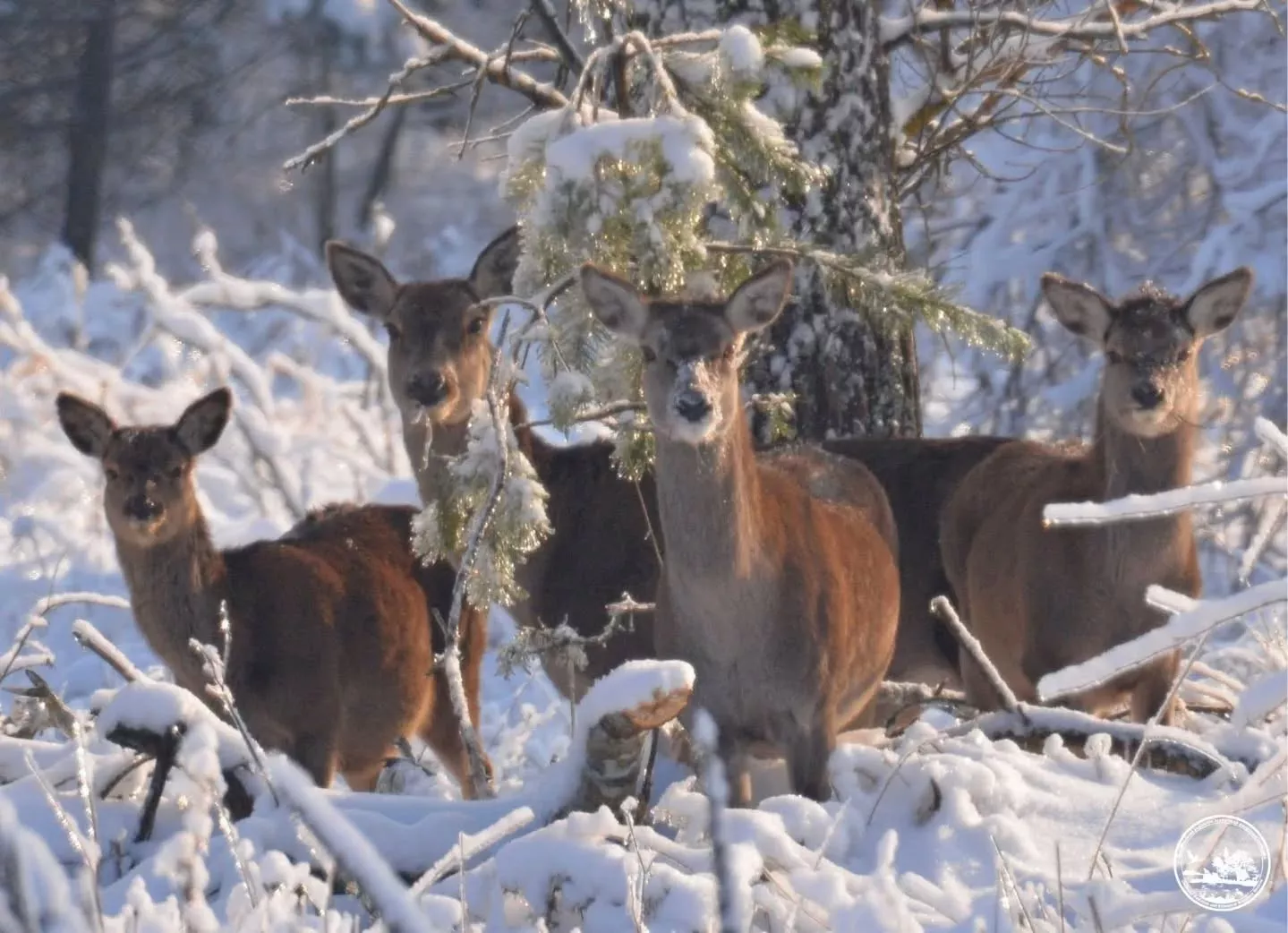
Red deer: large herds and new threats
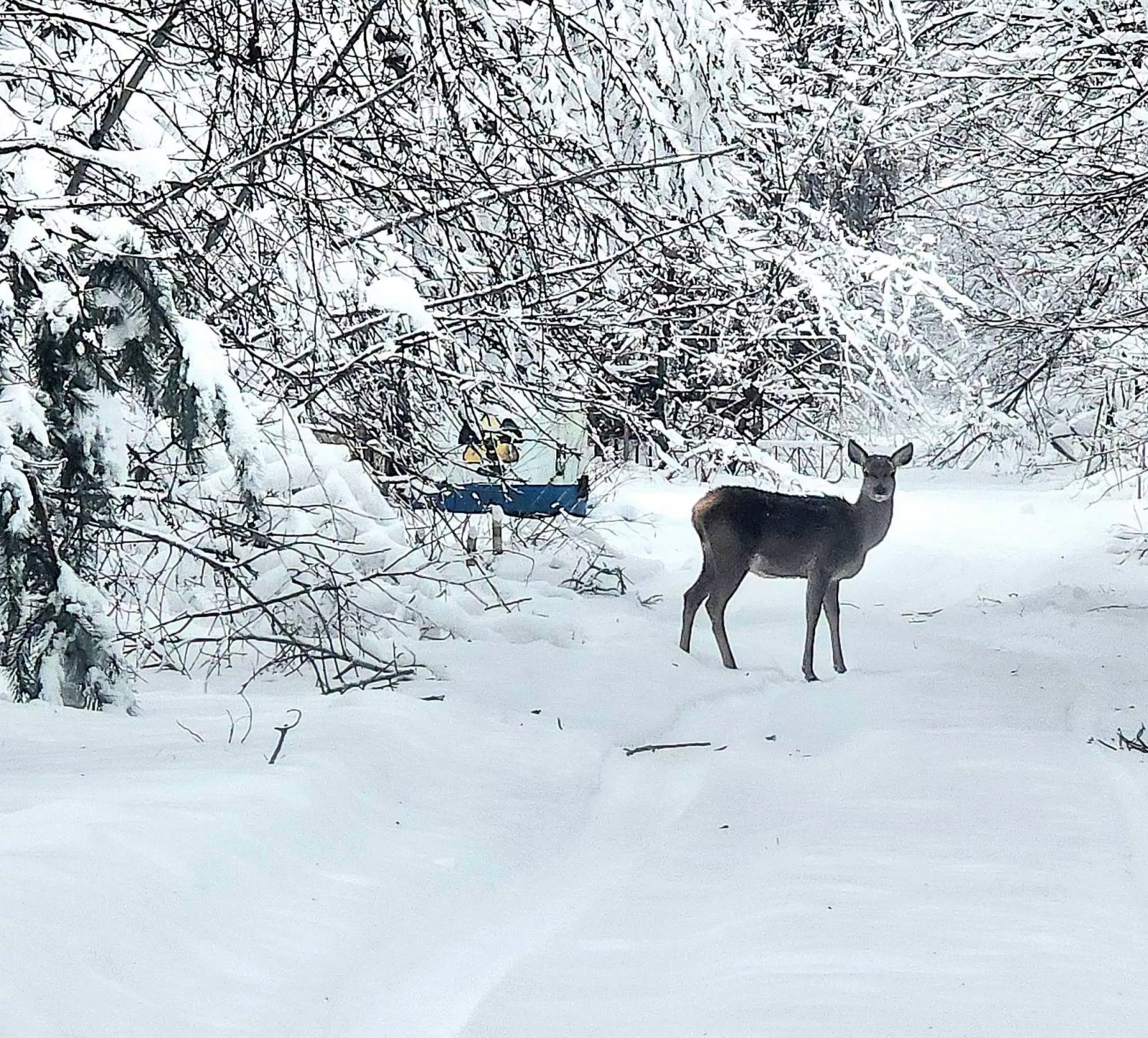
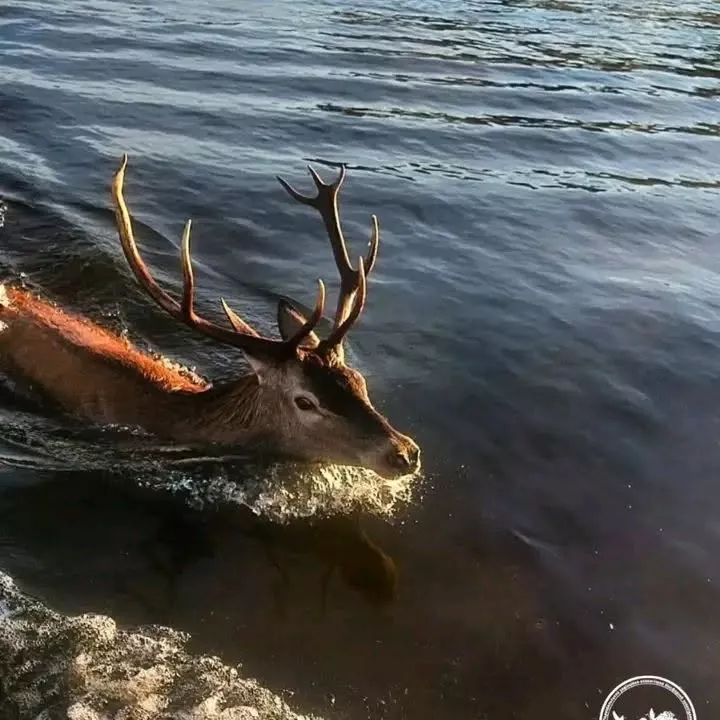
Red deer are among the most noticeable animals in the Chornobyl Exclusion Zone. They keep in herds that often venture out into clearings and open areas of the forest. In the spring of 2025, the reserve's camera traps recorded a herd of 23 deer. According to the reserve, in 2026 their population was about 2.4 thousand individuals, with a density of slightly under 10 animals per 1,000 hectares.
Recent years have brought new challenges for the deer. A harsh winter with a dense snow crust made it difficult to find food and move around. The animals became easy prey for wolves, and wire fences also led to the deaths of the ungulates.
Changes were also noticed during the autumn rut. Among the males participating in reproduction, there was an increase in the proportion of middle-aged animals. Scientists attribute this to potential losses of mature males during wartime.
In late October 2026, the reserve reported another disturbing piece of news: according to its specialists' estimates, the deer population has decreased by approximately one and a half times. Among the possible reasons, they cite the deterioration of the forage base. Goldenrod is spreading across abandoned fields, crowding out other plants. Because of this, large overgrown areas no longer necessarily provide animals with enough food.
Roe deer: how war changed the behavior of wild animals
During the occupation of the Chornobyl Exclusion Zone in 2022, scientists received an unusual opportunity to track how combat actions affect the behavior of wild animals. Camera traps that were initially installed to monitor lynx continued to operate during the occupation as well. Researchers managed to recover recordings from 31 cameras for the period from January 19 to May 6, 2022.
An interesting pattern was noticed in the photographs: as military activity increased, fewer roe deer were captured on cameras, while more red deer appeared. Scientists explain this by the different behavior of the animals in dangerous situations. Roe deer usually freeze and hide among trees, whereas red deer are more likely to flee. Moreover, the open areas where deer frequently stay turned out to be in the zone of combat operations.
Camera traps recorded the fewest roe deer on the day after the occupation forces withdrew. Researchers suggest this could have been influenced by the presence of Ukrainian military personnel moving through the territory.
This study demonstrated how differently even closely related forest animals in terms of their lifestyle react to danger. At the same time, scientists note that the large size of the Chornobyl Exclusion Zone and the relatively low human presence may have mitigated the impact of combat operations on its wildlife. The results of the work were published in the journal Science.
Wild boar: population depends on predators and diseases
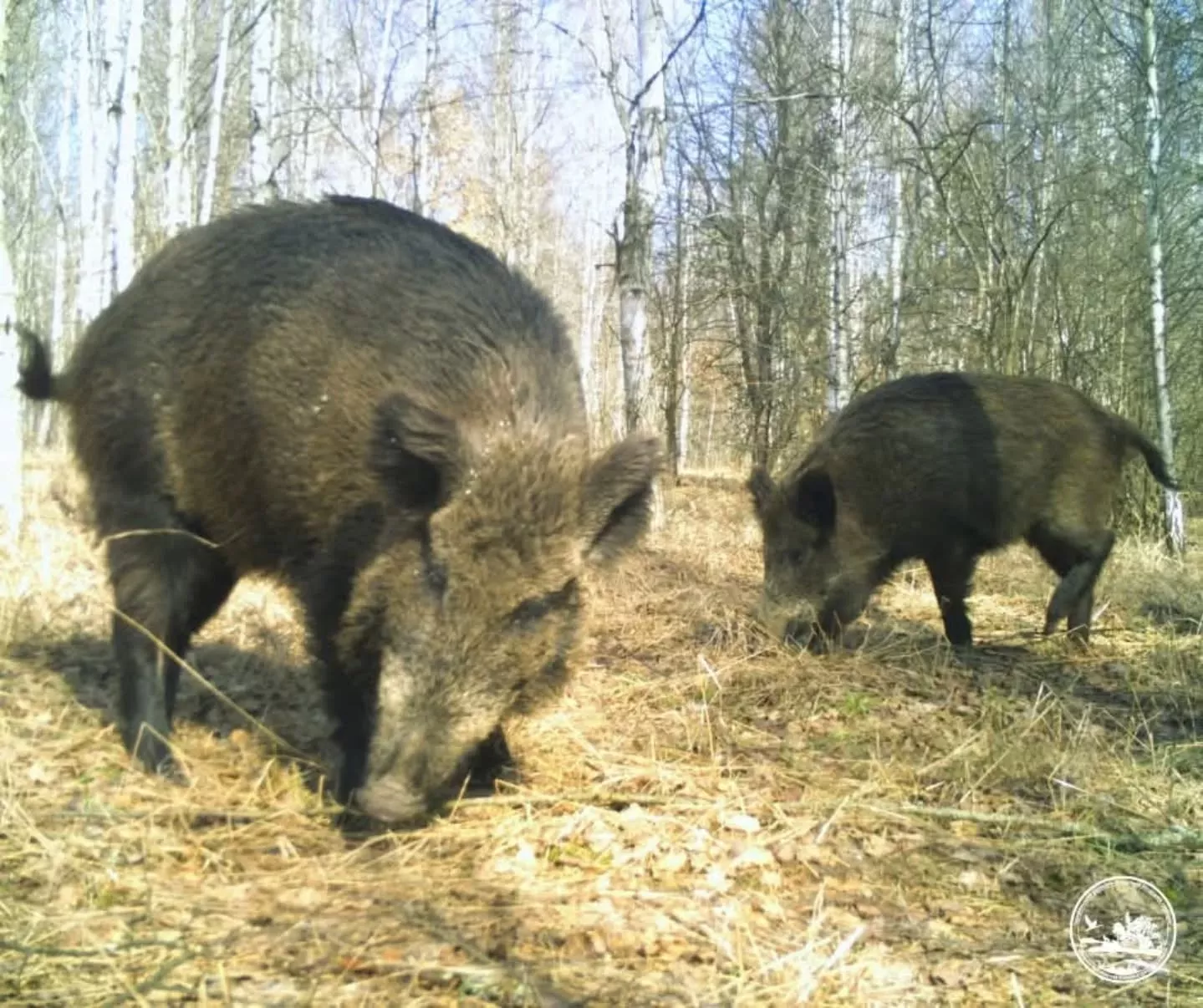
Wild boars are one of the most common large mammals in Polissia. In the Chornobyl Exclusion Zone, their population has changed noticeably over the decades. According to aerial census results, in the first ten years after the accident, the number of wild boars increased. A similar dynamic was observed for other large ungulates — moose, red deer, and roe deer. Researchers also established that the relative population of these animals in the zone was comparable to the figures for unpolluted reserves in the region.
However, the growth of the wild boar population was not constant. In 1993–1994, their numbers decreased. Scientists associate this primarily with an increase in the wolf population, as well as the spread of African swine fever. This example shows how strongly natural factors — predators, diseases, and food availability — affect wild animal populations.
Wild boars were also included in studies on the impact of the Russian occupation on wildlife in 2022. Along with roe deer, red deer, and foxes, they belonged to the species in which researchers recorded changes in daily activity. At the same time, the nature of these changes regarding wild boars is not detailed in the available materials.
Encountering a wild boar in the forests of Polissia is not uncommon, but you should not approach it for a photograph. This is a strong wild animal that can be dangerous, especially if piglets are nearby or the boar feels threatened. The best decision during an encounter is not to get close, not to try to feed or chase the animal, and to give it the opportunity to walk away.
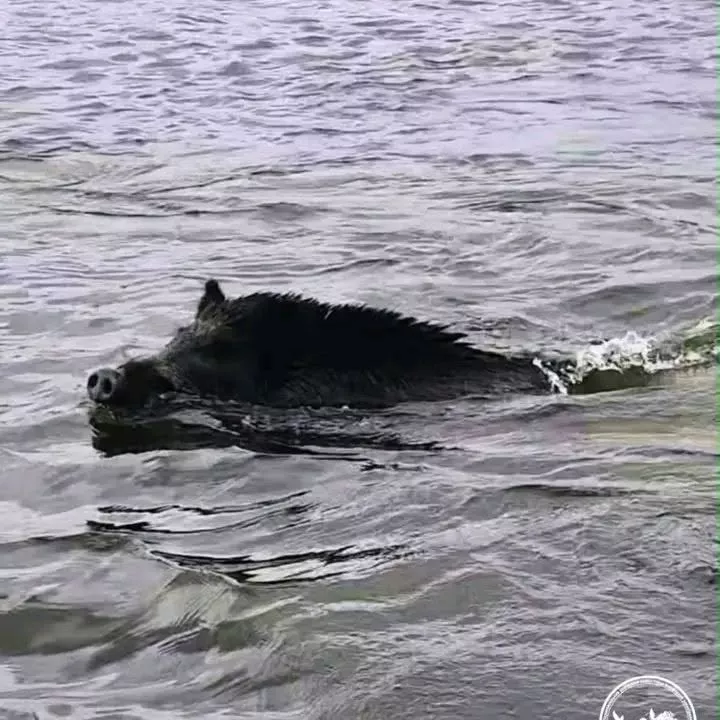
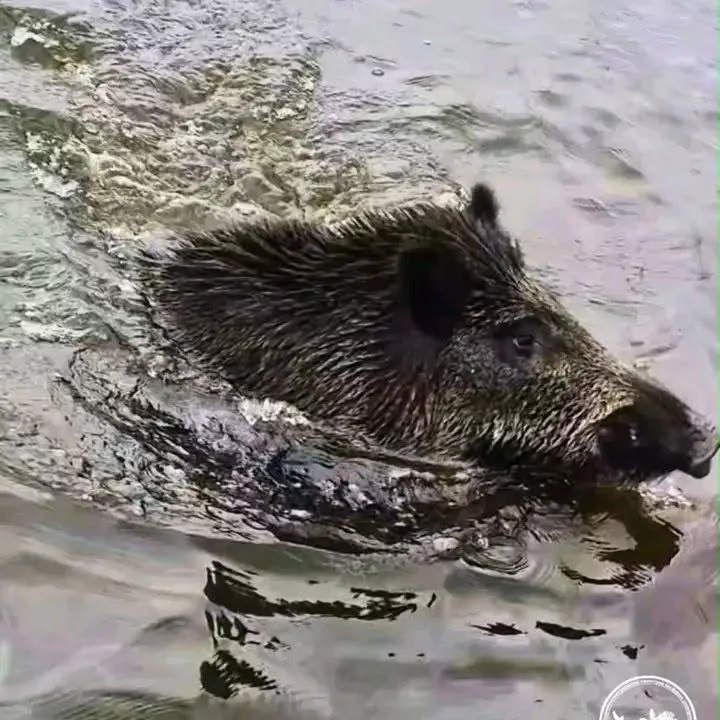
Wild boars swim well and are capable of overcoming even wide water obstacles. The Chornobyl Reserve has reported cases of wild boars swimming across the Prypiat. The river, which becomes a natural barrier for many terrestrial animals, is not insurmountable for these strong swimmers.
Photo by Viktor Kostiuchenko
Feral Cows: A Herd That Learned to Live Without Humans
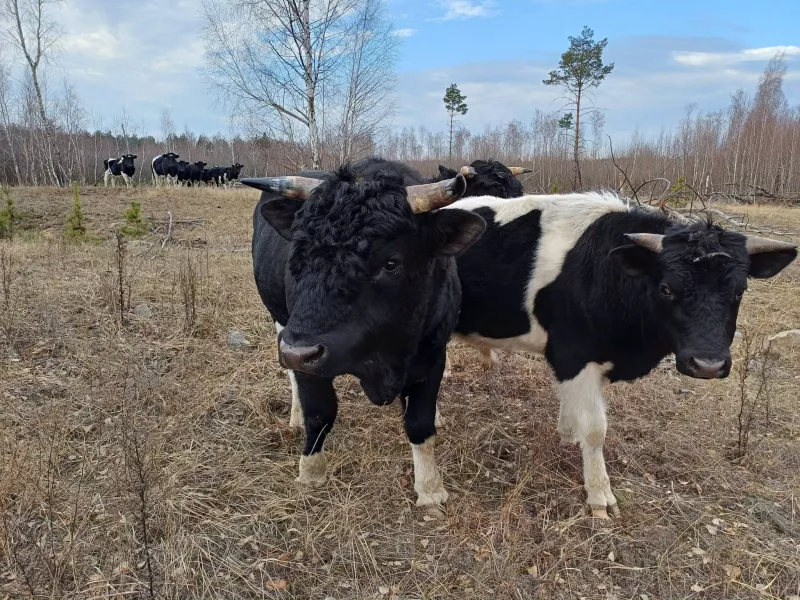
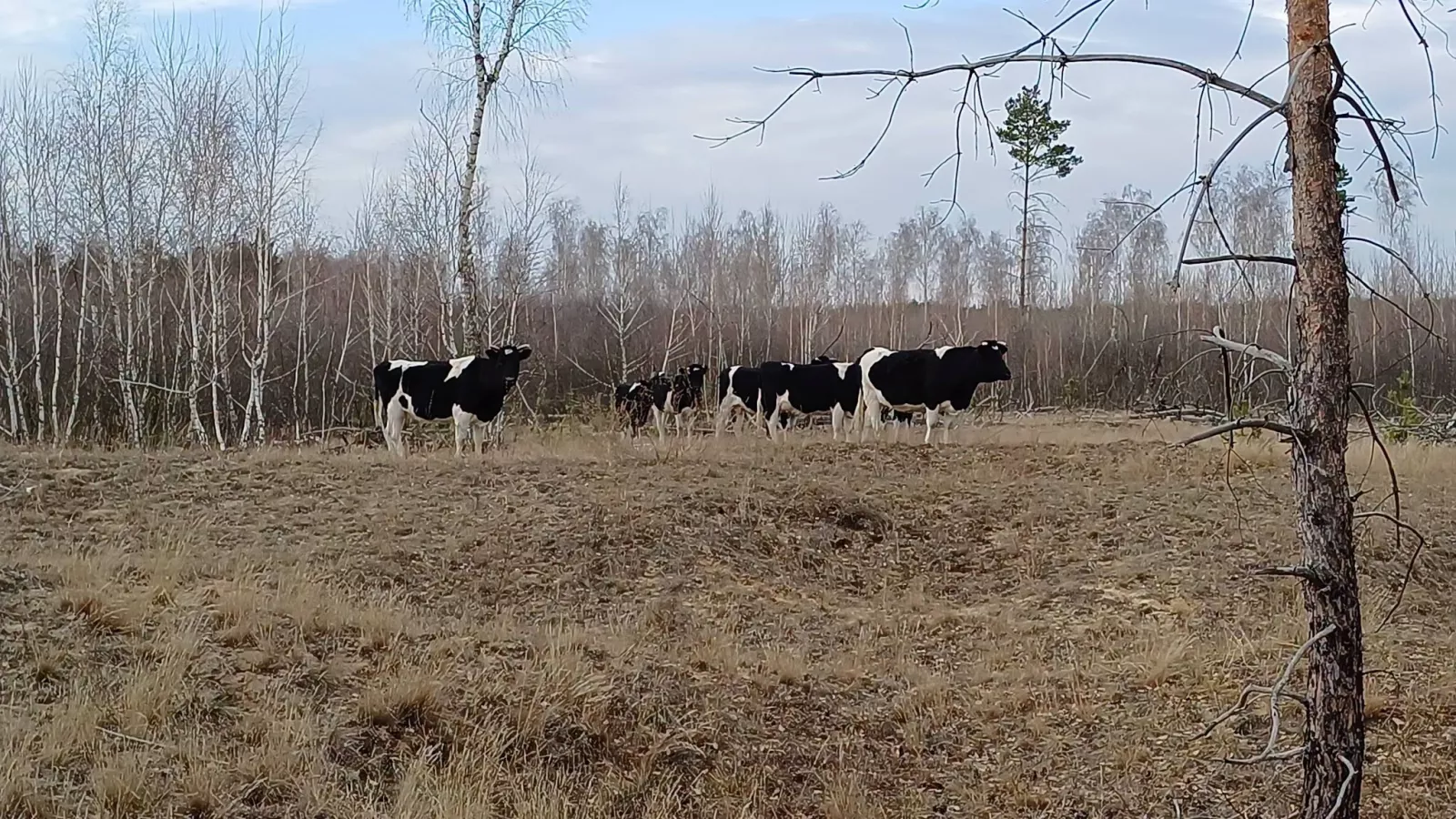
One of the most unusual stories of the Chornobyl zone is connected not with wild animals, but with ordinary domestic cows. Near the abandoned village of Lubianka lives a herd of cattle that was left without human care after the death of its last owner in 2016. Since then, the animals have been independently finding food, setting up resting places, giving birth to calves, and defending themselves against predators.
Initially, the herd numbered seven cows of the Ukrainian Black-and-White dairy breed. Over time, the animals adapted to independent life, and their number grew to 20 individuals in 2022. However, the war did not bypass this herd either: according to the reserve's monitoring results, about 12 animals remained in November 2024. A 2026 study also cites a population of 12 individuals as of 2025.
The cows have mastered an area of approximately 12 square kilometers around Lubianka. In the warm season, they graze on meadows and former agricultural lands, and in winter, they switch to twigs and other woody vegetation. Abandoned farm buildings are used as shelter from bad weather and summer heat. Unlike domestic livestock, they do not need to be milked or fed — the lactation cycle has adapted to the birth of calves.
Most interestingly, not only the life of the herd has changed, but also the behavior of the animals. Observations showed that the cows formed a cohesive group with their own social structure. Adult individuals stick together, the bull stays near potential danger, and the calves remain inside the herd, where they are better protected. When wolves or bears appear, the animals give alarm signals and act together, defending the young.
This herd has become an unusual example of domestic livestock turning wild—a process scientists call rewilding. In fact, the cows from Lubianka went from being kept by humans to living independently in the natural environment within a few years. Their story shows how even domestic animals can adapt to life without an owner, although the reduction of the herd during the war shows that such an existence remains difficult.
Przewalski's wild horses: a symbol of nature's return to Chornobyl
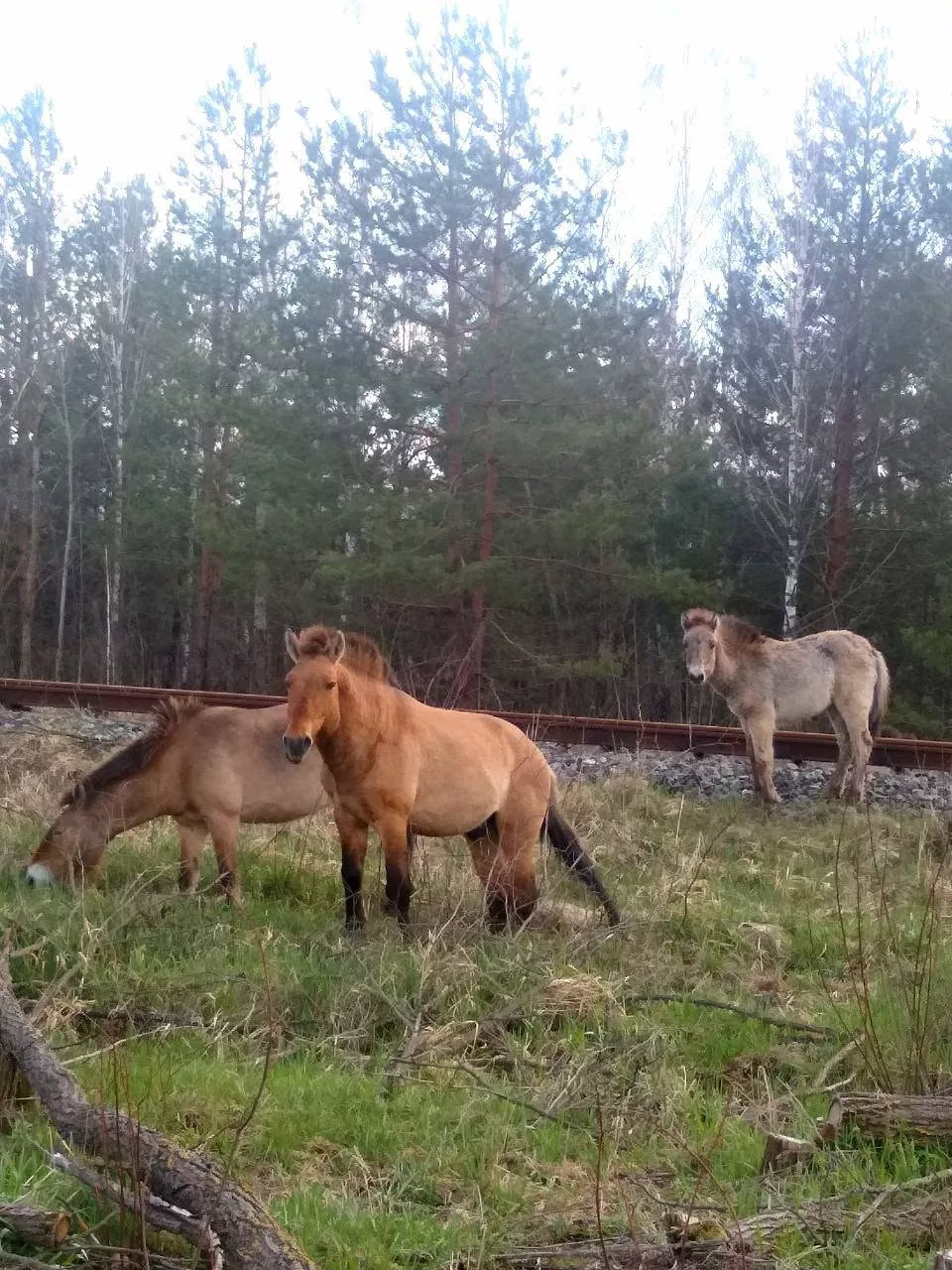
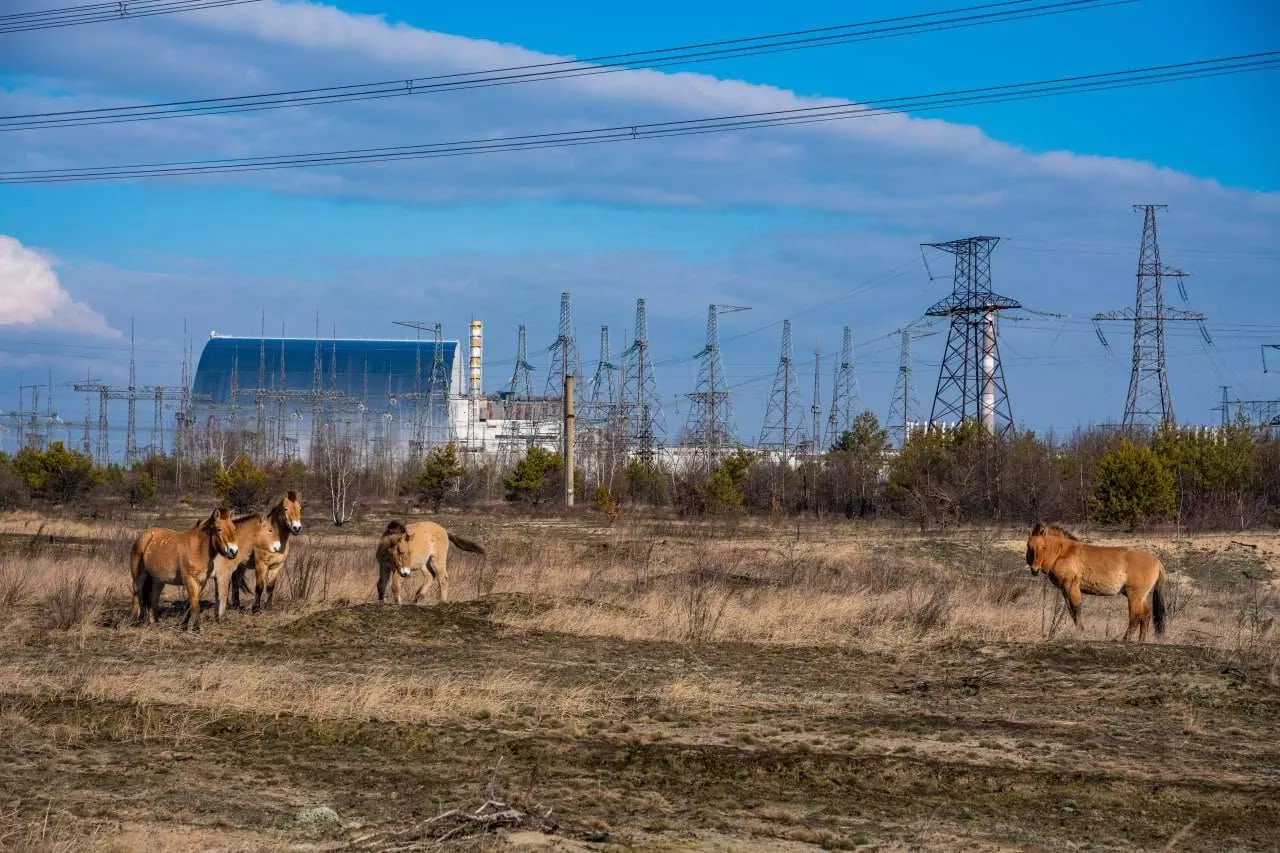
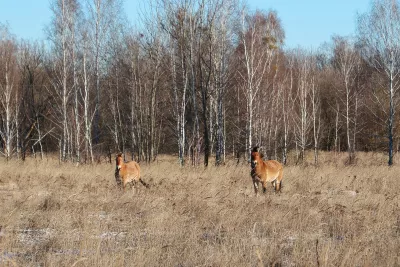
Przewalski's horses have become some of the most famous residents of the Chornobyl zone—rare wild horses brought here in the late 1990s. In 1998, as part of an international project, the first group of animals was released into the exclusion zone to see if they could adapt to local conditions. The new environment proved suitable for them, and the horses began to reproduce.
Unlike domestic horses, Przewalski's horses have a sturdier build, a short upright mane, a large head, and a characteristic sandy-brown coat. They live in herds typically consisting of a stallion, several mares, and young. Young males may form separate groups.
In the Chornobyl zone, the horses have mastered open meadows, glades, former fields, and forest areas. The basis of their diet is grasses and other vegetation. In winter, they are able to scrape away snow with their hooves to reach dry grass, as well as eat branches and shrub bark.
A feature of these animals has been their ability to use abandoned human structures. The horses enter old buildings and abandoned utility rooms where they can hide from bad weather. Such places have become part of their habitual environment.
After appearing in the zone, the population gradually increased, although its numbers fluctuated due to severe winters, predators, and other natural factors. Przewalski's horses have become an important part of the ecosystem of Chornobyl Polissia and one of the most interesting examples of a rare species returning to an area where it was previously absent.
Predators of Chornobyl Polissia: who regulates the number of herbivores
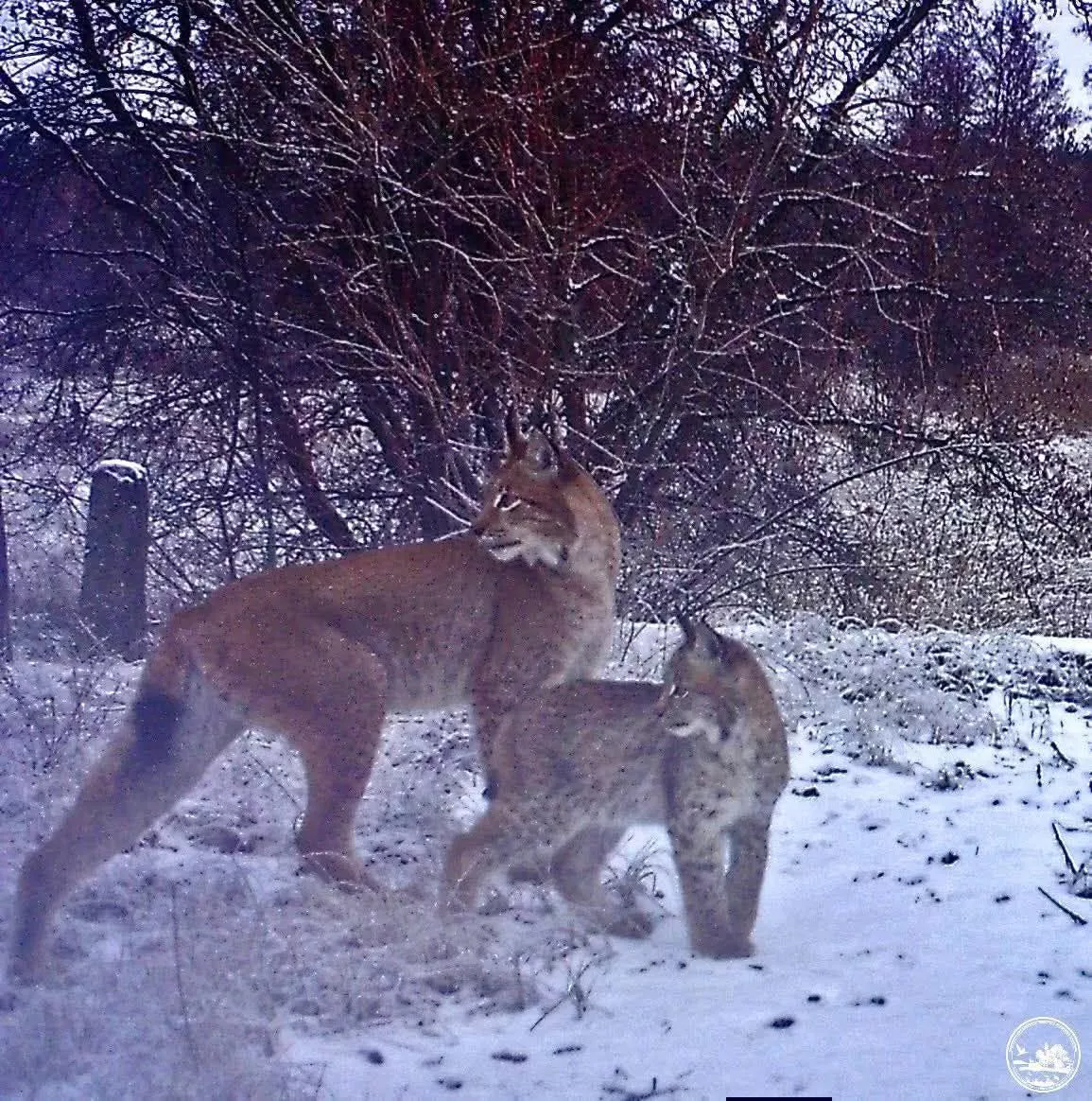
A large number of elk, deer, roe deer, and wild boars provide a food base for the large predators of the Chornobyl zone. Among the main hunters here are wolves and lynxes. They occupy the top tiers of the food chain and play an important role in the natural regulation of animal numbers.
Wolves hunt mainly ungulates, in particular roe deer, red deer, and the young of large animals. The lynx hunts smaller prey, most often roe deer, hares, and other forest inhabitants. Thanks to predators, natural populations do not exist in isolation from each other: the numbers of some species affect the lives of others.
That is why the Chornobyl zone is interesting not only for its abundance of wild animals, but also because complex natural relationships between predators and their prey have been preserved here. At the same time, this balance depends not only on predators, but also on the food base, the condition of forests, diseases, and human interference.
Visiting the zone during martial law is restricted and possible only with permission and accompaniment; part of the territory is mined. The best way to see the animals is through camera trap footage published by the reserve.
Przewalski's horses are the only true wild horses remaining on the planet and probably the most famous inhabitants of the Chernobyl Exclusion Zone. These stocky animals with a dark brush-like mane and...
Without people, the Chernobyl Exclusion Zone has become home to what the rest of Polissia lacks: large predators. Wolves and lynxes live here, and in recent years, camera traps of the Chernobyl Biosph...
The Chornobyl Radiation and Ecological Biosphere Reserve was established by presidential decree dated 26 April 2016 No. 174/2016. It did not appear out of nowhere: a general zoological zakaznyk in thi...
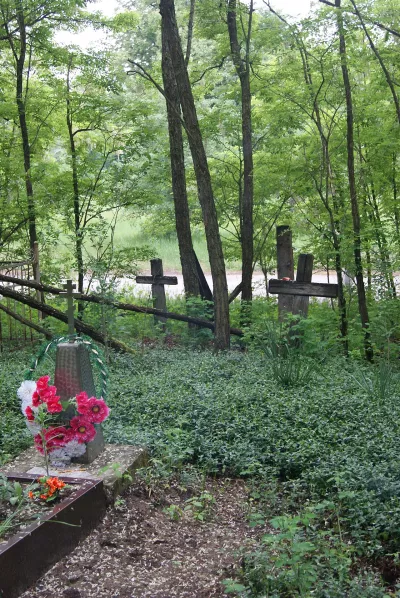
After the accident at the Chornobyl Nuclear Power Plant, people from dozens of Polissia villages were evacuated, and their cemeteries suddenly were left without the usual care. Over forty years, these...
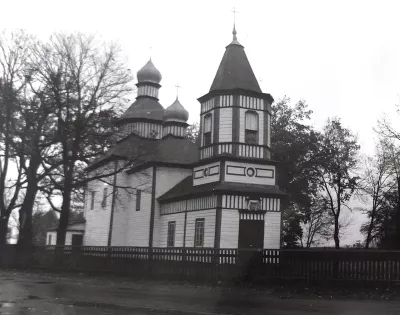
In early May 1986, the residents of the village of Tovstyi Lis were evacuated within a matter of days — forever. Along with them, the living parish community of the Holy Resurrection Church left the e...
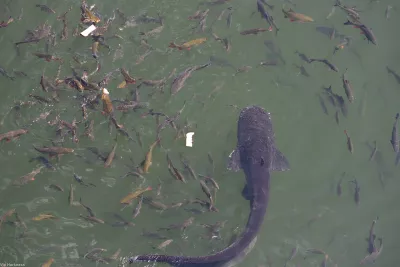
The giant catfish of the Chornobyl NPP cooling pond are one of the most famous stories of the exclusion zone. Videos of huge fish swimming up to the bridge and grabbing pieces of bread have gained mil...
Without people, the Chernobyl Exclusion Zone has become home to what the rest of Polissia lacks: large predators. Wolves and lynxes live here, and in recent years, camera traps of the Chernobyl Biosph...
The Chernobyl Nuclear Power Plant stands in Polissia on the bank of the Pripyat River, 2 km from the city of Pripyat, 15 km from Chernobyl, and about 110 km north of Kyiv. It was here on April 26, 198...
Przewalski's horses are the only true wild horses remaining on the planet and probably the most famous inhabitants of the Chernobyl Exclusion Zone. These stocky animals with a dark brush-like mane and...
After the accident at the Chornobyl Nuclear Power Plant, people from dozens of Polissia villages were evacuated, and their cemeteries suddenly were left without the usual care. Over forty years, these...
The Chornobyl Radiation and Ecological Biosphere Reserve was established by presidential decree dated 26 April 2016 No. 174/2016. It did not appear out of nowhere: a general zoological zakaznyk in thi...
Kyiv Polissia begins just beyond the city limits: as soon as you head north or northwest from the city, you are surrounded by pine forests, sandy shores, quiet rivers, and the wide expanse of the Kyiv...
In Vyshhorod, on the ancient city hill above the Dnipro, the Museum of Pottery operates as a branch of the Vyshhorod State Historical and Cultural Reserve. Its main treasure stands outdoors just a few...
The Kyiv Reservoir, which everyone calls the Kyiv Sea, is the first and highest upstream of the six reservoirs of the Dnieper cascade. It lies in the Kyiv and Chernihiv regions, stretching from the da...
In the forest between Moshchun and Huta-Mezhyhirska in Vyshhorod Raion, there is a memorial plaque dedicated to photo documentarian Maks Levin. Here, on March 13, 2022, Russian military personnel kill...