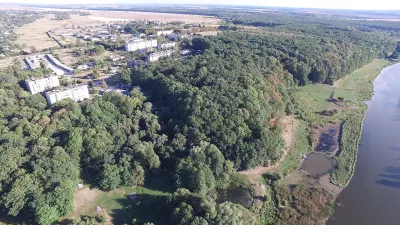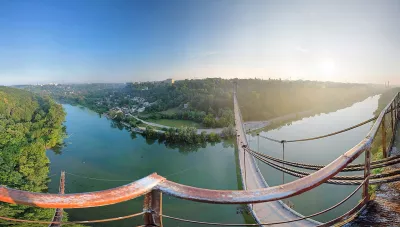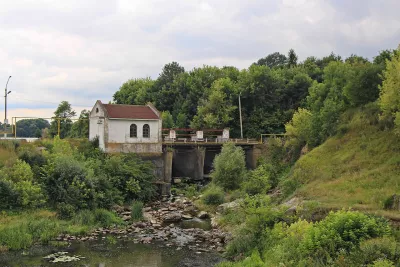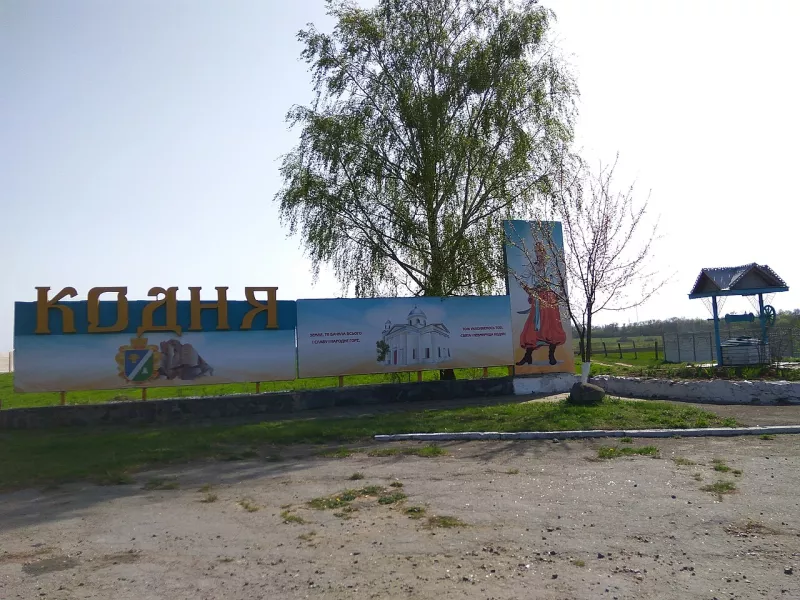

Kodnia is a village 25 km from Zhytomyr, in the Stanyshivka hromada, on the Kodenka River, a tributary of the Huiva. Once a small town on the trade route from Kyiv to Podolia, it entered the history of Ukraine as the place where thousands of participants of Koliivshchyna were executed in 1768. It became firmly associated with the name "holy Kodnia".
Kodenhrad on the way to the sea
Near the village, archaeologists discovered settlements from the 1st millennium BC, and the 3rd–5th and 12th–13th centuries. The town of Kodenhrad is first mentioned in sources from 1301 as a town destroyed by the Mongols. It quickly revived because the trade route from Kyiv to Podolia and the Black Sea passed through it. In the 16th century, Kodnia belonged to the Tyszkiewicz and Sapieha families, and in 1587, a detachment of peasants and cossacks led by L. Czerninski destroyed the local manor estate here.
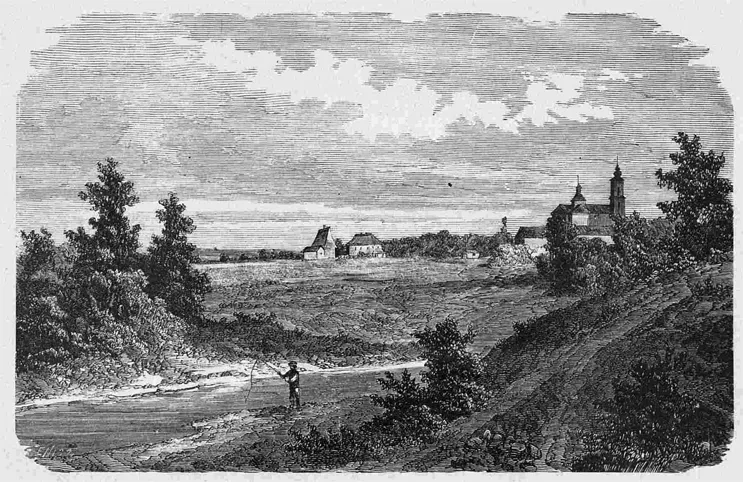
Koliivshchyna and the Kodnia execution
In 1768, a haidamak uprising led by Maksym Zalizniak and Ivan Honta — Koliivshchyna — broke out in Kholodnyi Yar. The insurgents took Uman and other towns, and the Polish-Lithuanian Commonwealth asked Catherine II for help. Russian and Polish troops defeated the detachments, and the prisoners were brutally punished.
The most terrible things happened in Kodnia. Under the leadership of Crown military commander Józef Gabriel Stempkowski, heads were chopped off, people were impaled and quartered — a total of about three thousand participants of the uprising were executed. As late as 1887, fortress cellars where the haidamaks were tortured were partially preserved in the town. Kodnia became a symbol of sorrow and memory.
Korzeniowski Palace and Shevchenko
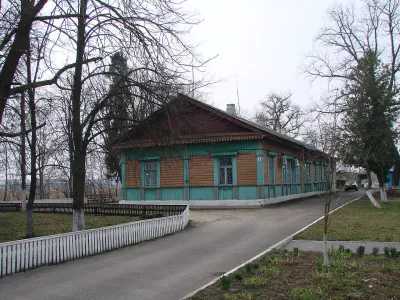
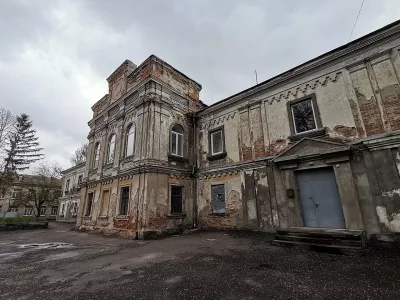
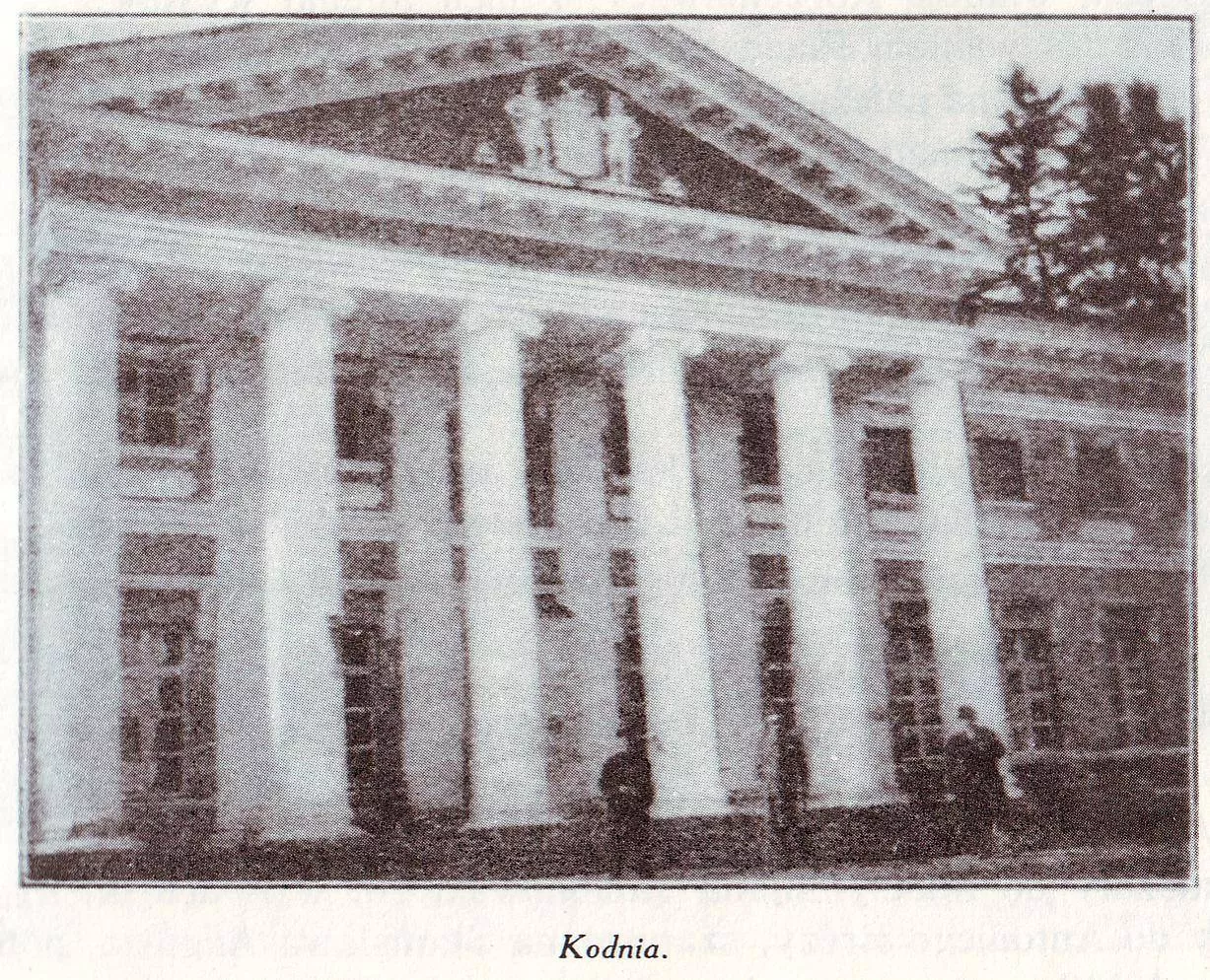
At the end of the 18th century, Kodnia belonged to Mykhailo Hlembotsky, and then passed as a dowry to General Michał Korzeniowski. In the early 19th century, he built a new palace in the Empire style on the site of the old one. According to the memoirs of writer Michał Czajkowski, Emperor Nicholas I and his suite stayed at the palace, and balls followed one after another here. The palace stood until the 1930s, when it was dismantled; in 1967, a culture house with a local history museum was built on the manor grounds.
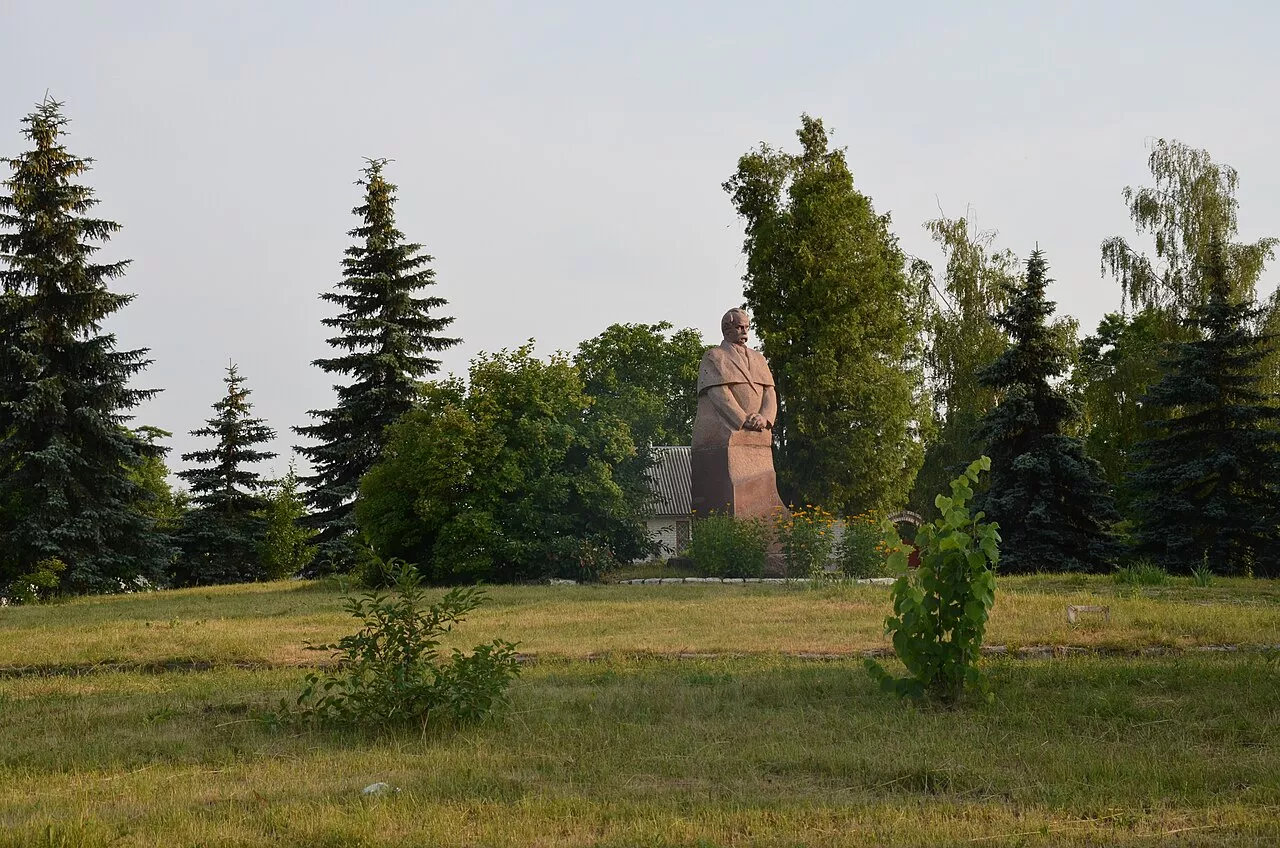
In the autumn of 1846, on his way from Kamianets-Podilskyi to Zhytomyr, Taras Shevchenko visited Kodnia. Today, a monument to the poet stands in the center of the village — on the site where the masonry Church of the Blessed Virgin Mary the Consoler with the Augustinian monastery once stood, built around 1828 and destroyed by a fire in 1943.
What to see
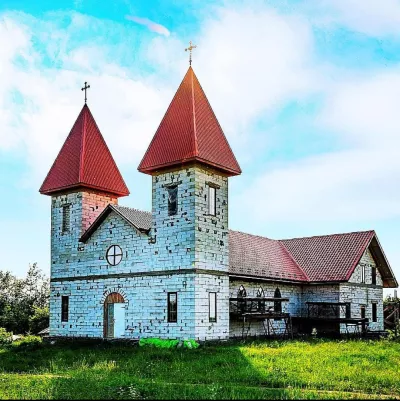
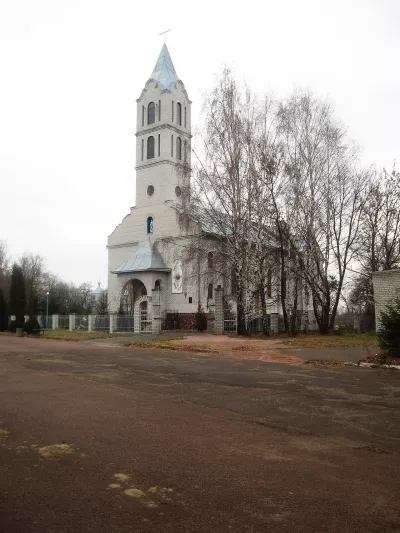
The main architectural landmark of Kodnia is the classicist Church of the Nativity of the Theotokos. It was laid in 1835 and completed in 1841 at the expense of Michał Korzeniowski, and the bell tower was added in 1863. It is also worth visiting the local history museum at the culture house and walking around the village, which stands on two wide hills.
During the Second World War, in August 1941, the Nazis shot 185 Jews in Kodnia, and during the occupation destroyed a total of 644 Jewish residents.
How to get there
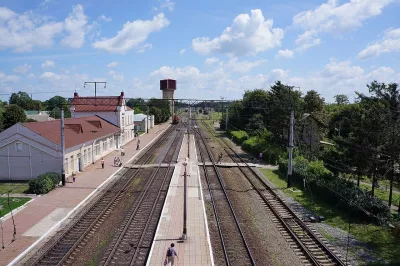
Kodnia is located about 25 km south of Zhytomyr, and the Kodnia railway station is 3 km from the village. The trip can be combined with Berdychiv Raion and Berdychiv itself. Read more about the surroundings of Zhytomyr in the article about Zhytomyr Raion.