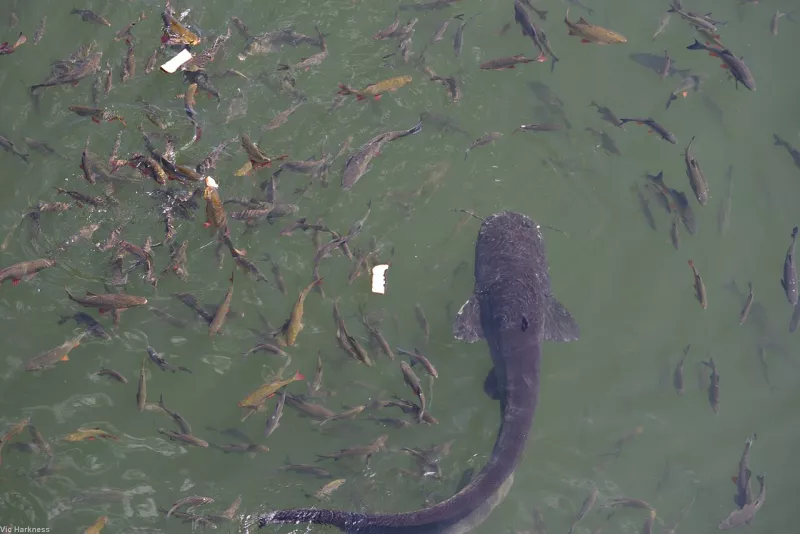

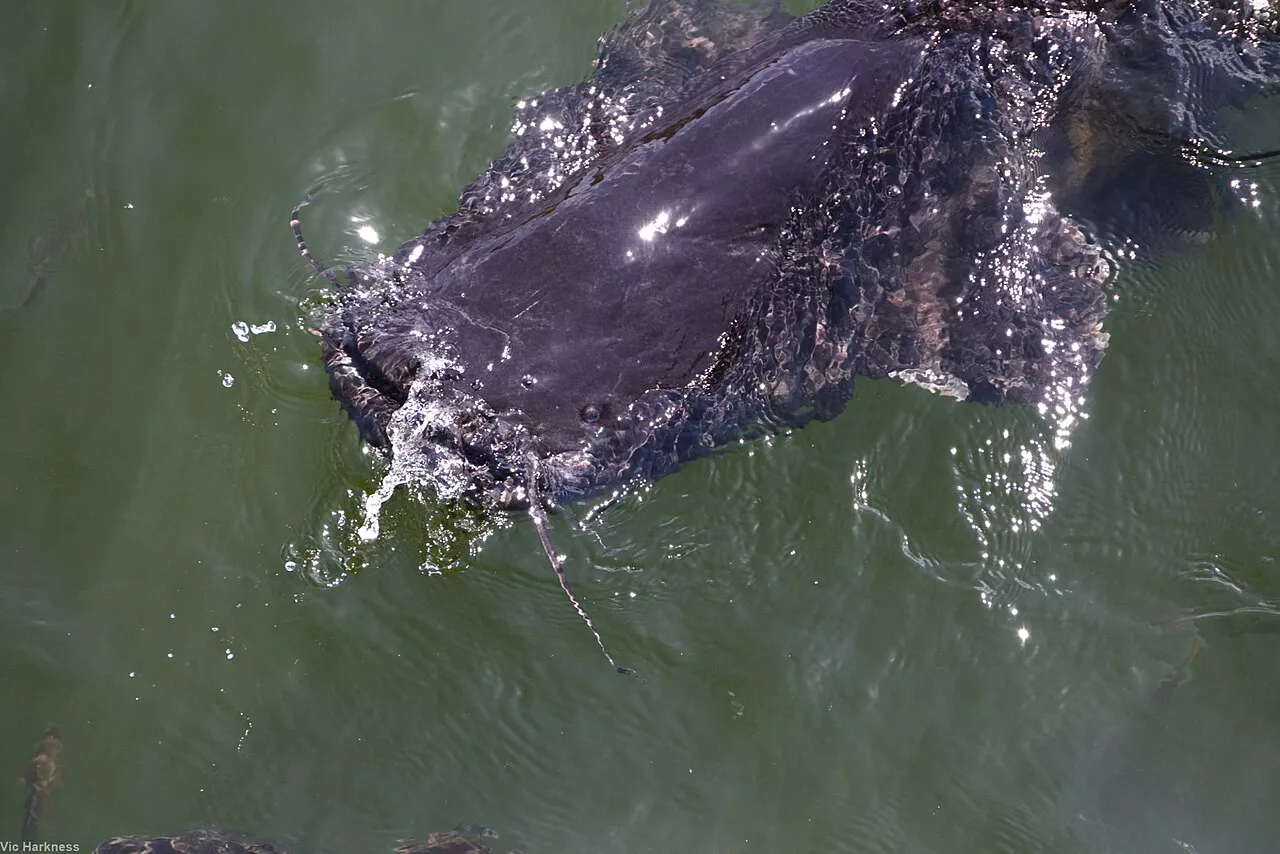
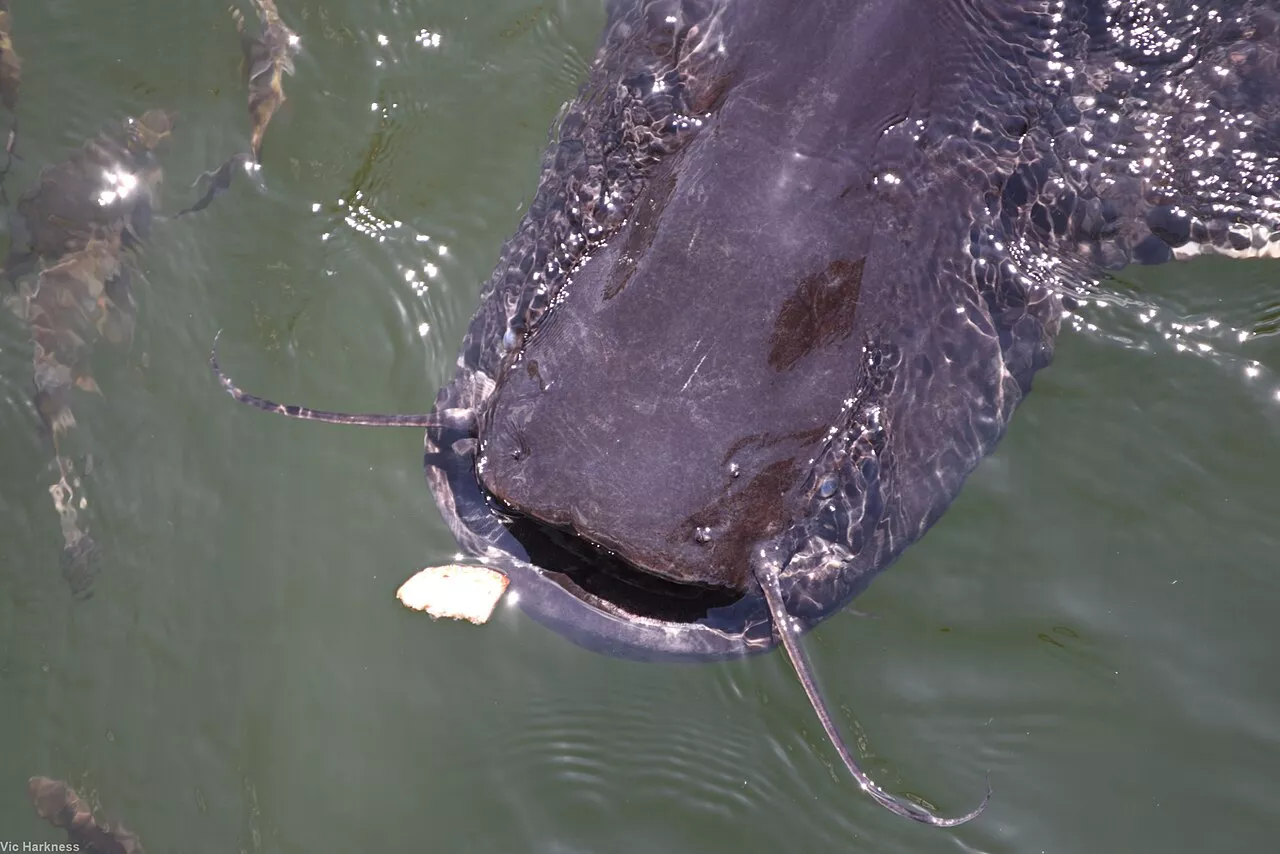
Giant catfish of the Chornobyl NPP cooling pond are one of the most popular "legends" of the exclusion zone. Videos showing huge fish swimming up to the bridge and grabbing bread gain millions of views, while commenters write about "mutants". In reality, the size of the catfish is driven not by radiation, but by ordinary biology.
Cooling pond
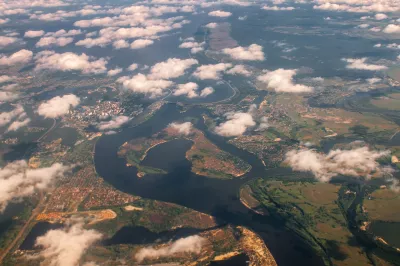
The cooling pond was built for the Chornobyl NPP and commissioned alongside the first power unit in 1976. Water passed through it, removing heat from the reactors, so even in winter the water here was warmer. After the plant was shut down, the pond became significantly larger than needed, and since 2016 water levels have no longer been maintained at their former level. The body of water is gradually breaking up into separate lakes.
Why catfish are so large
The wels catfish is one of the largest freshwater fish in Europe. It can live for several decades and grows throughout its life. For decades, no one fished in the cooling pond, the water was warm, and food was abundant — so the catfish simply had time to grow to large sizes. There is no scientific evidence that radiation caused their size. Scientists are researching something else: how radionuclide content in fish changes after the pond began to dry up.
What is happening to them now
As the water level began to drop, the number of large catfish in the pond decreased. Some of the fish likely moved into the Prypiat, with which the body of water is connected. The famous footage near the bridge was mostly shot back in the 2010s.
Fishing
Fishing in the cooling pond and in rivers of the exclusion zone is prohibited: this is a restricted radiation-contaminated area, and fish can accumulate radionuclides. For information about fishing on the Prypiat outside the zone, see the article "Fishing on the Prypiat River".
How to see them
The pond is located next to the Chornobyl NPP, in the most strictly protected part of the zone. During martial law, visits are restricted and possible only with permission and accompanied by a guide. Read more about the nature of the zone in the article "Chornobyl Biosphere Reserve".
About the water body itself — how it was built, why the water was drained, and what is there now — in the article Chornobyl NPP Cooling Pond.