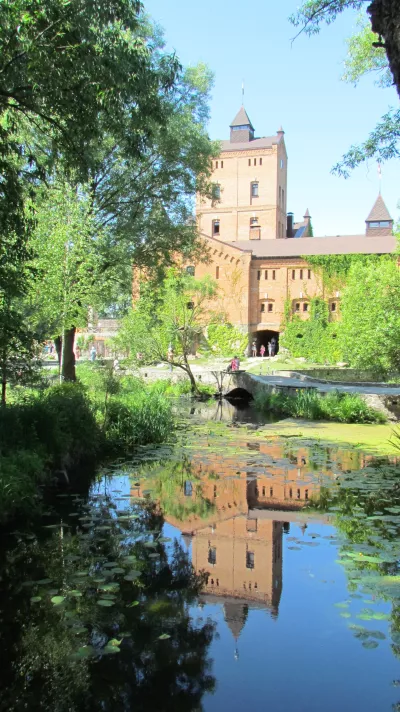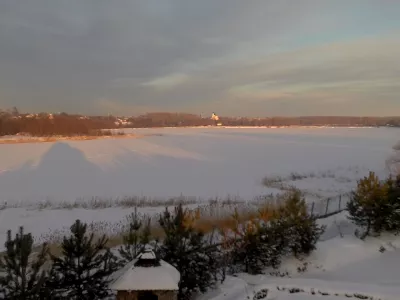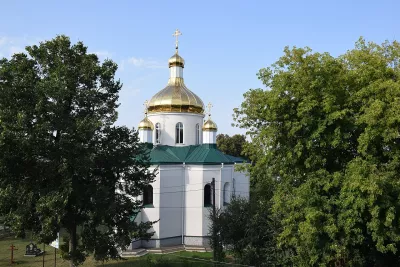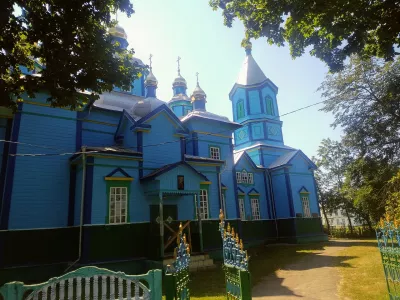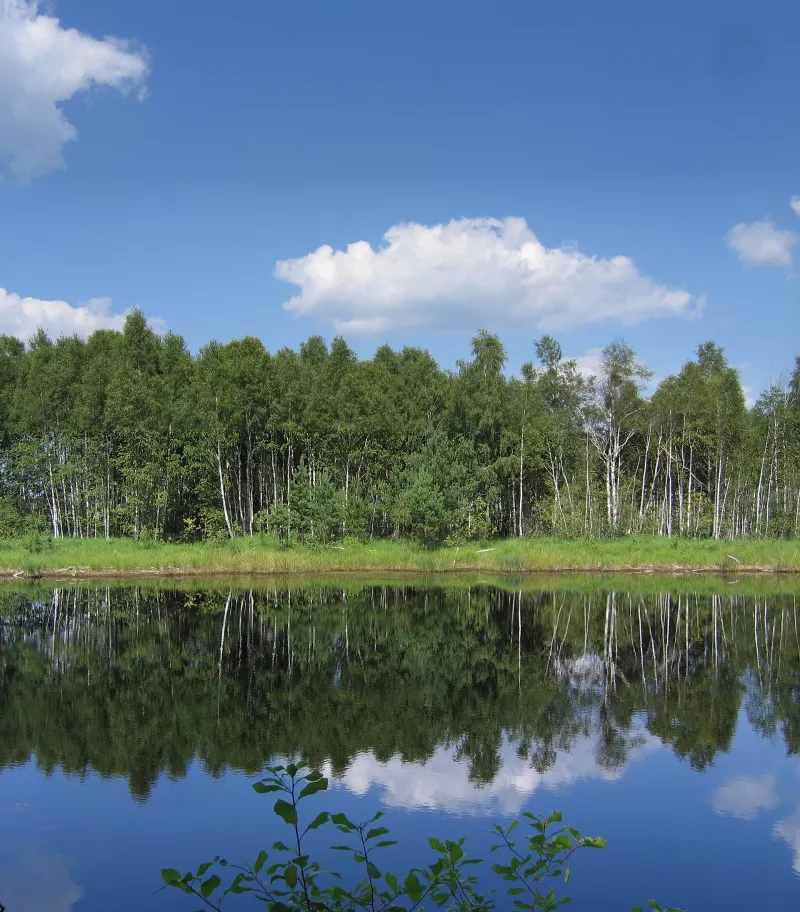

The most valuable nature of the Zhytomyr region is in the north, in Polissia: two nature reserves lie here, Poliskyi and Drevlianskyi, alongside hundreds of sanctuaries and natural monuments. They protect wild forests and bogs, the massive boulders of Kaminne Selo, the quartzite hills of the Ovruch Ridge, and forest lakes. In the south of the region, on the Teteriv and Hnylopiat rivers, the main natural wonders are granite cliffs and canyons. This selection tells you where to go and what to do in each location.
Visitor Rules
A nature reserve is the strictest protection category: you cannot wander freely there; visits are coordinated with the administration, usually for guided tours or along ecological trails. Sanctuaries and natural monuments are mostly open, but cutting timber, pitching tents outside designated areas, and gathering rare plants are prohibited. Everywhere, fires may only be lit in specially equipped places, and rubbish must be taken with you.
The north of the region borders Belarus, and part of the Narodychi hromada borders the Chernobyl Zone. Before your trip, check border regime regulations, temporary forest visit restrictions, and advice from local authorities.
Poliskyi Reserve
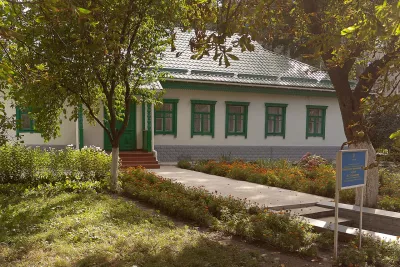
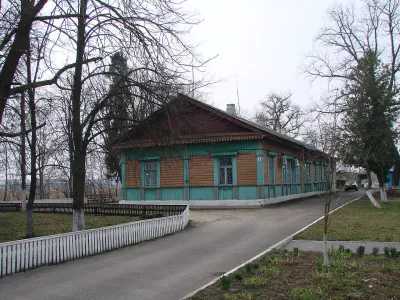
Poliskyi Nature Reserve is one of the oldest in Ukraine: it was established in 1968 across 20 thousand hectares in the north of the Zhytomyr region, between the Ubort and Bolotnytsia rivers. Surrounded by over 14 thousand more hectares of a buffer zone, it is home to elk and wolves, while its bogs remain almost as they were centuries ago. Near the reserve's headquarters, the open-air museum "Drevlianske Selo" serves as the most convenient starting point for visitors. Read about the reserve's predators in the article Kings of the Polissia Forest.
Drevlianskyi Reserve
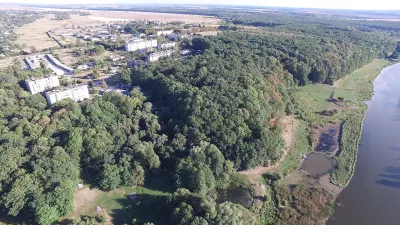
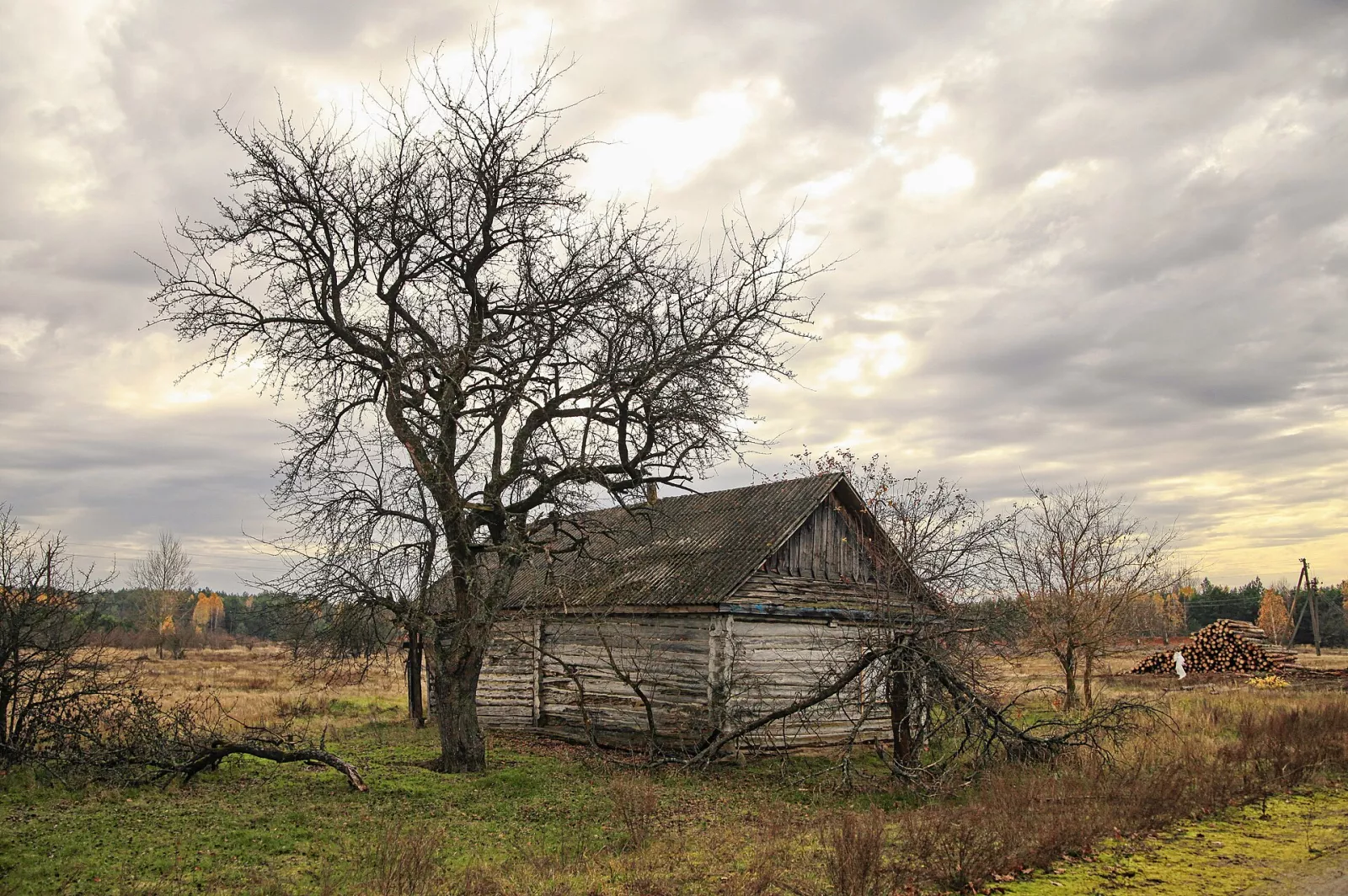
The Drevlianskyi Nature Reserve was created in 2009 south and east of Narodychi, along the Uzh River and its tributaries Loznytsia, Osla, and Zvizdal. Its area spans nearly 31 thousand hectares of Polissia forests and bogs. Part of the territory consists of former villages evacuated after the Chernobyl disaster, which are gradually being reclaimed by the forest.
Kaminne Selo and Ovruch Ridge
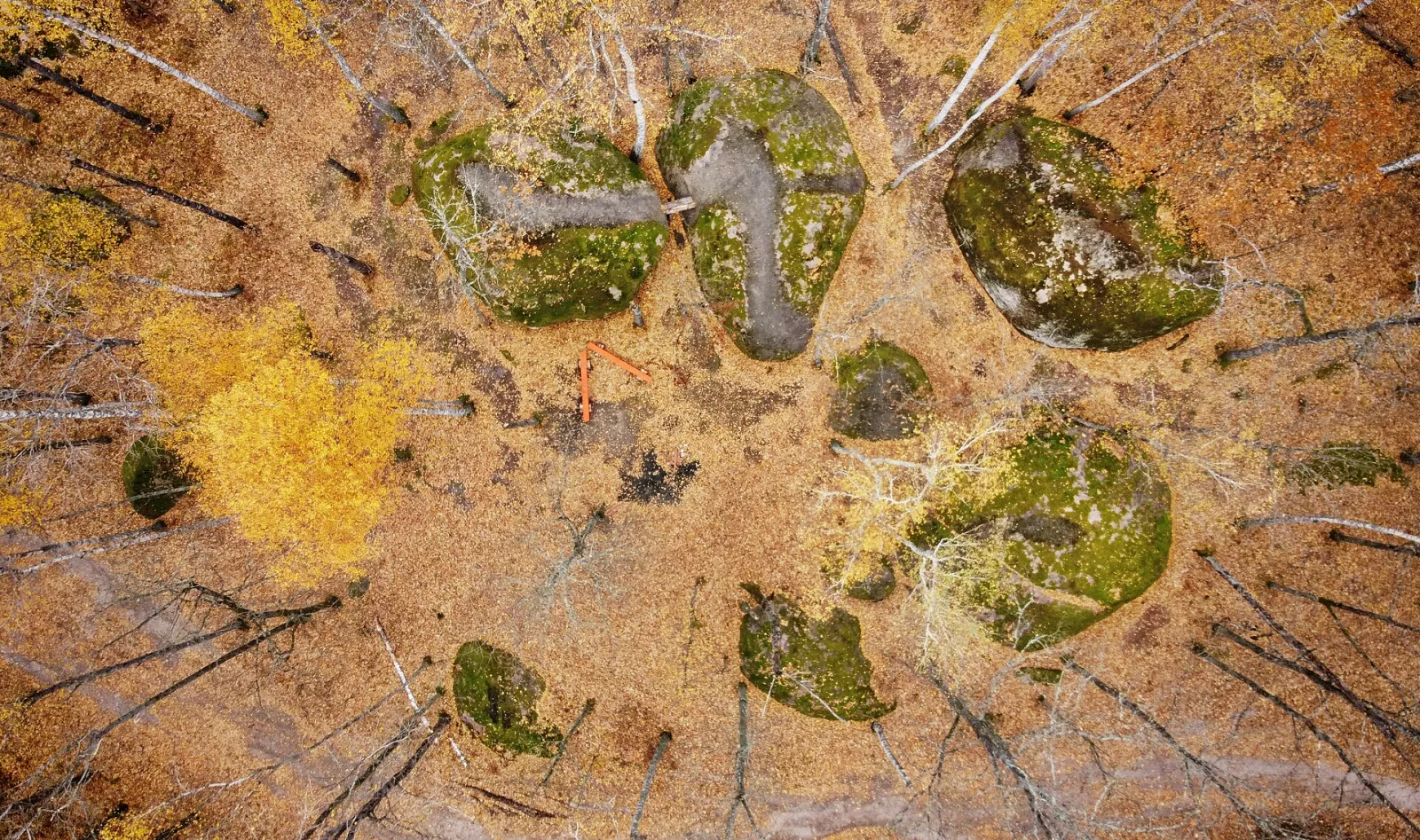
The "Kaminne Selo" geological sanctuary near Rudnia-Zamyslovytska in the Olevsk area is a cluster of huge boulders surrounded by pine forest, steeped in local legends. It is one of the most visited natural sites in the region.
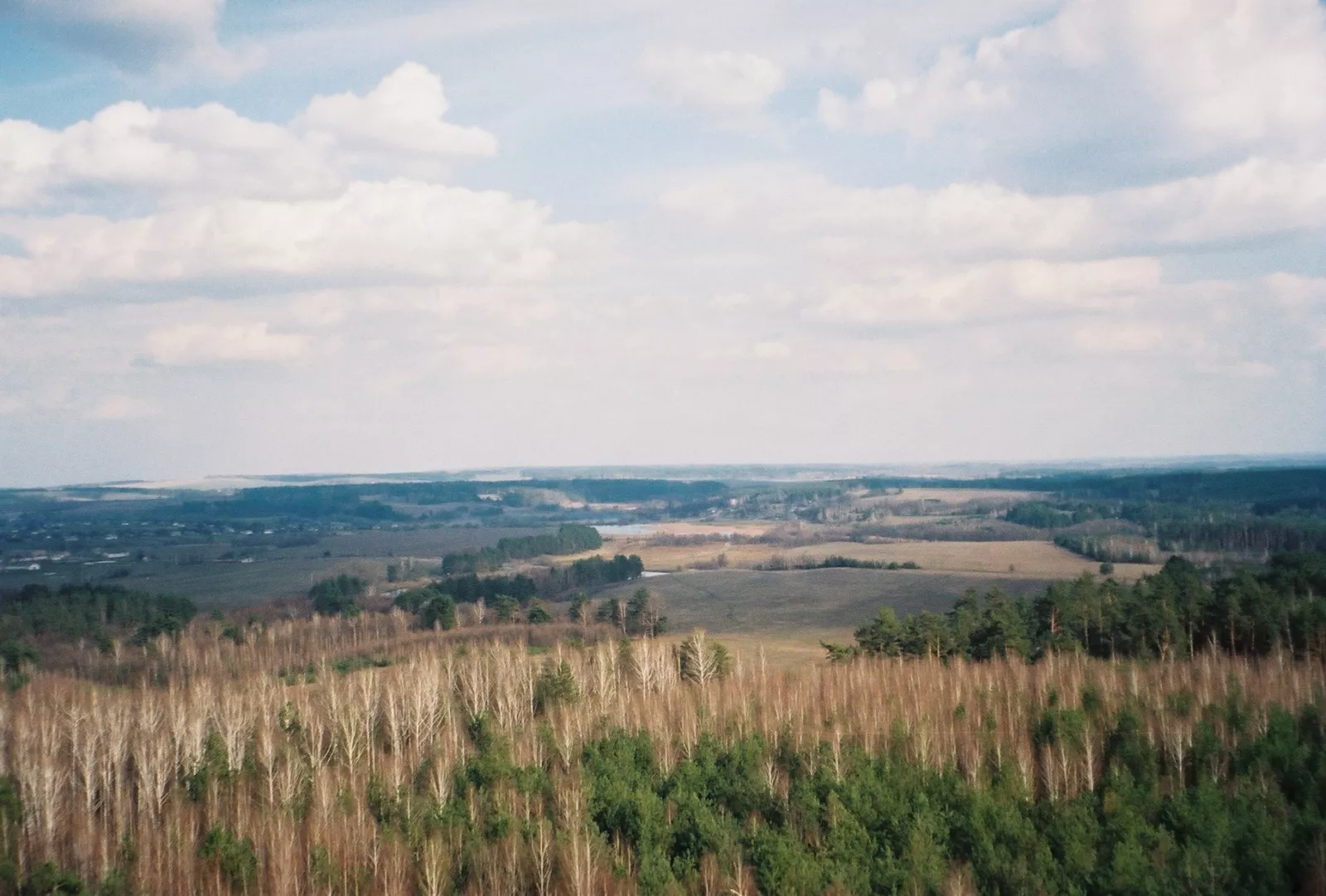
The Slovechno-Ovruch Ridge stretches for nearly 60 kilometres from Chervonka to Ovruch and beyond. Amidst the flat landscape of Polissia, hills rise here with ravines, quartzite cliffs, and oak forests. On its slopes lies the Kamiana Hirka sanctuary with a relict grove of sessile oak, while near Kupyshche lies the legendary Hromovyshche, where according to local lore, lightning repeatedly strikes the very same spot.
Forests and Bogs of the North
- Poiaskivskyi Reserve — century-old tree stands set aside for science in 1926 and uncut ever since.
- Olevskyi Reserve — the successor to a 19th-century naval timber grove near Olevsk.
- “Melnytskyi” in the Luhyny region — pine forests where yellow rhododendrons bloom in May.
- Cherevkivskyi Reserve — a forest where lady's-slipper orchids grow.
- Borutynskyi Reserve — over three thousand hectares of forests and bogs in the Ovruch region.
- Didove Lake near Kovanka — a forest body of water in the upper reaches of the Bolotnytsia River, a reserve since 1980.
Malyn Region
Near Malyn lies the landscape reserve “Hamarnia”, featuring forests above the Malyn Reservoir and the estate of the Miklouho family, as well as the hydrological reserve “Halove” — a fen that feeds the groundwater of surrounding forests.
Rocks and Canyons of the South
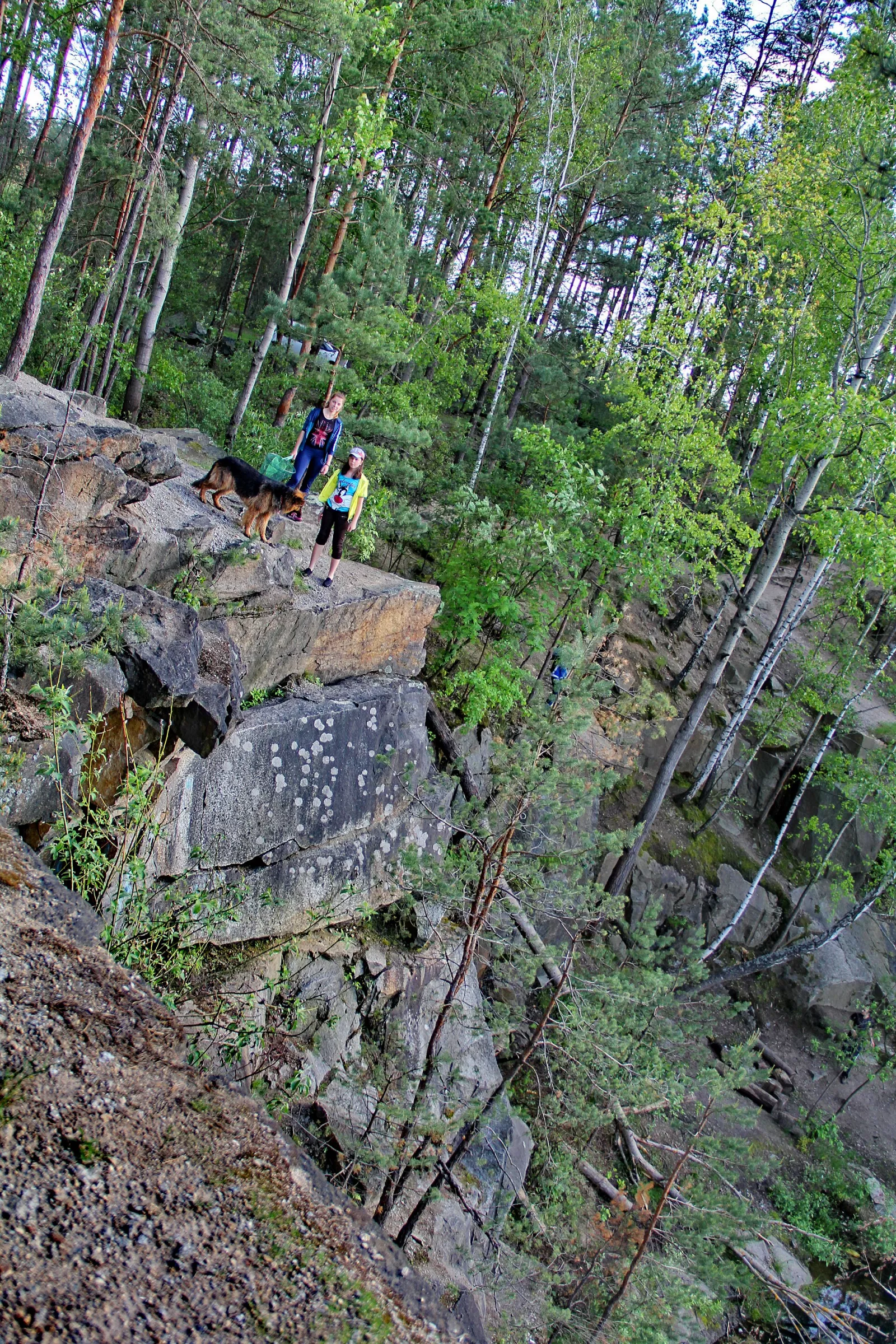
On the Teteriv and Hnylopiat rivers, nature is completely different: here the granite of the Ukrainian Shield comes to the surface. In Zhytomyr above the Teteriv stands “Czacki's Head” Rock, while near Perliavka on the Hnylopiat is the geological natural monument Kraszewski Rock. Near Denyshi, the Teteriv flows through a granite canyon, and near Korostyshiv, the turquoise lake of a flooded quarry is surrounded by cliffs up to ten metres high.
How to Plan Your Trip
The Teteriv cliffs are easy to see in a day trip from Zhytomyr. For Kaminne Selo, the Polissia Nature Reserve, and the Ovruch Ridge, allow two to three days: distances in the north are large, buses run infrequently, and some places can only be reached via forest roads. The best time to visit is May–June and September; make sure to bring tick repellent for the forests. For the region's palaces and castles, see our selection of Castles and Palaces of Zhytomyr Region.
Frequently Asked Questions
How many nature reserves are there in Zhytomyr Region?
Two: Polissia Nature Reserve, established in 1968, and Drevlianskyi Nature Reserve, established in 2009.
Can I visit the Polissia Nature Reserve independently?
To the reserve headquarters and the “Drevlianske Selo” museum — yes. Walks through the reserve's territory must be arranged with the administration.
Where are the most beautiful cliffs in Zhytomyr Region?
Along the Teteriv River between Denyshi, Zhytomyr, and Korostyshiv, as well as along the Hnylopiat River.