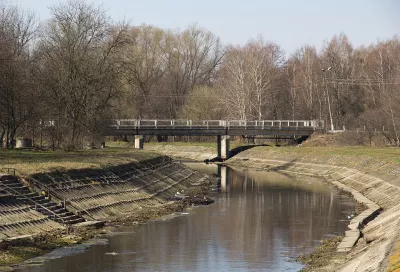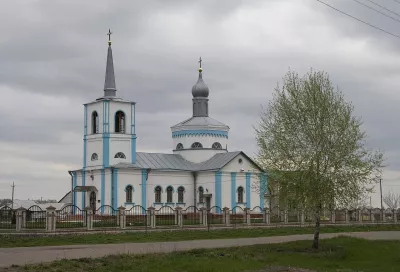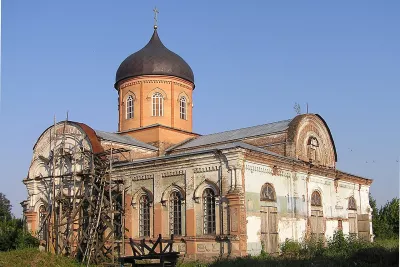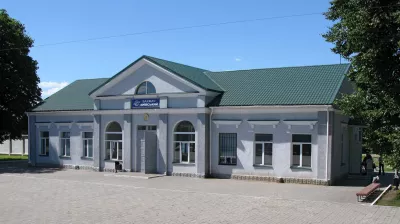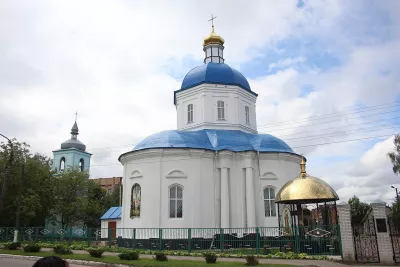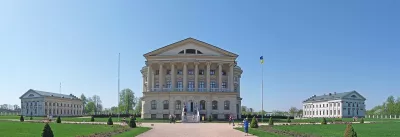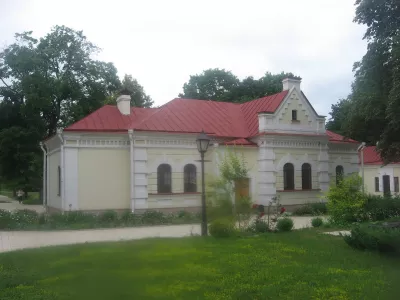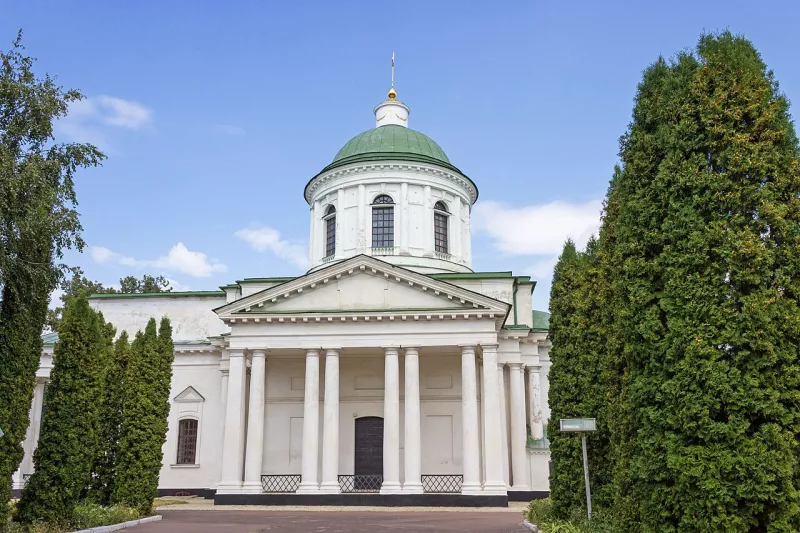

Nizhyn is the second-largest city in Chernihiv region, located on the banks of the Oster river, 80 km from Chernihiv. Over 70 thousand people live here. Nizhyn is called an open-air museum: it is a former regimental and major merchant town with a Greek colony, famous fairs, and a gymnasium where Mykola Hohol studied.
Nizhatyna Nyva
Within the city, archaeologists have found settlements from the Bronze and Early Iron Ages, hoards of Roman coins, and two Old Rus hillforts — the "Zamok" and "Horodok" tracts. The "Tale of Bygone Years" mentions a battle at "Nizhatyna Nyva" under the year 1078, and the "Tale of Igor's Campaign" also remembers this place. Presumably, the original name of the city was Nizhatyn, named after Nizhata. In 1135, the "town of Nizhatyn" was burned by the Polovtsians.
Regiment and Fairs
In June 1648, the army of Bohdan Khmelnytsky liberated Nizhyn, and the Nizhyn Regiment of 10 thousand Cossacks was established here. In 1654, 11.6 thousand people lived in Nizhyn — more than in Kyiv at the time. On May 27, 1659, beneath the city walls, Cossacks and Tatars repelled the Moscow army. In 1704, it was in Nizhyn that Ivan Mazepa received the hetman regalia.
From 1675, Nizhyn spent a whole century as one of the largest trading centers of Left-Bank Ukraine. The Trinity, Intercession, and All-Meat fairs lasted for two or three weeks; goods were brought here from Crimea, Turkey, Germany, Austria, and Italy, and the annual turnover reached a million karbovantsi.
Greek Colony
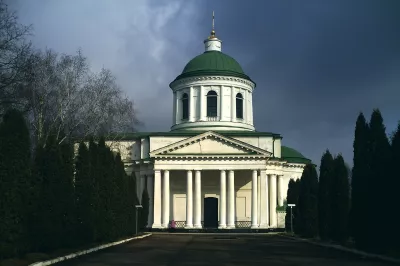
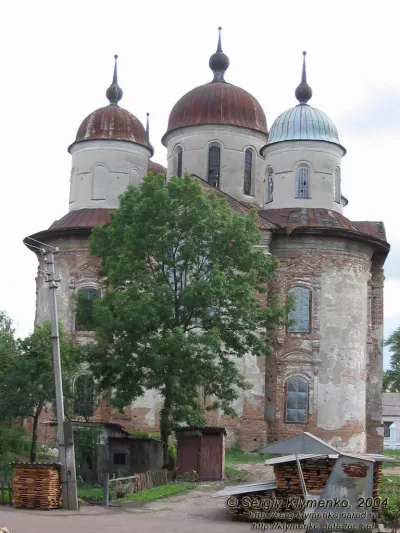
Bohdan Khmelnytsky invited Greek merchants to Nizhyn and granted them major trade privileges in 1657. In 1675, the Greeks founded their colony here with their own magistrate, court, church, and school; by 1746, there were about 1,800 of them — seven percent of the population. Remaining from the Greek colony are the Greek Church of St. Michael from 1719–1729, the All Saints Greek Church from 1786, and the Greek Alexandrian School from 1817 on Hrebinky Street.
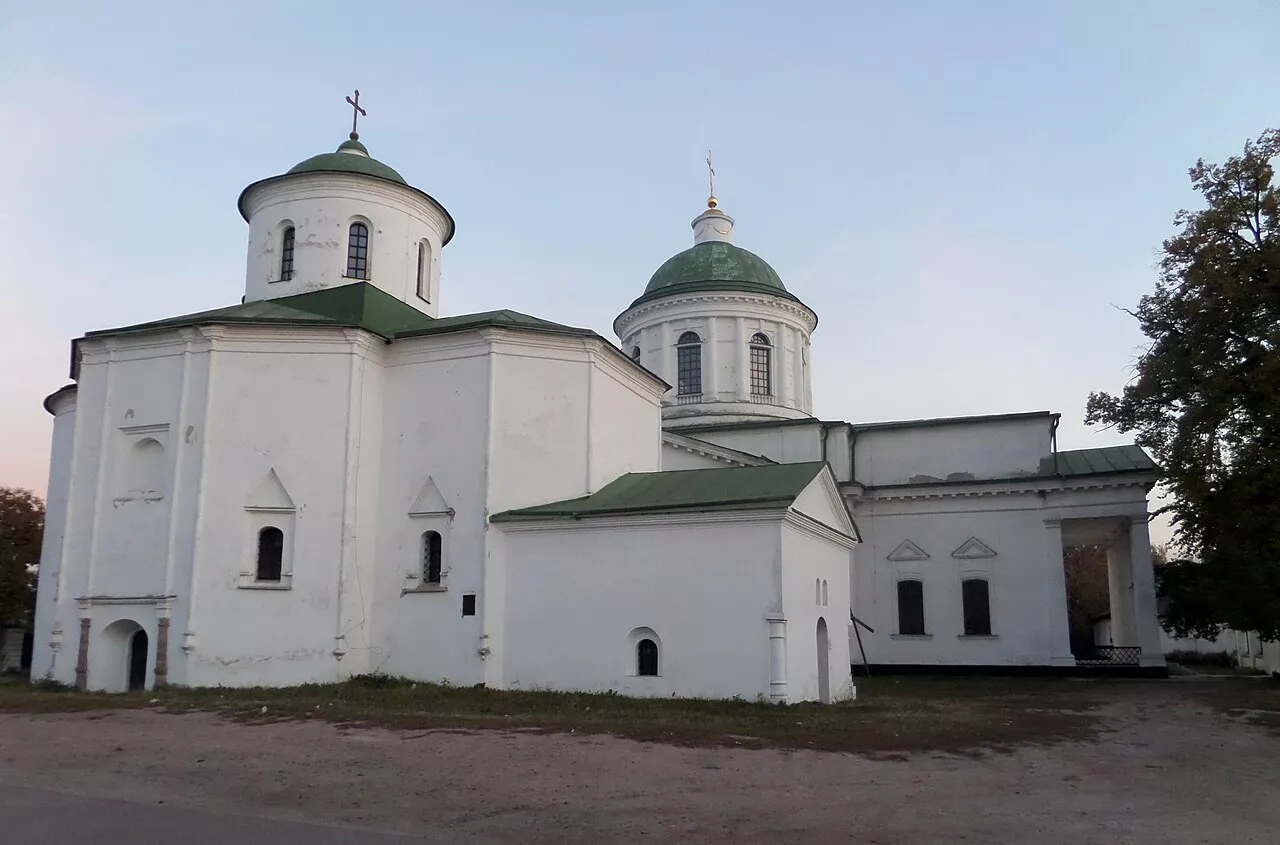
Gymnasium of Higher Sciences
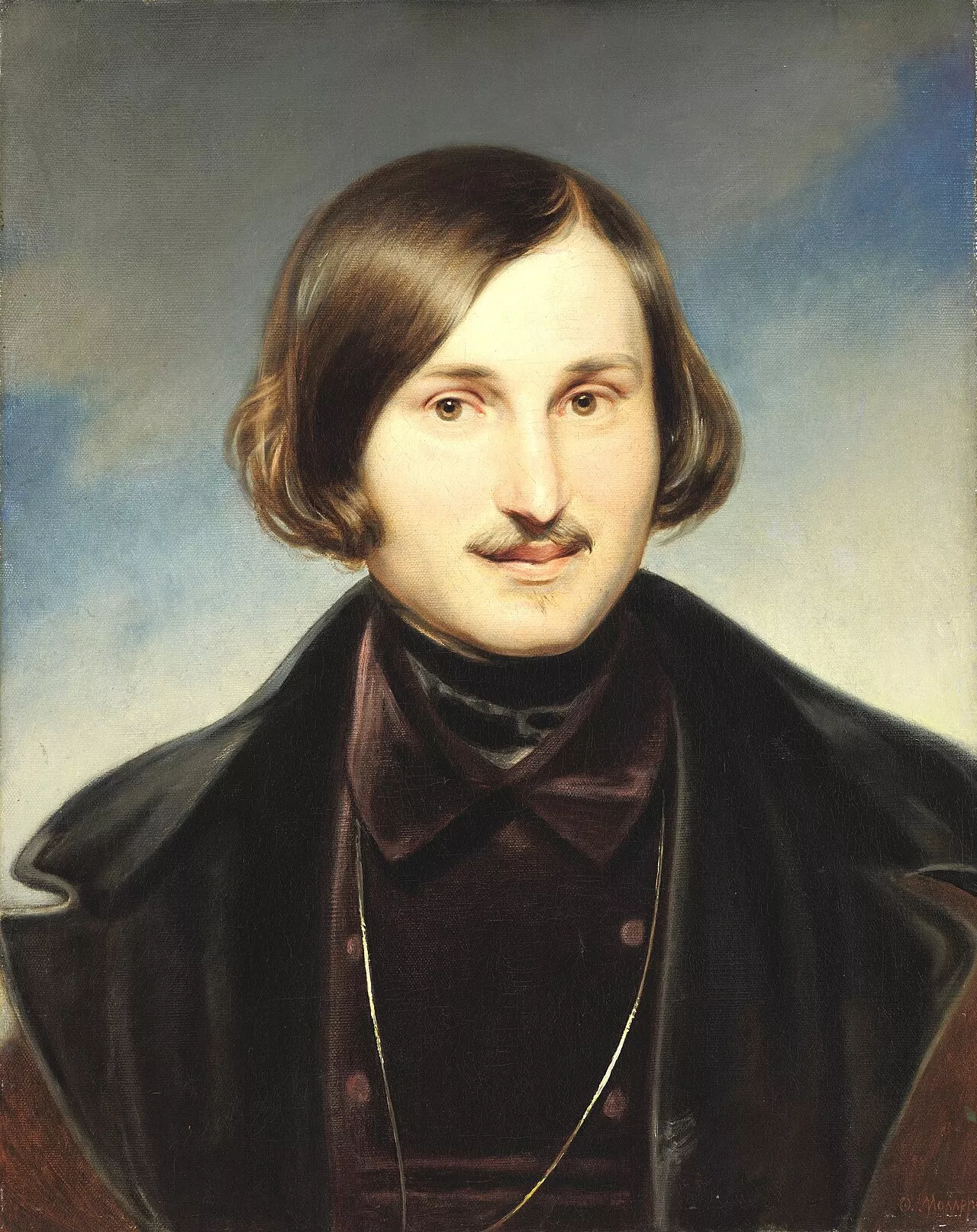
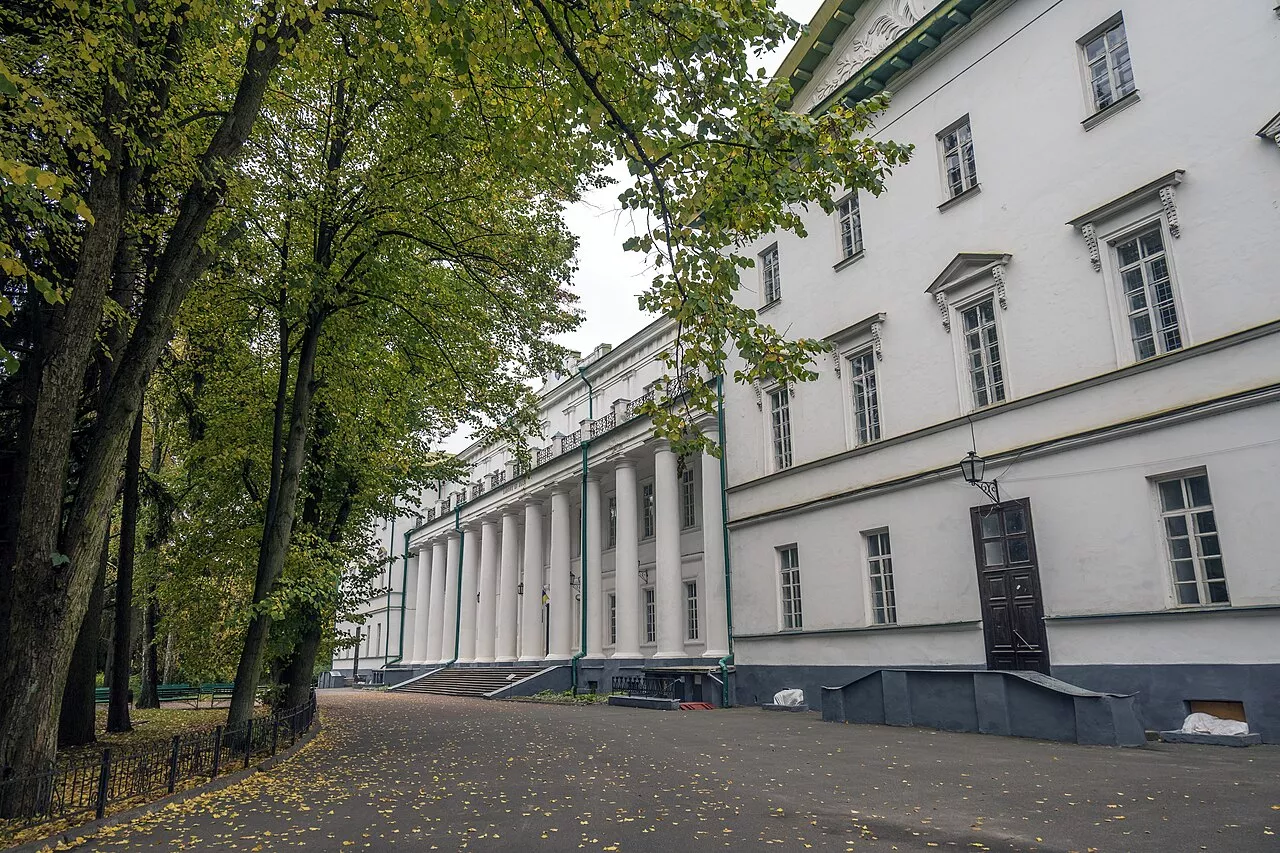
In 1805, the Gymnasium of Higher Sciences of Prince Bezborodko was founded in Nizhyn — the first higher education institution on Left-Bank Ukraine; classes began in 1820. Mykola Hohol, Yevhen Hrebinka, and Leonid Hlibov studied here. Today, its building houses the Nizhyn Mykola Hohol State University with a Hohol museum, a rare book museum, an art gallery, and a university history museum.
What Else to See
In the center is the architectural ensemble of St. Nicholas Cathedral from 1654, the Annunciation Monastery, Hohol Street, and the central square. The Ivan Spaskyi Nizhyn Museum of Local Lore holds over 40 thousand exhibits, and its "Nizhyn Post Station" branch tells the story of postal affairs. The name of actress Maria Zankovetska is also connected with Nizhyn: a theater and a college of culture named after her operate here, and the Zankovetska Oak, a natural landmark, grows here. And of course, Nizhyn is famous for its cucumbers.
Coat of arms and flag
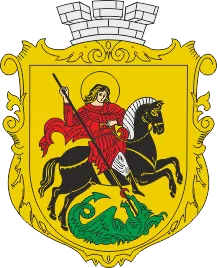
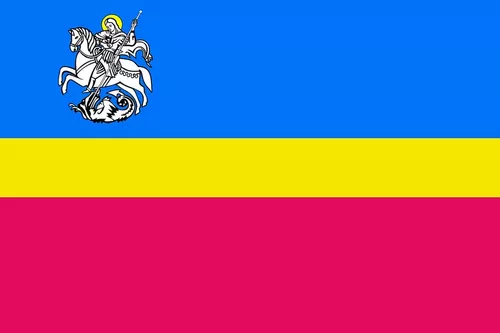
On the golden coat of arms of Nizhyn is Saint George on a black horse, piercing a snake with a spear. The flag features crimson, yellow and blue stripes with a white depiction of Saint George.
How to get there
Nizhyn is a major railway and road hub: trains and buses run here from Kyiv and Chernihiv. Nearby are Baturyn and Kozelets.