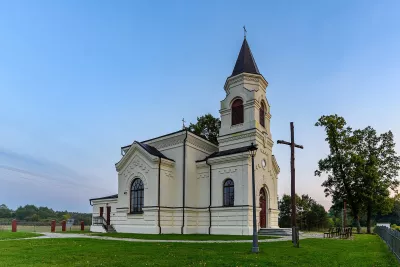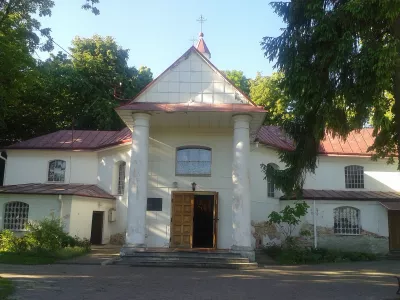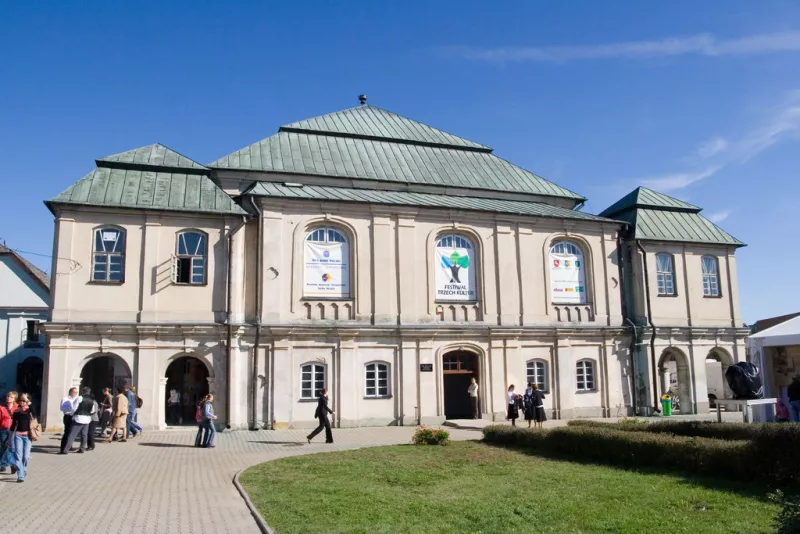
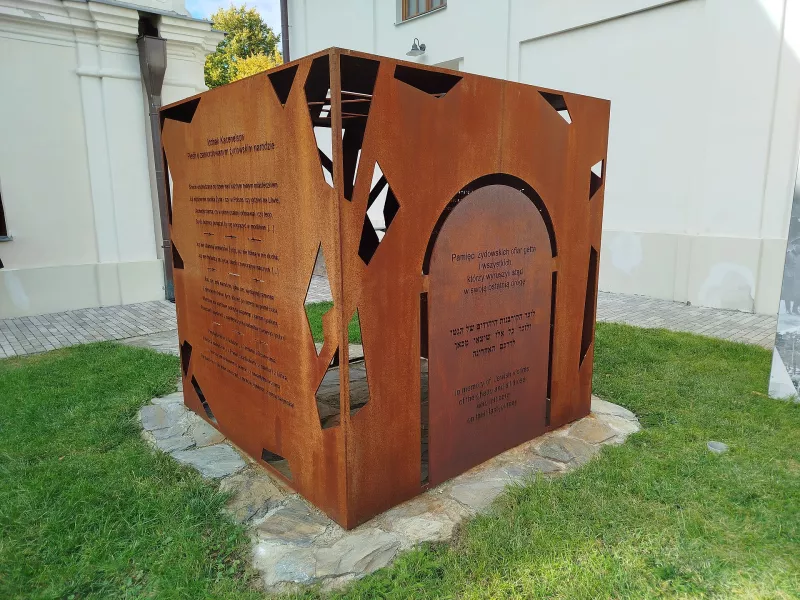
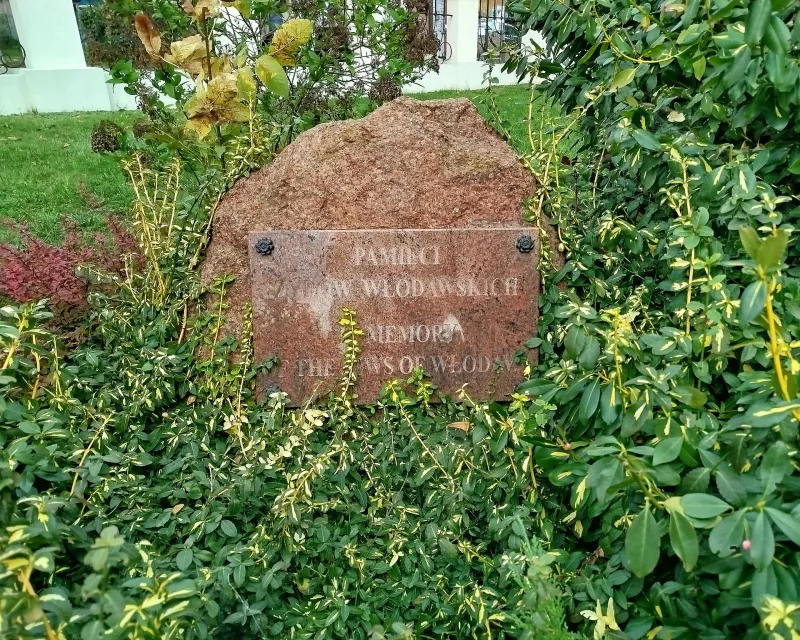
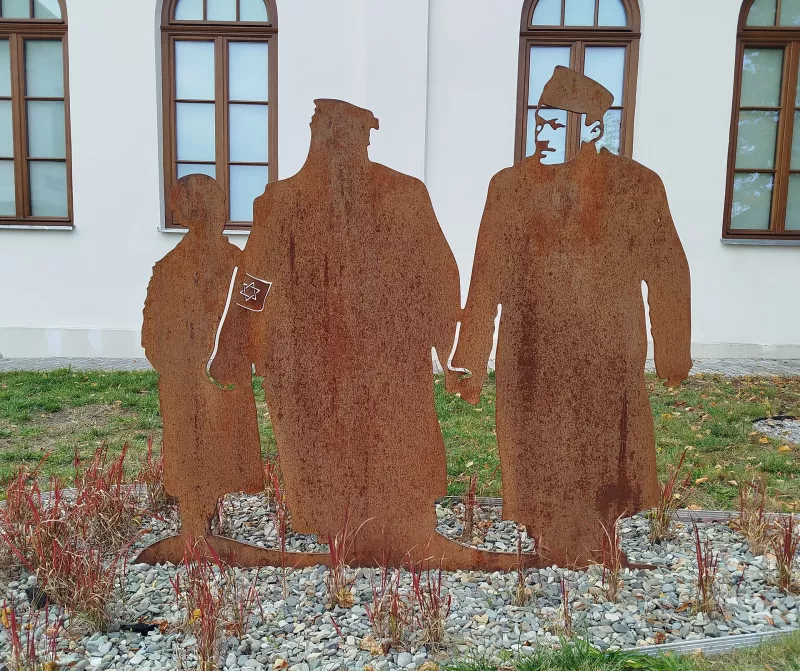

The synagogue complex in Włodawa is one of the best-preserved in Poland. Three 18th-to-19th-century buildings stand next to each other at 7 Czerwonego Krzyża Street in the town center: the Great Synagogue, the Small Synagogue, and the former kahal house. Since 1983, they have housed a museum now named the "Museum – Synagogue Complex in Włodawa". This is the best place to understand what the town was like before the Second World War, when Jews made up over 60 percent of the residents.
City of Three Cultures
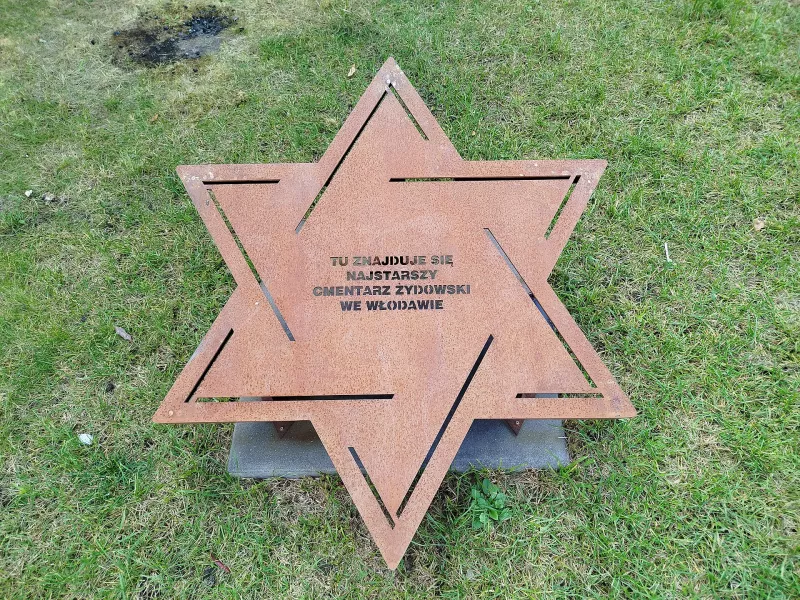
Ever since the times of the Kingdom of Galicia–Volhynia, Włodawa has been inhabited by Poles, Ruthenians, and Jews. Before the war, there were two synagogues, a study house, a school, a mikveh, two Jewish cemeteries, klezmer bands, and the Maccabi sports club. The Holocaust destroyed this world: most of Włodawa's Jewish residents perished in the death camp in Sobibór, just a dozen or so kilometers from the town. After the war, the synagogues stood empty, used as military and cooperative warehouses, and the Small Synagogue also as a cinema hall.
The Great Synagogue
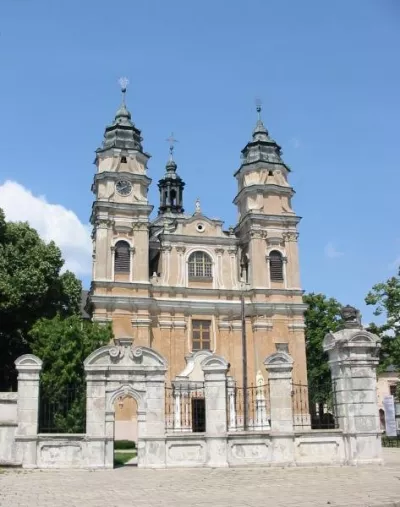
The Great Synagogue was built in 1764–1774 on the site of an old wooden one, likely designed by Paolo Antonio Fontana – the very same architect who designed the Church of St. Louis. Part of the funding was provided by the Czartoryski princes. The building is in late Baroque style, under a mansard roof, with side annexes for women and two corner alcoves added in the second half of the 19th century.
The main prayer hall is about 16.5 by 18 meters and 10.5 meters high. Four Ionic columns support the vaulting, and the keystones preserve 18th-century medallions with symbols of the holiday of Sukkot, an eagle, a deer, and a stork. During the First World War, the synagogue burned down, and its interior was restored until 1936. At that time, a neo-Baroque stucco Aron Kodesh was created – a cabinet for the Torah scrolls featuring griffins, a menorah, the Priestly Blessing hands, and depictions of musical instruments. This is one of the best-preserved Aron Kodeshes in Poland. The bimah between the columns was dismantled by the Nazis and reconstructed in 2004 based on pre-war photographs.
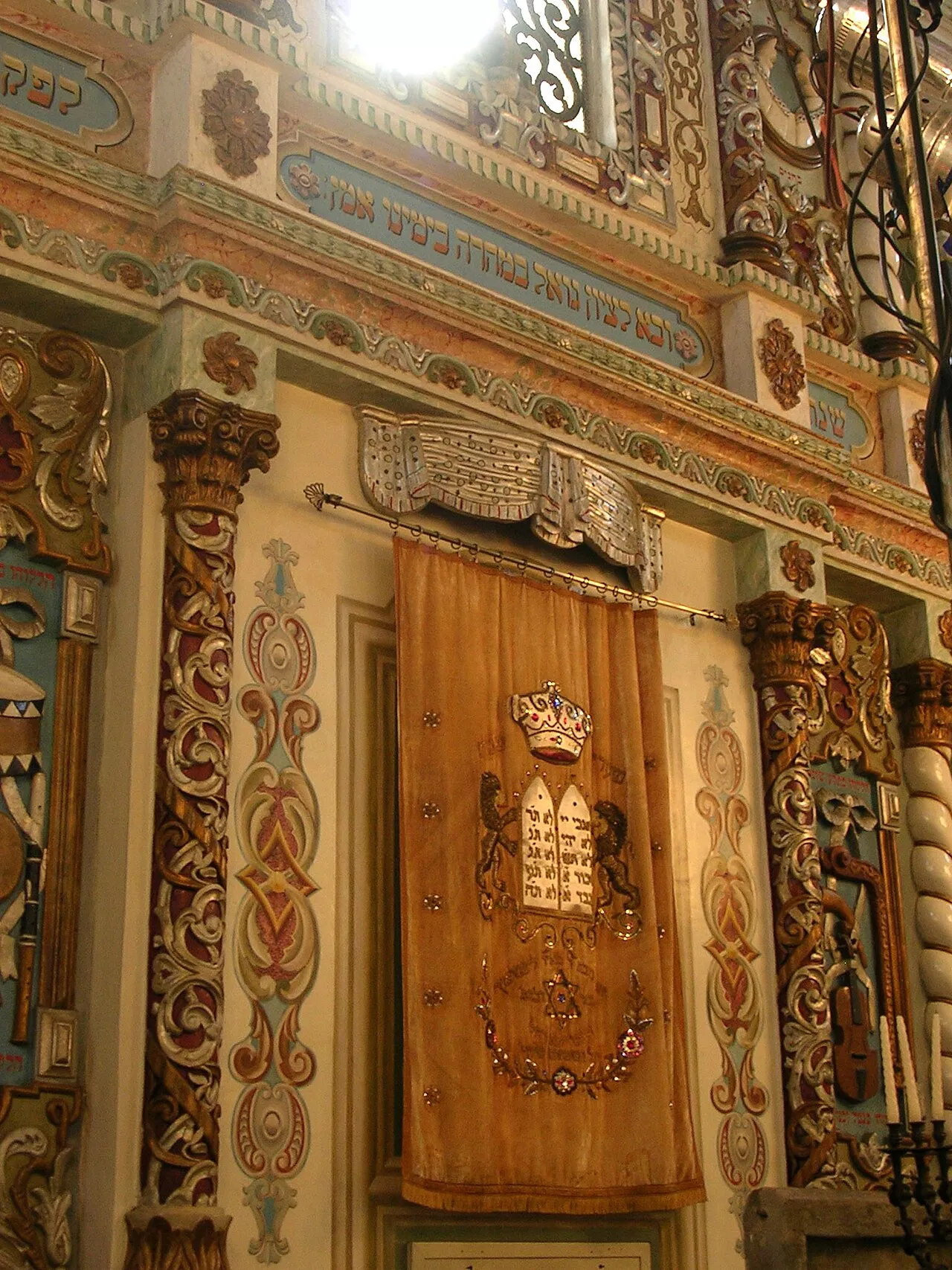
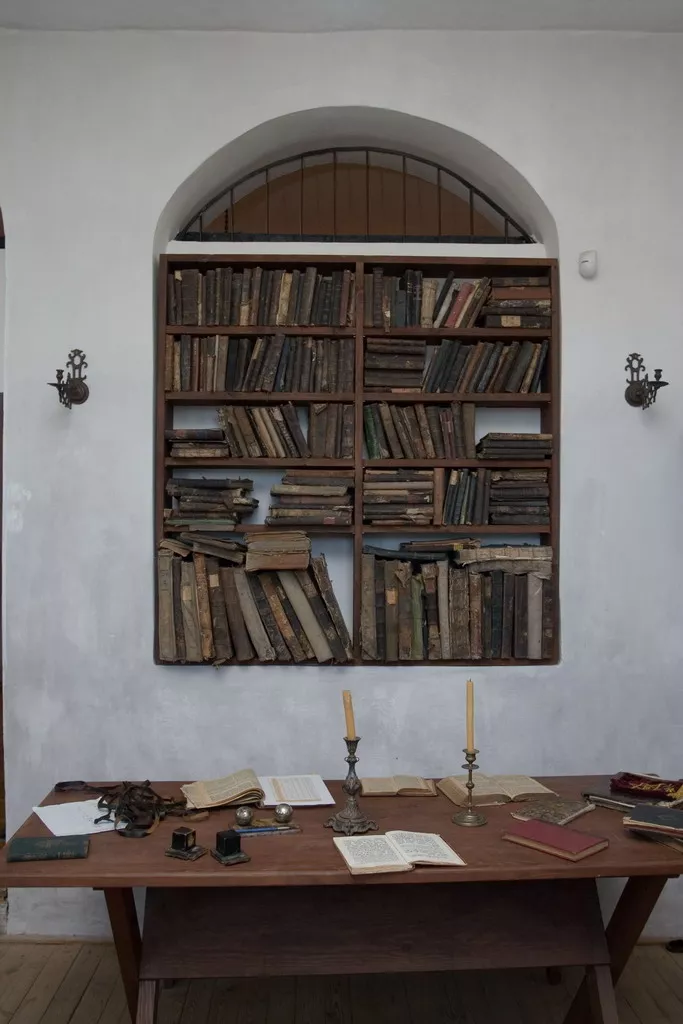
Today, the men's hall features an exhibition on the history and religious life of the Jews of Włodawa: 19th-century Torah scrolls, Hanukkah menorahs, tefillin, shofars, and spice containers. On the second floor, in the former cheder, the "Melamed's Room" has been set up – a teacher's dwelling complete with books, everyday items, and an old stove.
The Small Synagogue and the Kahal House
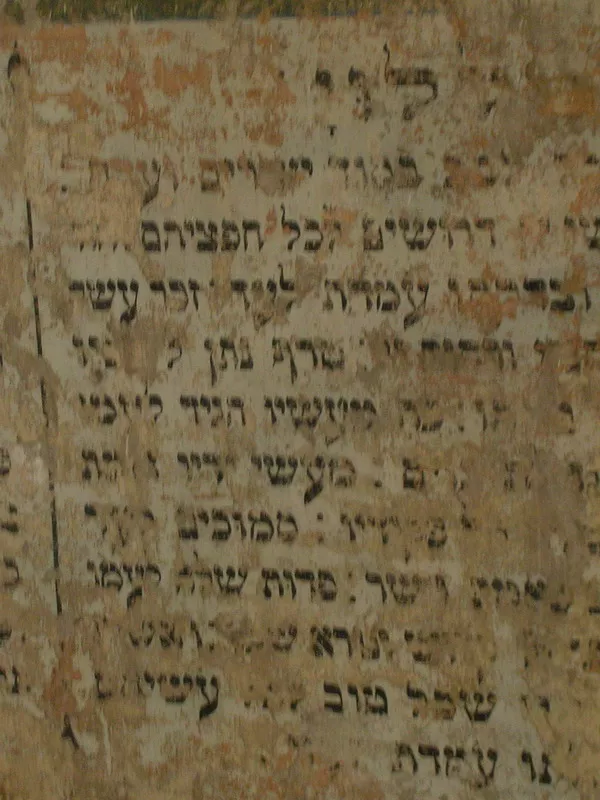
The Small, or New, Synagogue stands north of the Great Synagogue. Records of it date back to the 1780s; it served as an additional prayer house and a school for the study of the Talmud. Following the destruction of the First World War, it was repaired at the expense of Włodawa's burgomaster, Lejbl Lichtenberg, as recounted by an inscription on the wall. Its main adornment consists of colorful 1930s paintings: musical instruments, animals, zodiac signs, and prayer texts. Today, it hosts temporary exhibitions, while the women's section houses an ethnographic exposition on peasant life in the Włodawa region.
Festival of Three Cultures
The museum not only preserves the synagogues. Since the 1990s, it has been publishing "Museum Notebooks" on the history of the region, and every September it hosts the Festival of Three Cultures — a celebration of the Jewish, Polish, and Ruthenian (Ukrainian) heritage of Włodawa featuring concerts, exhibitions, and a fair. Until 2012, the museum in Sobibór was also subordinate to the museum.
How to get there
Włodawa is 50 km from Chełm and about 90 km from Lublin; from Volhynia, it is convenient to travel via the Yahodyn — Dorohusk border checkpoint, a foreign passport is required. The synagogues are on Czerwonego Krzyża Street, a few minutes' walk from the market square. The museum is usually open from Tuesday to Sunday, admission is paid; it is best to check the current schedule before the trip. The synagogues are one of the main points of the Three Cultures Trail, nearby is the Church of Saint Louis. More broadly about the region — in the article Polish Polissia.