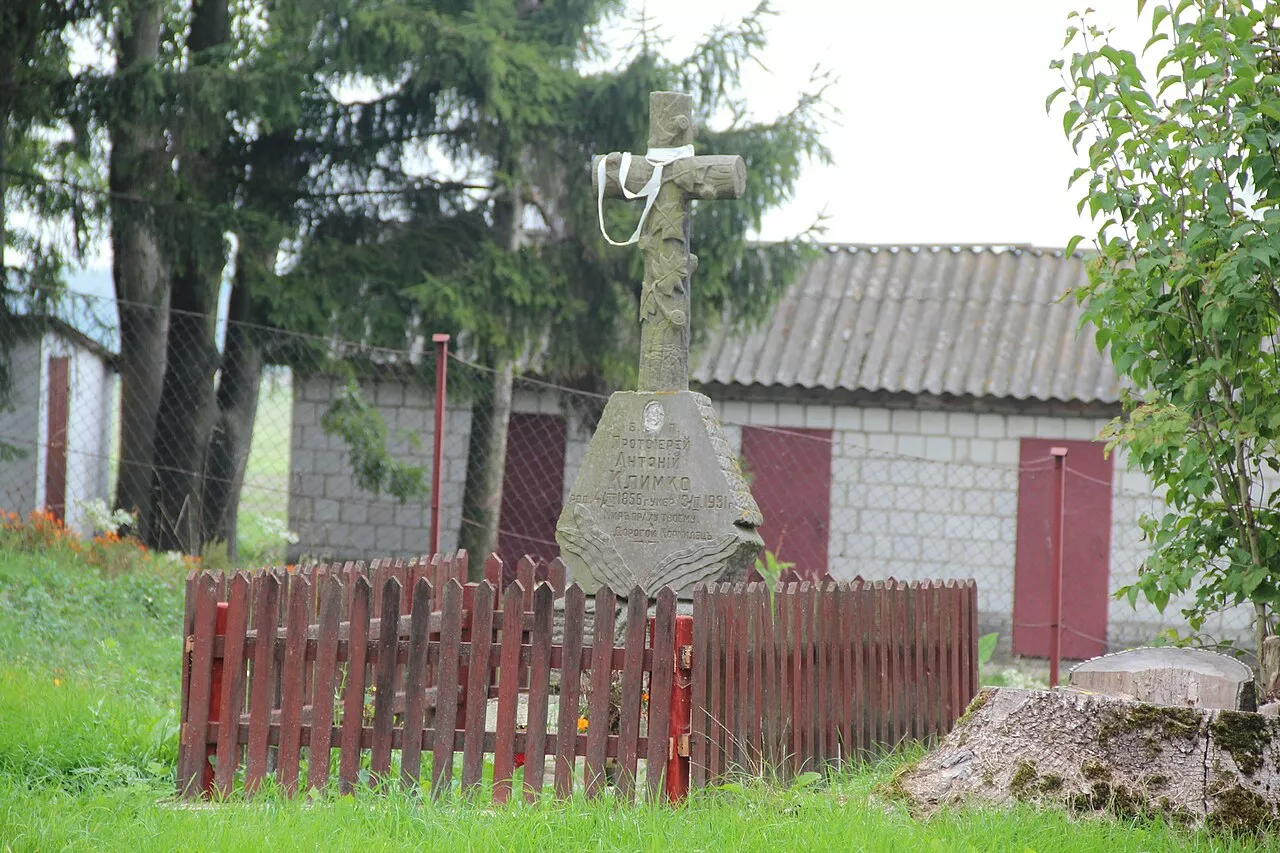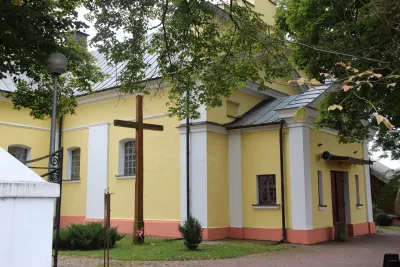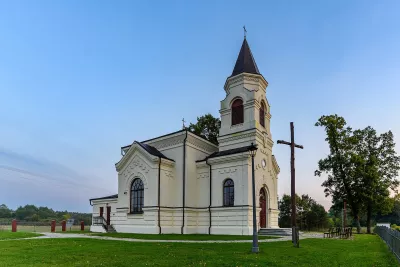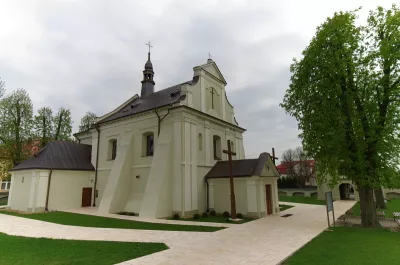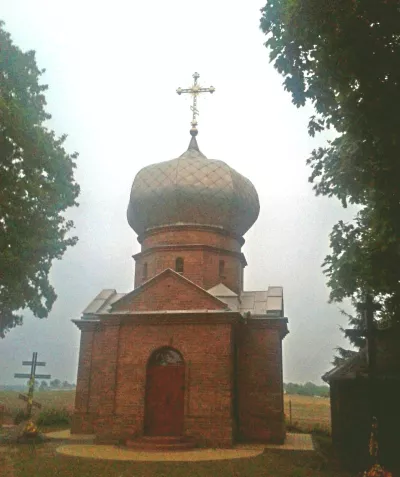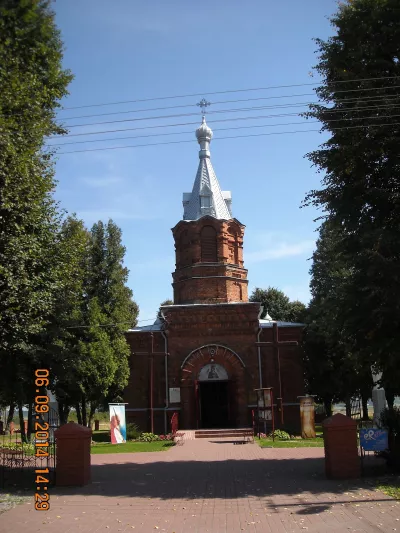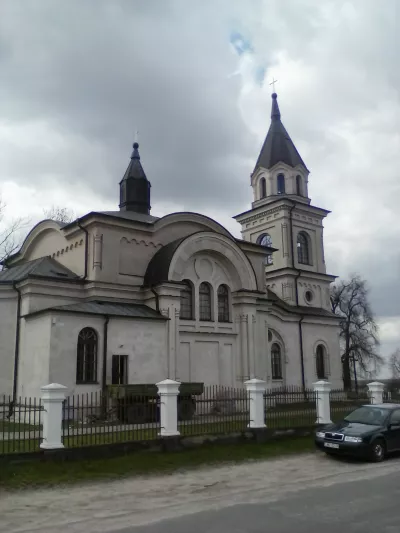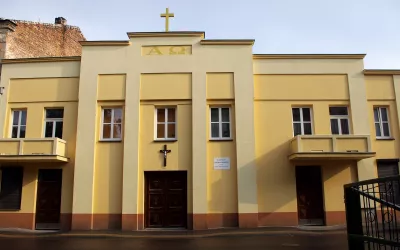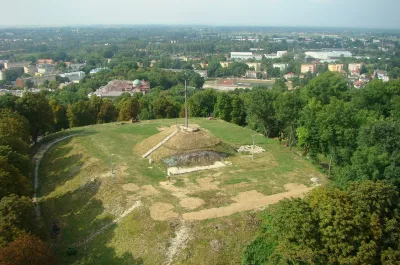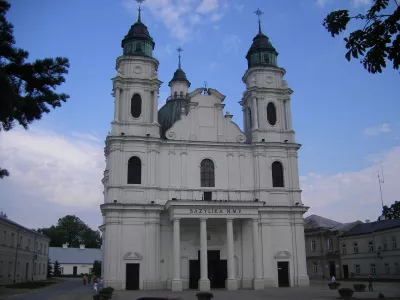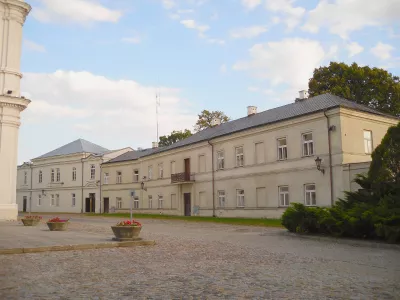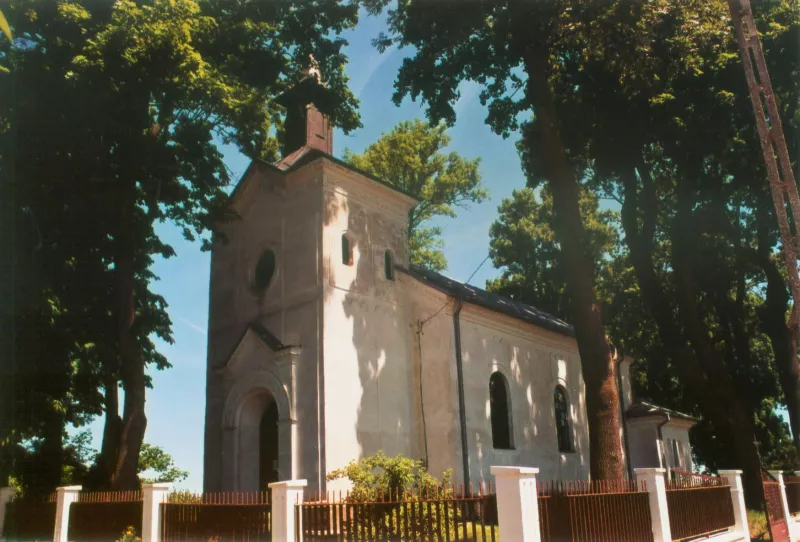
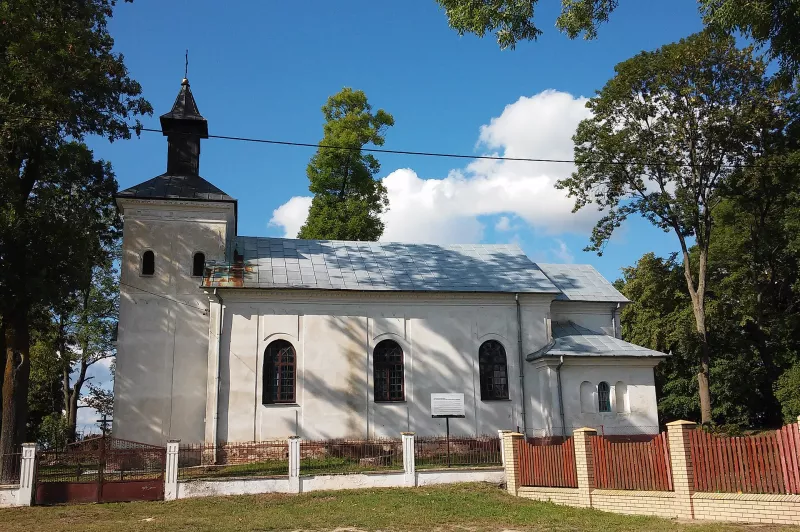
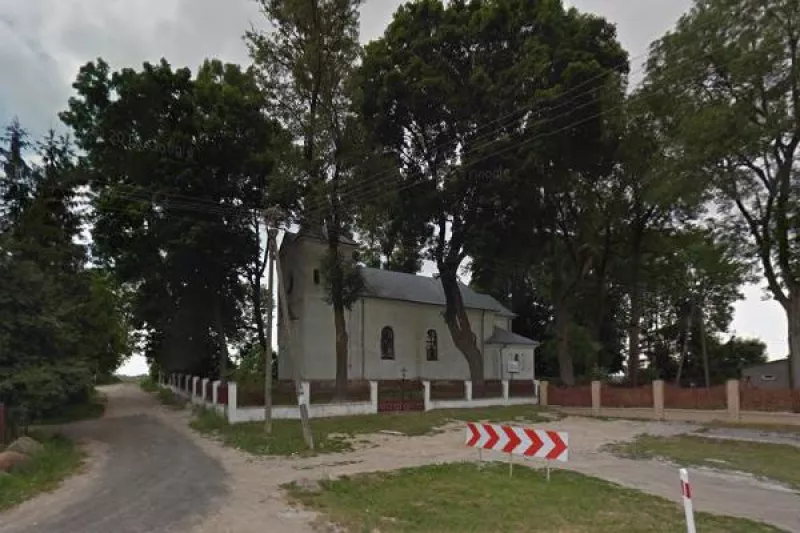
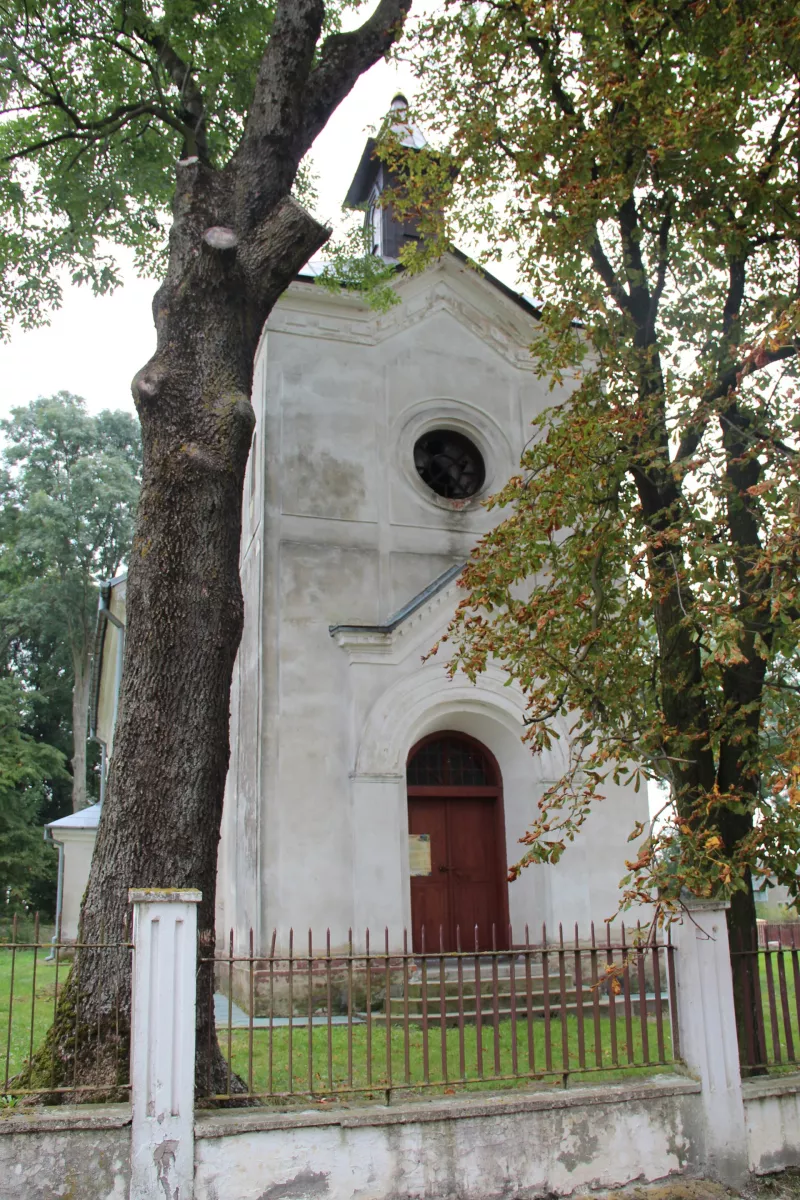
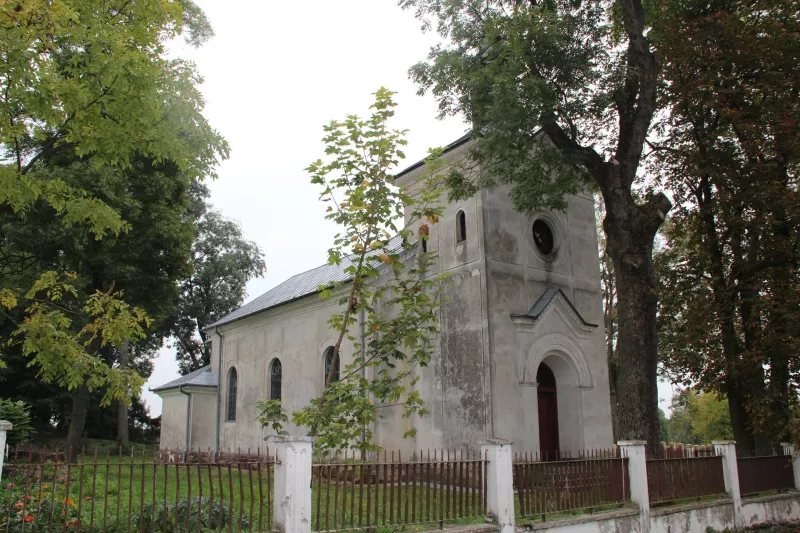

The brick church of the Assumption of the Blessed Virgin Mary stands on the outskirts of the village of Uhrusk in the gmina of Wola Uhruska, near the Bug River and the border with Ukraine. The current church was built in 1849, but the site itself is much older: in the 13th century, Uhrusk was a gord of Prince Danylo of Halych and the seat of a bishop, and a church already stood here by 1220. Today, it is a filial church of the Orthodox parish of Włodawa.
The Cathedral from the Time of Danylo
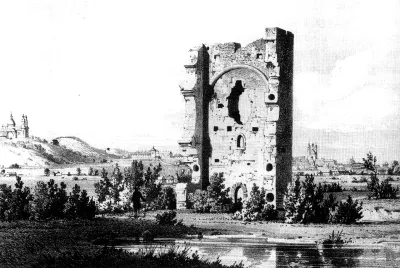
Uhrusk is mentioned in the Galician-Volhynian Chronicle. Prince Danylo Romanovych fortified the gord here and founded the episcopal see; the Church of the Assumption then had the status of a cathedral, and a monastery operated attached to it. Around 1240, Danylo moved the capital and the see to Chełm, and the significance of Uhrusk declined. Subsequent churches on the same site appeared by 1429 and 1785. In the 17th century, the parish, together with the Eparchy of Chełm, converted to the Union, and from 1661 it was a separate Uniate parish; the wooden church of 1785 served 580 believers.
The Uniate Church of 1849
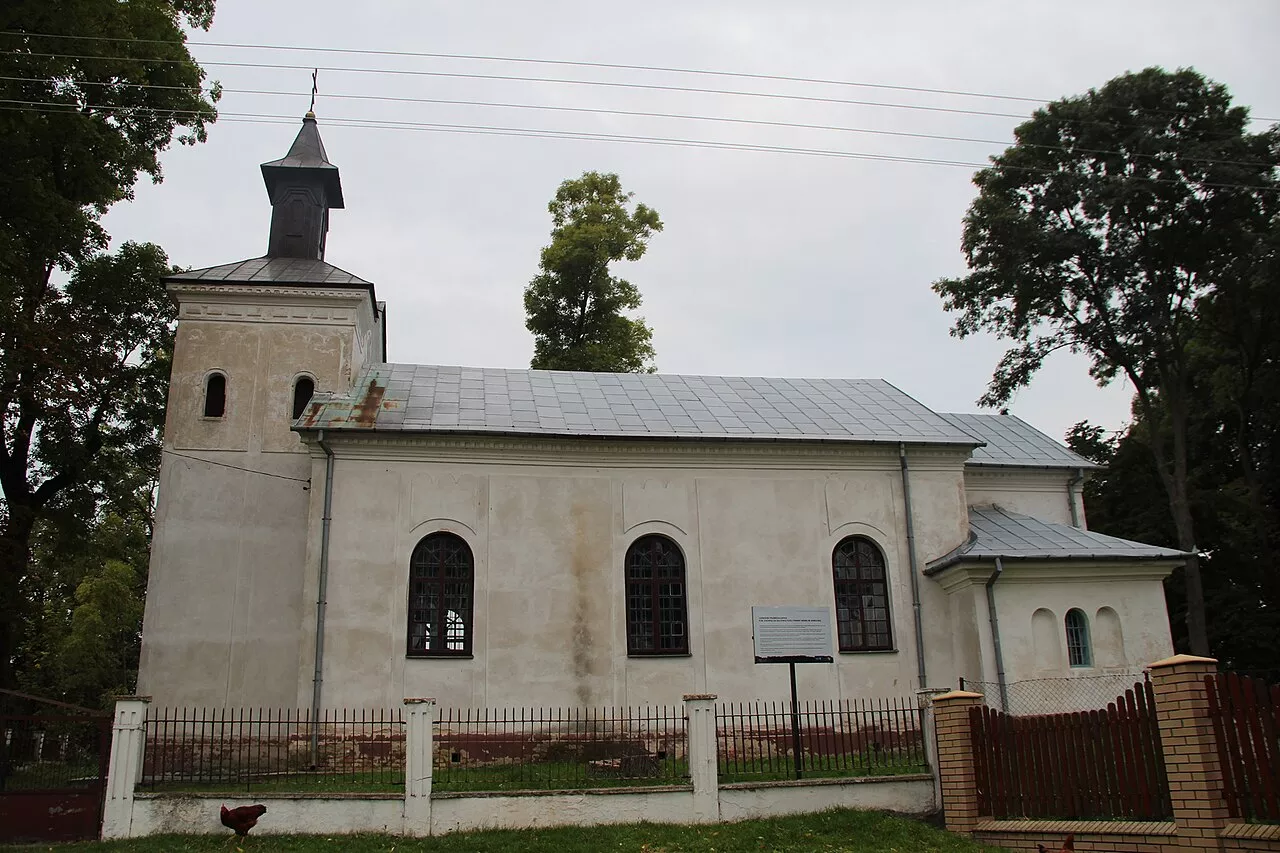
The current brick church was erected in 1849 as a Greek Catholic one at the expense of the estate owner Laura Kirsztejn, and the old wooden one was dismantled during construction. In 1875, following the liquidation of the Uniate Eparchy of Chełm, the church passed to the Russian Orthodox Church. For Orthodox liturgy, two side altars were combined into a single iconostasis, and a bell tower was erected above the narthex, at the latest by 1893.
In 1915, the Orthodox residents left as refugees, and the abandoned church was pillaged that same year, in 1916 it suffered from a fire, and in 1920 — once again, during the Polish-Soviet War. In that same year of 1920, the parish was re-established, and the church was repaired until 1927. In 1947, during Operation Vistula, almost all Orthodox people were deported from Uhrusk. The church was reopened in 1957 or 1958 as a branch of the parish in Włodawa; while it stood closed, it was tended by the Catholic parish, but its valuable furnishings were looted in the meantime. Part of what was missing was brought from the Church of Saint George in the neighboring village of Zbereże, which was destroyed in 1938.
Architecture and Icons
The style of the church is described as Classicist-Byzantine with elements of Neo-Romanesque and Neo-Gothic. The facades are articulated with recessed panels featuring semicircular arches, a cube frieze runs below the cornice, and the entrance is adorned with a modest portal featuring two Tuscan pilasters. The church in Uhrusk was never a Roman Catholic church, unlike many shrines in the region, so it serves as an example of what 19th-century Uniate churches of the Chełm Land looked like and how they were altered after 1875.
Inside, there are wooden pseudo-vaults and a single-tier iconostasis, the top of which likely dates back to the old 18th-century church and features icons of the Evangelists John, Mark, and Matthew. Three Uniate icons have been preserved — the Virgin Mary and Saint Nicholas from the 18th century, and an older, 17th-century icon of the Virgin Mary — along with a processional icon featuring the Archangel Michael and the Chełm Virgin Mary, and a brass crucifix with a view of Jerusalem.
How to Get There
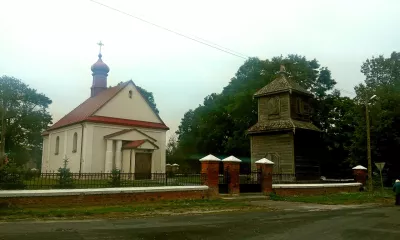
Uhursk lies along provincial road 816 between Dorohusk and Włodawa and on the Chełm — Włodawa railway line, approximately 20 km northeast of Chełm. A few hundred metres away is the Church of Saint John the Baptist, and 10 km to the northwest is the former church in Kosyn. Further to the north begin the Sobibór Forests with the Sobibór Forests Trail and Sobibór Loop routes. The church is opened for services. The village lies near the border, so keep your documents with you. For citizens of Ukraine, this is Poland: a foreign passport is required.