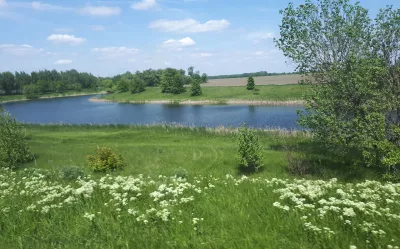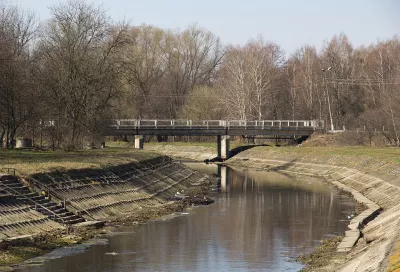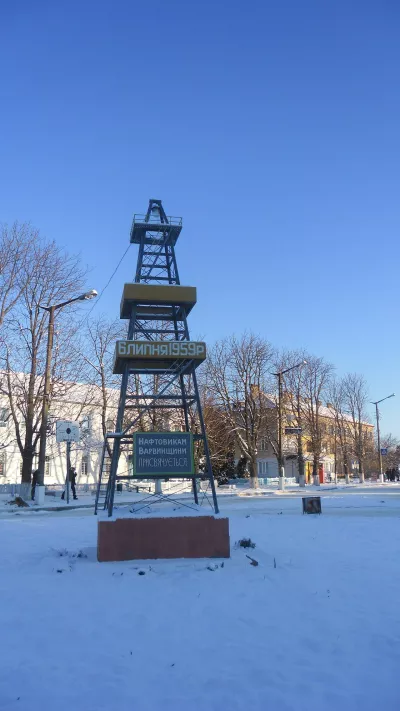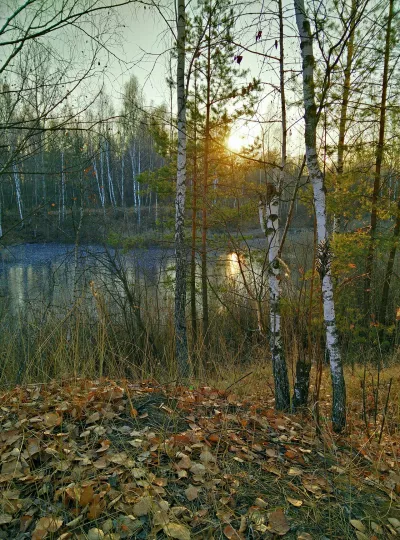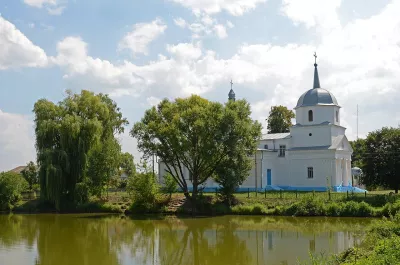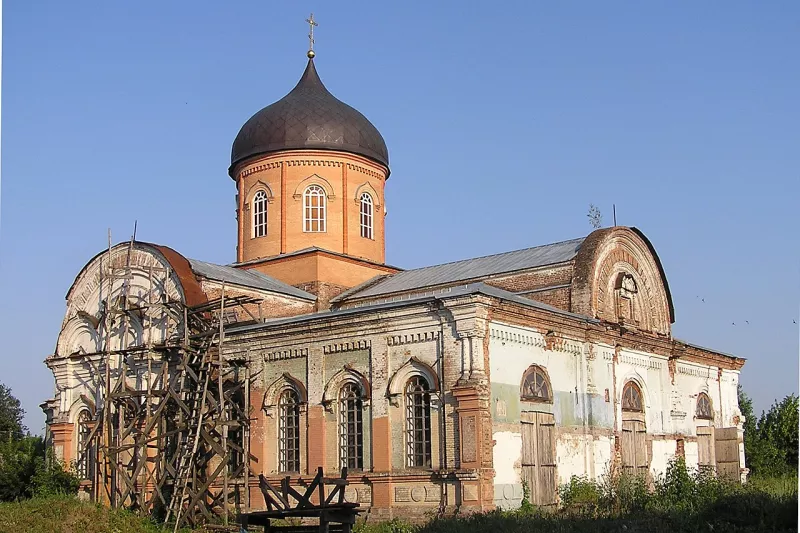

Borzna is a town on the Borzenka River in Nizhyn Raion, located 104 km southeast of Chernihiv, with a population of about 9,500 people. It was once a regimental and sotnia town, and later a county town. Borzna is not among the major tourist centers, but it is worth stopping here on the way to Baturyn: one of the most tragic chapters of the Ruin unfolded here, and nearby lived and was buried Panteleimon Kulish.
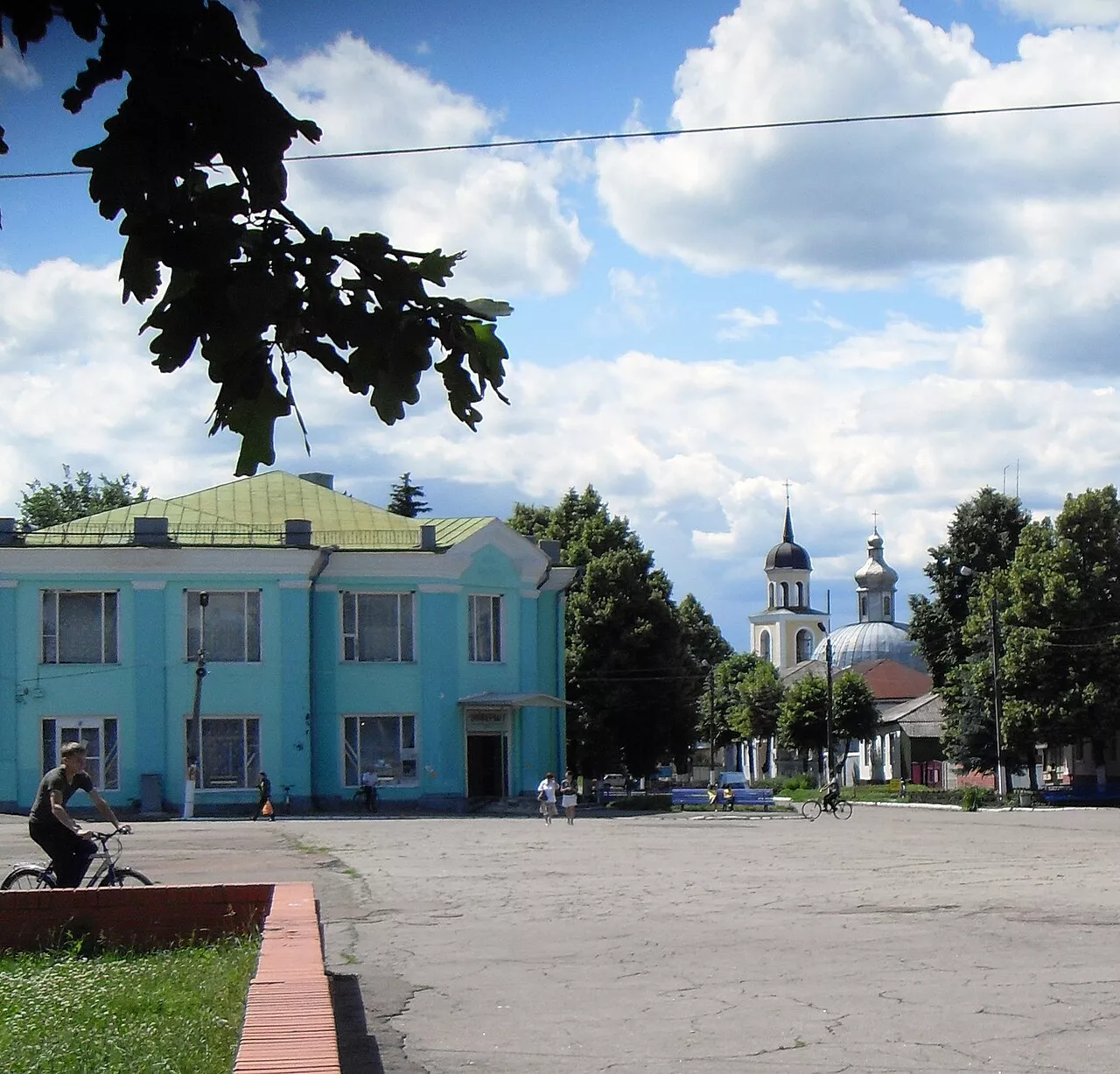
Name and Antiquity
The most common version links the town’s name with the Borzna and Borzenka rivers, whose names come from the old word “borzyna,” meaning a fast stream. People have lived here since ancient times: archaeologists have found Scythian burial mounds from the 5th century BC, traces of Chernyakhiv settlements, Roman coins, and a Rus’ hillfort destroyed in 1239.
Magdeburg Rights and Cossacks
Under the Deulino Armistice of 1618, Borzna passed to the Polish–Lithuanian Commonwealth. In 1634, the town received Magdeburg rights and a coat of arms. The local slobodas rebelled so actively that Field Hetman Mykola Potocki called them a “school of rebellions.” In May 1648, Khmelnytsky’s Cossacks liberated Borzna, and that same year the Borzna Regiment was formed here under Petro Zabila. Soon the regiment was disbanded, and Borzna became a sotnia town, first of the Chernihiv Regiment, then of the Nizhyn Regiment.
The most tragic event in the town’s history occurred in 1663. After the Black Council, the new hetman Ivan Briukhovetsky ordered the execution in Borzna of his rivals for the hetman’s mace — acting hetman Yakym Somko and Nizhyn colonel Vasyl Zolotarenko.
The Most Ukrainian-Speaking Town of the Left Bank
According to the 2001 census, 97.8 percent of Borzna’s residents named Ukrainian as their native language. This is the highest figure among towns in Chernihiv Oblast and the entire Left Bank. In 1861, Taras Shevchenko’s last journey from Saint Petersburg to Kaniv passed through Borzna, commemorated by a memorial sign. At the beginning of the full-scale invasion, from 25 February to 30 March 2022, the town was under occupation.
Motronivka Farmstead and Hannyna Pustyn
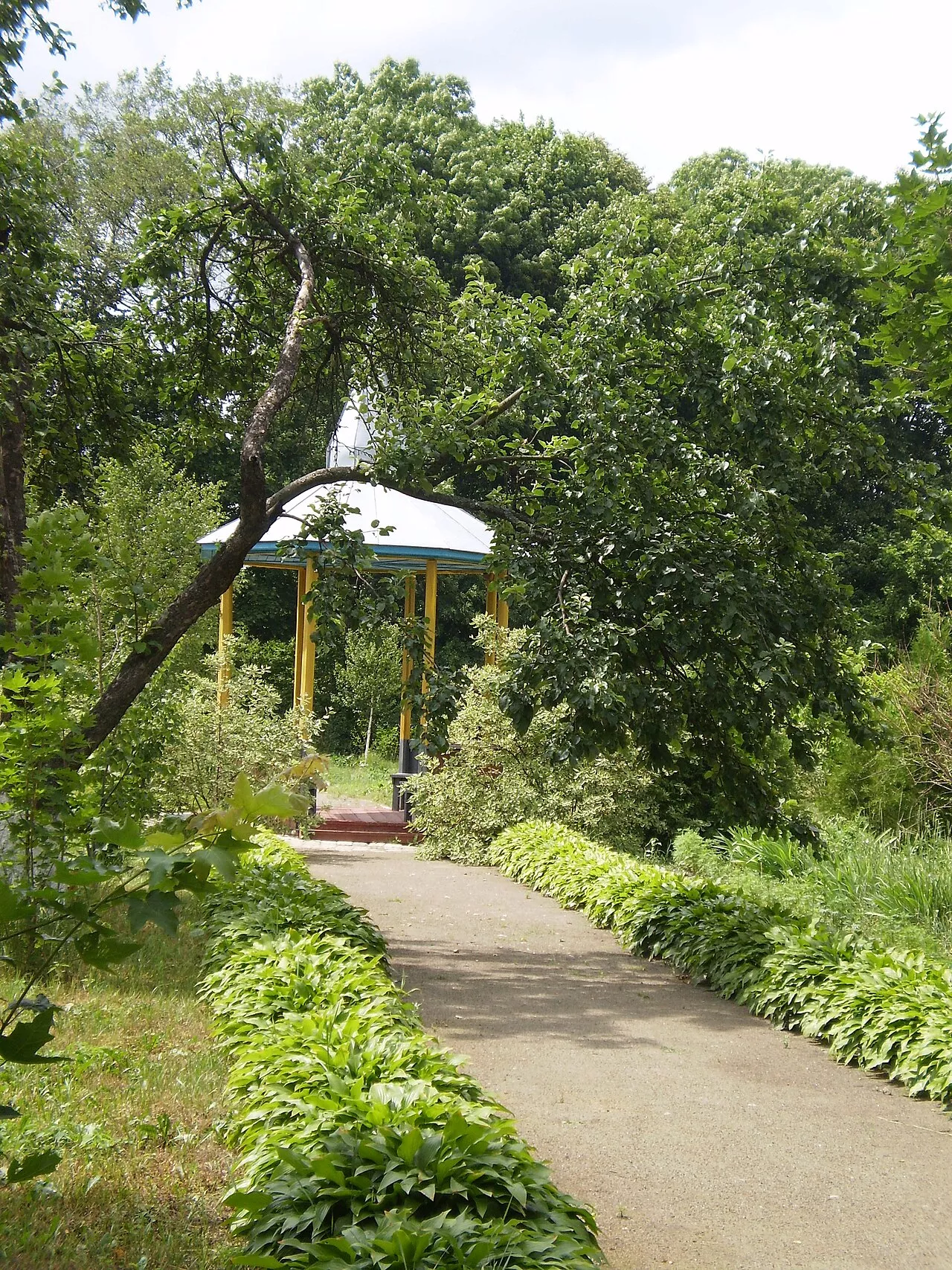
On the outskirts of Borzna, at the Motronivka farmstead, operates the regional historical-memorial museum-reserve “Hannyna Pustyn.” Here lived the writer, historian, and Bible translator Panteleimon Kulish and his wife, writer Hanna Barvinok. Both are buried at the farmstead. The museum displays their estate, personal belongings, and books, and nearby stands a chapel.
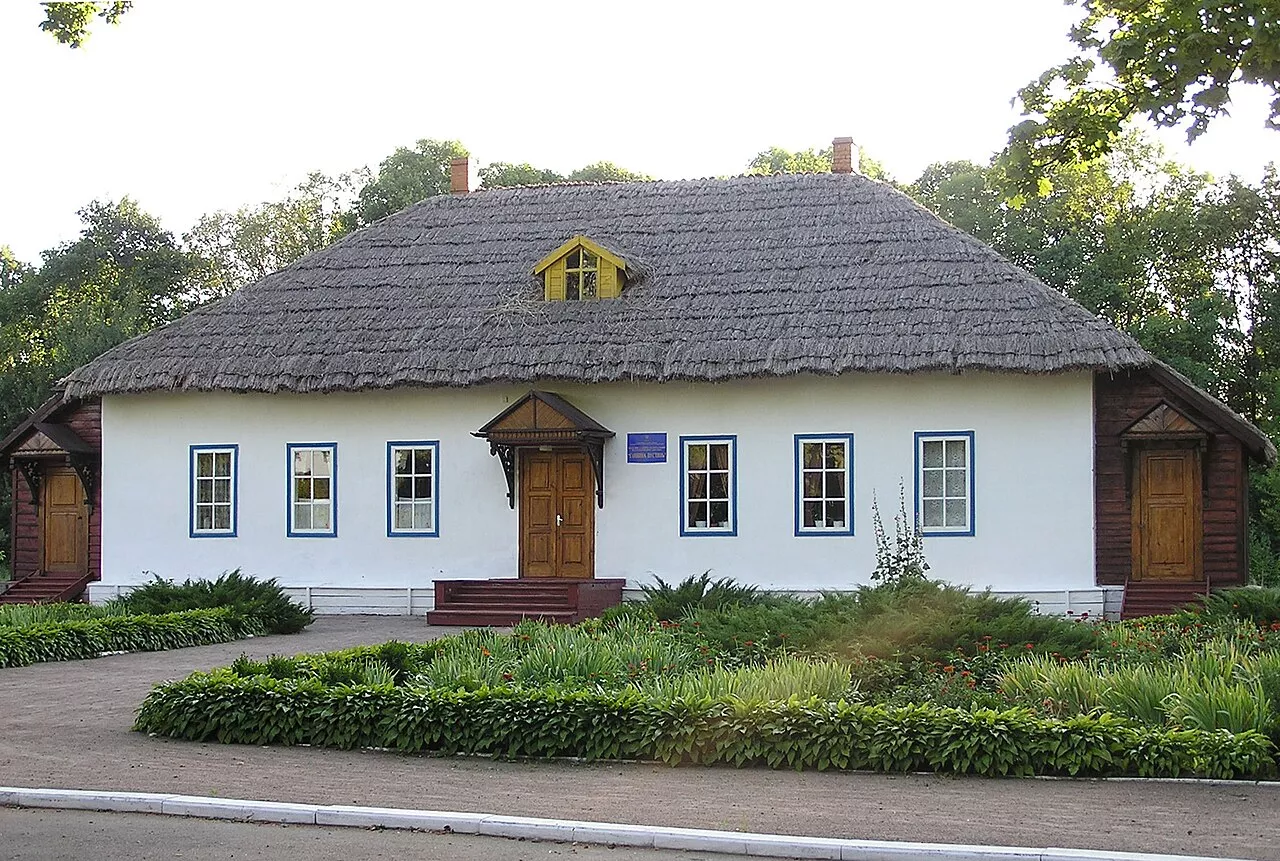
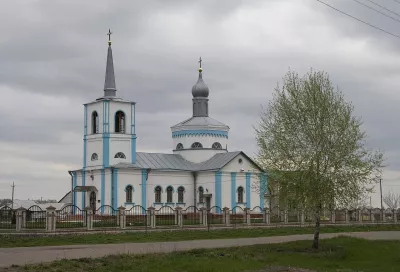
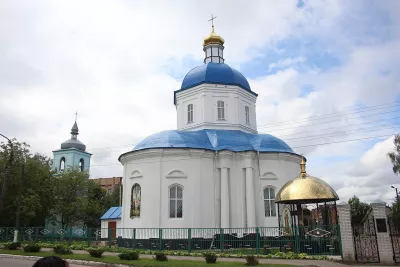
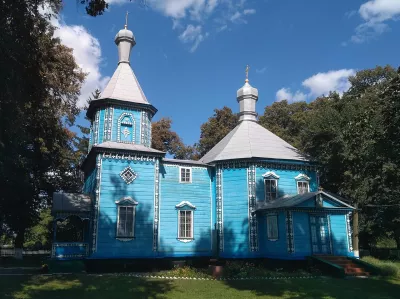
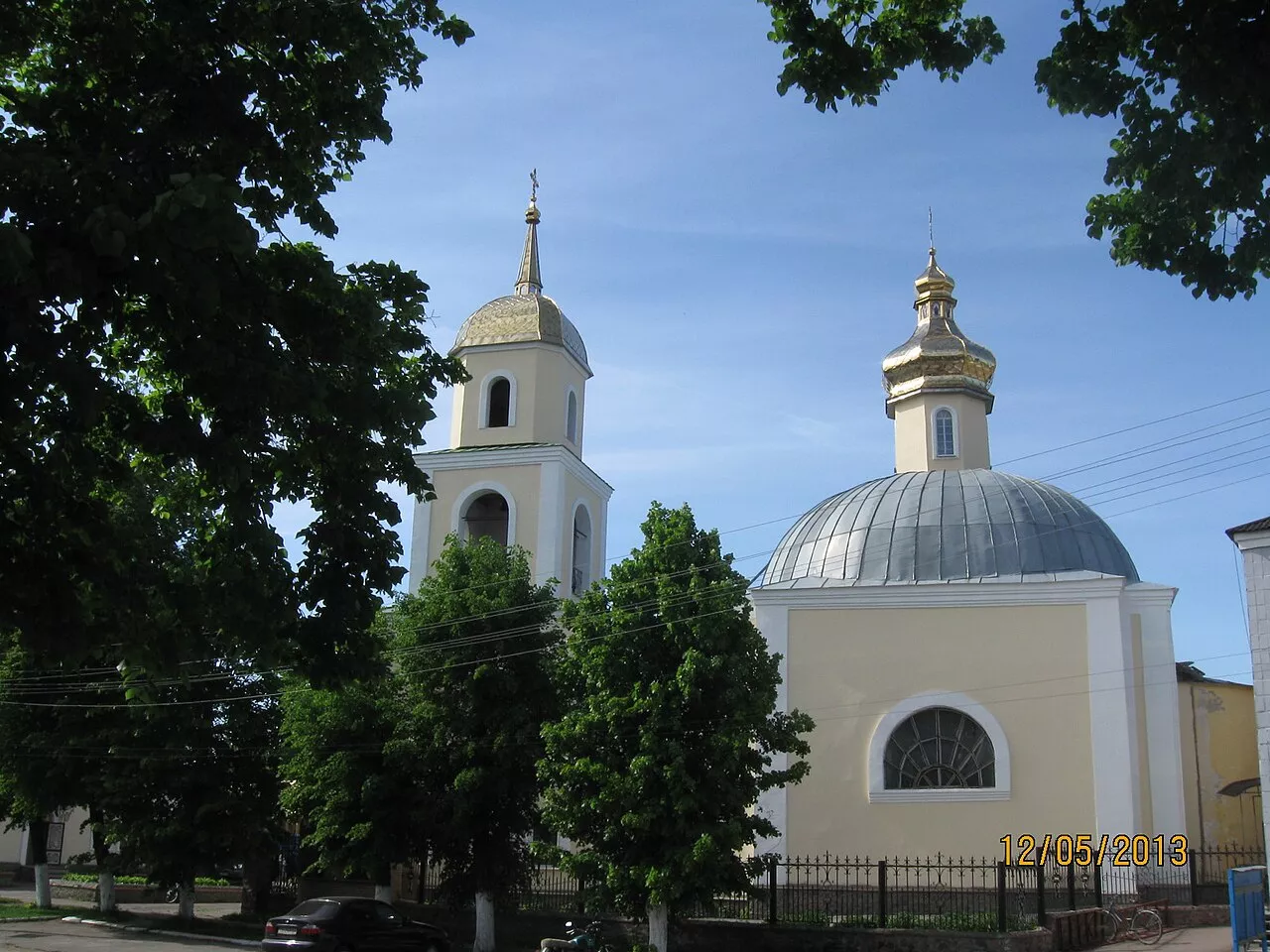
Within the town itself, there are the art-memorial museum “Estate of the People’s Artist of Ukraine Oleksandr Saienko” and the local history museum. The old Christmas and St. Nicholas churches have been preserved in the center. Every autumn, a large Pokrova fair takes place in Borzna.
Coat of Arms and Flag
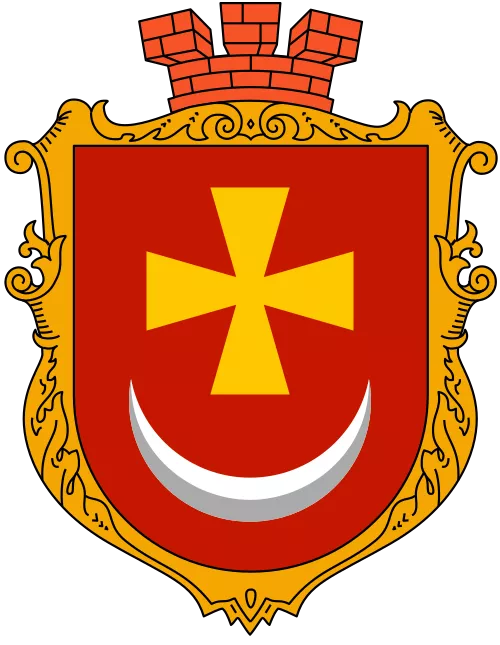
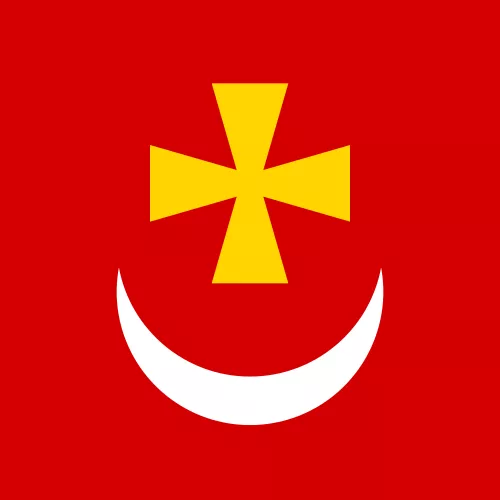
The coat of arms of Borzna copies the historic emblem the town received along with Magdeburg rights in 1634: in a red field, a golden knight’s cross above a silver crescent with horns pointing upwards. The cross symbolizes faith and readiness to defend the native land, the inverted crescent represents victory over invaders. The flag is a square red cloth with the same cross and crescent.
How to Get There
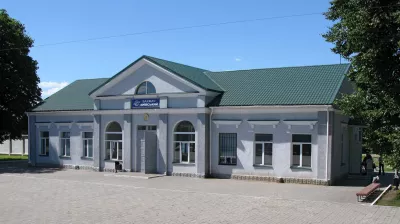
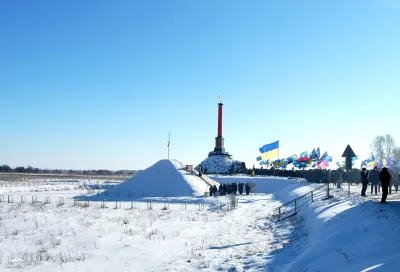
Borzna lies 2 km from the Kiptiv — Bachivsk highway and 12 km from Doch railway station on the Bakhmach — Gomel line. Buses run from Chernihiv, Nizhyn, and Bakhmach. The trip can conveniently be combined with Baturyn and the “Memory of the Heroes of Kruty” memorial.