
Epiphany — the last holiday of the Christmas cycle. In the morning, people go to collect holy water, and the bravest dive into the ice hole. In Polissia, where there are as many rivers and lakes as anywhere else in Ukraine, this tradition remains strong. But icy water does not forgive mistakes, so below you will find information about the traditions, where people bathe in regional centers, and how not to harm yourself.
When it is celebrated
The Orthodox Church of Ukraine and the Greek Catholics have been following the new calendar since 2023, so Epiphany is now on January 6, and the second Christmas Eve is on January 5. The next holiday falls on Wednesday, January 6, 2027. Some parishes of other churches continue to celebrate on January 19.
How it was celebrated in Polissia
The second Christmas Eve is called the Hungry Kutia: people fast all day and have dinner with the first star. On the table are fish, dumplings with cabbage, buckwheat pancakes, kutia, and uzvar. In Polissia, on this evening, three crosses were drawn with chalk on windows and doors, and in some places also trees, horses, people, and carts. The straw from under the festive tablecloth was carried barefoot by the host to the orchard and tied around the fruit trees.
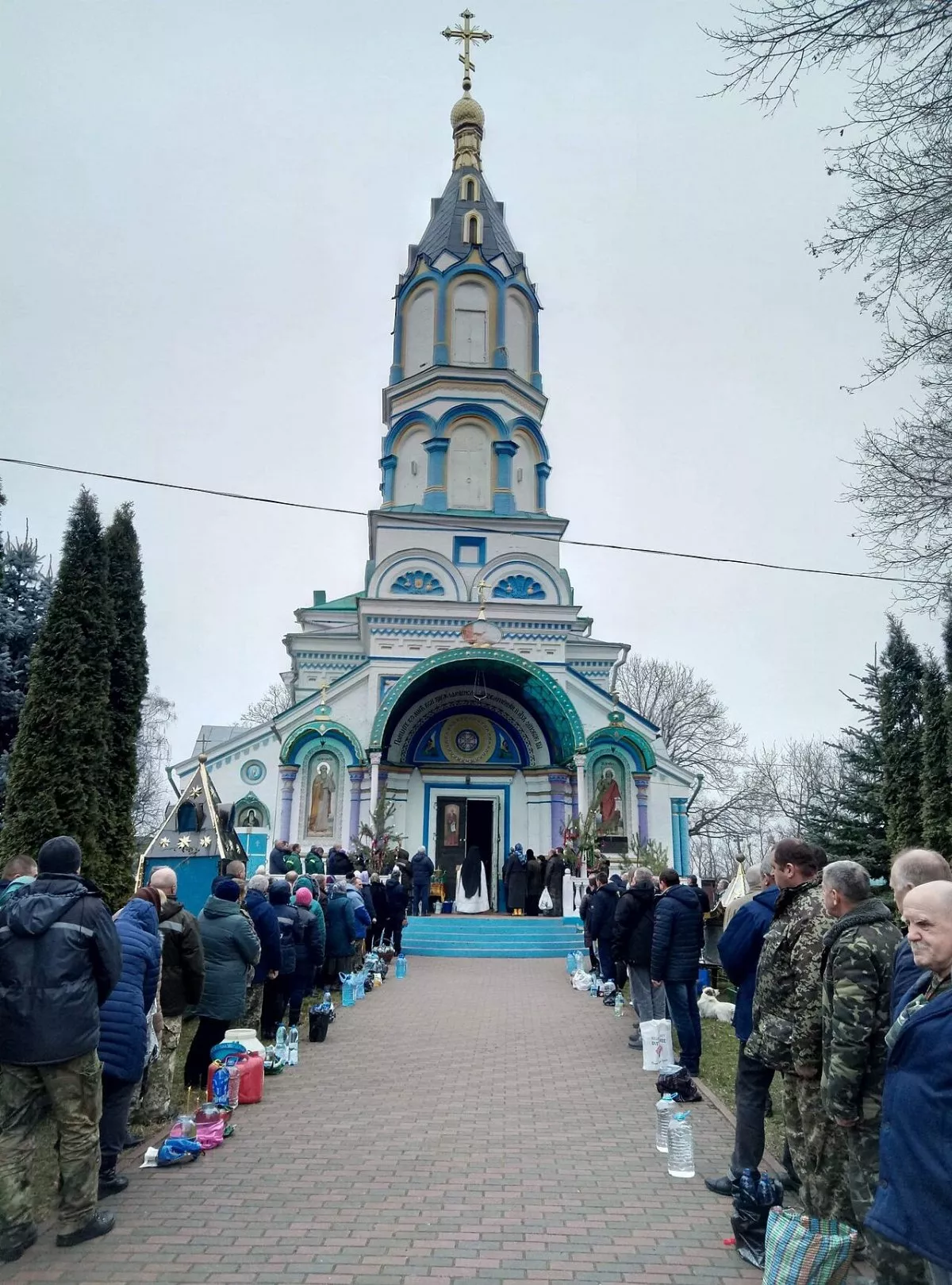
In the morning, water was blessed on the river. On the eve, a large cross—Jordan—was cut out of the ice, often sprinkled with beet kvass to turn it red, and decorated with periwinkle and pine branches. Holy water was taken home, sprinkled on the house, livestock, and well, and kept for the whole year. Memories from a Zhytomyr village in the 1940s describe how doves were released over people at Jordan, and hunters fired blanks—“shooting the carol.”
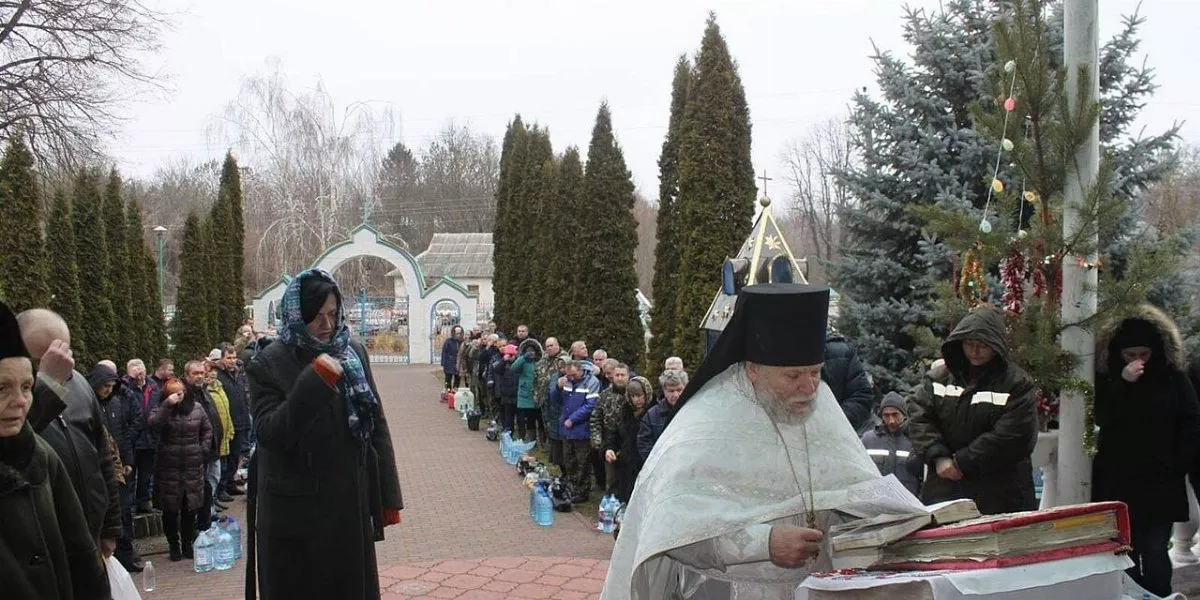
The main point of the holiday is the blessing of the water itself, not the bathing. You can collect holy water at any church, which is a good option for those who cannot dive.
Where people bathe in regional centers
Official lists of places for bathing are published by city councils and the State Emergency Service every year at the end of December—closer to the holiday. For now, you can rely on previous years: the places hardly change from year to year.
Zhytomyr
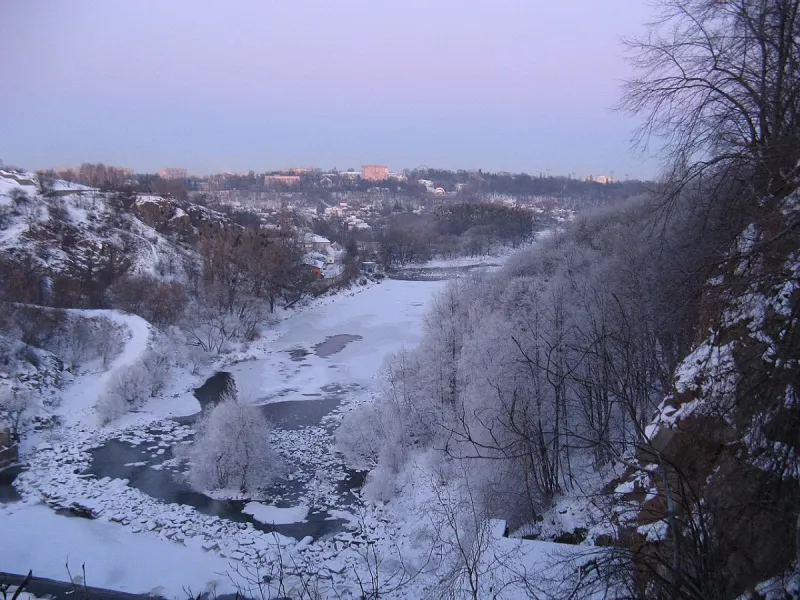
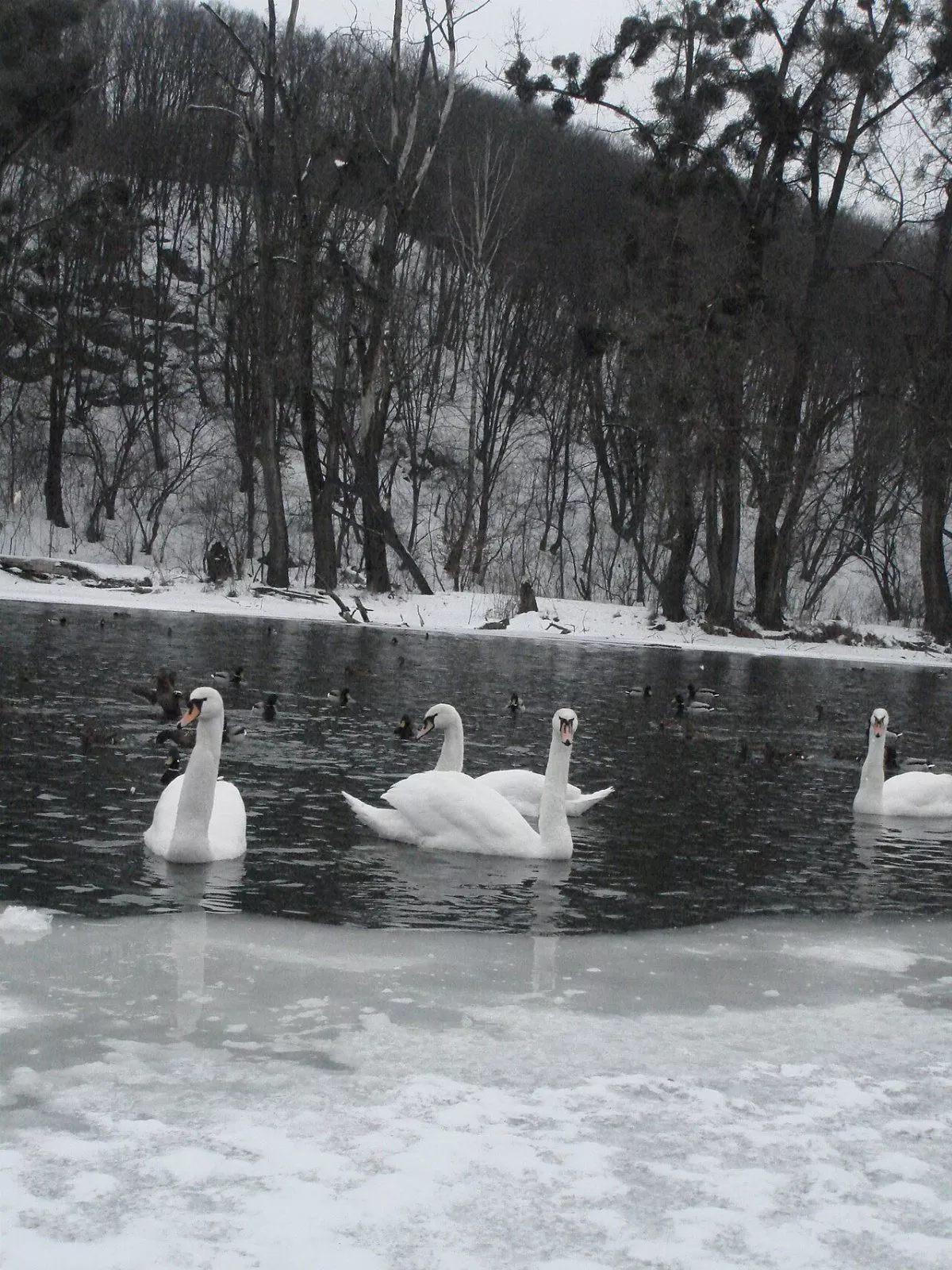
The traditional place is the city Hydropark on the Teteriv. According to Suspilne, in 2023 people bathed near the river, and the city water rescue service was on duty. In 2025, no mass events were planned in the Hydropark, and on January 6, 2026, Zhytomyr residents dived into the Teteriv on their own in the morning, without an organized event, and one of the bathers complained to journalists about the lack of rescuers. Holy water is traditionally collected near the St. Michael’s Cathedral. More about the city in our Zhytomyr guide.
Rivne
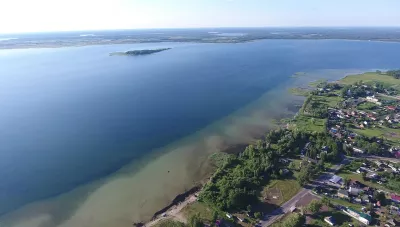
The main place is Lake Basiv Kut. In 2016–2019, rescuers cut a cross in the ice here, and the water was blessed right on the lake. In 2020, the ice was less than half a centimeter thick, so the water was blessed near the Holy Trinity Church. In 2022, rescuers were on duty at Basiv Kut as well as at Bile Lake in Varash district and the Khrinnytske Reservoir. Other places in the region are listed annually by the rescue service. What to see in the city is in the article about Rivne.
Lutsk and Volyn
In Lutsk, rescue posts are usually set up on the Styr near Lesya Ukrainka Central Park and at the Teremnivskyi Pond. According to Suspilne, about a hundred people take a dip daily in winter at the central beach on the Styr, hardening themselves. In 2020, 23 places for Epiphany bathing were arranged across the region, including Svityaz, Lake Chorne, and the “Krynytsia” spring in the village of Baiv. About the city — in the Lutsk guide.
Chernihiv
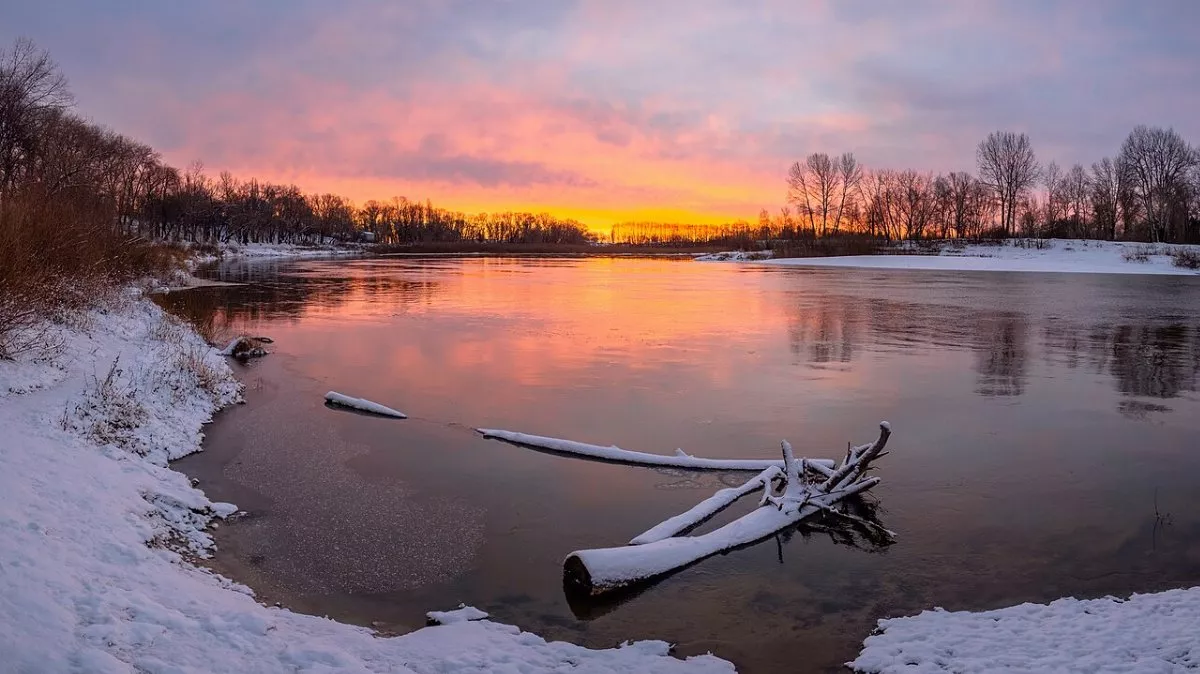
The people of Chernihiv dive into the Desna at the city beach “Zolotyi Bereh” and at the “Zemsnaryad” location. Here it is important to know: in 2026, there were no officially arranged places in the city, and the State Emergency Service rescuers did not stand guard near the water bodies — the ice holes were cut by the locals themselves. Even in 2023, rescuers warned that explosive devices might remain on the shore and bottom, so swimming is only recommended where divers have checked the bottom. About the city — in the article “Chernihiv — the Ukrainian Ravenna on the Desna”.
Sumy
In Sumy, bathing places were arranged on the Psel: near the Kharkiv Bridge on Plyazhnyi Lane and near the Zdybanka complex on Zalyvna Street. Divers, medics, and police were on duty there, and a tent for warming up was set up. Sumy and the region are regularly shelled, so on the holiday day, pay special attention to alarms and it is better to avoid large crowds.
Kyiv Region
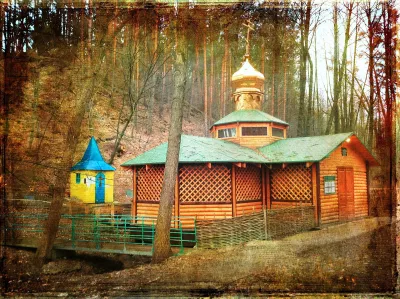
In the communities of Kyiv Polissia, lists of bathing places are usually published by the communities and the State Emergency Service just before the holiday — look for them at the end of December. If you want to go to a spring for Epiphany rather than an ice hole — near Kyiv there is the Dzvinkova Krynytsia in Mezhyhirya, and in Zhytomyr region — the Kypiache tract with a bathing place near the monastery.
How to Dive Safely
Dipping into icy water is a strong stress for the body. Sudden cooling can cause spasms of the heart vessels, rhythm disturbances, and even reflex cardiac arrest. Therefore, doctors and rescuers advise the same thing.
Who Should Not Dive
According to the recommendations of the Ministry of Health and doctors, people with heart and vascular diseases, high blood pressure, after a heart attack or stroke, with bronchial asthma and other lung diseases, epilepsy, diabetes mellitus, glaucoma, inflammation of the kidneys and bladder, ulcers, as well as during colds, sinusitis, or otitis should not dive. Pregnant women and children under six years old are not allowed; older children only under adult supervision. Only completely healthy people can dive, and it is better to consult a family doctor first.
How to Enter the Water
- Swim only in designated areas where rescuers and medical personnel are on duty. Do not go onto the ice where it has not been checked.
- Warm up before immersion: a few minutes of active movements, but without exhaustion.
- Enter gradually: wash your face, wet your chest and back, then immerse up to your neck. Do not wet your head — the body cools down fastest that way.
- Do not jump into the water with a run-up or dive under the ice.
- Stay in the water for a few seconds: the Ministry of Health recommends 3–5 seconds, and even for hardened people rescuers advise no longer than a minute.
- Do not enter the water alone — someone should be nearby to offer a hand and a towel.
After swimming
Dry off immediately and put on dry warm clothes — loose, without small buttons, so you don’t struggle with cold fingers. Take a thermos with hot tea. Alcohol does not warm you: it dilates blood vessels, causing the body to lose heat even faster. Do not drink it before or immediately after swimming, and do not smoke.
If an alarm sounds
Do not enter the water during an air raid alarm. If the alarm catches you on the shore — dry off quickly, dress, and go to the nearest shelter. Check in advance where it is located near the swimming area and follow notifications in the app. Due to martial law, mass events may be restricted — check the holiday program with the city council or the regional military administration.
What to take with you
- A large towel, dry warm clothes, a hat, and socks.
- Rubber slippers or aqua shoes — to avoid cutting your feet on the ice and slipping.
- A mat to change shoes on.
- A thermos with warm tea and a charged phone — in case of blackout or alarm.
- A bottle for holy water.
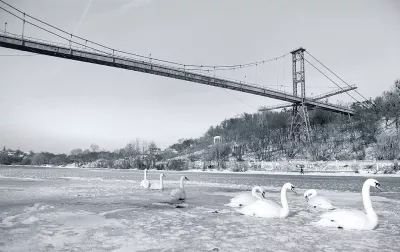
And if you don’t want to dive, you can spend Epiphany quietly: take water from the church, walk along the snowy shore of the Teterev, Tsyr, or Desna, and watch how others bravely enter the icy water.